What Is Mustard Oil? A Complete Guide to Benefits, Uses, and Safety
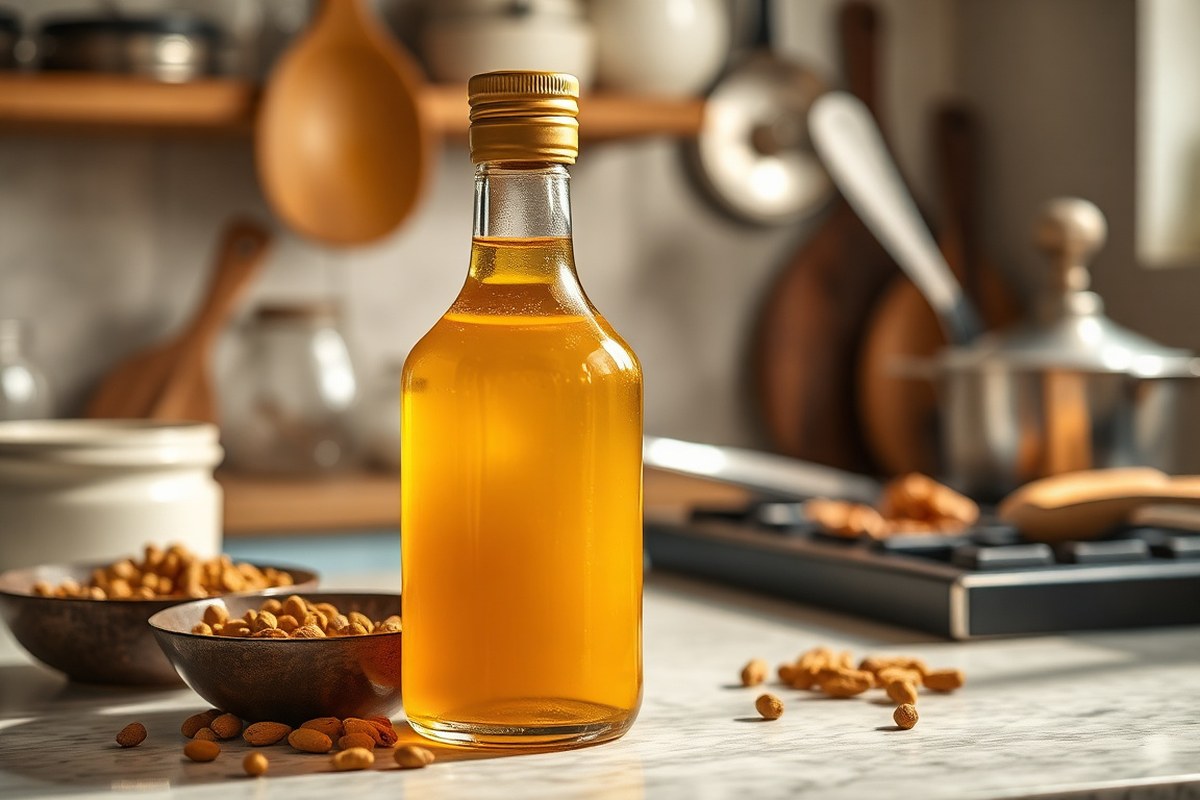
What is mustard oil? It’s an oil made by pressing mustard seeds from the Brassica family.
This oil is widely used in cooking and traditional remedies, especially in South Asia. It comes from black, brown, or white mustard seeds, each giving a slightly different flavor.
Mustard oil has a high smoke point near 250°C (482°F). Its strong, pungent flavor adds a distinctive taste to dishes like curries and pickles. You can buy it cold-pressed or refined, with cold-pressed versions keeping more nutrients and natural aroma.
Besides cooking, mustard oil often appears in hair care and skin treatments. It contains omega-3 and omega-6 fatty acids that support heart and skin health. However, it also contains erucic acid, which means you should use it in moderation for safety.
Key Takeaways
- Mustard oil is made by pressing mustard seeds from the Brassica family.
- It has a high smoke point around 250°C, ideal for frying and roasting.
- Cold-pressed mustard oil retains more vitamins and natural compounds.
- Its strong flavor suits bold, spicy cooking styles.
- Contains omega-3 and omega-6 fatty acids beneficial for heart health.
- Erucic acid in mustard oil can be toxic in large amounts.
What Is Mustard Oil and How Is It Made?
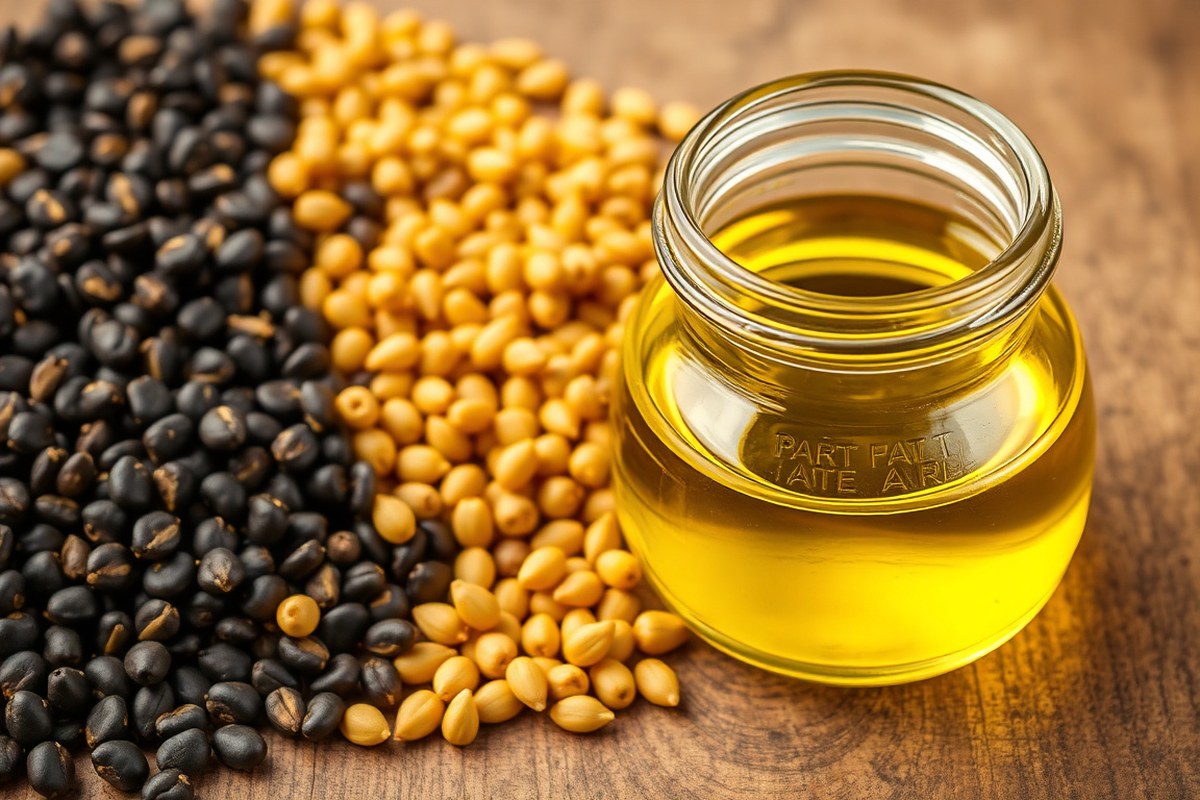
Mustard oil comes from pressing seeds of the mustard plant. The seeds are crushed to release the oil.
Traditional cold pressing keeps flavor and nutrients but yields less oil. Modern processes use steam or solvent extraction for higher yields.
There are two main types: pressed mustard oil and essential mustard oil. Pressed oil is used for cooking or massage. Essential oil, made by steam distillation, is highly concentrated and used for fragrance or traditional medicine.
The oil contains mostly unsaturated fatty acids, including monounsaturated and polyunsaturated fats. Its signature fat is erucic acid, ranging from 20% to 40% of the oil. Newer varieties bred to reduce erucic acid can have as little as 4%.
Erucic acid is a long-chain fatty acid linked to health concerns if consumed in large amounts. The U.S. FDA warns against cooking with mustard oil because of its higher levels. Countries like Canada restrict food use to keep intake low.
Some South Asian regions use mustard oil traditionally. They say the risk is low. They use normal cooking amounts only.
Mustard oil also contains beneficial omega-3 fatty acids like alpha-linolenic acid. This fatty acid supports heart health and reduces inflammation. It offers a balance of omega-3 and omega-6 fats, plus vitamin E and antioxidants.
Here’s how mustard oil types differ:
| Type | Extraction Method | Erucic Acid Content | Use |
|---|---|---|---|
| Pressed Mustard Oil | Cold pressing or expeller-pressed | 20%, 40%, sometimes lower in bred varieties | Cooking, massage, traditional uses |
| Essential Mustard Oil | Steam distillation | Trace amounts | Fragrance, medicinal applications |
| Low-Erucic Mustard Oil | Breeding and pressing | As low as 4% | Cooking, safer for diet |
Extracting oil takes steps like cleaning, drying, and crushing seeds. To cold-press, seeds are ground and pressed slowly below 120°F. This helps keep flavor but yields less oil.
Expeller pressing uses mechanical pressure and heat up to 200°F. This method yields more oil. It lowers flavor a bit.
Mustard oil stands out for its blend of healthy fats and erucic acid. Choose low-erucic varieties if you want to avoid health risks.
Traditional users often favor full-flavor pressed oil despite the controversy. Always check product labels to know what you’re getting.
What Is the Nutritional Profile of Mustard Oil?
Mustard oil is mostly fat, with a high number of calories. One tablespoon contains about 124 calories, coming mainly from fats. This oil has a lot of monounsaturated fats.
These fats are better for your heart than saturated fats. Saturated fats appear in butter and palm oil.
It also contains polyunsaturated fats, including omega-3 and omega-6 fatty acids. These healthy fats might help lower inflammation and support blood vessel health. Besides fats, mustard oil contains vitamin E, a natural antioxidant that protects your cells from damage.
| Nutrient | Amount per 1 tbsp (14 g) |
|---|---|
| Calories | 124 |
| Total Fat | 14 g |
| Monounsaturated Fat | ~70% of fat |
| Polyunsaturated Fat | Contains omega-3 and omega-6 |
| Saturated Fat | Low concentration |
| Vitamin E | Present (amount varies) |
| Other Compounds | Allyl isothiocyanate (antibacterial) |
Cold-pressed mustard oil keeps vitamin E, carotenoids, and natural sterols better. These nutrients help your immune system and heart health. Mustard oil does not contain carbs, protein, or fiber, so it’s nearly pure fat.
Mustard oil has healthy fats and vitamin E. These nutrients can help support your nutrition. That makes it a good oil choice for cooking.
However, avoid using too much since it is high in calories like any oil. Look for cold-pressed oils for the best vitamin retention.
Pick cold-pressed mustard oil for best nutrition. Keep the oil in a cool, dark place. This helps protect the vitamin E inside.
What Are the Health Benefits and Risks of Mustard Oil?
Mustard oil offers some heart and anti-inflammatory benefits but also carries health risks. It supports heart health through good fats and may ease inflammation. However, its erucic acid content and allergy potential require attention.
Cardiovascular and Anti-Inflammatory Properties
Mustard oil has omega-3 and omega-6 fatty acids. These fats can reduce bad LDL cholesterol and raise good HDL cholesterol. Using mustard oil in cooking can help keep your heart healthy.
Research also shows mustard oil has compounds that reduce inflammation. This can help with arthritis and joint pain by calming the body’s inflammatory response. Including mustard oil in your diet or as a massage oil may ease soreness and stiffness.
Its antibacterial properties add to health benefits by fighting harmful microbes. This can reduce infections that sometimes worsen inflammation. The omega fats also support heart function beyond cholesterol management.
Potential Toxicities and Side Effects
Raw mustard oil contains a lot of erucic acid. Eating too much might be bad for your heart. Use it carefully and in small amounts.
Past concerns mainly came from animal studies with very high erucic acid doses. Regulatory agencies, including the FDA, restrict high-erucic acid oils for human use.
You might experience allergic reactions if you have sensitive skin or allergies. Symptoms can include redness, itching, or rash after topical use. Testing a small amount on your skin before regular use helps prevent serious reactions.
Mustard oil is calorie-dense like other cooking oils. Overusing it may cause weight gain. Stay within recommended oil amounts, around 1 to 2 tablespoons daily, for safe consumption.
Who Should Avoid or Limit Use
Pregnant and breastfeeding women should consult a healthcare provider before using mustard oil. Its safety during pregnancy is unclear, and high erucic acid may carry risks. Medical advice can help weigh benefits versus possible harm.
People with heart conditions need to be cautious about erucic acid intake. When unsure, pick oils low in erucic acid or none at all. These options reduce any potential heart health risks linked to mustard oil.
Anyone prone to skin allergies or with sensitive skin should limit topical use. Start with a small patch test to check for irritation. Avoid mustard oil if you notice any discomfort or severe reactions.
How Does Mustard Oil Compare to Other Cooking Oils?
Mustard oil stands out for its high smoke point, bright flavor, and omega-3 fats. Its smoke point hits about 250°C (480°F), making it great for deep frying, roasting, and sautéing. This is higher than many vegetable oils, lending it a unique edge in high-heat cooking.
The flavor of mustard oil is strong and pungent. It adds a bold kick unlike neutral oils like canola or sunflower. Because of this, it suits dishes needing a spicy, mustardy note but may overpower delicate recipes.
Here’s a simple table comparing common cooking oils and mustard oil. It shows smoke points, omega-3 levels, and common uses. This helps you pick the best oil for your cooking needs.
| Oil | Smoke Point (°F / °C) | Omega-3 per tsp (g) | Flavor | Best Uses |
|---|---|---|---|---|
| Mustard Oil | 480 / 250 | 0.8 | Strong, pungent | Frying, sautéing, pickling |
| Avocado Oil | 520 / 271 | Low | Mild, buttery | High heat cooking, dressings |
| Peanut Oil | 450 / 232 | Low | Light, nutty | Frying, stir-fry |
| Sunflower Oil | 440 / 227 | Very low | Neutral | Baking, frying |
| Olive Oil (Extra Virgin) | 375 / 190 | Low | Fruity, peppery | Dressings, low heat cooking |
Mustard oil’s omega-3 fats offer a health boost over many seed oils like sunflower or peanut. Its pungency comes from compounds like glucosinolates, which also help preserve food when pickling. The oil works well in flavorful dishes and can handle heat without breaking down easily.
Choose refined mustard oil if you want milder taste and fewer free fatty acids. This oil suits people who don’t like sharp flavors. It’s great for recipes needing milder taste.
You’ll find it easier to use in subtle dishes. Raw mustard oil keeps the full kick but suits bold dishes that match its intensity.
How to Cook Safely and Effectively with Mustard Oil?
Preparing Mustard Oil for Cooking
Mustard oil has a strong, pungent flavor that some find harsh at first. To soften this taste, heat the oil gently before use to mellow its sharpness.
Warm the oil over low heat for about two minutes until you smell the aroma. But don’t let it smoke.
This preheating also helps release flavorful compounds and reduces the raw bite. You can add a pinch of asafoetida or cumin seeds while heating.
This softens mustard oil’s strong flavor. It balances the pungency effectively.
Best Cooking Techniques with Mustard Oil
Mustard oil’s high smoke point, around 480°F (250°C), makes it excellent for frying and deep-frying. Use it for stir-frying, tempering spices, or shallow frying to preserve the oil’s taste and nutrients.
When deep-frying, heat it slowly to 350°F (175°C) and keep the temperature steady. Avoid overheating, which can degrade the oil and cause bitterness.
Cold-pressed mustard oil works well. But refined varieties are smoother and better for frying if you prefer less pungency.
- Heat oil slowly until just warm to reduce sharpness
- Use moderate heat of 350°F to 375°F for frying
- Add whole spices like cumin or mustard seeds while heating
- Deep-fry fritters, pakoras, or fish for best results
- Use oil sparingly to control intensity in salads and pickles
Mustard oil’s pungency can overpower dishes if heated too high or used in excess.
Its pungent flavor is signature in tempering, which means frying spices briefly in hot oil. This step brings out bold aromas that improve dals, curries, and vegetable dishes.
Traditional Dishes and Pickling Uses
Mustard oil is important in South Asian recipes. You find it in sarson ka saag and pickles. It also flavors tandoori dishes well.
Its strong taste pairs well with bold spices and acidic pickle brines. The oil acts as a natural preservative in pickling over weeks.
Use cold-pressed mustard oil for pickling. Pour it over vegetables with salt, turmeric, and chili powder. This mix starts the pickling process.
Let the pickles sit in sunlight for 3 to 4 weeks. This helps develop their flavor. It also keeps them fresh longer.
Mustard oil works well beyond frying foods. It adds richness to chutneys and marinades.
The oil gives a warm heat others don’t. It’s common in Indian, Pakistani, and Bengali cuisine.
How to Choose, Store, and Preserve Mustard Oil Quality?
Look for mustard oil with a strong, sharp smell. It should have a deep golden to brownish color. These signs show good quality oil.
Cold-pressed oil retains more of these traits than refined versions, which smell milder and look lighter. Check the label for words like “cold-pressed” or “pure.”
Avoid oils that are mixed or diluted. They cost less but don’t have the same benefits or taste.
Packaging matters too. Oil in dark glass bottles or metal containers protects from light, slowing down oxidation.
Avoid clear plastic bottles, as they let light shorten the oil’s shelf life. Also, tightly sealed caps keep out air and moisture that cause the oil to go rancid.
- Choose cold-pressed, pure mustard oil with a pungent aroma.
- Pick oil in dark glass or metal containers to block light.
- Check that the container seals tightly and remains airtight.
- Buy from trusted brands or sources with clear labeling.
- Avoid musty or off smells; they show poor quality or age.
Mustard oil should stay somewhere cool and dark, like a pantry or cupboard. Keep it away from heat, sunlight, and moisture. Store mustard oil in the fridge if your kitchen is warm.
Cooling slows spoilage but may cause cloudiness. The cloudiness clears once the oil warms up.
Once opened, mustard oil typically lasts from 6 to 12 months. Its shelf life depends on storage conditions and processing type. Refined oil usually stays good longer because processing removes impurities that spoil faster.
You can tell if the oil has gone bad by its smell and taste. It becomes sour and less punchy.
Cloudiness, sediment, or a sticky texture also hint the oil has degraded. Using spoiled oil can affect your dishes’ flavor and reduce the health benefits.
What Are the Benefits and Methods of Using Mustard Oil for Skin Care?
Mustard oil has warming and soothing properties that may benefit the skin. It can help with dryness, irritation, and signs of aging when applied carefully. Using it properly ensures you avoid irritation and get the best effects.
Nutrients in Mustard Oil Beneficial for Skin
Mustard oil contains compounds with antimicrobial and anti-inflammatory effects. These can help reduce redness, itchiness, and bacterial growth on the skin. It also has vitamin E, which supports skin repair and softness.
The oil’s fatty acids contribute to moisturizing dry skin and protecting its barrier. These nutrients help maintain healthy skin and can reduce flaking or rough patches. Their combined effects make mustard oil a good option for skin care.
Common Skin Uses and Expected Effects
People often use mustard oil to lessen skin tanning and reduce age marks. Applying it may soothe itchy or irritated skin in some cases. Many rely on it for regular skin massages due to its warming feel.
Because of its strong nature, mustard oil can cause irritation in sensitive skin. Patch testing is important before regular use.
Notice redness or a rash? Stop using it and rinse well right away.
Recommended Application Techniques
Start by doing a patch test on a small skin area and wait 24 hours. No redness or itching?
You can spread it on more skin safely. Use clean fingertips to gently massage a thin layer of oil onto the skin.
Leave it on for about 10 minutes to remove tan, soothe irritation, or reduce aging signs. For dry skin, put it on before bedtime.
Wash it off in the morning. Avoid eyes and broken skin while applying.
Skin reacts? Wash the area right away with mild soap and water.
Limit use to two or three times a week. Regular but moderate use tends to deliver better results without harm.
How to Use Mustard Oil for Hair Growth and Scalp Health?
Massaging mustard oil into your scalp can help reduce dandruff and strengthen hair roots. It may also promote hair growth, though most evidence is anecdotal. Many people warm the oil slightly before applying it to boost absorption and comfort.
To apply, warm two tablespoons of mustard oil until just warm to touch. Use your fingertips to gently massage oil into your scalp. Do this for 5 to 10 minutes.
This helps the oil soak in well. This improves blood flow and helps the oil reach hair follicles effectively.
Leave the oil in for at least 30 minutes or overnight for deeper conditioning. After, wash your hair with a mild shampoo to remove excess oil. Apply mustard oil twice a week for better scalp health.
Over time, your hair will feel softer. It can also grow stronger this way.
Mix mustard oil with a milder oil like sesame or groundnut. This cuts its strong smell. It also lessens scalp irritation risks.
Some heat mustard oil with henna leaves before use. This mix nourishes hair deeply.
It also helps strengthen hair follicles. However, test for skin sensitivity first to avoid any reaction.
Common scalp issues treated with mustard oil include dandruff and mild dryness. It may also help reduce hair fall by strengthening roots. Don’t use too much oil or leave it on too long.
Leaving it for days may clog your pores. This can cause scalp irritation.
Always start with a small patch test first. Check for any allergic reactions on your skin. Only then use mustard oil on your scalp.
When Should You Avoid or Limit Mustard Oil Use?
Mustard oil is banned in many countries for cooking. This is because of its erucic acid content. The acid may cause health concerns.
This compound has raised health worries, leading some governments to restrict its use to non-edible purposes. India allows cold-pressed pure mustard oil for cooking.
The oil is considered safe in normal amounts. Many people use it regularly.
Pregnant and breastfeeding women should limit mustard oil intake. High doses might cause side effects or affect hormone levels. Still, moderate use in cooking is generally safe.
You should talk to a healthcare provider first before using mustard oil often. This is important during sensitive times like pregnancy. A doctor can guide you safely.
You should avoid mustard oil if you have a known mustard seed allergy. Allergic reactions can include skin rash, itching, swelling, or breathing issues. Test a small amount of mustard oil on your skin first.
You can also try a tiny bit in your food. This helps check for any allergies.
Daily use should be moderate, about one tablespoon or less, to avoid unwanted effects. Using too much mustard oil might cause side effects like stomach upset. Allergic reactions are also more likely with larger amounts.
Stick to normal cooking amounts. Sticking to traditional recipes and amounts is safest for most people.
Watch for itching, redness, or hives after using mustard oil. These signs show an adverse skin reaction. Stop using the oil if this happens.
Seek medical help right away for breathing trouble, dizziness, or mouth swelling. These symptoms could be serious allergic reactions.
Don’t wait to get help. These signs point to a serious allergy or reaction needing quick care.
Before using mustard oil, avoid it if you’re allergic to mustard seeds. Pregnant or breastfeeding women should keep intake low. Use only cold-pressed, food-grade oil.
Keep daily use small and stop if skin or breathing issues occur. This cautious approach helps you enjoy mustard oil safely without risking health.
Step-by-Step Action Plan for Using Mustard Oil
Follow these simple steps to safely try mustard oil in your kitchen and beauty routine. Check each step’s result before moving on.
- Day 1: Buy cold-pressed mustard oil from a trusted store. It should smell sharp but fresh.
- Day 2: Do a small taste test while cooking. Heat a teaspoon in a pan until it smokes slightly. You’ll know it’s right when it smells nutty, not burnt.
- Week 1: Replace a portion of your regular cooking oil with mustard oil. Start with one tablespoon per meal and watch for any digestive changes.
- Week 2: Use mustard oil as a massage oil on your scalp. Rub gently and check for any irritation or redness.
- Week 3: Apply mustard oil once daily to a small skin area. If no itching or rash appears, expand use to dry patches.
- Week 4: Store the oil in a cool, dark place. Use it within three months to keep flavor and nutrients.
- After 4 Weeks: Assess your overall response to mustard oil in cooking and skin care. Adjust use based on your comfort and taste preferences.
Frequently Asked Questions
What Is the Traditional Way to Prepare Mustard Oil at Home?
Put mustard oil in a blue glass bottle. Leave it under morning sun for 40 days. The sun helps the oil mature and taste better.
How Does Mustard Oil’s Smoke Point Benefit Cooking Methods?
Mustard oil has a high smoke point around 250°C (482°F), making it great for frying. This means it can handle high heat without breaking down, which keeps food tasting better.
Why Is Mustard Oil Often Preferred for Hair Care Routines?
People put mustard oil on their scalp. They wait at least 30 minutes before washing.
Then they wash their scalp clean. This helps nourish the scalp and may promote hair growth and health.
What Is Special About Mustard Oil from Cold Pressing?
Cold-pressed mustard oil keeps vitamins like vitamin E and carotenoids intact. This makes it better for your heart and immune system than oils processed with heat.
How Long Does Mustard Oil Usually Stay Fresh After Opening?
An opened bottle typically lasts 6 to 12 months if stored properly. Keep it in a cool, dark place to preserve its flavor and prevent spoilage.
Key Points to Remember
Mustard oil is a versatile product with unique flavor and benefits. Use it carefully in cooking and personal care for best results. Start by buying a good-quality oil and trying a small amount today.