What Is Normal Coolant Temperature? Complete Guide to Safe Engine Heat
Normal coolant temperature usually falls between 195 and 220 degrees Fahrenheit. This equals about 90 to 104 degrees Celsius and keeps engines running safely.
Maintaining steady coolant temperature prevents engine damage from overheating or running too cold. The right range helps engine oil lubricate parts and controls emissions effectively.
On dashboard gauges, the needle should stay near the middle or slightly below. Temperatures above 230°F can damage the engine. Below 160°F may signal a thermostat or sensor issue.
Coolant temperature varies by vehicle and engine type. But 195 to 220°F is a good target. Check your gauge regularly during drives to catch early problems and protect your engine.
Key Takeaways
- Normal coolant temperature for most vehicles is 195 to 220 degrees Fahrenheit.
- The coolant gauge needle should rest in the middle or just below it.
- Temperatures above 230°F mean the engine could be overheating.
- Cooldown to this range usually takes about 1 to 2 minutes after startup.
- Different car models may have slight shifts in normal coolant temperature.
- Keep an eye on the gauge to catch temperature problems early.
What Is the Normal Coolant Temperature Range?
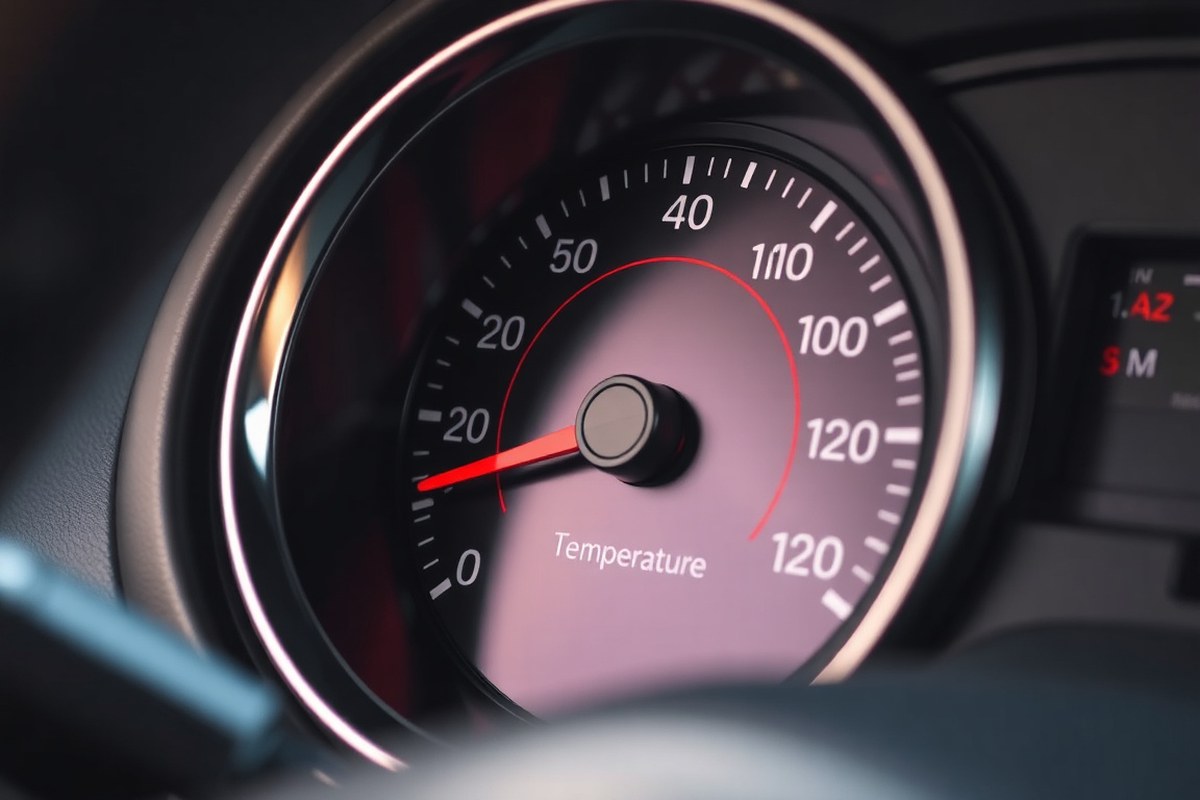
Normal engine operating temperature usually falls between 195°F and 220°F (90°C to 104°C). This temperature range means the engine has reached its steady state. You’ll mostly see the temperature gauge needle near the middle or just below.
Running within this range keeps your engine efficient and prevents damage. The engine probably overheats when coolant temperature exceeds 230°F (110°C). Overheating risks severe damage and usually signals a cooling system problem.
The normal range fluctuates a bit depending on engine type, vehicle make, and model. For example, turbocharged or high-performance engines safely operate closer to 230°F (110°C). Sports cars might handle up to 240°F (115°C), so their gauge readings differ slightly.
Temperatures below 100°F (38°C) mean the engine is cold or just started. It needs a few minutes to warm up to the normal range. During warming, avoid hard acceleration to protect the engine and maintain efficiency.
Watch your dashboard’s temperature gauge regularly to ensure it stays near the middle. Consistently low or high readings suggest issues like a stuck thermostat or coolant leaks. Fixing these early avoids costly engine repairs and keeps your cooling system working well.
How Long Does It Take for Coolant to Reach Normal Temperature?
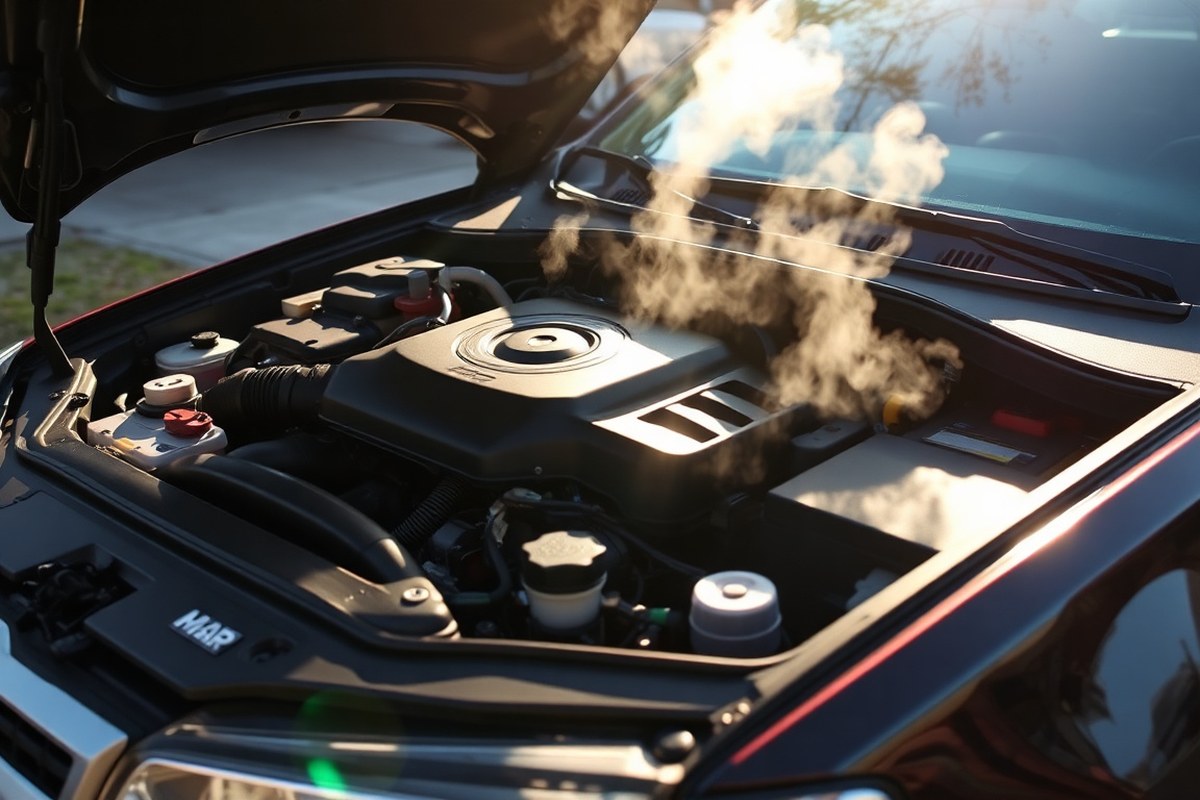
Typical Warm-Up Time for Coolant
Coolant usually takes about 5 to 15 minutes to reach its normal temperature. This depends on outside temperature, engine type, and driving conditions.
Inside temperature ranges from about 75°C to 95°C (167°F to 203°F) during steady operation. The gauge needle often settles near the middle after warm-up.
What Affects Coolant Warm-Up Speed
Cold weather can extend warm-up time since the engine starts very cold. It may take over 15 minutes in winter.
Short trips won’t fully heat the coolant because the engine shuts off too soon. The temperature may stay low if driving less than 10 minutes.
When to Safely Check Coolant Temperature
Wait at least 5 minutes after startup before checking temperature for a reliable reading. The needle will often start near cold after ignition.
Check the temperature when the engine is idling or moving slowly. Avoid checking right after heavy acceleration since it causes brief temperature spikes.
Tips for Different Conditions
During cold starts, let the engine idle for a few minutes before driving off. This helps the coolant reach normal levels quickly. During long drives, the coolant temperature should settle between 195°F and 220°F. This usually happens within 10 to 15 minutes of steady driving.
Signs Coolant Warm-Up Is Off
The temperature needle staying low after 15 minutes can point to a stuck thermostat. This causes the engine to run cooler than normal.
A rising temperature above 230°F could signal a problem with the cooling system. It might also mean the thermostat is stuck closed. Stop driving and check the system immediately.
Always wait for the engine to cool before opening the radiator cap. Opening it early might cause burns from hot coolant or steam.
Why Does Coolant Temperature Vary Between Vehicles and Engines?
Coolant temperature varies because engines and vehicles have different designs and uses. Understanding these differences helps you know what range to expect for your vehicle. Engine type, fuel, and size all play key roles in how hot the coolant runs.
Gasoline vs. Diesel Engine Temperatures
Gasoline engines usually run a bit cooler than diesel engines. Diesel engines need higher temperatures to burn fuel efficiently and reduce emissions. This means their normal coolant temperature ranges can be higher than gasoline engines.
Diesel engines often run between 190°F and 230°F, depending on size and load. Gasoline engines typically stay closer to 195°F to 220°F for optimal operation. These ranges ensure your engine runs smoothly without overheating or running too cold.
Passenger Cars, SUVs, and Trucks Temperature Ranges
Different vehicle types have slightly varied coolant temperature ranges based on their use and engine size. Sedans and compact cars generally have a range from about 190°F to 220°F. SUVs and trucks often carry heavier loads.
They usually run near the higher end of the temperature range. This helps them handle the extra weight safely.
Hybrid vehicles tend to run cooler, around 180°F to 210°F, since their engines aren’t always running. Commercial trucks have a higher temperature range. It goes between 195°F and 225°F. This matches their larger, more powerful diesel engines.
| Vehicle Type | Normal Temp (°F) | Normal Temp (°C) |
|---|---|---|
| Sedan | 195, 220°F | 90, 105°C |
| Hatchback | 190, 215°F | 88, 102°C |
| Compact Car | 195, 220°F | 90, 105°C |
| Hybrid Vehicles | 180, 210°F | 82, 99°C |
Knowing these temperature ranges helps you spot problems early. A coolant temperature much outside these values can signal an issue to fix.
Turbocharged and High-Performance Engine Norms
Turbocharged engines generate more heat because they push more air and fuel into the engine. This usually means a slightly higher coolant temperature is normal. High-performance engines also tend to run hotter to maintain efficiency under stress.
Engines designed for power and speed can reach near 220°F coolant temperature. Sometimes, it gets even higher during heavy driving. This pushes the engine to its limits.
You should watch these engines closely during use. Keep their cooling systems well maintained. This helps prevent costly engine damage over time.
How Does the Coolant Temperature Gauge Work?
The coolant temperature gauge works by monitoring your engine’s coolant through a sensor. This sensor sends electrical signals to the dashboard gauge. The gauge then moves the needle based on the coolant temperature it reads.
The needle moves because the sensor changes its electrical resistance as the coolant heats up. When the engine is cold, the resistance is high and the needle points toward “Cold.”
As the coolant warms, resistance drops and the needle moves toward “Normal” or “Hot.” This system gives you a quick visual cue about your engine’s temperature.
Keep in mind the dashboard gauge isn’t very precise. It usually has a built-in buffer of about 5 to 7 degrees Celsius. That means it won’t show small temperature changes or quick fluctuations during driving.
A professional OBD2 scanner gives the most accurate coolant temperature reading. It connects to your car’s ECU and shows real-time temperatures on a laptop or handheld device. Most factory gauges estimate roughly and cancel out minor swings in temperature.
The temperature gauge pointing near the center means your coolant is at a safe range. Engines commonly run from 195°F to 220°F (90°C to 104°C) without issues. Mazda’s CX-5 guide lists about 210°F (100°C) as the expected operating temperature.
The gauge needle also reflects the thermostat’s role. When the thermostat opens, coolant flows and temp rises.
This causes the needle to move from cold toward normal. The needle near “H” means the engine overheats and requires your immediate check.
What Factors Affect Coolant Temperature During Driving?
Coolant temperature changes while driving because many factors affect how hard your engine works. Engine load is one key factor. When you accelerate fast, the engine works harder.
Driving uphill also makes it work harder. The coolant temperature rises to manage the extra heat.
Weather conditions also make a difference. Cold ambient temperatures keep coolant cooler, while hot weather raises coolant temperature. The cooling system has to work harder on hot days to keep the engine from overheating.
The state of your cooling system impacts coolant temperature too. The radiator or water pump might be clogged or failing. Coolant won’t circulate properly in this case.
A weak thermostat can cause strange temperature readings. Low coolant levels also lead to these problems. You might see readings too high or too low.
- Engine load from fast acceleration or towing
- Outside temperature, hot or cold weather
- Driving speed, such as highway versus city traffic
- Altitude, higher altitudes can affect air pressure and cooling
- Condition of radiator, hoses, and water pump
- Coolant level and mixture quality
- Thermostat operation and sensor accuracy
Keeping your cooling system healthy means checking coolant levels and looking for leaks. Flushing the coolant every few years helps prevent buildup that lowers cooling efficiency.
Notice your temperature gauge rising fast or staying high? This shows you need to inspect your system.
Hot weather can push coolant temperatures higher. So watch your gauge on summer drives and stop if it exceeds the normal range.
Your driving habits affect coolant temperature too. Long idling, like waiting in traffic, can increase temperature since airflow through the radiator slows. Avoid pushing your engine too hard without breaks, especially under heavy loads or hot conditions.
What Are the Signs of Abnormal Coolant Temperature?
Your dashboard temperature gauge helps spot coolant problems early. When the gauge stays low or goes above normal, your engine is too cold or hot. Watch for these signs to avoid engine damage or poor performance.
Coolant temps under 195°F (90°C) often mean the thermostat is stuck open. This happens especially if the engine warms slowly. This lets coolant flow too much, keeping the engine cooler than it should.
Temperatures above 220°F (105°C) can mean the engine is overheating. This may be caused by a stuck thermostat, low coolant, or a failing water pump.
Common signs of abnormal coolant temperature include:
- Dashboard temperature gauge stuck at the lowest mark or rising past normal range
- Engine warming very slowly or not reaching typical operating temperature
- Frequent overheating warnings or steam from under the hood
- Poor heater performance inside the cabin in cold weather
- Unusual engine noises, like knocking or pinging, during hot conditions
- Coolant leaks or low coolant levels visible in the reservoir
Running your engine colder than normal lowers fuel efficiency and increases emissions. Too-hot operation risks warped cylinder heads and blown gaskets.
Fixing these problems usually costs several hundred dollars or more. Replacing a stuck thermostat only costs about $50 to $150.
Some people think a hotter engine means better performance or quicker warm-up. This is wrong and can harm your engine.
Another myth is that the coolant temperature gauge always shows exact engine heat. Instead, it gives a general range, and the actual engine can run hotter near the cylinders.
How to Maintain Proper Coolant Temperature
Check your coolant level often. Use the right mix of antifreeze and water. Top it off when needed.
Coolant protects the engine and helps keep temperatures stable. Look for leaks under your car or signs like steam from the hood.
Flushing the coolant system every 30,000 to 50,000 miles removes dirt and corrosion. Old coolant can cause overheating or freezing issues, which harms the engine.
Use a flush kit or ask a mechanic. Expect to spend $70 to $120 if done professionally.
The thermostat controls coolant flow and engine temperature. A stuck-open thermostat lets coolant run through the radiator too soon. This keeps the engine too cool.
That reduces fuel efficiency and causes emissions problems. Notice a low temperature reading or poor heater? Get the thermostat checked.
- Check coolant level monthly when the engine is cold
- Inspect hoses and radiator for cracks or leaks every few months
- Flush and replace coolant every 2 to 4 years or 30,000 to 50,000 miles
- Monitor temperature gauge for sudden changes during driving
- Have a mechanic test and replace the thermostat if the engine runs too cold or hot
- Fix any cooling system leaks promptly to prevent overheating
Keep fans and radiator fins clear of debris and dirt. That helps the system cool without extra stress. Engine overheats?
Pull over. Let it cool before checking the coolant level. Driving with a stuck thermostat or low coolant risks severe engine damage.
When to Worry About Coolant Temperature and What to Do
Check your coolant temperature gauge regularly while driving. Pull over immediately if the temperature approaches 240°F or if the warning light turns on. High readings like this mean your engine is overheating and can suffer permanent damage.
You notice your coolant temperature rising without a warning light? Slow down and turn off the air conditioning. Watch the gauge closely during this time.
The temperature stays high or climbs for five minutes? Stop in shade and let the engine cool.
Avoid removing the radiator cap right after driving, while the engine is still hot. Steam or hot coolant escaping can cause serious burns.
Wait at least half an hour to check or refill the coolant. Keep spare coolant and water ready in your vehicle.
Engine overheating may cause head gasket failure, warped engine parts, or total engine failure. Repair costs can run from hundreds to several thousand dollars. Frequent overheating also reduces your engine’s fuel efficiency and lifespan.
Your temperature gauge is often high or the warning light stays on? Call a mechanic right away.
A mechanic will check for coolant leaks, thermostat failure, water pump issues, or clogged radiators. Early fixes often cost under $300 while avoiding expensive engine damage.
Stop driving when the coolant warning light comes on. Also stop if the gauge reaches 240°F. Continuing can cause serious engine damage.
How to Diagnose Coolant Temperature Sensor Issues
Start by looking for symptoms of a bad engine coolant temperature sensor. Use an OBD2 scanner to check for error codes. These codes help confirm the sensor’s condition.
A bad sensor can trigger false overheating warnings or cause your engine to run poorly. Follow these steps carefully to find and fix the problem.
Common Symptoms of a Bad Temperature Sensor
A failing coolant temperature sensor can cause unusual engine behavior. Your car could overheat without the actual engine heat rising. Sometimes, it shows a normal temperature but runs hot instead.
This mismatch signals sensor issues. This happens because the sensor sends wrong temperature readings to your engine control unit (ECU).
Other symptoms include poor fuel economy and rough idling. The sensor helps the ECU adjust fuel and timing. Bad sensor data can cause the engine to hesitate or stall unexpectedly.
Using an OBD2 Scanner to Read Coolant Temperature Codes
Plug an OBD2 scanner into your vehicle’s diagnostic port, usually under the dashboard. This tool reads sensor data and stores error codes. Look for codes like P0115, P0116, or P0117, which indicate coolant temperature sensor issues.
The scanner shows live data. Watch the coolant temperature reading when the engine is cold, at idle, and after warming up.
Normal readings range from about 140°F to 220°F (60°C to 105°C). Fluctuations or values out of this range suggest a sensor problem.
How to Reset and Monitor Sensor Data
Most OBD2 scanners let you clear sensor error codes easily. Just select the “Clear Codes” option to reset the errors.
This clears the ECU memory and turns off your check engine light temporarily. After resetting, drive the car to see if the codes return or if temperature readings stabilize.
Regularly check temperature data during drives. Wildly jumping or stuck sensor readings usually mean you need a new sensor. Replacing the sensor is a low-cost fix, usually $20 to $50 for parts, plus labor.
- Check for error codes P0115, P0116, P0117 using an OBD2 scanner
- Compare live temperature data with normal ranges (140°F – 220°F)
- Observe symptoms like false overheating and poor engine performance
- Reset codes to clear faults and monitor if errors return
- Replace the sensor if readings stay inaccurate or codes come back
- Note sensor locations vary by car make but usually near the thermostat
- Consult a mechanic if unsure about removing and installing the sensor
Step-by-Step Action Plan to Keep Coolant Temperature Normal
Regularly inspect your coolant system to prevent engine issues. Make sure to follow these steps for proper engine temperature.
- Before driving: Check coolant level in the reservoir when the engine is cool. Make sure it’s between the “min” and “max” marks to avoid overheating.
- Weekly: Inspect coolant for color and clarity. It should be clear or bright; cloudy or rusty means it needs changing.
- Monthly: Test the coolant temperature gauge during a cold start. It should rise steadily and settle within the normal range in a few minutes.
- Every 6 months: Flush and refill the coolant according to your vehicle manual. This prevents buildup that affects temperature control.
- After noticing warning signs: Check for leaks or damaged hoses near the radiator and water pump. Fix any issues immediately to prevent engine damage.
- Yearly: Have a mechanic test the coolant temperature sensor. This sensor helps your car adjust fuel and the cooling system efficiently.
- Whenever driving in tough conditions: Monitor the gauge closely. Heavy traffic or hot weather can raise coolant temperature quickly.
- After repairs: Watch the coolant temperature closely for several days. This helps confirm the issue is fixed and the engine stays cool.
Frequently Asked Questions
Is 230 Degrees Too Hot for an Engine?
Yes, 230°F is generally too hot and risks engine damage. Staying below 220°F is safer for most vehicles.
What Temperature Is Too High for Coolant?
Coolant temperatures above 230°F indicate overheating and can cause serious problems. Monitor and cool the engine promptly.
What Is a Bad Engine Coolant Temperature?
Temperatures consistently above 220-230°F are bad and may signal cooling system issues. Check your radiator and thermostat.
Is 225 Degrees Too Hot for Coolant?
225°F is on the high side but can be acceptable in some engines. Watch for signs of overheating.
Can Engine Coolant Temperature Affect Fuel Efficiency?
Yes, high coolant temps can reduce fuel efficiency by forcing the engine to run richer. Keep temperatures in the normal range to save fuel.
Before You Go
Normal coolant temperature helps your engine work safely and efficiently. Watch the gauge and conditions closely to catch problems early. Start by checking your coolant level today to keep things running smoothly.