Flashing Check Engine Light When Accelerating: 9 Essential Causes and Fixes
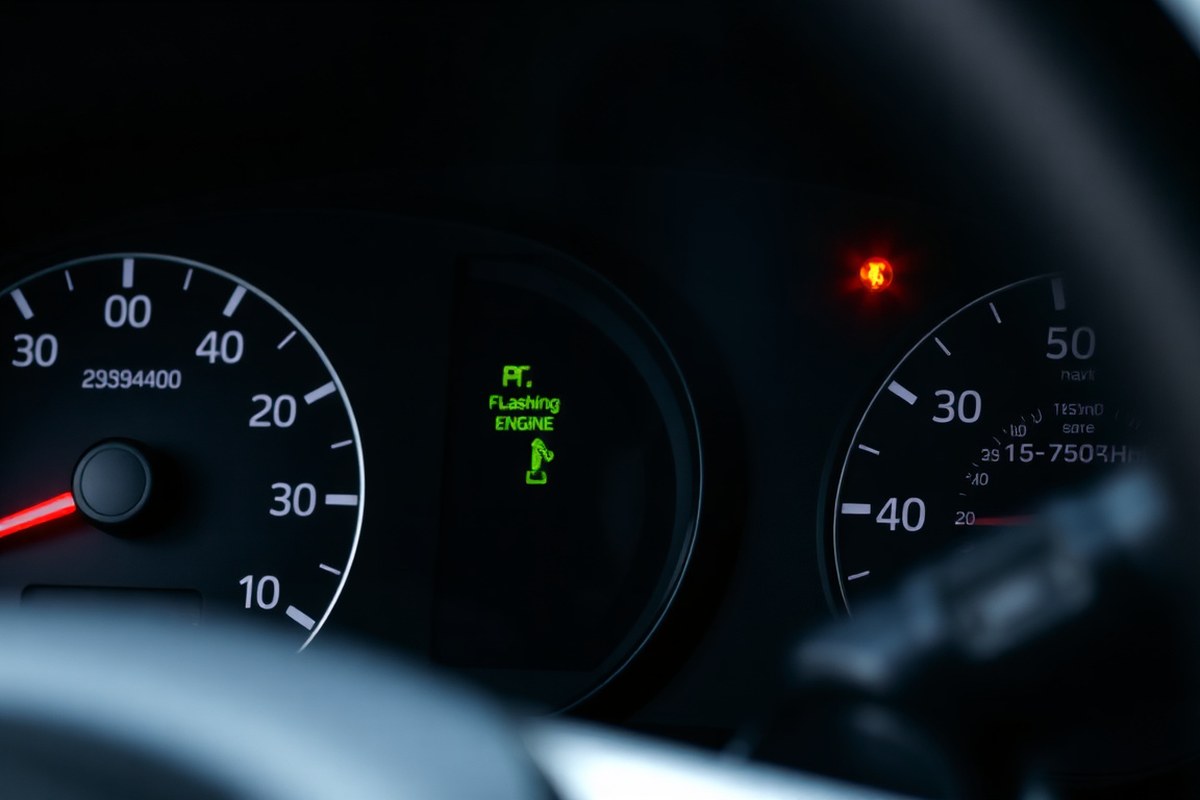
A flashing check engine light when accelerating means your engine is misfiring. This is a serious warning that needs immediate attention. The engine control module is trying to protect your catalytic converter from damage.
Stop driving as soon as it’s safe and let the engine cool. Continuing to drive risks costly repairs or a complete catalytic converter failure. Checking engine codes with a scanner can help pinpoint the problem.
Common causes include faulty ignition coils, bad spark plugs, vacuum leaks, or fuel system issues. Loose or damaged wiring can also cause misfires and trigger the light. Prompt diagnosis and repair prevent further damage to the engine and emissions system.
Keep a basic OBD-II scanner handy for quick checks on the road. Reading and clearing codes yourself can save time at the shop. Addressing flashing lights early avoids expensive repairs and keeps your car running smoothly.
Key Takeaways
- A flashing check engine light means severe engine misfire damage risk.
- Stop driving safely to avoid worsening engine or catalytic converter damage.
- Use an OBD-II scanner to retrieve trouble codes before repairs.
- Faulty ignition coils and spark plugs often cause flashing lights on acceleration.
- Vacuum leaks or dirty fuel injectors create lean conditions triggering the light.
- Prompt repairs save you from expensive catalytic converter replacements.
1. What a Flashing Check Engine Light Means When Accelerating
A flashing check engine light during acceleration means your engine is misfiring badly. This flashing alert signals the engine control module (ECM) has detected a serious problem. Unlike a steady light, it warns of a fault that could cause immediate damage.
Your check engine light flashing while accelerating means a problem. It usually shows one or more cylinders have failed to burn fuel properly. This stopped combustion causes the warning light to blink.
Misfires can happen because of fuel delivery problems, ignition faults, or air intake leaks. These problems worsen under load, like when merging onto a highway or climbing a hill.
A steady check engine light signals a non-urgent issue you can check later. A flashing light demands quick action to avoid damaging the catalytic converter. Repair costs vary, but ignoring this sign risks more expensive fixes or engine harm.
The flashing light shows the problem is in your engine block or related parts. Sensors such as the crankshaft position sensor often cause this. Ignition coils or dirty fuel injectors can also be the problem.
These parts affect combustion and trigger the light. Immediate attention will keep the damage and repair bill smaller.
Pay attention to when the light flashes, it often happens only during heavier engine load. This suggests an intermittent misfire, which sometimes stops after a brief acceleration. Still, it needs a timely check to prevent costly damage.
2. Why Engine Misfires Cause the Check Engine Light to Flash
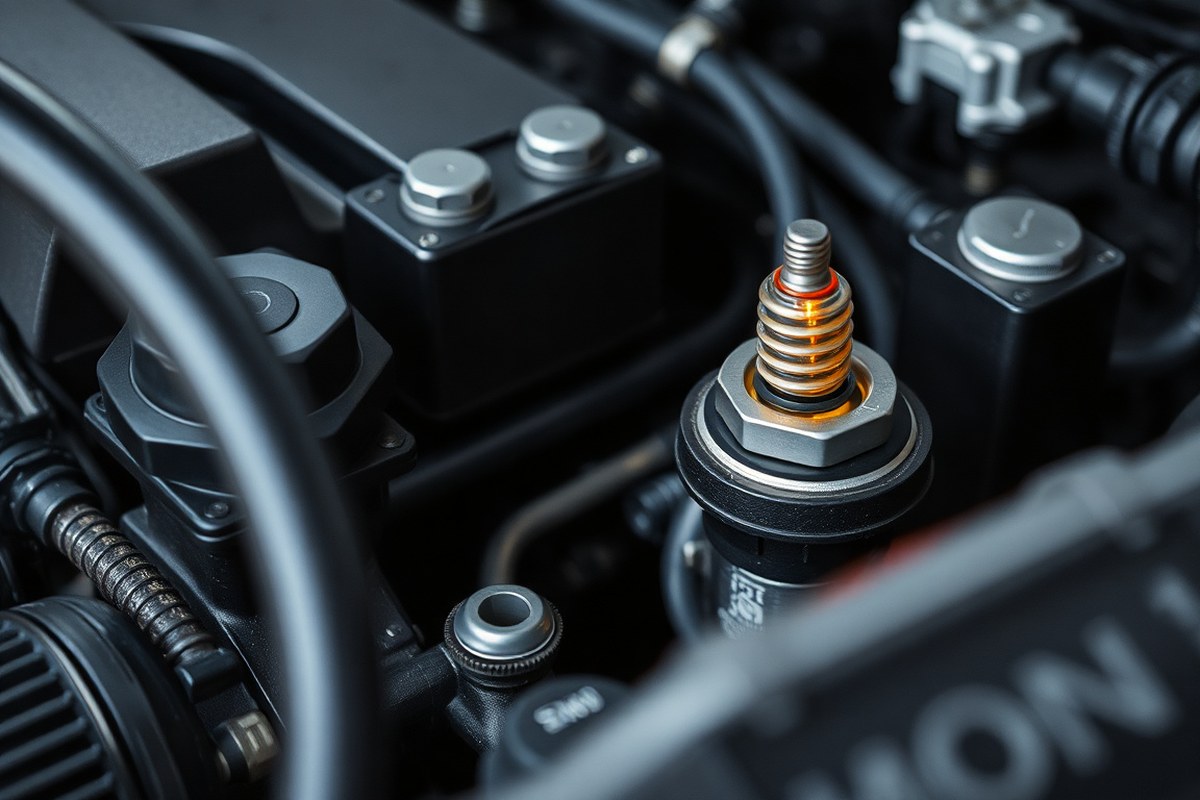
How Engine Misfires Trigger the Flashing Light
Engine misfires happen when one or more cylinders don’t fire properly. This interrupts smooth engine operation and puts extra strain on parts. The check engine light flashes because the car’s computer detects misfires.
It happens especially during acceleration. The engine works harder then.
Misfires under high load raise cylinder pressure, making faults more obvious. The engine control module (ECM) uses sensors to find misfires. It flashes the light to warn you.
This helps avoid damage. A flashing check engine light means the problem is serious.
It can harm the catalytic converter. Driving hard makes it worse.
Ignition System Problems That Cause Misfires
The ignition system plays a big role in firing the spark plugs at the right time. Bad spark plugs, worn ignition coils, or damaged wires often cause misfires.
When the coil fails, the cylinder won’t ignite fuel and air. That causes a misfire and the light flashes.
Under acceleration, ignition issues become clear because the engine demands stronger, more precise sparks. Cheap spark plugs or old ignition parts often fail only when you’re pushing the engine hard. Replacing coils or plugs usually costs between $100 and $300 but solves the problem quickly.
Fuel Delivery Issues Linked to Misfires
Poor fuel delivery makes it hard for the engine to maintain the right mix for combustion. This can cause hesitation, rough running, and a flashing check engine light. Clogged fuel injectors or a failing fuel pump often cause these problems under load.
The system needs higher fuel volume and pressure when accelerating. Fuel starvation causes cylinders to misfire if the pump or injectors can’t keep up. Fuel system repairs vary a lot.
Injector cleaning costs $50 to $100. Fuel pump replacement costs $400 or more.
Sensor Faults That Affect Engine Performance
Sensors like oxygen and mass airflow sensors measure engine conditions. They adjust fuel and spark timing. A bad oxygen sensor sends wrong data to the ECM.
This makes fuel delivery and spark timing wrong. This leads to misfires that trigger the flashing light during acceleration.
These sensor problems often show only under increased engine load. Diagnosing means scanning codes and checking live sensor data under acceleration. Sensor replacement usually costs about $150 to $300, depending on the sensor and vehicle.
How Engine Load Triggers Misfire-Linked Flashing
The flashing light often appears during acceleration because the engine is under greater load. Extra demand during acceleration shows weak spots in ignition, fuel, or sensors.
These problems don’t show when idling. The ECM monitors performance and flashes the light to protect the engine and exhaust system.
Load-dependent faults trigger misfires as cylinders fail to fire when pressured. The ECM detects irregular combustion events and responds immediately.
Driving with a flashing light risks catalytic converter damage. So addressing the misfire quickly saves money and prevents bigger repairs.
Don’t ignore a flashing check engine light when accelerating. It signals a severe engine misfire that can cause expensive damage quickly.
3. Common Causes of a Flashing Check Engine Light When Accelerating
The flashing check engine light often comes from sensor or fuel problems. A bad oxygen sensor can send wrong air-to-fuel data to the engine. This leads to poor fuel efficiency and misfires, which makes the light flash.
The mass airflow sensor (MAF) is another common cause. If it fails, the engine control unit can’t properly manage fuel delivery. This causes rough idling, weak acceleration, or stalling, all triggering the flashing light.
Vacuum leaks mess with the air-fuel mixture by letting extra air in unexpectedly. This leads to uneven engine running and misfires, which the system detects. Vacuum leaks might happen at hoses or intake gaskets.
- Faulty oxygen sensors giving incorrect data to the ECU
- Mass airflow sensor problems lowering fuel control accuracy
- Vacuum leaks causing unmetered air and misfires
- Ignition faults like worn spark plugs or failing coils
- Fuel delivery issues from weak pumps or clogged filters
- Exhaust leaks affecting emissions and sensor readings
- Failing catalytic converters causing poor engine performance
Ignoring ignition problems increases misfires that make the light flash. Worn spark plugs or bad ignition coils fail to ignite fuel well. This causes poor engine power and shaking during acceleration.
The fuel delivery system struggles under load if the pump or filter is faulty. Low fuel pressure leads to rough running and flashing lights. Testing fuel pressure and listening for a weak pump helps spot this issue fast.
4. How to Use an OBD-II Scanner to Diagnose Flashing Check Engine Lights
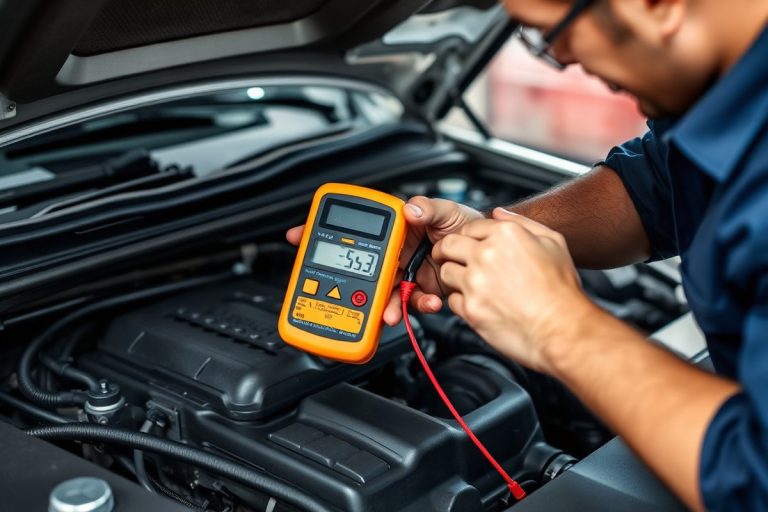
To diagnose a flashing check engine light when accelerating, use an OBD-II scanner. This device reads error codes from your vehicle’s computer, showing faults causing the light to flash. Connecting and interpreting the codes helps identify the problem quickly.
Choosing the Right OBD-II Scanner for Your Vehicle
Pick an OBD-II scanner that works with your car’s make and model. Most cars built after 1996 use the same OBD-II connector. But some scanners support extra functions like live data and manufacturer-specific codes.
Budget scanners cost about $20 to $50. Advanced models with screens and apps cost $70 to $150.
Look for scanners that decode powertrain codes. Engine misfires and fuel system errors cause flashing lights.
Bluetooth models work with smartphone apps, offering user-friendly interfaces. Verify scanner compatibility by checking your vehicle’s owner’s manual or the device description online.
Interpreting Common Acceleration-Related Error Codes
Once you connect the scanner, it will pull trouble codes stored in the engine control unit. Codes starting with “P” relate to the powertrain. They often show misfire or fuel system faults.
For example, P0300 indicates a random misfire. P0171 means the system is running too lean.
Write down the codes exactly as they appear. Then look up their meanings in the manual or online. Focus on engine misfire codes in the P0300 series.
These show urgent problems causing the light. Common codes for acceleration problems include P0301 to P0308 for cylinder-specific misfires.
Next Steps After Reading Diagnostic Codes
After reading codes, clear them from the scanner. See if the codes come back before fixing. The flashing light stays on after clearing.
That means the problem needs repairs. Use the codes to research repairs or give them to a mechanic. This saves time and money.
Don’t ignore a flashing check engine light. Severe misfires can damage your catalytic converter, costing $1,000 or more to replace.
Stop driving if the light flashes with shaking or poor acceleration. Get a mechanic’s help if you can’t fix it.
- Turn off your vehicle and locate the OBD-II port, usually under the dashboard.
- Plug the OBD-II scanner into the port firmly and turn your ignition to the ON position.
- Power on the scanner, then select “Read Codes” or a similar option on the menu.
- Wait for the scanner to communicate and retrieve stored trouble codes.
- Write down or screenshot all codes displayed on the scanner’s screen.
- Use a manual or trusted online database to look up each code’s meaning.
- Clear the codes using the scanner if your device supports it.
- Drive your vehicle briefly to see if the check engine light flashes again.
5. Safety Tips: What to Do When Your Check Engine Light Flashes While Accelerating
A flashing check engine light while accelerating means stop driving immediately. This kind of warning signals a serious engine misfire or problem that risks costly damage. Pull over safely as soon as you notice the light flashing and avoid accelerating any further.
Driving with a flashing engine light can damage your catalytic converter. It can also harm other engine parts. Avoid driving until the issue is fixed.
Every mile adds stress and repair costs. Turning off the engine lets it cool and prevents worsening damage.
After stopping, look for signs like rough idling, vibration, or smoke. These symptoms can help identify the issue before calling a mechanic. Avoid restarting the car until you assess the problem or get roadside help.
- Safely pull over at the next safe spot or parking area immediately.
- Turn off the engine to reduce heat and potential internal damage.
- Check for rough idling, unusual engine noises, or white exhaust smoke.
- Avoid accelerating or driving even short distances with the light flashing.
- Call a tow service or mechanic to inspect and fix the issue.
- Do not ignore the flashing light; it’s worse than a solid light.
White exhaust smoke during a flashing light usually means a fuel injector stuck open. This demands swift professional repair to stop engine flooding.
No smoke usually means a misfire or ignition problem is present. These need fixing before you drive the car again.
Driving while the check engine light flashes could cause big engine problems. It may also ruin the catalytic converter. You should stop driving until you fix the issue.
Following these steps reduces the risk of major repairs. Stay calm and drive gently when the check engine light flashes.
This helps protect your car and your money. It also keeps you safe while on the road.
6. Typical Repair Options and Estimated Costs for Flashing Check Engine Light Issues
Replacing worn spark plugs can fix engine misfires causing the light. Ignition coils might also need replacement. These parts often cause flashing check engine lights.
Spark plugs cost around $10 to $30 each. Ignition coils can range from $50 to $150 each. You can swap these parts yourself or hire a mechanic.
A mechanic usually needs 1 to 2 hours. The job isn’t very complicated.
Cleaning or replacing the mass airflow (MAF) sensor is another common repair. A dirty MAF sensor disrupts air measurement, triggering misfires. Cleaning a MAF sensor with the right spray takes about 30 minutes.
The cleaner costs less than $20. It’s a low-cost fix you can try. Replacement MAF sensors range from $150 to $300.
Vacuum leaks also cause misfires and a flashing check engine light. Locating and repairing leaks depends on their size and location. Small vacuum hose replacements cost $10 to $40.
Repairs usually take about an hour. More extensive vacuum leak issues could require more time and parts.
| Repair Task | Typical Cost | Repair Time | Details |
|---|---|---|---|
| Spark Plug Replacement | $80, $200 | 1, 2 hours | Depends on engine size and plug type |
| Ignition Coil Replacement | $50, $150 each | 1, 2 hours | Requires scanning to identify faulty coil |
| MAF Sensor Cleaning | Under $20 for cleaner | 30 minutes | Use MAF sensor cleaner spray only |
| MAF Sensor Replacement | $150, $300 | 1 hour | Needed if cleaning doesn’t fix problem |
| Vacuum Leak Repair | $10, $100 | 1 hour or more | Costs vary by leak size and location |
| Catalytic Converter Replacement | $1,000, $2,500 | 2, 4 hours | Needed when converter is damaged by misfires |
Fixing spark plugs and coils usually costs under $200. The job takes just a couple of hours. This repair is affordable and fast.
Cleaning the MAF sensor is quick and low-cost but may not always clear the issue. Vacuum leaks can be inexpensive to fix but require finding the leak first.
Catalytic converter repairs are the priciest. This happens if repeated misfires damage the converter.
Expect costs between $1,000 and $2,500 with repair times around 2 to 4 hours. Fixing the underlying misfire problem early helps avoid this expensive repair.
7. Preventive Maintenance to Avoid Flashing Check Engine Light Problems
Regular maintenance helps lower the chances of a flashing check engine light. Keeping key parts in good shape stops engine misfires that trigger the light. Spark plugs, fuel filters, sensors, hoses, and exhaust systems all need attention at set times.
Spark plugs should usually be replaced every 30,000 to 50,000 miles. Worn spark plugs may cause rough idling or trouble starting before the light blinks. Fuel filters need changing about every 20,000 to 40,000 miles to keep fuel flow smooth.
- Replace spark plugs every 30,000 to 50,000 miles
- Change fuel filter every 20,000 to 40,000 miles
- Inspect oxygen and mass airflow sensors at 60,000 miles
- Check and replace vacuum and coolant hoses yearly
- Get the exhaust system checked for leaks or damage annually
Sensors like oxygen or mass airflow monitor engine air and fuel balance. Faulty sensors can trigger misfires that cause flashing lights. You might not see symptoms before failure.
So check or replace them around 60,000 miles. Hoses can crack or leak, leading to air or coolant issues.
Coolant or vacuum leaks can cause engine roughness and misfires. Catching leaks early avoids worse damage or warning lights.
The exhaust system controls emissions and should be checked yearly. Damage here lets unburned fuel escape, causing the blinking light and engine bogging during acceleration.
Good results include smooth runs, no rough idling, and no flashing lights. Taking care of parts costs from $20 for filters. Sensors can cost $100 or more.
Replacing parts on time saves money in the long run. Ignoring signs like stumbling, misses, or weird smells causes big problems. These issues lead to expensive repairs and safety risks.
Act fast if you notice them. Regular checks take 15 to 30 minutes each time.
They help keep your engine in good shape. Small inspections prevent bigger breakdowns later.
8. Common Diagnosis and Repair Mistakes to Avoid When Fixing Flashing Engine Light Issues
Flashing check engine lights can trick you into quick repairs. These fixes might not solve the real problem. Watch out before you rush.
One common mistake is ignoring fluctuating fuel trims shown on your scanner. Fuel trims tell how much the engine adjusts fuel to run right. Skipping the analysis can cause you to miss fuel issues.
Misfires can come from hidden fuel problems. Take time to check carefully.
Another trap is misreading diagnostic trouble codes (DTCs). Codes often point to symptoms, not the cause. A misfire code might point to a bad spark plug.
It can also mean a clogged injector. Sometimes, a vacuum leak causes it too. Jumping to replace parts without confirming causes wastes money and time.
Some people skip safety steps like disconnecting the battery or letting the engine cool before repairs. This puts you at risk of burns or electrical shock. Always follow safety precautions before poking around your engine or wiring.
Quick fixes like spraying engine cleaner into the intake without understanding the issue can worsen things. This might dislodge debris that clogs injectors or damage sensors. Also, replacing expensive parts like catalytic converters prematurely adds big costs without solving the problem.
- Check and understand fuel trims before swapping parts.
- Use your OBD-II scanner to verify codes carefully.
- Don’t ignore safety steps like engine cool-down and battery disconnect.
- Avoid quick fixes that may mask the real fault.
- Replace parts only after testing and confirming they’re faulty.
- Take notes on symptoms and conditions triggering the flashing light.
- Test the ignition and fuel system systematically to find misfires.
Damage can get worse if you guess wrong on repairs. Misfires can harm your catalytic converter if left unchecked.
It often costs several hundred dollars to replace a converter. Diagnosing the root cause helps avoid paying for unnecessary parts.
Always scan and record detailed trouble codes before making any repair decisions.
Look for patterns in engine behavior under different conditions. For example, note if the flashing light appears only during quick acceleration or at steady speeds. This helps pinpoint faulty systems.
Track how engine parameters like oxygen sensor readings react. Sensors affected by a failing part will show odd values. Confirming these signs reduces guesswork and protects your wallet.
9. When to Call a Professional Mechanic for a Flashing Check Engine Light
You should call a professional mechanic when the flashing check engine light signals serious engine misfires. Problems that risk catalytic converter damage or involve complex sensor faults need expert tools. A trained mechanic can diagnose and fix these issues safely and correctly.
Signs You Need Immediate Professional Service
A flashing check engine light means active misfires are happening. These misfires can damage your catalytic converter. You should fix this problem quickly.
Your car may run roughly, stall, or lose power. Seek help quickly to avoid more damage. Persistent misfires or strange smells like rotten eggs also mean damage may already be happening.
Sensor faults beyond basic OBD-II codes often require professional diagnostics. Mechanic-only tools check live data streams and test parts like ignition coils or fuel injectors.
You can’t find the problem with your scanner. Take the car to a professional shop.
Costs and Expectations for Professional Repairs
Diagnostics at a shop typically cost $80 to $150, depending on where you live. Repairs can vary widely: fixing a simple misfire might cost $150.
Replacing a catalytic converter exceeds $1,000. Labor time depends on part location and vehicle model complexity.
A good mechanic explains exactly what parts need work and why. They’ll test the catalytic converter’s efficiency and inspect for damage. The right repairs stop the malfunctions and prevent recurring engine problems or failed emissions tests.
How to Prepare Your Vehicle for the Mechanic
Note when the light flashes and what you were doing, such as accelerating or idling. Write down any odd sounds, smells, or symptoms you noticed to share with the mechanic. This helps them focus tests and find trickier problems.
Clear your driveway or arrange safe parking. Remove clutter from under the hood so technicians can work easily and quickly.
Bring your car’s maintenance records if available. This information helps the mechanic understand its history and past fixes.
Step-by-Step Action Plan for a Flashing Check Engine Light When Accelerating
Follow this plan to identify and address your flashing check engine light issue quickly. It will guide you from diagnosis to deciding if you need help.
- Before Driving – Check your gas cap is tight. A loose cap can cause engine issues and trigger the light.
- During Your Next Drive – Pay attention to how the light behaves when accelerating. Note if it flashes only during hard acceleration or all the time.
- Within 24 Hours – Use your OBD-II scanner to read engine codes. Look for misfire or sensor-related error codes to pinpoint the problem.
- Day 2 – Look up the exact trouble codes online or in a manual. Find out what might cause these codes. Use simple sources like repair manuals or forums for help.
- Day 3 – Inspect basic parts like spark plugs, ignition coils, and air filters. Replace any worn or damaged parts.
- Day 4 – Use the scanner to clear the trouble codes. Take your car for another test drive. Check if the check engine light stops flashing.
- After 1 Week – If the light keeps flashing, schedule an appointment with a trusted mechanic. Provide the codes and your observations.
Frequently Asked Questions
Can a Loose Gas Cap Cause a Flashing Check Engine Light When Accelerating?
A loose gas cap usually triggers a steady light, not flashing. A flashing light signals more serious engine issues, like misfires or fuel delivery problems.
Does Cold Weather Make the Check Engine Light Flash During Acceleration?
Cold weather alone doesn’t cause a flashing light. But it can worsen engine misfires if your fuel or ignition system has problems.
Can a Dirty Air Filter Lead to a Flashing Check Engine Light While Accelerating?
A dirty air filter can reduce air flow, causing lean engine conditions. This might trigger misfires and a flashing light under acceleration.
How Quickly Should I Fix a Flashing Check Engine Light When Accelerating?
You should address it immediately. Delaying repairs can damage the catalytic converter and lead to costly fixes.
Is It Okay to Keep Driving with a Flashing Check Engine Light When Accelerating?
No, driving can worsen the engine damage. Pull over safely and get the issue diagnosed as soon as possible.
Before You Go
A flashing check engine light during acceleration means your engine needs prompt attention to avoid damage. Start by scanning for codes to find the cause. Don’t delay getting professional help if the light keeps flashing after your checks.