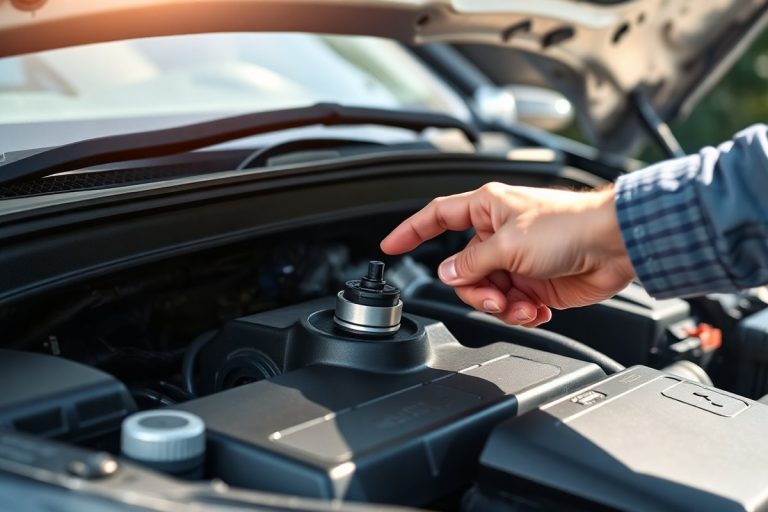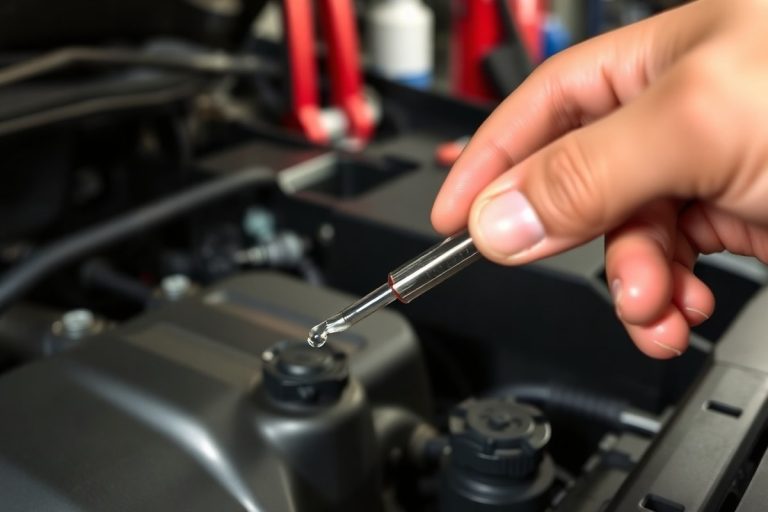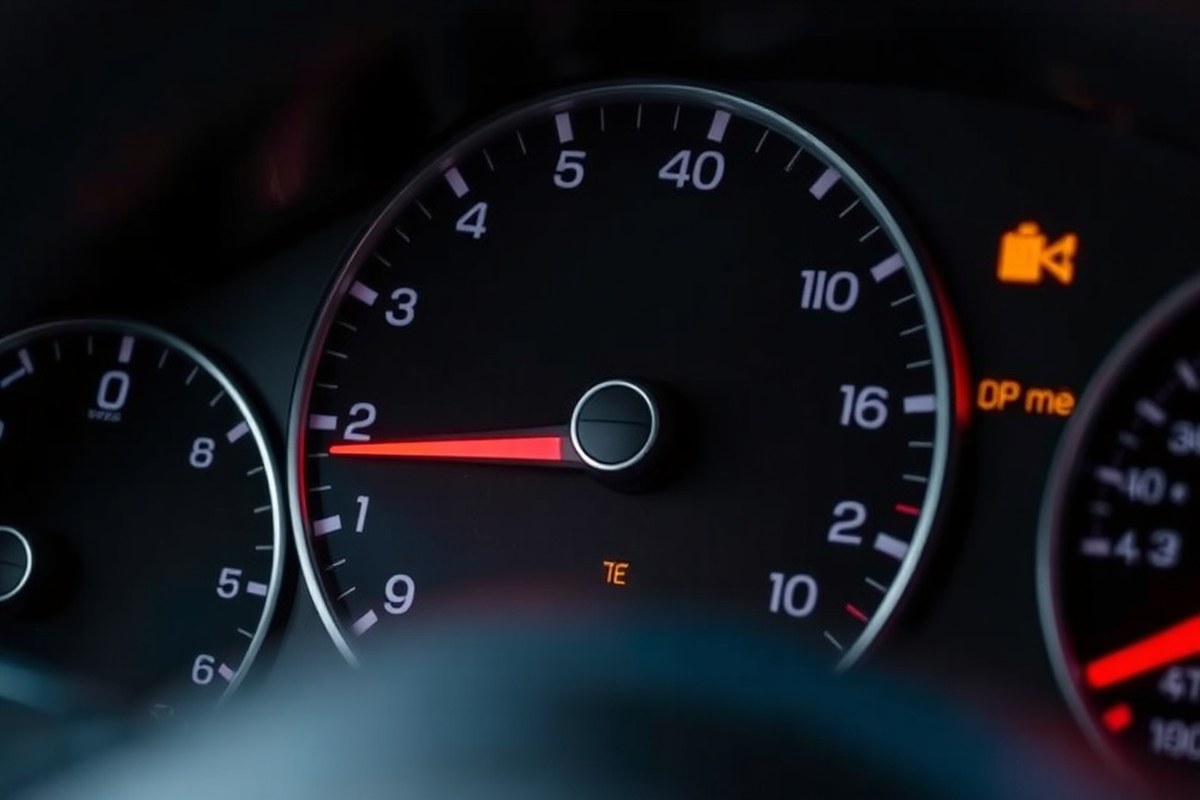
Can Low Oil Cause Check Engine Light to Come on? Clear Answers & Solutions
Can low oil cause check engine light to come on? Yes, it can. Low oil itself might not always trigger the light directly.
But low oil pressure often does. This happens because the engine control unit senses oil pressure issues, setting off warning codes.
Low oil pressure can cause engine misfires or damage systems like variable valve timing. These problems prompt the check engine light to turn on.
Running your car even 10 to 20 miles on low oil risks serious engine wear. So don’t ignore the warning signs.
If the check engine light stays on but the low oil light goes off, keep a close eye on your oil level. Drive for 10 to 15 miles to see if the light resets by itself. Meanwhile, check and top off the oil to avoid engine damage.
Key Takeaways
- Low oil pressure, not just low oil level, often triggers the check engine light.
- Keep your oil topped up to avoid engine misfires and sensor faults.
- Check engine codes like P0520 to identify oil pressure sensor problems.
- Drive carefully if the check engine light stays on after topping off oil.
- Low oil pressure can cause damage within 10 to 20 miles of driving.
- Pay attention if the oil pressure warning light comes on along with check engine.
Can Low Oil Really Cause the Check Engine Light?
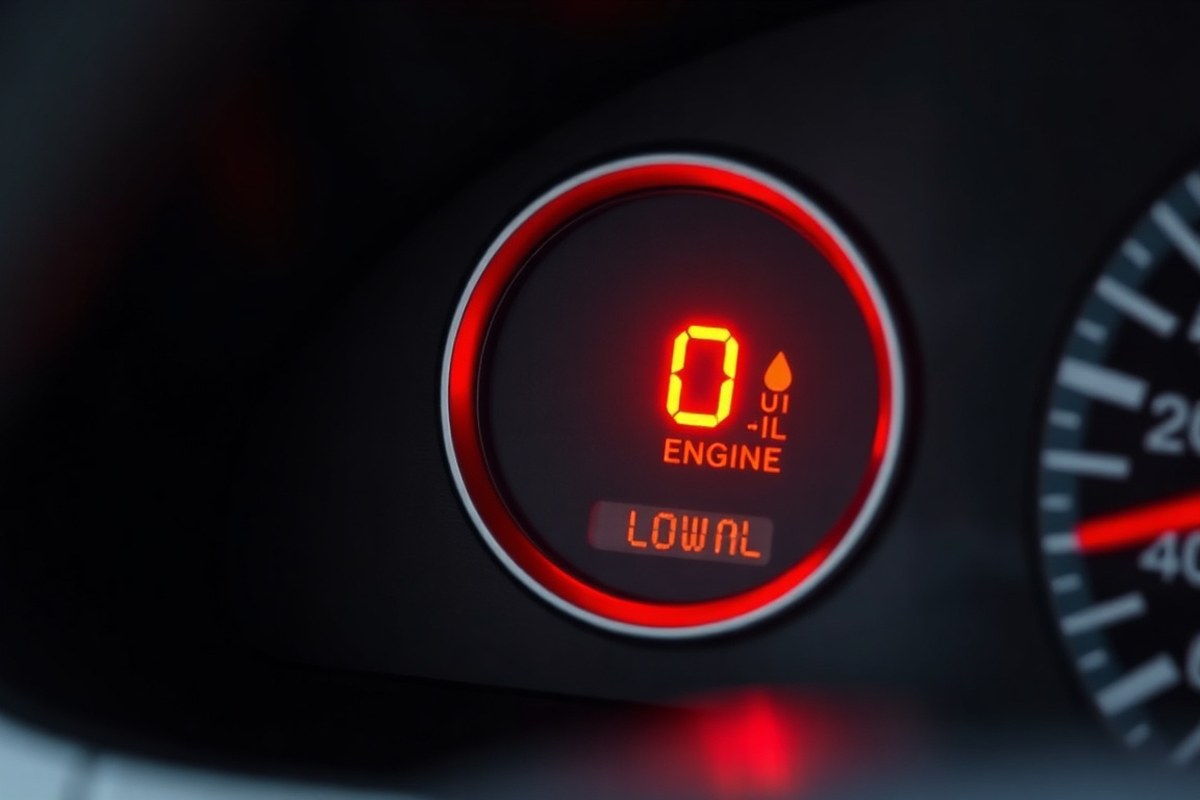
Low oil itself does not directly trigger the check engine light. Low oil levels can cause low oil pressure or engine misfires. These problems may turn on the check engine light.
Low oil can also harm the engine over time. Many cars have a separate oil pressure or oil warning light specifically for low oil issues.
When your oil level drops, the oil pressure can fall too. Low oil pressure can damage engine parts and hurt performance. The check engine light may detect this problem.
Low pressure needs to be fixed quickly. Sensors watch oil pressure and send signals when there’s trouble.
These signals trigger fault codes like P0520 or P0522. The check engine light comes on because of these codes.
Some cars use the oil pressure sensor to control two lights. It manages both the oil warning light and the check engine light. This setup links oil pressure to engine warnings.
So, if oil pressure is too low, you might see one or both lights. It’s better to check your oil level manually with a dipstick.
Don’t just wait for warning lights to come on. Early checks help avoid engine problems.
Low oil can cause engine misfire codes to appear on your car. Poor lubrication makes engine parts work poorly or get damaged. This sets off trouble signals in your engine system.
That often sets off the check engine light. Dirty oil or late oil changes can confuse sensors in your engine.
These sensors track engine health and might trigger warning lights. Keeping oil clean helps prevent false alerts.
When the check engine light comes on depends on your car sensors. It also depends on how badly the oil level drops. Different cars react to low oil differently.
Sometimes the oil pressure warning light flashes first. The check engine light usually comes on after the issue starts affecting engine control or emissions.
The check engine light means more than just low oil pressure. It’s often a more serious warning than the oil pressure light. Treat it seriously and check your engine soon.
A scan tool will confirm if the codes relate to oil pressure sensors or engine misfires. Always treat the check engine light as a sign to test your oil and get diagnostics.
How Low Oil Affects Engine Performance and Sensors
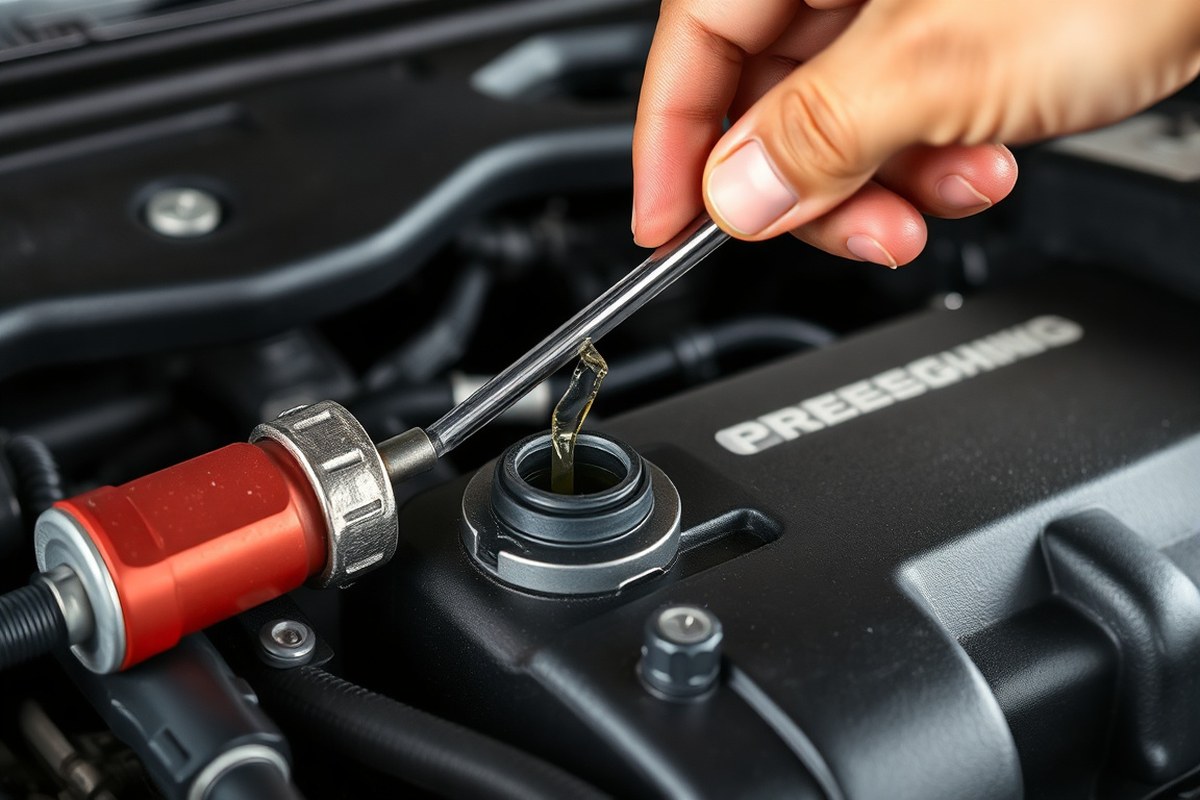
Low oil levels reduce oil pressure, which impacts sensors that monitor engine health. When oil pressure falls below about 5 to 10 PSI, a warning triggers. The oil pressure sensor detects this drop.
It sends a signal to alert you. This sensor sends a signal to the engine control unit.
The ECU then can turn on the check engine light. This alerts you to a possible problem.
Engines have parts like the variable valve timing (VVT) system that depend on proper oil flow. VVT uses oil pressure to adjust camshaft timing and improve engine efficiency. Low oil or poor oil quality can disrupt engine timing.
The ECU detects wrong timing and triggers fault codes. Codes like P0011 indicate camshaft timing issues.
Low oil can also cause engine misfires. Lack of lubrication raises internal friction and heat. That stresses components like valves and spark plugs, which may cause the engine to run poorly.
Sensors track engine misfires and send fault codes. These codes turn on the check engine light. This helps you know something is wrong.
Oil plays a key role in cooling and lubricating the engine. Without enough oil, the engine can overheat, causing sensor faults that also trigger warnings. Oxygen and emissions sensors spot changes from misfires or bad timing.
They can flag problems even if the sensors aren’t broken. This helps catch issues early.
Check oil levels first before you diagnose the check engine light. Low oil can cause multiple sensor warnings. This step saves time and prevents mistakes.
Common Diagnostic Trouble Codes Linked to Low Oil
Check engine codes related to oil problems often point to issues with oil pressure sensors. Codes like P0520, P0521, and P0522 signal sensor malfunctions or poor readings. Low oil can affect these sensors, but it rarely causes misfire codes directly.
P0520: Oil Pressure Sensor Malfunction
P0520 means the engine control unit (ECU) found a problem with the oil pressure sensor circuit. This sensor checks oil pressure inside your engine constantly. It keeps pressure in a safe range.
This protects your engine from damage. This code may mean wiring problems are present.
It can also show sensor failure. Or, it could be an actual oil pressure issue.
Low oil levels reduce the pressure inside the engine. This triggers the sensor and might cause a P0520 trouble code to show up. The sensor shows a problem is happening.
The cause might be dirty oil or low oil. A bad sensor can cause the same code.
P0521 and P0522: Sensor Range or Low Voltage
Codes P0521 and P0522 point to more specific sensor reading problems. P0521 indicates the sensor reading is out of its normal range or is performing poorly. P0522 means the sensor sends low voltage.
This suggests low oil pressure or a sensor problem. The sensor circuit might also have an issue.
These signals tell you the sensor is detecting lower oil pressure than expected. Low or old oil can cause this pressure drop. A faulty sensor, worn pump, or clogged oil passages might also trigger these codes.
- Check oil level and condition right away
- Inspect sensor wiring and connections for damage
- Replace faulty oil pressure sensor if needed
- Change oil and oil filter to restore proper pressure
- Test oil pump and engine pressure if codes persist
Good results mean the codes clear after fixing oil or sensor issues. The problem probably runs deeper when codes come back.
You should see a mechanic for these issues. This avoids serious engine damage.
Misfire-Related Codes Linked to Oil Issues
Low oil rarely causes engine misfire codes directly. Misfire codes usually relate to spark, fuel, or air problems. However, if low oil causes significant engine damage, misfires can happen as a secondary effect.
Oil starvation leads to worn engine parts like pistons or valves. This wear can disrupt combustion, causing misfire codes to appear.
The root cause remains the oil issue. But the check engine light triggers the misfire code, not the oil sensor codes.
Recognizing Symptoms That Indicate Low Oil Issues
Low oil levels tend to show clear signs before or with the check engine light. You may hear engine knocking or ticking noises as metal parts lose lubrication. The engine might feel less powerful or sluggish during acceleration, signaling reduced performance.
Overheating is a common effect of low oil since oil helps cool the engine. Look for a rising temperature gauge or steam from under the hood. A burning oil smell can mean oil is leaking on hot parts.
It can also happen when oil level is too low. You should check oil level and leaks right away.
- Engine knocking or ticking sounds during running
- Oil pressure warning light or check engine light on dash
- Visible oil leaks or wet spots under the car
- Burning oil smell inside or outside the vehicle
- Engine temperature gauge rising above normal range
- Noticeable drop in acceleration or engine power
- Smoke or steam coming from engine bay
You can check oil levels with the dipstick after the engine cools down. Pull the stick, wipe it clean, reinsert fully, then pull again. The oil should be between the low and full marks.
Add the right oil type when the level is low. Check your owner manual for the correct oil.
Ignoring these signs risks engine damage from poor lubrication and overheating. Catching low oil symptoms early takes minutes and often costs less than towing or major repairs.
Smell burning oil or notice leaks? Look closely and think about getting a professional.
Distinguishing Between Check Engine, Oil Pressure, and Maintenance Lights
Dashboards show different warning lights for engine and oil issues. The check engine light signals a range of engine or emissions problems. The oil pressure light comes on when pressure is dangerously low.
You need to act quickly. Low oil pressure can harm your engine fast.
Knowing which light means what helps you decide how soon to act. The maintenance light is less urgent. It usually reminds you about scheduled upkeep.
Common tasks include getting oil changes on time. Sometimes, several lights appear together during oil problems, increasing urgency.
| Warning Light | Meaning | When to Act | Urgency Level |
|---|---|---|---|
| Check Engine Light | Detects engine, sensor, or emissions faults | Diagnose within a few days or ASAP if flashing | Medium (steady), High (flashing) |
| Oil Pressure Light | Shows low oil pressure, usually from low oil level | Stop driving immediately and check oil level | High – engine damage risk |
| Maintenance Required Light | Scheduled service reminder, typically oil changes | Service within 500 miles or next trip | Low – not urgent |
The oil pressure light means you must stop driving quickly to prevent engine damage. The check engine light can stay on for days if steady.
But a flashing light means severe risk. Maintenance lights are just reminders and don’t indicate failure.
Multiple lights may turn on if low oil causes sensor faults and pressure drops at once. Ignoring the oil pressure light can cause engine parts to overheat.
This may lead to the engine seizing. Repair costs can reach thousands.
Never ignore the oil pressure light; check oil level right away and top off if low.
Step-by-Step Actions When Check Engine Light and Low Oil Are Suspected
Start by checking your engine oil right away when the check engine light comes on. Confirm the oil level and spot any other warning signs before deciding whether to keep driving. Using a scan tool to read codes helps identify if low oil is the cause.
Step 1: Safely Check Engine Oil Level
Park somewhere safe and switch off your engine. Let the oil settle for five minutes. Carefully open the hood, steering clear of hot parts of the engine.
Pull out the oil dipstick, wipe it clean, then reinsert it fully. Remove it again to check the oil level. The oil should stay between the minimum and maximum marks.
Step 2: Look for Additional Warning Signs
Scan the dashboard for the low oil pressure light or oil temperature warning. Touch the hood or engine cover carefully to feel for overheating. Listen for unusual engine noises like knocking or ticking that suggest oil trouble.
Check for oil leaks or spills visible under your parked vehicle. A low oil level combined with these signs calls for quick action to avoid engine damage.
Step 3: Use a Diagnostic Scanner for Codes
Plug in an OBD-II scanner to the port under your dashboard. Follow the scanner’s instructions to read stored diagnostic trouble codes. Look for codes related to oil pressure or oil level sensors, as these confirm oil issues.
This step helps distinguish oil problems from unrelated engine faults. Code readers usually cost between $20 and $100.
They’re helpful if your check engine light flashes often. Buying one can save time and trips to the shop.
Step 4: Decide Whether to Continue Driving or Stop
Oil is low but still above the minimum mark. Check it regularly to avoid problems. Top it up soon if it drops more.
No oil pressure light shows, you can add oil and drive slowly to a service shop. Stop driving if the low oil pressure or overheating warning lights come on. Also stop if the engine makes loud or strange noises.
Continuing to drive can cause serious damage. Running an engine with low oil pressure risks severe damage and expensive repairs.
Filling oil before restarting the engine is key. Carry a quart of the correct oil type in your car for emergencies. Avoid long drives until the oil system is checked by a mechanic.
- Park on level ground and turn off the engine.
- Wait five minutes to let oil settle in the pan.
- Open the hood and find the dipstick.
- Pull out, clean, and reinsert the dipstick fully.
- Remove it again and check where the oil level sits.
- Look for dashboard warning lights and unusual engine sounds.
- Use an OBD-II scanner to check for oil-related codes.
- Top off oil if low; stop driving if oil pressure warnings show.
How Low Oil Triggers Engine Damage and Secondary Faults
Low oil can cause serious engine damage such as bearing wear and scoring. Running your engine for 10 to 20 miles with low oil causes damage. Even this short drive can hurt your engine parts.
Low oil reduces lubrication, which leads to wear and tear. Bearings rely on oil to keep metal parts from rubbing and overheating.
Worn or damaged bearings affect engine performance and may trigger fault codes. The engine control unit detects irregularities like misfires caused by this damage. Fault codes like P0300 mean random or multiple cylinder misfires.
These misfires turn on your check engine light. They show your engine isn’t running smoothly.
Another common issue from low oil is problems with variable valve timing (VVT). VVT needs clean oil at the right pressure to operate properly.
Insufficient oil or sludge buildup from delayed oil changes can cause VVT failure. This failure also sets off trouble codes and the check engine light.
Delaying oil changes raises the chance of multiple engine faults happening at once. Dirty oil can carry debris that accelerates wear on parts like bearings and VVT components. That leads to more faults and often costs hundreds of dollars in repairs if ignored.
Keeping up with regular oil changes prevents low oil damage and secondary problems. Look for your vehicle’s oil change interval in the owner’s manual. This usually ranges from 3,000 to 7,500 miles, depending on oil type and driving conditions.
Once damage starts, errors from wear and VVT failure confuse the engine’s sensors. It sends fault codes to your onboard system, turning on the check engine light. Address low oil issues quickly to avoid escalating repairs and engine failure.
Preventing Check Engine Light from Low Oil Problems
Check your oil level at least once a month or every 1,000 miles. Use the dipstick when the engine is cold and on level ground. Wipe it clean, reinsert fully, then pull out to read the level between the marks.
Change your oil according to the schedule in your owner’s manual. Most cars need an oil change every 5,000 to 7,500 miles. Sticking to the schedule keeps oil clean.
Dirty oil can cause sensor faults. It also prevents issues from low oil levels.
Synthetic oils generally last longer and resist breaking down better than conventional oils. This keeps oil pressure steady and protects sensors. It lowers the chance the check engine light turns on.
- Check oil level monthly and before long trips
- Change oil every 5,000 to 7,500 miles or as manual advises
- Use synthetic oil for better sensor and engine protection
- Inspect for oil leaks under the car regularly
- Keep a log of oil changes and levels
- Replace oil filter with every oil change
- Use the right oil viscosity listed in the manual
Using the correct oil viscosity matters because thick or thin oil can mislead sensors. For example, very cold weather needs thinner oil for proper flow, avoiding low oil pressure codes.
Watch for oil color and texture. Milky or gritty oil means you should change it soon to avoid sensor damage.
Never ignore a sudden drop in oil level or color change. Get the oil tested or changed promptly.
Prevent sensor and engine faults by checking oil regularly. Use the right oil type. Follow the right change intervals.
Oil changes cost $30 to $70 each. They stop costly repairs from low or bad oil. A steady maintenance routine also keeps your check engine light off and your engine running smoothly.
When to Seek Professional Help for Oil-Related Engine Lights
Don’t wait to get help if your check engine light comes on with low oil. Serious engine damage can happen fast.
So spot the signs and visit a mechanic soon. Proper diagnosis and repair often require professional tools and skills.
Critical Warning Signs Requiring Service
Engine knocking or strange noises means oil isn’t protecting moving parts. These sounds mean the engine risks serious damage. Watch for a burning smell or smoke under the hood.
This shows oil is overheating or leaking. Stop driving and check the car right away.
Multiple warning lights on the dashboard along with low oil need immediate attention. Your car stalls or loses power suddenly.
Don’t keep driving it. Pull over and call for service to avoid costly engine failure.
Diagnostic Tools Professionals Use
Mechanics connect an OBD-II scanner to read error codes stored in the car’s computer. These codes indicate if sensors detect issues related to oil pressure or engine health. A physical oil pressure gauge test can confirm if oil flow is too low or inconsistent.
Some shops use infrared cameras or borescopes to look inside the engine without major disassembly. This helps catch internal damage caused by low oil levels or worn components early. A full fluid analysis might also check oil quality and contamination.
Possible Repair Procedures and Costs
Simple fixes include topping off oil or replacing a leaking gasket, which costs $50 to $200. Serious repairs may mean fixing or replacing the oil pump. This restores good oil flow and pressure.
It helps prevent engine damage. This job can cost $400 to $1,000 or more depending on the car model.
The engine might have damage from low oil. Mechanics could replace worn bearings or rebuild the engine.
Engine rebuilds often run $2,500 to $4,000 or more, depending on labor and parts. Sometimes, full engine replacement is needed, costing upward of $4,000.
Step-by-Step Action Plan for Low Oil Issues and Check Engine Light
Follow these steps to address low oil and potential check engine light problems quickly and safely.
- Right away: Check your oil level with the dipstick when the engine is cold. Top up your oil if it’s below the minimum mark. Drive a few miles and check if the light turns off.
- Within a day or two: Inspect for leaks or burnt oil smell. Find either? Avoid driving until you fix the problem. This helps prevent engine damage.
- By the end of the week: Use an OBD-II scanner to reset the check engine light. You can also visit a local auto parts store if you added oil. Drive to see if the light stays off, signaling the issue was oil-related.
- Within a week: If the light is still on, watch for rough idle or engine noises. Write down any problems you notice. Schedule a professional diagnostic to read error codes and check oil pressure sensor function.
- After professional check: Follow their advice to repair or replace faulty sensors or parts. Keep monitoring your oil level regularly to prevent future problems.
- Ongoing: Change oil and filter as scheduled. Usually, this means every 3,000 to 7,500 miles. The exact mileage depends on your car and oil type. This helps avoid low oil conditions and engine light triggers.
Frequently Asked Questions
Can Low Oil Cause the Check Engine Light to Come On?
Low oil can trigger the check engine light by causing low pressure. It may also cause engine misfires related to oil problems. Regularly checking oil levels helps prevent engine damage.
Does Low Oil Pressure Always Trigger the Check Engine Light?
Not always, but low oil pressure commonly triggers the light because it can harm the engine. Monitoring oil pressure with a gauge gives earlier warnings before the light appears.
Can Ignoring Low Oil Levels Lead to Costly Engine Repairs?
Yes, ignoring low oil can cause serious engine wear and costly repairs. Keeping oil at proper levels prevents damage that might also trigger the check engine light.
Why Does Low Oil Sometimes Cause Engine Misfires?
Low oil affects engine parts that move, causing misfires and rough running. Misfires often trigger the check engine light, so low oil indirectly causes it.
Is the Check Engine Light the Same as the Oil Pressure Warning Light?
No, the check engine light is different from the oil pressure light. The check engine light signals many possible issues. The oil pressure light only warns about oil pressure trouble.
Before You Go
Low oil can indeed cause your check engine light to activate. Checking and maintaining correct oil levels is your best defense. The light stays on?
Have a professional check it quickly. This protects your engine from damage.