What Happens When Your Transmission Fluid Is Low: Essential Signs and Fixes
What happens when your transmission fluid is low is a straightforward problem with serious effects. The fluid lubricates and cools the transmission parts.
So low levels cause grinding noises and overheating. You need to check the fluid level right away to avoid costly damage.
Low transmission fluid often makes your car shift roughly or slip in gear. These symptoms mean the fluid can’t properly protect the transmission’s moving parts. Stop driving as soon as you notice these signs to prevent further damage.
Start by locating the transmission fluid dipstick, usually yellow or red, and check the level. Check the fluid while the engine runs warm. Look at the “full” or “warm” marks on the dipstick.
Make sure the fluid level sits between those marks. Fixing low fluid early saves you from expensive repairs later on.
Key Takeaways
- Listen for strange whirring or grinding noises signaling low transmission fluid.
- Check transmission fluid level with the dipstick under warm engine conditions.
- Most vehicles need their transmission fluid changed between 30,000 and 60,000 miles. This helps keep the transmission working well. Regular changes prevent costly repairs later on.
- Overheating transmission often means you have too little or poor fluid.
- Stop driving immediately if you notice slipping or rough shifting.
- Professional fluid changes cost between $80 and $250 depending on service.
What Happens When Transmission Fluid Is Low
Low transmission fluid directly lowers hydraulic pressure inside the transmission. This pressure is critical because it moves internal parts to shift gears smoothly. Without enough fluid, gears take longer to engage.
This causes a noticeable lag when shifting from park to drive or reverse. The delay can impact your car’s performance and safety.
The fluid also lubricates metal components to reduce friction and wear. When fluid levels drop, poor lubrication causes grinding or whining noises. These sounds occur as gears and bearings rub without enough slippery fluid to protect them.
Transmission fluid cools important parts by carrying heat away during operation. Low fluid means heat builds up more quickly, risking damage or overheating. Overheating often triggers the transmission warning light or causes a burning smell inside your vehicle.
Hard shifting happens because low fluid can’t build necessary pressure fast enough. This leads to gear slipping, which feels like the engine revving without forward motion. In worse cases, extremely low fluid causes the vehicle not to move at all.
Low transmission fluid usually comes from leaks around seals or gaskets. Maintaining proper fluid levels helps keep hydraulic pressure steady, ensures lubrication, and prevents overheating. Fixing a leak quickly and topping off fluid can stop shifting problems before they worsen.
How to Recognize Early Signs of Low Transmission Fluid
Low transmission fluid often causes your car to act strangely before it fails. You might hear the gears slip after shifting into Drive or Reverse.
It may also take longer for the gears to engage. These delays happen because fluid helps the gears connect smoothly.
Unusual noises from the transmission are a big hint too. A whining, humming, or grinding sound usually means the fluid is low. Low fluid can’t properly lubricate those parts.
You might also smell something like burning plastic or oil under the hood. This smell comes from the fluid overheating and breaking down.
- Delayed gear engagement when shifting into Drive or Reverse
- Slipping gears during acceleration or steadier driving
- Whining or humming noises getting louder as you speed up
- A burning smell near the engine or under the car
- Transmission temperature warning light on your dashboard
- Visible red fluid puddles beneath your car
Most modern cars show a transmission temperature warning light if the fluid gets too hot. This light means you should check your fluid level soon.
Strange noises, smells, and slipping are all signals that the fluid isn’t doing its job. You should check the fluid level right away to avoid bigger problems.
Driving with these signs can cause permanent transmission damage. Check your fluid and leaks promptly.
Leaks usually cause low fluid levels, and they can be tricky to find. Watch for red fluid spots or puddles under your car.
The fluid also cools the transmission. When it’s low, parts can overheat and break down faster than usual.
How to Properly Check Transmission Fluid Levels
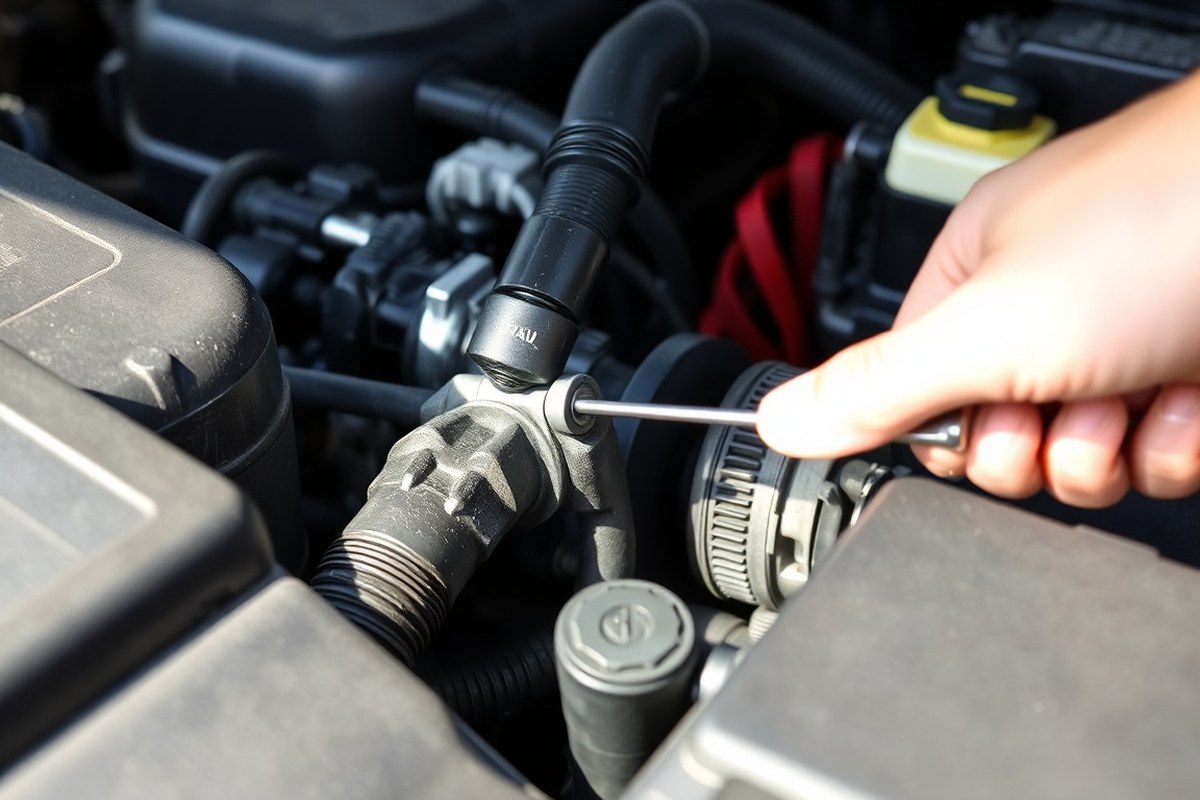
Check your transmission fluid using the dipstick to measure level and inspect condition. The dipstick is usually yellow or red and located near the engine.
You want the fluid to reach the “warm” or “full” mark. It should look clean and have no burnt smell.
Locating the Transmission Fluid Dipstick
Look under the hood for a thin dipstick with a yellow or red handle. It’s often near where the engine meets the transmission. Some vehicles have the dipstick labeled as “Transmission” or “ATF.”
Don’t see the dipstick easily? Check your owner’s manual for help.
Some newer vehicles may lack a dipstick, requiring a professional check. Most older and mid-range cars still use the dipstick method for checking fluid.
Checking Fluid Level Correctly
You must check transmission fluid with the engine running and the car on level ground. This keeps the fluid warm and the measurement accurate. Always engage the parking brake for safety before you start.
Follow these steps to check your transmission fluid level properly:
- Park on a level surface and start the engine.
- Let the engine idle; do not rev it.
- Shift through all gear positions slowly, ending in Park.
- Open the hood and locate the transmission dipstick.
- Pull out the dipstick and wipe it clean with a cloth.
- Reinsert the dipstick fully then pull it out again.
- Check the fluid level against the “warm” or “full” marks.
The fluid level below “warm”? Add manufacturer-approved transmission fluid slowly and carefully. Avoid overfilling as it can cause damage.
Assessing Fluid Color and Condition
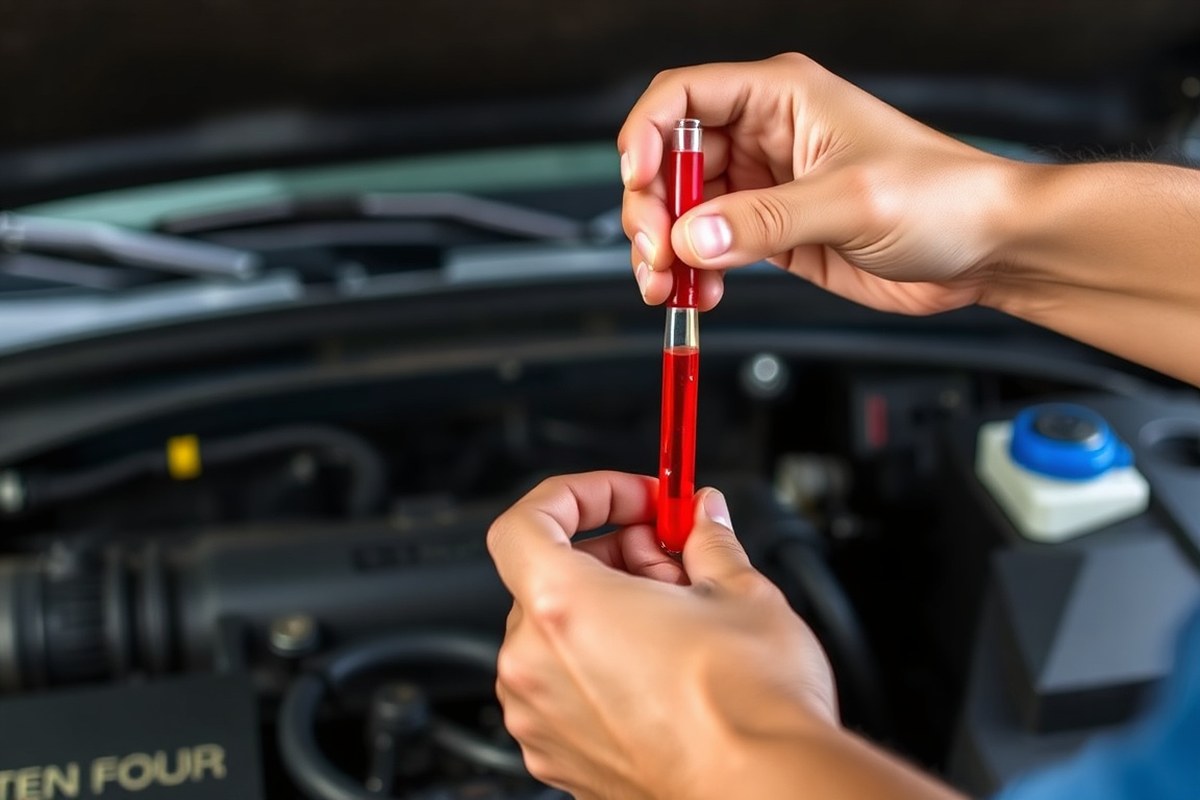
Transmission fluid should be bright red or pink and clear, not cloudy or brown. Dark or black fluid signals contamination or breakdown. A tart or sweet burning smell can mean worn fluid or low lubrication.
Notice bad odor, dark color, or particles? Schedule a fluid change soon.
Regular fluid checks every 30,000 to 60,000 miles help avoid big transmission problems. Good fluid supports smooth shifting and prevents damage.
Common Causes Behind Low Transmission Fluid
Transmission fluid can run low mainly because of leaks. Worn-out seals or damage to the transmission pan let fluid escape slowly. Over time, leaks slowly reduce your fluid levels.
You might not see this drop right away. It happens gradually and can go unnoticed.
Leaking seals usually happen because rubber parts dry out or crack with age. Hitting a pothole or debris can also dent the transmission pan and create leaks. These leaks often leave fluid spots or puddles under your car after parking.
Skipping regular maintenance is another common cause. Don’t skip checking or changing your fluids on time. Fluids can get dirty or run low without care.
Check your schedule to avoid problems. Since transmission fluid lubricates and cools parts, old fluid wears down seals faster. That can lead to leaks and mechanical damage.
Doing a simple drain and fill costs about $120 to $230 at a shop. A flush, which replaces more fluid, costs $180 to $350. Skipping these services shortens your transmission’s lifespan and risks fluid loss.
Catching small leaks early can save you money. A fluid top-off usually costs $10 to $30. You can do this yourself to keep costs down.
Getting a shop to add fluid with a minor leak runs $45 to $100. Fixing leaks from a pan gasket averages $150 to $400. Seal repairs can climb to $900 with labor.
Failing to fix leaks means fluid keeps dropping, risking overheating and slipping gears. Low fluid means your transmission’s clutch packs and moving parts don’t get enough lubrication. This can cause serious damage requiring a rebuild, which costs thousands of dollars.
Can You Drive with Low Transmission Fluid Safely?
You can drive with low transmission fluid for a short time, but it’s risky. The fluid lubricates and cools moving parts inside the transmission. Without enough fluid, your transmission overheats and wears out faster.
If the fluid gets very low, your transmission might stop working completely. This can leave you stranded and require a costly rebuild or replacement. Dark or burnt-smelling fluid shows the transmission is running too hot.
Driving for more than a few miles with low fluid increases damage chances. Stop driving immediately if you smell burning or see slipping gears. These signs mean your transmission is getting serious damage.
Continuing to drive on low fluid can cause internal parts to grind. This makes repairs more expensive. In some cases, the transmission won’t shift properly or won’t move at all.
Checking your fluid level is quick and easy. Use the dipstick with the engine warm and running. Add the manufacturer’s recommended type and amount to restore the proper level.
Replacement fluid costs about $20 to $50 for a full change. Adding a small amount to top off usually costs less or you can do it yourself. Regular checks help avoid the cost and hassle of major repairs.
Stop driving immediately if you smell burning or notice slipping gears. Continuing risks major transmission damage.
How to Add Transmission Fluid Correctly
You can add transmission fluid yourself, but you need to do it carefully. Use the correct type, add it slowly, and keep checking the level. Overfilling or choosing the wrong fluid can cause damage.
Choosing the Right Transmission Fluid
Pick transmission fluid that matches your vehicle’s specifications. Check your owner’s manual for the exact type needed. Using the wrong fluid can lead to poor shifting and damage.
Many cars require automatic transmission fluid (ATF). But some need synthetic blends or special fluids.
You can find the correct type at auto parts stores or online. When unsure, ask a technician or check with your dealer.
Preparing to Add Fluid
Put the car on a level surface and run the engine until it’s warm. Warm fluid flows better and gives a more accurate level reading. Keep the parking brake on for safety.
Open the hood and locate the transmission fluid dipstick, usually near the back of the engine. Clean it with a cloth, then reinsert and remove it to check the current fluid level. Use a clean funnel to avoid spills.
Filling Without Overfilling
Adding fluid gradually helps you avoid overfilling, which can cause transmission problems. Pour small amounts, about half a cup at a time, then wait a minute before rechecking.
After each addition, insert the dipstick and check the level carefully. Stop adding fluid once the level reaches the full mark. Too much fluid can cause foaming and poor performance.
When the fluid looks dark or smells burnt, get professional service instead of topping off. A transmission flush or fluid change might be safer and more effective.
- Warm the engine by running it for 5 minutes on a level surface.
- Turn off the engine and engage the parking brake.
- Locate and clean the transmission fluid dipstick.
- Remove the dipstick and check the current fluid level.
- Insert a funnel into the dipstick tube.
- Add fluid slowly in ½ cup increments.
- Wait 1 minute, then check the fluid level again with the dipstick.
- Repeat until the fluid level reaches the full mark without going over.
Maintenance Schedules and Costs for Transmission Fluid Service
Transmission fluid should usually be changed every 30,000 to 60,000 miles. Checking the fluid regularly helps catch problems early. Repair costs rise sharply when fluid issues go ignored.
Recommended Service Intervals
Most vehicle makers suggest a fluid change every 30,000 to 60,000 miles. Some newer cars with synthetic fluid can go longer. Checking fluid levels at least twice a year catches leaks early.
Regular service prevents transmission wear and overheating. Driving hard or towing heavy loads calls for more frequent checks. Follow your owner’s manual instructions for your specific car.
Typical Fluid Service Costs
Changing transmission fluid takes about 30 to 60 minutes at a shop. Professional fluid changes cost between $80 and $250. Prices vary by vehicle model and local labor rates.
This fee typically includes draining old fluid, cleaning the pan or filter, and refilling. Some complex transmissions may cost more to service. Basic fluid top-ups cost less but don’t replace old fluid fully.
Repair vs Replacement Costs
Ignoring low fluid can cause overheating and serious transmission damage. Repairs for leaks and internal damage can run into thousands of dollars. Transmission replacement can cost even more.
Losing all transmission fluid means major repairs or a full rebuild. Diagnostic fees often start around $150 to identify the issue. Catching problems early saves money and stress.
| Service Type | Typical Time | Typical Cost |
|---|---|---|
| Transmission Fluid Change | 30-60 minutes | $80-$250 |
| Diagnostic Fee | Varies | About $150 |
| Leak Repair/Internal Damage | Hours to days | Thousands of dollars |
| Transmission Replacement | Days | Several thousand dollars |
Prompt fluid service prevents higher repair costs. Delaying can lead to larger, more expensive problems. Keeping up with fluid changes extends your transmission’s life and keeps maintenance fees lower.
How to Differentiate Low Fluid Symptoms from Transmission Failure
Transmission problems caused by low fluid and mechanical failure can seem similar. Low fluid usually leads to slipping gears and delayed shifting. Mechanical failure often causes grinding noises or complete gear lockup.
Knowing which issue you face helps decide the next step. Adding fluid often fixes low-fluid issues fast.
Mechanical problems need professional repair. Here is a table comparing common symptoms:
| Symptom | Low Transmission Fluid | Mechanical Transmission Failure |
|---|---|---|
| Gear Slipping | Occurs mostly when fluid is low | Can happen, usually more severe |
| Overheating | Common with low fluid, causing warning lights | Also possible, but from internal damage |
| Strange Noises | May hear whining or slight grinding | Loud grinding, clunking, or knocking |
| Delayed or Harsh Shifting | Typical with low fluid, smooths out after refill | Persistent, may worsen over time |
| Burnt Fluid Smell | Fluid smells burnt; sign of overheating | Usually found in fluid when damage is present |
| Warning Lights | Transmission temperature or check engine light | Same or additional transmission error codes |
Low fluid signs often start gradually. The vehicle may slip or shift late only sometimes. Adding the right fluid and checking for leaks can fix these symptoms.
Costs for fluid are modest, typically $15 to $30, plus a few minutes to add it. Use the fluid grade listed in your owner’s manual.
Mechanical failures don’t improve with more fluid. Symptoms stay or get worse even after adding fluid. Such issues call for a mechanic’s inspection.
Repair costs vary widely but often start at several hundred dollars. Delaying these repairs can cause complete transmission failure, costing more.
Keep an eye on fluid condition and level regularly to spot early problems.
Preventing Low Transmission Fluid Problems
Preventing low transmission fluid starts with spotting leaks early. Most low fluid issues begin with leaks that let fluid drip onto the ground.
Check under your car once a week for small red or brown spots. Fixing leaks quickly keeps your fluid at the right level and stops bigger problems.
Routine checks also matter. Look at your transmission fluid once every month, or more often if you drive a lot. Healthy fluid looks bright red and clear.
Dark or burnt-smelling fluid means you must change it soon. Keeping an eye on fluid condition helps catch trouble before damage starts.
Driving habits affect fluid loss, too. Hard acceleration, heavy towing, and stop-and-go traffic make fluid overheat. Overheated fluid breaks down faster.
Avoid these often. Give your car a rest if it feels hot or clunky.
- Check under the car weekly for transmission fluid leaks.
- Inspect fluid color and smell monthly using the dipstick.
- Schedule transmission fluid service every 30,000 to 60,000 miles.
- Drive gently: avoid rapid acceleration or heavy towing.
- Let your car cool during long stops or in traffic.
- Replace worn transmission seals and gaskets promptly.
- Use only manufacturer-recommended transmission fluid types.
Transmission fluid service usually costs $80 to $250. The price depends on your vehicle and fluid type. Doing this keeps the transmission running smoothly and prevents costly repairs.
Delaying fluid checks or ignoring leaks lets parts wear out faster. This can cause your transmission to fail early. Simple habits protect your transmission’s life and your wallet.
Your Quick-Start Action Plan for Low Transmission Fluid
Follow this simple plan to fix low transmission fluid quickly. It helps prevent damage and keeps your car running smooth.
- Day 1: Check your transmission fluid level using the dipstick. Make sure it’s between the full and add marks.
- Day 1: Look for signs of leaks under your car. Fixing leaks stops fluid loss and keeps levels steady.
- Day 2: Add the correct transmission fluid if the level is low. Don’t overfill; stop once the dipstick reads full.
- Day 3: Drive your car and watch for any slipping or strange noises. Normal gear shifts mean the fluid is working.
- Week 1: Schedule a professional fluid change if your car’s fluid is old or dirty. This removes debris and restores performance.
- Week 2: Inspect transmission fluid levels regularly, every few hundred miles, to catch issues early.
- Month 1: Check maintenance schedules for fluid changes. Staying on schedule prevents future low fluid problems.
Frequently Asked Questions
Can You Just Add Transmission Fluid If It’s Low?
Yes, you can add transmission fluid if levels are low. Use the type of fluid your car manual recommends.
Avoid adding too much fluid. Overfilling can cause leaks and damage to the transmission.
Can You Still Drive with Low Transmission Fluid?
You can drive short distances with low fluid, but it’s risky. Low fluid causes poor shifting, noise, and can lead to transmission failure.
How Do You Fix Low Transmission Fluid?
Fix low fluid by checking for leaks, topping off the fluid, and replacing seals if needed. Avoid driving much until levels are stable.
How Often Should You Change Transmission Fluid?
You should replace transmission fluid every 30,000 to 60,000 miles, per your manual. Checking the fluid often helps spot problems before they get worse.
What Happens If Transmission Fluid Is Overfilled?
Overfilling causes foaming, poor shifting, and possible leaks. Check levels carefully when adding fluid.
Before You Go
Low transmission fluid can seriously hurt your car’s performance and lifespan. Catching leaks and topping up fluid quickly helps avoid costly repairs. Start by checking your fluid level today to keep your car shifting smoothly.