How Many Minutes Is 7 Miles: Complete Time Guide for Walking, Running, Driving & More
How many minutes is 7 miles really depends on how you travel. Walking 7 miles usually takes about 2 hours or more.
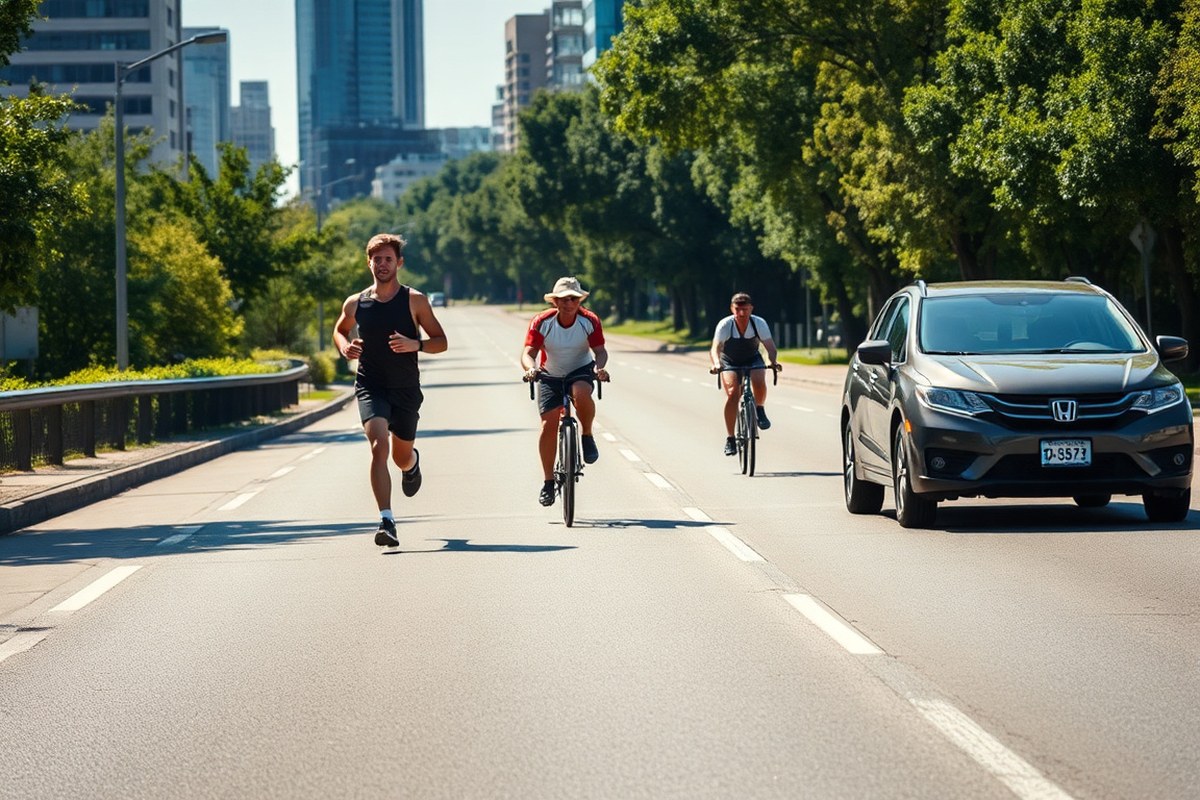
Driving could take less than 15 minutes on open roads. Running and cycling fall somewhere in between, depending on your pace.
Calculating your time is simple if you know your speed. To find your time, divide 7 miles by your speed. Multiply that number by 60.
This gives you the time in minutes. This real-world math helps you plan and set realistic goals.
Keep in mind that traffic, terrain, and fitness level all change your actual travel time. Watching your average speed gives a better idea, rather than guessing based on distance alone. Start with a realistic speed for the mode you choose.
Key Takeaways
- Walking 7 miles takes roughly 2 hours at a steady 3.5 mph pace.
- Running at 6 mph takes about 70 minutes to cover 7 miles.
- Driving 7 miles can take 10 to 30 minutes depending on traffic.
- Cycling at a moderate pace of 12 mph covers 7 miles in about 35 minutes.
- Calculate time by dividing 7 miles by speed, then multiply by 60.
- Traffic and road conditions can double your driving time for 7 miles.
How Many Minutes Does It Take to Cover 7 Miles by Different Modes?
Walking 7 miles at an average 3 mph pace usually takes about 2 hours 20 minutes. Running speeds vary a lot. Time ranges from 56 to 84 minutes.
This depends on your fitness and the terrain. Biking takes less time.
Usually 15 to 22 minutes in cities. Typical speeds are 25 to 35 mph.
Driving varies a lot based on road and traffic. But 7 miles usually takes 10 to 20 minutes. Highway speeds near 60 mph can cut that to around 7 minutes.
Stop-and-go city driving slows you down. Knowing these time ranges helps you plan your route and activity efficiently.
| Mode | Average Speed (mph) | Typical Time for 7 Miles |
|---|---|---|
| Walking | 3.0 | 140 minutes (2 hours 20 minutes) |
| Running (moderate pace) | 6 to 7.5 | 56 to 84 minutes |
| Biking (city average) | 25 to 35 | 12 to 17 minutes |
| Driving (city average) | 25 | 15 to 22 minutes |
| Driving (highway) | 60 | 7 to 10 minutes |
The walking pace can slow when hills or rough terrain come into play, adding time. Running time changes based on your age and fitness level.
It can slow to 84 minutes or more for 7 miles. Cycling and driving times shift mostly due to traffic lights and congestion more than constant speed.
Start planning by finding your average speed in miles per hour. Use this to estimate your trip or workout time. Then, divide 7 by that number to get the time in hours.
Multiply by 60 to get minutes. This calculation fits your personal pace better than fixed averages.
How to Calculate Minutes for 7 Miles Based on Your Speed

To find minutes for 7 miles, first get your speed in mph. Then change mph into minutes per mile. This shows how many minutes for one mile.
Then multiply that result by 7 to get your total travel time. This method works whether you’re walking, running, cycling, or driving.
Step 1: Understand Speed Units
Speed often shows how many miles you cover in one hour. It’s usually given in miles per hour. This unit helps track distance over time.
To get minutes per mile, reverse the mph idea. See how many minutes you spend on a single mile. This helps understand your pace better.
Using mph is easy for quick mental math. But remember one hour has 60 minutes.
Other speed units may appear, like kilometers per hour or miles per minute. You can convert kilometers to miles by dividing by about 1.6. For most people, sticking with mph makes calculation simpler for everyday travel or exercise plans.
Step 2: Convert Mph to Minutes per Mile
To get minutes per mile from mph, divide 60 by your speed in mph. This formula shows how long each mile takes in minutes. At 3 mph, divide 60 by 3 to get minutes per mile.
You’d spend 20 minutes walking one mile at that speed. It’s a simple calculation.
This step helps measure your pace in a way that matches distances on foot or bike. It’s useful when you want to plan your time for a 7-mile walk or run. Use a calculator or phone for quick, accurate results.
This helps if you’re not sure about your speed. It saves time and makes math easy.
Step 3: Multiply by 7 to Get Total Minutes
After finding minutes per mile, multiply by 7 to get total minutes. That tells you how long 7 miles will take. It’s a straightforward step.
For example, at 4 mph, you take 15 minutes per mile. Multiply 15 by 7 and the total time is 105 minutes, or 1 hour 45 minutes.
This way lets you quickly guess your travel time. You can change your pace or travel mode as needed. It makes planning easier.
Realize that factors like terrain or traffic may increase actual time. So use this estimate as a realistic baseline rather than an exact number.
Here’s an easy sequence to calculate minutes for 7 miles:
- Identify your speed in miles per hour.
- Divide 60 by your mph speed to get minutes per mile.
- Multiply the minutes per mile by 7 to get total minutes.
- Convert total minutes to hours and minutes if needed.
- Check your result against your usual pace or conditions.
- Use a calculator or phone timer for faster calculations.
- Adjust the estimate for uphill, stops, or slow traffic.
Don’t forget to double-check your mph and units before calculating time. Confusing units can give totally wrong results.
Walking 7 Miles: Average Pace and Expected Duration
Walking 7 miles usually takes between 2 and 3 hours. Your pace plays the biggest role in the time it takes. Terrain and breaks can also change your total walking time.
Leisurely Walking Pace
A leisurely walking speed is around 2.5 miles per hour. At this pace, covering 7 miles will take about 2 hours and 48 minutes. This speed is typical for casual strolls or easy walks where you often stop or chat.
Terrain affects this pace a lot. Hills, rough paths, or frequent stops can stretch the time. It’s a good pace if you want to enjoy the outdoors without rushing.
Average Walking Speed
The average walking speed is around 3 miles per hour. Walking 7 miles takes about 2 hours and 20 minutes. This is the pace many people walk on flat, even ground for exercise or getting around.
At this speed, you’re getting moderate aerobic exercise. It’s a solid choice to meet the CDC’s 150 minutes of weekly activity recommendation. Keep your breaks short to stay close to this pace.
Brisk Walking Pace
Brisk walking is at about 3.5 miles per hour and takes close to 2 hours to finish 7 miles. This pace challenges your heart and lungs more than average walking. Many fitness walkers use this speed to boost endurance and burn calories.
This pace fits well on flat terrain and steady surfaces. Long or steep hills may slow you down. Take brief breaks only if needed, or your total time will increase.
Here is a table showing these walking paces and their estimated times for 7 miles:
| Pace (mph) | Minutes per Mile | Total Time for 7 Miles |
|---|---|---|
| 2.5 (Leisurely) | 24 | 2 hrs 48 mins |
| 3.0 (Average) | 20 | 2 hrs 20 mins |
| 3.5 (Brisk) | 17 | 2 hrs 0 mins |
Walking breaks add to your total time depending on their length and frequency. Shorter, less frequent rests keep you close to these estimates. Rough or hilly terrains can increase your walking time by 10 to 30 minutes.
Running 7 Miles: Time Estimates for Different Fitness Levels
How long it takes to run 7 miles depends on your fitness level and age. Beginners might spend over an hour.
Elite runners can finish close to 35 minutes. Age often slows your pace, but consistent training helps you stay strong.
Beginner Runner Pace and Time
Beginners usually run 7 miles at a pace between 11 and 14 minutes per mile. Your total time will often range from about 70 to 91 minutes. This pace lets you build endurance without pushing too hard, which lowers injury risk.
Focus on steady, comfortable pacing over speed. Try to keep your breathing even and run at a pace you can maintain without gasping. It’s normal for beginner times to vary depending on fitness, terrain, and weather.
Intermediate Runner Pace and Time
As you gain experience, your pace should improve to between 7 and 10 minutes per mile. This shrinks your 7-mile time to roughly 49 to 63 minutes. It’s a good balance of speed and stamina.
Intermediate runners often include interval training or tempo runs to improve pace. Watching your split times per mile helps you stay on track. A common mistake is going out too fast, which can tire you quickly.
Elite Runner Pace and Time
Elite runners cover 7 miles in under 35 to 38.5 minutes for men and women, running each mile in less than 5 minutes. This pace requires high cardiovascular fitness and sharp running form.
Maintaining this speed needs regular, intense training and proper recovery. Most elite runners also focus on nutrition and injury prevention. Age tends to have more impact here, often slowing top speed after 35 or 40.
Check the table below for specific examples of pace ranges and 7-mile times by fitness level.
| Level | Men’s 7-Mile Time | Women’s 7-Mile Time | Per-Mile Pace |
|---|---|---|---|
| New runner | 1:17, 1:45+ | 1:24, 1:52+ | 11:00, 16:00 |
| Beginner | 1:03, 1:17 | 1:10, 1:31 | 9:00, 13:00 |
| Intermediate | 49:00, 1:03 | 56:00, 1:10 | 7:00, 10:00 |
| Advanced | 38:30, 49:00 | 44:30, 56:00 | 5:30, 8:00 |
| Elite | Under 35:00 | Under 38:30 | Under 5:00 |
Use these numbers as pace benchmarks. Track your mile times and adjust your effort. Age slows your pace, so focus on steady progress instead of speed alone.
Driving 7 Miles: Estimated Times by Traffic and Speed Conditions
Driving 7 miles in city traffic usually takes about 15 to 22 minutes. Speeds on city streets average 25 to 35 mph. But stoplights and intersections slow you down.
Heavy urban traffic can slow you down to below 10 mph. This can make your 7-mile trip take 30 minutes or longer.
On highways, driving 7 miles goes much faster. Smooth traffic lets you drive between 60 and 75 mph. At this speed, 7 miles takes about 6 to 8 minutes.
This is about four times faster than typical city driving speeds. So time varies a lot depending on the road type.
Traffic jams, roadworks, or accidents drastically increase drive times. A usual 15-minute city drive can stretch past 30 to 45 minutes with congestion. Planning extra time or checking real-time traffic apps helps avoid surprises and delays.
Plan for extra time during rush hour and construction zones. This helps you avoid stress and being late.
Cycling 7 Miles: Time Estimates by Cycling Pace
Cycling 7 miles can take very different times depending on your speed. Beginners or casual riders generally cycle slower, while experienced cyclists ride faster. Knowing your pace helps plan your ride and track your fitness progress.
Casual cyclists usually ride between 8 and 12 miles per hour. This speed feels relaxed and doesn’t tire you out quickly.
Commuter cyclists maintain a steady, moderate pace around 12 to 16 miles per hour. High-performance riders push hard, cycling at speeds from 18 to 25 miles per hour.
| Riding Style | Average Speed (mph) | Estimated Time (minutes) | Effort Level |
|---|---|---|---|
| Casual | 8, 12 | 35, 52 | Low / Relaxed |
| Commuter | 12, 16 | 26, 35 | Moderate / Steady |
| High-Performance | 18, 25 | 16, 23 | High / Intense |
To bike 7 miles casually, expect about 35 to 52 minutes. This allows a comfortable pace and easy breathing.
If you’re commuting, your time drops to roughly 26 to 35 minutes. This speed feels steady but demands more energy.
High-performance cyclists finish much quicker, around 16 to 23 minutes. This requires strong effort and good endurance. You can improve your time by training regularly and riding on smooth paths or low-traffic roads.
Don’t forget other factors like wind, hills, and bike type. These factors slow your speed and add extra time.
Make sure you also wear proper gear and keep your bike tuned. A well-lubricated chain and correct tire pressure make riding easier.
Factors That Affect How Long 7 Miles Takes to Travel
Your pace over 7 miles changes with many things around you. Weather can slow you down a lot.
Rain or snow makes footsteps slip or pedals spin harder. Wind, especially strong headwinds, can cut your speed by 10-20%, making your trip longer than usual.
Hills and rough ground also make a big difference. Going uphill slows you because your muscles work harder. Downhill may speed you up.
But rough trails or uneven paths force you to be more careful. This cautious pace can add extra minutes when walking, running, or cycling those 7 miles.
Fitness level is a major factor too. A well-trained runner may cover 7 miles in 50 minutes easily. A beginner could take 90 minutes or more.
Stronger muscles and better endurance keep your pace steady. Low fitness means more breaks and slower movement.
Traffic and stops matter most if you drive or bike on busy roads. Waiting at lights or traffic jams can add 5 to 15 minutes. Sometimes, it takes even longer for 7 miles.
These delays depend on traffic and time of day. Clear roads let you keep a steady 50 to 60 mph speed.
This takes about 7 to 8 minutes to cover 7 miles. You can expect no extra delays on clear roads.5 minutes.
Adjust your plans by checking weather forecasts and maps for hills. Prepare for rainy or windy days by wearing grip shoes and layering clothes to stay warm.
Pedal in lower gears on steep climbs to save energy and avoid burnout. Plan extra time for rough terrain or heavy traffic to avoid frustration.
Think about how fit you feel that day before you start. You should slow your pace and allow more time when tired. Also, do this if you are recovering from illness.
This helps avoid overexertion. Tracking your usual times helps you guess your pace better. You normally walk 1 mile in about 20 minutes.
Expect around 140 minutes to walk 7 miles on flat ground. Walking pace and terrain can affect this time.
Choosing flatter routes can keep your trips faster. Avoid busy streets to reduce stops during drives or bike rides.
Those small changes may cut your 7-mile travel time noticeably. Paying attention to these factors lets you set realistic goals and enjoy your trip more.
How to Estimate Your Personal Time for 7 Miles
Start by knowing your typical pace or speed for the activity you’ll use. For walking or running, this usually means minutes per mile.
For cycling or driving, use miles per hour. Once you have this, multiplying or dividing gets you your 7-mile time.
To estimate your time more precisely, think about the conditions. Terrain, weather, and traffic can change your pace a lot.
For example, hills or wind can add minutes. Flat roads or calm weather make your pace faster.
- Write down your current pace (minutes per mile or miles per hour)
- Multiply your pace by 7 if given in minutes per mile
- Divide 7 by your speed if using miles per hour
- Add extra time for rough terrain, bad weather, or traffic delays
- Subtract some time if conditions are easier than usual
- Use a GPS watch or app to check your real pace first
- Think about how tired you might be at the start or end
Here’s a simple example: you run a mile in 9 minutes. Multiply 9 by 7. Your expected time is 63 minutes.
If you cycle at 14 miles per hour, divide 7 by 14. That’s 0.5 hours, or 30 minutes for the 7 miles.
Conditions can throw off your time by 10 to 30 percent. On hills or rough trails, add 10 to 20 percent more time.
When on smooth, level roads, your time might be a little less than your basic calculation. Adjust your guess based on what’s normal for you.
Don’t rely only on numbers. Check your pace in real conditions first to avoid big surprises.
Remember, your goal is to have a realistic estimate, not a perfect one. Times vary each day even for the same route.
Checking your past times helps you predict better. This way, you’ll know how long 7 miles might take under your usual effort and conditions.
Converting 7 Miles: Steps, Kilometers, and Calories Burned
Walking or running 7 miles takes a lot of steps. You walk about 2,117 steps per mile.
So, 7 miles equals roughly 14,819 steps. This varies a bit with your stride length, but it’s a good estimate.
To convert 7 miles to kilometers, multiply by 1.609. That means 7 miles is about 11.26 kilometers. This matters if you track distance using metric units or plan routes in kilometers.
Calorie burn depends a lot on your weight and speed. You burn more running than walking 7 miles. The table below lists typical calorie counts for various body weights.
It covers both walking and running for this distance. Each value shows the calories burned for 7 miles.
| Body Weight (lbs) | Calories Burning Running 7 Miles | Calories Burning Walking 7 Miles |
|---|---|---|
| 130 | ~683 | ~482 |
| 150 | ~788 | ~557 |
| 170 | ~893 | ~631 |
| 190 | ~998 | ~705 |
| 210 | ~1103 | ~780 |
For example, if you weigh 150 pounds and walk 7 miles, you burn about 557 calories. Running that same distance burns about 788 calories. To figure your own estimate, multiply your weight by about 5 for walking or 5.2 for running per mile, then multiply by 7 miles.
Counting steps, kilometers, and calories helps you plan workouts. It also lets you track progress if fitness apps don’t provide exact data. Calorie estimates help match your nutrition for weight goals.
Step-by-Step Action Plan for Timing Your 7-Mile Travel
Use this plan to see how long 7 miles takes you. Try walking, running, cycling, or driving.
Track your time for each trip. Track your time and adjust based on your fitness and conditions.
- Before You Start: Pick how you will travel 7 miles. Start a stopwatch or open a GPS app. Use it to track your trip time.
- Day 1: Walk the full 7 miles at your normal pace. Note your total time and any breaks to understand your baseline.
- Day 2: Run the 7 miles if you run. Record your pace and fatigue level to see where you stand.
- Day 3 or 4: Cycle 7 miles on a similar route. Track your average speed and how traffic affects your time.
- After One Week: Drive the 7 miles through your usual route. Note time differences by time of day for traffic impact.
- Week 2: Look at your times from each travel mode. Pick the one that matches your fitness or commuting goals.
- Week 3: Change your walking or running speed a little bit. Check if your time improves. Keep measuring to track progress.
- Ongoing: Use your personal times to plan workouts or trips realistically. Update timing as your speed changes.
Frequently Asked Questions
How Many Minutes Is 7 Miles?
It depends on how fast you move. Walking 7 miles usually takes about 2 hours 20 minutes at a normal pace. Running or biking will take less time, with driving taking the least when traffic is light.
How Long Is 7 Miles in a Car?
Driving 7 miles takes between 6 and 17 minutes. You’ll get closer to 6 minutes if you stay on a highway at 65 mph. Stop-and-go traffic or city streets cut your speed and increase travel time.
How Far Is a 7 Mile Drive?
A 7 mile drive covers exactly 7 miles on the road. This usually takes around 7 to 15 minutes, depending on speed limits and traffic conditions. It’s about a moderate distance, often a quick trip through one or two towns.
How Long Is 7 Miles in Minutes Running?
Running 7 miles usually takes 56 to 84 minutes. Your time depends on terrain and fitness, with flat surfaces near 56 minutes for faster runners. Beginners often run 7 miles in about 70 to 90 minutes comfortably.
How Long Is 7 Miles Walking?
Walking 7 miles takes about 2 hours 20 minutes at a steady 3 mph pace. Hills or rough paths add extra time. You’ll want to plan plenty of breaks if walking that far for the first time.
Wrapping Up
Seven miles takes different minutes depending on how you travel. Try timing your own trip to see what works for you. Use your real times to plan better workouts or trips next time.