How Dangerous Is Oil Rig Work? A Complete Guide to Risks and Safety
How dangerous is oil rig work? It’s among the most dangerous jobs in the U.S. The work involves heavy equipment, harsh conditions, and long hours, raising serious injury risks.
You should expect demanding shifts up to 12 hours or more. Long shifts add fatigue, which increases danger in oil rig work.
On oil rigs, injuries from equipment contact cause most fatalities. Vehicle crashes also make up half of work deaths in this industry. Staying alert and following safety rules can cut your chances of accidents a lot.
Before you start, know that your job could expose you to falls, burns, or chemical risks. Protecting yourself means using gear correctly and pacing your work to avoid stress and tiredness.
Key Takeaways
- Fatigue from 12-hour shifts heightens injury risk on oil rigs.
- Contact with heavy equipment causes about 26% of rig worker deaths.
- Vehicle crashes cause half of fatal work injuries in oil and gas.
- Wearing proper safety gear lowers the chances of serious injuries.
- Long shifts over many days increase stress and accident likelihood.
- Stay trained in emergency procedures to react well during disasters.
How Dangerous Is Oil Rig Work Compared to Other Jobs?
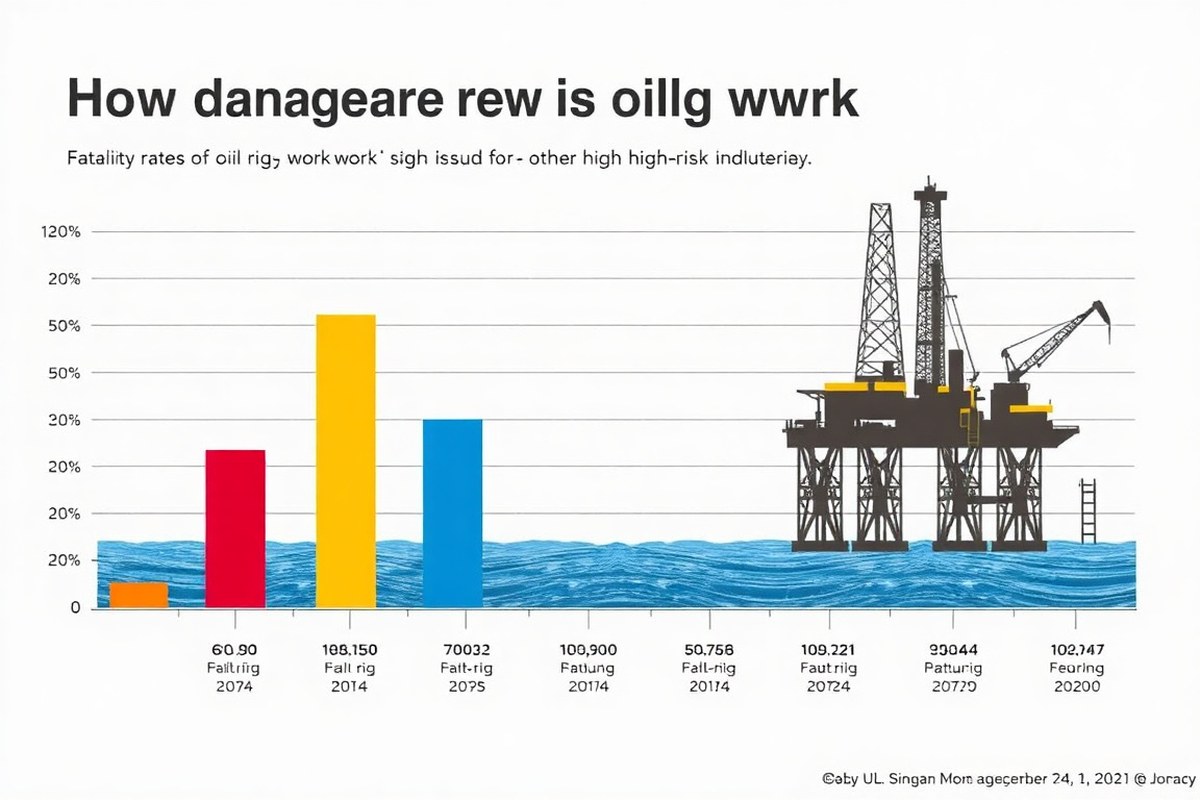
Oil rig work has a fatality rate of about 16.6 deaths per 100,000 workers. This rate is much higher than the national average for all industries, which is around 3.7 deaths per 100,000 workers. It means oil and gas extraction is one of the most dangerous jobs in the U.S.
Looking at other risky jobs helps put oil rig dangers in perspective. Agriculture has a fatality rate near 23.2 per 100,000, mining about 14.4, and construction around 9.5. Oil rig work ranks close to mining in risk level.
It is more dangerous than many common trades like construction. These numbers come from the Bureau of Labor Statistics and the CDC.
Most deaths in oil and gas extraction come from a few main causes. Motor vehicle crashes cause about half of work-related deaths on oil rigs and in extraction fields. Heavy equipment causes many accidents on rigs.
It accounts for about 26% of deaths in 11 years. Falls and exposure to harmful substances also add to the danger.
Fatigue worsens risks as oil rig workers often pull shifts over 12 hours. Long hours lead to stress and slower reaction times, increasing accident chances. Though oil rigs have many hazards, training and safety can reduce risks.
The oil and gas field employs over 119,000 workers nationally. Rig numbers grew from 800 in the 1990s to 1,300 by mid-2000s.
Fatalities also increased, with over 400 deaths reported. This rise highlights how growth pushes safety systems to their limits.
Working on an oil rig means facing dangers similar to mining but generally higher than construction. You must follow strict safety rules on rigs. Wear all protective gear and stay alert to avoid injuries.
Knowing these facts shows how risky oil rig work really is. It puts the danger in clear perspective.
What Are the Most Common Hazards on Oil Rigs?
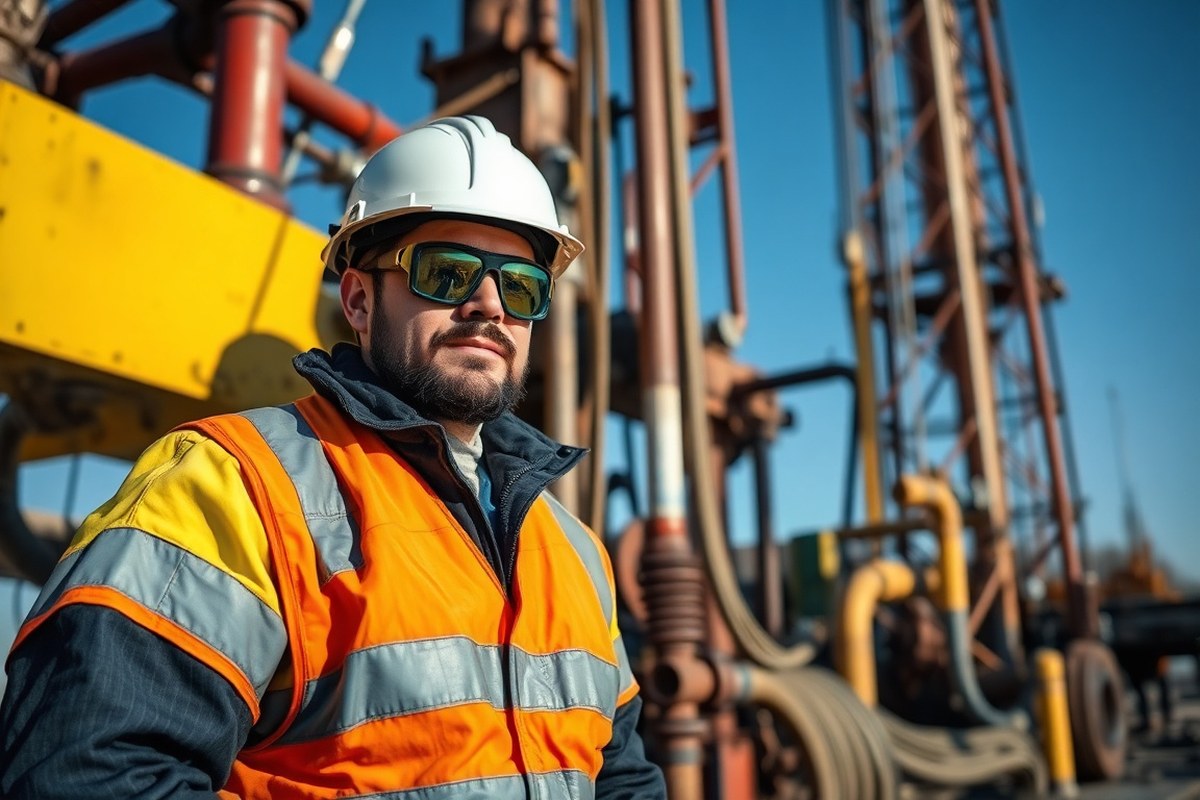
Oil rig work involves many physical dangers that can cause serious injuries. Workers face risks like falls from heights and being hit by equipment. Machinery can catch clothing or limbs, causing serious injuries.
Heavy machines work nearby, raising crush injury risks. Safety steps must be followed closely to avoid entanglement.
Hazardous gases pose a major threat on rigs. Hydrogen sulfide is a toxic gas that builds up fast. It can cause respiratory failure or death at low levels.
Workers may also encounter volatile organic compounds and other chemicals that affect long-term health. You need constant monitoring and gas detectors in risky areas. This protects you from toxic gas exposure.
The harsh environment adds challenges. Offshore rigs deal with strong winds and big waves. Salt corrosion also adds to the dangers of the job.
Poor weather delays rescue efforts and can cause slips, trips, and falls. Remote locations also mean immediate medical help is often far away.
- Slips, trips, and falls, especially on wet or uneven surfaces
- Struck-by hazards from dropped tools or moving machinery
- Machinery entanglement and crush injuries from heavy equipment
- Exposure to toxic gases like hydrogen sulfide
- Fire and explosion risks from flammable materials and high pressure
- Extreme weather conditions and isolation offshore
One look at past incidents shows dropped equipment frequently harms workers several stories below. Failures in machinery maintenance have caused severe crush injuries. Also, sudden releases of toxic gases have led to evacuations and long-term health effects.
You need to follow safety rules strictly. Wear protective gear and always check your tools. Use gas detection devices to stay safe on the rig.
Never ignore gas alarms or skip equipment checks. They are critical for your life on a rig.
How Do Offshore and Onshore Oil Rig Risks Differ?
Offshore oil rigs tend to be more dangerous than onshore rigs. They face harsher weather, harder access, and longer evacuation times. Both environments have risks, but these differences affect safety and emergency responses.
Access and Transportation Differences
Offshore rigs are usually miles from shore, making transport tricky and risky. Getting there often involves boats or helicopters, which adds travel hazards. Land rigs are easier to reach by car or truck, reducing transport dangers.
You spend more time just getting to an offshore rig. That time carries risks like rough seas or bad flying conditions. Onshore rigs have quicker, safer access if an emergency happens.
Environmental and Weather Factors
Offshore rigs face strong winds, storms, and rough seas. These can cause accidents, delays, and equipment failures.
Onshore rigs face weather too. But usually less severe and with faster shelter options close by.
Storms offshore can last hours or days, forcing work stoppages. Onshore workers experience rain or heat, but can get off-site faster. Weather impacts safety plans differently depending on the location.
Emergency Response and Isolation
Medical help on offshore rigs can be hours away by helicopter or boat. This isolation means emergency response takes longer than onshore. Onshore rigs are closer to hospitals and can get faster aid.
Evacuation from offshore rigs requires drills and teamwork, involving lifeboats or choppers. Onshore evacuation might just mean a short drive to help. The isolation offshore increases risks if an accident or injury happens.
Below is a table showing key differences between offshore and onshore oil rigs:
| Factor | Offshore Oil Rigs | Onshore Oil Rigs |
|---|---|---|
| Distance to Medical Facilities | Hours by helicopter/boat, often no direct land sight | Usually within minutes by vehicle |
| Weather | Harsh: high winds, storms, rough seas | Milder: rain, heat, but less severe |
| Transportation | By boat or helicopter, risk of travel accidents | By road, lower transport risk |
| Evacuation Methods | Lifeboats, helicopters; requires extensive drills | Vehicle evacuation, faster and simpler |
| Isolation Level | Highly isolated, limited on-site support | Less isolated, easier emergency access |
Knowing these differences helps you prepare for the unique hazards of your rig location. Offshore work demands stricter safety protocols and readiness for delayed medical aid. Onshore rigs provide quicker emergency options but carry their own mechanical and environmental risks.
Which Oil Rig Jobs Are the Most Dangerous and Why?
Risk on oil rigs varies a lot by job type. Floorhands handle heavy pipe and chains on the rig floor. They face some of the highest injury rates because of this work.
The job requires strength and care to avoid injuries. These tasks expose them to crush injuries and falls.
Motorhands, who work with engines and machinery, also see many injuries. Their work involves moving parts and high heat, raising the risk of burns and cuts. Drivers transport equipment over rough roads to offshore rigs.
They also take boat rides, which can be risky. These conditions increase the chance of accidents.
Supervisors risk injury too, but their roles are less physical. They manage operations. The main dangers are slips or falls on the rig.
Fatigue also causes errors that lead to accidents. Staying alert helps reduce these risks.
| Job Role | Common Injuries | Injury Rate (Injuries per 100 Workers per Year) | Fatality Risk |
|---|---|---|---|
| Floorhand | Crush injuries, falls | 25-30 | High |
| Motorhand | Burns, cuts | 15-20 | Moderate |
| Driver/Transporter | Vehicular accidents, falls | 10-12 | High |
| Supervisor | Slips, falls | 5-8 | Lower |
Good training cuts the injury risk, especially for floorhands and motorhands. Rig companies that offer ongoing and updated instruction help prevent accidents. New workers need immediate training on equipment, and experienced workers need refreshers.
Experience lowers risk because seasoned workers recognize hazards faster. Still, fatigue from long shifts can make anyone slip up. Supervisors watch for these signs to stop accidents before they happen.
How Does Fatigue Affect Safety on Oil Rigs?
Workers on oil rigs often face very long shifts that cause serious fatigue. They usually work 8 to 12 hours a day. Shifts often last 7 to 14 days straight.
Long work periods are common on rigs. This leaves little time for restful sleep, increasing tiredness as the shift cycle continues.
Fatigue plays a major role in accidents on rigs by slowing reactions and impairing judgment. Mistakes linked to fatigue include trips, falls, equipment mishandling, and errors during critical operations. Even small slip-ups can lead to severe injuries or blowouts in such a high-risk environment.
Employers try to reduce fatigue risks by limiting shift length and enforcing rest periods. Rotating crews and providing proper sleep facilities also help workers recover between shifts. Training helps workers spot signs of tiredness.
It encourages taking breaks when needed. Speaking up can stop accidents before they happen.
Safety cultures on rigs emphasize stopping work if you feel overtired or something feels unsafe. Regular safety meetings remind teams to report fatigue and follow protocols designed to reduce stress. These steps cut down the odds of fatigue-related mistakes while maintaining steady production.
Monitoring tools like fatigue detection systems are emerging but not yet widespread. Until widely adopted, the best protection remains well-designed shifts and strong worker awareness. Hard physical work takes a big toll on workers.
Rest must be the top priority for safety. Without proper rest, injuries become more likely.
Never ignore feeling tired while on the rig. Taking a short break can stop accidents. Breaks help prevent costly injuries and mishaps.
What Safety Measures and Technologies Reduce Oil Rig Risks?
Personal protective equipment (PPE) is critical to keep you safe on an oil rig. You need a hard hat, steel-toed boots, fire-resistant clothing, gloves, and goggles. These protect against falling objects, fire hazards, and sharp materials all around the rig.
Gas detectors prevent disasters by continuously monitoring the air for harmful gases like hydrogen sulfide. They alert workers early to leaks before anyone is exposed. On some rigs, these detectors automatically shut down equipment or activate alarms if gas levels rise.
Training programs teach workers to recognize hazards and react fast when facing emergencies. Safety drills simulate real-life scenarios like fires, blowouts, or spills. This hands-on practice helps you learn how to use equipment properly and stay calm under pressure.
- Wear PPE at all times, including hard hats and fire-resistant gear
- Use tethered tools and secure materials to stop falling objects
- Follow lockout/tagout procedures before servicing electrical gear
- Keep gas detectors calibrated and checked daily for accuracy
- Run regular emergency drills with crews for quick responses
- Maintain situational awareness; avoid distractions near heavy machinery
Tool tethering programs stop tools from dropping and causing injuries below. Safety nets and toe boards catch small objects and protect workers on lower decks. Employers must enforce these rules and perform daily safety inspections on equipment.
Good safety programs cost money and time but lower injury rates. For example, investing in gas detection tech costs thousands but prevents expensive accidents and saves lives. Neglecting safety can lead to costly lawsuits, lost work, or worse, fatalities.
What Lessons Do Major Oil Rig Disasters Teach About Risks?
Major oil rig disasters show how deadly this work can be. They reveal common causes like poor maintenance and failing safety systems. These events have led to important safety changes in the industry.
Piper Alpha (1988) Overview and Causes
The Piper Alpha disaster killed 167 workers in the North Sea. It started with a gas leak that triggered a massive explosion and fire. Poor communication and ignored safety procedures made the blast worse.
The platform’s safety systems failed to contain the fire. Workers were trapped with no clear escape routes. The disaster led to new rules for emergency planning and equipment checks offshore.
Deepwater Horizon (2010) Impact and Changes
The Deepwater Horizon explosion killed 11 workers in the Gulf of Mexico. It also caused one of the worst oil spills in history. A failed blowout preventer was a key factor behind the disaster.
This event pushed the industry to improve well control technology and monitoring. Regulations now require stricter inspections of critical equipment. Training for emergency responses became more rigorous after 2010.
Other Significant Oil Rig Incidents
In 2015, a helicopter crash near Nigeria killed four oil workers. Accidents like this added focus on transport safety to the industry’s priorities. They remind us risks extend beyond just the rig itself.
Oil rig workers face many dangers, like falls, lightning strikes, and falling objects. A culture that hides injuries makes real risks even harder to track. These lessons push companies to improve safety reporting and prevention.
What Legal Rights and Compensation Options Exist After Oil Rig Injuries?
Workers injured on oil rigs usually have legal protections through workers’ compensation. This system covers medical bills and lost wages without proving employer fault. If negligence caused your injury, you might sue.
You could sue the oil company or a third party. This might get you more damages.
Offshore workers fall under maritime law, like the Jones Act. It lets injured seamen sue employers for negligence. This law often leads to higher compensation compared to typical workers’ compensation claims.
Injuries on oil rigs include falls, burns, and equipment accidents. These often cause serious harm or death. You must be very careful.
To act after an injury, start by reporting it to your supervisor immediately. Seek medical care and keep records of all treatments and time off work. Talk to a lawyer with oil rig injury experience right away.
This is important if negligence may be involved. Get advice fast if your claim faces issues.
A lawyer helps you file claims properly and collect evidence to prove fault. Damages usually cover medical bills, lost wages, and pain. Sometimes courts also award punitive damages.
These punish bad conduct in serious cases. Deadlines for filing claims vary, so acting quickly is important to protect your rights.
Your checklist should include saving medical records, documenting the accident’s details, and preserving witness contacts. Also, keep copies of your employment contract and safety training. Don’t sign any settlement offers before consulting a lawyer, as they may undervalue your claim.
The claim process begins with filing a workers’ compensation claim or a lawsuit. Workers’ compensation is usually faster but pays less.
Lawsuits take longer but may provide higher payouts if you prove negligence. A lawyer guides you through each step, including negotiation and court hearings if needed.
Costs vary by case, but most oil rig injury lawyers work on contingency fees. This means they only get paid if you win. Fair results cover medical bills, lost income, and future care.
The compensation should match your actual losses. This helps you recover financially. Poor outcomes happen when claims miss deadlines or lack evidence.
Start your injury claim by reporting the accident right away and seeing a doctor. Delays can hurt your case and reduce compensation.
What Should New Oil Rig Workers Know About Hazard Management?
New oil rig workers must spot hazards quickly. They need to use protective gear well. Always follow safety rules without fail.
Knowing when and how to report issues keeps everyone safe. These steps help prevent injuries and keep work running smoothly on the rig.
Identifying Key Hazards
Pay close attention to risks like chemical exposure, moving machinery, and slippery surfaces. These hazards can cause burns, inhalation problems, or falls. Recognizing them quickly lets you avoid danger and protect your coworkers.
Keep an eye on changing conditions like weather and equipment noises. These often signal increased risks. Watch for leaks, spills, or unusual smells, as they could mean toxic chemicals are present.
Use this quick checklist to spot common hazards:
- Sharp tools or machine parts without guards
- Oil spills or wet decks causing slips
- Unsecured heavy equipment or loose materials
- Unusual fumes or chemical smells
- Ladders or scaffolding that aren’t steady
- Signs of equipment overheating or unusual noises
Always stay alert to these signs. Your attention reduces accident chances and helps the team react faster.
Proper Use of Safety Equipment
Wear gear like hard hats, gloves, flame-resistant clothing, and respirators as required. These protect against burns, inhalation hazards, and impact injuries. Use the equipment every time you enter risky areas.
Check gear fits well and isn’t damaged before each shift. For example, respirators need a tight seal to keep out harmful fumes. Gloves should cover your hands fully and be strong enough to resist cuts and chemicals.
Training covers how to put on, adjust, and remove safety equipment. Follow all instructions carefully. Regularly clean and maintain your gear to keep it effective and safe.
Reporting and Communication Procedures
Speak up immediately if you see a dangerous condition or get hurt. Every worker has the right to stop work in unsafe situations. This stop work authority empowers even new workers.
Use clear, exact words when reporting hazards. Say what you saw, where it is, and whether anyone is hurt. Avoid downplaying risks or waiting for someone else to report it.
Here’s a simple script for reporting injuries or unsafe conditions:
- State your name and location on the rig
- Describe the hazard or injury clearly and briefly
- Explain if work should stop to fix the hazard
- Give suggestions, like needing equipment repairs or cleanup
- Ask for confirmation that your report was received
Following this method speeds up response times. It reduces the chance of accidents spreading or becoming worse. Prompt reports help supervisors keep the whole crew safer.
Your First Steps: Staying Safe on an Oil Rig
Start with safety from day one to protect yourself on the rig. Follow these steps to keep risks low and spot hazards early.
- Before You Start: Learn the basic safety rules for your job. You’ll know it worked when you understand key hazards and can name protective gear.
- Day 1: Attend all safety orientation sessions. You’ll be ready if you can explain emergency signals and evacuation routes.
- Week 1: Practice using your personal protective equipment (PPE) every day. Check that it’s comfortable and fits well without slipping.
- Week 2: Review common hazards on your specific rig section. Confirm you can spot dangers like slippery surfaces or exposed wiring.
- Month 1: Keep a daily log of any near misses or unsafe conditions you notice. See progress if fewer risky situations go unreported.
- Ongoing: Stay alert for fatigue signs and follow rest breaks strictly. You’ll feel safer and make fewer mistakes when rested.
- Ongoing: Speak up about any safety concerns immediately to supervisors. Safety improves when problems get fixed fast.
Frequently Asked Questions
How Often Do Oil Rig Workers Face Life-Threatening Accidents?
Oil rig workers face life-threatening accidents more often than in most jobs. The nature of the work and exposure to hazards increase these risks significantly. You should always expect strict safety rules to limit these risks.
Are Temporary Workers on Oil Rigs at Higher Risk?
Temporary workers on oil rigs often face higher risks due to less experience and training. They may not be as familiar with safety protocols. Extra attention to onboarding and supervision helps lower their accident chances.
What Role Does Weather Play in Oil Rig Dangers?
Severe weather dramatically increases risks on oil rigs, especially offshore. Storms can cause slips, falls, and equipment failure. Workers usually pause hazardous tasks during bad weather for safety.
How Does Worker Age Affect Oil Rig Injury Risk?
Older workers can face higher injury risks due to slower reflexes and physical strain. Younger workers may be less aware of hazards, too. Safety training tailored by age helps reduce these risks.
Can Mental Health Impact Oil Rig Safety?
Mental health greatly impacts safety because stress or fatigue can lower focus. Poor mental well-being can slow reaction times, raising accident chances. Employers often include mental health support as part of safety programs.
Wrapping Up
Working on an oil rig has real risks but careful steps lower them. You can protect yourself by knowing the hazards and following safety rules. Take your first step now by learning your job’s safety basics well.