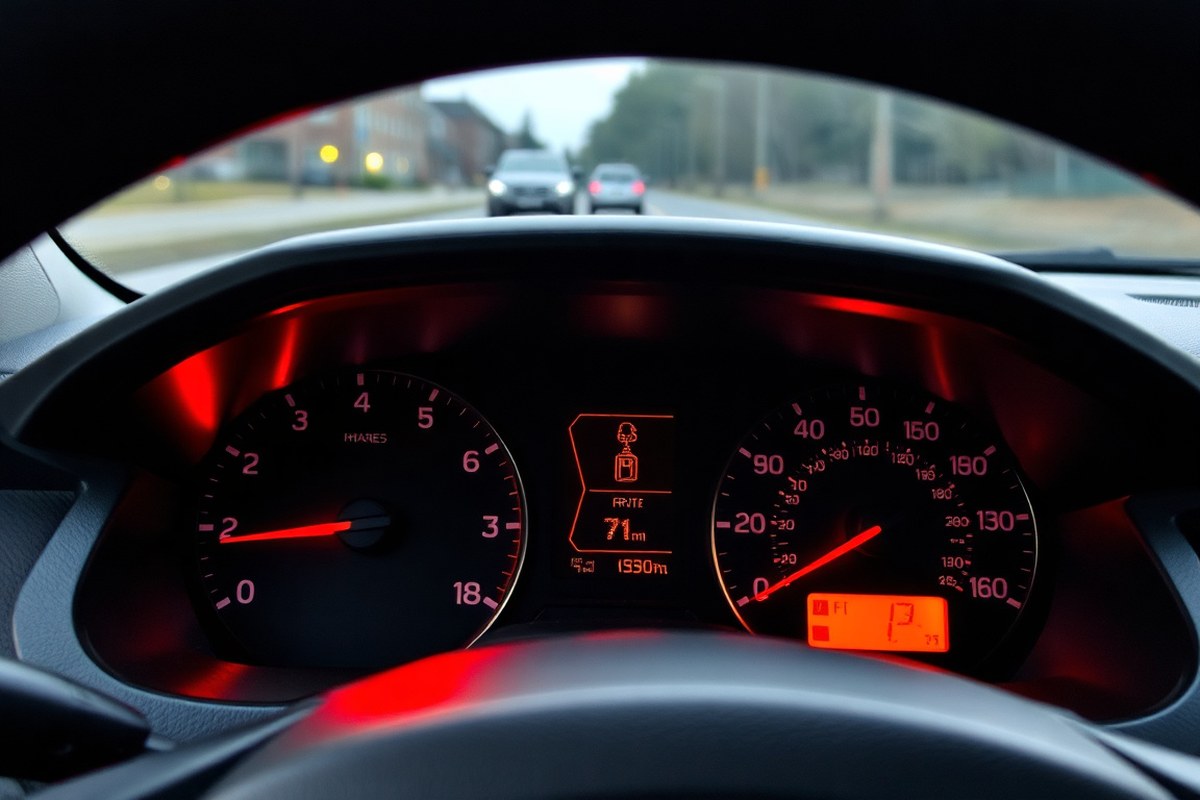
How Long Can You Drive with a Bad Alternator? Complete, Clear Guide
How far you drive with a failing alternator depends largely on your battery’s condition. Typically, vehicles can continue running for about 30 minutes to 2 hours. This happens because the alternator no longer charges the battery, draining power quickly.
Drive less than 5 miles once your battery is fully charged. Stay close to a repair shop to avoid getting stuck. Keep trips very short for safety.
Turn off nonessential electrical items like the radio or AC to save power. Watch for dimming lights, which mean your battery is draining and it’s time to stop.
Don’t push your luck. Driving too long with a bad alternator drains your battery quickly. Other electrical parts may fail from low power.
Stop driving soon to protect your car. Call for help if you feel your car slowing or see warning lights on the dashboard.
Key Takeaways
- A car with a bad alternator usually runs for 30 minutes to 2 hours max.
- Driving less than 5 miles is safest if the battery is fully charged.
- Turn off lights and electrical accessories to stretch battery life.
- Dimming headlights are a clear sign the battery is nearly dead.
- Driving with a dead alternator risks damaging your battery and other systems.
- Towing costs less than fixing damage caused by continued driving.
How Long Can You Drive with a Bad Alternator Before Your Car Dies?
The drive time with a broken alternator varies based on your battery’s charge and your car’s electric demand. A new, fully charged battery can support the car for roughly an hour without alternator help. Older batteries tend to last only 20 to 40 minutes, especially during typical city driving.
Electrical load also plays a key role. Driving in daytime with no extras helps battery life. No lights, wipers, or heaters means battery lasts close to an hour.
Using these saves power. Using headlights, wipers, or heater drains the battery fast. Sometimes it lasts only 10 to 25 minutes.
These extras use a lot of electricity. Higher electrical demand means less driving time before the car dies.
| Battery & Load | Approximate Run Time | Typical Use Case |
|---|---|---|
| New battery, daytime, extras off | Up to 1 hour | Single trip to nearby garage |
| Older battery, mixed town driving | 20, 40 minutes | Short hop from work to home |
| Night drive, lights and wipers on | 10, 25 minutes | Emergency run to safe parking |
Diagnostic logs and 12 years of shop data from thousands of repairs show these ranges accurately. Cars rarely run beyond 30 miles on battery power alone. The battery drains steadily until your car stalls without warning.
Sudden loss of power can happen quickly. So don’t assume you have plenty of time. Jump-starting helps get your car going but won’t extend running time if the alternator is bad.
Stop-and-go traffic causes faster battery drain. Idling uses power but doesn’t recharge the battery. This shortens the time you can drive.
What Are the Warning Signs of a Failing Alternator to Watch For?

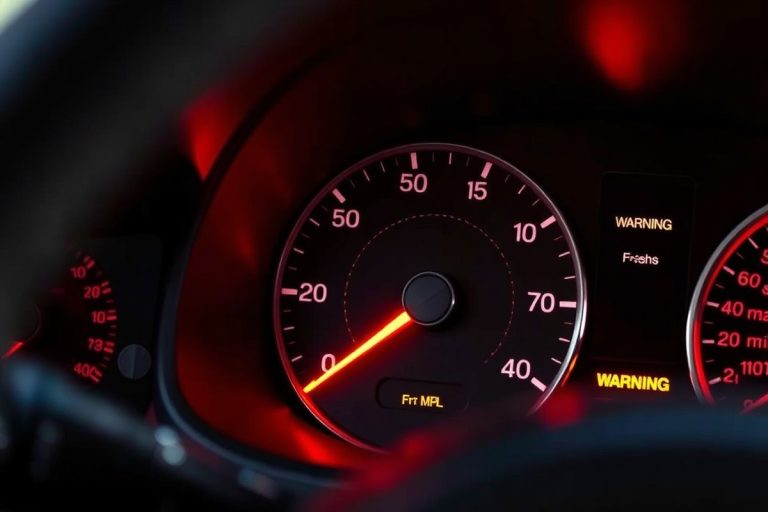
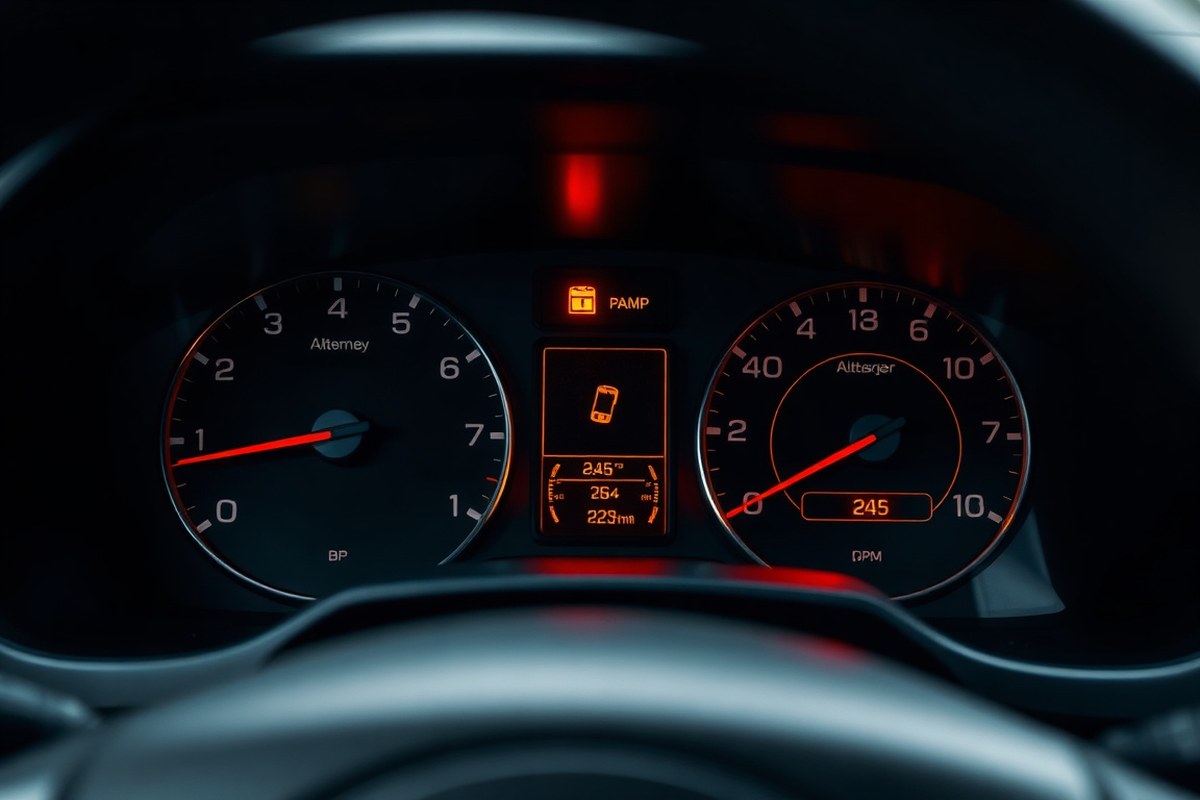
Your car’s first warning of a bad alternator usually appears on the dashboard. The battery warning light shows electrical trouble. The voltage meter bounces between low and normal.
This signals your car’s electrical system is having issues. This early sign means your alternator is not charging the battery properly and needs attention soon.
As the problem grows, electrical components start to fail. Headlights will flicker or grow dim, especially at idle or when using many accessories.
Your cabin lights might flicker or shut off unexpectedly. Devices like radios or power windows might act slow or stop working.
Listen for unusual sounds from the engine bay. A failing alternator can cause a growling, whining, or grinding noise. You might notice a burning smell if the belt or wiring overheats.
This smell means stop the car right away. You must check the belt and wires immediately.
- Battery warning light appears: 1 to 2 hours of limited driving left
- Headlights flicker or dim: 30 to 60 minutes of cautious driving possible
- Slow or rough engine cranking: 15 to 30 minutes before likely stall
- Unusual engine noises or burning scent: stop immediately to avoid damage
- Voltage meter swinging below 11.8 volts or above 16.2 volts signals instability
Keep an eye on the dashboard’s voltmeter if your car has one. A healthy alternator keeps voltage around 13.5 to 14.5 volts. Variations outside this range point to alternator wear or failure.
Using fewer electrical devices can save battery power. This only helps for a short time though. Don’t rely on it for long trips.
Any warning light or dimming lights mean you should drive only as far as necessary. Don’t ignore these signs to avoid getting stranded or causing bigger repairs.
How Does the Alternator Work and What Happens When It Fails?
The alternator keeps your battery charged while the engine runs. It converts mechanical energy into electrical energy. A spinning pulley turns the rotor inside.
This creates alternating current. The rectifier then changes it to direct current.
The direct current from the alternator powers the car’s electrical systems and recharges the battery. Voltage regulation ensures the output stays around 13.5 to 14.5 volts. This steady voltage prevents overcharging or undercharging the battery.
Common failure points include worn brushes, a broken rotor, or a faulty voltage regulator. Brushes wear down and can lose contact with the rotor.
A damaged rotor stops generating enough current. The voltage regulator may fail, causing incorrect voltage output.
When these parts fail, the alternator’s voltage output drops or fluctuates. Lower voltage means the battery won’t charge properly and powers the car alone. Without the alternator, the battery can only run the electrical system until its charge runs out.
Battery condition and electrical demand affect how long your car runs after alternator failure. A fully charged battery can keep the car going briefly. But once the battery drains, the car won’t start or run.
Charging system checks after alternator replacement confirm the voltage stays in the healthy range. Testing alternator output and battery condition helps find the exact failure. This prevents replacing parts that still work and avoids extra costs.
Can Driving with a Bad Alternator Damage Your Battery or Other Systems?
A failing alternator can either overcharge or drain your battery. When it overcharges, it sends too much voltage to the battery and electrical parts. This can cause your battery to get too hot.
It also makes the battery last a shorter time. The battery could swell or leak acid inside.
On the other hand, a bad alternator that doesn’t charge properly drains the battery fast. When battery voltage is low, your car’s computer struggles to run.
The car’s electronics won’t work right either. This can shut down important systems while driving, leaving you stranded.
Voltage spikes from a faulty alternator can harm your car’s electronics. Parts like the Electronic Control Unit (ECU) need steady voltage. So do Advanced Driver Assist System (ADAS) cameras.
They’re sensitive to voltage changes. Voltage spikes can damage these parts fast.
Repairing can cost $1,200 for an ECU. Replacing an ADAS camera module can cost $2,400.
Electrical problems from a bad alternator can also affect the transmission. The Transmission Control Module (TCM) may receive incorrect signals, causing unexpected shifts or even seizing. This kind of damage often costs more than towing the car to a mechanic.
Power steering and fuel pumps use electric help. This comes from a working alternator. Hydraulic systems depend on this electric boost.
Without the alternator, these parts might fail suddenly. This can cause steering issues or your engine to stall.
Both happen while driving and are dangerous. That makes driving unsafe, especially at highway speeds or in traffic.
When your alternator is failing, keep trips short. Avoid long drives to reduce damage. Small drives help limit problems.
Turning off nonessential electrical accessories reduces load on the battery and alternator. Also, park the car ASAP and have it checked.
Jump-starting can get you moving but won’t fix the voltage issues. So don’t rely on it for long.
Costs for repairs vary. Towing your car to a shop costs less. It’s cheaper than fixing electronics or transmission parts.
Tow it instead of risking more damage. Ignoring a bad alternator risks turning a simple repair into a multi-thousand-dollar job. So, it’s better to choose safety and get professional help quickly.
When Is It Safe to Drive and When Should You Call a Tow Truck?
You can drive a short distance with a bad alternator. This works only if the battery still holds a good charge. Keep trips very brief and watch for trouble signs.
Check your dashboard for dim lights or warning signs. Make sure the battery voltage is above 12 volts if you have a tester. Avoid highways or heavy traffic since stalling there is dangerous.
Keep the trip as short as possible. Aim for less than 30 minutes. That usually means about 10 to 15 miles.
Use this time to reach a mechanic, choosing the safest, least congested route. The battery feels weak or the engine stutters.
Lights dim noticeably. Stop driving right away and call a tow.
- Confirm battery charge is healthy before moving
- Observe dashboard warning lights closely
- Limit driving to under 30 minutes or roughly 10-15 miles
- Drive only on low-traffic, non-highway roads
- Stop and call for a tow if lights dim or stalling happens
- Avoid night driving with a bad alternator
- Have roadside assistance ready in case you break down
You’re unsure about the battery health or symptoms get worse. Towing is safer. It often costs less too.
A tow in cities like Jacksonville costs $75 to $125. This often saves money over replacing a battery or starter. Continued driving can cause more damage.
Also tow if the route to the shop is long. Avoid driving on highways or at night too. These add risks with a bad alternator.
Driving too far with a failing alternator risks ruining your battery and electrical systems.
Drive slowly to reduce the battery load. Avoid using accessories like the radio or air conditioning. Keeping electrical use low helps the battery last longer.
Once you stop safely, arrange roadside help or a mechanic visit to avoid a complete breakdown. Act quickly to lower repair costs.
This prevents secondary failures like starter or module damage. These repairs can add hundreds to the bill.
How to Extend Your Driving Time When the Alternator Fails?
Driving with a bad alternator means your battery powers everything. To extend your driving time, lower electrical use and drive carefully. This helps save battery power for critical systems and keeps you safe.
Turn Off Nonessential Electronics
Most electronics drain the battery when the alternator fails. Turning off stuff like the radio and charging devices lowers power use. Doing this at the start can add 15 to 30 minutes.
It helps you drive longer during the day without stopping. You get extra time before the battery runs down.
At night, your headlights use a lot of power. So avoid extras like interior lights. This way, you can stretch the battery for about 15 to 30 minutes.
Leaving too many devices on will make your car stop soon. Expect it to die in 5 to 15 minutes.
Limit Use of High-Power Devices
High-power devices drain your battery fast. Climate control, windshield wipers, and rear defrosters use significant electricity. Turn these off or set to low if possible to preserve battery life.
Daytime driving lets you avoid headlights, but using climate control still hurts your range. Night driving requires headlights, so skip heated seats and defrosters. They can shorten your run by half or more.
Drive Smoothly and Avoid Idling
Driving smoothly reduces electrical load and helps preserve battery life. Avoid stop-and-go traffic or long periods of idling, which waste battery power. Instead, keep steady speeds and minimal brake use.
Idling uses power for systems like power steering, which you may lose soon. Driving at moderate speeds without sudden acceleration or braking saves juice. This approach can add a few extra miles to your emergency run.
Follow these steps to save power and extend your driving time safely.
- Turn off the radio, phone chargers, and other nonessential electronics immediately.
- Dim or switch off interior lights, especially at night.
- Limit use of climate control, wipers, and rear defrosters to low or off.
- Keep headlights on at night but avoid additional electrical loads.
- Drive at steady, moderate speeds without sudden stops or accelerations.
- Do not idle the engine longer than necessary to avoid extra power use.
- Plan your route to avoid heavy traffic or frequent stops.
- Watch for signs of battery strain or power steering loss. Get ready to pull over safely right away. Stopping quickly can keep you safe on the road.
How Much Does Alternator Repair or Replacement Typically Cost?
Replacing or repairing an alternator typically costs between $150 and $600. The price depends on the part used, labor costs, and your car’s make and model. Additional repairs can add to the total.
Alternator Parts Costs
The price for the alternator part itself can range from $50 to over $400. Aftermarket alternators usually cost less than OEM parts but may have shorter lifespans. OEM alternators fit your car perfectly and often last longer but cost more.
| Type | Cost Range | Typical Longevity (Miles) | Fit and Warranty |
|---|---|---|---|
| OEM Alternator | $200 – $400 | 80,000 – 150,000 | Exact fit, usually 1-3 years warranty |
| Aftermarket Alternator | $50 – $250 | 50,000 – 100,000 | Varied fit, limited warranty |
Choosing OEM means paying more upfront but often saves money later. Aftermarket parts save money immediately but might wear out faster or fit less precisely.
Labor and Installation Fees
Labor usually costs between $100 and $250 depending on the car. Vehicles with tight engine bays or complicated setups take more time. Simple alternator swaps can take 1 to 2 hours in most shops.
More complex jobs may require removing other components or disconnecting the battery carefully. Skilled mechanics ensure proper installation, which avoids future electrical issues.
Related Repair Expenses
Replacing an alternator can uncover other problems like worn belts or battery issues. A failing belt often gets replaced along with the alternator, adding $50 to $100. A weak battery might need testing or replacement, costing $50 to $200.
Sometimes wiring or connectors suffer damage needing repair. These extras increase the total price but keep the system reliable. If you ignore related issues, new alternator problems might appear quickly.
Can You Troubleshoot or Fix a Bad Alternator Yourself?
You can do simple checks to see if the alternator is bad. Check parts that wear out or look damaged. These quick tests may help catch issues early.
Test the battery voltage with a meter. Look over the belt and wiring carefully. Listen for strange sounds or notice weird smells.
Getting a professional is best when your own checks don’t help. They have the tools and experience needed.
Check Battery Voltage with Ignition On
Use a multimeter to check if the alternator charges the battery properly. A healthy alternator keeps the battery voltage around 13.5 to 14.5 volts when the engine runs. Follow these steps to get a quick voltage reading:
- Set your multimeter to measure DC voltage on a 20-volt scale.
- Turn off your car completely and connect the red probe to the battery’s positive terminal.
- Touch the black probe to the battery’s negative terminal.
- Record the voltage reading. A fully charged battery shows about 12.6 volts with the engine off.
- Start the engine and watch the voltage again. It should rise to between 13.5 and 14.5 volts.
- Rev the engine to 2,000 RPM. Watch if the voltage stays steady or rises a little. That shows how the alternator is working.
A voltage below 13 volts or no rise when running means a problem. The alternator may not be charging the battery right.
Don’t try this electrical test if you lack experience or worry about safety. It’s safer to ask a professional mechanic to help.
Inspect Alternator Drive Belt and Connections
Look under the hood for a loose or cracked alternator belt. The belt spins the alternator pulley, so issues here cause charging problems. Try this quick visual check:
- With the engine off, find the serpentine or drive belt that runs the alternator pulley.
- Press down firmly on the belt. It should not deflect more than about half an inch.
- Look for cracks, fraying, or shiny glazing on the belt’s surface.
- Check the wiring connected to the alternator for loose, damaged, or corroded connectors.
- Ensure battery terminals are clean and tightly clamped.
Loose or worn belts usually need replacing. The tensioner pulley often gets replaced too.
This keeps the belt tight enough to work well. Bad wiring can cause voltage drops that mimic alternator failure.
Replacing only the belt without checking tensioner condition can lead to quick failure.
Listen for Unusual Noises or Smells
Strange sounds from the engine bay sometimes signal alternator trouble. A grinding or whining noise often means worn bearings inside the alternator. Smell for burning or hot insulation scents near the alternator:
- Start the engine and listen near the alternator area for whining, grinding, or rattling sounds.
- Turn off the engine and smell near the alternator housing for hot, burnt odor.
- Check for any visible smoke or blue discoloration around the alternator, which suggests internal damage.
Signs like grinding or burning smells need a professional fix. Bearings or windings need tools and knowledge to repair safely.
Never ignore recurring noises or smells. They can cause more damage if not addressed quickly.
How Do Alternator Failure Modes Affect Driving Time and Safety?
The alternator has several key parts that fail in different ways. Voltage regulators often fail first after around 50,000 to 70,000 miles. When this happens, the alternator can give odd voltage spikes.
This causes flickering dash lights. It also leads to uneven battery charging.
Diode failures usually follow. They cause the alternator to stop converting AC current to DC properly.
This can lead to dimming headlights and a rapidly weakening battery. Driving time after diode failure reduces to a few hours or less, depending on battery health.
Bearings inside the alternator can wear out last but cause loud whining or grinding noises. Ignoring these signs leads to full mechanical failure.
The alternator may still charge for a short time after bearing noise starts. But it becomes unsafe to drive.
Different failure modes shorten driving time differently. Regulator faults cause slow voltage drops that let you drive longer. But with risk of electrical damage.
Diode failure cuts output sharply, putting you at risk of sudden stall. Bearing failure mainly affects mechanical reliability and can cause complete breakdown.
Here’s a quick look at symptoms and their causes. Erratic dash lights often point to regulator problems. Dimming or flickering headlights connect with bad diodes.
Unusual noises like grinding suggest bearing issues. Spotting these signs means you can drive only a few hours or days. Your alternator will fail completely after that.
Identifying these symptoms early helps you plan repairs or towing safely. Charging irregularities from regulator issues might cost around $100 to $200 to fix.
Fixing diodes and bearings usually costs more than $200. These repairs need taking apart or replacing the alternator.
Driving with a failed regulator is risky but sometimes manageable for short trips. When diodes fail, your battery drains fast, so limit trips to urgent cases only.
Bearing noises mean you should stop driving soon. Otherwise, expect a breakdown and higher repair costs.
Step-by-Step Action Plan for a Bad Alternator
Follow these steps to manage your bad alternator safely and avoid a breakdown.
- Immediately: Turn off all non-essential electronics. Check if your headlights or dashboard lights are dimming. Dim lights mean your alternator isn’t charging well.
- Within the first hour: Drive directly to a trusted auto shop if your vehicle runs. Watch for warning signs like engine stalling or strange noises. When these show up, stop driving right away.
- Before leaving the car: Turn off the engine and try restarting it. Your battery is dead if the car won’t start. Call a tow truck immediately.
- Same day: Have a mechanic test the alternator and battery with a diagnostic tool. Confirm if the alternator needs replacement or repair.
- After repair: Take a test drive to check electrical systems. Make sure warning lights do not come back.
- Ongoing: Monitor your battery voltage regularly. Keep an emergency charger in your car for extra safety.
- Stuck with a failing alternator: Drive less and use fewer electronics. Plan your route to the nearest repair shop.
Frequently Asked Questions
How Do Weather Conditions Affect How Long You Can Drive with a Bad Alternator?
Extreme temperatures can shorten battery life, reducing how long you drive. Cold weather strains your battery. Heat speeds battery fluid loss, limiting your drive time.
Can a Weak Battery Make a Bad Alternator Problem Worse When Driving?
Yes, a weak battery shortens your car’s runtime with a bad alternator. It can’t hold enough charge, so your car will stall faster on the road.
Does Using Electrical Accessories Impact Driving Time with a Failing Alternator?
Running lights, radio, and A/C drain your battery faster with a bad alternator. Turn off nonessential accessories to extend how long your car stays running.
Is It Safe to Drive on Highways with a Bad Alternator?
No, it’s risky because your car can stall suddenly at high speed. Pull over safely as soon as you spot alternator warning signs.
Will Jump-Starting a Car with a Bad Alternator Help It Run Longer?
Jump-starting helps only temporarily since the bad alternator won’t recharge the battery. Your car will still die once the battery’s energy runs out.
Final Thoughts
Driving with a bad alternator is risky and time-limited. Your best move is to get it checked and fixed quickly. Start by cutting non-essential electrical loads and head straight to a mechanic.