Can a Dirty Air Filter Cause Check Engine Light? What Actually Works
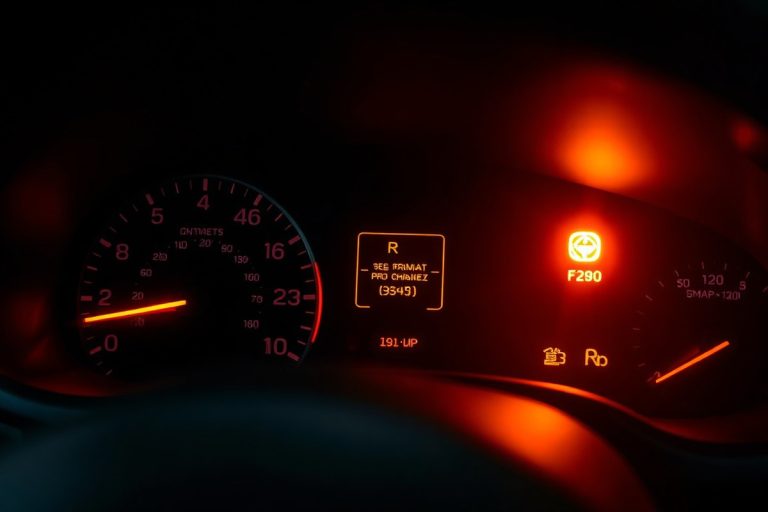
Can a dirty air filter cause the check engine light? Yes, it can under certain conditions.
A clogged filter messes with your engine’s air-fuel mix, setting off sensors. This mismatch can trigger codes like P0171 or P0174, turning on the check engine light.
Fixing a dirty air filter is one of the cheapest repairs you can do. A replacement typically costs between $10 and $30. Look at the filter to check for dirt.
You can also use an OBD2 scanner to find related trouble codes. This helps spot problems early.
Keep an eye on your engine’s power and fuel economy. A dirty air filter can reduce engine power by 11%. It may also lower your gas mileage by 10%.
Keep it clean to avoid this loss. Regular replacement every 12,000 to 15,000 miles keeps things running smoothly and avoids sensor errors.
Key Takeaways
- Replace your air filter every 12,000 to 15,000 miles to prevent check engine lights.
- Look for codes P0171 and P0174 as signs of a dirty air filter issue.
- A dirty air filter can reduce engine power output by up to 11 percent.
- Replacing the filter costs as little as $10, making it an inexpensive fix.
- Use an OBD2 scanner to check if sensor errors link to air intake problems.
- Dirty air filters increase the chance of engine misfires by roughly 25 percent.
Can a Dirty Air Filter Trigger the Check Engine Light?
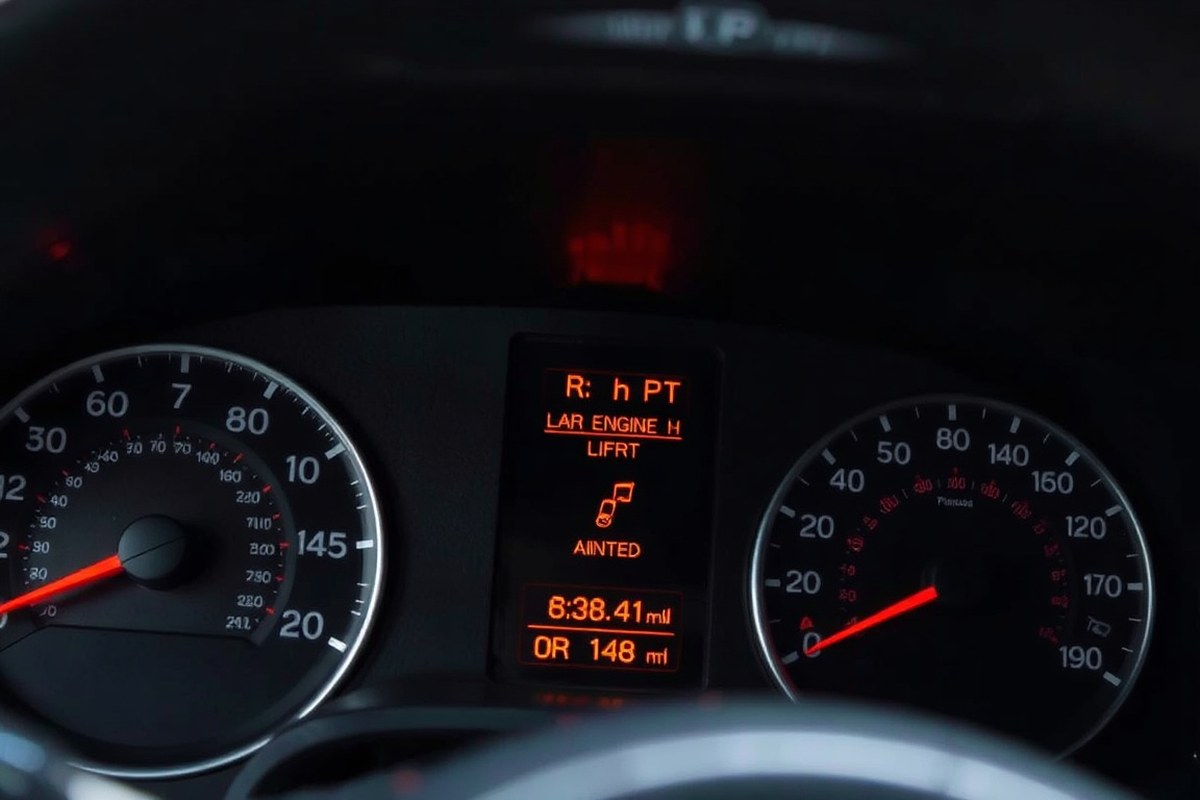
A dirty air filter can make the check engine light turn on sometimes. Clogged filters limit air reaching the engine. This causes sensors like the mass airflow (MAF) to send wrong info to the engine control unit (ECU).
The ECU relies on accurate airflow data to balance the air-fuel mixture. Restricted airflow makes the ECU see a fuel mixture problem. It might detect too little fuel or too much.
That fuel mix issue can cause trouble codes like P0171 or P0174. These codes often turn on the check engine light.
The key here is that the air filter itself doesn’t directly trigger the light. Instead, it disrupts sensor readings that the engine’s computer monitors closely. Dirty filters can also affect oxygen sensors, further confusing the ECU about combustion quality.
You need an OBD2 scanner to check for trouble codes. Scanners cost less than $50 or can be borrowed at stores. After finding codes about airflow or sensor faults, change the air filter.
This simple fix often solves the problem. New filters usually cost between $10 and $30 and take just a few minutes to install.
Put in a clean air filter, then clear the codes with the scanner. You can also reset the ECU by briefly disconnecting the battery. The check engine light going off means the dirty air filter likely caused it.
Sometimes, the light may stay on if other issues exist. So further diagnosis could be necessary.
Fixing a dirty air filter costs a lot less than other repairs. A catalytic converter can run $500 to $2,000, and an oxygen sensor is $150 to $400.
Air filter fixes are cheap and fast. Always check your filter when the check engine light turns on.
How a Dirty Air Filter Impacts Engine Performance and Sensors
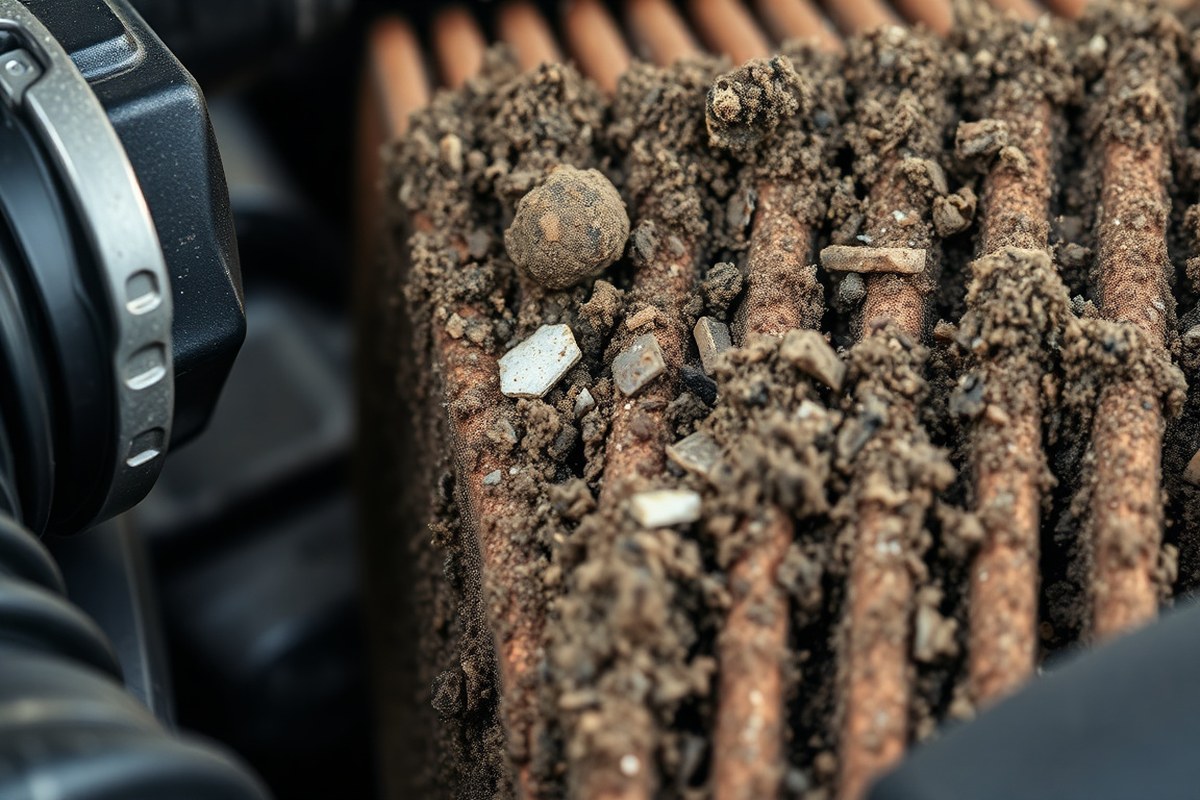
A dirty air filter blocks air entering the engine. This limits airflow to sensors like the Mass Air Flow (MAF) sensor. When the MAF sensor gets less air, it sends wrong data.
This confuses the engine control unit (ECU). The engine may then run poorly.
The engine needs the right air-fuel mix to run smoothly. With a clogged filter, less air reaches the combustion chamber. This causes the engine to run rich, meaning it uses too much fuel compared to air.
Running rich leads to incomplete combustion. As a result, the engine may misfire or idle roughly. Engine misfires can increase by about 25% if the air filter is very dirty.
The restricted airflow also stresses sensors in the intake system. This stress makes their signals less reliable. Faulty sensor readings cause the ECU to adjust performance incorrectly, hurting fuel efficiency and power.
Clean or replace your air filter every 12,000 to 15,000 miles to keep sensors working well.
Combustion efficiency drops as the engine struggles with the wrong mix of air and fuel. Over time, this causes more engine wear and can trigger the check engine light. Replacing the filter usually improves airflow, sensor accuracy, and restores engine smoothness quickly.
Ignoring a dirty air filter allows sensor errors to build up. Eventually, the vehicle may fail emissions tests or develop other drivability issues. Keeping the air filter clean is a low-cost way to avoid these problems.
Common Symptoms Indicating a Dirty Engine Air Filter
A dirty engine air filter changes how your car runs in clear ways. You might notice your car feels less powerful or slower to pick up speed.
Clogged air filters block enough air from reaching your engine. This messes with fuel burning in your engine.
Engine noises are another clue. Your engine might make knocking or rattling sounds from a bad air filter.
These sounds come from the engine struggling to mix air and fuel well. When the filter is dirty, mixing gets harder.
Fuel economy is a tip-off too. The U.S. Reports that dirty air filters can lower gas mileage by up to 10%.
This happens as the engine burns more fuel to make up for less air. Your exhaust might smell stronger, or black smoke can come out after starting the car.
- Weaker or delayed acceleration during driving
- Loud knocking, pinging, or rattling engine noises
- Drop in fuel efficiency by around 5 to 10%
- Black or strong-smelling exhaust smoke
- Rough idling or engine hesitation
- Visible dirt, dust, or debris on the air filter surface
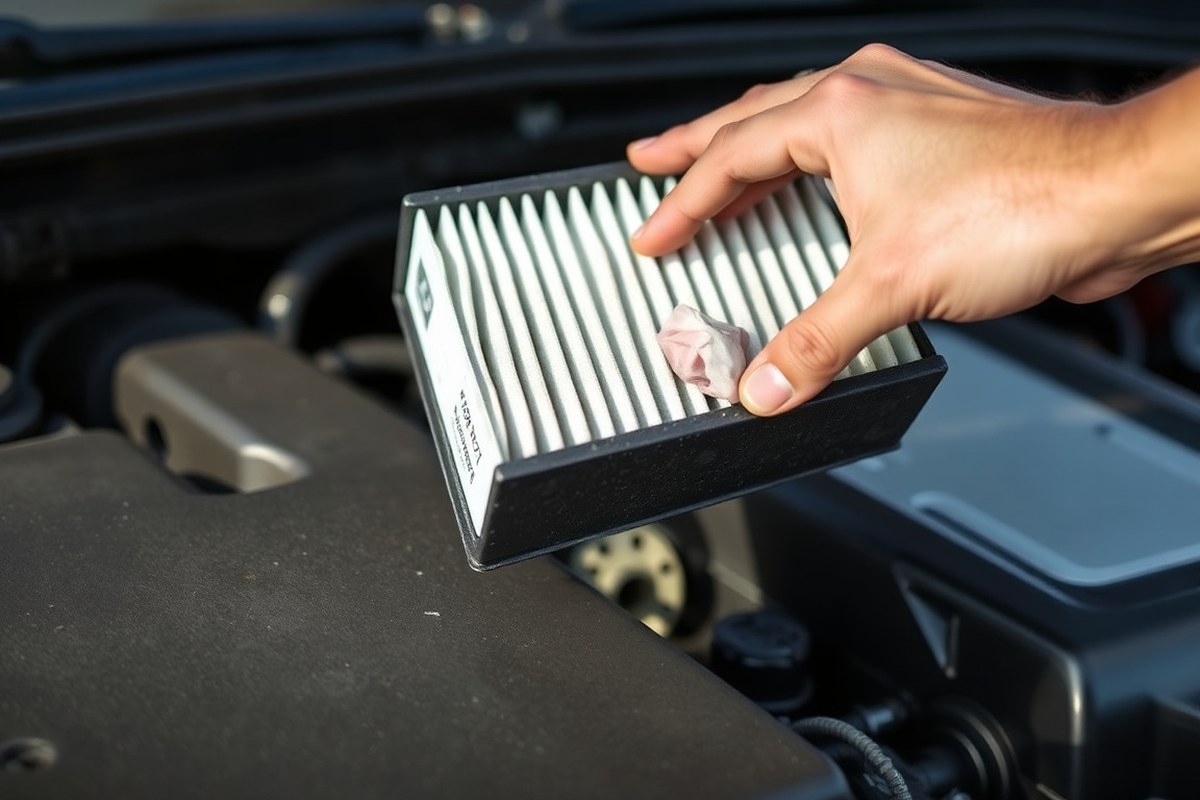
Checking your air filter is easy. Pop open the hood, find the air filter box, and take the filter out. Hold it up to the light.
You should replace the filter if light barely passes through it. Also, if the filter looks dark and full of dust, change it.
Replacing the filter usually costs $15 to $30 and takes 5 to 10 minutes. Fresh filters let the engine breathe well, restoring power and fuel economy.
A clean air filter improves acceleration. Your engine will also sound quieter.
Diagnosing a Dirty Air Filter with Trouble Codes and Inspections
A dirty air filter can trigger some OBD2 trouble codes. It can also turn on your check engine light. You can check if the air filter causes the codes by scanning.
Look at the filter yourself to be sure. Doing both helps you avoid replacing sensors or parts you don’t need to.
Identifying Relevant Trouble Codes
Codes like P0171 and P0174 often appear when the engine runs lean. These codes mean not enough fuel or too much air is reaching the engine. A clogged air filter reduces airflow, causing these lean condition codes.
Use an OBD2 scanner to read codes stored in your car’s computer. Check whether the codes point to air or fuel problems rather than ignition or sensor failures.
Conducting a Thorough Air Filter Inspection
Look at your air filter to see if it’s dirty or clogged. A visibly dark, dusty, or packed filter restricts airflow and may trigger trouble codes. Regular filters usually last 12,000 to 15,000 miles or about a year before needing replacement.
Follow these steps to inspect your air filter:
- Open your vehicle’s hood and locate the air filter housing.
- Release clips or screws to remove the cover.
- Take out the air filter and hold it up to a light source.
- Check for dirt, debris, or heavy discoloration on the filter surface.
- Tap the filter gently to dislodge loose dust and inspect again.
- The filter needs replacement when it looks clogged or very dark.
- Reinstall the filter or replace it with a new one, then secure the cover.
Comparing Sensor Data to Air Filter Condition
After checking codes and the filter, compare sensor readings to the filter’s state. A dirty filter can cause inaccurate sensor data due to restricted airflow. This can mimic sensor faults but often resolves after filter replacement.
Codes related to spark plugs or fuel injectors usually point elsewhere. When these codes show up with a clean filter, check other engine parts. A clean filter reduces sensor errors and improves engine performance.
Replacing vs. Cleaning Air Filters: Which Prevents the Check Engine Light Best?
Cleaning an air filter helps only for a short time. It won’t stop the check engine light from coming on. You need something more than cleaning.
Replacing the filter at the right time works best. It keeps your engine running well.
It also helps avoid warning lights. Some reusable filters can be cleaned and reused but may still need replacement eventually.
Costs and Lifespan Comparison
Replacing an air filter usually costs between $10 and $30 for a standard paper filter. High-performance or reusable filters can cost $40 to $100 plus cleaning supplies. Cleaning a reusable filter needs oil and cleaning kits.
These add up and raise the cost over time. The expense can get high.
Standard paper filters last about 12,000 to 15,000 miles. Reusable filters can last up to 50,000 miles with regular cleanings. Cleaning a disposable filter is not a good idea.
It can damage the filter. This shortens its life.
Effectiveness in Maintaining Airflow
Replacing the air filter guarantees fresh filtering material that provides proper airflow. Cleaning reusable filters restores some airflow but often doesn’t match new filter performance. Cleaning a dirty disposable filter rarely brings it back to proper airflow levels.
Proper airflow prevents the engine from working harder and helps sensors read air intake correctly. Clogged filters reduce airflow. Wrong sensor data or engine strain can trigger the check engine light.
Your car may think something is wrong. Replacing filters keeps airflow steady and cuts those risks.
Risks and Maintenance Requirements
Reusable filters need cleaning every 30,000 to 50,000 miles, plus re-oiling, which takes time and care. Forgetting oil or cleaning can reduce their effectiveness and cause engine damage. Disposable filters require simple replacement and pose no risk if swapped regularly.
Cleaning a disposable air filter risks damaging or tearing the material. Dirt entering the engine causes serious problems. This damage may set off the check engine light.
Keeping the filter clean avoids this. Replacing damaged or dirty filters avoids these risks.
The table compares replacement, reusable, and cleaning options side by side. It looks at cost, lifespan, and effectiveness. This helps you pick the right choice.
| Filter Type | Typical Cost | Lifespan (miles) | Maintenance Needed | Effectiveness in Preventing CEL |
|---|---|---|---|---|
| Disposable Replacement | $10 – $30 | 12,000 – 15,000 | Replace when dirty | High |
| Reusable (Washable) | $40 – $100 + supplies | 30,000 – 50,000 | Clean & oil regularly | Moderate to High |
| Cleaning Disposable Filter | Minimal ($0 if DIY) | Short-term only | Clean carefully, risk damage | Low |
Replacing your air filter on schedule remains the smartest choice to avoid check engine light problems. Reusable filters are good if you’re willing to follow a strict cleaning routine. Cleaning disposable filters is a short-term fix and risks causing bigger engine issues.
Always check for tears or damage after cleaning, or replace the filter right away.
How to Replace Your Engine Air Filter and Reset the Check Engine Light
Replacing the engine air filter is a simple task you can do yourself. It helps clear the check engine light if the filter was causing trouble codes. You only need basic tools and a few minutes to finish the job.
Locating and Removing the Old Air Filter
The air filter sits inside a plastic or metal box near the engine. This housing usually has clips or screws holding the lid shut. Finding this box is your first step to replacing the filter.
Use a screwdriver if screws hold the cover, or just unclip the latches. Pull the old filter straight out. Check it for dirt or holes as you remove it.
- Open the hood and find the air filter housing near the engine.
- Remove screws or release clips on the cover.
- Lift the cover carefully without forcing it.
- Take out the dirty air filter from the box.
- Inspect the filter for dust, debris, or damage.
Installing a New Air Filter Properly
Put the new air filter in the housing carefully. Insert it the same way you removed the old one. Make sure it fits snugly in place.
Make sure it fits snugly inside. A loose filter lets dirt pass through, which could trigger engine issues again.
Secure the cover back onto the filter box. Tighten screws or snap clips back in place. Don’t overtighten screws or force the cover; just make it firm.
- Place the new air filter in the housing correctly.
- Check that the filter sits flush without gaps.
- Replace the housing cover carefully on the filter.
- Fasten the cover with screws or clips securely.
- Close the hood fully after finishing the installation.
Using OBD2 Tools or Battery Reset to Clear Codes
Use an OBD2 scanner to reset the check engine light. You can also disconnect the car battery briefly to reset it. Both methods work to clear the light.
An OBD2 tool clears trouble codes safely and quickly. Battery disconnect resets the car’s systems but may lose radio or clock settings.
Plug the OBD2 reader into your car’s port, usually under the dashboard. Follow the tool’s instructions to read and clear codes after the filter replacement. For a battery reset, disconnect the negative terminal for 10 to 15 minutes, then reconnect it.
- Locate the OBD2 port under your dashboard.
- Plug in the OBD2 scanner and turn on the ignition.
- Use the scanner’s menu to read codes and choose the clear option.
- Disconnect the negative battery terminal with a wrench when no scanner is available. This action can reset the check engine light. Keep the terminal off for a few minutes.
- Leave it disconnected for 10 to 15 minutes to reset the car’s computer.
- Reconnect the battery, then start the engine and check the light.
Preventing Check Engine Light Recurrence with Regular Air Filter Maintenance
Check your air filter every 12,000 to 15,000 miles under normal conditions. Driving in dusty or polluted areas means checking every 6,000 to 8,000 miles. This helps prevent dirt buildup that reduces airflow and triggers your check engine light.
Choosing the right air filter matters. Use the filter type recommended in your owner’s manual. Make sure the filter fits tightly in the airbox.
It stops unfiltered air sneaking in. A wrong or loose filter lets dirt damage sensors and engine parts.
- Inspect the air filter visually every 6 months or 5,000 miles.
- Replace the filter once it looks dark and clogged or after 12,000 miles.
- Keep the airbox clean by wiping dust and debris during filter changes.
- Use a vacuum or compressed air to clean reusable filters carefully.
- Avoid driving through deep dust or construction zones if possible.
- Note your driving conditions to adjust filter inspections and replacements.
- Record filter changes to track maintenance and avoid guesswork.
Replacing an air filter usually costs $15 to $40 for standard types. High-performance filters may cost more but last longer.
DIY replacement takes 5 to 10 minutes with basic tools. Check your filter’s condition during oil changes to save time.
Keen air filter care keeps your engine’s sensors accurate. Clean airflow means better fuel mixing and less strain on the engine.
Neglecting maintenance can cut engine power up to 11% and cause sensor errors. Regular checks and timely swaps stop small dirt problems from turning into bigger troubles.
When a Dirty Air Filter Is Not the Cause: Diagnosing Other Check Engine Light Issues
Sometimes, the check engine light comes on even when the air filter looks fine. Other issues like a faulty MAF sensor or oxygen sensor can cause similar symptoms.
These parts affect how your engine uses air and fuel. So problems here can trigger the light just like a clogged filter would.
First, check the MAF sensor for dirt or oil. Clean it if needed. This can rule out sensor failure.
You can find the MAF sensor in the air intake housing. Use a sensor-safe cleaner to gently spray it off, then let it dry fully before reinstalling. This cleaning usually costs under $10 for the cleaner and takes just 15 minutes.
The sensor might be clean, but problems can still happen. You can use a scan tool. It reads codes for the MAF or oxygen sensors.
Codes like P0101 or P0171 hint at air metering issues. P0130 series codes indicate oxygen sensor faults. Many auto parts stores will scan your car for free, which helps decide the next step.
A failing oxygen sensor often causes rough idling, poor fuel economy, and increased emissions. Their replacement costs between $100 and $300, including parts and labor. A professional uses a multimeter to test sensor voltages.
This confirms if the sensor is bad. Usually, you can’t do this test at home.
If the check engine light stays on, look beyond air filters and sensors. Consider electrical problems or vacuum leaks. Ignition issues might also be the cause.
These require specialized equipment and knowledge. Getting a professional diagnosis is fastest here, saving time and preventing unnecessary part swaps.
Don’t ignore the check engine light if cleaning or codes don’t solve it. Some problems can cause long-term engine damage. Get it checked promptly.
Common Mistakes with Dirty Air Filters and How to Fix Them
Cleaning a dirty air filter might seem like a quick fix. But it often won’t solve the problem. Many filters are made of paper or cotton fibers.
Washing or blowing compressed air can hurt the fibers inside. It can also leave debris that blocks airflow. This causes engine trouble.
Installing the filter incorrectly is another common mistake. An air filter placed the wrong way won’t seal properly. Dirt can slip past the edges of the filter.
This causes the engine to run badly. It may also turn on the check engine light. Always align the filter according to the box or car manual instructions.
Ignoring signs of a dirty air filter leads to bigger problems later. Reduced fuel efficiency, rough idling, and stalling often happen before the check engine light turns on. Waiting to fix these issues can result in expensive engine repairs or sensor replacements.
- Always buy an air filter that matches your car’s make and model
- Replace the filter every 12,000 to 15,000 miles or as recommended
- Do not attempt to clean disposable paper filters
- Check the filter’s seating carefully during installation to ensure a tight seal
- Inspect the air intake box for debris or damage before putting in the filter
- Clear the check engine light only after successful replacement or cleaning
- Watch for warning signs like rough engine sound or low power immediately
Filters cost between $15 and $30 for most vehicles, which protects your engine and sensors. Filters should click or fit snugly in the housing without gaps. Missing this step may trap dirt downstream, hurting fuel sensors and ignition systems.
Checking the air filter is easy and takes about 10 minutes. Take off the cover clips or screws. Lift out the filter.
Hold it up to a bright light. Light not passing through or looking dirty means you need a new one. Proper filter upkeep keeps your car running smoother and your check engine light off.
Step-by-Step Action Plan to Handle Check Engine Light from a Dirty Air Filter
Follow these clear steps to check your air filter and fix the check engine light issue.
- Before you start: Locate the air filter box under the hood. Open it to see the filter condition.
- Day 1: Inspect the air filter for dirt and debris. Replace it if the filter looks clogged or dark.
- Day 1 (after replacement): Use an OBD-II scanner to clear the check engine light. You can also disconnect the battery briefly. This will reset the system after the replacement.
- Day 2: Drive your car normally. Check if the engine runs smoother and the light stays off.
- Week 1: If the light returns, re-scan for trouble codes. Note any new codes beyond the air filter.
- Week 2: If the check engine light stays on after a new filter, see a mechanic. They can find the problem quickly. Don’t ignore the warning light.
- Monthly: Check the air filter for dirt and replace it if necessary to avoid future issues.
Frequently Asked Questions
Can a Dirty Air Filter Cause the Check Engine Light to Come On?
Yes, a dirty air filter can make the check engine light come on. It disrupts the air-to-fuel ratio in your engine.
This affects how the engine runs. This can lead to sensor errors that the engine’s computer detects and triggers the warning light.
How Does a Dirty Air Filter Affect the Oxygen Sensor?
A dirty air filter lowers airflow to the engine. This changes the exhaust gas makeup.
It can confuse the oxygen sensor in your car. This mismatch can generate error codes and turn on the check engine light.
Can Cleaning the Air Filter Turn Off the Check Engine Light?
Cleaning might work if the air filter is just a little dirty. But changing the filter usually works better.
It helps restore good airflow to the engine. Resetting the light after replacement is usually necessary to clear codes.
Will Driving with a Dirty Air Filter Damage My Engine?
Driving with a dirty air filter can cause your car to run rough. It can also make engine idling uneven.
Usually, it won’t cause sudden damage to your engine. Still, replacing it prevents long-term wear and sensor issues.
Does Replacing the Air Filter Always Solve Check Engine Problems Related to Airflow?
Changing the air filter usually fixes airflow problems and engine light issues. Sometimes, sensors or other engine parts still cause the light to come on.
Keep an eye on other possible problems. Proper diagnostics ensure the real cause is found.
Key Points to Remember
A dirty air filter can definitely trigger your check engine light by affecting airflow and sensors. Replace a clogged filter regularly to keep your engine healthy. Start by checking your air filter today to avoid unwanted alerts and engine trouble.