
Can Check Engine Light Come on for Low Oil? What Actually Triggers It
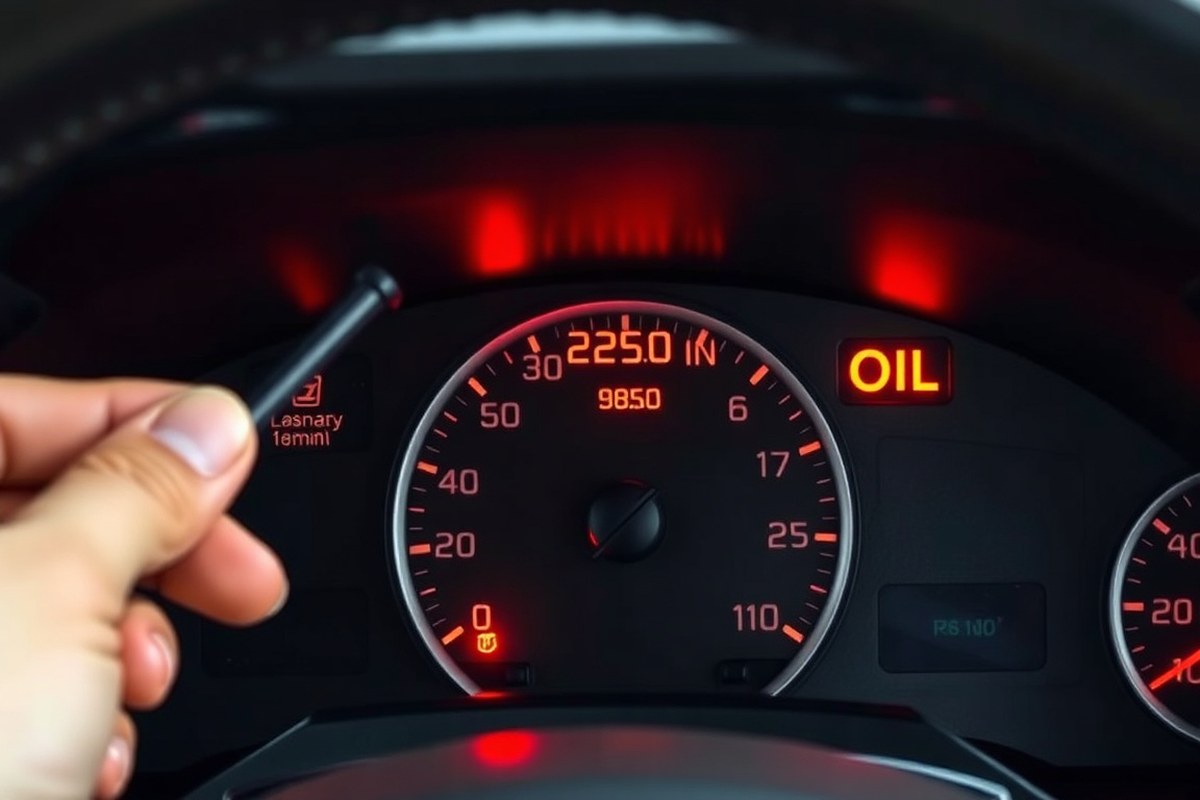
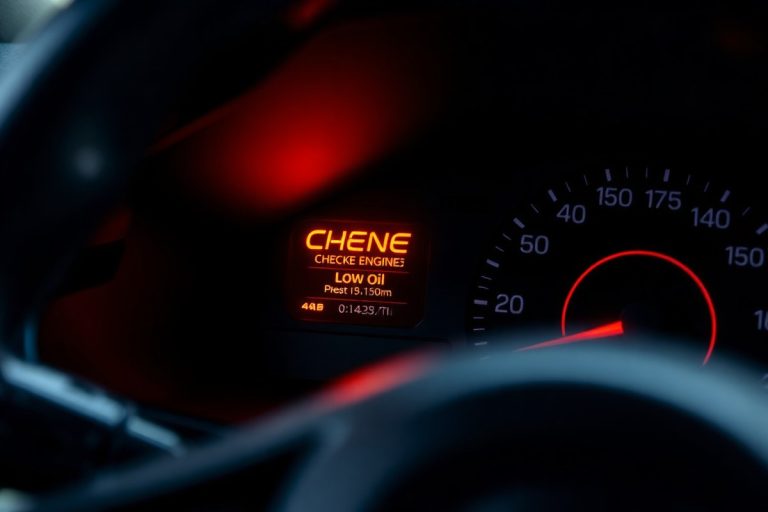
Low oil levels can trigger the check engine light on your vehicle. Insufficient oil impacts engine components and may set off diagnostic trouble codes. However, the check engine light alone doesn’t reliably indicate low oil conditions.
Low or dirty oil can impact systems like variable valve timing. The car’s computer records trouble codes that may turn on the light. Newer cars show codes like P0011, linked to camshaft timing and low oil levels.
Older cars usually trigger the oil pressure light, not the check engine light. Check your oil with the dipstick after the engine cools for five minutes. Add oil to reach the proper level, then drive 10 to 15 miles to reset the system.
Notice if the check engine light turns off by itself before acting further. Doing this helps you prevent unneeded repairs and identify actual engine problems.
Key Takeaways
- Low engine oil can trigger the check engine light, especially in cars with VVT systems.
- Check the oil level before diagnosing other engine problems.
- Wait five minutes after turning off the engine to check oil with the dipstick.
- Low or dirty oil can cause error codes like P0011, linked to timing issues.
- Older cars often have an oil pressure light instead of a check engine light. This light will come on when the oil is low. It warns you differently about oil problems.
- Watch for engine problems if the check engine light stays on. Check your oil level first to make sure it’s okay. Other issues may be causing the warning light.
Can Low Oil Cause the Check Engine Light to Come On?
Low engine oil doesn’t trigger the check engine light directly. The light comes on because low oil leads to low pressure or engine misfires. These issues put stress on the engine, which the sensors recognize as a fault.
Many drivers think low oil instantly triggers the check engine light. That’s a common misconception. Most vehicles have a separate oil pressure light that warns about low oil pressure first.
The check engine light may turn on only after other engine problems start. Low oil causes those engine problems. The light signals those new issues.
Low oil pressure can interfere with systems like variable valve timing. For example, some Chevrolet Cobalt models with 2.In 4L engines, the check engine light comes on when the intake camshaft actuator control fails. Low oil causes the actuator to fail.
That’s why the light turns on. This kind of engine stress prompts the light to turn on.
The oil pressure light doesn’t always come on with low oil because sensor sensitivity varies. Older cars often have gauges or lights just for oil pressure. They usually don’t link the check engine light to oil levels.
Oil problems show through these separate indicators instead. Modern vehicles use various sensors that can indirectly call out low oil through engine performance problems.
It’s important not to rely solely on warning lights to check your oil. Use a dipstick to check oil levels often. Do this before long trips or if the car runs poorly.
Regular checks help avoid engine damage. This way, you avoid engine damage before any warning light appears.
How Low Oil Actually Triggers the Check Engine Light
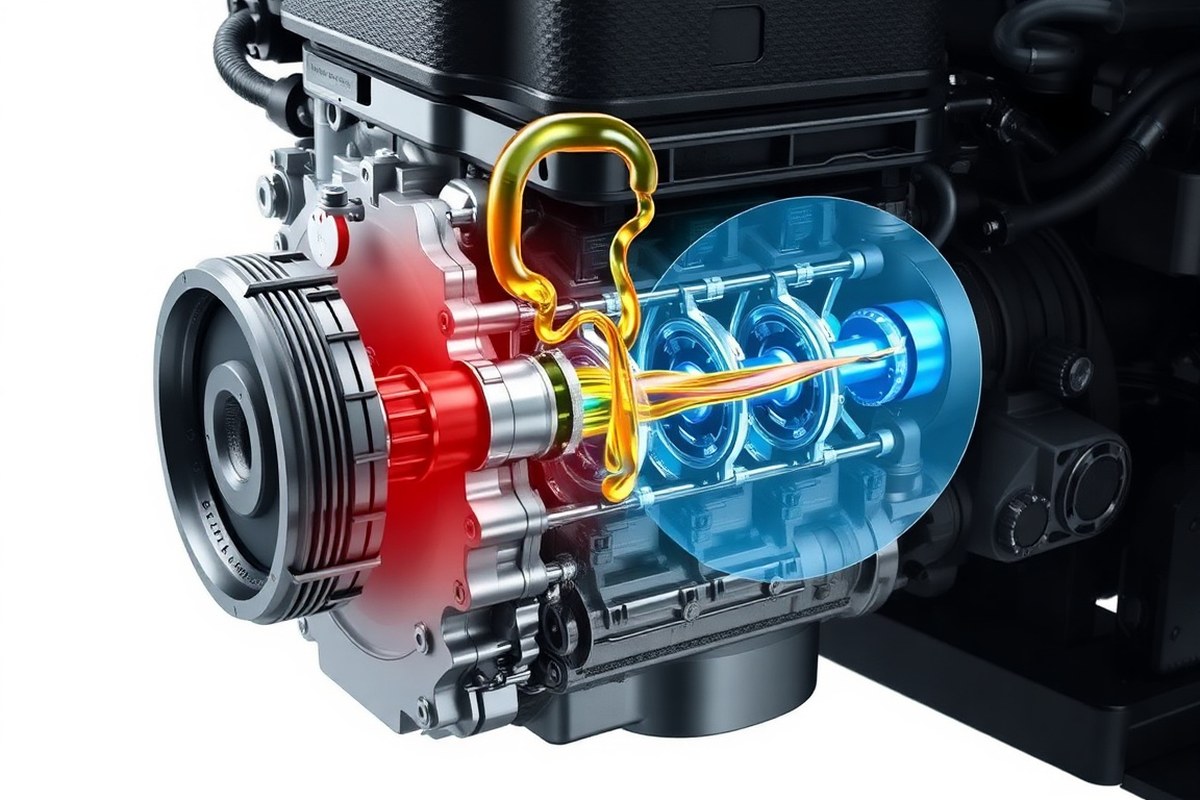
Running low on oil or using dirty oil can trigger the check engine light. The engine control unit (ECU) watches several parts that rely on proper oil levels. Low or contaminated oil affects sensors and parts like variable valve timing.
Oil Pressure and Sensor Signals
The oil pressure sensor watches the engine’s oil pressure and sends signals to the ECU. When oil runs low, pressure drops and the sensor notices this change. The ECU detects low oil pressure and can trigger the check engine light as a warning.
Low oil can make sensors send false or fluctuating signals too. For example, oxygen sensors may report errors with dirty or thin oil. Camshaft position sensors can also send false signals.
These errors confuse the ECU and cause warnings. That confuses the ECU and can cause it to light the check engine indicator.
Impact on Variable Valve Timing (VVT)
Variable valve timing relies on oil pressure to optimize camshaft timing for performance. When oil is dirty or low, the VVT system can’t function properly. The engine control unit spots sensor faults and stores codes, like P0011, which often relate to oil problems and can trigger the check engine light.
The VVT system relies on clean, sufficient oil to move parts on time. Dirty or low oil causes delayed or over-advanced timing. That affects engine efficiency and makes the ECU react to protect the engine from damage.
Effect on Engine Misfires and ECU Detection
Low oil leads to increased friction and heat inside the engine. This can cause engine misfires or rough running detected by the ECU. Misfires also trigger the check engine light since they affect emissions and engine health.
Oil-controlled parts like lifters and camshaft phasers can fail or stick without enough oil. That mechanical trouble sends error signals to the ECU. Over time, oil-related sensor problems get worse and cause warnings.
The check engine light alerts you to fix these problems early. Prompt repairs help avoid bigger engine damage.
Check your oil level and quality regularly to avoid triggering your check engine light unnecessarily.
Differences Between Check Engine Light and Oil Pressure Light
The oil pressure light and the check engine light serve different roles in your car. The oil pressure light warns of low oil pressure or oil level issues. The check engine light covers many engine or sensor problems.
Low oil alone rarely causes it. It signals broader issues inside the engine.
Oil Pressure Light Meaning and Triggers
The oil pressure light comes on when the engine’s oil pressure drops below a safe level. Low oil level can cause this pressure drop, which the oil pressure sensor detects. You see this light when oil isn’t enough to protect parts.
This warning demands quick action. You should check the oil level immediately and add oil if it’s low. Driving with low oil pressure can cause serious engine damage.
Repairs could cost thousands of dollars. It’s a big risk to your engine.
Check Engine Light Meaning and Sensor Inputs
The check engine light activates from many possible engine or emissions control issues. It relies on sensors that send data to the engine control unit (ECU).
Most cars don’t have sensors that measure oil level. So low oil rarely triggers this light directly.
Low oil can cause overheating or VVT issues. That might turn on the check engine light. The light means the ECU stores a code.
A scan tool reads this code. It shows the exact engine problem.
Situations Where Only One Light Activates
Low oil usually shows up by turning on the oil pressure light alone in most cars. This comes from the direct measure of oil pressure by its sensor.
Usually, the check engine light stays off. That’s because the engine computer lacks data on oil pressure or level.
Older cars often have just the oil pressure light as an oil warning. Older cars don’t have advanced sensors or ECU features.
These keep them from triggering oil-level check engine codes. That makes the oil pressure light your main alert for oil trouble in these vehicles.
This table compares the oil pressure and check engine lights. It shows how they respond to low oil. It covers related issues too.
| Feature | Oil Pressure Light | Check Engine Light |
|---|---|---|
| Signal Source | Oil pressure sensor | Multiple sensors, mostly non-oil related |
| Triggered by Low Oil Level? | Yes, by pressure drop | No direct trigger, except engine overheating or VVT faults |
| Common on Older Cars? | Yes, often only oil alert | Less common for oil issues |
| Immediate Action Required? | Yes, stop and check oil level | Depends on stored code severity |
| Can It Indicate Other Problems? | Mostly oil system issues | Wide range including emissions, sensors, engine faults |
Knowing these differences makes spotting oil problems easier. The oil pressure light is your direct warning for oil issues. The check engine light points to broader engine concerns and must be diagnosed by code reading.
Key Diagnostic Codes Linked to Low Oil Conditions
Code P0011 means the camshaft timing is over-advanced. Low or dirty oil can cause this by clogging the variable valve timing (VVT) system. The oil’s job is to move VVT gears smoothly.
So if it’s thin, dirty, or too low, the gears slip and throw this code. Fixing it usually means changing the oil and filter first, then clearing the code.
Repairing the VVT parts can cost around $300 to $700. The exact price depends on your car model.
Code P0522 shows low oil pressure circuit problems. Sensors detect the oil pump isn’t pushing enough oil through the engine. This often happens if the oil is too low or dirty.
Your engine could lose lubrication and overheat under pressure, causing this warning. Checking the oil level, adding the correct amount, and using fresh oil often clears the code. Ignoring it can lead to bigger engine damage which becomes much more expensive to fix.
Misfire code P0300 covers random cylinder misfires. Low oil can cause misfires indirectly by letting the engine parts rub or overheat. Parts need enough oil to work properly.
Without oil, the engine runs rough. Spark plugs can also fail to fire right. This triggers the misfire code and lights the check engine light.
Change the oil right away to avoid damage. You might still need to fix spark plugs. Replace them if the damage is bad.
Other codes like P0010 and P0013 also relate to VVT issues caused by oil problems. Low oil means the camshaft timing isn’t properly controlled, affecting engine timing and performance. Before replacing parts, always check your oil level and condition.
Cleaning or changing engine oil often fixes these codes and saves you from costly repairs. Mechanics recommend checking oil during regular services to avoid these problems.
Recognizing Symptoms of Low Oil Beyond Dashboard Lights
Low or dirty oil often shows signs before the check engine light comes on. You might hear knocking or ticking noises when the oil thins out or gets dirty. The engine may also run roughly or lose power because the oil no longer lubricates well.
Check for burning smells from the engine bay or smoke under the hood. These usually mean the oil is too low or overheated. The temperature gauge could rise, warning you the engine is working too hard without enough lubrication.
Use the dipstick to check oil level and condition. Park your car on a level spot and turn off the engine for a few minutes. Pull out the dipstick, wipe it clean, and then reinsert it fully.
When you pull it out again, check the oil level. It should be between the “min” and “max” marks.
- Low oil level below the “min” mark needs immediate top-up.
- Oil color should be amber or light brown, not black or gritty.
- Smell the oil; burnt or sour smells mean oil is degraded.
- Knocking or ticking sounds mean oil isn’t protecting engine parts.
- Loss of engine power or rough running suggests poor lubrication.
- Watch out for oil leaks or spots under the car.
- Check the temperature gauge for overheating signs.
Feeling for the oil’s texture on the dipstick helps too. It should feel smooth, not slimy or rough. Dirty or thick oil clogs engine passages and wears parts faster.
This damage can lead to repairs costing hundreds or even thousands. Keeping your oil clean helps avoid these expensive fixes.
Regular oil checks and changes every 3,000 to 5,000 miles prevent most low oil problems. Always use the oil grade recommended in your owner’s manual.
Steps to Take When the Check Engine Light Comes on for Low Oil
Seeing the check engine light come on can feel alarming. You want to act quick, especially if low oil might be involved. Immediate checks help you avoid bigger engine trouble and costly repairs.
Start by safely parking your car on level ground with the engine turned off. Wait a few minutes to let the oil settle. Then, grab your oil dipstick to check the oil level and its condition.
- Locate and remove the oil dipstick. It usually has a bright handle and is near the engine.
- Wipe the dipstick clean with a rag. This ensures a clear reading.
- Reinsert the dipstick fully, then pull it out again. Check the oil level against the marks. The oil should be between “min” and “max.”
- Look at the oil’s color and texture. It should be amber and smooth, not thick, dark, or gritty.
- Add the correct oil type and amount if the level is low. Consult your owner’s manual for type and quantity. Topping off usually costs around $5 to $15 at a store.
- Tighten the gas cap if it’s loose. A loose cap can also trigger the check engine light.
- Start the engine and observe if the check engine light turns off. You might need a code reader or mechanic to clear persistent lights.
- Limit driving until the light goes off and oil issues are fixed.Don’t drive far if the light flashes. Stop at once. Listen for odd engine noises.
Flashing check engine lights signal urgent problems. Stop driving as soon as safely possible and call for help.
Adding oil usually stops the light if low oil caused it. However, if the light stays on, your engine may have suffered damage or another problem.
Low oil can cause your engine parts to wear quickly. Add oil quickly if the check engine light comes on. Only wait if the oil is full and in good shape.
Don’t ignore this warning. Keeping a simple oil check routine can prevent surprises and help your car stay healthy.
Common Mistakes and Myths About Low Oil and Check Engine Light
One common myth is that topping off engine oil will reset the check engine light. It won’t. The check engine light turns on due to detected faults in engine systems.
So adding oil won’t make the light go away. You need to fix the underlying issue and use a diagnostic tool to clear the code.
Some drivers think the check engine light always means an emergency when oil is low. That’s not true. Your oil level might not be the cause if only the check engine light shows.
Watch for the low oil pressure or oil warning light with it. Stop driving immediately. This helps avoid serious engine damage.
Ignoring the check engine light when oil issues are involved can lead to serious engine problems. Running low on oil reduces lubrication and can cause overheating. Over time, this can damage engine parts, leading to costly repairs or even engine failure.
Another mistake is assuming low oil alone directly triggers the check engine light. Engine misfires or sensor errors often cause the light to come on. Low oil puts stress on the engine.
These issues trigger the warning. The oil pressure warning light is a more direct signal of oil problems.
Some people wait weeks before checking their oil after the light appears. That’s risky. Always check oil levels right away if the light comes on.
Adding oil is a quick fix. But it won’t stop the light unless the real cause is addressed.
Drivers sometimes try to reset the light with tricks like disconnecting the battery. This can erase the code temporarily, but doesn’t fix the problem. A proper diagnostic scan tool is the right way to clear codes once repairs are done.
Low oil causes engine noises and overheating before the check engine light turns on. Listen for knocking sounds, and check under the hood for leaks or oil stains. These signs help catch problems early, preventing the light and costly repairs.
Preventing Low Oil Issues That Trigger the Check Engine Light
Check your engine oil at least once a month or before trips. Cars need oil changes every 3,000 to 7,500 miles. The exact schedule depends on your driving and oil type.
Use the right oil type for your car. Conventional oil is cheaper but may need changing sooner.
Synthetic oil lasts longer and protects better, especially if you drive in harsh conditions. Avoid mixing oil types, as this can affect engine performance and oil pressure.
Driving style affects oil health too. Frequent short trips, stop-and-go traffic, or towing heavy loads cause oil to degrade faster.
Cold starts also strain the oil and engine. These habits increase risk of low or dirty oil triggering engine codes.
- Check oil level with the engine off on flat ground, using the dipstick.
- Top off with the recommended oil type if the level is low.
- Change oil and filter as scheduled in your manual.
- Note driving conditions that may require more frequent oil changes.
- Watch for oil leaks or burning oil smells and fix promptly.
- Keep an eye on dashboard lights and address issues early.
Ignoring oil maintenance can lead to low oil pressure and engine damage. The check engine light reacts to faults your car’s computer detects, including oil-related problems. Staying ahead with routine checks helps avoid surprise warnings and costly repairs.
Check your oil regularly. Change it on time to keep the engine healthy. This helps avoid dashboard warning lights.
When to Call a Mechanic for Check Engine Light and Low Oil Concerns
Call a mechanic if your check engine light stays on after adding oil. Also, call if you notice new odd noises, smoke, or overheating. These signs might mean low oil caused serious engine trouble.
Signs of Severe Engine Damage
Severe engine damage often shows as constant knocking or tapping noises. Blue smoke from the exhaust signals burning oil inside the engine, which is serious. You might also feel a loss of power or hear the engine overheating.
These symptoms mean you should stop driving and get help fast. Driving with these signs risks wrecking your engine beyond repair. Don’t wait for the check engine light alone; watch for these urgent warnings.
Using a Diagnostic Scanner
A scan tool reads the check engine light codes the car stores. This helps figure out if low oil caused an issue or something else. Mechanics use these tools to pinpoint engine problems accurately.
Several auto parts stores offer free scanning. Buying a scan tool usually costs between $50 and $200.
You need to connect it to the OBD-II port under your dashboard. The scanner gives codes, then you look up what each means online or in a manual.
These codes tell what needs fixing, like low oil pressure sensors or misfires. Without scanning, you might miss hidden problems causing the light.
Emergency Actions and Repairs
Stop driving if you see these warning signs:
- Engine noises like knocking or tapping
- Blue or white smoke from the tailpipe
- Severe overheating on the temperature gauge
- Sudden power loss or stalling
- Oil pressure light stays on even after adding oil
- Check engine light flashing continuously
These mean your engine may have serious damage or risk failure. Call roadside assistance or a tow to get your car to a mechanic. Repair costs depend on the damage but fixing issues early could save thousands.
When the problem looks mild, add oil and watch for changes. Still, always have a professional check your car soon to avoid bigger costs or breakdowns later.
Step-by-Step Action Plan for Handling Low Oil and Check Engine Light
Follow these steps to address low oil issues and check engine warning safely and effectively.
- Immediate: Pull over and turn off the engine. This prevents damage if the oil is too low.
- Within 30 Minutes: Check the oil level using the dipstick. Add oil if it’s below the minimum mark.
- Next Hour: Restart the car and watch the dashboard. The check engine light should turn off if oil was the issue.
- Next Day: Drive carefully and monitor oil level daily for a few days. This confirms no leaks or fast oil loss.
- Within a Week: Use an OBD-II scanner or visit a shop to read engine codes. Make sure low oil caused the light.
- Immediately if Light Stays On: Schedule a mechanic check. The problem could be more serious than low oil.
- Regularly: Change your oil on schedule to avoid future low oil warnings and engine troubles.
Frequently Asked Questions
Can Low Oil Cause the Check Engine Light to Come On?
Low oil can trigger the check engine light indirectly. This happens when oil pressure drops or the engine misfires. The car’s computer senses these issues and turns on the warning light.
What Should I Do If My Check Engine Light Comes on Due to Low Oil?
Check your oil level using the dipstick immediately. Add oil if the level is low.
Do not drive until the oil reaches the right level. This helps avoid engine damage.
How Does Low Oil Pressure Trigger the Check Engine Light?
Low oil pressure can cause engine parts to wear or misfire, which triggers sensors. The car’s computer then turns on the check engine light to warn you.
Can Driving with Low Oil Cause Permanent Engine Damage?
Yes, driving with low oil can lead to serious engine damage. Oil lubricates the engine. Low levels can cause overheating and wear on important parts.
Will the Oil Pressure Warning Light Always Come on Before the Check Engine Light for Low Oil?
No, the oil pressure warning light does not always come on first. Sometimes the check engine light may appear due to issues caused by low oil pressure instead.
Before You Go
Low oil can definitely trigger the check engine light. Ignoring it risks engine damage.
Check your oil level right away if this light comes on. Don’t wait, top up the oil or see a mechanic to keep your car running safely.


One Comment