Do I Need Alignment with Tires? A Complete Guide That Helps You Decide
Do I need alignment with tires? Yes, getting an alignment after buying new tires helps them wear evenly and last longer.
It also improves your car’s handling and safety on the road. Skipping alignment might cause uneven tire wear and cost you more in the long run.
Check if your tires have uneven tread. See if your car pulls to one side. These signs often mean you need an alignment.
These signs mean your wheels might be misaligned. A basic alignment takes about one hour.
It usually costs between $75 and $150. These prices apply to most shops.
Getting your alignment done soon after installing new tires protects your investment. An alignment prevents extra wear on suspension parts. Repairs on these parts can cost hundreds.
Avoiding this saves you money later. Making sure your wheels align well saves money and improves your ride quality.
Key Takeaways
- Get an alignment soon after installing new tires to prevent uneven wear.
- A standard wheel alignment usually takes about 60 to 90 minutes.
- Alignment costs range from $75 to $150 at most independent shops.
- Skipping alignment risks damaging suspension and causing premature tire replacement.
- Watch for uneven tire wear or your car pulling sideways as key signs.
- Four-wheel alignments help ensure even wear on all tires and better handling.
Do You Need Alignment When Getting New Tires?

You don’t always need a wheel alignment when getting new tires. It depends on your vehicle’s current alignment condition. A quick check for uneven tire wear or pulling to one side can guide your decision.
For example, your old tires wore unevenly. Your car might drift while driving straight. Getting a wheel alignment after new tires is smart.
This adjustment will help your new tires wear evenly and last longer. It also ensures your vehicle handles safely and smoothly.
You don’t always need an alignment after replacing two tires. However, it’s worth considering if those two tires are on the same axle.
Misalignment in that axle can shorten tire life and affect handling. So, ask your mechanic to inspect the alignment during tire installation.
Here’s an easy way to decide. Notice uneven wear on old tires? Or does your car pull?
Get an alignment when installing new tires. Your tires wore evenly and your car drives straight. Immediate alignment isn’t necessary but still a good idea.
This service costs $50 to $168. It can save you hundreds by protecting new tires.
What Exactly Does a Wheel Alignment Do?
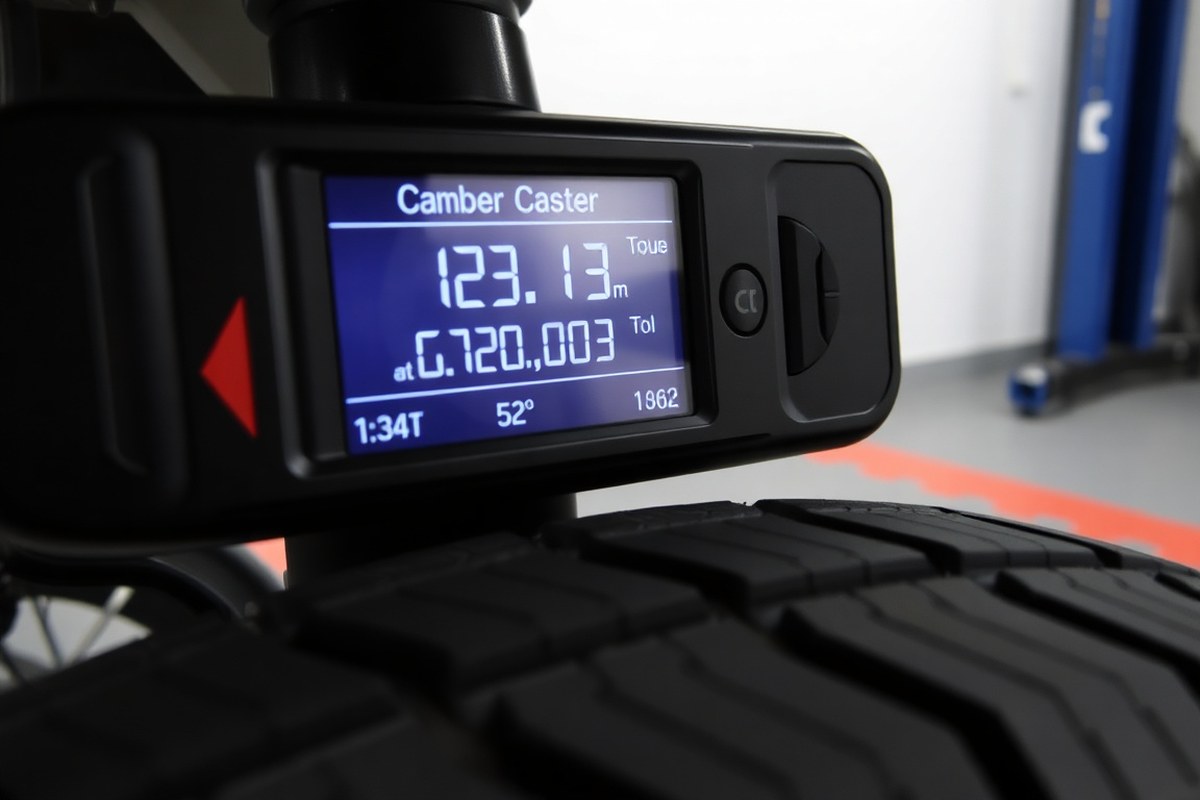
Wheel alignment means adjusting your car’s wheels to the right angles. It ensures they line up correctly with each other and the road. Proper alignment helps your tires grip the road better and wear evenly.
Three main angles matter for alignment: camber, toe, and caster. Camber means how much the wheels tilt when you look from the front. Tires wear unevenly if the top leans too far in or out.
Toe is the direction your tires point compared to the car’s centerline. Toe-in means the fronts of the tires point slightly toward each other.
Toe-out means they point away. Incorrect toe angles cause the tires to scrub the road, wearing out the tread faster.
Caster is the angle of the steering pivot seen from the side. It does not directly cause tire wear. This angle helps with steering feel and stability.
Instead, it affects stability and steering feel. Proper caster helps your car track straight and return to center after turns.
Wheel alignment adjusts suspension parts to set camber, toe, and caster at correct specs. This adjustment improves your car’s handling and helps tires last longer by stopping uneven wear.
Don’t confuse wheel alignment with tire balancing. Alignment adjusts tire angles for correct road contact.
Balancing adds weights to smooth out tire rotation and reduce vibrations. Both are important but control different parts of your ride.
Alignment usually takes 30 to 60 minutes at a shop. The price is around $75 to $150. It depends on your car type and location.
After alignment, your tires should wear evenly. Your steering wheel stays centered. The car should drive straight without pulling to one side.
Check alignment after putting on new tires. Also check it if you see uneven tire wear. This helps your tires last longer.
Common Signs Your Car Needs a Wheel Alignment
One clear sign your car needs a wheel alignment is uneven tire wear. Tires showing more wear on one edge indicate the wheels aren’t lined up. This occurs because misaligned wheels scrub rather than roll freely, wearing down the tread unevenly.
Another usual symptom is the vehicle pulling to one side while driving straight. You might notice needing to hold the steering wheel slightly turned to keep driving straight. Also, an off-center steering wheel, even when the car moves straight ahead, points to alignment trouble.
- Vehicle pulling to one side on a flat, straight road
- Uneven tire wear on inner or outer edges
- Steering wheel not centered while driving straight
- Vibration or wobbling felt in the steering wheel
- Flopping noises that might indicate suspension or alignment issues
- Rapid or unusual tire wear, especially after suspension repairs
Suspension problems can affect alignment too. Worn or damaged suspension parts change how your wheels sit and move.
That puts extra stress on tires, causing irregular wear and poor handling. So any suspension work often means checking alignment next.
Driving with misaligned wheels risks more than just uneven tire wear. Poor alignment can reduce gas mileage by increasing rolling resistance.
It also makes your car harder to control in emergencies, which can lead to unsafe situations. Fixing alignment restores proper handling and extends your tires’ life.
How Often Should You Get Your Tires Aligned?
Most experts recommend checking your wheel alignment every 10,000 to 12,000 miles. You should also get an alignment whenever you notice uneven tire wear or steering problems.
You might stretch this to every 15,000 miles on smooth roads. However, rough roads or frequent curbs make misalignment happen faster.
Rotating your tires should happen about every 5,000 to 7,000 miles. This helps tires wear evenly and can delay alignment needs. Rotating tires doesn’t fix alignment.
It shows uneven wear patterns. These patterns suggest an alignment check.
The inside edges of your front tires might wear faster. This means you should check alignment soon.
Sometimes, you don’t need an alignment right away, especially if you replace a damaged tire only. Your old tires wore evenly. So, you might not need an immediate alignment.
Still, it’s smart to inspect alignment after any tire change to avoid premature wear. Alignments cost about $75 to $100.
They usually take less than an hour. This fits most maintenance visits.
Differences Between Two-Wheel and Four-Wheel Alignments
Most vehicles need either a two-wheel or four-wheel alignment after new tires. Two-wheel alignments adjust only the front wheels. Four-wheel alignments adjust all four wheels.
This helps your car drive straight. It also makes your tires last longer.
When Two-Wheel Alignment Is Appropriate
Two-wheel alignment usually works for cars with solid rear axles. These vehicles don’t allow adjustments on the back wheels. This type mainly checks and fixes the front wheels’ angle to the car’s frame.
Many older trucks and some rear-wheel-drive cars use two-wheel alignment. The service is simpler and generally costs less than four-wheel alignment. Even with two-wheel alignment, the rear tires get checked for damage or uneven wear.
Benefits of a Four-Wheel Alignment
Four-wheel alignment adjusts the front and rear wheels for cars with independent suspension. Most newer front-wheel-drive, all-wheel-drive, and small SUVs need this type. It keeps tires aligned with the vehicle’s specific settings from the factory, improving handling and safety.
The process usually takes about an hour and costs between $75 and $150. Luxury cars or dealer services might charge up to $200. Getting a full four-wheel alignment protects your investment and prevents uneven tire wear.
When all wheels are aligned, your car drives straight and steering feels stable. Uneven alignment can cause premature tire wear, costing $400 to $1,200 for replacement. It’s worth avoiding this by spending on proper alignment.
Drivetrain Impact on Alignment Choice
Drivetrain type changes which alignment you need. Front-wheel and all-wheel-drive vehicles need four-wheel alignment to ensure all wheels stay correctly positioned.
Rear-wheel-drive vehicles with solid rear axles mostly require two-wheel alignment. But independent suspension models need four-wheel.
For larger trucks and SUVs with solid axles, a “thrust” alignment is common. This alignment sets the rear wheels to the centerline. It keeps them parallel.
This improves how your vehicle tracks on the road. Many service shops handle this within the two-wheel or four-wheel alignment service.
Technicians determine the right alignment by checking how suspension and wheels are connected. They use manufacturer specs for camber, caster, and toe angles.
These keep your vehicle balanced. This also helps keep you safe on the road.
| Alignment Type | Vehicles Commonly Needing It | Adjusts | Typical Cost |
|---|---|---|---|
| Two-Wheel Alignment | Older trucks, rear-wheel drive with solid axle | Front wheels only | $75 – $125 |
| Four-Wheel Alignment | Most cars, small SUVs, front/all-wheel drive | All four wheels | $75 – $150 |
| Thrust Alignment | Larger trucks, SUVs with solid rear axle | Rear wheels parallel to centerline | Usually part of two/four-wheel service |
Getting the correct alignment keeps your car safe and your tires lasting longer. Costs depend on vehicle type.
But spending $75 to $150 often saves hundreds on tires later. Many shops can quickly check which alignment your car needs.
Don’t skip a four-wheel alignment on new tires if your car has all-wheel or front-wheel drive.
How Much Does a Wheel Alignment Cost and How Long Does It Take?
Wheel alignments usually cost between $75 and $150. Most shops complete the job in 30 to 90 minutes depending on the vehicle and workload.
Pricing Factors by Vehicle and Shop Type
The cost of a wheel alignment depends on several things. The type of vehicle, such as a car or truck, changes the price. Also, some shops charge more due to location or brand reputation.
Most standard front-end or four-wheel alignments fall in the $75 to $150 range. Prices tend to be higher for trucks or specialized vehicles.
| Service Type | Typical Cost Range | Notes |
|---|---|---|
| Front-end alignment | $75 to $100 | Basic alignment on two front wheels |
| Four-wheel alignment | $100 to $150 | Adjusts all wheels, more precise |
| Truck or SUV alignment | $120 to $200 | May cost more due to size and complexity |
| Dealership service | Usually higher than independent shops | Higher labor rates or brand-specific fees |
Extra fees can add up if the suspension needs repair. It’s smart to ask for a quote before agreeing to the work.
Typical Alignment Timelines
Most routine alignments finish within 30 to 60 minutes at service shops. Some places only have one machine for alignment, so wait times can be longer.
Waiting for your turn may add time to your visit. Alignments can be done alongside other services, which might lower your total time at the shop.
Complex vehicles or four-wheel adjustments require closer to 60 to 90 minutes. Simple front-end alignments often finish faster.
What Happens During Your Alignment Appointment
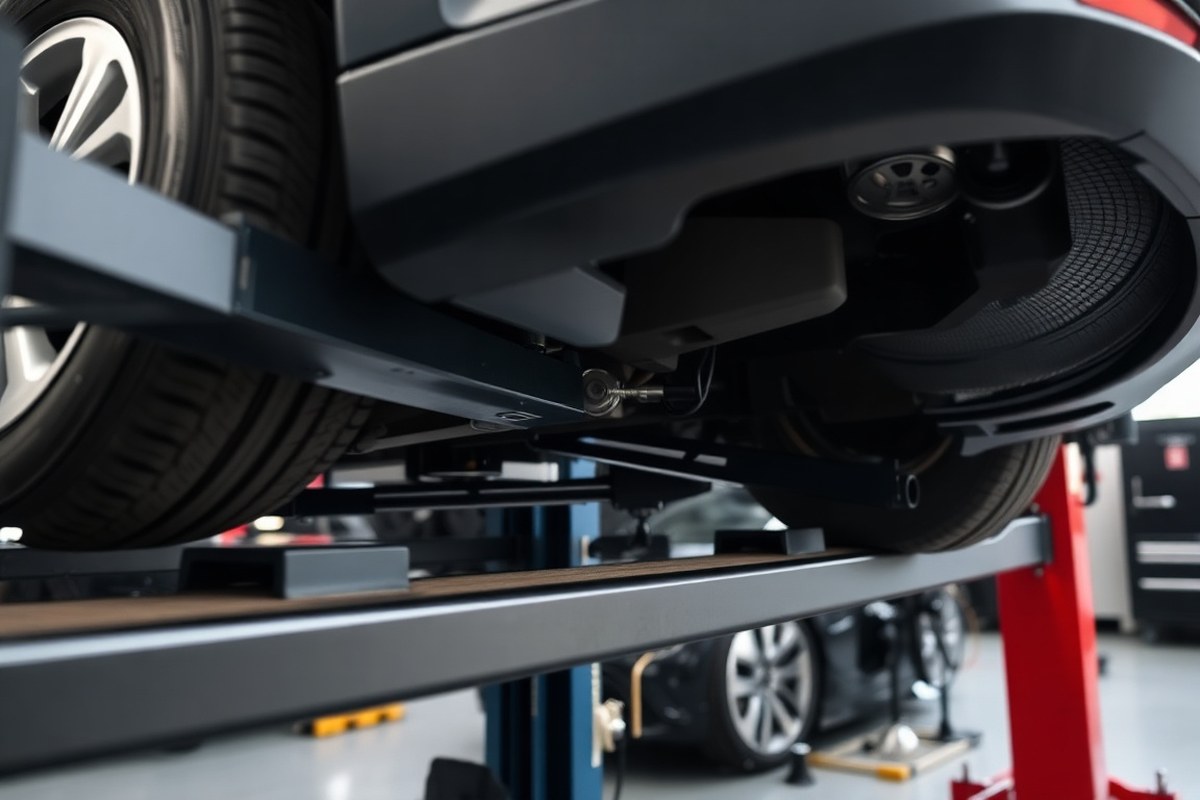
The technician places your vehicle on an alignment rack with special sensors on each wheel. The machine compares your wheel angles to the manufacturer’s specifications.
Next, they adjust the steering and suspension components to realign the wheels. This fixes issues like pulling or uneven tire wear.
After adjusting, the technician often tests your car on the lift. Sometimes they take your car for a short drive to check.
This helps confirm the alignment is correct. This check confirms the tires track straight and wear evenly over time.
What Happens If You Skip Wheel Alignment After New Tires?
Skipping a wheel alignment after getting new tires causes uneven tire wear. Your tires lose grip faster and need replacing sooner. Driving with misaligned wheels also lowers fuel economy by a few miles per gallon.
Misalignment puts extra strain on your car’s suspension. This strain can cause repairs. Repairs may cost between $200 and $800 or more.
You may notice your car pulling to one side or the steering wheel not sitting straight. These signs mean your wheels need adjustment to avoid further damage.
Tires wear faster on one side when alignment is off. You can spot misalignment early by checking your tire tread depth. Watch for bald spots or uneven wear on the tires.
Feeling vibration or hearing squealing sounds while driving signals a problem. That means you should get your wheels aligned quickly.
Correcting wheel alignment after new tires lets them wear evenly and last longer. It improves your car’s handling and safety on the road. Getting an alignment before or soon after installing new tires helps protect your investment.
Alignment typically costs between $75 and $150 and takes under an hour at most shops. Checking alignment twice a year prevents surprises and extends your tires’ life. This step is especially important if you frequently drive on rough roads or hit curbs.
How Tire Pressure, Rotation, and Balancing Relate to Alignment
Tire balancing and wheel alignment are two different fixes for different problems. Balancing makes your tires spin smoothly without vibrations. It adds small weights to fix uneven weight distribution.
This helps tires wear evenly. Alignment adjusts your wheels’ angles so they point straight.
This helps your tires wear evenly. It also stops your car from pulling.
Keeping your tire pressure in the right range is key to both alignment and tire health. Too low or too high pressure changes the tire’s shape and contact with the road.
These issues can make tires wear unevenly like alignment problems. They can also cause your car to pull to one side.
Rotating your tires means switching their positions on your car. You should do this every 6,000 to 8,000 miles. It helps tires wear evenly.
Rotation helps even out wear because front and rear tires wear differently. It also works alongside alignment because consistent wear patterns make it easier to spot alignment problems.
- Wheel balancing prevents vibrations and uneven tire wear.
- Wheel alignment ensures wheels point straight and extend tire life.
- Keep tire pressure at your car’s recommended PSI found in the door jamb.
- Rotate tires every 6,000 to 8,000 miles or as advised in your owner’s manual.
- Uneven tread wear can signal alignment or inflation issues needing inspection.
- Balancing and alignment usually cost between $50 and $100 each, depending on location.
- Check tire pressure monthly to avoid accelerating uneven wear or poor handling.
Not keeping tire pressure right can hide alignment problems. It also causes uneven wear that feels like balancing issues. Many shops check these during a tire service.
Watch for signs like pulling, vibrations, or weird tire wear. These show your tires might need checking or fixing.
Checking tire pressure before rotating helps prevent uneven wear and spotting alignment needs early.
How to Verify and Maintain Proper Wheel Alignment After Service
After your vehicle’s alignment service, check that the problem is fixed. This helps protect your new tires from uneven wear. Confirming the fix keeps your car driving safely and smoothly.
Check for smooth driving and even tire wear. Follow steps to verify and keep your alignment in good shape over time.
Signs of a Successful Alignment
You’ll notice the car drives straight without pulling to one side. The steering wheel should be centered when driving on a flat road. Tires should wear evenly, with no unusual or rapid tread wear patterns.
Feeling less vibration or shaking in the steering wheel is a good sign. It shows the alignment likely improved your driving experience. Proper alignment makes your tires have more even contact with the road, improving control and lifespan.
Common Alignment Service Mistakes to Avoid
Avoid shops that push full alignments during every tire change without inspection. Not every tire install needs a full adjustment if your wheels aren’t off-spec. This can add unnecessary expenses.
Don’t skip a professional inspection to check for alignment signs before service. A good shop will perform tests first and suggest service only if needed. Insist on clear documentation of pre- and post-alignment measurements.
Pick a service center that uses quality alignment machines and records the actual wheel angles. Avoid services that don’t show you results or guarantee the work. Poor alignment tools can lead to recurring problems.
Routine Checks to Keep Alignment Optimal
Plan inspections every 6,000 to 10,000 miles, or if you hit potholes or curbs. Regular tire rotation every 5,000 to 7,000 miles helps spread wear evenly and supports alignment longevity.
Keep tires properly inflated. Under-inflation or over-inflation affects handling and can mask alignment issues. Check your tire pressure monthly using your owner’s manual recommended numbers.
Watch for new pulling, uneven tread wear, or steering wheel vibrations. These indicate you might need a follow-up alignment service.
- Drive the car on a straight, flat road and hold the steering wheel steady.
- Check if the car drifts to the left or right without steering input.
- Turn the steering wheel both ways; it should feel smooth and consistent.
- Inspect tires for even tread wear across all four tires.
- Visit the service center for a wheel angle printout or digital report.
- Request a test drive with the technician to confirm the alignment feel.
- Keep a maintenance log of alignment checks and tire rotations.
Step-by-Step Action Plan for Tire Alignment and Maintenance
Follow these simple steps to make sure your tires stay aligned and last longer.
- Before buying new tires: Check your current alignment with a mechanic. Proper alignment prevents premature tire wear and handling issues.
- Right after new tires are installed: Get a full wheel alignment. Confirm by test driving to check if the car drives straight without pulling.
- Every 6,000 to 8,000 miles: Inspect tires visually for uneven wear or damage. Uneven tread can mean it’s time for another alignment check.
- During every tire rotation: Ask the shop to check the alignment angles. This helps catch problems early and prolongs tire life.
- After driving on rough roads or hitting curbs: Schedule an alignment inspection. Sudden bumps can knock your wheels out of alignment.
- Weekly: Check and adjust tire pressure using a reliable gauge. Correct pressure keeps your tires wearing evenly and improves safety.
- After any alignment service: Monitor your steering and tire wear over the next 100 miles. Make sure the car feels stable and the tires wear evenly.
Frequently Asked Questions
Do I Need an Alignment After Only Replacing Two Tires?
You usually don’t need a full alignment after just two new tires. But a quick check ensures they wear evenly and handle well.
Can I Tell If My Tires Are Out of Alignment by Visual Inspection?
You might see uneven tire wear or tires leaning oddly. Still, a mechanic’s check is more accurate for alignment issues.
Does Rough Road Driving Increase the Need for Tire Alignment?
Yes, hitting potholes or curbs can knock wheels out of alignment. Check alignment sooner if you drive on rough roads often.
How Long After Installing New Tires Should I Get an Alignment Check?
Get an alignment check immediately or within a few hundred miles. This prevents uneven wear and keeps your new tires lasting longer.
Can Bad Alignment Affect My Vehicle’s Fuel Efficiency?
Yes, poor alignment causes extra drag on tires, lowering fuel economy. Keeping alignment right saves gas over time.
Final Thoughts
Proper tire alignment keeps your vehicle safe and your tires lasting longer. Don’t skip alignment after installing new tires or after hard impacts. Schedule your next alignment check soon to keep things running smoothly.