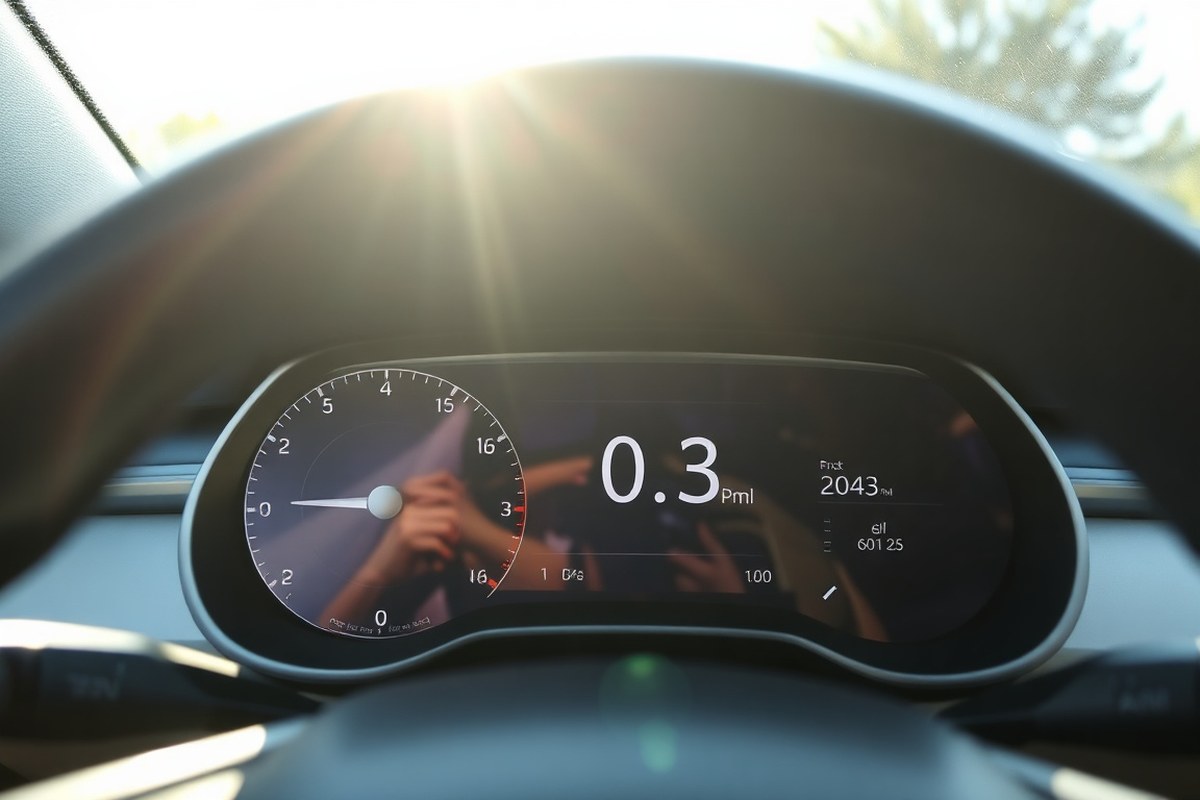
Do Miles Matter on a Tesla? What You Need to Know Before Buying
Do miles matter on a Tesla? Not nearly as much as with gas cars.
Tesla batteries degrade slowly, losing only 10-15% of their range after 100,000 miles. You won’t face the usual concerns of a worn-out engine or transmission.
Plan to buy a Tesla with high mileage? Check battery health first. Also, review the warranty coverage thoroughly.
Tesla’s advanced battery management helps maintain capacity well beyond 100,000 miles. Still, checking maintenance history and driving habits offers important clues to long-term reliability.
High mileage Teslas are more like well-maintained gas cars hitting 150,000 to 200,000 miles. Look for vehicles with 8-year battery warranties. These usually last 100,000 to 150,000 miles.
Drivetrain warranties often match this coverage too. These warranties act as safety nets against major performance issues.
Key Takeaways
- Tesla batteries typically lose only 10-15% of range over 100,000 miles.
- Buy used Teslas between 30,000 and 70,000 miles for the best value.
- Check if the Tesla still has valid battery and drivetrain warranty coverage.
- Well-maintained Teslas can last 150,000 to 200,000 miles with minor issues.
- Battery health matters more than overall mileage on Tesla electric cars.
- Ask about the car’s charging and driving habits to assess battery longevity.
Do Miles Matter on a Tesla Compared to Gas Cars?
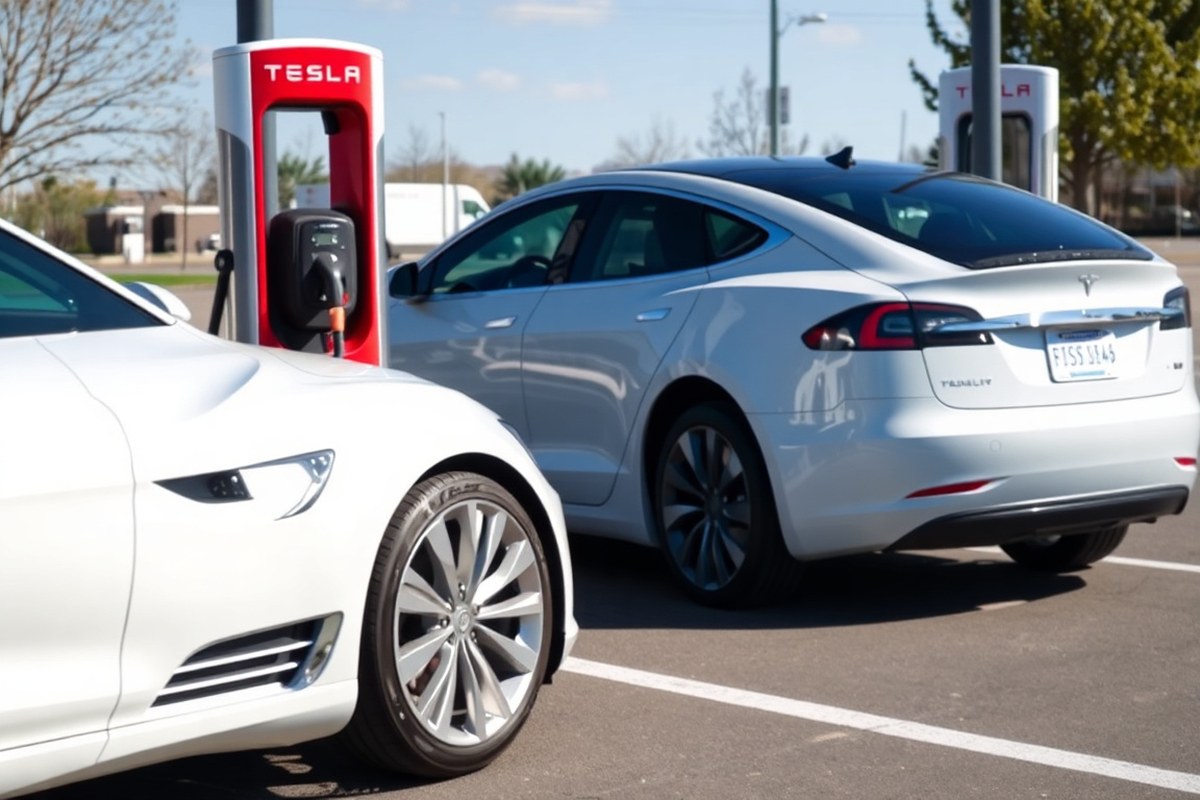
Mileage on a Tesla means something different than it does on a gas car. Gas vehicles wear out mechanical parts like the engine and transmission as miles add up. Tesla’s electric motors have fewer parts that move.
They don’t face wear from burning fuel. Oil changes are not needed in these motors.
Tesla batteries often last well beyond 300,000 miles. Their batteries lose little charge even after 200,000 miles. Model 3 and Model Y hold about 85% battery capacity then.
| Aspect | Gas Car | Tesla (Electric Vehicle) |
|---|---|---|
| Engine Wear | High wear increases with miles | Minimal wear, electric motors last longer |
| Battery Impact | Not applicable | Capacity drops slowly, about 15% at 200,000 miles |
| Brake Wear | Typical replacement around 40,000-60,000 miles | Brakes last 100,000 miles or more due to regenerative braking |
| Maintenance Needs | Regular oil changes, transmission service needed | Lower maintenance, no oil changes needed |
| Resale Value at 100,000 miles | Drops below 40% of original MSRP | Retains 50-60% of original MSRP |
Electric cars like Teslas don’t show wear just from miles alone. Battery health and how you drive and charge affect lifespan more than odometer numbers. A Tesla driven 15,000 miles yearly for 8 years stays healthy.
That beats driving 30,000 miles yearly for 4 years. Slower mileage accumulation helps keep the car in shape. Taking care of your Tesla really makes a difference.
Regular checkups and proper use help a lot. Good maintenance extends your Tesla’s life and performance.
Buyers should look past high miles and focus on battery capacity and vehicle condition. Tesla’s battery warranties and added coverage after purchase provide more reassurance. A Tesla with 150,000 miles can match a 100,000-mile gas car.
It often runs smoother than its gas counterpart. Repairs might be fewer for the Tesla then.
How Tesla Battery Degradation Relates to Mileage
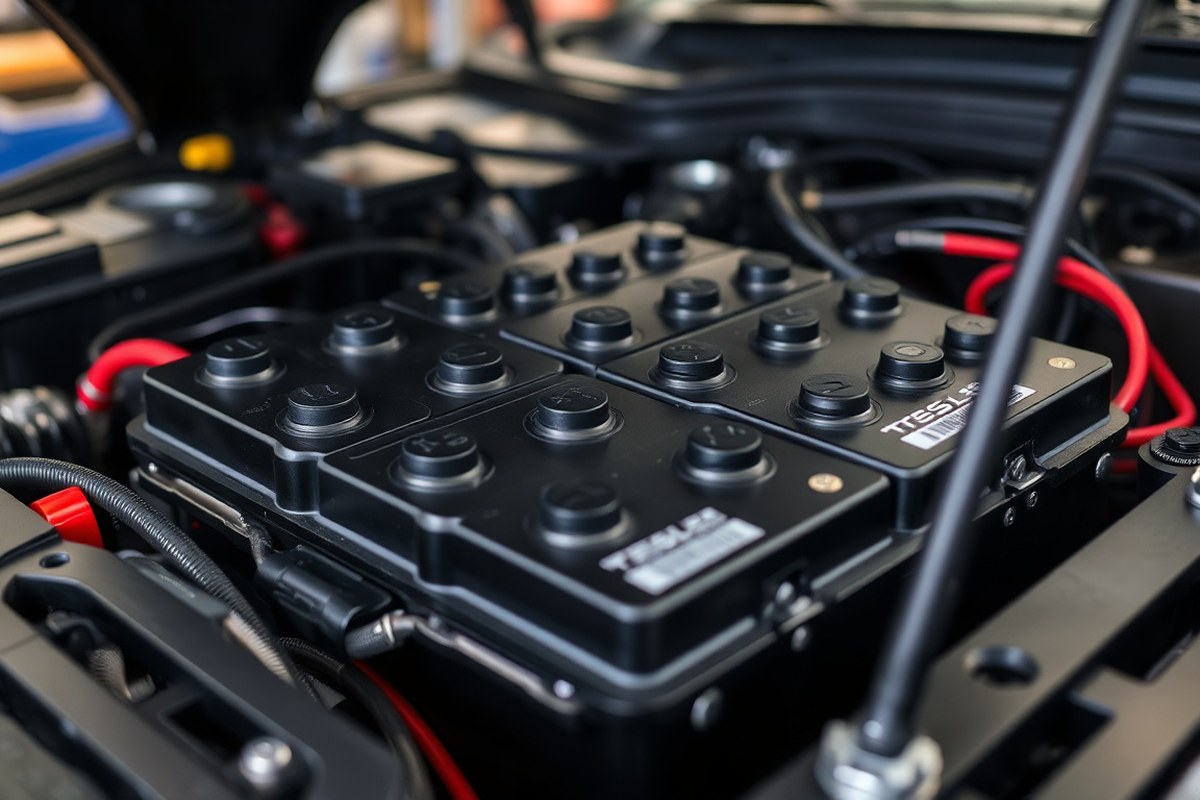
Battery Capacity Loss over Time and Mileage
Tesla batteries typically lose about 10 to 15 percent of their capacity after 150,000 miles. A Tesla that started with 250 miles might still go 220 miles. The range stays high even after some use.
This shows good battery life. Battery degradation happens slowly. So range drops are usually gradual and barely affect daily driving.
By 100,000 miles, most Tesla owners see about 5 to 10 percent range loss. After 200,000 miles, the loss may reach 10 to 15 percent. Tesla’s advanced battery management keeps performance strong well beyond these milestones.
Factors Beyond Mileage Affecting Battery Health
Charging habits strongly influence battery degradation. Frequently charging to 100 percent or using Superchargers often can speed up wear. Charging mostly to 80 or 90 percent helps the battery.
Avoid rapid top-offs. These habits keep the battery healthier longer.
Temperature also matters. Extreme hot or cold climates affect battery longevity more than moderate ones. Tesla’s thermal management system helps.
But exposure to harsh weather can still lower battery health faster. Driving style and maintenance also play roles.
Degradation Patterns by Mileage Milestones
At 50,000 miles, a Tesla battery loses about 3 to 5 percent range. This shows gradual battery wear. The drop is small but noticeable.
By 100,000 miles, expect 5 to 10 percent loss. Around 150,000 miles, capacity is 80 to 90 percent of original.
After 200,000 miles, it usually falls closer to 85 to 90 percent. The battery slowly loses charge over time.
Some Tesla batteries, like in Model S and X, keep about 88 percent capacity at 200,000 miles. They hold charge well for a long time. This shows good battery durability.
The battery decline is slow, so your Tesla lasts many years. It keeps enough range for daily trips and longer drives. This means you won’t lose range fast.
Tips for Preserving Tesla Battery Health
Keeping your Tesla battery within 20 to 80 percent state of charge helps maximize lifespan. Frequent use of a home charger instead of Superchargers improves health. Try to avoid leaving the battery fully charged or completely drained for long periods.
Store your Tesla in a cool, shaded garage when possible. Avoid extreme temperatures and plan charging times to finish right before driving. Regular software updates also help Tesla manage the battery efficiently over time.
Avoid charging to 100% daily and minimize long Supercharger sessions to protect your battery’s health.
What Is a Safe Mileage Range for Buying a Used Tesla?
Buying a used Tesla works best between 30,000 and 70,000 miles. This range keeps most of the battery warranty intact and offers strong value. Cars with over 100,000 miles might still be good buys.
Check the battery carefully. Also review the warranty details closely before buying.
Why 30,000 to 70,000 Miles Is Ideal
This range hits a sweet spot for Tesla buyers. The battery warranty usually still covers the car, depending on the model. Between these miles, most Teslas show less than 5% battery degradation.
Teslas with fewer miles likely have better battery health. Plus, they avoid high wear on other parts like tires and brakes. You’ll have more warranty protection to fix issues if anything goes wrong.
Understanding Tesla’s Battery Warranty Limits
Tesla’s warranty covers 8 years or from 100,000 to 150,000 miles based on model. Model 3 Standard Range has 100,000 miles. Model S and Model X cover 150,000 miles.
This warranty protects you from costly battery or drivetrain repairs. Buying a Tesla under warranty means fewer risks. Even cars over 100,000 miles might still qualify if they fall within the eight years.
Checklist for Buying a Tesla with High Mileage
When scoping out Teslas with 100,000+ miles, some key checks help avoid surprises. Their battery still usually holds about 90% of original range. But make sure to verify actual battery health before buying.
- Check detailed battery health reports from Tesla or a trusted app.
- Verify remaining warranty period and mileage cap.
- Inspect vehicle history for accidents or major maintenance.
- Test drive to spot any power or performance issues.
- Ask about battery replacement records or past repairs.
- Look for warning signs like yellow-dotted limit lines in the display.
A well-checked Tesla over 100,000 miles can stay reliable with less range loss than expected.
Resale Value and Lifelong Cost Considerations
Cars with lower miles tend to keep higher resale value. A Tesla with 40,000 miles can cost 10-15% more than one with 90,000 miles. The price depends on its condition.
Mileage plays a big role in value. Battery warranty status adds to buyer confidence.
High-mileage Teslas cost less upfront but might need more maintenance later. That’s why it’s important to consider your plans before buying. Planning to keep your Tesla long term means sticking under warranty limits is safer.
It gives you peace of mind. Warranty coverage helps with repairs and issues.
Sample Used Tesla Resale Value Comparison
| Mileage Range | Estimated Resale Value % | Battery Warranty Status |
|---|---|---|
| Below 30,000 miles | 85-95% | Full warranty coverage |
| 30,000 to 70,000 miles | 75-85% | Mostly under warranty |
| 70,000 to 100,000 miles | 60-75% | Warranty near expiration |
| 100,000 to 150,000 miles | 45-60% | May still have some warranty |
| Above 150,000 miles | Below 45% | Out of warranty, higher risk |
Above shows typical resale values vs mileage and warranty. Use it to set price expectations based on Tesla’s battery and drive unit coverage.
Tesla Battery and Drivetrain Warranty Limits by Model
| Tesla Model | Battery Warranty | Warranty Mileage Limit | Warranty Period |
|---|---|---|---|
| Model 3 (Standard Range Plus) | Battery and Drive Unit | 100,000 miles | 8 years |
| Model 3 (Long Range and Performance) | Battery and Drive Unit | 120,000 miles | 8 years |
| Model Y | Battery and Drive Unit | 120,000 miles | 8 years |
| Model S | Battery and Drive Unit | 150,000 miles | 8 years |
| Model X | Battery and Drive Unit | 150,000 miles | 8 years |
Each Tesla model has an eight-year warranty for its battery and drivetrain. Tesla’s mileage limits vary by model. Model 3 Standard Range Plus covers 100,000 miles.
Model S and X cover 150,000 miles. The warranty ends when either the mileage or time limit is reached, whichever happens first.
This warranty covers battery capacity that drops below 70% during the period. It means Tesla will repair or replace parts if your battery degrades too fast. For example, a 4-year-old Model 3 with 90,000 miles left 10,000 miles of battery coverage.
The battery warranty covers 100,000 miles total. But one with 40,000 miles still has 60,000 miles left.
Warranty limits show why mileage matters as a buyer. Your Tesla may need repairs when close to mileage limits. Repair costs can be expensive.
Many owners have Teslas going past the mileage caps with little degradation. But the warranty no longer covers repairs after those limits.
Battery and driving habits impact long-term health more than miles alone. Charging at lower speeds and avoiding extreme temperatures helps keep the battery healthier.
Knowing your Tesla’s warranty status helps you understand your coverage. It also shows the risks with higher-mileage Teslas.
How to Check Battery Health and Performance When Buying
Checking battery health is key when buying a used Tesla. You want to see the battery’s current capacity and any loss over time. Tesla’s apps, third-party tools, and service records help you get this data.
Using Tesla’s Built-In Battery Data
Teslas have a Service menu that can show battery health info. It displays the battery state of health and range estimates. However, this feature was added in 2025 and may not be available on older cars.
Start by putting the car in Service Mode. This prevents features like Sentry Mode from draining the battery. Make sure to do this before any checks.
Also, disable scheduled charging and Cabin Overheat Protection. Check the battery capacity percentage when the battery is below 50% for a clearer reading.
This data lets you see how much capacity the battery has lost. Around 5% to 10% capacity loss after 100,000 miles is normal. Less than that means the battery still works well.
Third-Party Diagnostics and Apps
Use apps like Teslafi, Scan My Tesla, or Teslascope to get detailed battery metrics. These tools connect to the car through its API and track range, degradation, and charging habits. They often give more depth than Tesla’s built-in tools.
Third-party tools often require access permission and a subscription for full reports. They estimate battery health by comparing current range. They compare it to the original EPA-rated range.
This gives a good idea of battery condition. Look for at least 90% health in cars under 70,000 miles.
Besides apps, some independent shops use OBD2 adapters with Tesla-specific software for diagnostics. This service costs between $50 and $150.
It provides a solid battery condition report. This report gives you peace of mind.
Reviewing Tesla Service and Maintenance Records
Ask the seller for full service and maintenance records. These documents confirm regular checkups and if any battery repairs were needed. Look for usage of Tesla Superchargers, which support better battery longevity.
Records can show if the car had battery warnings. They also show if software updates were done. These details help understand the battery’s history.
Avoid cars without documented battery health reports or service history. This data is important for understanding battery care.
Walk away if sellers refuse these records. A clear history often means fewer hidden problems that could cost you later.
Red Flags in Battery Health Reports
Signs like over 15% capacity loss before 50,000 miles can suggest heavy wear. Also, big jumps in degradation signal battery damage or poor charging habits. Expect some natural degradation, but unusual drops may mean trouble ahead.
Beware of inconsistent range readings or unexplained drops during typical daily use. Warning lights about battery management systems or charging failures also matter. These issues can get expensive if they need major battery service or replacement.
Check the battery health report for sharp drops or inconsistent data. Those can point to hidden problems sellers might not mention. Follow these steps to check a Tesla’s battery health before you buy:
- Put the Tesla in Service Mode and disable energy-draining features.
- Check the car’s built-in battery health if available, noting capacity percentage.
- Use third-party apps like Teslafi or Scan My Tesla for detailed battery stats.
- Request the full service and maintenance history, including charging patterns.
- Look for degradation less than 10% after 100,000 miles and no warning alerts.
- Get a professional battery check if unsure, using OBD2 diagnostics at a Tesla shop.
- Reject cars missing clear battery health data or with inconsistent reports.
Always demand a detailed battery health report and maintenance history before buying.
What Other Wear and Maintenance Should You Expect with High Mileage?
Tires wear out faster on Teslas because of their strong torque and weight. Expect to replace tires every 25,000 to 30,000 miles depending on driving style. Hard acceleration and performance driving speed up tire wear noticeably.
Brakes last longer on Teslas due to regenerative braking, which reduces friction use. Brake pads on Teslas often last 100,000 miles or more.
This is much longer than on gas cars. Still, brakes should be inspected annually or if you hear squeaks or feel reduced stopping power.
Suspension and steering parts face normal wear like on any car, especially with many miles. Bushings, ball joints, and tie rods might need replacement after 70,000 to 100,000 miles. Signs include uneven tire wear, noises on bumps, or loose steering feel.
- Tires: replace every 25,000 to 30,000 miles.
- Brake pads: inspect yearly, often last 100,000+ miles.
- Suspension parts: check after 70,000 to 100,000 miles.
- 12V battery: replace every 3 to 4 years to avoid failures.
- Coolant and fluids: inspect during scheduled service intervals.
Teslas have a 12V battery that wears out over time. It usually needs replacement every 3 to 4 years.
A weak 12V battery can cause electronic glitches or prevent the car from starting. Timely replacement prevents unexpected problems and keeps systems stable.
Maintenance for high-mileage Teslas stays cheaper than gas cars. Fewer moving parts mean fewer breakdowns and less frequent part swaps. Tires and suspension need regular care on Teslas.
You don’t need oil changes or spark plug work. Transmission work is not required either.
Tesla owners say average maintenance costs are under $600 a year. Gas cars at similar mileage often cost $1,200 or more annually. Tire replacement is the main maintenance cost for Teslas.
This cost is offset by less brake wear and no oil changes. Regular inspections ensure small issues don’t grow costly over time.
How Driving and Charging Habits Affect Tesla Battery Longevity
Charging habits strongly influence Tesla battery longevity more than mileage alone. Frequent use of Superchargers can cause faster battery wear because fast charging raises battery temperature quickly. Charging your Tesla up to 100% all the time puts stress on the battery.
High voltage stays longer, which wears it down. Avoid full charges unless you need the full range.
Driving style and climate add to battery wear independently of miles driven. Hard acceleration and aggressive driving increase heat and energy use, causing more degradation. Hot climates further raise battery temperatures, which speeds up chemical breakdown inside the cells.
To keep your Tesla battery healthy, charge mostly at home. Use Level 2 chargers since they charge slower and stay cooler. Slower charging helps the battery last longer.
Avoid topping off the battery to 100% daily. Instead, aim for about 80 to 90% for daily use. Use fast charging only when needed for longer trips, not as a routine.
- Charge at home with Level 2 chargers to reduce heat stress.
- Keep regular charging limits below 90% to avoid high voltage stress.
- Use Supercharging sparingly, mainly for longer trips.
- Minimize deep discharges; recharge before it drops below 20%.
- Drive smoothly to reduce thermal strain on the battery.
- Park in shaded or climate-controlled areas to keep battery cool.
- Avoid leaving the car plugged in at 100% charge for long times.
Extreme temperatures affect all batteries but can be managed with Tesla’s battery thermal system. Still, very hot summers or cold winters require more care. Charging slower in these conditions helps limit wear.
Two Teslas with the same miles may have different battery life. The one charged mostly at home and driven gently ages better. Fast charging and hard driving in heat reduce battery health.
What to Expect from a Tesla at 100,000 to 200,000+ Miles
Tesla’s batteries typically lose about 15% of their range after 200,000 miles. A Model 3 Long Range starts with a 350-mile rating. After that mileage, it might drop close to 297 miles.
This shows how battery capacity slowly declines over time. This decline happens gradually. So you won’t notice a sudden change in daily driving range.
Model S and Model X batteries keep more capacity as they age. On average, they lose about 12% capacity after 200,000 miles. This means they still hold most of their charge even after heavy use.
Tesla’s warranty promises at least 70% capacity after 100,000 miles or eight years, whichever is first. Most owners report their cars remain reliable well beyond those numbers.
Beyond the warranty, Teslas usually stay dependable, but some parts may need upkeep. Battery cooling systems, motors, and software updates all play a role in longevity. Real-world use shows many Teslas hitting 150,000 to 200,000 miles without major battery issues.
Think about a 150,000-mile Model Y with a 326-mile original range. A 10% to 15% loss means you could expect about 277 to 293 miles now.
That’s still plenty for most daily uses and longer trips with planned charging stops. Range loss mainly depends on charging habits, climate, and driving style rather than just mileage.
Owners share that electric motors and batteries hold up well if maintained properly. Some repairs like replacing brake pads or tires are normal at high mileage. Staying on top of software updates also helps your Tesla’s efficiency and power delivery stay strong.
Check your Tesla’s range estimate and battery health periodically to catch unexpected drops early.
Common Misconceptions About Tesla Mileage and Battery Life
Many people wrongly think Tesla batteries fail around 100,000 miles. Tesla batteries are built to last much longer with regular use and care. A Tesla with 100,000 miles can still hold much battery charge.
It can drive many more miles after that. The battery doesn’t lose all capacity quickly.
Battery health does not depend only on miles. Factors like charging habits, climate, and driving style matter a lot. Just looking at mileage alone can give a mistaken picture of the battery’s real condition.
Common myths mislead buyers about Tesla mileage and battery life. Here are some frequent ones with the facts:
- Tesla batteries always need replacement after the warranty ends, False. Many batteries last well beyond warranty with minimal capacity loss.
- 100,000 miles means the car is worn out, False. Tesla data shows batteries still retain over 80% capacity at 100k miles.
- Battery health is directly tied to mileage only, False. How you charge and drive affects battery health more than distance driven.
- Replacing a Tesla battery costs over $20,000, False. Battery replacements vary widely but usually range from $7,000 to $12,000 depending on model.
- High mileage Teslas have major hidden repairs, False. Teslas generally require less maintenance due to fewer moving parts and durable batteries.
Tesla batteries are tested for longevity and perform well past 200,000 miles under normal conditions. Proper charging involves avoiding constant fast charging. Also, don’t let the battery run empty too often.
These habits help the battery last longer. A well-maintained Tesla at 100,000 miles is often a great buy in the electric vehicle market.
Battery capacity loss happens slowly over time. Many Teslas after 100,000 miles only lose about 10 to 15% of their original range. Battery wear happens slowly over time.
Most Tesla owners don’t see big problems early. Issues with battery life usually come much later.
Understanding these points helps you see why a Tesla’s mileage is not the full story. How you care for the battery affects its lifespan most.
Maintenance matters more than just the miles driven. Battery care keeps your Tesla strong and reliable.
Your First Steps Buying or Owning a Tesla with High Mileage
Knowing the impact of miles on a Tesla helps you make smart decisions fast. Follow these steps to check and protect your Tesla’s value and reliability.
- Before You Buy: Check the Tesla’s battery health using diagnostic tools or a service center. Check battery degradation to see if it’s under 10% loss. This is normal for about 100,000 miles. Anything more might be a problem.
- Day 1: Review the vehicle’s service records for regular maintenance and repairs. Look for any signs of drivetrain or suspension work linked to high mileage.
- Week 1: Adjust charging habits if needed. Use mostly Level 2 charging and avoid regular fast DC charging to extend battery life.
- Month 1: Start tracking your energy consumption per mile. Notice any sudden drops in efficiency, it could indicate battery or motor wear.
- Quarterly: Take your Tesla for full check-ups at the service center. This is key, especially after 100,000 miles. Keep an eye on warranty coverage timing.
- After Six Months: Reassess battery health to see if your charging routine is working. Sharp battery degradation means you should adjust your charging and driving habits.
- Yearly: Review the overall condition of tires, brakes, and suspension. These parts wear faster when mileage is high. You want to avoid unexpected issues.
- Ongoing: Keep your Tesla updated with the latest software. New updates can improve efficiency and sometimes add features that protect battery health.
Frequently Asked Questions
How Many Miles Can a Tesla Realistically Run?
Tesla batteries can last between 300,000 to 500,000 miles. This range comes from Tesla’s design goals.
Owners report slow battery degradation. This keeps the battery working well over time.
Do I Need to Worry About Mileage When Buying a Used Tesla?
Mileage matters less on Teslas than on gas cars due to battery technology. Instead, focus on battery health, warranty status, and maintenance history when buying used.
Is a Tesla with over 100,000 Miles Still a Good Buy?
Yes, Teslas with over 100,000 miles can be a solid purchase if well maintained. Check battery capacity and drivetrain warranty to ensure long-term reliability.
Can Teslas Really Last as Long as 500,000 Miles?
Tesla’s battery design aims for up to 500,000 miles lifespan under normal use. Owners have shared examples of cars surpassing 900,000 miles on the original battery.
How Does Mileage Affect Tesla Battery Degradation Specifically?
Battery loss is usually 10-15% after 100,000 miles. Good charging and driving habits help slow this decline over the car’s life.
Wrapping Up
High mileage Teslas generally remain reliable with proper care and smart use. Check the battery health upfront and keep up good charging habits. Start by testing the battery this week to know where your Tesla stands today.