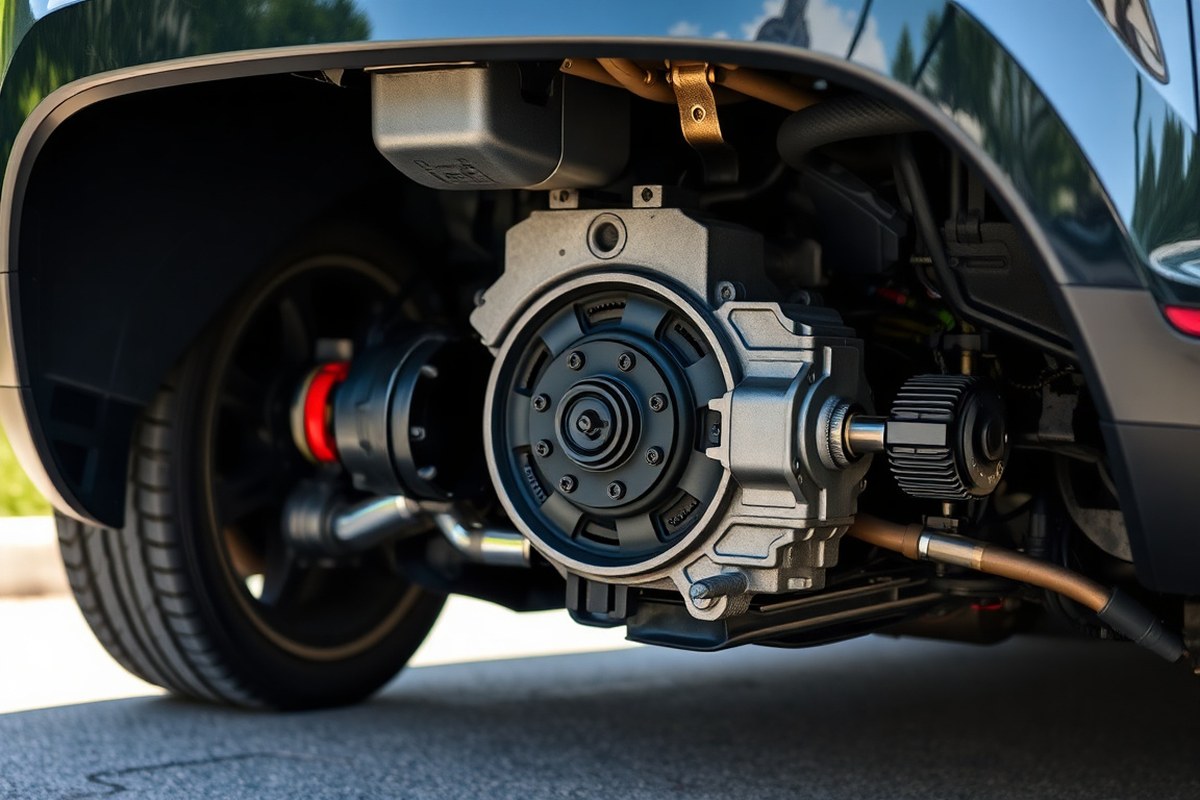
Does a Tesla Have a Transmission? What You Need to Know About Tesla Gearing
Does a Tesla have a transmission? Yes, but not like traditional cars. Tesla uses a single-speed transmission to deliver power directly to the wheels.
This design eliminates the multiple gears found in regular automatic or manual transmissions. It makes the drivetrain simpler and more reliable overall.
The single-speed transmission lets Tesla deliver full torque instantly. You won’t experience shifting delays or gear changes driving a Tesla.
This helps achieve smooth acceleration and quick response to your throttle input. The electric motor’s power curve pairs perfectly with this setup.
Tesla’s simplified transmission reduces maintenance needs and mechanical complexity. Unlike conventional gearboxes, it doesn’t require frequent fluid changes or clutch adjustments.
You should still check the transmission fluid every 4 to 5 years. This helps keep the gearbox in good condition even with fewer moving parts.
Key Takeaways
- Teslas use a single-speed transmission, not a multi-gear system like gas cars.
- This single gear delivers full motor torque to the wheels right away.
- Without gear shifts, Tesla accelerates smoothly and without delay.
- Transmission fluid replacement is recommended every 4-5 years for daily use.
- Simpler transmissions reduce risks of mechanical wear and lower energy loss.
- The fixed gear ratio suits 99% of driving scenarios efficiently.
Do Teslas Have a Transmission or Gearbox?
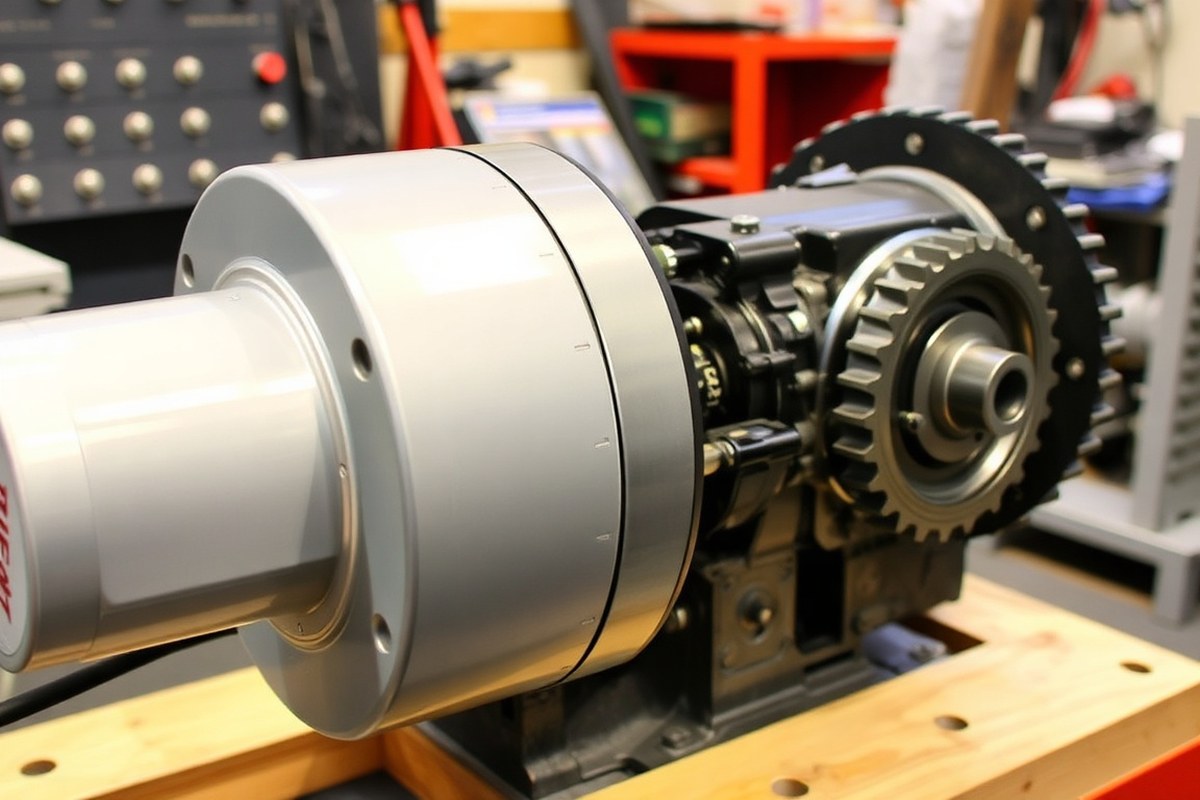
Every Tesla has a transmission, but it’s not like the ones in gas cars. Tesla uses a single-speed reduction gearbox, which means the transmission has just one fixed gear ratio. This gearbox directly connects the electric motor to the wheels, typically with a ratio around 9:1.
Tesla’s transmission has only one speed. It doesn’t shift like other cars. Traditional cars have 6, 8, or 10 gears.
The electric motor can deliver its full torque instantly at any speed. So multiple gears aren’t needed. This setup keeps the mechanical complexity low and provides smooth, smooth acceleration without interruptions.
Traditional transmissions have many moving parts. These include clutches, gears, and valves. They switch gears based on speed and engine load.
Tesla uses one fixed gear set. It lowers motor speed to wheel speed. This removes the need for shifting parts.
This design reduces maintenance needs and improves reliability. You won’t find a clutch or shifting mechanism in any Tesla model.
How Tesla’s Single-Speed Transmission Works
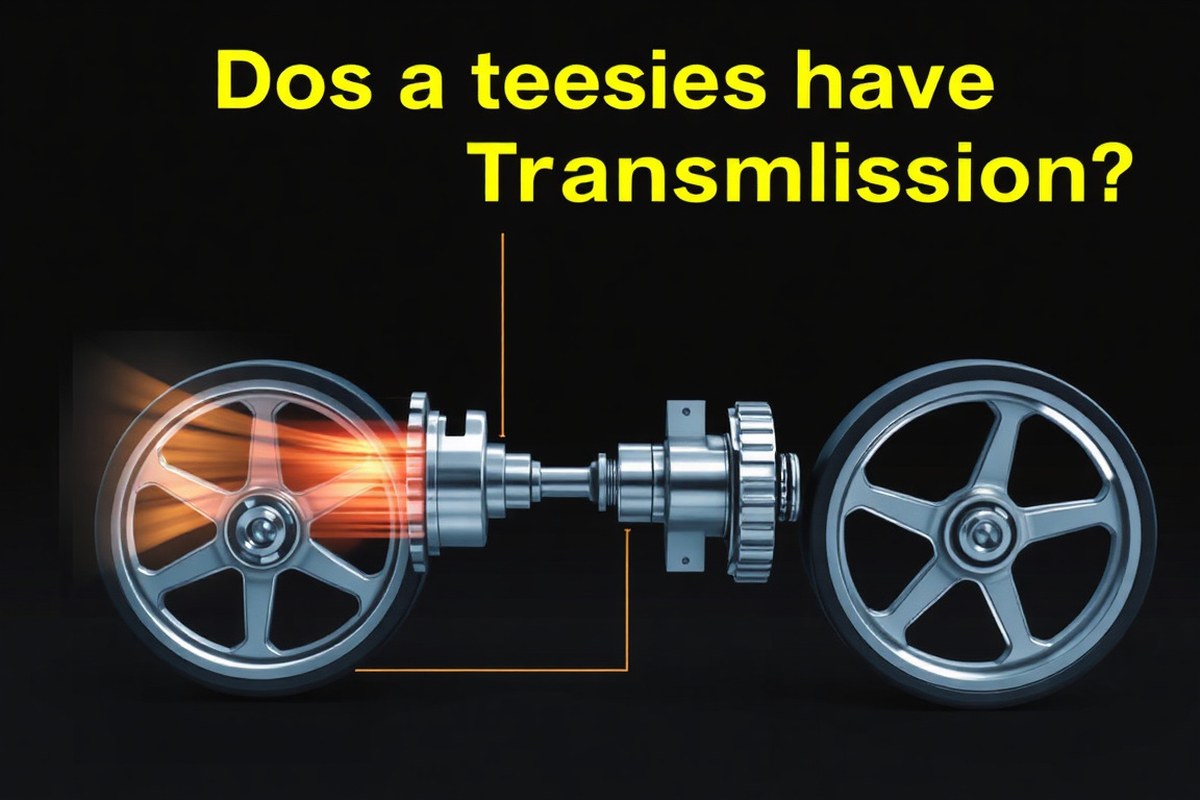
Tesla’s transmission has a single-speed reduction gear. It changes the motor’s high speed into usable wheel rotation. It also adjusts the motor’s low torque for the wheels.
This fixed-ratio gearbox increases torque. It lowers the motor’s RPM to fit the wheels.
It keeps gear ratios constant, requiring no shifting. Unlike multi-gear systems, Tesla’s design keeps power delivery smooth and simple.
Electric Motor Role in Transmission
The Tesla’s electric motor spins very fast. It often reaches speeds over 18,000 RPM. This high speed powers the car effectively.
It generates torque instantly, allowing quick acceleration without needing multiple gears. Power first flows from the battery, through the inverter, and into the motor.
This motor converts electrical energy into mechanical energy. The motor’s speed and torque need adjusting before reaching wheels. This ensures the car drives efficiently.
The gearbox handles this adjustment. That adjustment happens in the next step: the single-speed reduction gear.
Single-Speed Gear Reducer Features
The single-speed reducer is a fixed-ratio gearbox placed between the motor and the wheels. It reduces the motor’s rotational speed to a level the wheels can handle comfortably. This prevents wear on the motor and optimizes torque for street driving.
Most Tesla models use a gear ratio around 9.7:1. For example, the Model S’s gearbox ratio is 9.73:1. The gearbox looks like a small gear set.
It sits inside the rear axle assembly. It connects the motor shaft to the drive shafts.
Fixed Gear Ratio and Torque Multiplication
This fixed gear ratio multiplies torque by nearly 10 times while lowering speed proportionally. For example, if the motor spins at 9,730 RPM. The wheels turn near 1,000 RPM (9,730 ÷ 9).
The gearbox makes this speed change happen.73). Torque at the motor of 100 Nm becomes about 973 Nm at the wheels.
Using a single gear keeps the Tesla’s power delivery smooth and responsive. Electric motors give steady power over many RPM levels.
The fixed gear ratio fits motor speed to road speed. This avoids delays from shifting gears.
Check your Tesla’s transmission components for any unusual noises. They usually point to gear issues needing early attention.
Why Teslas Don’t Use Multi-Speed Transmissions
Teslas skip multi-speed transmissions because their electric motors deliver strong torque across a wide speed range. Their software controls power, traction, and braking better than a traditional gearbox can. This makes complex shifting unnecessary for almost all driving conditions.
Electric Motor Torque Compared to ICE
Electric motors provide instant torque from zero RPM, unlike gas engines that need to rev up. Tesla’s motors maintain high torque over a broad speed band, reducing the need for gear changes. Internal combustion engines (ICE) have a narrow torque curve.
They need several gears to stay efficient. This keeps the engine in the best power range.
This difference means Teslas can accelerate smoothly without shifting. For example, a Tesla Model 3’s motor can spin up to 18,000 RPM with steady torque. A V6 engine hits peak torque at about 4,000 RPM.
Outside this range, torque drops quickly. This limits engine power at other speeds.
Advantages of Single-Speed Gearbox
Tesla’s single-speed transmission simplifies the drivetrain with fewer moving parts. This reduces friction losses by about 5, 10% compared to multi-gear automatics. It also eliminates shift delays and mechanical complexity.
The software precisely manages power, torque distribution, and regenerative braking. This control delivers smooth acceleration, efficient energy use, and improve traction. The stepdown gear translates high motor speeds into appropriate wheel speed without shifting.
Fewer parts mean less wear and maintenance costs. This design suits urban and highway driving for most users who don’t need multiple gear ratios.
Past Tesla Multi-Speed Transmission Attempts
Tesla experimented with a two-speed transmission on the original Roadster. It aimed to improve efficiency at high speeds but added mechanical complexity. The design didn’t deliver enough benefits to justify the weight and potential reliability issues.
Since then, Tesla has focused on single-speed units paired with advanced software controls. This keeps vehicles lighter, simpler, and cheaper without sacrificing performance. Every production Tesla since the Model S uses a single-speed gearbox.
Here is a comparison table between ICE and Tesla transmission designs:
| Feature | ICE Transmission | Tesla Transmission |
|---|---|---|
| Gear Count | 5 to 10 speeds | 1 speed |
| Torque Curve | Narrow, peak at mid-RPM | Instant, wide range |
| Shift Mechanism | Mechanical with clutch or torque converter | No shifting needed |
| Energy Losses | Higher due to multiple gear meshes | Lower, fewer friction points |
| Control System | Mostly mechanical/hydraulic | Software managed precisely |
| Maintenance | More frequent (fluid, wear parts) | Minimal maintenance |
This table shows Tesla’s single-speed design is simpler and more efficient. It matches the electric motor’s constant torque output. That eliminates the need for a traditional multi-speed transmission setup.
Does a Tesla Have a Reverse Gear?
Teslas do not have a physical reverse gear like traditional cars. Instead, the electric motor reverses its rotation direction to move the car backward. The vehicle’s software sends a signal flip that changes the motor’s spin from forward to reverse.
In a regular gas car, shifting to reverse does one thing. It engages a different gear inside the gearbox. This gear allows the car to move backward.
This gear changes the direction of power flow and wheel rotation. Tesla’s electric motor, however, can spin forward or backward without needing to shift gears.
The electric motor in Tesla models spins up to about 18,000 RPM. A single-speed reduction gear lowers this high speed to a usable wheel rotation speed. When you select reverse, the motor simply spins in the opposite direction, pushing the car backward.
This process happens instantly, without any gear engagement or clutch action. The single permanent gear set remains fixed, providing smooth operation and reducing mechanical complexity. It also requires less maintenance since no physical gear shifts occur during reversing.
When you shift a Tesla into reverse, something else happens. The computer reverses the current flow to the motor coils. This change causes the wheels to turn backward.
This change causes the rotor to spin the other way. The wheels then turn in reverse, allowing the car to back up safely and quietly.
This electronic reverse method cuts down on weight and parts, saving space. It avoids the risks of gear wear or slip that exist with traditional transmissions. Software controls ensure the motor reverses only when safe, protecting both the system and the driver.
Tesla Transmission Fluid: What It Is and Maintenance Schedule
Most Teslas use a single-speed, fixed-ratio transmission that doesn’t need traditional transmission fluid. However, the Tesla Model S is an exception. It uses a transmission with automatic transmission fluid (ATF) supplied by BorgWarner, which requires periodic maintenance.
The ATF in the Model S lubricates the single-speed gearbox and helps it run smoothly. Tesla recommends changing this fluid roughly every 80,000 to 100,000 miles. This interval is much longer than typical multi-speed automatics since the system is simpler and sealed.
The fluid Tesla uses for the Model S is a standard automatic transmission fluid. You don’t need to get a special Tesla-only product. Regular ATF that meets Tesla’s specs will work fine, which saves money and makes maintenance easier.
For models besides the Model S, Tesla often uses no transmission fluid. They use sealed gear oils that do not need maintenance.
This eliminates regular fluid changes altogether. Tesla states these fluids won’t need replacement over the vehicle’s lifetime.
Changing the transmission fluid on a Model S is simple. You can do it yourself or have a shop handle it.
Either way, it’s a routine task. It helps maintain smooth shifting and protects the transmission parts from wear over time.
Follow these steps to have the Tesla Model S transmission fluid checked or replaced:
- Park on a level surface and let the vehicle cool down to safe handling temperature.
- Raise the front of the car using proper jacks or ramps to access the transmission sump.
- Locate the transmission drain plug and place a container underneath to catch the old fluid.
- Remove the drain plug to drain the fluid completely.
- Replace the drain plug securely and remove the transmission fill plug.
- Fill with the recommended amount of ATF using a clean funnel or pump.
- Reinstall the fill plug and lower the car back to the ground.
- Start the car and run it briefly to circulate the new fluid, then check for leaks.
The transmission fluid stays cleaner and lasts longer if the car avoids overheating during heavy loads.
Common Tesla Transmission Issues and Longevity
Tesla transmissions generally last longer than those in gas cars. The simple, single-speed design has fewer moving parts to wear out.
Tesla warns not to run at full power for a long time. This avoids extra heat that can stress the drive unit.
Transmission problems are rare but can happen over time. Some owners report noises, reduced acceleration, or occasional jerks when shifting into reverse. These signs suggest something may not be right inside the gearbox or drive unit.
Knowing when to seek help protects your Tesla from costly damage. Check your Tesla’s manual for regular service intervals.
Most Tesla models don’t require transmission fluid changes. But a professional inspection every 50,000 to 100,000 miles can catch issues early.
- Strange grinding or whining noises when accelerating or reversing
- Delayed or jerky response when shifting into reverse
- Loss of power or slower acceleration than usual
- Warning lights or messages related to drivetrain faults
- Unusual vibrations coming from beneath the car
Notice these symptoms? Schedule a Tesla service visit soon.
Technicians use diagnostics to pinpoint transmission or drive unit faults. Repairs vary but can cost several hundred to a few thousand dollars depending on severity.
The transmission’s lifespan also depends on driving style and climate. Rough, hot, or stop-and-go conditions may wear parts faster. Regular vehicle checks help transfers last longer.
Avoid long, high-power drives too. Many transfers last over 200,000 miles this way.
Performance Impact of Tesla’s Transmission Design
Tesla’s single-speed transmission lets the electric motor send power straight to the wheels. This design helps the car speed up quickly. Electric motors deliver full torque right away.
That means faster acceleration from a stop. Tesla’s single gear means no shifting delays.
That keeps acceleration smooth and quick. You don’t feel any jerks during speed changes.
The motor spins instantly thanks to instant torque delivery. You get a push as soon as you press the pedal. This makes acceleration feel sharp and responsive.
For example, the Model 3 Performance reaches 0-60 mph in just 3.1 seconds partly thanks to this setup. This quick response feels natural. You don’t have to worry about gear changes interrupting power flow.
The single-speed setup also aids efficiency by sticking to one optimal gear ratio. Tesla’s motor is tuned for common driving speeds. That includes city driving and highways over 100 mph.
It performs well across most normal driving conditions. Tesla skips multi-speed transmissions to save weight and complexity.
Those transmissions can waste energy and cut your driving range. This design helps Tesla stay efficient.
At very high speeds, the motor spins faster and can generate heat. Tesla controls this with smart software and effective cooling systems. Tesla’s motor and control system keep efficiency high.
They avoid the need for extra gears to lower RPMs. This makes the motor both reliable and efficient. This balance helps Tesla maintain strong range and performance.
Some Teslas use two-speed transmissions on one axle to better match acceleration with high-speed efficiency. However, most models rely on single-speed gears because they offer the best tradeoff for everyday driving. The single-gear setup reduces maintenance costs.
It has fewer parts that can wear out. Less maintenance means lower ownership costs over time.
Tesla Transmission Compared to Other Electric Vehicles
Tesla’s single-speed transmission is very much like most electric vehicles. It uses a simple, direct gear ratio instead of multi-speed options. This design keeps things simple, efficient, and reliable, matching what many EV makers do today.
Tesla Drive Unit Components
Tesla used BorgWarner transmissions in early Model S cars. Later, it designed its own drive units for better control.
These units combine motor, inverter, and gearbox into one compact package. Tesla often replaces the entire drive unit under warranty rather than fixing internal parts.
The single-speed transmission helps Tesla with both power delivery and regenerative braking. This setup captures energy when slowing down, feeding it back to the battery. Keeping things integrated reduces complexity and improves reliability over time.
Other EV Single-Speed Transmissions
The Nissan Leaf and Volkswagen ID.4 also use single-speed transmissions like Tesla. Each uses a fixed-gear setup that offers smooth torque delivery without shifting gears. This design is now common in electric vehicles to cut weight and avoid complicated parts.
| Feature | Tesla Model 3 | Nissan Leaf | Volkswagen ID.4 |
|---|---|---|---|
| Transmission Type | Single-speed fixed gear | Single-speed fixed gear | Single-speed fixed gear |
| Transmission Supplier | In-house Tesla design | Jatco (Nissan affiliate) | Volkswagen Group components |
| Regenerative Braking Support | Yes | Yes | Yes |
| Number of Gears | 1 | 1 | 1 |
| Integrated Drive Components | Motor, inverter, gearbox combined | Motor and gearbox | Motor and gearbox |
| Warranty Service Approach | Drive unit replacement | Component repair/replacement | Component repair/replacement |
This table shows most EVs use similar transmission styles. Tesla’s big difference is making their drive units in-house. This helps Tesla optimize performance and reliability.
Major Transmission Manufacturers for EVs
Tesla mostly builds their own drive units now, designing motors, inverters, and gearboxes together. This vertical integration helps them control quality and innovation. Earlier, BorgWarner supplied Tesla transmissions but now Tesla handles most work internally.
Other EV makers lean on specialists like Jatco, a Nissan affiliate, for transmissions. Volkswagen uses parts made in-house but shares technology within its group. These suppliers focus on single-speed gearboxes built for electric motors and regenerative braking.
Tip: Always check your warranty before servicing the drive unit. Tesla usually replaces the whole unit, not just parts.
How Tesla’s Transmission Supports Towing and Heavy Loads
Tesla’s single-speed transmission handles towing well within the manufacturer’s specified limits. The Model X can tow up to 5,000 pounds.
The Cybertruck will support over 11,000 pounds. This system delivers power smoothly without shifting gears, reducing transmission stress compared to traditional setups.
When towing heavy loads or carrying large payloads, the transmission faces extra heat and mechanical strain. This heat results from higher torque demands at low speeds and prolonged power output.
Tesla’s design manages this with efficient cooling. But drivers must still avoid constant high-speed towing to prevent overheating.
- Check your Tesla’s owner manual for towing limits and recommendations.
- Use Tesla’s tow mode if your vehicle supports it; this optimizes power delivery.
- Keep an eye on battery charge, since towing drains it faster and adds heat.
- Avoid towing uphill at very high speeds; slow and steady reduces wear.
- Schedule regular service, especially after heavy towing activities.
Under heavy load, Tesla’s simplified transmission reduces failure points. But the electric motor and cooling system handle most stress.
Proper towing technique helps the motor and transmission avoid overheating or excessive wear. That protects the system and maintains smooth performance over time.
Good results mean steady power delivery without jerks or overheating warnings. Ignoring limits risks overheating that can temporarily reduce power or require downtime to cool. Following Tesla’s guidelines ensures your single-speed transmission stays healthy even when towing or hauling heavy loads.
Your Quick-Start Plan for Understanding Tesla’s Transmission
Here’s a simple plan to learn about Tesla’s unique transmission. It covers what to expect for maintenance and performance. You’ll get up to speed quickly with this guide.
- Before buying: Check if the Tesla model uses a single-speed transmission. You’ll know because all current Teslas do.
- Day 1: Learn how the single-speed transmission works by reading Tesla’s official or trusted EV guides. Confirm you understand it’s not like traditional gearboxes.
- Week 1: Check your Tesla’s maintenance schedule for transmission fluid changes. Confirm the intervals and fluid type via your owner’s manual.
- Month 1: Inspect for common transmission issues signs like unusual noises or reduced acceleration. Notice if your ride feels smooth and quiet.
- Every 6 months: Review your Tesla’s towing or load capacity limits to protect the transmission system. Make sure you stay within recommended weights.
- Ongoing: Compare your Tesla’s performance and transmission feel with other electric vehicles you might test drive. Track how smooth and quick the acceleration stays.
- When needed: Book service with Tesla-certified techs if warnings appear. Watch for odd shifts or strange driving feels. They can check and fix transmission issues. Trust experts for your EV’s system care.
Frequently Asked Questions
What Kind of Transmission Is in a Tesla?
Tesla uses a single-speed reduction gearbox, which connects the motor to the wheels. It does not have multi-speed gears like gas cars, making it simpler and lighter. This design helps deliver full torque instantly for smooth acceleration.
What Is the Most Common Issue with Teslas Related to Transmission?
Tesla transmission issues are rare but can include overheating during extended high-speed driving. Heat builds up in the motor and gearbox during long drives. Avoid pushing the car hard for long times.
This helps prevent damage and keeps things cool. Regular fluid checks help keep the system healthy.
Does a Tesla Require an Oil Change or Transmission Fluid Service?
Tesla recommends changing the transmission fluid every 4 to 5 years if you drive daily. The fluid used is standard automatic transmission fluid, easy to find outside Tesla service centers. Most Tesla models don’t need it, but check your specific model.
Can a Tesla Drive Itself with No One in the Car?
Tesla’s self-driving features need a person behind the wheel to stay alert. The car can steer, brake, and accelerate but not operate completely unattended. Safety laws across states require drivers to be ready to take over.
What Was Inside the Original Tesla Roadster’s Gearbox?
The original 2008 Tesla Roadster prototype tried a two-speed gearbox. It added weight and complexity without much efficiency gain. Tesla switched to a single-speed system afterward for better reliability and simplicity.
Wrapping Up
Teslas don’t have traditional transmissions but rely on a single-speed system that fits electric power well. Their design cuts maintenance and complexity while still delivering strong performance. Check your owner’s manual before anything else.
Pay attention to how your Tesla drives every day. Spot transmission problems early by noticing small changes.