How Long Can You Drive on Low Tire Pressure: Safety Limits and Smart Tips
How long can you drive on low tire pressure? You can safely drive up to 50 miles if your tire is a little low. That means about 5 to 10 psi below the recommended pressure.
Keep the drive short to avoid damage. Keep your speed under 50 mph and check your tire right away.
Driving on low tire pressure beyond 50 miles gets risky and can cause damage. Watch the tire pressure warning light closely. It turns on when pressure drops about 25% below normal.
Check and fix your tires once it lights up. This light means it’s time to refill or fix your tire as soon as possible.
Remember, tire pressure drops around 1 psi for every 10 degrees Fahrenheit the temperature falls. Cold weather can make your tires look low even if the air hasn’t leaked. Check your tires regularly, especially in changing weather.
Key Takeaways
- Stop driving immediately if your tire looks flat or squashed.
- Don’t ignore the tire pressure warning light; it signals a serious drop.
- Keep emergency drives under 50 miles and 50 mph with low tire pressure.
- Check tire pressure more often during cold weather to catch drops early.
- Refill tires before pressure falls 25% below the recommended level.
- Driving with pressure below 20 psi is unsafe except for very short distances.
How Long Is It Safe to Drive with Low Tire Pressure?
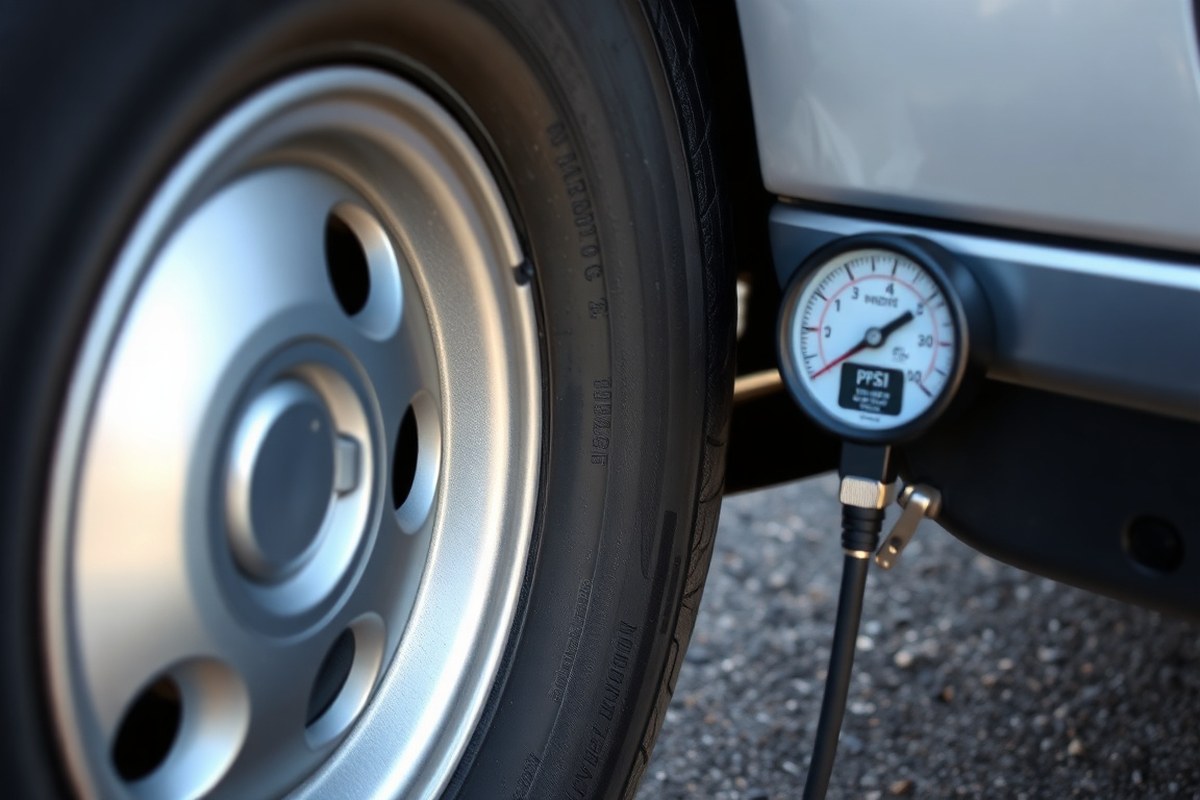
Driving on low tire pressure is risky but sometimes unavoidable for short trips. Your tire pressure is 1 to 5 PSI low. You can safely drive up to 50 miles.
Keep your speed below 50 mph. This avoids too much heat buildup. Tire flexing can damage the tire.
Tire pressure is 6 to 10 PSI below recommended. You should limit driving to under 25 miles. In this range, reduce your speed to below 35 mph to prevent serious tire damage.
Stop and inflate the tire as soon as possible. Heat and rubber stress build up fast.
Tire pressure is 11 to 20 PSI below recommended. Drive no more than 10 miles. Keep speed at or below 20 mph.
Falling below 20 PSI is dangerous, risking sidewall damage and possible blowouts, especially at higher speeds. Use these low pressures only in emergencies to reach the closest air station or repair shop.
Check your tire pressure with a gauge regularly to avoid driving on low air. Avoid highway speeds if your tires aren’t properly inflated, and stop for air often.
Follow low-pressure speed and mileage limits. This lowers heat buildup and prevents tire failure over short trips.
Driving over 50 miles with low pressure raises damage risk. Speeds above 50 mph also increase blowout chances. Speed and distance limits vary with tire size, vehicle weight, and temperature.
But sticking to these PSI-based rules gives you the safest short-term option. Always prioritize refilling tires promptly to maintain safe tire pressure and vehicle control.
What Tire Pressure Levels Trigger Warning Lights and Safety Concerns?
Your car’s TPMS light comes on when tire pressure falls low. Usually one or more tires drop about 25% below the recommended pressure. This means tire pressure around 24 to 26 PSI for most.
It applies when your ideal pressure is about 32 to 35 PSI. Driving below 20 PSI is dangerous and signals you should refill immediately or stop driving.
How TPMS Detects Low Tire Pressure
TPMS sensors measure the air pressure inside each tire continuously while driving. When the pressure drops roughly 25% below the manufacturer’s recommended PSI, the TPMS light will activate. This feature alerts you before pressure falls dangerously low, helping prevent unsafe situations on the road.
The exact pressure for the warning light varies by your car. It depends on your vehicle’s recommended tire pressure level.
For example, a car calling for 36 PSI will alert you near 27 PSI. That’s when the warning light usually comes on.
Tire Pressure Thresholds and Driving Safety
Most passenger cars recommend tire pressure between 32 and 35 PSI. Your low-pressure warning light will typically activate when pressure dips about 25% below this range. That means the light shines on at roughly 24 to 26 PSI.
Driving with pressure at or below 20 PSI risks tire failure and poor handling. Below this, your tires generate more heat, increase braking distances, and risk blowouts.
Refill tires as soon as the warning light appears. Also add air if manual checks show pressure near 20 PSI or less.
TPMS vs Manual Tire Pressure Gauges
TPMS provides a useful alert but isn’t always precise. Some TPMS sensors might be off by 1 to 2 PSI.
This difference shows compared to readings from a manual pressure gauge. Checking your tires manually with a quality gauge remains the best way to know exact pressure.
Manual tire pressure gauges cost between $10 and $20. They are easy to use and give reliable results if used right.
TPMS quickly warns you about low pressure or leaks. Always confirm with a manual gauge before long drives or topping air.
| Tire Pressure (PSI) | TPMS Warning Light Status | Recommended Action |
|---|---|---|
| Above recommended (32-35 PSI) | Off | Check regularly; maintain pressure |
| About 25% below recommended (24-27 PSI) | On | Refill tires soon; monitor closely |
| 20 to 24 PSI | Usually on | Refill immediately; avoid long drives |
| Below 20 PSI | On; may be flashing | Stop driving; fill tire or change |
Factors Affecting Tire Pressure and TPMS Alerts
Temperature drops can cause the TPMS light to come on. Cold weather lowers pressure by several PSI, especially overnight. This needs topping up the tires.
Also, some TPMS sensors may vary slightly among brands or models. So alert thresholds differ a little. Check your vehicle’s owner manual for specific recommendations about low PSI warnings for your car model.
- Monitor tire pressure monthly in all seasons
- Check tires manually after TPMS alert or cold weather
- Fill air to manufacturer recommended PSI, not just minimum
- Replace faulty sensors or tires that won’t hold air
- Avoid driving long distances on tires below 20 PSI
Always use a manual gauge to check pressure after the TPMS light comes on. This helps prevent unsafe driving conditions.
How Temperature Changes Affect Your Tire Pressure Readings
Tire pressure drops about 1 PSI for every 10°F (5.6°C) the temperature falls. This happens because colder air takes up less space inside the tire, making the pressure lower. In winter, your tire pressure can drop several PSI quickly.
This can happen even if you haven’t driven far. Cold air tightens inside the tires, lowering pressure.
You should adjust tire inflation based on the seasons. For example, tires at 35 PSI in warm weather drop to 30 PSI in cold weather. That happens when temperatures fall from 70°F to 20°F. Temperature makes a big difference in tire pressure.
Adding air during cold weather stops pressure from going too low. This keeps your tires safe all season long. It also stops the low-pressure warning light from flashing.
Your car’s pressure light can come on in cold weather. The tires might look fine but still trigger a warning. This happens because the sensor reads pressure, not tire shape.
This light usually kicks in after a pressure drop of about 25% below what’s normal. Cold air pulls together and lowers pressure in your tires.
Your car’s sensors see this change and warn you early. This happens before the tires reach a dangerous low level.
To adjust your tires, check the pressure when they’re cold, like in the morning before driving. Say your tire recommends 32 PSI. A 30°F temperature drop cuts tire pressure by about 3 PSI.
Expect to add air to keep tires at the right level. Monitor tire pressure regularly in cold weather. Inflate the tire back to 32 PSI so the pressure matches the vehicle’s recommendation.
Checking tire pressure takes only minutes at any gas station. Use a pressure gauge to add or release air. This keeps your tires safe through temperature changes.
Accurate inflation cuts uneven tire wear and avoids heat buildup. Low pressure increases tire wear and raises the risk of tire failure. So just topping off air is a quick fix that really pays off.
What Are the Risks and Damage from Driving with Low Tire Pressure?
Low tire pressure increases the risk of a blowout by causing excess heat buildup. The tire sidewalls flex more when underinflated, generating friction and heat. This weakens the tire’s structure and can cause sudden failure, especially at higher speeds.
With low pressure, the tire’s internal components suffer stress from extra flexing. The sidewalls and tread separate or develop cracks over time. These damages usually can’t be fixed and mean you may need a tire replacement much sooner.
Low tire pressure reduces your vehicle’s handling and braking performance. Softer tires grip the road less. This makes controlling your car harder.
It also increases stopping distances. This is dangerous in poor weather or heavy traffic situations.
Fuel economy also takes a hit due to low tire pressure. Softer tires create more rolling resistance, forcing your engine to work harder. This can reduce gas mileage by several percentage points, raising your fuel costs.
When Should You Stop Driving Immediately on a Low Tire?
Driving on tire pressure below 20 psi is unsafe. You should stop immediately if your tire pressure drops this low. The tire may look flat or bulge out noticeably at the bottom.
Your tire feels unstable or the car pulls to one side. Stop right away.
These signs mean the tire pressure is too low to keep control safely. Even a small loss can cause problems when turning or braking.
Do not drive on a tire that looks flat or has a pressure near 14 psi. A slowly leaking tire dropping to 14 psi is unsafe.
Avoid driving on it. This risks tire failure or a blowout at any moment.
- Tire pressure below 20 psi needs immediate stop and check
- Bulging or heavily under-inflated tire sidewalls indicate danger
- Car pulling to one side or unstable steering requires stopping
- You cannot raise pressure to the recommended level. Stop driving immediately.
- A flat tire or very low pressure should never be driven on
- Modest pressure drops near 28 psi can be driven on short distances
- Pressure below 30 psi should be topped up quickly
Stop your car safely off the road before inspecting the tire. Use hazard lights to alert other drivers. Check your tire pressure with a gauge.
The pressure reads below 20 psi. Do not drive any further.
Call roadside assistance if you cannot add air or if the tire pressure falls again quickly. Driving on a tire losing air fast increases crash risk. It also can damage the wheel or the vehicle’s suspension.
Keep a tire pressure gauge in your car for quick checks to avoid unsafe driving.
How to Check and Add Air to Tires on the Road Safely
Check your tire pressure with a gauge before driving to add air safely. Use a reliable tool or the TPMS if available. Find a nearby air station or a portable pump to inflate your tires properly.
Tools Needed to Check Tire Pressure
A reliable tire pressure gauge is the best way to get accurate readings. Digital or dial gauges often give quicker and easier readings than stick types. Some cars have a Tire Pressure Monitoring System (TPMS).
It alerts you when pressure is low. You still need to check exact PSI manually.
You should carry a small, portable air compressor or find an air pump at gas stations. These tools let you add air where needed and adjust to the right PSI. Check the tire placard on the driver’s door or manual.
It shows the correct pressure. Usually, it’s between 30 and 35 PSI.
Step-by-Step Air Inflation Process
Follow these steps to safely check and add air to your tires on the road. This helps avoid driving on dangerously low pressure that can damage tires or cause accidents.
- Park on level ground and turn off your car to cool the tires.
- Remove the valve cap from the tire you want to check.
- Press the tire gauge firmly against the valve stem and read the pressure.
- Compare reading with the recommended PSI on the placard inside the driver’s door.
- Connect an air pump or portable compressor when pressure is low.
- Add air slowly in short bursts and pause to check the pressure again.
- Stop inflating when the PSI matches the recommended cold pressure level.
- Replace the valve cap and repeat for all tires, including the spare.
Inspecting Tire Condition After Adding Air
After inflating your tires, look closely for signs of damage or leaks. Check the sidewalls for cracks, bulges, and cuts before driving off. Run your hand over the tread to feel for embedded nails or glass.
Make sure the tire feels firm but not overinflated. Pressing the tire lightly will give quick feedback on firmness. A badly damaged tire needs professional help even if the pressure looks OK.
What Are the Differences Between Standard and Run-Flat Tires with Low Pressure?
Run-flat tires let you drive a short distance at limited speeds even if they lose air. Standard tires require immediate air refill or replacement. Knowing their limits helps prevent damage and unsafe driving.
Run-Flat Tire Driving Distance Limits
Run-flat tires typically allow about 50 miles (80 km) on a flat. You should not rely on them for regular drives without air. Standard tires don’t have this backup and must be fixed right away.
Drive only within the specific distance limit set by your car or tire maker. Going beyond that risks tire failure. These limits depend on the tire’s design, vehicle weight, and your driving habits.
Speed Restrictions for Deflated Run-Flats
You can usually drive run-flat tires up to 50 mph (80 km/h) when deflated. This speed keeps the tire from overheating or breaking down. Driving faster than allowed can cause tire damage or a blowout.
Standard tires with low pressure are unsafe at any speed. They lose control and grip quickly. Check your vehicle manual for exact speed limits on run-flat tires to avoid surprises.
Repair vs Replacement Guidelines
Run-flat tires often need replacement after running flat, even if no damage appears. Sidewall damage or internal harm may not be visible but can compromise safety. A trained technician should inspect them before deciding.
Standard tires usually require immediate repair or replacement after losing air. Patching a puncture may work if it’s on the tread, not the sidewall. In both cases, using a tire beyond safe condition risks accidents and extra costs.
Here is a comparison of run-flat and standard tire limits. It covers the rules for driving with low pressure. Both types have different limits to know.
| Feature | Run-Flat Tires | Standard Tires |
|---|---|---|
| Allowed Driving Distance with Low Pressure | Up to 50 miles (80 km) | Immediate stop required |
| Maximum Safe Speed with Low Pressure | Up to 50 mph (80 km/h) | Unsafe to drive |
| Immediate Need for Air Refill | No, within limits | Yes |
| Risk of Further Damage if Driven On | Lower if within limits | High |
| Repair Possible After Deflation | Usually not recommended | Possible if damage limited |
This table shows key differences. Run-flat tires provide a limited safety net. Standard tires require immediate attention after pressure loss.
Common Mistakes People Make Driving on Low Tire Pressure and How to Avoid Them
Ignoring the TPMS (Tire Pressure Monitoring System) warning light can cause serious damage. The light means your tire pressure is too low and unsafe for driving. You should address the problem immediately instead of assuming a short drive won’t harm your tires.
Delaying inflating tires when the pressure is slightly low leads to uneven wear and reduced control. Even a 25% pressure drop means about 26 psi. This can trigger the warning.
You should add air quickly. Driving more than 50 miles on low pressure is unsafe.
It also harms tires faster. Don’t wait too long to fix it.
Driving fast on low-pressure tires increases risks because tires cannot grip the road properly. Higher speeds stress soft tires more than usual. This causes heat to build up.
It can lead to blowouts or failures. It’s best to reduce speed and inflate tires as soon as possible.
- Don’t ignore the TPMS warning light; check tire pressure right away.
- Avoid driving more than a few miles on a tire that shows low pressure.
- Don’t delay filling tires even if they look only slightly low.
- Keep your speed below 50 mph if you must drive on low pressure briefly.
- Use a portable air compressor or visit a gas station to refill tires safely.
- Check tire pressures weekly to catch problems before the TPMS warns you.
Never ignore a low tire pressure warning light. It’s an early alert to prevent damage and unsafe driving.
Low tire pressure causes uneven tread wear faster and hurts fuel efficiency. Tires lose their ability to handle bumps and turns safely. Adding air fixes low pressure quickly.
It costs just a few dollars. You can do it in minutes at any service station. Don’t take long drives or speed until tires are full.
This keeps you safe. It also extends how long your tires last.
How to Know When to Call a Professional for Tire Problems
Drive to a tire shop if the tire pressure light stays on after filling air. This usually means your tire is losing air from a puncture or valve issue. Adding air only helps for a short time; leaks need professional repair or replacement.
Call a professional if the tire looks flat, damaged, or won’t hold air at all. Driving on low air risks a blowout. Low pressure causes extra heat.
Heat and friction damage the tire’s sidewall. Don’t try to “just make it there.” Instead, use a spare tire or roadside help right away.
Your tire pressure at 20 psi or less means visit a service shop immediately. Tires need at least 30 to 35 psi depending on your car.
Running below this range stresses tires and makes driving unsafe. Professionals use machines to find hidden damage or punctures you can’t see.
Check the tire after inflating. If pressure is low but the tire looks fine and holds air, you can drive slowly to the nearest air pump.
Air leaks that come back or a pressure light that stays on need quick action. Get a pro to check for punctures, valve leaks, or wheel damage.
Costs for professional tire checks usually run from $20 to $50. Fixing a simple puncture near the tread usually costs $10 to $30. This repair is straightforward.
Serious tire damage often means buying a new one. New tires cost $50 to $200 or more. Catching problems early saves money and keeps you safe.
Their tools include pressure gauges, tire balancers, and sometimes special cameras to find slow leaks. They also test tire beads and valve stems for damage. These checks stop problems before they get worse or cause accidents.
Step-by-Step Action Plan for Low Tire Pressure
Follow these steps to handle low tire pressure safely and avoid damage. This plan helps you get back on the road quickly and with confidence.
- Right away: Pull over safely and check your tire pressure with a gauge. Look for a reading below your car’s recommended PSI, usually on the door frame sticker.
- Within 5 minutes: Use a portable air compressor if you have one. Add air until the tire reaches the right pressure. Make sure the tire holds air after inflating.
- No air source: Stop at the nearest gas station. Inflate the tire before you keep driving. Avoid long trips until the tire is properly inflated.
- During your drive: Watch for warning lights on your dashboard. Notice if the vehicle pulls or vibrates. Stop to recheck if anything feels off.
- Next day: Inspect the tire for damage like cuts or bulges. Low pressure can cause sidewall damage needing a professional check.
- Within 48 hours: Visit a tire shop or mechanic for a full inspection. They’ll confirm if repairs or replacements are needed.
- Maintain weekly: Check all tire pressures regularly to catch drops early. Tire pressure naturally varies with temperature changes.
- Plan ahead: Consider keeping a tire inflator and gauge in your car. Quick access helps prevent unsafe low-pressure driving.
Frequently Asked Questions
How Long Can You Safely Drive with Low Tire Pressure?
Drive with low tire pressure as little as possible. Try to keep it under 50 miles at low speed to avoid damage.
Is It Okay to Drive on a Tire Slightly Below Recommended Pressure?
Yes, but only for a short distance and at low speed if above 20 psi. It’s for emergencies, not regular use.
Can Low Tire Pressure Lead to Uneven Tire Wear Quickly?
Yes. Driving on underinflated tires causes uneven wear and shortens tire life. Check pressure often to prevent this.
Does Low Tire Pressure Affect Your Car’s Fuel Efficiency?
Yes, it reduces fuel efficiency because the engine works harder. Properly inflated tires save gas and money.
Will Low Tire Pressure Cause Tire Blowouts More Often?
Yes, underinflated tires heat up faster, increasing blowout risk. Avoid driving long with low pressure.
The Bottom Line
Driving on low tire pressure is risky beyond a short time. Always stop and check pressure as soon as you notice a problem.
Keep a tire gauge handy. Check your tire pressures every week for safe driving.