How Many Minutes Is 13 Miles: Detailed Time Estimates and Tips for Travel
Wondering how many minutes is 13 miles? The answer depends on how fast you go. At walking speed, it might take you about four hours.
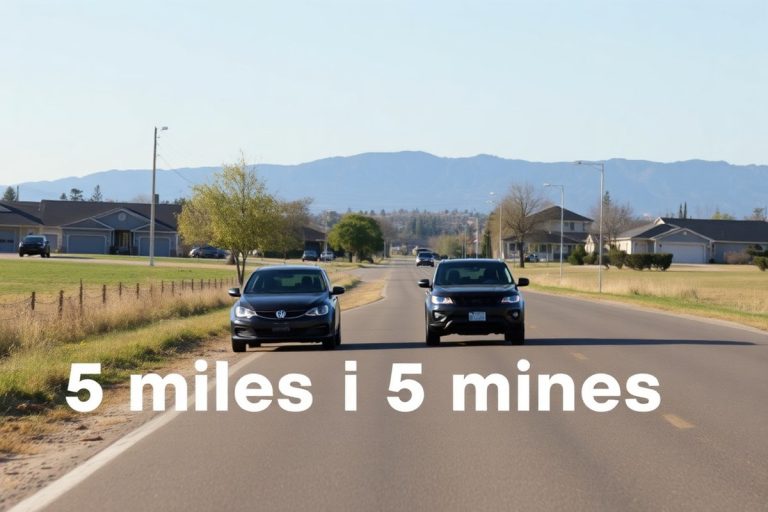
Driving 13 miles can take 12 to 30 minutes. It depends on traffic and if you’re on city streets or a highway.
Speed is the key to turning miles into minutes. To get a rough estimate, divide the distance by your average speed in miles per hour. For example, if you drive at 60 mph, 13 miles would take about 13 minutes.
Keep in mind that stops, traffic, or terrain can change your travel time a lot. Knowing your pace or typical speed helps plan better. Start by estimating your average speed for the trip type, whether walking, biking, running, or driving.
Key Takeaways
- Divide 13 miles by your average speed to estimate travel time in hours.
- Walking 13 miles takes roughly 3.5 to 4.5 hours at a steady pace.
- Driving 13 city miles at 25 mph usually takes about 30 minutes.
- On the highway at 60 mph, 13 miles takes about 13 minutes.
- Running 13 miles time varies widely based on your running speed.
- Public transit routes for 13 miles often range from 30 to 45 minutes.
How Many Minutes Does It Take to Cover 13 Miles?
The time to travel 13 miles depends on your mode and speed. Different ways take different times. Your average speed matters most.
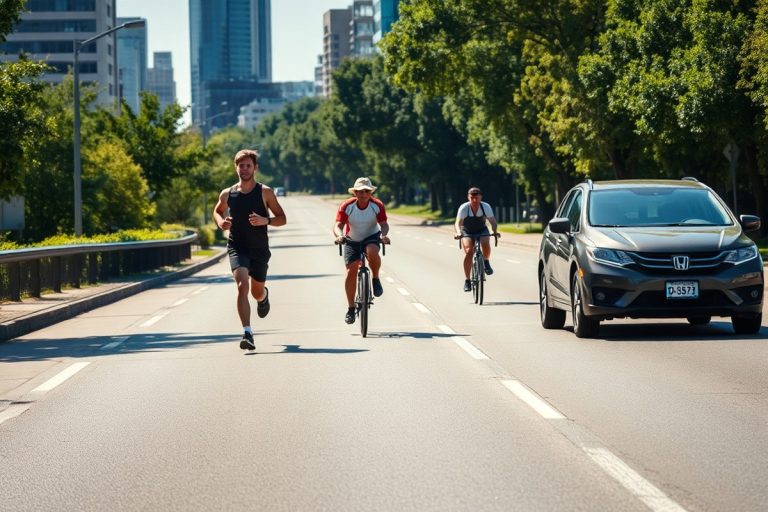
Driving on the highway at 65 mph takes about 12 minutes. City driving at 30 mph takes nearly 26 minutes. Walking 13 miles at 3 mph usually takes 4 hours and 20 minutes.
This is a steady, average pace. It helps to plan breaks.
Running and cycling fall between walking and driving in speed. Running 13 miles at 6 mph takes close to 2 hours and 10 minutes. Cycling at 15 mph is a common moderate speed.
It takes just under an hour for 13 miles. This is much faster than walking.
Speed and road conditions change timing a lot for driving and cycling. For example, heavy traffic or hills can slow you down. Accurate time estimates use this basic formula: time = distance ÷ speed.
| Mode of Travel | Average Speed (mph) | Approximate Time for 13 Miles |
|---|---|---|
| Walking | 3 | 260 minutes (4 hrs 20 mins) |
| Running | 6 | 130 minutes (2 hrs 10 mins) |
| Cycling | 15 | 52 minutes |
| City Driving | 30 | 26 minutes |
| Highway Driving | 65 | 12 minutes |
To find driving time for 13 miles at 65 mph, divide 13 by 65. This gives the time in hours. Then convert to minutes if needed.
The result is 0.2 hours, which converts to 12 minutes. Using this simple math, you can adjust for your own speeds and conditions.
This method sets real travel time expectations. It works for biking, running, or commuting.
Knowing your pace helps you plan better. Knowing these times helps you plan breaks, hydration, and arrival schedules better.
How to Calculate Time from Speed and Distance
Calculating how many minutes it takes to travel 13 miles depends on your speed. You use a simple formula connecting distance, speed, and time. Convert miles per hour (mph) into minutes for your trip length.
This helps plan your travel time. You get a clear idea of how long it takes.
The formula is: Time (minutes) = (distance ÷ speed) × 60. Distance is in miles, speed in mph, and multiplying by 60 converts hours into minutes. This method also shows your pace when you know your speed.
For example, it helps find minutes per mile when running. It’s useful for walkers too.
- Note your distance: For example, 13 miles.
- Know your speed: Say you bike at 20 mph.
- Divide distance by speed: 13 ÷ 20 = 0.65 hours.
- Convert to minutes: Multiply 0.65 by 60, which equals 39 minutes.
- Check your pace: Divide total minutes by miles to find pace. For 39 minutes over 13 miles, that equals 3 minutes per mile. This pace is very fast for running.
- Adjust for different speeds: Replace 20 mph with your actual speed and repeat the steps.
- Convert pace back if needed: Divide 60 by minutes per mile to get speed. This shows your miles per hour from your pace.
For example, running 13 miles at 10 minutes per mile, multiply 10 × 13. That equals 130 minutes total for the run. That equals just over two hours.
The calculation changes a lot with speed. At 13 mph (fast cycling), expect about 60 minutes.
At 3 mph walking speed, it stretches to about 260 minutes (4 hours 20 minutes). Being clear with your speed is key.
Always use your realistic average speed, estimating too high or low skews your time sharply. Adjust for stops or terrain.
How Walking Speed Affects Time for 13 Miles
Walking 13 miles usually takes between 4 and 7 hours. Your exact time depends on how fast you walk and the conditions around you. Walking at different paces can change your total time by hours.
Average Walking Speeds for 13 Miles
The average walking speed for most people is about 3 miles per hour. At this pace, covering 13 miles takes roughly 4 hours and 20 minutes. Walking faster or slower can shift this time significantly.
Here are typical walking paces and how long 13 miles takes at each:
- Leisurely pace (2 mph): about 6 hours and 30 minutes
- Average pace (3 mph): about 4 hours and 20 minutes
- Brisk pace (4 mph): around 3 hours and 15 minutes
- Very brisk pace (4.5 mph): near 2 hours and 53 minutes
Choosing a pace helps plan your day or training goals. You can see how a small speed change greatly affects your time.
Even half a mile per hour can add or take over an hour. Just a slight difference in pace changes your schedule.
Impact of Terrain and Fitness Level
Walking on flat pavement is much easier than steep or uneven paths. Hilly terrain can slow you down by 0.5 mph or more. Soft ground like sand also adds effort and time.
Your fitness level changes your stamina and speed. More fit walkers maintain a brisk pace longer. Beginners or those carrying gear may need extra breaks.
The weather matters too. Hot, cold, or windy days tire you faster and lower your average speed. Plan extra time if conditions get tough.
Tips to Improve Your Walking Pace
To pick up your speed safely, start with good posture. Walk tall and keep your arms moving naturally to boost momentum. Wearing proper shoes helps prevent soreness and pain.
Adjust your pace based on terrain. Slow down on hills or rough paths to save energy. When the path is flat, you can push harder to make time up.
- Practice daily walks to build endurance slowly
- Use a walking app or watch to track pace
- Take short breaks instead of long rests
- Stay hydrated and carry light snacks
- Warm up before starting your long walk
These steps help you finish 13 miles more comfortably and faster. Remember, pushing too hard without training can cause injury or exhaustion.
Running 13 Miles: Time Estimates at Different Paces
Running 13 miles takes different times depending on your pace. Common paces range from 8 to 12 minutes per mile. Knowing your pace helps you plan your run and set realistic goals.
Common Running Paces and Times
Most runners fall between 8 and 12 minutes per mile. Elite runners often run closer to 6 or 7 minutes per mile.
But these paces are tough to hold. Beginners usually start around 11 to 12 minutes per mile.
Here is a table with some common running paces. It shows how long it takes to run 13 miles at each pace. You can use this to find your total time.
| Pace (minutes per mile) | Total Time for 13 Miles |
|---|---|
| 8:00 | 1 hour 44 minutes |
| 9:00 | 1 hour 57 minutes |
| 10:00 | 2 hours 10 minutes |
| 11:00 | 2 hours 23 minutes |
| 12:00 | 2 hours 36 minutes |
This table helps you see how pace affects your total running time. Small changes in pace add up over 13 miles.
Beginner vs Experienced Runner Times
Beginners often run slower because they build endurance and strength. A new runner might start at 11 or 12 minutes per mile and improve with training. Experienced runners can maintain 8 to 9 minute miles comfortably.
Elite runners may hit 6 to 7 minute miles during a race. This speed is hard for most people and requires years of practice. Your current fitness and running habits shape your pace more than anything else.
Examples of Total Time Calculations
Calculate your time by multiplying pace by distance. For example, running 13 miles at 10 minutes per mile takes 130 minutes. That equals 2 hours and 10 minutes on your watch.
Try running at 8 minutes per mile. For 13 miles, that takes 104 minutes or 1 hour and 44 minutes.
This simple math helps you set goals and plan breaks. Keep in mind terrain and weather can slow you down too.
Cycling 13 Miles: How Different Speeds Change the Time
Riding 13 miles takes different times depending on your cycling speed. A casual 12 mph ride lasts about 65 minutes. Faster cyclists traveling near 20 mph can finish in around 39 minutes.
Average Cycling Speeds and Times for 13 Miles
Casual riders usually cruise between 12 and 15 miles per hour on flat roads. This pace feels relaxed and keeps the ride easy. Advanced cyclists can average 18 to 20 mph, cutting down travel time significantly.
The table below shows common speeds and expected times to complete 13 miles. It’s a quick way to estimate your ride based on how fast you plan to go.
| Speed (mph) | Time to Ride 13 Miles |
|---|---|
| 12 (Casual) | 65 minutes |
| 15 (Moderate) | 52 minutes |
| 18 (Fast) | 43 minutes |
| 20 (Advanced) | 39 minutes |
Choosing a speed depends on your fitness, bike type, and route. Keep in mind that steady speeds translate directly into minutes by dividing distance by speed.
Adjusting for Hills and Wind
Hills slow you down more than you might expect. A steep climb can cut your speed by half or more.
This means you double your time on that segment. Wind can also reduce your average speed.
Estimate a 10-20% time increase for routes with moderate hills or steady headwinds. You can split your ride into flats and hills.
Calculate times for each separately. Then add them for the full route.
Plan extra time for uphill sections and strong headwinds to avoid frustration.
Sample Time Calculations
Say you cycle at 15 mph on flat terrain. One rough hill halves your speed to 7 mph.5 mph for one mile. The rest of the 12 miles are flat.
Flat time: 12 miles / 15 mph = 48 minutes. Hill time: 1 mile / 7.5 mph = 8 minutes. Total ride time is 56 minutes.
This breakdown helps you set realistic expectations. Adjust speeds and distances based on your route’s unique features and your fitness level.
Driving 13 Miles: Typical City and Highway Times
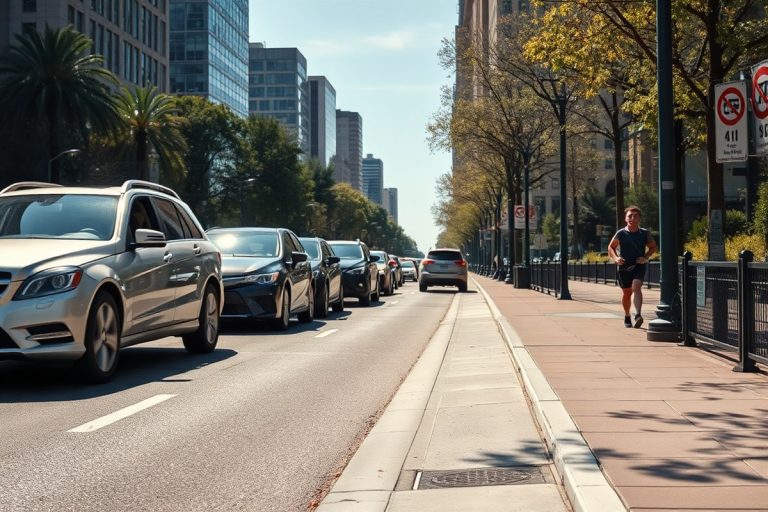
Driving 13 miles in a city usually takes about 31 minutes. This assumes an average speed of 25 mph.
On highways, it takes much less time, around 12 minutes at 65 mph. Highway driving is faster because it has fewer stops and smoother traffic flow than city streets.
Stops for traffic lights, stop signs, and congestion add time in city driving. Delays happen during rush hours or bad weather. These lower your speed.
Your travel time will increase. On highways, traffic jams or construction can slow you down too. But fewer stops still mean faster travel overall.
| Miles | City (25 mph) | Highway (65 mph) |
|---|---|---|
| 10 | 24 min | 9 min |
| 11 | 26 min | 10 min |
| 12 | 29 min | 11 min |
| 13 | 31 min (estimated) | 12 min (estimated) |
| 15 | 36 min | 14 min |
The city time for 13 miles is estimated by averaging nearby values in the table. Highway time is likewise calculated. Add 5 to 10 minutes for city travel with stoplights or traffic.
This extra time covers waiting at red lights. On highways, add extra time if there’s roadwork or congestion.
To adjust your time estimate for traffic stops, track your usual delays on similar routes. If you hit three stoplights that take 2 minutes each, add 6 minutes total. This time adds to your city drive.
Keep your GPS or traffic app ready. It helps spot slowdowns early. You can change your route or timing.
Weather conditions like heavy rain or snow slow both city and highway speeds. Reduce your estimated speed by 10, 20% during bad weather.
That means city driving for 13 miles might take 35 to 40 minutes. Highway driving about 14 to 15 minutes in poor conditions.
Public Transport and Swimming: Alternative 13-Mile Travel Times
Taking a bus or train for 13 miles usually depends on the route and schedule. A direct bus or train might cover the distance in roughly 20 to 40 minutes. Delays like waiting 10 to 30 minutes can add up.
These waits make the total travel time longer. It can stretch your trip far beyond what you expect.
Public transit in busy cities often runs more frequently, cutting wait times to under 10 minutes. Outside city centers, limited schedules can mean longer waits and sometimes rerouting. This makes public transport less reliable during off-peak hours.
You might not arrive on time. Trips can take longer than planned.
Swimming 13 miles is a huge physical challenge. It’s mostly done in open-water races or training. Not many people do this casually.
Most swimmers take 5 to 9 hours to swim that far. Time depends on conditions and skill level. Weather and water can affect the pace, too.
Open water brings challenges like currents and waves. Cold or warm water also affects your speed. These factors can slow swimmers or make swimming unsafe.
Swimming 13 miles has few practical uses. Usually done by serious athletes or during races. It’s not common for casual swimmers or everyday travel.
It requires advanced training, safety support, and planning. For most, this method is not an option for daily travel or casual exercise.
Choosing public transport for 13 miles works best in urban or suburban areas with reliable schedules. It suits commuters or travelers without cars and can save money versus driving. Check the timetable before your trip to avoid long waits.
This is important in less busy areas. Planning helps you catch the next service on time.
Swimming that distance happens mostly in organized events or when training for triathlons and long-distance swims. Swimming 13 miles is a fitness goal for endurance swimmers. It’s not meant as transportation from one place to another.
Most people won’t swim this distance for travel. Proper support, such as safety boats and hydration plans, is essential to stay safe.
Key Factors Influencing Travel Time for 13 Miles
Speed changes are the biggest reason 13 miles can take different amounts of time. Your pace or driving speed sets a base time.
But stops, traffic, and lights add minutes. Planning ahead means adding 10 to 20 extra minutes for delays like rush hour or construction.
Terrain really shifts your walking or cycling time. Hills slow you down. So a hilly 13 miles might take 15 to 30 minutes longer than flat ground.
Rough paths or trails also cut your speed compared to smooth roads. Expect slower times for uneven surfaces.
Weather affects both comfort and safety on a 13-mile trip. Rain or strong winds slow you down and make it harder. Expect your trip to take 5 to 10 minutes longer.
Sometimes it can add even more time. Hot weather can drain energy faster, making your pace drop. Dress and prepare for the conditions you expect.
- Stops for red lights or breaks can add 5 to 15 minutes.
- Rush-hour traffic increases driving time by 10 to 20 minutes.
- Hilly or rough terrain slows walking and cycling pace.
- Strong winds or rain can add 5 to 10 minutes or more.
- Physical fitness influences how long walking or running takes.
- Vehicle delays like ride-share waits add unpredictable time.
Adding a 15-minute buffer to your planned time helps avoid stress from unexpected delays.
Your fitness level changes how fast you’ll cover 13 miles on foot or bike. Better fitness means steadier speed despite hills or weather. Plan extra time when you stop or face uncertain conditions.
Add this to your trip estimate before you leave. Use a timing app or map tool to check your real pace and adjust for breaks.
Try to map your route to spot possible traffic trouble or rough terrain. Driving? Consider rush hour and roadwork delays.
These can change how long your trip takes. For walking or cycling, take note of trails, slopes, and weather forecasts. This helps you leave enough time and stay safe on your 13-mile trip.
Tips and Tools for Accurately Estimating 13-Mile Travel Time
Several apps and online calculators can help you estimate how long 13 miles will take. Google Maps and Waze offer real-time traffic data which adjusts your driving time on the fly. Strava and MapMyRun track your pace and distance.
They help you guess total travel time better. These apps are useful for runners and cyclists.
To plan well, add time for rest breaks or traffic delays before your trip. Take a short 2- to 5-minute break every 3 to 5 miles. Use this time to hydrate and stretch.
It keeps your body ready to move. For driving, factor in typical rush hours by checking traffic patterns on your app. This way, you avoid surprises that stretch your journey beyond your estimate.
- Download Google Maps or Waze for navigation with live traffic updates.
- Use Strava or MapMyRun for pacing and monitoring real-time speed.
- Keep a portable charger if relying on apps during the trip.
- Bring water, snacks, and weather-appropriate clothing for breaks.
- Check the weather forecast to avoid rain or excessive heat.
- Plan your route using known trails, bike lanes, or safe roads.
- Inform someone about your route and expected finish time, especially for outdoor activities.
Preparing is just as important as timing your trip. Pay attention to weather and road or trail conditions. Checking your path helps avoid unsafe spots or delays.
Look out for cliffs or closed roads. This keeps you safe during your trip. Change your pace by how you feel and the place.
Slow down on hills or on busy sidewalks. It helps keep your effort steady and safe.
Sticking to these tips makes estimating and completing a 13-mile trip safer and more manageable. Apps give you live updates, but also carry a backup plan.
Safety gear and proper supplies protect you from common issues like dehydration or traffic confusion. With a little planning, your 13-mile journey can be smoother and more predictable.
Step-by-Step Action Plan to Estimate and Manage 13-Mile Travel Time
Follow these steps to plan your 13-mile trip or workout with a clear time estimate. This will help you prepare and adjust for your preferred pace or mode.
- Before you start: Choose your travel method, walking, running, cycling, driving, or public transport. Knowing this sets your baseline speed.
- Today: Measure or predict your average speed for the chosen method. Test a short distance to check your pace.
- After testing speed: Calculate time by dividing distance by speed. This shows expected minutes for 13 miles. Confirm your math is correct.
- Next day: Plan stops, delays, and rest breaks. Add this time to your total.
- Before your trip or run: Pick your gear and check the weather. Prepare water or fuel for your pace.
- During your activity: Use a watch or phone to track your time. Compare your pace to the estimate.
- After completion: Look at how long it really took. Note what helped or slowed you down. Adjust your next plan accordingly.
Frequently Asked Questions
How Many Minutes Does It Take to Cover 13 Miles Running at a Steady Pace?
Running 13 miles at a 10-minute mile pace takes about 130 minutes. Adjust your time depending on your running speed and fitness level.
What Affects How Long It Takes to Drive 13 Miles in the City?
Traffic, stoplights, and speed limits affect your city drive time. These factors can double or triple the travel time compared to highway driving.
How Does Walking Speed Change the Time Needed to Walk 13 Miles?
Walking 13 miles at 3.96 mph takes roughly 3.3 hours or 200 minutes. A slower pace will increase this time, so plan your walk accordingly.
What Is a Realistic Time Estimate for Cycling 13 Miles at Moderate Speed?
Cycling 13 miles at 15 mph takes about 52 minutes. Speed, terrain, and stops will impact your total cycling time.
Can Public Transit Be Faster Than Biking 13 Miles?
A direct bus or train covering 13 miles usually takes 30 to 45 minutes. Check the schedule for transfers and wait times that add to this.
Before You Go
Walking 13 miles takes about 2 hours. Driving on a highway can take under 20 minutes.
Use your speed and planned mode to predict your time accurately. Start by timing a short distance today to focus your plan.