How Long Does It Take to Do a Wheel Alignment? Detailed Timing and Tips
Wondering how long does it take to do a wheel alignment? Usually, it takes between 30 minutes and 2 hours to complete.
A simple check can be done in about half an hour. A full adjustment might take longer, especially if multiple wheels need correcting.
The time needed varies by your vehicle, alignment style, and severity. Larger vehicles or those with complex suspensions can require more time. Modern shops use newer tools that usually speed up the job and improve accuracy.
Starting with a basic alignment check is smart. It tells you what needs fixing and whether a full alignment is necessary. Getting an appointment during less busy hours might save you extra waiting time.
Technicians also inspect tie rods and suspension parts during the process. Minor repairs or part replacements can add extra time. Knowing these details helps you plan your visit without surprises.
Key Takeaways
- A basic wheel alignment check usually takes 30 to 60 minutes.
- Full four-wheel alignments can last up to 90 minutes.
- Vehicle type and suspension affect how long the alignment takes.
- Dealership services may take longer than local shops.
- Preparing your car before the appointment speeds up the process.
- Repeated alignments are often needed every 6,000 miles for many vehicles.
How Long Does a Wheel Alignment Take on Average?
Most wheel alignments finish in 30 to 60 minutes once on the rack. Simple two-wheel alignments take about 30 to 45 minutes on passenger cars. Four-wheel alignments usually need 45 to 75 minutes because they adjust all wheels.
Some people wonder if a wheel alignment can be done in 20 minutes. That’s rarely the case unless it’s a quick alignment check without any real adjustments. The time changes based on your vehicle’s condition.
Rust or worn parts slow the work. These issues add extra steps that stretch out the process.
Larger vehicles like SUVs and trucks need more time. Their suspensions are tougher to adjust. Expect 60 to 90 minutes for these types.
Cars with modifications or special suspension work take longer. These can last from 90 to 120 minutes. Special calibration adds more time to the job.
The total time depends on wheel adjustments needed. Extra steps like driver assist system calibration also add time. Every wheel may need different levels of work.
How Vehicle Type and Condition Affect Alignment Time
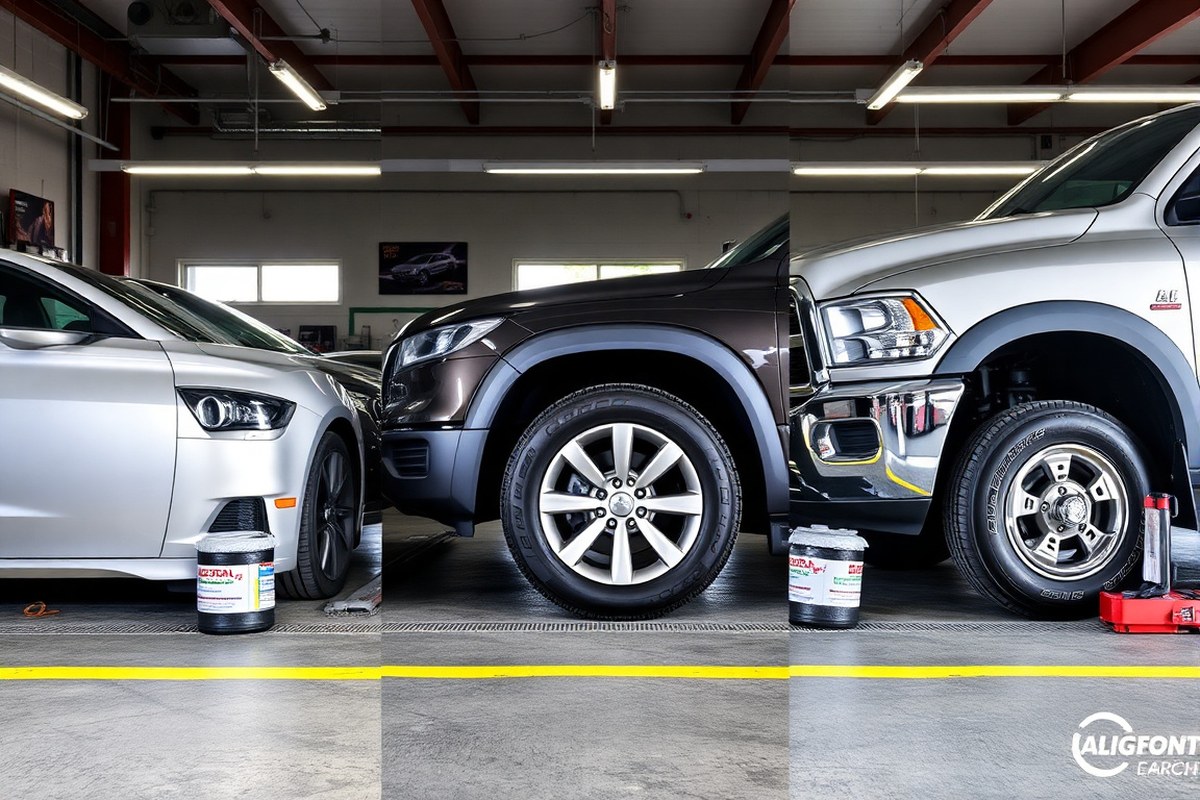
Vehicle type affects how long a wheel alignment takes. Compact cars usually need less time. Bigger trucks and SUVs take more time because of their size and complex suspensions.
| Vehicle Type | Average Alignment Time |
|---|---|
| Compact Cars | 30, 60 minutes |
| SUVs | 45, 75 minutes |
| Trucks | 60, 90 minutes |
| Air Suspension (add-on) | +20 minutes |
| Aftermarket Wheels (add-on) | +15 minutes |
The vehicle condition plays a big role in how long alignment takes. A broken suspension can even stop the job. Worn parts slow the work because mechanics inspect and may fix them first.
Larger wheels, like 33-inch tires on trucks, add to alignment time. Aftermarket or modified suspensions require extra care. Lifted trucks or lowered cars often take longer to adjust because of non-stock parts.
Check your suspension’s health before going for an alignment to avoid delays or extra repairs.
Technicians start by inspecting suspension and steering systems. That step helps spot problems that slow the alignment. Expect the process to take longer with four-wheel drive and adjustable rear suspension.
A compact sedan with 15-inch wheels takes less time to align. Heavy-duty pickups with big tires take longer.
Shops usually add 15 to 20 minutes for vehicles with complex setups. Expect your service time to reflect these factors.
Two-Wheel vs. Four-Wheel Alignment: What Takes Longer?
Two-wheel alignments usually take about an hour. Four-wheel alignments take closer to two hours.
Two-wheel alignments adjust only the front wheels, so they’re simpler. Four-wheel alignments check and adjust all wheels, which is why they take longer.
Two-Wheel Alignment Process Steps
This type of alignment focuses on correcting the front wheels. It is typically used on vehicles that have a solid axle at the rear. The process is faster since it requires fewer parts and changes but still demands accurate tools and careful measuring.
- Set the vehicle on an alignment rack and lift it if necessary.
- Attach alignment sensors or cameras to the front wheels.
- Measure the camber, caster, and toe angles of the front wheels.
- Compare measurements to the manufacturer’s specifications.
- Adjust the tie rods and control arms to correct the toe angle.
- Re-measure to confirm the adjustments are within specs.
- Lower the vehicle and perform a final road test to check handling.
This process usually takes 45 to 60 minutes. It suits most older cars with solid rear axles or those that don’t require rear-wheel adjustments.
Four-Wheel Alignment Process Steps
This type covers all four wheels and suits vehicles with independent rear suspensions. Four-wheel alignment covers more angles and parts, so it takes about twice as long. It’s required after suspension repairs or for modern cars for better precision.
- Place the vehicle on the alignment rack and secure all four wheels.
- Attach sensors or cameras to every wheel for angle measurements.
- Measure camber, caster, toe, and thrust angles on all wheels.
- Check measurements against the manufacturer’s specs for all wheels.
- Adjust the front and rear suspension components as needed.
- Re-measure to ensure every wheel is aligned within spec.
- Lower the vehicle and road-test for proper handling and tracking.
This procedure generally takes 90 to 120 minutes. It works for most newer vehicles. It also suits cars with control arms or tie rods replaced.
Choosing the Right Alignment Type
Two-wheel alignments cost less and take less time. They only fit cars with solid rear axles.
Four-wheel alignments suit most modern and all-wheel-drive vehicles for better accuracy. You must get a four-wheel alignment if you replaced suspension parts affecting wheel geometry.
For older cars without rear adjustments, two-wheel alignment is fine. Many newer cars need four-wheel alignment to meet the manufacturer’s specs. The vehicle manual or a trusted mechanic can confirm which type your car requires.
What Happens During the Wheel Alignment Process?
The wheel alignment process carefully lines up your car’s wheels with precise measurements. Technicians begin by setting up the vehicle, then measure the wheel angles. They adjust those angles carefully.
Then they check the steering wheel is centered. Finally, they make sure the specs are met.
Vehicle Setup and Sensor Attachment
The first step places your vehicle on an alignment rack. Technicians attach sensors or cameras to each wheel. These sensors track wheel position during the process.
Older vehicles or models with advanced suspension may take extra time during setup. The sensor system used often involves 3D cameras capturing wheel targets from four angles. This setup ensures high measurement accuracy before any adjustments begin.
Measuring and Adjusting Wheel Angles
Once the sensors are attached, technicians check current wheel alignment angles. They inspect suspension and steering parts to confirm they work properly. Suspicious components, like worn ball joints, can delay adjustments or require repairs first.
Adjustments follow, based on factory specifications and safety standards like SAE J1706. Technicians adjust camber, caster, and toe angles.
This step is often iterative, as one change may affect another angle. The goal is precise wheel alignment with the steering axis.
Here’s a typical alignment procedure:
- Place the vehicle on the alignment rack and secure it.
- Attach sensors or cameras to each wheel’s rim.
- Calibrate the cameras and run roll-out calibration to verify sensor readings.
- Inspect suspension and steering components for damage or wear.
- Measure initial wheel alignment angles and compare to specs.
- Adjust camber, caster, and toe on each wheel as needed.
- Repeat measurements and adjustments until readings meet specifications.
- Remove sensors after final approval.
Final Checks and Steering Wheel Centering
After adjustments, the technician verifies the final alignment readings. The steering wheel must be centered, not tilted. They reposition the steering wheel by adjusting the tie rods when needed.
They also ensure the vehicle complies with Electronic Stability Control rules (FMVSS 126). This verification wraps up the alignment and confirms safety and driving comfort. A proper check typically takes a few minutes but prevents costly tire and suspension problems.
How Repairs and Vehicle History Affect Alignment Time
Alignment usually takes 60 to 90 minutes for a typical four-wheel adjustment. Repairs like worn suspension parts add time to the job. Tire replacements must be done before alignment.
These fixes take extra time. Older or neglected vehicles often require more work, lengthening the total service time.
Common Repairs That Delay Alignment
Suspension parts often wear out and need replacing before an alignment. Tie rods, ball joints, and control arms frequently cause issues. Tires with uneven wear or damage might also require swapping before the alignment begins.
These repairs take extra time and labor. For example, tie rod replacement can add 30 to 60 minutes to the visit. Ball joint repairs take extra time, around 45 minutes to over an hour.
Control arm swaps also vary in time. It depends on how hard the job is.
- Tie rod replacement: +30 to 60 minutes
- Ball joint replacement: +45 to 75 minutes
- Control arm replacement: +45 to 90 minutes
- Tire replacement: ~30 minutes or more
- Suspension bushing repairs: +30 to 60 minutes
How Repairs Change the Alignment Workflow
Technicians start with a pre-alignment check to spot worn or damaged parts. When technicians find problems, they stop the alignment to fix them first. This adds several steps and lengthens the total time.
After repairs, the vehicle goes back on the alignment rack. The parts must settle in place.
So sometimes they do a quick test drive too. Finally, the alignment measurements and adjustments are finished.
Older and Poorly Maintained Vehicles Take Longer
Cars over 10 years old or with patchy maintenance often have rusted or stuck parts. These make repairs harder and slower. Sometimes bolts break, or parts don’t come loose easily, adding unplanned time.
Also, older vehicles may need extra checks for bent or damaged suspension components. This inspection can add 15 to 30 minutes before work even starts. Delays build up, especially at busy shops without appointments.
Spotting Repairs That Extend Alignment Times
Look for uneven tire wear or vibration in the steering wheel. These signs usually mean worn suspension parts need fixing. Your vehicle pulling to one side or sloppy steering means longer service time.
Keep a checklist handy when talking to the shop:
- Notice any clunks or rattles while driving
- Check for uneven or bald tire spots
- Report pulling or drifting during driving
- Ask if they expect parts replacements
- Request an estimate on extra labor time
Getting a full vehicle inspection before scheduling alignment helps avoid surprise delays.
Cost and Time Tradeoffs for Repairs
A standard four-wheel alignment may cost around $89 without repairs. Repairs can add $100 to $500 or more, depending on parts and labor.
These costs might seem high. But they prevent major damage and save money over time.
Delaying repairs leads to faster tire wear or suspension damage. Planning for extra service time and money upfront means smoother, safer driving later. Alignments combined with necessary repairs keep your vehicle handling correctly and extend its life.
Dealership vs. Local Shop: How Service Location Impacts Alignment Duration
Dealerships usually take 60 to 90 minutes for a four-wheel alignment. They often use brand-specific equipment and follow precise manufacturer specs. This thoroughness can slow the process but aims for exact results.
Local shops with modern 3D camera systems can finish alignments in 45 to 75 minutes. These shops rely on well-calibrated universal tools that handle most vehicles quickly. They often offer same-day service and may require less wait time.
Dealership alignments tend to be more detailed but can include longer wait times. These shops may need more paperwork and quality checks, extending your visit. Independent shops focus on speed and efficiency, which can save time.
Sometimes, dealerships charge more for alignment than local shops. The higher cost reflects the specific training and equipment used. Meanwhile, many independent shops offer competitive prices with strong accuracy.
Choosing between them depends on your needs for speed and precision. For faster service with similar accuracy, choose an independent shop. For newer or luxury cars, a dealership might better ensure exact manufacturer standards.
Booking your appointment can cut wait times in both places. Dealerships often require appointments.
Some local shops take walk-ins but might have a wait. Calling ahead or scheduling online helps you get in and out faster.
Remember, shops using older cable-based equipment take longer to set up. Modern 3D alignment machines streamline the process with faster calibration. Asking about the equipment before booking can save you time at the shop.
Dealerships give detailed care in about 60 to 90 minutes. Wait times tend to be longer there.
Local shops typically move faster, finishing the job in under an hour with solid accuracy. Pick your spot based on your schedule and car needs.
How to Prepare Your Car to Speed Up Alignment Service
Check your tire pressure before the appointment. Proper pressure helps the technician get accurate readings fast. Under-inflated or over-inflated tires slow down the process and can affect results.
Remove all extra cargo from the vehicle. Heavy loads change suspension height and stance, causing extra adjustments.
This adds 15 to 30 minutes to your alignment time. Also, take off roof racks or large modifications that might block access to wheels.
Arrive on time or a few minutes early to avoid delays. Shops usually schedule appointments tightly for alignment services. Being late can push your slot back and extend your waiting time.
- Use a gauge to check your tire pressure. Inflate tires to the psi on your door jamb. This number shows the recommended pressure for your tires.
- Clear out heavy items and unnecessary gear from your trunk and back seats
- Remove bulky external mods like roof racks if possible
- Confirm your appointment time the day before by phone or text
- Bring your vehicle’s owner manual for reference if asked
- Turn off your cruise control and stability control features before the service
You can expect the full alignment on its own to take 45 to 75 minutes. Adding an alignment to a tire installation adds 45 to 60 minutes more. Proper prep helps the technician set up quickly and prevents rechecking errors.
Don’t overload the vehicle with passengers or cargo on the day of service. The suspension needs to sit naturally for a precise alignment. Prepping your car well saves you time and ensures a safer, more effective alignment.
Signs You Need an Alignment and How It Affects Timing
A crooked steering wheel or your car pulling to one side signals a misalignment. Uneven tire wear also often means your wheels aren’t aligned correctly. These signs shouldn’t be ignored because they cause more serious problems over time.
Waiting too long after noticing these symptoms can make the alignment take longer. Your tires wear unevenly or suspension parts can wear out.
The mechanic needs extra time to fix these issues first. This adds to the cost and time of the alignment process.
Poor alignment forces your tires to wear out unevenly, sometimes within a few thousand miles. You might see more wear on one edge or patches worn smooth faster than the rest. This not only wastes your tires but hurts your vehicle’s safety by reducing traction and control.
- Steering wheel off-center when driving straight
- Vehicle pulls gradually to one side without braking
- Visible uneven or patchy tire tread wear
- Vibrations felt through the steering wheel
- Reduced fuel efficiency despite normal driving
- Tire wear causing premature replacement needs
- Difficulty keeping the vehicle going straight
Most tire shops start with a quick inspection and test drive to check these symptoms clearly. A careful check may add a few minutes but finds hidden problems behind the misalignment. Good shops show you worn parts before fixing them.
Don’t delay alignment service once you notice clear symptoms. Prompt care saves your tires and keeps driving safer.
The sooner you get an alignment after spotting issues, the less likely you face added repairs. With timely service, the process can take about 30 to 60 minutes under normal conditions. Waiting lets damage get worse.
This causes more time and costs. Worn suspension parts might need repair or replacement first.
Common Alignment Time Pitfalls and How to Avoid Them
Rust and damaged suspension parts often slow down alignment jobs. Rusted bolts can take extra time to loosen.
Bent or worn parts need repairs before alignment. Technicians must assess these issues first to avoid inaccurate results or extra visits.
Using the wrong equipment or missing calibration can also stretch the appointment. Specialized alignment machines require regular maintenance and correct setup for fast, precise work. Incorrect tools mean more adjustments and longer waits as techs fix errors.
A key way to keep alignment times short is to check your vehicle thoroughly before arriving. Make sure tires are properly inflated and no parts show obvious damage. Also, inform the shop about past repairs or suspension concerns to help them prepare.
- Have your tires inflated to proper pressure before the visit
- Inspect for bent or broken suspension parts; replace them first
- Tell the technician about recent accidents or repairs
- Choose a shop with well-maintained, calibrated alignment equipment
- Avoid last-minute add-ons like tire balancing during the alignment
Technicians check for visible damage and hard-to-turn bolts first. They use these signs to decide if repairs come before alignment. This helps ensure proper wheel alignment later.
This decision rule saves time and prevents inaccurate measurements. When rust or part failure is found, fixing it first saves extra work.
This step avoids undoing alignment later on. Addressing issues early means smoother repairs afterward.
You can speed up your appointment by booking an experienced shop known for efficiency. Skilled techs spot problems earlier and handle the alignment faster. This avoids the frustration of delays and keeps your vehicle on schedule.
Step-by-Step Action Plan for a Fast Wheel Alignment
Follow these steps to get your wheel alignment done quickly and smoothly. Each step helps ensure fast service and good results.
- Before your appointment: Check your tire pressure and inflate to the recommended level. Proper pressure helps the mechanic get accurate alignment measurements.
- Day of service: Remove extra weight and clear the car’s undercarriage. This makes it easier to work and can speed up the process.
- Arrival: Arrive a bit early to complete any paperwork and explain your concerns clearly. This avoids delays and confusion.
- During the service: Ask the technician to explain each step as they proceed. Understanding what’s happening can help confirm the job’s done right.
- After alignment: Test drive your car briefly to feel the difference. Proper alignment should improve handling and reduce steering effort.
- Within a week: Check your tires for uneven wear or pulling. Problems persist? Schedule a re-check soon.
- After a month: Schedule your next alignment check. Check sooner if you drive rough roads often. Regular checks keep your wheels aligned longer.
Frequently Asked Questions
Can an Alignment Be Done in 20 Minutes?
A full wheel alignment usually takes about 45 to 75 minutes. Quick checks might be faster but won’t replace a complete adjustment. Rushing the service can miss important corrections and cause uneven tire wear.
How Much Does Wheel Alignment Cost?
Wheel alignment prices vary between $50 and $100 on average. Costs depend on your vehicle and shop location. Always ask for a quote upfront to avoid surprises and confirm what’s included with the service.
Will My Car Drive Better After an Alignment?
Yes, a correct wheel alignment improves handling and tire wear. You’ll likely notice smoother steering and better fuel efficiency. Misalignment can cause pulling and vibration, so service helps your car feel more stable.
Is $100 a Lot for an Alignment?
Paying $100 is normal for a four-wheel alignment at many shops. Some places charge less or more based on their equipment and expertise. Avoid the cheapest offers since quality matters a lot to prevent damage.
How Long Does Wheel Alignment Take?
Expect a wheel alignment to take between 30 and 90 minutes. It varies by vehicle, condition, and whether a two or four-wheel alignment is done. Preparing your car and picking a good shop can speed things up.
Wrapping Up
Getting a wheel alignment usually takes about an hour. But preparing your car can speed it up.
Good preparation helps the mechanic focus on fixing your alignment, not troubleshooting issues. Schedule your appointment soon to keep your car driving straight and safe.