How Long Does an Oil Change Take at a Dealership? Complete Timing Guide
You may wonder how long a dealership oil change usually takes. The process often ranges between half an hour and one hour. This covers removing old oil, fitting a new filter, and topping up fresh oil.
Still, the total time you spend there might stretch to 1 or 2 hours. Waiting in line, checking in at the service desk, and any other vehicle inspections add to the time. Some dealerships also perform multi-point checks during service, which take extra minutes.
To cut your wait, try booking an appointment early and avoid peak times like weekends. Calling ahead or scheduling online can secure your spot and speed up check-in. Keep in mind, some added services like topping off fluids or tire pressure checks may extend your visit but benefit your car’s health.
Key Takeaways
- A standard oil change at a dealership generally takes 30 to 60 minutes.
- Total visit times often extend to 1 to 2 hours due to waiting and checks.
- Scheduling an appointment can reduce wait time and streamline the process.
- Dealers typically include a multi-point inspection alongside your oil change.
- Busier service bays mean longer waits, even if the oil change is quick.
- Types of oil and vehicle can impact how long the oil change takes.
How Long Does an Oil Change Usually Take at a Dealership?
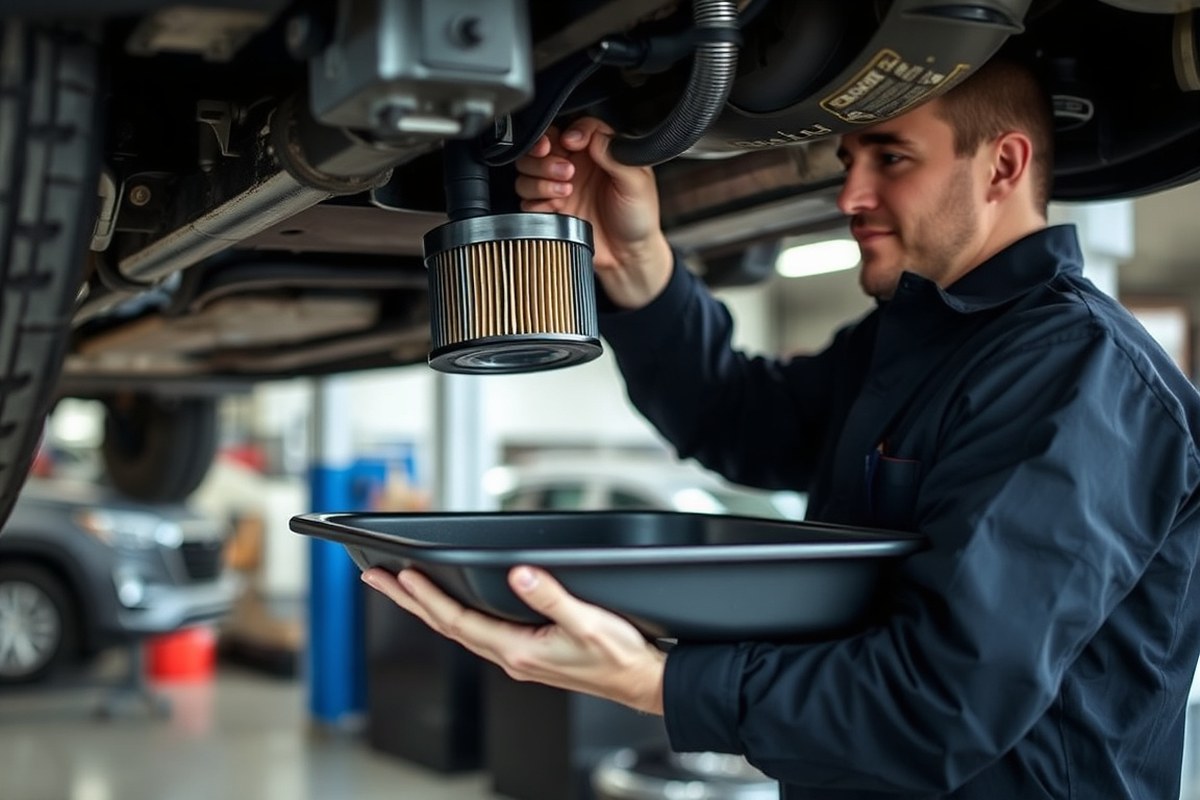
Getting an oil change at a dealership often takes 30 to 60 minutes. This time covers draining old oil, changing the filter, and adding new oil. Skilled mechanics can usually complete the job in 20 to 30 minutes.
The total time you spend there often stretches to 45 to 90 minutes. The visit includes checking you in and handling paperwork. Then you wait for a technician to start working on your car.
Finally, you complete the payment process. Dealerships have steps that can increase your visit time.
Even if the actual work goes quickly, these steps still add up. This can include waiting and moving through service stages.
Your visit might take longer if the dealership is busy. Extra checks on your oil or car can also slow things down. These factors add to the total service time.
For example, a tire rotation or fluid inspection can add 15 to 45 minutes more. Expect the whole process to take closer to an hour or more in these cases.
Think of the actual oil change as just one part of your appointment. Your total time covers more than just the oil change. It includes customer service interactions and computer system checks.
Sometimes they also do a quick look at other parts. These steps help catch problems early but push your total visit past the basic service time.
What Are the Main Steps During a Dealership Oil Change?
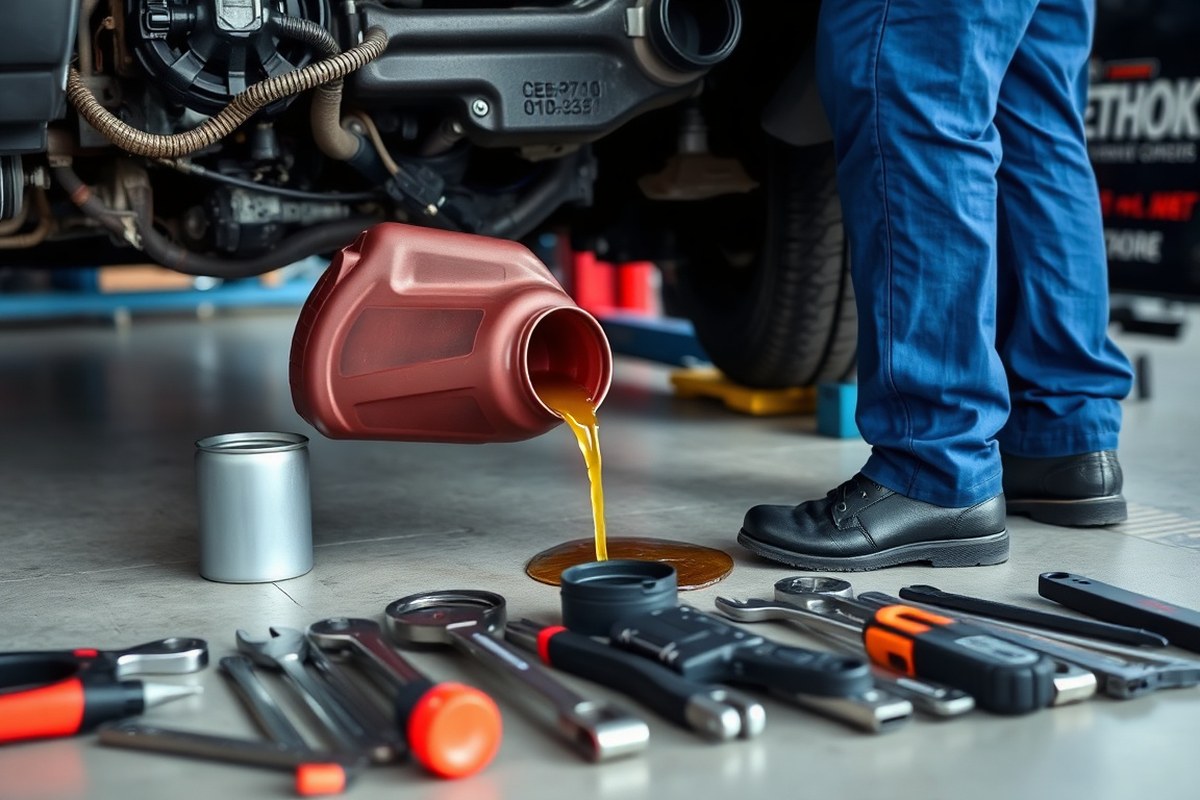
The oil change at a dealership follows set steps to ensure quality and safety. Technicians start with check-in at the service desk. They drain old oil next.
Then, they change the filter and run vehicle inspections. The whole process usually takes 45 minutes to an hour due to these extra checks.
Check-In and Service Write-Up Process
You bring your vehicle to the service desk. Staff there confirm your oil change details. They check your car’s make, model, engine type, and oil requirements.
This step takes about 5 to 10 minutes. It makes sure the right oil and filter are ready.
Technicians may also log current mileage and ask about any concerns. This info guides the technicians on what to watch for during the service.
Oil Drain and Filter Replacement Procedures
The technician raises your car to access the oil drain plug and filter. They take out the drain plug first.
The old oil drains fully in about 10 to 15 minutes. This is the longest part and cannot be rushed without risking leftover old oil.
Next, they remove the old oil filter and install a new one that matches your vehicle. Next, they refill with the right type and amount of oil. Usually, this is synthetic or conventional oil based on your car’s specs.
Each of these steps takes 5 minutes or so. But setup and cleanup add extra time.
Additional Inspection and Vehicle-Specific Checks
Dealerships often include a multi-point inspection during your oil change. They check fluids, brakes, tires, belts, and hoses while your car is lifted. This inspection takes about 15 to 20 minutes and helps spot issues early.
Some vehicles require extra manufacturer-specific checks or software updates. These can add time but ensure your warranty stays intact and your car runs right.
Service Reset and Final Quality Checks
Technicians reset the oil change service light or check engine indicators if needed. This step takes a few minutes and confirms your dashboard displays correct information. The process may require a special diagnostic tool at the dealership.
Finally, they run a quick road test or double-check fluid levels and leaks. This final quality control makes sure the oil change was successful and safe.
- Confirm vehicle info and service type at check-in
- Raise car and drain old oil completely
- Remove and replace oil filter with the correct one
- Refill engine with manufacturer-recommended oil type and amount
- Perform multi-point inspection of fluids, brakes, tires, and belts
- Run any required vehicle-specific health checks or updates
- Reset service lights and run final diagnostics
- Conduct final leak check and optional test drive
Don’t rush the draining step, it takes the longest but must be thorough to avoid damage.
Why Can a Dealership Oil Change Take Longer Than Expected?
Multi-Point Inspections Add Extra Time
Dealerships almost always include a multi-point inspection with every oil change. This inspection checks tires, brakes, fluids, and other parts to catch issues early. It usually adds 20 to 30 minutes after the oil change itself.
This inspection helps protect your car. The whole visit can take 45 minutes or more. 2 | Some dealerships take up to 90 minutes for oil changes.
These extra checks add time. 3 | Showing up during peak hours or weekends can cause waiting times. Your car may wait before lift access.
4 | A cold engine means more time to drain and fill the oil. This slows the process. 5 | Dealerships might run out of certain oils or parts sometimes.
They may need to order them. Some dealerships report average oil change visits taking up to 90 minutes because of these extra checks.
High Shop Traffic Can Delay Service
Busy dealerships often have many cars waiting for oil changes. If you show up during peak hours or weekends, you might wait before your car even gets lift access. That adds to your total visit time.
Staff may handle several cars at once. So your oil change isn’t always the first priority.
Calls, walk-ins, or unexpected repairs also stretch out the schedule. Waiting can add 15 to 30 minutes or more.
Vehicle Complexity Affects Timing
Advanced vehicles with complicated engines take longer to service. European or luxury brands sometimes need more time to reach and change the oil filter. Hybrid or turbocharged models require special care during oil changes.
Older cars or those with tough-to-reach components can slow technicians down. These tricky steps add 10 to 20 minutes beyond a standard oil change. The more complex your vehicle, the longer you’ll likely wait.
Special Oils Require Extra Handling
Some dealerships use synthetic oils or manufacturer-recommended blends. These oils cost more and need careful handling during the change. The staff measure and pour carefully to avoid mistakes.
This extra care typically adds 5 to 10 minutes. Cold weather makes oil thicker too, so winter changes often take longer. If the engine is cold, it takes more time to drain and fill the oil.
Waits for Approvals or Additional Orders
Sometimes, technicians need approval before adding extra services found during inspections. This step means waiting for your go-ahead or manager confirmation. It can add 10 to 20 minutes depending on communication.
If the dealership is out of certain oils or parts, they may need to order them. Your oil change might pause until the supplies arrive, causing delays that could last hours. Dealers usually notify you if this happens.
How Does Having an Appointment Affect Oil Change Timing?
Booking an appointment at the dealership usually makes the oil change faster. Technicians plan ahead, which cuts down your wait time. Without an appointment, you could face longer delays before they start your service.
The actual oil change with an appointment typically takes about 30 minutes. Walk-ins often add extra wait times due to unpredictable customer flow. Dealerships require appointments most of the time to keep things running smoothly.
Choosing the best time for your appointment means picking off-peak hours. Early mornings or weekday afternoons often see fewer customers. Avoid lunch hours and late afternoons when service bays fill up quickly.
- Call or use the dealership’s online system to schedule your oil change.
- Pick a time early in the day or midweek for shorter waits.
- Check if the dealership offers express service or package deals.
- Confirm the appointment a day before to avoid scheduling errors.
- Allow at least 30 to 60 minutes total for the visit.
During busy seasons, even appointments can slow down if the schedule is packed. Successful scheduling depends on the dealership’s workflow and technician availability. Diesel or larger vehicles might need extra time regardless of appointment slot.
Booking your service in advance gives you a clearer estimate of when you’ll be done. You gain the benefit of less waiting in the lounge and faster turnaround. Skipping appointments risks longer waits and possible rescheduling at busy dealerships.
How Do Vehicle and Oil Types Influence Oil Change Duration?
Switching from conventional to synthetic oil can add 10 to 15 minutes to your oil change. This happens because synthetic oils often require more careful handling and disposal. However, the oil type itself usually isn’t the biggest delay in the process.
Your vehicle’s design has a bigger effect on how long the oil change takes. Some cars have oil filters hidden under plastic covers or tough-to-reach areas. Removing underbody shields or accessing cartridge-style filters can add extra steps.
| Vehicle Make/Model/Year | OEM Oil Filter PN | Recommended Oil Viscosity | Standard Labor Time (minutes) | Notes |
|---|---|---|---|---|
| Toyota Camry XLE (2021, 2023, 2.5L A25A-FKS) | 90915-YZZD1 | SAE 0W-16 API SP | 38 | Underbody shield removal required (2 fasteners). MAF relearn |
| Honda CR-V EX-L (2020, 2022, 1.5L L15B7) | 15400-PLM-A02 | SAE 0W-20 API SP | 42 | Cartridge-style filter under plastic cover. Torque spec: 25 |
| Ford F-150 XL models from 2021 and 2023 feature a 3.5L EcoBoost V6 engine. | FL-500S | SAE 5W-20 API SP | 68 | Front-wheel-drive, more complex filter location |
Some cars have tricky engine setups. The Ford F-150 is one of these. Its oil change might last over an hour.
Extra parts removal and specific torquing steps can add 20 to 30 minutes. Simpler models usually finish within 40 minutes.
Check with the dealership about your car first. Ask if they remove shields or reach cartridge filters. This helps avoid surprises.
Some oil changes get longer if your vehicle requires extra inspections or fluid top-ups. Synthetic blends can last up to 7,500 miles.
So you don’t need to rush the service often. Using the right oil and following your vehicle’s schedule keeps oil changes straightforward.
What Additional Services Are Typically Included with Dealership Oil Changes?
Dealership oil changes usually include more than just replacing the oil. They often add a multi-point inspection to check important vehicle parts. This inspection looks at brakes, battery, belts, hoses, lights, and tire condition.
Technicians also top off essential fluids like windshield washer fluid, coolant, and brake fluid. These small tasks help keep your car running smoothly between services. Fluids are checked to maintain the right levels, preventing damage or performance issues.
Tire rotation is another common add-on service during your oil change. It moves tires to even out wear and extend their life. This extra step keeps your car safer on the road.
It also helps you save money on new tires. These benefits add up over time.
- Multi-point inspection checks brakes, belts, battery, and lights
- Fluid top-offs for coolant, brake fluid, and windshield washer
- Tire rotation to evenly wear tires and improve safety
- Basic vehicle systems check, such as wipers and horn
- Cabin air filter replacement on some visits
- Brake inspection to catch wear or damage early
These extras add to the total time your car spends at the dealership. An oil change usually takes 30 to 45 minutes. Adding an inspection and tire rotation can take longer.
That can stretch the total time to one or two hours. The more services you choose, the longer your visit will be.
Costs also rise with these added services. Synthetic oil changes at dealerships often range from $75 to $130. Adding tire rotation or a full inspection raises the cost.
Expect an increase of $20 to $50 or more. The price depends on labor and parts used. Though pricier, this full-service approach gives you a thorough checkup, helping avoid bigger problems later.
How Can Customers Prepare to Minimize Wait Times at the Dealership?
Bring your car’s registration and proof of insurance to the dealership. The service team needs these for your vehicle’s record and billing. Also, have your key or key fob ready; it speeds up the check-in process.
Write down any concerns or questions before you arrive. That way, you won’t forget to mention important details during service. Clear communication helps the team understand what you expect.
Choosing when to schedule can cut down wait times a lot. Early weekdays, especially Tuesday through Thursday, tend to be less busy. Booking first thing in the morning usually means your car is early.
It often gets worked on near the start of the day. This can help your wait time.
- Confirm your appointment 24 hours before to avoid no-shows
- Describe your vehicle’s oil type and mileage at booking
- Bring any previous service records if it’s your first visit
- Ask if the dealership runs batch oil changes and how it affects timing
- Request an estimated wait time upfront to plan your schedule
Expect to spend about 30 to 45 minutes for the oil change. This happens at a quiet time in the dealership. They work on your car alone during this time.
Wait times might be longer if the shop is busy. Sometimes many cars get serviced in one batch. This can slow down how fast they work.
Ask about drop-off and pick-up options if you need to leave. Some shops allow you to leave your car and come back later. This helps if you can’t wait.
Call ahead if your schedule is tight and ask about express service. They might prioritize your car to speed things up. This can save you some waiting time.
Some dealerships offer loaner cars or shuttle rides, so ask if these are available. Planning ahead keeps things smooth and gets your car back on the road faster.
How Does a Dealership Oil Change Compare to DIY or Quick-Lube Shops?
Doing an oil change yourself often takes about 30 to 60 minutes. This includes draining the old oil, replacing the filter, and adding new oil. You’ll save money on service fees but spend more time and effort handling tools and disposal.
Quick-lube shops usually finish oil changes faster, about 20 to 30 minutes. They specialize in fast service but may not check other parts of your car as thoroughly.
Their prices tend to be lower than dealerships. But extras like inspections or fluid top-offs might not be included.
Dealerships generally take longer, between 45 minutes to an hour or more. They charge more but include a full vehicle inspection and use manufacturer-approved oil and filters. That thoroughness can help spot other issues early, which might save money later.
| Service Type | Typical Duration | Cost Range | Thoroughness |
|---|---|---|---|
| DIY Oil Change | 30-60 minutes | Oil + filter price only | Variable: depends on you |
| Quick-Lube Shop | 20-30 minutes | Lower than dealership | Basic oil and filter change |
| Dealership Service | 45-60+ minutes | Higher, includes inspections | Thorough, with checks beyond oil |
You might pick a quick-lube shop for a fast oil change. They usually charge less. This works well if your car is in good shape.
Opt for a dealership if you want a detailed check and original parts. DIY works well if you have the tools and want to keep costs very low. But it takes more time.
Make sure to dispose of old oil properly to protect the environment and follow local laws.
When Should You Be Concerned About Oil Change Delays at a Dealership?
Waiting over 90 minutes for an oil change usually means a delay. It often takes less time than that. You might want to check in about the hold-up.
You should ask clear questions if you notice the wait stretching too long. Knowing when to get explanations or reschedule helps you avoid wasting time.
Common Causes of Excessive Wait Times
Sometimes, dealerships deal with more cars than usual. Busy days or unexpected staff shortages can stretch wait times over 90 minutes. Other times, technicians may find extra vehicle problems during your service.
Delays can also happen if they use specific parts or oils not in stock. These situations require ordering and cause longer waits. Remember, a normal oil change usually finishes within 45 minutes to an hour at most.
What to Ask Dealership Staff During Delays
Ask how much longer your oil change will take and why it’s delayed. You can say, “Can you update me on the status and the expected finish time?” This shows you care about the timing without sounding upset.
Inquire whether the delay comes from added repairs, parts availability, or staff issues. A good question is, “Is the extra work approved by me, or can it wait?” This helps you avoid unexpected charges or waiting for repairs you didn’t agree on.
How to Handle Unexpected Service Issues
Ask for a clear explanation if they find extra problems. Also, get a price estimate before they start more work.
You might say, “Can you explain these issues and how much they cost before you start?” This keeps you informed and ready to decide.
If wait times pass two hours without clear reasons, speak up. Ask for compensation or see if you can reschedule. Don’t wait too long if you can’t.
You could say, “This wait is longer than expected. Can we reschedule, or will you offer any compensation?” Facilities may offer discounts or priority bookings next time.
Step-by-Step Action Plan for a Smooth Dealership Oil Change
Follow these steps to get in and out quickly with a quality oil change. Each step saves you time and avoids surprises at the dealership.
- Before Your Visit: Check your owner’s manual to confirm the right oil type and interval. This helps the service team prepare and speeds up the process.
- Day of Appointment: Call the dealership early to confirm your time and ask about any specials. Confirming reduces wait times and ensures they have parts on hand.
- Arrival: Arrive 10 minutes early and have your key and registration ready. Being prompt avoids delays getting started.
- During Service: Ask about other checks included with your oil change. These may include fluid levels and tire pressure. Knowing this helps you get full value from the service. Knowing this helps you stay informed without extra waiting.
- After Service: Inspect the work before leaving. Check for fresh oil on the dipstick and saved service records. This confirms the job finished properly.
- Follow Up: Mark your calendar for the next oil change. Base it on your car’s mileage or time since last change. This helps you keep on top of maintenance. Staying on schedule prevents engine issues and saves time later.
Frequently Asked Questions
How Long Does a Typical Oil Change at a Dealership Take?
A standard oil change at a dealership usually takes 30 to 60 minutes. It may take longer if other services or inspections are happening at the same time.
Can Oil Change Wait Times Vary During Busy Dealership Hours?
Yes, wait times can be longer during peak hours or busy days. Scheduling an appointment helps reduce wait times and get your car serviced quicker.
Is It Normal for a Dealership Oil Change to Take More Than an Hour?
It can happen, especially if the dealership performs more checks or maintenance. Ask the staff what work they’re doing if the wait seems unusually long.
Do Dealerships Use Special Oil Brands That Affect the Change Time?
Some dealerships use manufacturer-recommended oils, including synthetic types, which might take slightly longer to handle. These oils protect your engine better but don’t add much to the service time.
Does the Type of Vehicle Impact How Long an Oil Change Takes at a Dealership?
Yes, larger or luxury vehicles often require more time for oil changes. Complex engine designs or hard-to-reach filters can make the process slower.
Before You Go
Dealership oil changes usually take 30 to 60 minutes. Times vary based on your car type and scheduling. Booking ahead helps avoid delays and saves you time.