Car Makes Squeaking Noise When Driving: 9 Proven Causes and Fixes
Your car makes squeaking noise when driving, and you need to fix it fast. Squeaks often come from worn brakes, loose belts, or steering problems. The key is to pinpoint where the noise comes from to avoid costly damage.
First, pay attention to when the squeak happens. When the noise occurs during braking, your brake pads might need replacement soon. Noise during steering or acceleration often points to belt or power steering problems.
Ignoring squeaking sounds can make your car unsafe or lead to bigger repairs. Start by checking your brakes, belts, and fluid levels. These common causes usually explain most squeaks and can guide you on what to do next.
Key Takeaways
- Squeaking during braking usually means worn or stuck brake parts.
- Noise while turning may signal power steering fluid is low or the pump is failing.
- Loose or worn belts often cause squeaks when the engine runs.
- Pay attention if the squeak happens in one wheel, it might be a caliper issue.
- Check if your tires are causing the noise due to improper pressure or wear.
- Driving with squeaks can worsen damage; get a mechanic to inspect soon.
1. What Causes a Car to Make Squeaking Noises When Driving?
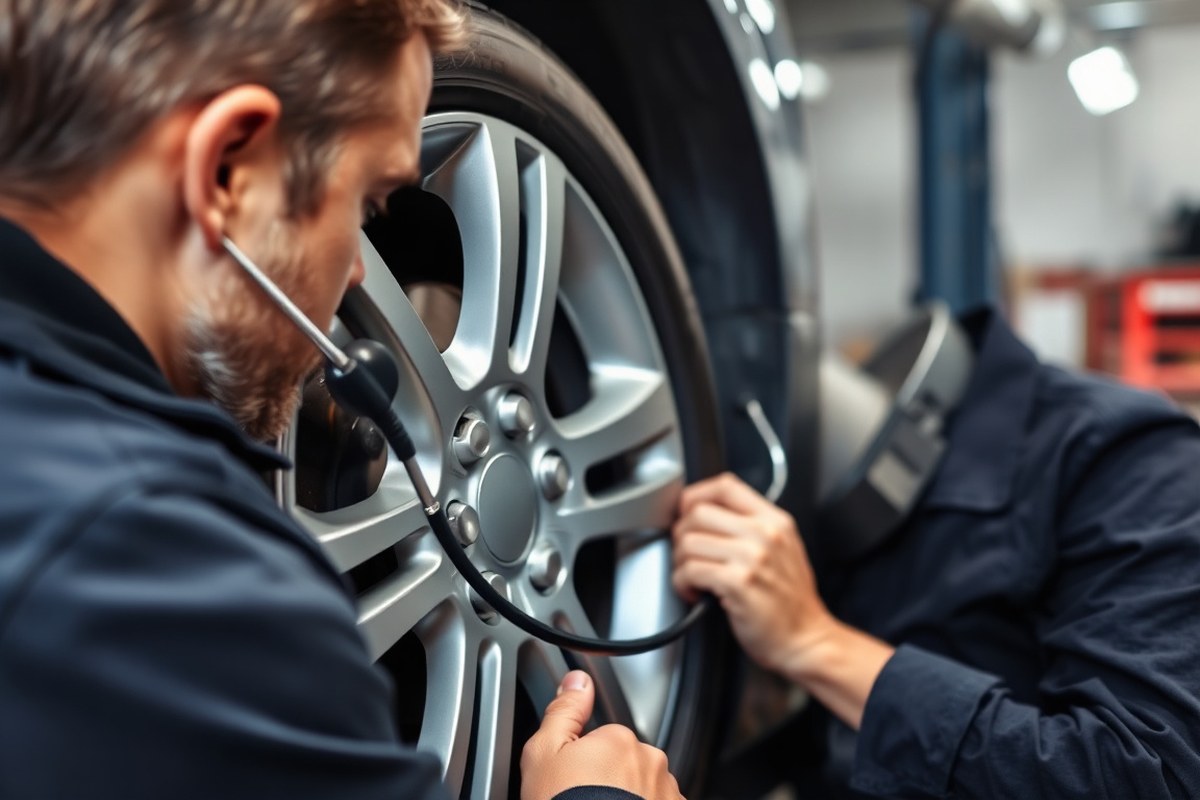
Squeaking noises while driving often come from several key areas of your car. Brakes often squeak when you apply them or drive slow. This comes from worn pads or smooth rotors.
Both need checking if you hear this noise. Belts under the hood cause squeaks, too.
They often squeak if loose or worn out. Fixing or replacing stops the noise.
Suspension and steering parts might creak when you go over bumps or turn the wheel. Worn bushings or faulty shock absorbers create these sounds. Tires might squeak from uneven wear or poor alignment.
Slick roads make tires squeak more, too. Check tires if you hear noises during driving.
Weather and moisture also affect squeaks. Damp conditions can cause belts and brakes to squeal more until parts dry.
Cooler temperatures may stiffen rubber components, making suspension noises louder. These environmental factors make identifying the exact cause trickier without checking the car.
Matching your squeak to symptoms helps narrow down the culprit. For example, a high-pitched squeal that happens only when braking usually points to brakes. Belts or alternator pulleys cause squeaks at idle or when revving.
You should inspect these parts if you hear the noise then. Squeaks during slow driving over bumps often come from suspension parts.
Squeaks fall into categories: brakes sound when stopping or slowing. Belts squeak while the engine runs. Suspension squeaks on rough roads.
Tires squeak with poor grip or wear. Environmental causes overlap with these but usually worsen existing noises.
Common reasons for squeaking by system include brakes with worn pads or dust buildup. Belts have wear or tension problems. Suspension issues involve bushings and shock absorbers.
Tires may be misaligned or worn unevenly. Steering systems with low fluid or damaged parts also contribute.
Moisture can cause belts and brakes to squeal, especially after rain or car washes. Cold mornings may stiffen rubber parts, causing temporary noises.
These conditions often clear up once the car warms or parts dry. But ongoing squeaks suggest a mechanical fault.
2. How to Identify If Brakes Are Causing Squeaking Noises
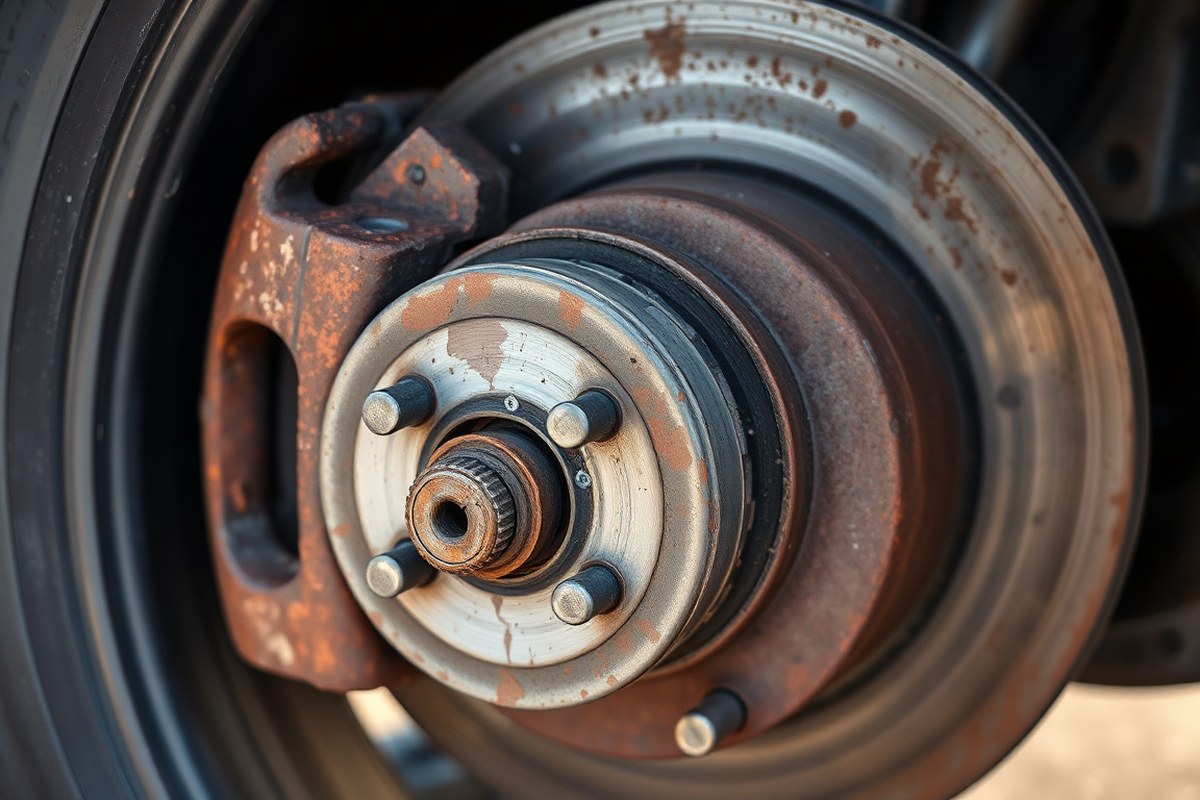
Brake squeaking while driving often comes from worn pads or stuck calipers. These noises usually sound sharp or high-pitched and can happen whether you’re braking or coasting. Knowing when and what sound to listen for helps pinpoint if brakes cause the squeak.
Signs of Worn Brake Pads
Worn pads create a distinct high-pitched squeal, especially when you brake. This happens because a built-in metal wear indicator rubs against the rotor to alert you. Sometimes, squeaking happens even without braking, signaling the pads are dangerously thin.
Glazed pads and rotors also cause squeaking. They make a smoother, almost rubbing sound as the hardened pad slides over the rotor. Dust buildup can cause a light squeak.
This sound fades after a few brake uses. It’s different from squealing caused by wear or damage.
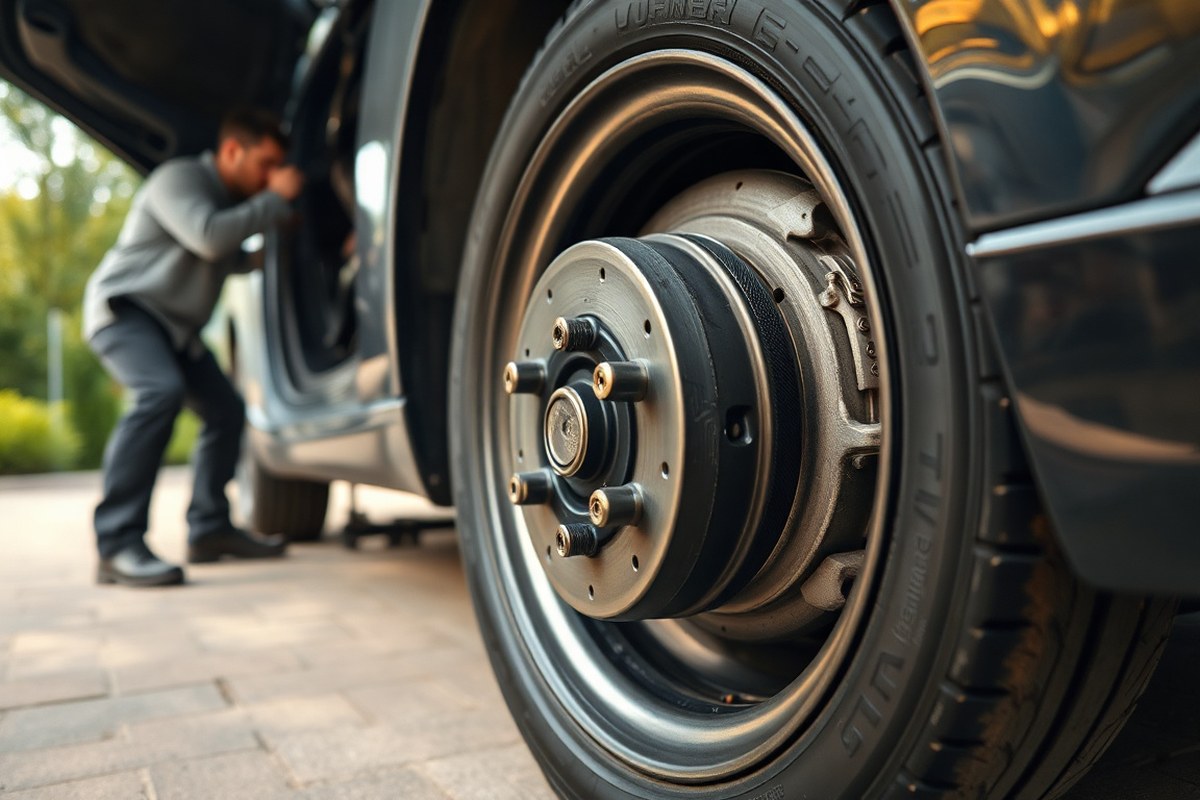
How to Inspect Brake Rotors and Calipers
Look for uneven wear or shiny, smooth spots on the rotors. These signs mean glazing. Also check rotors for grooves or rust patches where debris settled.
A stuck caliper makes one wheel’s brake pad drag. This causes a continuous high-pitched squeal. The noise stays until fixed.
Press the brake and observe how the wheel moves or sounds. The noise may worsen or heat may build. This shows the caliper might be seized.
Check it promptly to avoid damage. Releasing the brake should stop rotor contact. You need to fix or replace the caliper.
Leaving it alone can worsen the problem. Repair soon to stay safe.
- Park on a flat surface and use wheel chocks.
- Remove the wheel with a lug wrench.
- Inspect the brake pads for thickness less than 1/8 inch.
- Look over the rotor for glazing or grooves.
- Check caliper bolts for tightness and signs of leaks.
- Move the caliper slider pins to test for sticking.
- Feel the rotor surface by running your fingers gently across it.
- Reinstall everything securely before testing drive.
Worn pads may not always squeak loudly; listen carefully and check thickness regularly.
Using Brake Pad Wear Indicators
Most brake pads have a small metal tab. It’s called a wear indicator. This tab makes a squeak when pads wear out.
The noise starts before the pad wears to metal backing. It warns you early about brake wear.
Don’t ignore this sound. Noise from the indicator appears only when driving or lightly applying brakes.
Check this indicator by looking closely at the pad from behind the wheel. The indicator touching the rotor means it’s time to replace pads. Waiting longer can damage the rotor.
Change pads soon for safety. Ignoring this squeak risks damaging the rotor, which drives repair costs higher and increases safety hazards.
3. Power Steering and Belt Issues as Squeak Sources
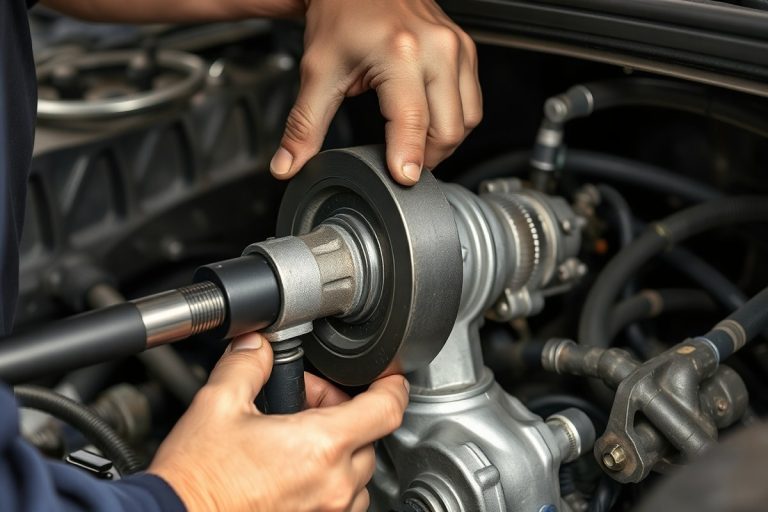
Loose or worn belts create squeaking sounds because they slip on the pulleys. Power steering pumps can squeak when fluid is low or the pump is failing. Checking fluid levels and belt tension helps pinpoint the exact cause and guide repairs.
Inspecting Serpentine and Fan Belts
The serpentine belt drives the alternator, power steering pump, and more. Over time, it stretches and cracks, losing grip and causing squeaks. A belt that’s too loose will slip, especially when cold or accelerating.
Look closely for cracks, a glazed surface, or missing chunks. You should also check how tight the belt feels. A properly tensioned belt should not move more than half an inch.
Press hard midway between pulleys to check movement. The belt should feel tight and secure.
Replace the serpentine belt every 60,000 to 100,000 miles, or sooner if damaged. A worn belt can snap, causing engine parts to fail.
This might lead to breakdowns or the engine overheating. Replace belts before they wear out to avoid trouble.
Checking Power Steering Fluid Level
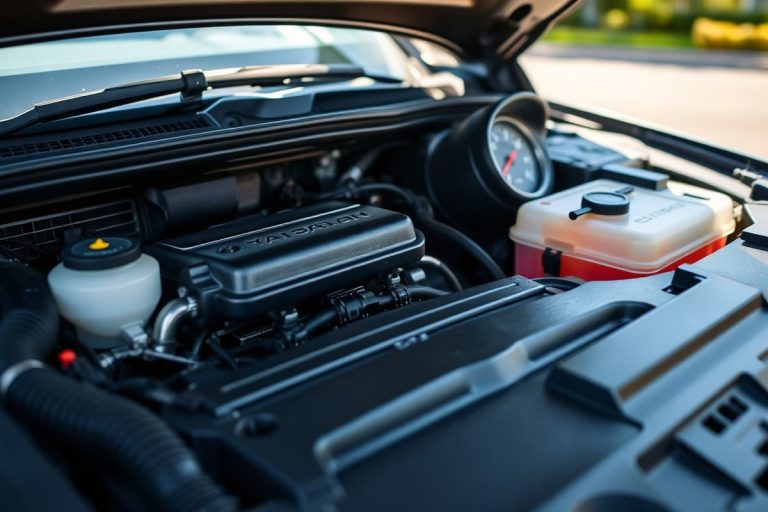
Low power steering fluid often causes squeaks during steering, especially on older hydraulic systems. Checking fluid is quick and requires opening the hood and finding the reservoir. It usually sits near the engine and has a clear or labeled container.
Before checking, turn off the engine and let the car sit to calm the fluid. Use a clean rag to wipe the dipstick or inspect the marks on the reservoir. The fluid level should be between the minimum and maximum marks.
Here’s how to check your power steering fluid:
- Open your car’s hood and locate the power steering reservoir.
- Clean the reservoir cap area to avoid dirt contamination.
- Remove the cap and wipe the dipstick clean.
- Reinsert the dipstick fully, then remove it to check fluid level.
- Ensure the fluid is between the “min” and “max” marks.
- Add the recommended type of power steering fluid if the level is low.
- Replace the cap securely and close the hood.
Signs of Failing Power Steering Pump
A failing power steering pump makes high-pitched squeaks or whining when you turn the wheel. The noise grows louder if fluid levels are low or if the pump internals wear out. You might also notice your steering feels stiff or jerky.
Leaks around the pump or hoses can lower fluid and worsen the noise. Heat and metal friction inside the pump cause the squeaks. Early replacement avoids damage to other steering parts.
Watch for these symptoms alongside the squeaking: increased steering effort, fluid leaks, or a burnt smell. Repair costs often range from $150 to $400 depending on the vehicle and labor needed.
4. Suspension and Steering Components That Cause Squeaking
Suspension parts like ball joints, bushings, and shocks often cause squeaking. These parts help your car absorb bumps and keep steering smooth. When metal parts wear out, they rub or bounce together.
This rub or bounce creates noise while driving. You can hear this noise clearly inside your car.
Ball joints connect steering knuckles to control arms and let wheels move up and down. You might hear squeaks when turning or bumping over bumps. The noise can mean a ball joint is worn.
Check by lifting the car and shaking the wheel back and forth. Any looseness or clunking means the ball joint may need replacement.
Bushings are rubber cushions between metal parts such as control arms and the frame. Dry or cracked bushings lose their cushioning and start creaking or squeaking.
Inspect them visually for cracks or flattening. Press on them; if they move excessively or feel hard, they likely need replacement.
Shocks and struts absorb vertical movements to smooth your ride. Worn shocks cause metal parts to hit each other, resulting in squeaks. You can bounce the car up and down.
The car keeps bouncing even after you stop pushing down. This means the shocks might be bad and need checking. Check visually for oil leaks or dents on the shock body.
Squeaking that happens only when turning often points to ball joints or control arm bushings. Squeaks over bumps can involve shocks, sway bar links, or rear suspension bushings.
Steering vibrations with noise suggest ball joints or bushings need checking. Identifying sound patterns helps you focus on likely parts.
Look for physical signs like torn rubber boots on ball joints or cracked bushings. Some bushings dry out due to heat and age, losing their flexibility.
Without proper lubrication, bushings squeak when metal parts rub. Adding grease to accessible bushings can stop squeaking but won’t fix worn components.
Damaged suspension parts not only squeak but also affect handling and ride quality. Loose or worn parts can cause steering to feel sloppy or body roll to increase. Hearing noise and feeling handling problems?
You must see a mechanic. They will inspect and replace parts for safe driving.
Replacing bushings or ball joints can cost a few hundred dollars. The exact price depends on your car’s make and model. Lubrication is cheaper but only temporary.
Don’t ignore worn parts or damage will get worse. More noise and expensive repairs will happen if not fixed soon. Careful inspection helps stop small problems from becoming major ones.
5. Tire and Wheel-Related Causes of Squeaking Noises
Squeaking from tires or wheels often points to worn or misaligned tires. Low tire pressure or uneven wear makes the tire rub strangely. This rubbing happens on the road or inside the wheel well.
It causes odd noises while you drive. Misaligned wheels also change the tire’s contact pattern, causing squeaks during turns or at speed.
Debris like small stones or sticks caught in wheel wells can create rubbing or tapping sounds. This noise changes with bumps or your driving speed. It often stops after you remove the debris.
The noise reacts quickly to road conditions. Always check wheel wells for trapped debris after driving on gravel or rough roads.
Worn wheel bearings make squeaks that usually rise and fall with your speed. These sounds get louder or change pitch when turning. A dry or damaged bearing feels rough spinning the tire by hand.
This rough feeling warns of unsafe driving risks. Repairing this soon helps keep you safe.
- Check tire pressure with a gauge and inflate to the recommended PSI, usually 30-35 PSI.
- Look for uneven tire wear patterns such as bald patches or cupping.
- Inspect wheel wells for stuck debris like rocks or plastic pieces.
- Manually spin each wheel; listen for rough sounds or feel grinding.
- Push and pull each tire sideways to check for excessive play.
- Note if the squeak changes while turning versus driving straight.
Watch how the squeak changes when you turn the wheel. This helps you find if it’s the wheel or suspension. Turning tests show where the noise comes from.
It often means wheel bearings or tires if the noise pitch changes. The squeak gets worse when you turn sharply.
This points to parts that need checking. Suspension sounds usually link closely to bumps or steering movements, not speed changes.
Test wheel bearings by lifting the vehicle safely and spinning the wheels. Grinding or roughness means a replacement is needed soon.
Regularly checking these parts can prevent costly repairs. Tire pressure gauges cost about $10.
Basic visual inspections take just a few minutes. Replacing wheel bearings usually costs $100 to $400 per wheel, depending on the vehicle.
6. When Is It Safe to Drive a Squeaking Car?
Not all squeaking noises mean your car is unsafe to drive. A light squeak at low speed usually isn’t an emergency. You can keep driving if there are no other issues.
Just watch for changes in how your car feels. Still, it’s wise to check with a mechanic soon to avoid bigger problems later.
Stop driving immediately if you notice warning signs like jerking or grinding. Difficulty steering is another serious warning sign. Don’t ignore these signals from your car.
These often mean worn brake pads or loose suspension parts that compromise safety. Hearing squeaks along with brake warning lights or a burning smell also calls for urgent attention.
Before repairs, keep your speed low and avoid sudden stops or sharp turns. Turning off non-essential accessories might reduce belt or pulley stress. This can stop the squeak until you get help.
Try this if the squeak is from those parts. Always watch how your car handles while driving.
Pull over right away if it feels seriously wrong. Your safety depends on noticing these changes.
Ask yourself these questions to assess risk: Does the squeak worsen when braking? Can you steer smoothly? Is the noise accompanied by vibrations or smells?
Answer “yes” to any means don’t keep driving. A steady squeak or one at low speed usually isn’t urgent.
You can drive carefully for a little while longer. Just be cautious and pay attention.
Treat glazing brake pads causing squeaking by limiting heavy braking until replaced. Repairs often cost from $150 to $300 depending on parts and labor.
Suspension fixes can be pricier but ignoring them risks bigger damage. A quick check at a trusted shop costs under $100 and confirms if it’s urgent.
When in doubt, avoid guessing. Head straight to a professional mechanic. Driving a squeaking car that could fail brakes or steering isn’t worth the risk.
Take precautions to limit wear before you get the fix. Keep a close eye on your car’s condition. This helps keep you safe while you wait.
7. Cost Comparison of Typical Squeaking Fixes
Brake pad replacement costs depend on whether you do it yourself. Paying a professional will cost you more. The price varies widely between these choices.
You can buy quality ceramic brake pads for $40 to $80 per axle. Installation by a mechanic usually adds $100 to $200 in labor charges.
Serpentine belts cost between $25 and $60 for good-quality EPDM belts. Labor costs vary based on how hard the belt is to reach. Costs increase if the tensioner needs replacement.
Both factors affect the final price. DIY costs include just the belt price. Professional jobs often cost much more due to complexity.
Power steering repairs generally run around £179.65, about $225 at current exchange rates. These repairs often require specialized tools and skill, so professionals are the safer bet. Suspension repairs can get expensive fast.
Parts like ball joints and control arm bushings cost money. Labor adds to the total too.
| Cause | DIY Cost | Shop Labor + Parts |
|---|---|---|
| Brake pad replacement (per axle) | $30, $100 | $150, $300 |
| Rotor cleaning | $10, $15 (cleaner only) | $50, $100 |
| Caliper slide pin lubrication | $10, $20 (grease only) | $50, $100 |
| Ball joint replacement | $40, $150 per joint | $150, $400 per joint |
| Control arm bushing replacement | $20, $80 per bushing | $150, $350 per bushing |
| Tie rod end replacement | $20, $60 per end | $100, $250 per end |
Doing simple fixes like rotor cleaning or lubricating caliper slide pins costs under $20 for parts. Professional shops charge $50 to $100 for these tasks. More complex suspension repairs can jump to several hundred dollars each, mainly due to labor.
You can save money by replacing brake pads yourself. Changing serpentine belts yourself can also cut costs. Only do this if you’re confident and prepared.
But steering and suspension repairs usually need pros for proper fit and safety checks. Power steering problems often require a full system diagnosis. So expect higher bills and rely on experienced mechanics.
8. Step-By-Step DIY Diagnosis Checklist for Squeaking Noises
Finding where a car’s squeak comes from needs a focused, step-by-step check. You listen for when it happens, look closely, and try simple tests. This helps you spot if the noise is from brakes, belts, or suspension.
Listening and Timing the Squeak
Listen carefully as you drive at different speeds. Notice if the squeak changes when you speed up or slow down. This helps tell if the noise is linked to wheel rotation or engine parts.
Try braking lightly and observe if the squeak appears or changes. Turn the steering wheel left and right slowly and listen for squeaks that match. Finally, drive over small bumps at low speeds and notice if the noise reacts.
These timing clues narrow down if the problem is from brakes, steering, suspension, or belts. Pay close attention to where you hear the sound in the car.
Inspecting Brakes and Wheel Wells
Look inside each wheel well with a flashlight while the car is parked. Check brake pads for wear, rust, or debris sticking to rotors. Rust buildup often causes squeaks when braking.
Examine CV joints and suspension parts for cracks, tears, or dried grease. Damaged CV joints usually squeak near the front wheels. Also, check if any debris caught in wheel wells could create noise.
Worn brake pads or cracked boots show you part issues. These signs tell you when to clean, grease, or replace. Acting early helps avoid bigger car problems later.
Checking Belts and Fluids
Open the hood and inspect drive belts for cracks, looseness, or glazing. Tight belts without wear usually don’t cause squeaks.
You can press a belt with your finger. It should have about half an inch of play.
Look around pulleys for signs of damage or dirt buildup. Some squeaks come only when the engine runs at higher speeds. Use a little belt dressing spray if the belt allows it.
Always read and follow the product instructions carefully. Apply only as needed to keep belts working well.
Check fluid levels like power steering fluid and replace or refill if low. Low fluid levels can lead to pump squeaks and harder steering effort.
- Drive your car at slow, then moderate speed and listen carefully.
- Brake lightly and note if the noise appears or changes.
- Turn steering wheel left and right slowly to catch steering squeaks.
- Drive over a small bump at 5, 10 mph to spot suspension noise.
- Park and use a flashlight to check brake pads, rotors, and wheel wells.
- Inspect CV joints and suspension parts for cracks or grease leaks.
- Examine belts under the hood for cracks or looseness and check fluid levels.
Always check belts only with the engine off to avoid injury from moving parts.
9. Preventing Squeaking Noises Through Regular Maintenance
Lubricating belts and brake parts helps stop squeaking noises fast. Check belts for cracks every 6,000 miles. Clean and inspect brake parts every 10,000 to 12,000 miles.
Apply silicone-based lubricant to suspension joints every 12,000 miles or yearly. This helps keep them quiet.
Seasonal changes bring moisture and dirt, causing brakes and wheels to squeak. Cleaning wheels and brake pads after wet or snowy weather keeps grime from building up.
Keep tires inflated to the pressure listed on the driver’s door frame. This stops uneven wear and noise.
- Lubricate suspension joints annually or every 12,000 miles
- Inspect belts for cracks every 6,000 miles
- Clean brake rotors and pads every 10,000 to 12,000 miles
- Check tire pressure monthly and adjust as needed
- Wash wheels after rain, snow, or muddy drives
- Replace worn brake pads and belts before they fail
Ignoring lubrication leads to metal-on-metal noise and faster wear. Replacing worn brake pads late costs more, over $200 to $300 per axle. Act promptly.
Cleaning and greasing takes about 20 minutes. Spray lubricant costs under $10. You can do this yourself or include it during a regular oil change visit.
Seasonal prep is key if you live where winters bring road salt or heavy rain. Salt speeds brake corrosion, so clean brakes and wheels frequently from November through March.
Using weather-appropriate lubricants helps too because standard grease can thicken when cold, causing squeaks. Taking these steps makes your car quieter, safer, and cheaper to maintain over time.
Step-by-Step Action Plan to Fix Your Squeaking Car
Follow these clear steps to locate and stop your car’s squeaking noise. Check each part carefully and test your car after each fix.
- Day 1: Listen carefully while driving at different speeds and conditions. Note when the squeak happens and from which side or spot.
- Day 2: Inspect your brake pads and rotors. Look for wear or dust and test if the squeak stops after cleaning or replacing them.
- Day 3: Check your belts and power steering fluid. Tighten loose belts and refill fluid. See if the noise cuts out when you turn the wheel.
- Day 4: Examine suspension and steering parts. Look for dry bushings or worn ball joints. Apply lubricant if possible and listen again.
- Day 5: Inspect tires and wheels for damage or uneven wear. Rotate or fix tires as needed and test during a drive.
- Day 6: Do a short test drive after each repair. Make notes on any change in the squeaking sound to pinpoint the cause.
- Day 7: If the squeak persists, schedule a visit to a trusted mechanic. Don’t ignore noises that could signal serious parts damage.
Frequently Asked Questions
Could a Loose or Worn Belt Cause My Car to Squeak When Driving?
Yes, a loose or worn belt often makes a squeaking sound while driving. Check the belt tension and condition; replacing it can stop the noise.
Is It Normal for a Car to Squeak Only When Accelerating?
A squeak during acceleration usually means belt or pulley issues. Have a mechanic check these parts to avoid bigger problems.
Can Cold Weather Cause My Car to Squeak When I Drive?
Cold weather can make some car parts stiff and squeaky temporarily. The noise often fades as the car warms up driving.
Does Worn-Out Suspension Affect How My Car Sounds When Driving?
Yes, worn suspension parts can cause squeaking while driving. Replace bushings or shocks to fix the noise and improve ride quality.
Why Does My Car Start Squeaking After Sitting Unused for a While?
Sitting can stiffen parts like brakes or belts, causing initial squeaks. Driving gently usually helps clear the noise quickly.
Before You Go
Car squeaks can come from many spots. But fixing them usually takes clear checks and simple repairs.
Start by isolating the noise with careful listening and inspections. When unsure, get a professional to avoid costly damage or safety risks.