How Many Minutes Is 11 Miles? Exact Times for Driving, Walking & Running
Wondering how many minutes is 11 miles? It depends on how you travel.
Driving usually takes 10 to 20 minutes, varying by speed and traffic. Walking or running takes much longer, naturally.
For example, driving 11 miles at 60 mph takes about 11 minutes. But heavy traffic or stops can push that time past 20 minutes. You’ll spend roughly 2 to 4 hours walking that same distance at an average pace.
Running covers 11 miles faster than walking but slower than driving. Depending on your speed, it might take 1.5 to 2 hours. Hills and weather also affect your running time noticeably.
Start by deciding your method of travel. Watch out for conditions like traffic or hills that change your time a lot. Using simple math or apps can help you plan your trip or workout exactly.
Key Takeaways
- Driving 11 miles at 60 mph takes about 11 minutes.
- Walking 11 miles at 3 to 4 mph typically takes 2.5 to 3.5 hours.
- Running 11 miles varies but generally takes 1.5 to 2 hours.
- To convert speed (mph) to minutes per mile, divide 60 by your speed.
- Traffic, hills, and road type can change driving time significantly.
- Cycling 11 miles usually takes 40 to 55 minutes depending on speed.
How Many Minutes Does It Take to Travel 11 Miles by Car?
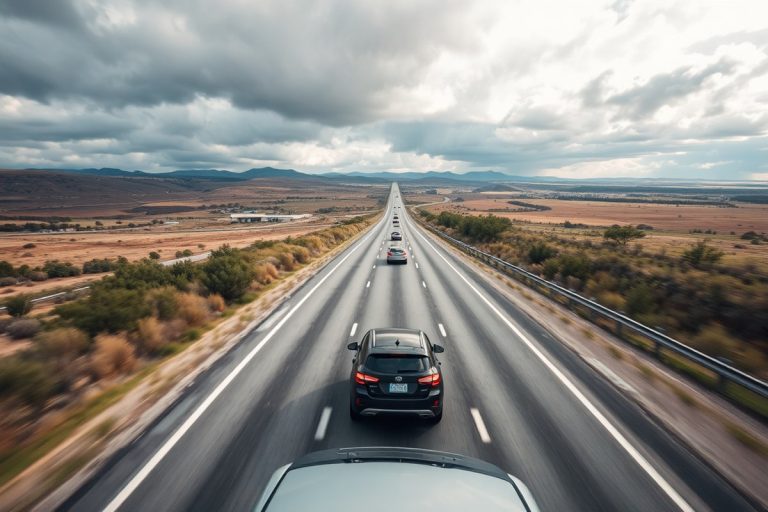
Driving 11 miles can take very different amounts of time depending on your speed. Driving 11 miles at 65 mph on a highway takes about 10 minutes. This assumes no stops or traffic slowdowns during the trip.
City streets usually have speed limits near 25 mph. That can double your drive time to about 26 minutes.
Traffic, stoplights, and road conditions can add even more time. Heavy traffic or frequent stops slow your speed and increase total time. Traffic jams especially make your trip take much longer.
For many driving conditions, 20 minutes is a good estimate for 11 miles. This covers a mix of city and highway speeds.
Below is a simple chart showing drive times for 11 miles at different speeds. It helps you compare how long your trip may take.
| Speed Limit (mph) | Approximate Time (minutes) |
|---|---|
| 25 | 26 min 25 sec |
| 35 | 19 min |
| 45 | 14 min 40 sec |
| 55 | 12 min |
| 60 | 11 min |
| 65 | 10 min |
| 70 | 9 min 25 sec |
| 75 | 9 min |
Check the chart to see drive time estimates based on your speed limit. This gives a quick idea of how long you’ll be on the road. Add extra time if you expect traffic or multiple stop signs.
Driving 25 mph in the city usually takes over twice as long as 65 mph on the highway. City driving has slower speeds and more stops.
For more accurate planning, figure your expected average speed by including any likely delays. Divide your 11 miles by this speed to get minutes traveled. Accounting for stops and traffic helps avoid getting stuck late or missing appointments.
How Long Does It Take to Walk 11 Miles at Average Pace?
Walking 11 miles at an average pace typically takes about 3 hours and 40 minutes. This estimate assumes you walk about 3 miles per hour.
That speed is roughly 20 minutes to walk one mile. As you get tired, your pace may slow, extending the total time closer to 4 hours.
Hills and rough terrain can add significant time to your walk. For example, a steep incline might slow you by several minutes per mile.
Flat, smooth paths help maintain the steady 3 mph pace. But uneven ground or trails may reduce your speed to 2 or 2.5 mph.
Taking breaks during an 11-mile walk is common to rest and stay hydrated. Short rests of 5 to 10 minutes every hour can prevent fatigue and muscle strain. Without breaks, your walking speed could drop, making the total walk longer than planned.
Plan extra time for rest stops during your walk. Also, account for hills. These factors can make your 11-mile walk take longer.
How Many Minutes Does Running 11 Miles Usually Take?
Running 11 miles usually takes 1 hour 5 minutes to 2 hours. Your pace and experience level affect the time.
Beginners often run at a pace of 10 to 11 minutes per mile. Experienced runners typically cover 11 miles faster, often under 7 minutes per mile.
Beginner Running Paces and Times
Beginners or those new to running often run an 11-minute mile or slower. At this pace, running 11 miles takes roughly 2 hours.
This pace is common among runners with at least one month of running. They are still working on building endurance.
An 11-minute mile pace helps maintain steady progress without causing burnout. You run slightly faster, around 10 minutes per mile.
Your total time drops to about 1 hour 50 minutes. Beginners should focus on consistent pacing and building mileage slowly to avoid injury.
Intermediate and Advanced Runners’ Time Ranges
Intermediate runners run 7 to 8 minutes per mile. This cuts 11-mile time to 1 hour 15 to 1 hour 30 minutes.
For example, an intermediate male runner averages 6:37 per mile. He finishes in about 1 hour and 13 minutes.
Advanced runners often run close to or under 7 minutes per mile. This pace leads to an 11-mile time near or below 1 hour 20 minutes.
Some competitive runners run close to 6 minutes per mile. They finish 11 miles in just over an hour.
Training Tips to Improve 11-mile Running Time
Improving your running time involves combining steady runs with targeted speed workouts. Incorporate rest days and cross-training to help your muscles recover well. Nutrition and hydration also play a key role in maintaining energy during longer runs.
- Include interval training to boost speed and endurance
- Run tempo runs to improve your lactate threshold
- Add long runs to build aerobic capacity
- Stay hydrated and fuel properly before and after runs
- Listen to your body to prevent overtraining
- Stretch or foam roll regularly to improve recovery
You run an 11-minute mile now. Adding fast intervals twice a week can lower it to 10 minutes or less.
Over several weeks, this can shave 10 to 15 minutes off your overall time. Remember that consistent training and patience are key.
How to Convert Speed (Mph) into Minutes per Mile for 11 Miles
You can change miles per hour (mph) into minutes per mile. Divide 60 by your speed to get the answer. This helps you see how long each mile takes.
This shows how many minutes it takes to cover one mile. To find the total time for 11 miles, multiply that pace by 11.
Formula for Converting Mph to Minutes per Mile
To get minutes per mile from your speed in mph, use this simple formula: Minutes per mile = 60 ÷ speed (mph)
This works because there are 60 minutes in an hour. When you travel at a certain mph, try this math.
Divide 60 by your speed. That tells you the time needed to go one mile.
Calculating Total Minutes for 11 Miles
After you find minutes per mile, multiply by 11 to calculate total time. This gives the full travel or exercise time for 11 miles at that speed or pace. Here’s a step-by-step way to do the conversion and total calculation:
- Note your speed in miles per hour (mph).
- Use the formula: divide 60 by your speed to get minutes per mile.
- Multiply the minutes per mile by 11 to find total minutes for 11 miles.
- You can also change total minutes into hours and minutes. This makes reading your travel time easier and clearer.
Say you drive at 60 mph. Divide 60 by 60.
That equals 1 minute per mile. Then multiply 1 by 11; you get 11 minutes total.
Examples with Common Speeds
Here are some common speeds and their minutes per mile pace for 11 miles:
| Speed (mph) | Minutes per mile | Total time for 11 miles |
|---|---|---|
| 6 mph (a 10-minute mile) | 60 ÷ 6 = 10 minutes | 10 × 11 = 110 minutes (1 hour 50 minutes) |
| 12 mph (a 5-minute mile) | 60 ÷ 12 = 5 minutes | 5 × 11 = 55 minutes |
| 45 mph (driving speed) | 60 ÷ 45 = 1.33 minutes | 1.33 × 11 ≈ 14.7 minutes |
Use this method to convert any speed to minutes per mile, then get your total time. This helps you plan how long traveling or exercising 11 miles will really take.
What Factors Impact How Long It Takes to Cover 11 Miles?
Traffic and stoplights can add lots of time to driving 11 miles. Your average driving speed drops from highway pace in city traffic. It can go below 15 mph during busy times.
Stop-and-go slows you a lot. Each stoplight or stop sign adds time to your trip. You might wait 30 seconds to over a minute.
The wait depends on traffic. The type of road also matters: highways allow faster speeds than city streets.
Walking and running times depend a lot on the terrain. Flat pavement helps keep your pace steady. Hills and rough trails make your speed go way down.
They need extra effort and careful footing. This slows you significantly. Weather plays a role, too.
Hot, cold, windy, or rainy weather lowers your speed. It also cuts down how long you want to move. Bad weather wears you out faster.
Your fitness level changes how quickly you cover 11 miles on foot or bike. A fit runner might hold a pace well under 11 minutes per mile. Beginners might take much longer.
Experience also shapes your efficiency. For example, someone used to running on trails handles elevation changes better than a road-only runner. The same rules apply to cycling and walking.
When driving, try to know your route’s road types and signal patterns. This info helps you guess if you’ll mostly cruise or stop a lot. Before walking or running, check the weather forecast and plan clothing and hydration.
To improve speed, work on fitness in small steps. Start with comfortable paces and build up endurance over weeks.
Waiting for stoplights could add 5 to 10 minutes to short city drives. So include extra time if you expect traffic.
How Does Cycling Time for 11 Miles Compare to Other Methods?
Cyclists usually ride at speeds between 12 and 20 mph. This range depends on the rider’s fitness and the terrain ahead.
Flat roads let you push closer to 20 mph. Hills slow you down considerably.
Comparing cycling with walking, running, and driving shows clear differences in time. Driving is the fastest, but cycling often beats running, especially over 11 miles. Walking takes the longest, with speeds around 3 mph.
The table below breaks down average times to cover 11 miles by each method. It uses common speeds from city and highway driving.
It also includes walking and running averages. These match typical conditions in different settings.
| Method | Average Speed (mph) | Time for 11 Miles (minutes) |
|---|---|---|
| Walking | 3 | 220 |
| Running | 6 | 110 |
| Cycling (typical) | 15 | 44 |
| City Driving | 30 | 22 |
| Highway Driving | 70 | 9.5 |
Cycling usually takes about 44 minutes to cover 11 miles at 15 mph. Hills or rough roads can cut your speed below 12 mph. This will push your travel time closer to one hour.
Watch out for this on tough terrain. On smooth ground, fit riders can go 18 to 20 mph.
This cuts their time to about 33 to 37 minutes. Smooth roads help keep a faster pace.
Driving covers 11 miles much quicker, especially on highways. But heavy traffic lowers city driving speeds to near 30 mph, doubling cycling times. Running 11 miles takes about twice as long as cycling at average speeds.
Try to match your cycling speed to terrain and your fitness. For hills, plan for more minutes per mile. On flat roads, keep a steady pace around 15 mph.
This balances good speed with manageable effort. It’s a comfortable speed for most riders.
Common Mistakes When Estimating Time for 11 Miles and How to Avoid Them
Common Mistakes When Estimating Time for 11 Miles and How to Avoid Them
People often guess average speeds too high or too low. Driving might feel faster in town, but traffic slows you down. Walking may seem steady, yet hills or uneven ground cut your pace.
Stops and delays often wreck your math. Every red light, rest break, or unexpected pause adds minutes. Forgetting these pauses makes estimates fall short because you count only moving time.
Wrong assumptions about conditions cause errors. Predicting perfect weather or flat terrain rarely matches reality. Also, assuming your speed stays constant doesn’t fit most trips or workouts well.
- Check real average speeds for your route and mode.
- Add buffer time for known stops and breaks.
- Factor in terrain changes like hills or rough surfaces.
- Adjust plans for traffic or weather delays.
- Use a stopwatch or GPS app to track actual pace.
- Update your estimates after a few tries on the route.
- Don’t expect the same speed throughout; vary your calculations.
Start by checking local traffic or weather apps before you plan driving times. That helps adjust for rush hours or storms. Walkers and runners should time smaller sections first, noting how hills slow them.
Using a GPS watch or phone app lets you measure exact pace over 11 miles. Then, add rest times you usually take. For example, walking 11 miles at 3 mph takes some time.
You stop twice for 5 minutes each. This adds 10 minutes to your total time.
How to Calculate 11-mile Travel Time with Simple Formulas or Calculators
Calculating how many minutes it takes to travel 11 miles means combining speed and distance. You need to know your average speed or pace first. Then you use a simple formula or an online tool to get a clear travel time.
Gathering Speed and Distance Inputs
Start by figuring out your average speed in miles per hour. Or find your pace in minutes per mile. That will help you estimate travel or exercise time.
For vehicles, speed usually comes from a speedometer or GPS. For walking, running, or cycling, you can use apps or devices to track your pace.
Distance is fixed at 11 miles here. But confirm this with a map or GPS to avoid errors. Make sure your speed and distance use the same units, or convert if needed.
Using a Time Calculator or Formula
The basic formula is time = distance ÷ speed. Divide 11 by your speed in miles per hour to get hours. This gives time in hours, which you convert to minutes by multiplying by 60.
You can also use an online time calculator. Enter the distance (11 miles) and your speed or pace. The tool instantly shows your travel time in minutes.
- Write down your speed in mph or your pace in minutes per mile.
- Confirm the distance as 11 miles.
- Divide 11 by your speed number to find total time in hours.
- Multiply this result by 60 to convert to minutes.
- Multiply your pace per mile by 11 to get total minutes.
- Use an online calculator if you want a quick answer without math.
Make sure your speed is in miles per hour before starting. Check that your pace is in minutes per mile too. Only then do your calculations.
Interpreting and Adjusting Results
A calculated time gives a good estimate but expect real conditions to cause differences. Weather, terrain, and stops can add minutes or hours. Use your calculated time as a starting point for planning.
Add 10 to 20 percent extra time for bad conditions. This gives a more realistic estimate.
Check if your pace feels realistic. For example, a 20-minute mile pace when walking 11 miles would take about 220 minutes.
Recheck your speed if the estimated time feels too fast or slow. Adjust before making your final travel or exercise plans.
Tips for Planning and Adjusting 11-mile Trips or Workouts Safely
Plan for rest and hydration breaks every 2 to 3 miles to avoid fatigue. Carry water or sports drinks, especially on warm days or long workouts. Take a 5-minute break every 30 to 40 minutes of activity.
This helps you rest and recharge. Short breaks keep you feeling better.
Adjust your schedule for weather conditions. On hot days, start early to avoid midday heat. Dress in layers for cold or rainy weather.
Wear waterproof gear to stay dry. This keeps you safe and comfortable during your 11-mile trip.
Injuries require slowing down or stopping. Stop if you feel sharp pain. Check how you feel before moving on.
Resting is better than worsening an injury. This is true especially for long distances like 11 miles. Give your body time to heal.
Drivers should check vehicle condition before long drives. Tires, brakes, and fluid levels can impact safety and timing.
Poor weather or unfamiliar roads can increase travel time. So allow extra minutes to avoid rushing.
Walkers and runners benefit from knowing the route and terrain. Plan paths with smooth surfaces and gentle slopes for steadier pacing. Bring snacks or energy gels for your trip.
This is important if you go over 2 hours. Food helps keep your energy up.
Cyclists should inspect their bike and tires before starting. A flat tire or chain problem can cause long delays or accidents. Carry a repair kit and know basic fixes to keep moving safely.
Use a watch or smartphone app to track your progress and breaks. Keeping a steady pace helps you avoid going too fast or slow. This matches your fitness level better.
It makes your exercise more effective. Recording time also helps plan future trips or workouts more accurately.
Be realistic about your fitness and experience. Setting too aggressive a pace or skipping rest can lead to exhaustion or injury. It’s okay to take longer on difficult days and increase intensity gradually.
For evening or early morning activity, use reflective clothing or lights to remain visible. This reduces risk of accidents due to low visibility. Always follow local rules and traffic signs, especially on roads or trails shared with vehicles.
Step-by-Step Action Plan for Covering 11 Miles
Follow these clear steps to plan your 11-mile trip or workout by foot, bike, or car. Track your progress with simple checks so you stay on time and safe.
- Before you start: Choose your method of travel or exercise. Check weather and route conditions to avoid surprises.
- Day 1: Estimate your pace using the speed-to-time formula given earlier. Write down your expected time range.
- Week 1 workout/trip: Time yourself covering a shorter distance near your average speed. Adjust your expected 11-mile time based on this.
- During your 11-mile trip: Use a stopwatch or your phone timer. This helps you track your real pace exactly. Keep it handy throughout your travel. Record any delays or stops.
- After your trip: Compare actual time to your estimate. Note factors like terrain or traffic that changed your speed.
- Next trip/workout: Use your notes to set a more accurate time goal. Plan breaks and hydration based on your experience.
- Ongoing: Monitor your fitness and vehicle conditions. Adjust your pace if you improve or face new obstacles.
Frequently Asked Questions
How Long Does It Take to Bike 11 Miles on Flat Terrain?
Biking 11 miles on flat ground usually takes about 33 to 44 minutes. Your speed varies between 15 to 20 mph depending on fitness and bike type.
What Is a Good Goal Time for Running 11 Miles?
A common goal is finishing in 1 hour 30 minutes to 2 hours. You average 8 to 11 minutes for each mile you run. This pace is tough but many runners can handle it.
How Can Weather Affect Time to Cover 11 Miles Outdoors?
Wind, rain, and heat can slow you down noticeably on foot or bike. Adjust your pace or trip timing to stay safe and comfortable in tough weather.
What’s the Average Walking Speed Needed to Walk 11 Miles in 3 Hours?
You’ll need to walk about 3.7 miles per hour to finish in 3 hours. That’s a brisk pace, faster than most people’s usual walking speed.
Why Does Driving 11 Miles Take Different Time at Night Versus Day?
Traffic usually reduces at night so driving is faster. Without daytime congestion, expect your drive to take less time after dark.
Wrapping Up
Eleven miles can take from under 15 minutes by car up to several hours walking. Knowing your speed and conditions helps you plan well. Start by timing a short stretch today and build your 11-mile estimate from there.