How Long Does a 4 Wheel Alignment Take? A Complete Guide with Time Breakdown
How long does a 4 wheel alignment take? Usually, it takes between 1 and 1.5 hours. This timeframe covers the full process from start to finish in most cases.
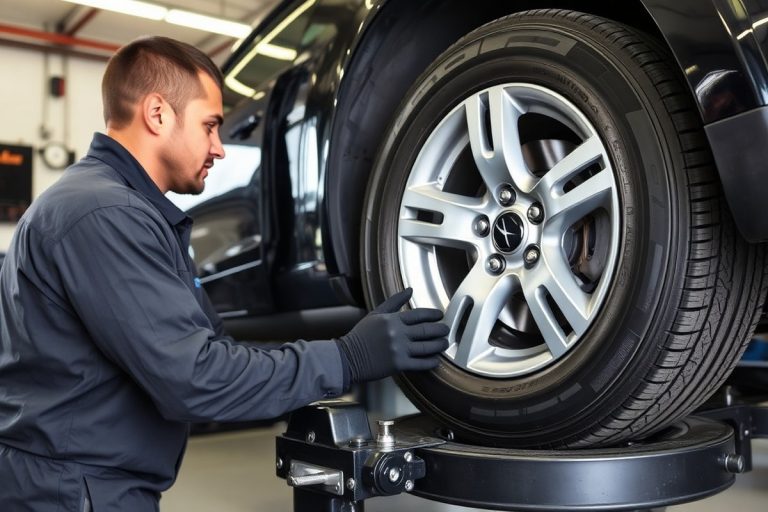
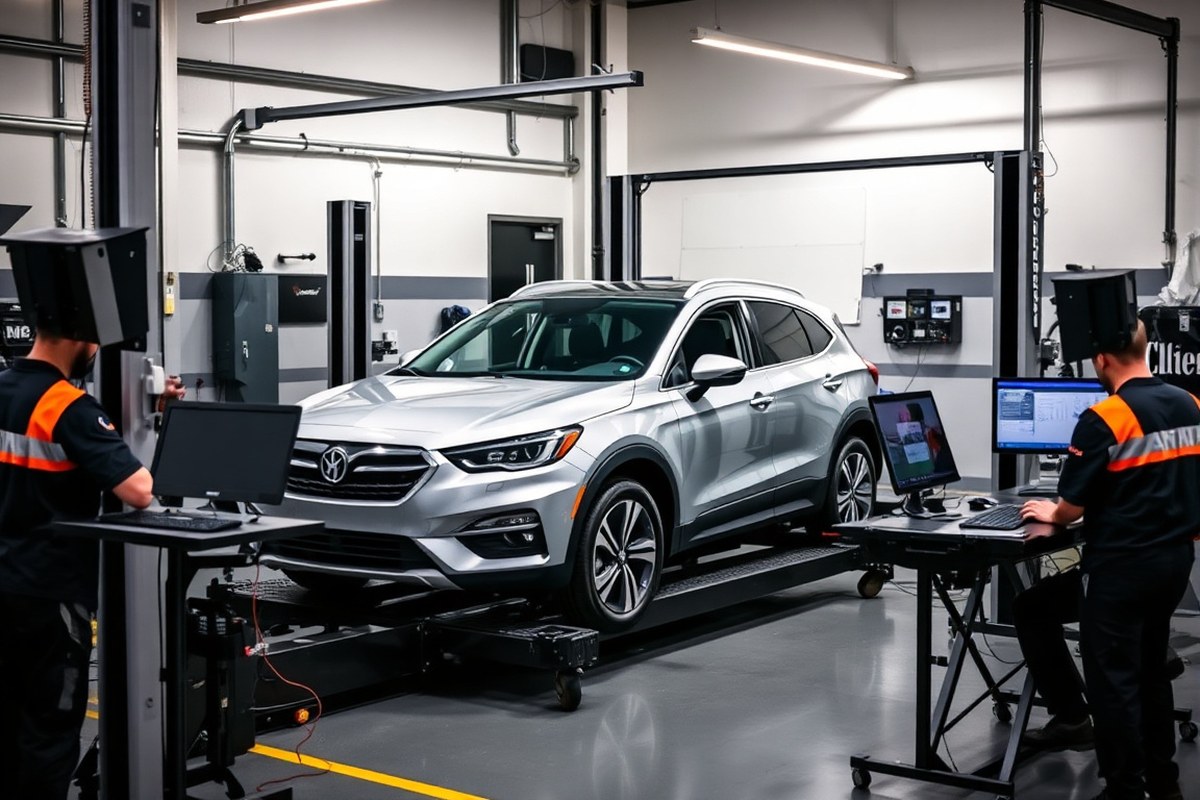
Your vehicle sits on a rack while a technician checks and adjusts all four wheels. They use specialized tools to measure angles like camber, caster, and toe. Adjustments are made to make sure the wheels line up perfectly.
Sometimes it can take shorter or longer depending on specific factors. For example, if the suspension parts are worn or damaged, the process may take more time. Also, certain vehicles need extra calibration steps, which add to the total time.
Plan for about an hour and watch for any extra inspection or calibration activities. Those can add time but help ensure a precise alignment that protects your tires and suspension. A well-aligned car improves handling and extends tire life.
Key Takeaways
- A standard 4 wheel alignment typically takes around 60 to 90 minutes.
- Compact cars usually take less time than trucks or SUVs during alignment.
- Extra inspection or calibration can extend the alignment duration.
- Poor previous maintenance might add time to diagnose and fix issues first.
- Preparing your vehicle by checking tire pressure can speed up the process.
- Lifted or modified 4×4 vehicles usually require more time for alignment.
How Long Does a 4 Wheel Alignment Typically Take?
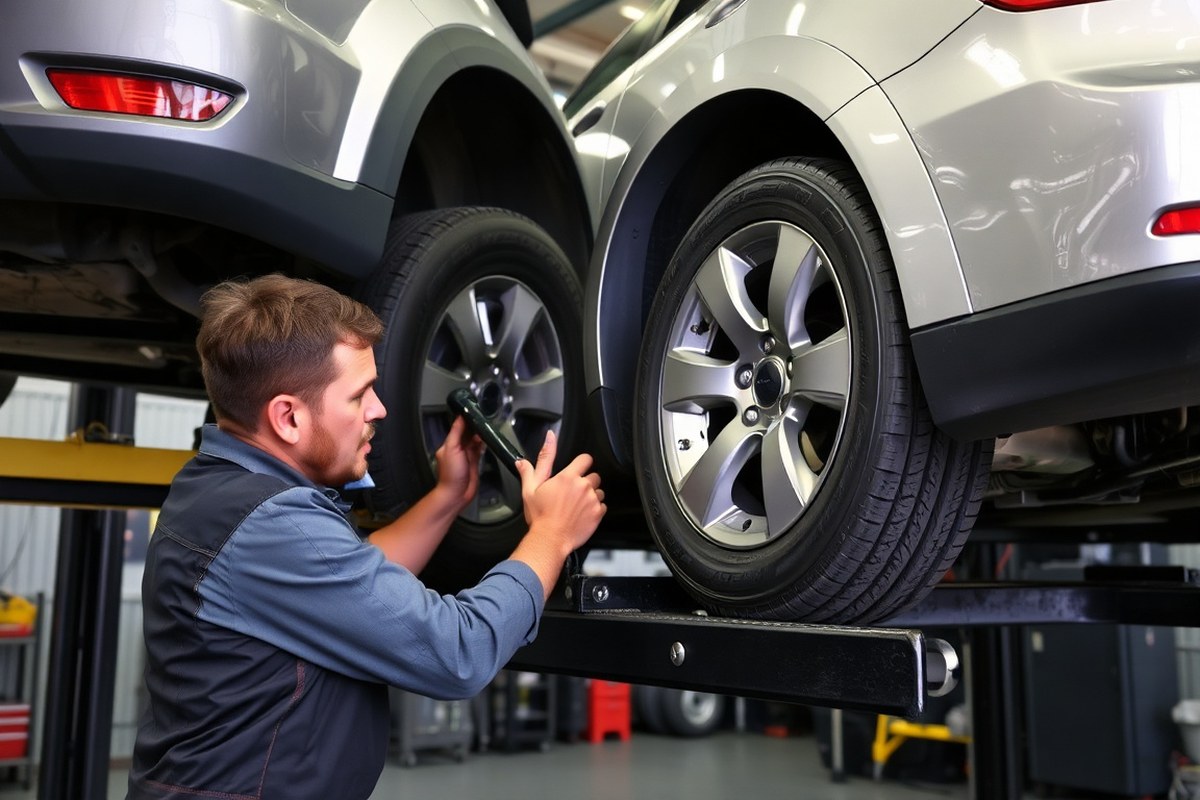
A 4 wheel alignment usually takes between 45 and 90 minutes to complete. Most shops average about one hour for this service on standard cars. This time can stretch longer for trucks or SUVs due to their size and suspension complexity.
Some drivers might expect an alignment in 20 minutes, but that’s rarely realistic. Quick alignment checks or front-end alignments can happen more quickly, typically within 30 to 45 minutes. A full 4 wheel alignment takes more time.
It needs careful measuring. Adjusting all wheels adds to the duration.
Adding jobs like mounting tires or fixing parts can take longer. Total time may last 90 to 120 minutes. Shops often combine those services, so plan extra time during busy days.
Your vehicle’s condition affects how long alignment takes. Worn suspension parts slow it down. Rust can make the process longer.
What Is Involved in the 4 Wheel Alignment Process?

A 4 wheel alignment adjusts all four wheels to factory specs using a detailed six-step process. The technician checks your car and puts it on the rack. Initial measurements are taken for camber, caster, and toe.
Then adjustments are made, final readings checked, and a test drive done. Each step contributes to the overall 60 to 90 minute procedure.
Initial Vehicle Inspection and Setup
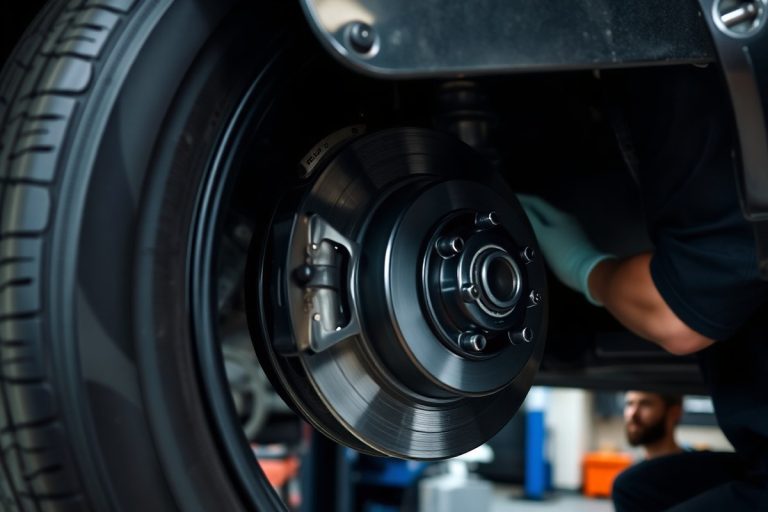
The alignment process begins with a pre-service inspection of your tires, suspension, and steering. Technicians also check tire pressure to ensure accurate alignment readings later on.
After checking, the car is moved onto the alignment rack. Sensors and cameras are attached to each wheel for measurement.
This phase usually adds 20 to 30 minutes for the setup, including check-in and mounting. Any worn parts found here can increase total time depending on repairs needed.
Measuring and Adjusting Wheel Angles
Once the vehicle is on the rack, initial alignment readings are taken using computerized sensors. These show the current camber, caster, toe, and thrust angles. Camber controls the tilt of the wheels inward or outward.
Caster affects steering stability by changing the angle of the steering axis. Toe adjusts whether wheels point slightly inward or outward.
The technician changes these angles by adjusting suspension parts. Each measurement is set to match manufacturer specs.
Depending on the vehicle and damage, this process can take up to 30 minutes. After adjustments, final alignment readings print out for comparison with the original values.
Post-Adjustment Test Drive and Verification
The alignment finishes with a test drive. This checks if the car pulls, handles, or vibrates wrong. This road test verifies the adjustments were successful and identifies any issues needing further correction.
They often print before and after measurements for you. This shows camber, caster, and toe are back in spec.
This test drive lasts 5 to 15 minutes. The technician may tweak the settings if problems remain. This ensures your tires wear evenly and your steering feels responsive right away.
- Inspect tires, steering, and suspension thoroughly.
- Mount your vehicle onto the alignment rack securely.
- Attach sensors and capture initial wheel alignment data.
- Adjust camber, caster, and toe angles per spec.
- Take new alignment readings and compare to original.
- Perform a road test to finalize adjustments.
Make sure all tires have proper inflation before the alignment, or readings could be off.
How Do Different Vehicles Affect Alignment Time?
How long a 4 wheel alignment takes depends a lot on your vehicle’s size and suspension. Smaller cars usually need less time. Bigger trucks, SUVs, and lifted vehicles take longer.
They have more complex setups and harder access points. This adds time to the job.
Average Time for Compact and Passenger Cars
Most compact cars and sedans finish a 4 wheel alignment in about 40 to 60 minutes. These vehicles have simpler suspension systems and easier access to the adjustment points. The process is usually straightforward unless there are worn parts or extra repairs needed first.
A quick, smooth alignment means your tires wear evenly and your steering feels right. The geometry might be off on some models. Suspension can be tricky too.
Both can add a little time. Still, normal passenger cars rarely take more than an hour in most shops.
Average Time for SUVs and Crossovers
SUVs and crossovers usually take between 45 and 90 minutes for a full 4 wheel alignment. Their larger size means you need more time. Equipment and technicians need extra time to reach wheels.
Adjusting all wheels takes longer than usual. Some SUVs have more complex suspension designs, which adds to the job.
Crossovers tend to be closer to car-sized. So their alignment times can be on the shorter end of that range. Full-size SUVs hover near the top end.
SUVs with independent rear suspension add time. Advanced safety tech also requires extra care. These features lengthen the alignment process slightly.
Average Time for Trucks, 4x4s, and Lifted Vehicles
Standard trucks often take 60 to 120 minutes to complete a 4 wheel alignment. The bigger frame, extra suspension pieces, and tougher access slow things down. Lifted trucks and modified 4x4s can take over two hours.
Their unique geometry makes adjustments harder. This complexity stretches the job.
Modifications like lifts or oversized tires mean the shop must customize the alignment settings. Sometimes it involves extra measuring or test-driving to get everything right. These jobs require patience and skill to avoid uneven tire wear or poor handling.
Here’s a quick table to show typical alignment times by vehicle type and why:
| Vehicle Type | Typical Time | Why It Varies |
|---|---|---|
| Car or sedan | 40-60 minutes | Usually simpler geometry |
| SUV or crossover | 45-90 minutes | Larger size and suspension |
| Standard truck | 60-120 minutes | More components and access time |
| Lifted or modified 4×4 | 90 minutes-2+ hours | Custom geometry and settings |
| Worn or damaged vehicle | Add 30 minutes-hours | Repairs may be needed first |
Timing can shift based on your vehicle’s condition and the shop’s gear. A clean car with simple suspension goes faster. Older vehicles or ones with worn parts add extra steps or repairs, which stretch the appointment.
What Factors Can Extend or Shorten Alignment Time?
Several factors affect how long a 4 wheel alignment takes. Worn parts like ball joints, tie rods, or bushings slow the job. Rusted or seized bolts add extra effort, making the process longer.
Technician skill also plays a big role. Experienced mechanics can spot issues quicker and adjust parts more efficiently. Shops equipped with modern alignment machines reduce time by checking specs fast and adjusting automatically.
- Worn suspension components that need repair or replacement
- Rusted or seized bolts that require extra work to loosen
- Using updated alignment equipment that speeds up adjustments
- Skilled technicians familiar with your vehicle’s make and model
- Complex suspension setups, like lifted trucks or oversized tires
- Collision damage that requires additional frame or suspension checks
- Shop workload and availability of alignment bays
A thorough check before alignment helps spot worn parts that cause delays. For example, technicians inspect ball joints by lifting the wheel and testing movement. They also check tie rods for any play, which may need fixing before alignment.
Modern alignment machines greatly speed up the process. These use cameras or lasers to scan your wheels and compare them to specs. This avoids manual measurements and keeps the work precise.
Skilled techs enter data and get quick results. This often cuts time from 90 minutes to under 45.
Your vehicle’s condition is key. When suspension parts are loose or damaged, the shop must fix them first. That adds repair time and cost.
Alignments can take longer than 60 to 90 minutes. Sometimes repairs need extra visits before final adjustments.
How Does Previous Maintenance Affect Alignment Duration?
Replacing suspension parts like control arms makes a full alignment needed. Tie rods or ball joints swaps also need full four-wheel alignment. This ensures all wheels line up right again.
These parts change the angles of your tires. So skipping the full process risks poor handling or uneven tire wear. SAE J1706 says any part that affects geometry needs full alignment.
You can’t skip this by doing only a quick check. Full alignment sets every wheel correctly.
The time needed grows when recent repairs add calibration steps. Many modern cars need electronic steering sensor calibration after part changes. Adaptive suspension systems also often require this calibration.
This step fixes high-tech parts after repair. Calibration adds 30 to 60 minutes on top of the usual alignment time. A standard full alignment usually takes 60 to 90 minutes.
Expect longer total time with calibration. Sometimes, the mechanic must balance tires or fix hidden suspension issues discovered during the alignment.
A good rule: schedule your full alignment right after suspension or tire replacements. Waiting too long risks driving with poor alignment, which damages tires and suspension faster. Shops might delay full alignment if parts aren’t ready yet.
Other repairs can also push the alignment time to hours. This means your car waits longer for service. A well-timed alignment after repairs helps fuel economy and steering.
It also makes your tires last longer on the road. Proper alignment keeps your car running smoothly.
Scheduling alignment right after suspension or tire work helps avoid extra wear. It also saves you time and money in the long run. Don’t wait to get it done.
How to Prepare Your Vehicle to Reduce Alignment Time?
Preparing your vehicle before an alignment can save you up to 30 minutes at the shop. Checking your tire pressure ensures the wheels sit correctly during the alignment. Uneven pressure can throw off the measurements and require extra adjustments.
Removing heavy cargo also helps. Extra weight can slightly change suspension settings or tire contact, making the alignment take longer. Clearing out the trunk and back seat lightens the load for a smoother process.
- Check each tire’s air pressure with a gauge. Inflate to the car’s recommended PSI.
- Remove all unnecessary items from the trunk and back seat areas.
- Schedule your appointment ahead to avoid long wait times.
- Make sure the vehicle is clean around the wheels, so sensors stay clear.
- Note any handling issues like pulling or uneven tire wear to tell the technician.
Following these steps makes the overall visit quicker. Shops often handle alignment plus checks and minor adjustments in 30, 45 minutes.
So every minute saved helps speed this up. Messy wheels or uneven tires can confuse the automated system and add extra time.
If your tires need inflation, a simple air pump ready at home or a nearby station can fix this before arrival. Getting your car ready means the technician focuses fully on the alignment, not troubleshooting related problems. This leads to a smoother appointment and faster service overall.
What Are the Different Types of Wheel Alignments and Their Time Differences?
A front-end alignment only adjusts the front wheels. A two-wheel alignment usually adjusts the front wheels. Sometimes, it includes some rear settings.
It depends on the vehicle. A full four-wheel alignment adjusts all wheels and takes longer.
Timing matters if you want a fast job done. It also matters if your car needs a full correction.
Front-End Alignment Overview
This type adjusts the front two wheels for toe and camber angles. It usually takes about 30 to 45 minutes on most cars and smaller SUVs.
Front-end alignments cost less, around $50 to $75. It is faster because it only involves the front wheels and fewer adjustments.
Two-Wheel Alignment Details
A two-wheel alignment mainly adjusts the front wheels. Sometimes, it checks rear settings for some models.
This depends on the car. Shops estimate 45 to 60 minutes for this service.
This option costs roughly the same or slightly more than a front-end alignment. It works if only the front wheels need attention or if rear alignment specs remain valid.
Four-Wheel Alignment Necessity and Timing
Vehicles with independent rear suspensions require four-wheel alignments. This adjusts front and rear wheels for toe, camber, and caster angles.
A full four-wheel alignment usually takes 30 minutes to one hour. It can take up to two hours if complications occur. It costs between $100 and $168 due to the added labor and precision.
Choosing four-wheel alignment ensures all wheels are properly aligned. This improves tire wear and handling on vehicles with complex suspension setups. The table below compares the time and cost differences among these wheel alignment types:
| Alignment Type | Typical Duration | Estimated Cost |
|---|---|---|
| Front-end Alignment | 30 to 45 minutes | $50 to $75 |
| Two-wheel Alignment | 45 to 60 minutes | $50 to $75 |
| Four-wheel Alignment | 30 minutes to 2 hours | $100 to $168 |
This variation in time and cost depends on vehicle type and whether adjustments are straightforward. A thorough four-wheel alignment needs extra care, so expect more time and money.
When Should You Schedule a Professional 4 Wheel Alignment?
Signs that your vehicle needs a wheel alignment include pulling to one side while driving. You might also notice uneven tire wear or a crooked steering wheel when driving straight. These issues can affect safety and cause tires to wear out faster.
Routine wheel alignments help keep tires in good shape and improve fuel efficiency. Most mechanics suggest getting an alignment every 12,000 to 15,000 miles or once a year.
Driving on rough roads or hitting curbs often means you need alignments more. You might want to get checked more often to avoid damage.
Certain safety or repair problems require immediate wheel alignment. These include after a collision, suspension repairs, or if you notice sudden changes in vehicle handling. Delaying service can lead to poor handling and expensive tire damage.
- Your car pulls to the left or right
- Uneven or rapid tire wear appears
- Sinking or bumpy steering feels unusual
- Steering wheel is not centered when driving straight
- You hit a curb or pothole hard
- After replacing shocks or suspension parts
- Your mileage since last alignment exceeds 15,000 miles or 1 year
Costs for a 4-wheel alignment run between $75 and $150. The price depends on your location. It also varies by the type of vehicle.
The service only takes about an hour once you’re in the shop. But busy shops might require booking ahead. A pro uses an alignment machine to check your wheels’ angles.
They measure angles precisely. Then they adjust them back to factory specs.
Book your alignment appointment in advance to avoid long waits at busy shops.
Skipping regular alignments causes faster tire wear. It also leads to worse gas mileage.
Proper alignment keeps your car safer and running better. Watch for the checklist signs and scheduling needs to avoid costly repairs later on.
Common Myths About Wheel Alignment Time Debunked
Getting a four-wheel alignment in 20 minutes is rare. Often, this speed is too fast for a thorough job. It usually takes longer.
Most alignments take between 45 and 90 minutes, depending on your vehicle. Rushing through the process can miss important adjustments.
These small changes affect how your car drives. They also impact tire wear.
Low-cost, fast alignments might be tempting, but they usually focus on basic checks. They often adjust only front wheels and skip detailed measures for rear-wheel angles. Skipping important steps causes uneven tire wear.
It can make steering worse. This leads to more repair costs later.
Speeding up the alignment job risks safety and extra expenses. Proper alignment ensures your tires grip the road and your car handles as it should. Exact adjustments prevent steering problems and tire wear.
They also save gas and avoid extra shop visits. Poor alignment means higher costs.
Talk to the technician if you’re in a hurry. Explain what you need clearly. They can give you better service.
Ask how long the alignment will take. Check if they will do a full four-wheel alignment.
Confirm if the job will be done right. Avoid shady quick fixes and prioritize shops with equipment tuned for your vehicle type.
Older cars or those with suspension issues can take longer to align. Preparing ahead by fixing worn parts can cut time. A detailed pre-alignment inspection helps identify needed repairs, making the actual alignment smoother and more accurate.
Understanding that alignment is a precise science helps set expectations. Allow 45 to 90 minutes for a full alignment. This time helps ensure the job is done well.
Don’t risk sloppy work by rushing. Focus on how well your car drives after, not how fast the service goes.
Step-by-Step Action Plan for a 4 Wheel Alignment
Follow these steps to get your 4 wheel alignment done quickly and smoothly. Each step helps you prepare or check the results to save time and money.
- Before your appointment: Check tire pressures and inflate to the recommended level. Proper pressure helps the alignment machine get accurate readings.
- Day of service: Remove heavy items from inside your vehicle. This reduces extra weight that might affect alignment accuracy.
- Arrival: Arrive on time and mention any recent repairs. This info lets the technician know what to watch for during the alignment.
- During alignment: Stay nearby to answer questions but avoid distractions. Quick communication can prevent delays.
- After alignment: Take a short test drive to check for better steering and handling. Smooth driving confirms the alignment worked well.
- Within a week: Monitor tire wear and steering response. Early signs of issues might mean a follow-up check is needed.
- Every 6 months: Schedule regular alignment checks, especially after hitting curbs or potholes. Routine care keeps your vehicle safe and tires lasting longer.
Frequently Asked Questions
Can an Alignment Really Be Done in 20 Minutes?
A full 4 wheel alignment usually takes about 30 to 60 minutes once on the rack. Quick checks for just front wheels can finish faster.
Complete 4 wheel jobs rarely take less than 20 minutes. You’ll usually need more time for the whole job.
Is $100 a Reasonable Price for a 4 Wheel Alignment?
Prices change by location and vehicle type. A standard 4 wheel alignment often costs around $100.
This is a common price you’ll see. Cheaper rates might mean fewer adjustments, and expensive shops often include extra services.
Will My Car Feel Noticeably Better After a 4 Wheel Alignment?
Yes, an alignment improves your car’s handling, tire wear, and steering response. Realizing smoother driving and less tire squeal are common signs your alignment worked.
How Much Does a 4 Wheel Alignment Generally Cost?
The average 4 wheel alignment costs $80 to $120. The final price depends on the shop you visit.
Your car’s complexity also affects the cost. Large trucks or modified vehicles may cost more.
How Long Does a Tire Alignment Generally Take?
A tire alignment usually refers to wheel alignment and takes about 30 to 60 minutes. The time needed varies by wheel number and vehicle.
Front wheel alignments usually take less time than all four. Your vehicle’s weight and suspension type also matter.
Before You Go
A typical 4 wheel alignment takes about one hour, depending on your vehicle and prep. Preparing your tires and knowing what to expect helps the process go faster. Schedule your alignment soon to keep your car driving straight and your tires healthy.