Can You Ride a Motorcycle in the Winter? Complete Safety & Gear Guide
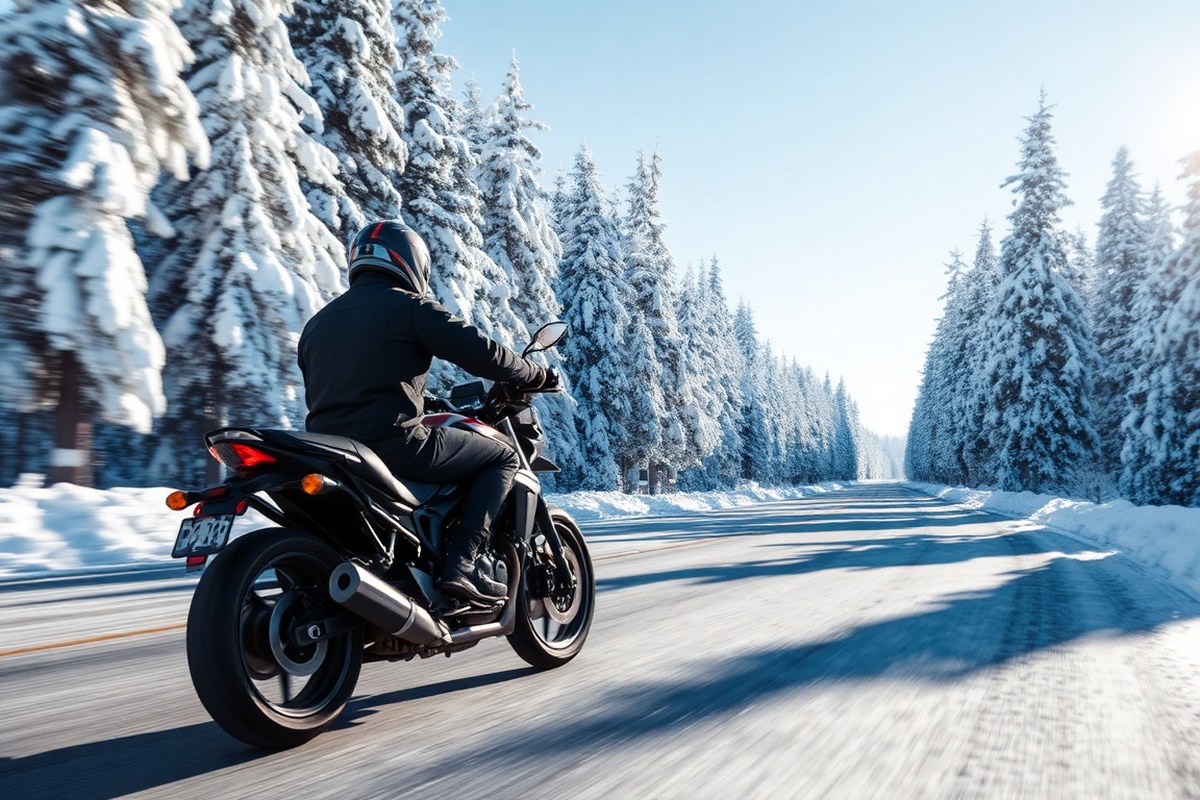
Can you ride a motorcycle in the winter? Yes, but it takes some planning and the right gear. Riding in cold weather needs more care and attention than summer riding.
You must watch the temperature and road conditions closely. Avoid riding if it’s below 32°F (0°C) since ice can be deadly. Dress in layers and use heated gloves or grips if you ride below 40°F (4°C).
Start by preparing your bike and picking tires built for cold weather. Tires with deeper tread and softer rubber help grip icy or wet roads. Know you’ll stop slower on cold roads, so keep extra distance.
Check that your battery is strong, as cold drains power faster. Ride slower and give yourself more time to react to hazards. Winter riding gets easier when you expect these changes and gear up properly.
Key Takeaways
- Don’t ride below 32°F (0°C) to avoid icy roads and black ice.
- Invest in heated gloves or grips for comfort below 40°F (4°C).
- Choose winter tires designed for riding in cold and wet conditions.
- Layer your clothing to stay warm and protect against wind chill.
- Increase your following distance to double normal stopping space.
- Check weather reports before each ride to avoid sudden snow or ice.
Is Riding a Motorcycle in Winter Safe and Practical?
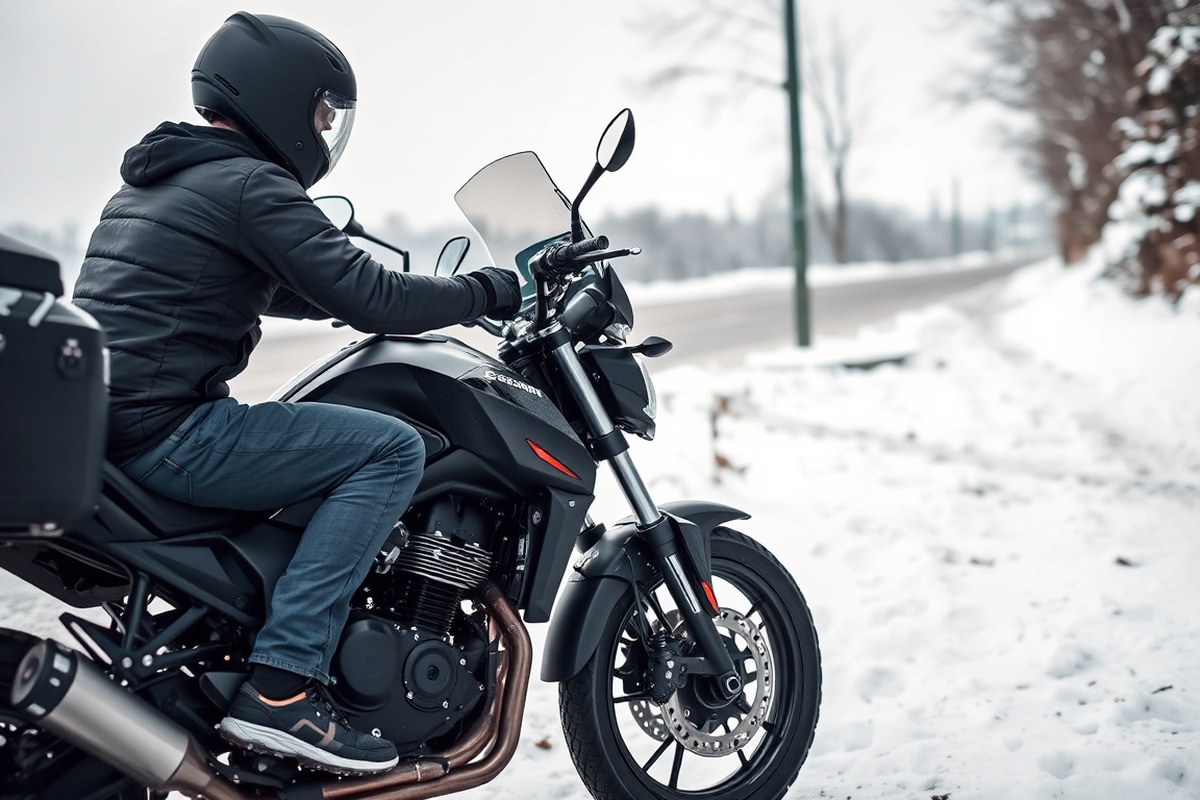
Riding a motorcycle in winter can be safe and practical if you choose the right conditions. Avoid days when snow or ice cover the roads. Cold weather below 35°F (2°C) makes your ride riskier.
Tires lose grip, and roads stay slick longer in these temps. Watch out for patches of ice or frost.
You can ride on cold days when roads are dry and clear. Use winter tires to improve traction once temperatures regularly dip below 45°F (7°C).
Never ride on visibly icy or snowy roads. Even thin ice can cause a crash because tires slide easily. You must check the forecast and road conditions first.
Riding without knowing what to expect adds risks. Wait until roads are fully clear and dry. Riding early morning can be dangerous.
Frost or black ice may still cover the roads. Take extra care until roads fully dry.
Cold affects how your motorcycle handles. Tires take longer to warm up and grip less on cold pavement. Adjust your speed and braking distance to be extra cautious.
Avoid sudden acceleration and hard braking. Always watch for salt or sand that can reduce traction and cause problems. Ride only when the temperature stays above freezing.
Make sure the roads look safe and clear. This simple rule helps you avoid many hazards. In tougher winter weather, plan alternate transportation or delay your ride.
Essential Winter Motorcycle Gear: What You Really Need
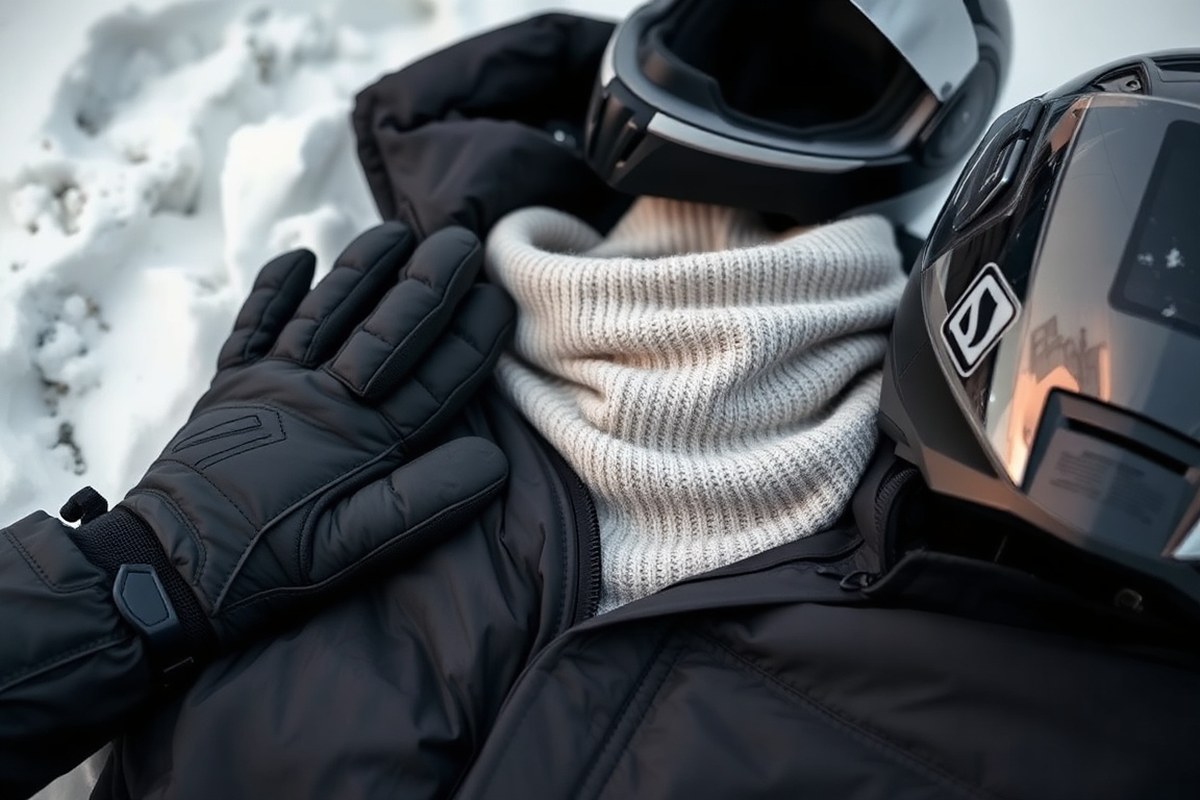
Winter motorcycle gear must keep you warm, dry, and safe from wind chill. The right combination of layers and accessories helps you control your bike and stay comfortable. Investing in heated gear is smart if you ride often in freezing weather.
Insulating Layers for Warmth
Begin with a base layer that pulls sweat off your skin. Next, wear a warm mid-layer like fleece or wool to hold heat. These clothes block cold air and lock in your body warmth.
The layering system works best when you can adjust it for different temperatures. Thin base layers plus heavier mid-layers help when the weather changes midway through your ride. Wearing the right fabrics avoids dampness and chills.
Waterproof and Windproof Outer Layers
Your outer layer must stop wind and water from cutting through your warm layers. A waterproof, insulated motorcycle jacket or suit is best. It shields you from rain, snow, and wind chill on the highway.
Good outerwear also has reflective or high-visibility panels to help others see you better. Layer it over your insulation. You stay warm and dry even if you sweat.
- Choose a jacket or suit with a waterproof membrane
- Look for windproof fabric to block cold air at highway speeds
- Pick breathable materials to prevent overheating
- Use high-visibility colors or reflective stripes
- Make sure zippers and pockets have waterproof seals
Riding fast in winter without windproof gear can drop your body heat quickly.
Specialized Gloves and Boots
Winter gloves need insulation and waterproofing without losing grip or control. Battery-powered heated gloves are worth it if you ride below 40°F. They keep your fingers warm on long cold rides.
Winter boots must be waterproof with thick insulation inside. Pair them with warm, moisture-wicking socks made for cold conditions. Proper gloves and boots prevent frostbite and let you operate brakes and throttle safely.
Preparing Your Motorcycle for Cold Weather Riding
Preparing your motorcycle for winter riding means extra care in key areas. You need to check tire pressure, battery health, antifreeze levels, and lubrication. These steps keep your bike running safely and reliably in cold weather.
Checking and Adjusting Tire Pressure
Tire pressure drops faster in cold weather. Checking it before every ride helps maintain grip and control. Low pressure can reduce tire life and make handling unsafe on chilly roads.
Use a reliable tire pressure gauge to check cold tires. Inflate tires to the manufacturer’s recommended pressure listed on your bike or tire sidewall. Check pressures again after a warm-up ride since heat expands air.
Here’s what to look out for:
- Pressure drops about 1 psi for every 10°F (5.5°C) temperature decrease.
- Inspect tire tread for cracks or hard spots from cold.
- Always check both front and rear tires.
- Keep a portable air pump or CO2 inflator handy on rides.
- Swap to tires designed for cooler temperatures if you ride often in winter.
Regular checks prevent unexpected flats or poor traction on icy patches. Tire care is a simple but important step before every winter journey.
Battery and Antifreeze Checks
Cold drains battery power and thickens antifreeze, affecting performance. Start by inspecting your battery’s charge and terminals. Look for corrosion or loose connections, which drop power output.
Use a multimeter or have a shop test your battery voltage. A healthy 12-volt battery will show about 12.6 volts or more when fully charged. If voltage falls below 12.4 volts, consider charging or replacing the battery.
Check antifreeze strength using a hydrometer or antifreeze tester. Proper antifreeze protects your engine and cooling system from freezing and overheating.
It should be mixed correctly, usually 50:50 with water. But check your owner’s manual for specs.
Winter-ready your bike by:
- Charging the battery fully before cold spells.
- Cleaning and tightening battery terminals.
- Replacing weak batteries during fall or early winter.
- Testing and topping off antifreeze with the correct mix.
- Using coolant rated for temperatures below your area’s winter lows.
Lubrication and Rust Prevention
Cold weather and road salt can cause rust and stiff cables. Washing the bike often removes corrosive salt and grime. Use fresh water and mild soap, avoiding high-pressure sprays on sensitive parts.
Lubricate control cables, chain, and pivot points after each cleaning. Cold thickens oils, so use lubricants designed for lower temperatures. This keeps controls smooth and protection intact.
Salt exposure speeds corrosion, so always rinse wherever salt touches your bike. Dry it carefully and apply protective sprays or wax to painted surfaces and exposed metal. Protect your bike by:
- Washing away salt after each ride, especially under fenders.
- Lubricating cables and chain with cold-weather formulas.
- Applying a rust inhibitor to chrome and exposed metal parts.
- Checking fasteners for tightness as cold can loosen them slightly.
- Storing the bike in a dry, covered spot to reduce rust risk.
Choosing the Right Winter Tires for Your Motorcycle
Winter riding demands tires designed for cold, wet, and icy roads. Regular summer tires lose traction as temperatures drop below 45°F because their rubber hardens.
All-season and winter tires stay softer, which improves grip on slick surfaces. Choosing the right tire type depends on your common road conditions and riding style.
Dual-sport riders have their own options. Tires labeled 50-50 perform well on streets and light snow or slush.
These tires balance knobby tread for off-road grip with enough smooth surface for street traction. They can be a smart choice if your rides include wet and snowy streets.
| Tire Type | Best Road Conditions | Traction on Cold/Wet Roads | Estimated Price Range |
|---|---|---|---|
| All-Season Tires | Wet and cold paved roads | Improved traction vs. Summer tires | $150, $250 per tire |
| Winter Motorcycle Tires | Snow, ice, and very cold surfaces | Highest traction; specialized tread | $200, $400 per tire |
| 50-50 Dual-Sport Tires | Mixed street and light snow/slush | Moderate traction on wet and slushy roads | $180, $300 per tire |
| Summer/Sports Tires | Warm and dry roads | Poor traction below 45°F; unsafe | $120, $250 per tire |
Tire tread patterns matter, too. Winter tires often have deeper grooves and siping to channel water and snow away.
This reduces hydroplaning and helps the tire bite into slippery surfaces. In contrast, summer tires have slicker tread with fewer channels.
Traction control systems can help on winter tires but do not replace proper rubber. Electronics like cornering ABS and linked braking improve safety by modulating brake pressure. They help prevent skids on icy patches but rely on decent tires underneath.
The price of quality winter tires runs higher than summer ones. Spending $200 or more per tire can be worth it for improved grip and confidence.
Riding on summer tires in cold, wet, or icy conditions risks slipping. Tires that don’t soften in cold weather won’t stick well and increase crash chances.
Adjusting Riding Technique and Safety Practices in Winter
Slow down and increase your following distance on winter roads. Cold tires and slick spots reduce grip. So easing off the throttle helps prevent slides.
Use smooth inputs for braking, steering, and accelerating. This keeps traction steady. Avoid sudden shifts that can cause you to lose control.
Before heading out, warm up your bike for 3 to 5 minutes. This helps the engine run smoothly and lets tires heat slightly for better grip. Avoid idling too long, as excessive warm-up wastes fuel and can cause engine wear.
Many riders push their usual winter speeds or brake hard in slick spots. These mistakes often lead to crashes. Instead, brake earlier and gently.
Trust your bike’s ABS or traction control system. Stay alert for ice patches or packed snow. These can challenge the systems.
- Reduce speed by at least 10, 15 mph compared to dry conditions
- Keep extra space behind and beside you
- Shift weight back slightly when braking to maintain balance
- Look far ahead to spot ice, slush, and snow patches early
- Avoid sharp turns and sudden lane changes
- Use engine braking smoothly to supplement your brakes
- Wear reflective gear and keep lights on for better visibility
Watch for spots in shade or on bridges where ice forms first. Black ice can be invisible and deadly. Adjust your line to avoid these when possible.
Salt and sand make roads look grainy. These surfaces can still cause slipping. Watch your traction closely.
Never test traction with sudden moves on cold or wet roads. Ease in gently instead. This helps find your bike’s limits safely.
Stick to routes you know well in winter to better anticipate trouble spots. Avoid roads with heavy snow or ice buildup. Park your bike if conditions worsen.
Waiting is safer. Only ride when roads clear up.
Managing Cold Weather Risks: Hypothermia and Frostbite Prevention
Cold weather brings real risks like hypothermia and frostbite when riding. Hypothermia happens when your body temperature drops below 95°F, slowing your heart rate and brain function. Frostbite freezes your skin and tissues.
It usually affects fingers, toes, nose, or ears. This causes numbness and can damage your skin.
Notice early signs like shivering, numbness, slow reactions, and pale or bluish skin. Your fingers and toes might tingle or feel stiff before turning white or hard. Mental confusion or drowsiness signals advanced hypothermia, which needs prompt attention.
To avoid these, dress in multiple layers targeting your core and extremities. Wear windproof gloves and insulated boots when riding in cold weather. Choose a helmet with a chin bar that opens.
This way, you won’t need to take it off often. Keep clothes dry and check for drafts that let cold air in.
Keep moving on the bike without abrupt stops to maintain body heat. Take breaks every 30 to 45 minutes indoors or in a warm vehicle if possible.
Carry hand and foot warmers, which cost around $5 to $10 each and last for hours. They add extra warmth where you lose heat fast.
Watch your skin during breaks. Warm it up gently if it feels numb or stiff. Drinking warm, non-alcoholic fluids helps keep your body functioning.
Alcohol and caffeine reduce your body’s ability to stay warm. So skip them before and during the ride.
Also, cover your neck and face to reduce heat loss since exposed skin cools quickly. A neck gaiter or balaclava works well and costs about $15 to $30. Remember, frostbite can happen in minutes below 20°F if wind is strong.
Lastly, know your limits. Stop riding when you feel extreme cold or your symptoms get worse.
Calling a friend or finding shelter is safer than risking permanent injury. Proper planning and quick reaction to symptoms keep winter rides safe and enjoyable.
How to Improve Visibility and Handle Winter Weather Hazards
Fog can quickly mess with your vision and cause your visor to fog up. Use an anti-fog treatment or insert that actually works and keeps your face shield clear. Crack your visor open slightly to improve airflow and reduce moisture buildup while riding.
Low winter sun angles create harsh glare, especially when the road is wet and reflective. Dark-tinted visors make it worse in low light. So switch to clear ones during winter.
Position your body to avoid facing the sun directly. Wearing polarized sunglasses under your helmet can also cut down glare.
Wet roads in winter cause reflections and glare. These hide ice patches. They also make braking tricky.
Slow down more than usual and allow twice the normal stopping distance. Use smooth throttle and brake controls to keep your bike stable over slick surfaces.
Snow, salt, and dirt on your windshield and lights reduce your visibility to others. Clean these areas often during your ride and carry a small microfiber cloth for quick wipes. Consider bright auxiliary lights or a flashing daytime running light to help drivers see you better.
Slow down in fog. Keep your headlights on low beam. This stops blinding other drivers.
High beams reflect right back into your eyes, cutting visibility further. Watch for cars pulling out suddenly.
Winter visibility hides motorcycles. Stay alert at all times.
Watch the roads for black ice, which looks like wet pavement but has no traction. Shade spots and bridges freeze first, so slow down well before these sections. Practice gentle braking and avoid sudden movements to keep control if you hit ice.
Most of these tactics require little cost but do take practice and awareness. Anti-fog inserts can cost about $15 to $40. Good microfiber cloths run under $10.
Polarized glasses vary but usually start around $20. Extra lights add cost but boost safety greatly, especially at dawn or dusk.
Applying these tips helps you stay visible and safe. But winter conditions still demand caution.
Reduced speeds, smooth inputs, and frequent cleaning matter as much as any gear. Being seen and seeing clearly are the best defenses against winter’s tricky hazards.
Best Motorcycles and Equipment Suited for Winter Riding
Adventure and dual sport motorcycles work well for winter riding. These bikes have upright seats and knobby tires that grip better on cold, slick surfaces. Models like the BMW GS or Ducati Multistrada V4 S have heated grips.
They also come with windshields to keep you warm. These features protect you from cold wind and weather.
Heated gear is definitely worth it when temperatures dip below freezing. Heated vests, gloves, and boot insoles can cost $100 to $300 but make a big difference. They keep your core and extremities warm without bulky layers, making rides safer and longer.
Beginners should pick bikes with stable suspension and good traction control. Smaller adventure bikes or sport touring models are easier to handle. Look for ABS and traction control to improve safety.
These bikes are lighter and more nimble on the road. These features help you stay in control on icy patches and cold roads.
Wind protection matters a lot. Larger windshields and fairings block chilly gusts, reducing wind chill on your body. Bikes with integrated heated seats and adjustable windshield heights offer more comfort on longer rides.
Riding aids like traction control and ABS are important in winter. They prevent wheel spin and help braking on slippery roads. Many modern dual sport and adventure bikes include these features by default.
Check your heated gear batteries regularly; cold drains them faster than you expect.
Winter Riding for Beginners: How to Start Safely
Beginners can ride motorcycles safely in winter with the right approach. You need to build skills slowly through cautious practice and training. Gradual exposure helps you gain confidence while managing winter risks.
Assessing Your Readiness
Check your current riding skills before heading into winter. Feel comfortable controlling your bike at low speeds and on slippery surfaces. Being aware of your limits can prevent accidents or panic during cold rides.
Winter demands more precise control with less margin for error. Having a good balance, smooth braking, and steady throttle use is key. Spend time practicing these basics before winter riding season starts.
Starting with Controlled Conditions
Begin winter riding on dry, clear days with light traffic. Use open parking lots or quiet streets to practice slow turns, braking, and clutch control. Keep lean angles shallow to avoid slipping on hidden ice or frost.
Begin with a moisture-wicking base shirt such as the Alpinestars Ride Tech Winter Top. Cold fingers and toes can dull your reflexes.
Use heated grips plus warm, reliable gloves to keep your hands cozy. Ride steadily and steer clear of sudden jerks for better safety.
- Choose warm, calm days for your first rides
- Practice in empty areas away from traffic
- Focus on smooth throttle and brake control
- Reduce lean angles on corners and curves
- Wear proper winter base layers and gloves
- Use heated grips if possible
- Limit session length to 30-45 minutes to avoid fatigue
Short, focused practice sessions help you adjust without feeling overwhelmed. Avoid riding in rain, snow, or heavy frost until you gain more confidence.
Using Training and Practice Opportunities
Winter riding courses or off-season motorcycle schools can boost your skills safely. Trainers help you handle slippery surfaces and practice emergency maneuvers in controlled environments. Courses usually last from one to three days and cost between $100 and $300.
Simulated practice on skid pads or closed circuits teaches you how to recover from slides. Regular practice builds muscle memory, so your reactions become automatic in cold weather. Try to repeat training exercises monthly to keep sharp.
Step-by-Step Action Plan for Winter Motorcycle Riding
Follow these steps to get started riding your motorcycle safely this winter. Each step helps you build skills and gear up right.
- Before winter starts: Check your motorcycle tires and replace them with winter-specific ones. You’ll see better grip and stable handling during cold rides.
- One week before your first winter ride: Test your cold-weather gear at home. Put on all layers and gear for 30 minutes to ensure warmth and comfort.
- First winter ride day: Pick a short, familiar route in daylight. Make sure your vents and lights are working properly during the ride.
- After first ride: Check your bike for any cold-weather problems. Look for stiff cables. Also, inspect your gear for foggy visors or other issues. Fix problems before your next ride.
- During your first month: Practice slow and smooth riding techniques to handle icy patches safely. Watch your stopping distance and keep it longer than usual.
- Mid-winter: Clean and lubricate your chain and cables regularly. This prevents freezing and keeps your controls smooth.
- Weekly: Check the weather forecast before riding. Avoid rides when ice, heavy snow, or freezing rain are expected.
- End of winter season: Store your motorcycle properly with a full tank and battery maintenance. This protects your bike for next season’s riding.
Frequently Asked Questions
Can You Ride a Motorcycle in the Winter in Snowy Conditions?
Riding in deep snow is unsafe and not recommended. Snow and ice drastically reduce tire grip, increasing crash risk.
Does Cold Air Affect My Motorcycle’s Engine Performance in Winter?
Yes, cold air can thicken engine oil and reduce performance. You may need a lower viscosity oil for smoother starts.
Can I Use Regular Motorcycle Gloves in Freezing Temperatures?
Regular gloves usually aren’t enough in freezing weather. Invest in insulated, waterproof gloves to protect your hands from frostbite.
Is It Okay to Warm Up My Motorcycle Indoors During Winter?
It’s generally unsafe and not advised to start motorcycles inside garages. Carbon monoxide risks require outdoors or well-ventilated areas.
Should I Adjust Tire Pressure for Winter Riding?
Lowering tire pressure slightly can improve traction on cold pavement. Check your owner’s manual for recommended winter settings.
Final Thoughts
You can ride your motorcycle in winter safely with the right gear and care. Start by testing your gear at home before hitting the road. Next, plan your first ride on a short, easy route during daylight.