Is Riding a Motorcycle Hard? A Complete Guide with Practical Tips
Is riding a motorcycle hard? It depends on your prior experience and mindset. For someone who can ride a bike, learning motorcycle controls feels easier.
Driving a manual car helps with understanding clutch and gear basics. These skills make starting easier on a motorcycle. The trick is to start slow and focus on basic handling first.
Most new riders need about 20 to 30 hours of practice to get comfortable riding. Choosing a motorcycle that weighs between 300 and 500 pounds helps, as it’s easier to manage. Also, wearing the right safety gear protects you and boosts confidence when you begin.
Getting instruction through a motorcycle safety course makes a big difference. Courses often combine classroom and riding time for a full learning experience. They also offer guidance that helps you avoid common beginner mistakes.
Key Takeaways
- Start with a manageable bike weighing 300 to 500 pounds for easier control.
- Practice at least 20-30 hours to gain confidence in basic motorcycle handling.
- Wear full safety gear every time you ride to protect yourself.
- Take a motorcycle safety course for guided training and safer learning.
- Begin practicing in safe, low-traffic areas to build skills step by step.
- Learn countersteering early; it’s essential for smooth and safe turns.
Is Riding a Motorcycle Hard for Beginners?
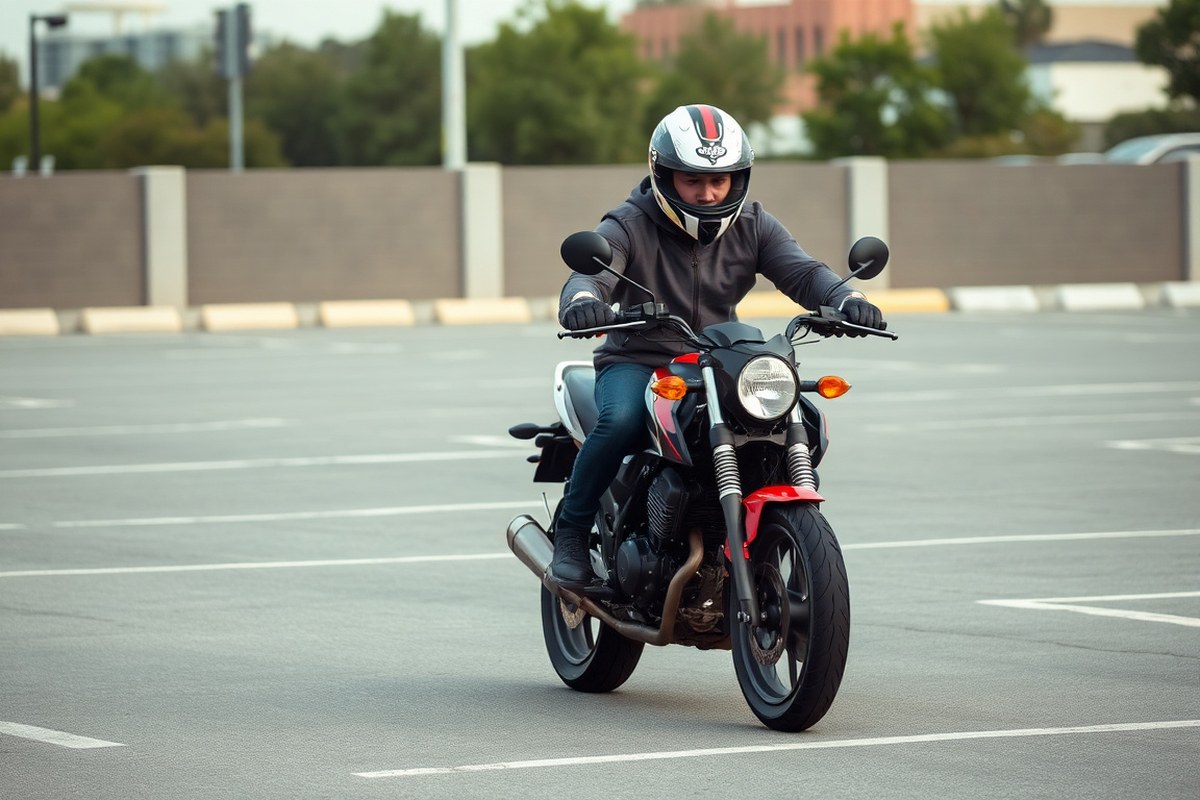
Riding a motorcycle feels hard at first. You need balance and coordination. You control many parts at once.
You need to manage the throttle, clutch, brakes, and steering while staying stable on two wheels. This multitasking makes the initial learning process steeper than riding a bicycle or driving a car.
What makes it tough is the need to understand how the motorcycle stays balanced. A motorcycle needs body weight and counter-steering. You also use smooth throttle control.
This keeps the bike upright. These skills don’t come naturally. So beginners often wobble or stall the engine during their first rides.
Starting with the right motorcycle helps your early experience a lot. Smaller, lighter bikes with manageable power let you focus on learning without feeling overwhelmed. A beginner bike with 250cc costs about $3,000 to $5,000.
It is easier to control. Heavy sportbikes are harder.
Physical readiness also plays a role. Riding tires new riders out. Holding the bike steady needs muscle strength.
Using controls takes effort too. With regular practice, these tasks become second nature, making riding feel easier and more enjoyable.
Your background matters too. Someone who rides bicycles or drives manual cars often finds learning less hard.
They already have a sense of balance and coordination for shifting gears, which reduces the challenge. Conversely, older beginners or those with little related experience might take longer to get comfortable.
Even though the first rides are challenging, the difficulty drops a lot after a few days. Many riders say that once they grasp basic balance and throttle use, everything else feels manageable. Practice in safe, quiet places.
Use a light bike to help. This cuts frustration and builds confidence faster.
How Long Does It Take to Learn to Ride Well?
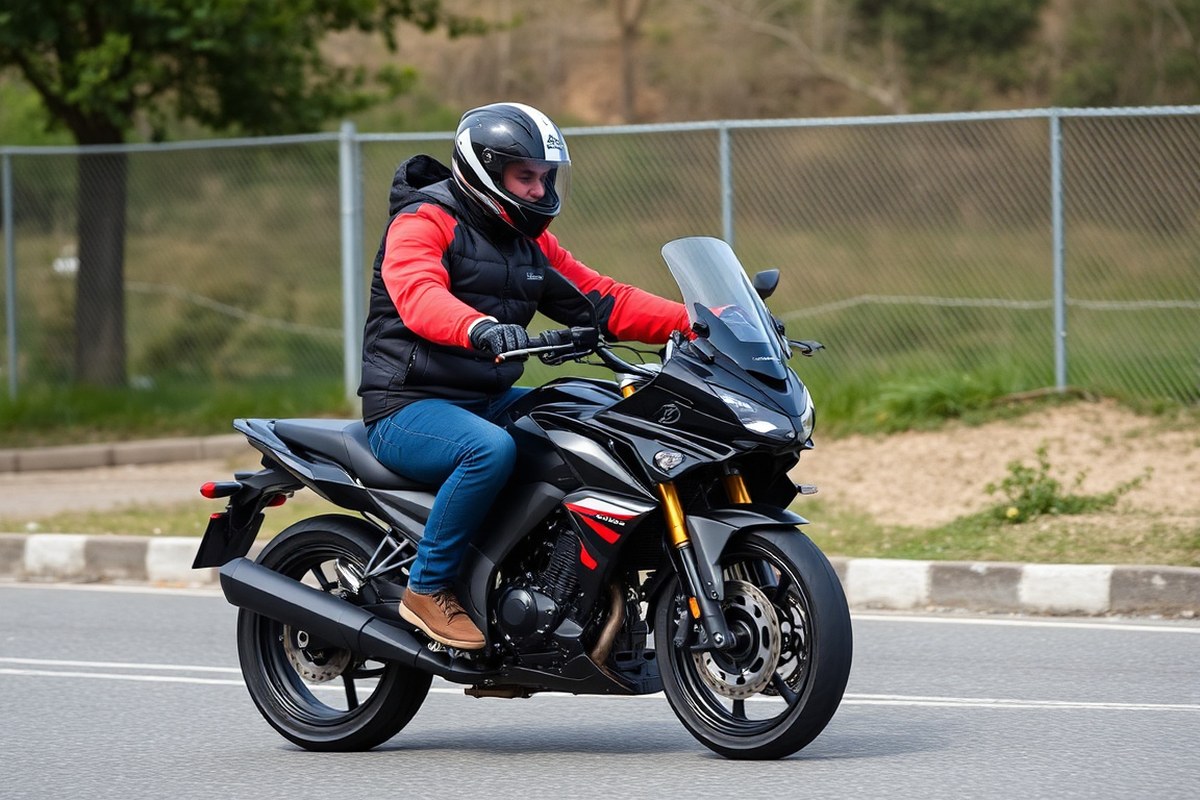
Most beginners reach basic motorcycle riding skills after about 20 to 30 hours of practice. This includes controlling the bike smoothly, shifting gears confidently, and stopping safely. You can get these hours by taking a riding course.
You can also practice by yourself in a safe place. Both ways help build your riding skills.
Your progress depends on consistent practice and paying attention to feedback. At first, focus on starting, stopping, and turning without mishaps. After about 10 hours, you should handle slow-speed maneuvers like tight turns and balance tests.
After 20 hours, you can usually ride on quiet streets with some confidence. You’ll know how to manage traffic, keep your lane, and react to changes in road conditions. Keeping discipline during practice helps you avoid bad habits that slow growth.
Taking a professional motorcycle safety course speeds up learning and adds structure. For example, Harley-Davidson courses offer around 20 hours of combined classroom and bike time. These lessons cover both practical riding and safe riding strategies.
The exact time needed to feel comfortable varies by person. Some people learn faster if they have prior experience. For example, riding a bike can help.
Good coordination also makes learning quicker. Others may need extra practice due to nerves or slower motor skills.
Progress shows in milestones like smooth stops, gear shifting without hesitation, and steady turns. Watch for increased confidence during longer rides or when handling sudden stops or moderate traffic. Repeating exercises builds muscle memory for these essential skills.
Wear full protective gear every time you practice, even in a controlled space.
What Factors Influence How Hard Riding a Motorcycle Is?
The size and weight of the motorcycle affect how hard it is to ride. Heavier bikes require more physical strength to control, especially when stopping or turning. Bikes over 400 pounds can feel hard to handle.
You need good upper body strength. Balance also matters when riding heavy bikes.
Physical strength matters when managing the bike’s weight and keeping it steady. For example, pushing a bike backward on a center stand needs arm and core strength. Handling lighter motorcycles, usually between 250cc and 500cc, limits the strain and makes learning easier.
Different bike types also change riding difficulty. Cruisers and touring bikes are heavy and low to the ground. This helps with stability.
But beginners might find them hard to move slowly. Sport bikes have more power and lighter frames but demand quicker reflexes and better throttle control.
Your riding experience plays a huge role in how easy it feels to ride. New riders should start with a smaller, low-powered bike to build confidence. Bikes with medium power and balanced size provide easier handling and allow for gradual skill growth.
Riding in city traffic is harder no matter the bike. You have to change speed all the time. You also shift position often for safety.
A heavy bike makes this tougher since it requires effort to change directions frequently. Choosing a bike that fits your strength and skill level can prevent fatigue and improve safety.
Test a bike by lifting it from the stand. Check how easy that feels to you. Also, see how comfortable you are when sitting on it.
Struggling to handle a bike’s weight off-road means it’s harder riding it. You’ll face more difficulty once the bike is moving. A good match lets you focus on learning control rather than fighting the bike’s mass.
Understanding Motorcycle Controls and How to Master Them
Motorcycle controls take practice to master but aren’t impossible to learn. You’ll handle throttle, clutch, brakes, and shifting while learning how to steer safely. Getting comfortable with these controls makes riding smoother and safer.
Throttle and Clutch Operation
The throttle controls the bike’s speed and feels like a twist grip on the right handlebar. Turning it toward you increases speed, and releasing it slows you down. The clutch lever is on the left handlebar.
It controls power flow to the wheels. You use it to manage engine power smoothly.
Learning to use the clutch smoothly keeps your starts and stops from jerking. The trick is to slowly release the clutch while gently rolling on the throttle. This prevents the bike from stalling or jolting forward abruptly, especially from a stop.
Braking and Gear Shifting Basics
Motorcycles have two brakes: front and rear. The front brake is the hand lever on the right handlebar.
The rear brake is a foot pedal near your right foot. Balancing both brakes helps you stop smoothly and safely.
The gear shifter is operated with your left foot and works sequentially. So you shift up or down one gear at a time. You pull the clutch lever in first.
Then, shift the gear. Finally, release the clutch and add throttle. Practicing this slowly will build smooth gear changes without jerks or stalling.
Follow these steps to start and move your motorcycle smoothly:
- Make sure the kickstand is up and the bike is in neutral.
- Pull in the clutch lever fully with your left hand.
- Shift down into 1st gear using your left foot.
- Slowly release the clutch lever while gently rolling the throttle toward you.
- Once moving, pull the clutch again and shift up to 2nd gear.
- Repeat clutch, throttle, and shifting coordination as you change gears.
- Use both brakes when slowing or stopping for control and stability.
Steering and Countersteering Explained
Turning a motorcycle uses a method called countersteering, which might feel odd at first. To turn right, push the right handlebar forward a bit. This leans the bike right.
That lean starts the turn. For a left turn, you push the left handlebar forward.
This technique works best when you’re moving faster than about 10 mph. Below that speed, you can steer more like a bicycle. Countersteering helps you lean the bike efficiently and stay balanced through turns.
How Motorcycle Size and Type Affect Riding Difficulty
Choosing the right motorcycle size and type matters a lot for new riders. Lighter bikes with smaller engines are easier to handle and control. Bigger engines often add weight to the motorcycle.
This extra weight makes it harder to control at slow speeds. Managing it in traffic can also be tougher.
Here’s a quick comparison of beginner-friendly motorcycle categories by weight, engine size, and design. These factors affect how easy the bike feels when you start riding.
| Type | Engine Size (cc) | Weight (lbs) | Design & Control |
|---|---|---|---|
| Standard | 250-400 | 300-400 | Light, upright riding position, easy throttle |
| Cruiser | 250-500 | 350-450 | Low seat height, stable but heavier feel |
| Sportbike | 300-600 | 350-450 | Aggressive posture, quicker throttle response |
| Dirt Bike | 125-250 | 200-300 | Very light, designed for off-road control |
A lightweight bike lets you focus on learning throttle and clutch control first. Try a standard model around 250cc to 400cc with a weight near 300 pounds. This size helps you get used to balancing and managing engine power without feeling overwhelmed.
Before picking a bike, think about where you’ll ride most. Cruisers suit relaxed, steady rides but feel heavier at stops.
Dirt bikes are excellent for trail and off-road paths if you plan to ride there. Sportbikes offer speed but need more skill due to their aggressive controls.
Start with a bike under 400 pounds to build confidence and avoid struggling at slow speeds.
Remember, learning precise throttle and clutch use is key to controlling any motorcycle. Warm the engine for about 45 seconds before riding. Shift smoothly and practice managing the bike’s weight in a safe space.
Over time, you’ll get better at handling heavier bikes on busy roads. But starting small, focusing on control, helps reduce risks and improves your skills faster.
Essential Safety Gear Every New Rider Needs
Wearing the right safety gear is key when you start riding a motorcycle. It protects you from injuries and keeps you comfortable while learning. Essential gear includes a helmet, jacket, gloves, and boots designed specifically for motorcycling.
Helmet Standards and Fit
You must wear a helmet approved by DOT for safety reasons. These helmets follow strict standards to shield your head during impacts. Full-face helmets like the Bell Qualifier and Fly Racing Street Revolt FS cover your entire head and face effectively.
Make sure the helmet fits snugly but comfortably. It should not move around when you shake your head. The chin strap must fasten securely without pinching your skin.
Buying a quality helmet usually costs between $100 and $300. Spending this much is worth it to avoid serious head injuries during falls or crashes.
Protective Jackets, Pants, and Gloves
A good motorcycle jacket made from abrasion-resistant material shields you during falls. Look for jackets with armor at the elbows, shoulders, and back for extra impact protection. Many jackets have ventilation zippers to keep you cool on hot days.
Wear pants designed for riding as well. They often include Kevlar reinforcements or armor in critical areas.
Gloves protect your hands from scrapes and weather. They also improve your grip on the controls.
- Jackets with CE-rated armor at key points
- Pants reinforced with durable fabrics or armor inserts
- Full-finger gloves with padding on knuckles
- Weather-appropriate ventilation and waterproof features
- Reflective strips for better visibility
Investing in these pieces may cost $150 to $400 each. Wearing them consistently lowers injury risk, even if you are riding slowly just to practice.
Footwear and Eye Protection
Proper motorcycle boots cover your ankles and have sturdy soles to protect against impacts. They keep your feet positioned for shifting gears and braking. Avoid sneakers or casual shoes because they don’t provide enough protection or grip.
Eye protection is also necessary, especially with open-face helmets. Use shatterproof goggles or glasses to shield your eyes from wind, bugs, and debris. This keeps your vision clear and helps prevent distractions when riding.
Boots usually range from $100 to $250. Quality goggles or glasses can cost $30 to $80. Both are worth adding to your gear before hitting the road.
Why Motorcycle Safety Courses Are important for Beginners
Taking a motorcycle safety course is the best way to learn riding skills quickly. These classes teach you how to handle motorcycle controls. You also learn to manage your lane position.
They show how to stay safe on different roads. You get hands-on practice in a controlled space, which helps you build confidence fast.
Safety courses start with basics like starting and stopping. Then you learn advanced moves like emergency braking. Swerving is also covered in these sessions.
You’ll also learn how to read traffic and avoid common hazards. Experienced instructors explain what to expect on the road.
They teach how to stay calm in tricky situations. You get tips for reacting safely to hazards.
Besides skill-building, these courses help you meet legal requirements. Most states require a safety course or a written test before you get your motorcycle license. NHTSA says over a third of riders in fatal crashes lacked a valid license.
This shows why formal training is important. Proper licensing helps keep riders safer.
Here’s a checklist for choosing a training course. Check if the state approves the course. Also note the hours, usually 15 to 20, and the cost, about $200 to $350.
Look for small class sizes and day and night riding opportunities. Choose a course that offers refresher lessons if you feel unsure after finishing.
Training costs might seem high, but they save money long-term by reducing crash risks. After the course, you’ll notice smoother control and faster reflexes.
Many riders say the course’s repeated exercises help them react instinctively, not by guessing. Skipping training means more uncertainty and a higher chance of crashes.
Common Challenges for New Riders and How to Overcome Them
Many new riders struggle with fear, especially worrying about crashing or handling bad weather. This fear can cause hesitation, which might lead to poor decisions on the road.
Facing these worries head-on helps. Start slow in safe, dry areas and practice basic moves until they feel comfortable.
Coordination is another big challenge. Clutch control, throttle, and gear shifting all happen at once. Unlike cars, motorcycles need smooth clutch release and gear shifts timed perfectly.
You can practice this by focusing on low-speed riding in a parking lot. Shift through gears slowly.
This helps you feel pressure on the clutch. It also builds muscle memory for smoother riding.
Beginners often grab the throttle too hard. They might brake too suddenly. Another mistake is looking down instead of ahead.
These errors come from nervousness and a lack of focus. To fix this, keep your eyes looking 12 to 15 feet ahead. Smooth throttle control means gentle wrist movement instead of jerking it open.
- Learn to use the friction zone of the clutch for smoother starts
- Practice shifting gears without looking down at the shift lever
- Wear full protective gear to build confidence and reduce injury risk
- Ride at slow speeds to practice turns and balance before going faster
- Avoid sudden braking by anticipating stops and easing off the throttle first
- Join a beginner-friendly group ride to learn from others and reduce anxiety
The bike’s weight, usually between 300 and 500 pounds, affects how easily you can control it. Heavier bikes feel more stable at speed but can be intimidating at low speed or stops.
Choosing a lighter, smaller bike helps beginners. You’ll handle it better and feel less overwhelmed.
Don’t rush shifting gears; it’s okay to take your time until it feels natural.
Fear of engine power is another hurdle. Many new riders worry about handling too much speed suddenly. Using a motorcycle with less horsepower, like a 250cc or 300cc, makes it easier to control.
Avoid twisting the throttle quickly. Gradually increase your speed to build trust in the bike’s response.
First Practice Steps to Build Confidence and Control
Start by focusing on control, balance, and safety during your first practice sessions. Spend short, consistent periods learning basic skills in a safe, open space. This helps you build confidence while preventing overwhelming yourself.
Starting and Stopping Safely
Learning to start and stop smoothly sets the foundation for safe riding. Practice using the throttle, brakes, and clutch gently to avoid jerky motions.
Work on feeling how your bike moves at low speed. Take time to understand its responses. Do this before trying harder tasks.
- Wear full safety gear before mounting the bike, including helmet and gloves.
- Turn the key on and check that the bike is in neutral.
- Start the engine and gently release the clutch while slowly adding throttle.
- Ride forward a few feet at low speed to get a feel for the bike’s balance.
- Slowly apply the front and rear brakes together to come to a smooth stop.
- Practice starting and stopping until both feel natural and controlled.
Practicing Balance and Steering
Balance is your first priority as a new rider. It helps your body and bike move as one unit.
Start riding in a quiet, flat spot. Focus on small steering and weight shifts. Keep it simple at first.
- Ride slowly in a straight line to feel the bike’s natural balance point.
- Use gentle, small handlebar turns to practice steering without losing balance.
- Keep your eyes ahead, and lean slightly with the bike as you steer.
- Try riding in a wide circle to get used to coordinating balance and steering.
- Repeat these movements until you feel steady and in control.
Mastering Slow-Speed Maneuvers
Controlling the bike at slow speeds is tougher but critical for safe riding. It builds the muscle memory needed for real-world situations.
Find a safe, open space for practice. Ride slowly weaving between cones or markers. Space them a few feet apart.
- Set up cones or objects spaced about 6 feet apart.
- Approach at a slow pace and weave smoothly between cones using clutch control.
- Keep your body relaxed to help the bike turn easily.
- Practice tight turns, figure-eights, and U-turns at slow speeds.
- Add stopping and starting in these maneuvers for more control practice.
- Keep practicing until you can perform these moves without wobbling or sudden stops.
Your First Weeks: A Quick-Start Plan for New Riders
Follow these steps to start riding safely and build your skills step by step.
- Before you start: Get the right gear, including a helmet, gloves, jacket, pants, and boots. Make sure everything fits well and is comfortable.
- Day 1: Learn the controls on your bike while it’s off. Practice using the clutch, throttle, and brakes until you know where everything is.
- Day 2: Find a quiet, open space to practice starting, stopping, and shifting at slow speeds. You’ll know you’re ready when you can stop smoothly without stalling.
- Week 1: Take a beginner motorcycle safety course. Passing basic skills tests will boost your confidence and keep you safer on the road.
- Week 2: Practice turns and slow-speed maneuvers in a controlled area. Being able to complete tight turns without tipping shows good control.
- Week 3: Ride on low-traffic streets during daylight. Learn to scan for hazards and keep consistent speed without panic.
- Week 4: Try riding in light traffic and using lanes. If you can stay relaxed and follow the flow of traffic, your skills are growing.
- After 1 month: Reflect on your progress and schedule more practice days. Regular riding helps build muscle memory and sharpens your judgement.
Frequently Asked Questions
Is Riding a Motorcycle Hard for Older Adults?
Riding a motorcycle is not necessarily harder for older adults. Practice, patience, and taking a safety course can make learning manageable at any age.
Can Weather Conditions Make Riding a Motorcycle Harder?
Yes, rain, wind, and cold can make riding more challenging. Riding slower and wearing proper gear can help you stay safe.
Does Fear of Falling Make Riding a Motorcycle Hard?
Fear can make riding seem tougher at first. Building confidence through slow practice and wearing good gear helps reduce that fear.
Is It Harder to Ride a Motorcycle in Heavy City Traffic?
Riding in heavy traffic is more demanding than quiet roads. Experience and defensive riding skills improve safety in busy areas.
Can Physical Fitness Affect How Hard It Is to Ride a Motorcycle?
Good fitness helps you control the bike better and reduces fatigue. Exercises that improve balance and strength make riding easier.
The Bottom Line
Riding a motorcycle can be challenging, but the right steps make it manageable. Start slow, focus on safety, and keep practicing. Your next ride will feel easier and more natural each time.