How Long Should a Motorcycle Battery Last? A Complete Guide with Lifespan Tips
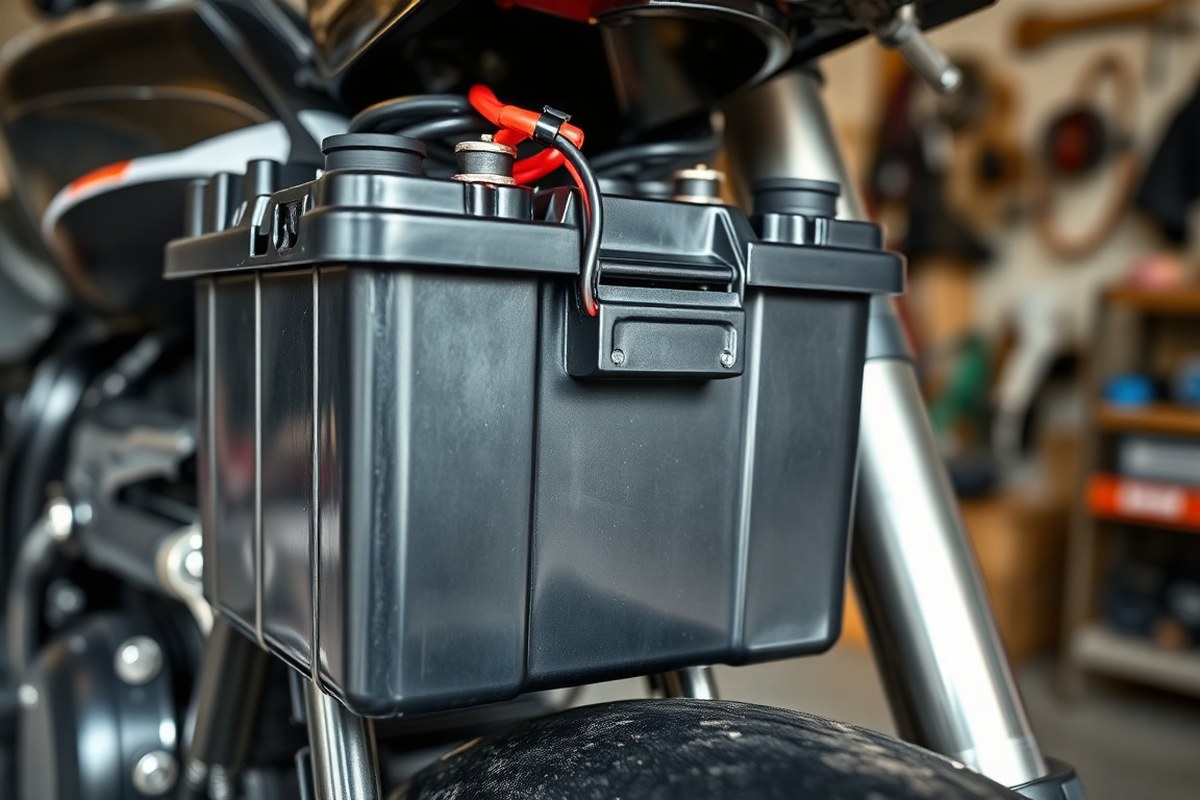
Wondering how long should a motorcycle battery last? Most riders can expect it to last about 3 to 5 years.
This range applies to many standard batteries under normal use and care. Knowing this helps you plan for replacements before your bike won’t start.
The type of battery and how you maintain it affects its lifespan. AGM batteries usually last 3 to 5 years. This depends on good charging and storage habits.
Taking care of them helps keep their life long. Regular riding and proper charging usually keep your battery healthy longer.
Watch for signs your battery is weakening well before it fails. Avoid deep discharges and keep the battery charged during long storage periods. These steps help you get the most life from your battery and prevent unexpected failures.
Key Takeaways
- Expect a motorcycle battery to last between 3 and 5 years on average.
- AGM batteries usually last longer than standard lead-acid types with good care.
- Keep the battery charged, especially during storage or infrequent use.
- A battery voltage below 12.0V means it is deeply discharged and damaged.
- Regular riding and avoiding deep discharges extend battery life significantly.
- Replace batteries older than 4 to 5 years even if they still start the bike.
How Long Does a Motorcycle Battery Typically Last?
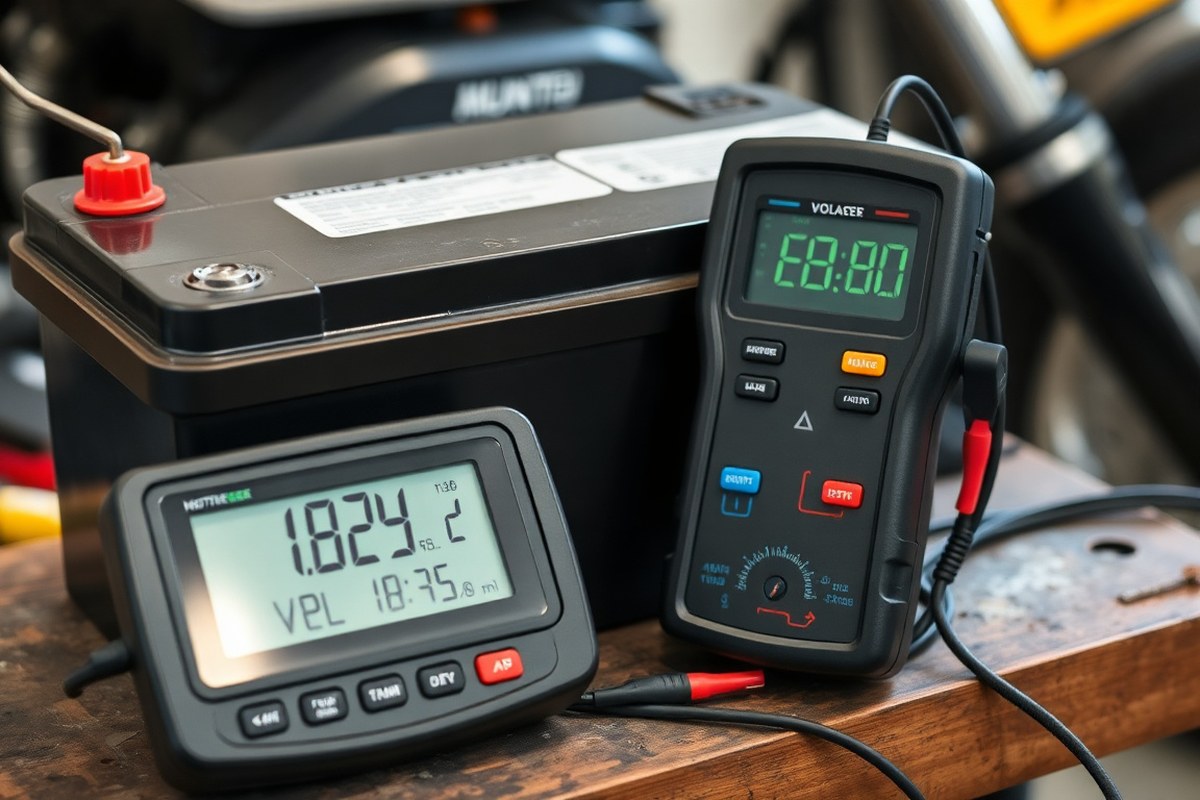
Most motorcycle batteries last between 3 and 5 years under typical conditions. This range comes from industry testing and manufacturer claims, reflecting normal riding and maintenance habits. Your battery should work well within this time frame.
After that, it may struggle to hold a charge. Expect some decline as it gets older.
In real-world use, battery life varies due to factors like riding frequency, weather, and care. Some batteries may fail in under 2 years if neglected. Others can last beyond 5 years with proper maintenance.
AGM batteries usually last between 3 and 5 years. They can last up to 8 years with good care. Charging often and proper storage help this.
Lithium batteries often last longer, around 5 to 10 years. But they usually cost more upfront. To reach these lifespans, keep your battery charged.
Avoid extreme temperatures that can cause damage. Check the battery regularly to catch issues early. Riding your motorcycle often helps keep the battery healthy.
Long periods of inactivity make batteries lose charge faster. Try to start your bike at least once a week.
How Different Motorcycle Battery Types Compare by Lifespan
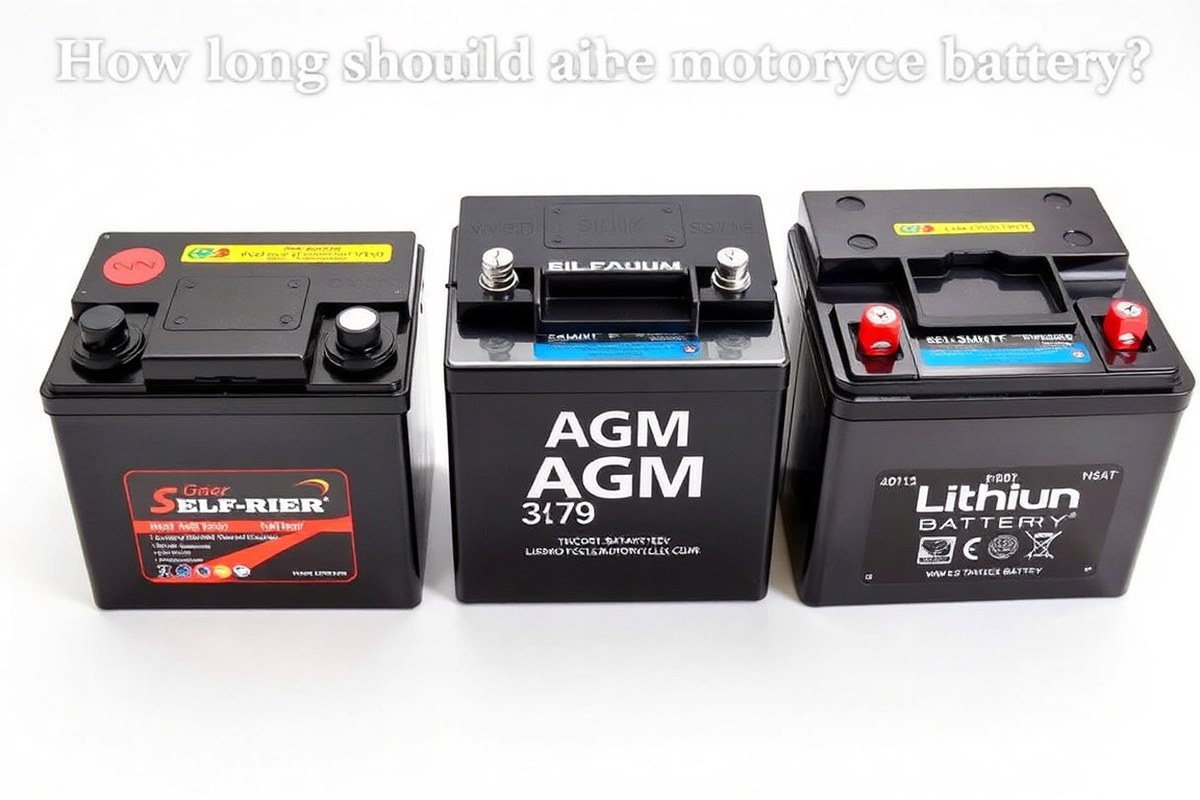
Motorcycle batteries come in lead-acid, AGM, and lithium types. Each lasts a different time and needs varying care. You choose based on how long you want to ride without swapping it out.
Lead-Acid (Flooded) Battery Lifespan
Flooded lead-acid batteries last about 2 to 3 years on average. They need regular checks to keep electrolyte levels right. Too low, and sulfation will shorten their life fast.
These batteries demand the most maintenance. Adding distilled water every few months is a must. Overfilling or leaving them undercharged leads to early failure.
Absorbent Glass Mat (AGM) Battery Lifespan
AGM batteries last around 3 to 5 years, sometimes up to 6 with good care. They’re sealed, so no watering is needed. This makes maintenance simpler than flooded lead-acid types.
AGM batteries avoid electrolyte spillage and resist vibration better. You still need to avoid deep discharges to prevent sulfation. Using a charger meant for AGM types helps preserve their lifespan.
Lithium-Ion (LiFePO4) Battery Lifespan
Lithium iron phosphate (LiFePO4) batteries can last 5 to 7 or more years. They handle 2,000 to 3,000 charge cycles better than lead-acid types. This means they hold a charge longer and need less frequent replacement.
They require special chargers matching their voltage and have built-in management systems. Heat and deep discharges hurt them.
So avoid storing them hot or draining below 20% regularly. Disconnect them during long storage to keep them healthy.
| Battery Type | Average Lifespan | Maintenance Needed | Storage Priority |
|---|---|---|---|
| Flooded Lead-Acid | 2, 3 years | High (Add water regularly) | Keep electrolyte level; prevent sulfation |
| AGM (Absorbent Glass Mat) | 3, 5 years | Low (Sealed, no watering) | Avoid deep discharge and cold storage |
| Lithium Iron Phosphate (LiFePO4) | 5, 7+ years | Low (Use correct charger) | Avoid heat and deep discharge |
Choosing between battery types depends on your budget and care routine. Lead-acid costs less upfront but wears out faster.
AGM gives better lifespan with less fuss. Lithium costs more but lasts longest and weighs less.
The care differs because chemistry changes what damages battery cells. Lead-acid types suffer from water loss and sulfation when mistreated. Lithium cells need care to avoid heat damage and voltage mistakes.
Use a charger designed for your battery type to avoid damage and extend life.
What Key Factors Influence Motorcycle Battery Lifespan?
Your riding habits directly affect your motorcycle battery life. Short rides often don’t give the battery enough time to fully recharge. Over time, this leads to a slowly weakening battery and reduced lifespan.
Long rides help keep your battery healthy. They maintain a full charge. This happens through the bike’s generator.
Environmental conditions matter a lot. Extreme cold slows chemical reactions inside the battery, cutting capacity temporarily. Heat speeds up battery wear and can cause fluid loss in lead-acid types.
Vibrations on rough roads shake battery plates, which damages them bit by bit. Keeping your bike in a stable climate or using protective mounts can help.
Adding electrical accessories can drain your battery faster. Every extra light, heated grip, or phone charger increases the electrical load. The engine must run long enough to recharge.
Otherwise, the battery drains faster. A small parasitic drain of 30 milliamps affects your battery. It can weaken a 10Ah battery in a few days.
- Ride at least 20 minutes regularly to recharge the battery well
- Store the bike indoors or use insulation to avoid extreme temperatures
- Use vibration dampers or cushioned mounts when possible
- Limit non-essential accessories or run them only when the engine is on
- Check for electrical drains by disconnecting accessories if the battery dies fast
- Charge the battery fully after winter or long storage periods
- Maintain battery terminals clean and tight for good electrical contact
Taking these steps helps manage the common issues that shorten battery life. Regular rides with proper charging offset the effects of short trips and extra drain.
Avoid parking your bike for months without a maintainer charger to stop slow voltage drops. Good maintenance also includes watching your charging system to prevent undercharging or overcharging.
Signs Your Motorcycle Battery Needs Replacing
Your motorcycle battery shows signs of trouble before it dies completely. When the resting voltage drops below 12, the battery has low charge.4 volts for a 12V lead-acid battery, it suggests the charge is low.
Voltage below 9.A voltage below 6 means heavy sulfation or a bad cell. The battery needs replacing right away.
Watch your bike’s performance too. Dim lights or slow engine cranks during startup often point to a weak battery. Hearing clicking while starting and seeing dim lights means the battery voltage is dropping fast.
Urgent replacement is necessary when these issues occur despite a full charge. Recharging won’t restore a battery below 9.6 volts.
Continuing to run a bad battery risks damaging your bike’s electrical system. Check the charging system voltage after swapping the battery to avoid frying the new one.
- Dim lights even after a full charge
- Engine cranks slowly or struggles to start
- Voltage below 12.4 volts at rest (lead-acid)
- Voltage plunges below 9.6 volts, signaling damage
- Clicking sound when trying to start the engine
- Battery needs frequent recharging with no charge retention
- Verify charging system output before deciding on replacement
For lithium batteries, the critical voltage cutoff is higher, around 11.5 volts. You can test resting voltage with a basic multimeter at the battery terminals. Keep your battery clean and terminals tight to avoid false failure signs caused by poor connections.
Your bike may run fine at high RPM but start poorly from rest. This signals a battery problem. That’s because the charging system keeps the battery charged while running above 2000 rpm.
But a bad battery can’t hold that charge. Replace the battery urgently if a full charge doesn’t start the bike. Watch for trouble signs too.
How to Test Motorcycle Battery Health at Home
You can check your motorcycle battery health at home. Use a voltmeter and run a simple load test to do this.
These checks help you see if the battery holds voltage and cranks your bike well. You don’t need fancy tools to spot a weak battery early.
Required Tools and Preparation
Gather a digital multimeter or voltmeter with a 20V DC setting. Make sure your motorcycle is off and the key is out. Safety glasses and gloves protect you from battery acid or sparks.
Also, clean the battery terminals of any corrosion. Dirty terminals can give wrong voltage readings and hide real battery problems.
Measuring Open Circuit Voltage
Measure your battery’s resting voltage first. This test shows the battery’s charge level without any load. Most healthy motorcycle batteries show 12.6 to 12.8 volts at rest.
Follow these steps to check:
- Turn off the motorcycle and remove the key.
- Set the voltmeter to DC voltage, 20V range.
- Connect the positive (red) probe to the battery’s positive terminal.
- Connect the negative (black) probe to the negative terminal.
- Read the voltage on the meter display.
- Compare this voltage to ideal ranges: 12.6+ volts is good, 12.4 volts or lower means partial charge, below 12.2 volts signals trouble.
- Wait 15 minutes after charging before testing voltage for accurate results.
Never test voltage immediately after charging. Wait at least 15 minutes for steady readings.
Performing a Simple Load Test
A load test shows how the battery performs under the strain of starting the bike. You can simulate this at home without a fancy load tester. Just watch the voltage drop while cranking the engine.
Here’s what to do:
- Set the voltmeter as before to measure DC voltage.
- Ask a helper to turn the ignition and crank the starter for a few seconds.
- Watch the voltmeter voltage during cranking.
- A healthy battery voltage should stay above 9.6 volts during cranking.
- Voltage dropping below 9.6 volts means the battery may be weak and could fail soon.
- Test multiple times to see if the battery recovers voltage quickly between starts.
- End the test as soon as you see low voltage to avoid draining the battery.
Avoid cranking the engine for more than 10 seconds at once. This helps prevent overheating or damaging your battery.
Best Practices to Extend Motorcycle Battery Life
Regular charging keeps your motorcycle battery healthy for longer. Charge your battery after every ride lasting less than 30 minutes. Short rides don’t fully recharge the battery, causing undercharge and sulfation.
Use a smart charger or battery maintainer designed for motorcycles to avoid overcharging or undercharging. These chargers adjust voltage and current automatically.
Cleaning battery terminals helps maintain a good connection and prevents corrosion. Check the terminals every month. Wipe them with a damp cloth.
Use a wire brush if they are dirty. Tighten the terminals carefully, but don’t overtighten. Loose or corroded connections can cause starting problems and reduce battery life.
Store your bike for over a month? Use a trickle charger or battery tender. Keep the battery charged.
These devices maintain a steady, low-level charge and prevent self-discharge. Keep the battery where it’s cool and dry.
Ideal temperature is 50 to 77°F. This slows the battery’s chemical breakdown. Disconnect the battery if you store the motorcycle long term without a charger.
- Charge battery right after rides under 30 minutes.
- Use a smart charger or battery maintainer, not a basic charger.
- Clean and tighten terminals monthly to avoid corrosion.
- Keep battery charged during storage with a trickle charger.
- Store battery in a temperature-controlled environment.
- Disconnect battery if storing bike long term without charging.
Deep discharges shorten battery life, so avoid running your battery low. Let the bike rest for at least four hours before testing voltage. This gives an accurate reading.
Over time, even well-maintained batteries wear out, but following these steps delays failure. Battery maintenance costs little but saves time and money by preventing breakdowns and early replacements.
How to Properly Store Your Motorcycle Battery During Inactivity
Store your motorcycle battery in a cool, dry place between 50°F and 80°F. Charge it regularly with a battery maintainer to keep it healthy during long breaks. This care helps keep your battery ready and extends its life.
Preparing the Battery for Storage
Start by cleaning the battery terminals with a wire brush or sandpaper. This removes corrosion that can drain the battery. Disconnect the battery from the motorcycle to stop any slow power loss.
Check the battery’s charge level before storing. A fully charged battery avoids damage from deep discharge over time. Follow these steps to prepare your battery:
- Remove the battery from your motorcycle carefully.
- Clean the battery terminals using a wire brush or sandpaper.
- Dry off any moisture on the battery surface.
- Check the voltage with a multimeter or take it to a shop for testing.
- Fully charge the battery with a charger designed for motorcycle batteries.
- Apply a thin coat of dielectric grease on the terminals to prevent corrosion.
- Place the battery on a non-conductive surface for storage.
Recommended Storage Conditions
Keep the battery in a dry, ventilated spot where temperatures stay stable. Avoid places where temperatures drop below 32°F or rise above 100°F.
Extreme cold can freeze the electrolyte and crack the case. Heat speeds up battery aging and can cause swelling. Aim for a moderate climate indoors or a garage with controlled temperature.
Don’t store the battery on concrete directly, as this may slowly discharge it. Use a wooden shelf or thick plastic to keep it insulated.
Scheduled Charging During Storage
Charge the battery every 4 to 6 weeks if you aren’t using a smart charger. A connected battery maintainer is even better because it adjusts charge automatically.
This prevents the battery from falling below 50% charge, which harms its lifespan. A good maintainer costs about $40 to $70 and is worth the investment.
Use a charger specifically made for your battery type, such as AGM or lithium. These chargers have settings to avoid overcharging, which can damage the battery.
Common Myths and Mistakes That Shorten Battery Life
Starting your bike does not fully recharge the battery. It only gives a small boost, not a full charge.
You need to ride for 20 to 30 minutes at highway speeds to recharge properly. Short rides under 10 minutes mostly drain the battery and don’t restore much power.
Riding short distances often causes partial charges. The battery never reaches full voltage and stays weak.
This leads to sulfation, which damages lead-acid batteries by reducing capacity permanently. Over time you’ll notice sluggish starts or no start at all.
- Don’t expect the starter motor to recharge the battery fully
- Take longer rides regularly, at least 20 minutes
- Avoid starting and idling without riding
- Use a smart battery charger if riding is infrequent
- Check voltage regularly to spot early discharge
- Store the battery off the bike during long breaks
- Watch out for corrosion on terminals that impedes charging
Overcharging is another common mistake. It happens if your charging system runs too hot or a charger is set wrong.
Overcharging causes acid loss, heat damage, and permanent battery wear. Always use a charger with auto shut-off or smart modes designed for motorcycle batteries.
Never leave a motorcycle battery on a regular car charger without supervision. It risks overcharging and damage.
Frequently forgetting to charge or leaving electrical loads on while idle drains the battery too. This deep discharge drives the voltage below 12 volts, speeding up damage and preventing reliable starts. Good maintenance means topping off charge after rides and resting with the battery fully charged.
When to Replace Your Motorcycle Battery: A Practical Decision Guide
Replace your motorcycle battery if it’s older than 4 to 5 years, even without failure signs. Batteries past this age run a higher risk of sudden failure, especially lead-acid types. Planning a replacement before spring can avoid getting stranded when cold weather hits.
Use a multimeter to test your battery voltage before deciding on a replacement. Fully charged batteries should read about 12.6 volts or higher when the bike is off. When the voltage falls below 12, it means your battery is weak.4 volts, the battery might be weak and need a recharge or replacement soon.
Check the charging system’s output, too. A healthy system typically outputs between 13.5 and 14.5 volts at running engine speed.
When charging voltage is too low or too high, the battery won’t charge right. It will also wear out faster that way.
Watch for performance signs like slow starts, dim lights, or electronics acting up. These signs usually mean the battery can’t hold a charge well. Don’t wait for the battery to fail completely.
Replace it when signs show. This helps you avoid getting stuck.
Testing helps you decide if a battery still has life. But if your battery is over 4 years old or fails voltage tests, replace it.
Testing costs just a few dollars for a multimeter or free if a shop checks it. Replacing a battery costs $50 to $150 depending on type.
Delaying replacement risks sudden battery death and possible damage to your motorcycle’s electrical system. You might get stranded or cause strain on your starter motor. It’s safer to plan replacements early instead of waiting for total failure.
Step-by-Step Action Plan to Keep Your Motorcycle Battery Healthy
Follow these steps to keep your battery working and avoid surprise stalls. Each step helps you check or improve your battery’s condition.
- Before Your Next Ride: Check the battery terminals for corrosion. Clean them if you see white or greenish buildup to ensure good contact.
- After Every Week: Inspect the battery’s charge level with a voltmeter. It should read around 12.6 volts when fully charged.
- Every Month: Use a multimeter or battery tester to check voltage and health. Replace the battery if voltage drops below 12.4 volts without charging.
- Every Time You Ride: Run your motorcycle at least 20 minutes. This helps keep the battery fully charged. Short rides might not fully recharge it.
- Before Long Storage (Over 1 Month): Remove the battery and use a trickle charger. This keeps it at the right charge without damaging the cells.
- In Cold Weather: Store or use a heated battery blanket if temperatures drop below 32°F. Cold kills battery power faster.
- Every Two Years: Plan for replacement, especially if you notice slower starts or dim lights. Most batteries naturally wear out around this time.
Frequently Asked Questions
What Is the Average Lifespan of a Motorcycle Battery?
Motorcycle batteries typically function well for 3 to 5 years. Battery life varies by type and your maintenance routine.
Can a Motorcycle Battery Last Longer Than Five Years?
Yes, some batteries can exceed five years with good care. Proper charging and storage help extend the battery life.
How Does Riding Style Affect Motorcycle Battery Lifespan?
Aggressive riding usually doesn’t shorten battery life much. But not letting the battery recharge properly can cause trouble.
What Happens If a Motorcycle Battery Dies Suddenly?
A sudden battery failure usually means it’s time for a replacement. Regular testing can help avoid getting stranded.
Is There a Difference in Lifespan Between Lead-Acid and Lithium Motorcycle Batteries?
Lithium batteries typically last longer than lead-acid ones. Their sealed design also means less maintenance.
Key Points to Remember
Your motorcycle battery usually lasts two to four years with proper care. Keep an eye on voltage and terminals regularly to spot trouble early. Take one small step today by checking your battery’s charge before your next ride.