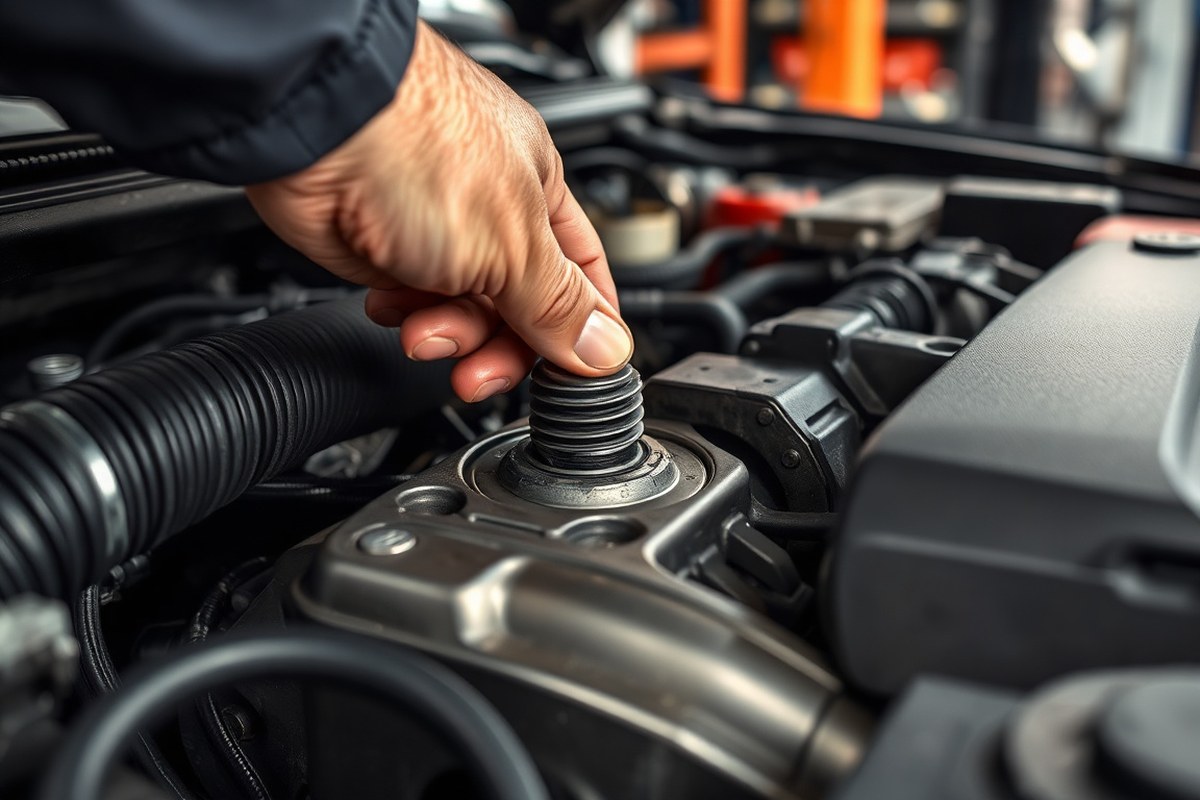
What Happens If U Don’t Change Your Oil: Ultimate Guide to Avoid Engine Damage
Your engine parts won’t get the protection they need without fresh oil. Old oil thickens and gets dirty, letting dirt and metal bits build up inside. This makes parts grind and wear out faster than usual.
Old oil can’t cool and lubricate the engine well anymore. Without enough lubrication, parts rub harder, causing more friction and heat damage. This can lead to serious engine problems or complete engine failure.
Dirty oil also clogs important engine passages that carry fresh oil. When oil flow slows or stops, parts overheat and can seize up quickly. This may cause your car to break down without warning.
Changing your oil regularly helps keep your engine clean and running smoothly. Follow your car’s recommended miles or time intervals to avoid problems. Skipping oil changes can lead to costly repairs or engine replacement.
Key Takeaways
- Change oil every 3,000 to 5,000 miles for most vehicles.
- Use synthetic oil if your car supports longer intervals, up to 10,000 miles.
- Don’t drive more than 2,000 miles past your oil change due date.
- Skip oil changes, and dirt builds up, causing engine wear.
- A full oil change takes about 10 minutes; don’t skip it to save time.
- Check your oil levels and color regularly to spot early problems.
What Happens Inside Your Engine If Oil Isn’t Changed
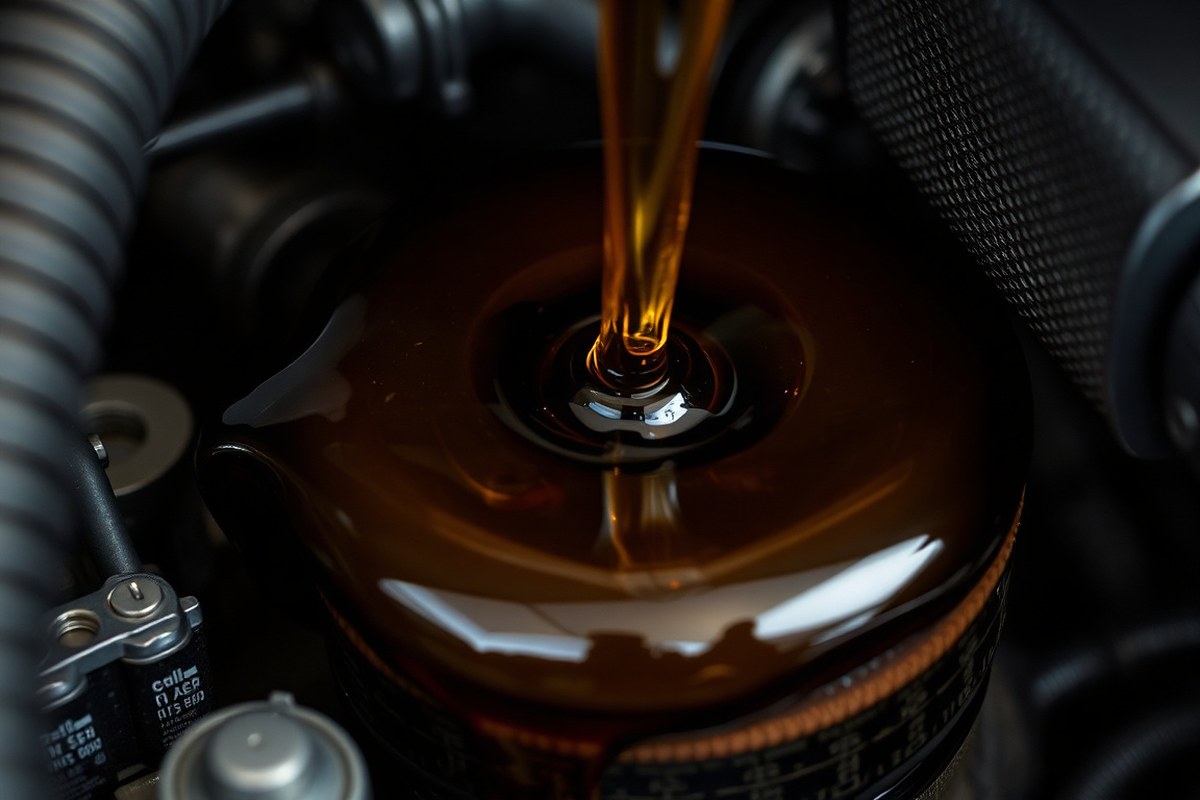
Engine oil lubricates moving parts, cutting down friction and heat. Over time, old oil loses these properties and thickens into sludge. This sludge coats engine parts, stopping oil from reaching important areas like pistons and bearings.
Without proper lubrication, these parts scrape against each other. This friction causes extra heat, forcing the engine to work harder. Overheating can warp metal parts and damage gaskets, which leads to leaks and reduced engine efficiency.
As the oil breaks down, contaminants build up inside the engine. This debris further increases friction and damages surfaces. When oil can’t keep everything moving smoothly, the engine wears out faster and fuel efficiency drops.
Ignoring oil changes can cause oil starvation in key components such as crankshafts and camshafts. Starvation means these areas receive little to no oil, quickly leading to part failure. At worst, this can result in complete engine seizure, which is costly to fix or replace.
Keeping your oil fresh prevents these issues by maintaining proper flow and cooling. Changing oil every recommended interval stops sludge buildup and preserves lubrication. It’s a simple step that saves major repair bills, which can easily reach thousands if ignored.
Stages of Oil Degradation and Engine Impact
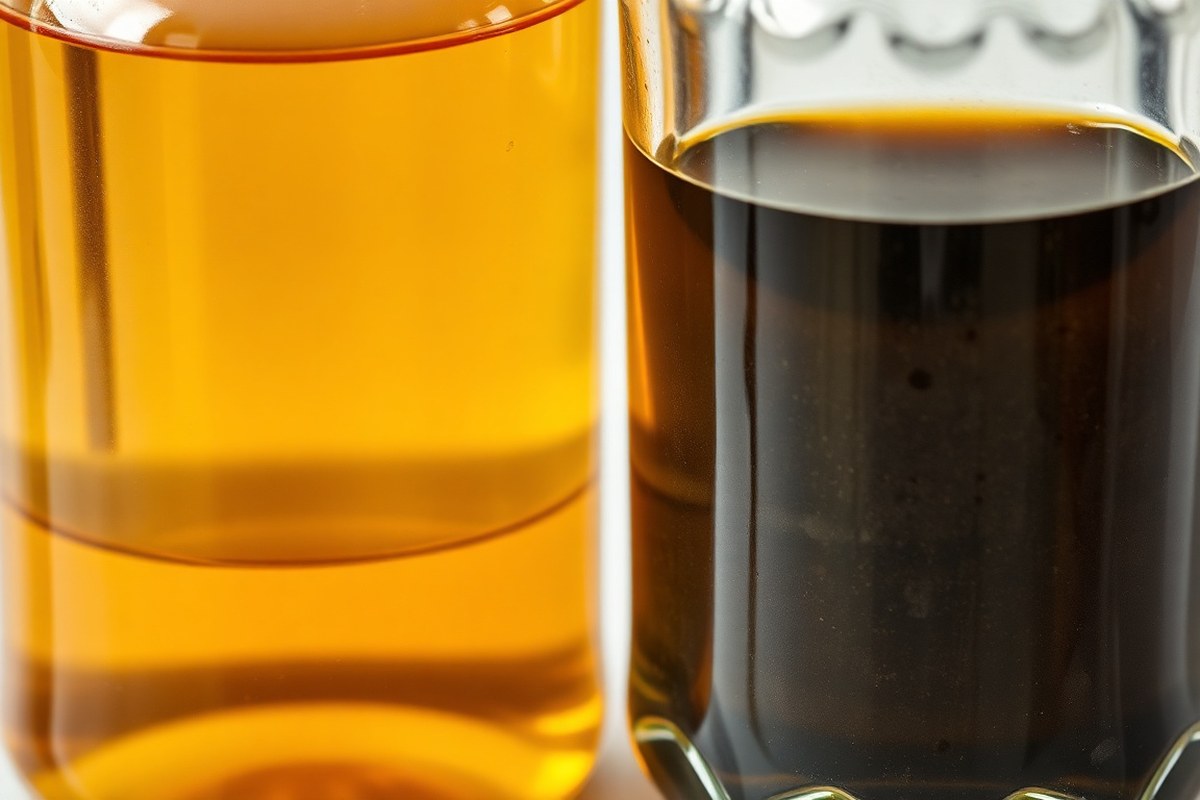
Engine oil breaks down in stages as you delay changing it. Each stage brings specific symptoms and harm to your engine. Knowing these stages helps you act before damage becomes costly.
Stage 1: Initial Oil Breakdown and Additive Depletion
Immediately after changing the oil, it appears clear and amber in color. It has additives designed to shield engine parts and fight corrosion. This protective state generally remains effective for 3,000 to 5,000 miles, varying with the type of oil and engine.
As you approach the limit for your next oil change, additives start to wear down. The oil begins to darken as contaminants mix in and the oil thins slightly. Mild flush additives help remove tiny deposits in the engine.
They work best before replacing oil and the filter. This keeps the engine cleaner for longer.
Regular oil changes with the right oil keep these basics working and protect your engine.
Stage 2: Sludge Formation and Contaminant Buildup
After 5,000 miles without changing, oil darkens and loses cleaning power. It no longer cleans engine parts effectively. This can start to cause engine issues.
Dirt, fuel residues, and combustion byproducts build up inside the oil. Varnish and sludge start to build up on hot engine parts.
This especially happens around piston rings and valves. Sludge can harm engine performance.
Your dipstick might look gritty or black when oil is old. You could feel a small drop in fuel efficiency. These signs mean it’s time for an oil change.
The filter also becomes clogged, reducing oil circulation and increasing wear. Changing oil early in this stage is still cheaper and safer than waiting longer.
Don’t wait till oil looks dark and gritty, schedule a change before sludge forms heavily.
Stage 3: Severe Engine Wear and Overheating Risks
After 7,500 to 10,000 miles without an oil change, oil thins out. It also becomes cloudy and acidic. This wastes oil’s ability to protect your engine.
It no longer protects engine parts from heat or corrosion. Thermal breakdown causes oil to lose its heat absorption, raising engine temperature dangerously.
Sludge and bits of carbon break loose and block oil passages. This stops lubrication from reaching some engine parts. It can cause serious engine damage over time.
This leads to piston ring failures, gaskets blowing, and warped or worn components. At this point, flushing can cause sudden blockages, worsening damage.
Engine failure is likely if oil changes are skipped this long. Repair costs climb from $60 for an oil change to thousands for engine work.
Never fast-flush a sludged engine; it risks blocking oil passages further.
How Long Can You Safely Go Without Changing Oil?
Most cars need an oil change between 3,000 and 7,500 miles. The exact time depends on your vehicle’s make, model, and the oil type. Using synthetic oil often lets you stretch the interval closer to 7,500 miles.
Driving habits and weather also affect oil life. Frequent short trips, stop-and-go traffic, or extremely hot or cold climates can wear oil out faster. In those cases, stick to the lower end of the mileage range to protect your engine.
| Oil Type | Typical Safe Interval (miles) | Notes |
|---|---|---|
| Conventional Oil | 3,000 – 5,000 | Best for older vehicles or short trips |
| Synthetic Blend | 5,000 – 7,000 | Offers improved protection and longer intervals |
| Full Synthetic | 7,000 – 7,500 or more | High performance oils for modern engines |
| Severe Driving Conditions | 3,000 or less | Hot/humid weather, lots of idling, dusty roads |
The owner’s manual lists your vehicle’s specific oil change interval. Follow its recommendation for best results.
You often drive hard or in tough conditions. Shorten your oil change interval to protect your engine.
Never skip changing the oil filter with your oil change. The filter catches dirt and particles that degrade oil. Avoiding filter replacement lets contaminants build up and can damage your engine quicker.
To decide when to change oil, use your car’s mileage and your driving style. For example, you drive 7,000 miles mainly on highways. You use full synthetic oil.
This lets you wait longer between changes. You drive 3,000 miles mostly in city traffic with conventional oil. Change your oil sooner to avoid damage.
Warning Signs Your Oil Needs Changing Immediately
Oil wears out with time and use, so watch for clues it needs changing. You can often see, hear, or sense oil trouble before it harms the engine. Checking your oil regularly helps catch problems early and avoid costly repairs.
Start by pulling out the dipstick and wiping it clean with a rag. Then reinsert it fully and pull it out again to inspect the oil’s color and texture. Fresh oil looks amber and clear.
Dark, gritty oil means it’s time to change it. Also, smell the oil. A burnt or sour smell means your oil is overdue for a change.
- Dark, gritty oil on the dipstick shows contamination and breakdown.
- Lower fuel economy signals oil isn’t lubricating efficiently.
- A ticking noise from lifters often means oil isn’t reaching engine parts.
- A burning smell inside or outside the car suggests oil leaks or overheating.
- The check-engine light may come on, often with cam-timing trouble codes.
- A red oil-pressure warning lamp means critical oil pressure loss.
- Loud knocking sounds (rod knock) indicate serious engine damage from poor oil flow.
Engine sensors catch oil issues that you might miss. The check-engine light triggers with low oil pressure or quality, signaling an immediate oil check. Don’t ignore noises like ticking or knocking, as soon these get loud, engine damage grows.
Early signs can be a drop in fuel or dark oil on the dipstick. Act quickly to change the oil. This prevents bigger problems.
Changing oil takes around 10 minutes at most shops. It costs $30 to $70. The price depends on the oil type you choose.
Regular changes keep your engine running smoothly and save money in repairs. Get your oil changed as soon as you notice signs.
Delaying your oil change increases wear on your engine. It also costs more to fix later.
Why Engine Oil Is important to Protect Moving Parts
Engine oil flows through your engine, coating every moving metal part. This film cuts down friction that would otherwise grind parts together. When oil is thin and fresh, it makes a smooth layer.
This layer stops parts from rubbing roughly. It helps your engine parts last longer.
The oil also carries heat away from these parts. Engines can get very hot, often running above 200 degrees Fahrenheit. The oil can soak up and spread heat well.
This keeps parts from getting too hot or warped. It protects your engine from damage.
Besides lubrication and cooling, oil cleans the engine. Additives inside modern oils break down sludge and tiny metal bits.
These toxins form from normal wear and tear or from old oil breaking down. Keeping them in suspension stops gunk from building up and clogging critical spots.
Oil additives also help protect your engine by strengthening the oil’s properties. They reduce corrosion, improve viscosity, and prevent deposits from forming inside. Your engine runs smoothly for longer times.
It works well even with heavy use or tough conditions. This keeps your car reliable.
A failing or dirty oil supply means those advantages fade. The oil’s thickness and ability to move through small areas lessen.
This causes metal parts to scrape harder against each other, producing friction and excess heat. Over time, this wears down bearings, camshafts, and pistons, reducing your engine’s lifespan.
Regular oil changes prevent this problem by restoring the oil’s full protective features. Fresh oil flows well, cools efficiently, and cleans effectively. Using the right oil type is important.
Change it on time to protect the engine parts. This prevents costly repairs later on.
Use the oil grade recommended in your owner’s manual for best lubrication and cooling.
Costs and Consequences of Skipping Oil Changes
Missing your oil changes can lead to expensive engine repairs or even a total engine replacement. Over time, not changing oil causes extreme wear that stops your engine from working properly. This damage can also void your vehicle warranty, leaving you with full repair bills.
Regular oil changes avoid these costly issues. They keep your engine parts lubricated and running smoothly, extending your car’s lifespan. The cost of a typical oil change is quite low.
It is much cheaper than engine repairs. Engine damage happens from using old, dirty oil.
Here’s how the costs and risks stack up if you skip oil changes:
| Issue | Cause | Typical Cost |
|---|---|---|
| Routine Oil Change | Regular maintenance every 3,000 to 7,500 miles | $35 to $75 |
| Engine Repair | Damage from dirty or missing oil | $1,000 to $4,000 |
| Engine Replacement | Severe failure due to oil starvation | $3,000 to $7,000 or more |
| Warranty Voiding | Skipped oil changes as per manufacturer’s policy | Loss of covered repairs, full owner cost |
Skipping oil changes saves money only for a short time. Costs skyrocket when serious engine damage occurs due to poor lubrication. Falling behind can also cut your car’s resale value, as buyers spot neglect signs.
To avoid these expenses, stick to your oil change schedule on your owner’s manual. Check your dashboard for oil warnings and act fast if they pop up. Simple, regular oil changes spare you from major repair bills and keep warranties intact.
Why Turbocharged Engines Require More Careful Oil Maintenance
Turbocharged engines depend heavily on oil for cooling and lubrication. The turbo spins extremely fast and gets very hot, often above 1,000 degrees Fahrenheit.
This heat breaks down oil quicker. So old oil loses its ability to protect engine parts.
Dirty or fuel-thinned oil in turbo engines causes serious damage. It can’t keep a protective film on the turbo shaft. This causes metal scoring.
Seal leaks happen because of this damage. This damage often causes costly repairs.
It can even cause turbo failure. Direct-injection engines like Volvo’s Drive-E are at risk.
Your driving style matters a lot for turbo oil life. Short winter trips don’t let the engine fully warm up. Moisture builds up inside.
Fuel mixes with the oil because of this. Many experts suggest changing oil every 5,000 to 7,500 miles under these conditions to prevent contamination.
Following your manufacturer’s oil change schedule is important. Skipping changes may void your warranty, leaving you responsible for expensive repairs. A turbo rebuild or replacement costs much more than oil changes.
Oil changes usually cost $50 to $100. Prices depend on your vehicle and location.
Poor oil maintenance lets sludge and debris build up quickly in turbos. This reduces performance and can cause the turbo to seize. Use the right oil grade to keep the turbo healthy.
Change oil on time, especially if you drive hard. Stop-and-go traffic calls for more care.
Check your owner’s manual for recommended oil types and intervals. High-quality synthetic oil often works best for turbo engines because it resists heat breakdown. Regular oil changes preserve the turbo’s lifespan and keep your engine running smoothly.
Choosing the Right Oil and Change Schedule for Your Vehicle
Synthetic oil lasts longer and protects engines better than conventional oil. Blends mix features of both, offering decent protection at mid-range cost.
Your choice decides how often you need an oil change. It also affects how well your engine stays safe.
Conventional vs Synthetic Oil: Key Differences
Conventional oil wears out faster and needs more frequent changes. Synthetic oils are made with refined compounds that resist breakdown under heat and pressure. Synthetic blends combine both, extending oil change intervals while costing less than full synthetic.
Synthetic oil helps your engine last longer because it handles heat and contaminants better. Conventional oil can break down quicker in stop-and-go driving or extreme temperatures. Picking the right oil type keeps your car running smoothly and reduces wear on engine parts.
Oil Viscosity and Engine Needs
Viscosity is the thickness of oil and impacts how well it flows and protects. Too thick or too thin oil causes noises like tapping or ticking after a change. Follow your owner’s manual to use the right viscosity for your engine and climate.
Choosing the right oil viscosity ensures better engine protection and fuel economy. Oils that are too thick can strain the engine when cold.
Oils too thin might not protect at high temperatures. Always top off with the same viscosity oil if your level is low during use.
Manufacturer’s Recommended Change Intervals
Car makers provide oil change intervals based on engine design and oil type. Modern vehicles can run 6,000 to 12,000 kilometers or more between changes with synthetic oil. Most recommend changing oil every 6 to 12 months regardless of mileage.
Following these intervals avoids engine damage and keeps warranties valid. Ignoring schedules risks sludge buildup and poor lubrication. Staying on top of changes helps your car reach its full life span.
Here is a table comparing oil types and recommended change intervals:
| Oil Type | Typical Change Interval | Engine Protection Level | Cost per Quart (Approx.) |
|---|---|---|---|
| Conventional | 3,000 to 5,000 miles (4,800 to 8,000 km) | Basic protection, wears out quickly | $4 to $6 |
| Synthetic Blend | 5,000 to 7,500 miles (8,000 to 12,000 km) | Moderate protection, longer intervals | $5 to $7 |
| Full Synthetic | 7,500 to 12,000 miles (12,000 to 19,000 km) | High protection, best heat resistance | $7 to $10 |
Synthetic and blend oils offer longer, safer intervals but cost more per quart. Conventional oil is cheaper but needs frequent changes to avoid engine wear. Check your manual for the exact type and interval recommended for your model.
Use the oil viscosity your manufacturer specifies to avoid engine noise and damage.
Immediate Steps to Take If You Missed Your Oil Change
Missing your oil change calls for quick action to avoid damage. First, check your oil’s level and appearance. Then, get the oil and filter changed as soon as you can to limit harm.
Knowing some extra steps helps you handle sludge better. It also helps you know when to call a mechanic.
Check Oil Level and Condition Immediately
Pull out the dipstick right away and wipe it clean. Dip it back in, then check the oil level. It should be between the low and full marks on the stick.
Look at the oil’s color and texture. Clean oil has an amber color and a smooth texture.
Dark, thick oil that looks like coffee grounds signals sludge buildup. This thick sludge slows oil flow and can cause engine parts to wear faster.
Change Oil and Filter Without Delay
Book an oil change appointment or visit a quick-lube shop fast. They will drain old oil, replace your oil filter, and add fresh oil.
Oil filters trap dirt. But they get dirty too and must be swapped out each time.
A normal oil change costs about $40 to $70. This price is for conventional oil and a filter.
Synthetic oil costs more, typically $50 to $100. Acting quickly helps avoid costly repairs later.
Use Oil Flush Additives If Needed
Sludge buildup means you might try an oil flush additive. It can help loosen the deposits.
Check product instructions carefully and only use additives made for your engine. They dissolve sludge to improve oil flow and clean passages.
Follow these tips when using an oil flush:
- Pour additive into the oil fill before oil change
- Run the engine at idle for about 10 to 15 minutes
- Drain old oil while warm to help sludge flow out
- Replace oil filter after flushing
- Use recommended oil type after the flush
Keep in mind, oil flushes are a temporary fix. They don’t replace timely oil changes.
Schedule Professional Engine Inspection
Call a trained mechanic if you notice sludge or ongoing oil problems. They have tools to inspect engine parts and oil passages. Mechanics can spot damage early and tell you if repairs are needed.
Ask the mechanic to check for these issues:
- Sludge buildup in oil pan or passages
- Signs of oil leaks or burned oil
- Engine overheating or knocking noises
- Oil pressure readings and filter condition
Early inspection helps prevent long-term engine damage and costly repairs.
Step-by-Step Action Plan to Keep Your Engine Healthy
Follow these steps to avoid engine damage from skipping oil changes. Check results after each step to confirm your engine stays protected.
- Today: Check your oil level and appearance with the dipstick. Look for dark or gritty oil showing it’s time to change.
- This week: Schedule an oil change with the right type for your car. Make sure the shop uses oil meeting your owner’s manual specs.
- After the oil change: Reset your oil change light if your car has one. This keeps your reminders accurate.
- Month 1: Monitor for warning signs like engine noise or a check engine light. Catch problems early.
- Every 3,000 to 7,500 miles: Change your oil based on the car’s advice. Use the right type of oil for your vehicle. Stick to the recommended schedule.
- Before long trips: Check your oil and top it off if needed. This avoids damage from extra strain.
- Every 6 months: Check the oil filter during oil changes. Replace it if needed. This helps keep the oil clean and flowing well.
- Maintain records: Keep a log of oil changes and mileage. This helps track maintenance and avoid costly mistakes.
Frequently Asked Questions
What Happens If My Oil Light Comes on and I Ignore It?
Your engine risks severe damage if the oil light is ignored. The oil pressure is low.
Stop driving right away. Check the oil to avoid engine failure.
Can Old Oil Cause Poor Fuel Economy?
Yes, dirty oil makes the engine work harder, using more fuel. Keep oil fresh to improve mileage and reduce wear on engine parts.
Does Skipping Oil Changes Affect My Car’s Warranty?
Yes, neglecting oil changes often voids warranties. Manufacturers require regular maintenance, so follow their schedule to keep coverage valid.
Can I Use Old Oil for Emergency Top-Ups Before a Full Change?
Yes, but only briefly. Old oil won’t protect your engine well.
Replace it soon. This keeps proper lubrication in your engine.
Is It Worse to Skip Synthetic or Conventional Oil Changes?
Skipping synthetic oil changes can be worse because it breaks down faster under heat. Synthetic oils need timely replacement to protect modern engines.
Before You Go
Keeping your oil fresh is the easiest way to protect your engine. Don’t delay oil changes to avoid costly repairs. Start by checking your oil today and plan your next change soon.