Can You Drive Without Coolant? What Really Happens and How Long It Lasts
Can you drive without coolant? The quick answer is no, not safely.
Coolant keeps your engine from overheating. Without it, your engine heats up fast and risks serious damage.
The cooling system works by circulating coolant to absorb and release heat. Without enough coolant, your engine can overheat within just a few miles. Driving any longer without coolant puts expensive engine parts at risk.
A vehicle running without coolant can cause the head gasket to blow and the engine to warp. Replacing these parts costs hundreds or even thousands of dollars. So, driving without coolant is not worth the risk to your engine or wallet.
At the first sign of low coolant, stop and check the level. If you must drive, keep the trip very short and avoid heavy traffic or hills. Watching engine temperature closely helps you avoid costly repairs.
Key Takeaways
- Engines start overheating within 3 to 5 miles without enough coolant.
- Stop driving immediately if the temperature gauge rises fast.
- Check coolant level every 3 to 6 months to avoid surprises.
- Adding water temporarily can help, but replace with proper coolant soon.
- Coolant flushes depend on your car’s recommendations, usually every 30,000 miles.
- Major engine repairs from overheating can cost $1,000 or more.
Can You Drive Without Coolant? The Immediate Risks Explained
You cannot safely drive without coolant. Coolant keeps your engine at a safe temperature. Without it, your engine will overheat within minutes.
The engine produces a lot of heat while running. Coolant absorbs this heat and carries it away through the radiator. Without coolant, heat builds up fast and damages engine parts.
When the engine overheats, parts like the pistons and cylinders can warp or crack. This damage leads to costly repairs, often thousands of dollars. In extreme cases, the engine can seize completely and stop working.
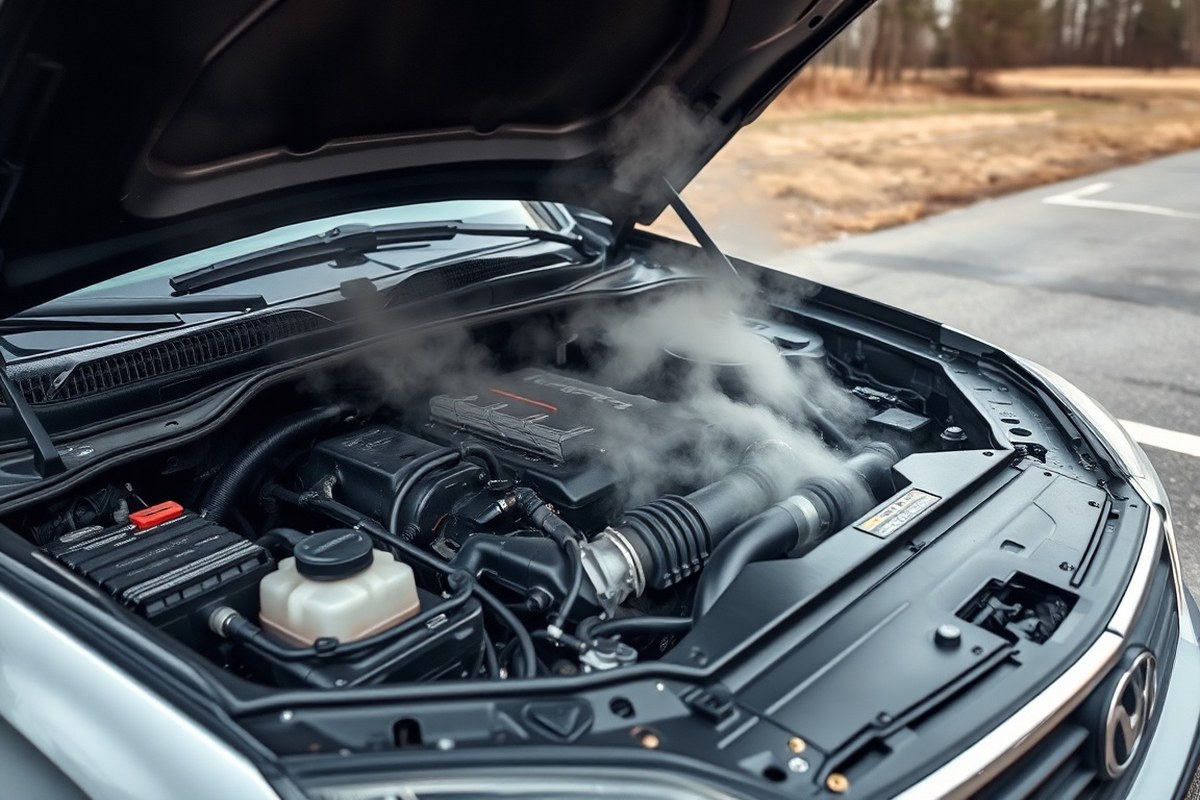
If your car has no coolant, you might only have a mile or two before damage occurs. Hot weather or heavy traffic will make things worse and speed up overheating. You might see steam from under the hood or hear strange noises as warning signs.
Some cars have safety features that shut off the engine if coolant levels get dangerously low. This prevents major damage but can be unsafe if it happens while driving. That’s why driving without coolant is a risky practice you want to avoid.
Hot engine components and no coolant raise combustion chamber temperatures to dangerous levels. This causes permanent damage within minutes.
Driving even a short distance without coolant is more than a gamble. It can ruin your engine.
How Long Can You Drive a Car Without Coolant Before Damage?
You can drive about 3 to 5 miles without coolant before your engine starts overheating badly. Serious damage often begins within 10 to 30 minutes, depending on your engine type.
This time is very short. So driving without coolant is risky even for brief trips.
Time to Overheat by Engine Size
Smaller engines tend to overheat faster without coolant because they have less mass to absorb heat. Larger engines may take slightly longer but still face serious damage within 20 to 30 minutes. Diesel engines often run hotter and overheat quicker than gasoline engines without coolant.
High-performance engines also risk faster overheating due to tighter tolerances and more heat generation. Engine design affects how coolant circulates, so some engines may retain heat differently. No engine is safe to drive without coolant for more than a few minutes.
Impact of Driving Conditions
Stop-and-go traffic raises engine temperature quickly without coolant because the engine keeps working without airflow. Hot outside temperatures shorten the time before overheating. Driving uphill or towing makes the engine work harder and overheat faster.
Cooler weather or steady highway speeds may extend the overheating time slightly. Still, even gentle driving without coolant can cause damage in under half an hour. Avoid driving without coolant under any heavy load or extreme conditions to protect your engine.
Summary Table: Safe Driving Limits Without Coolant
Typical Time or Distance
3 to 5 miles or 10 to 30 minutes before overheating starts. Engine Size Effect
Smaller and diesel engines overheat faster; larger engines slightly slower.
Driving Condition Effect
Heavy traffic, hills, and hot weather speed up overheating. Cool, steady driving delays it slightly.
Never drive more than a few minutes without coolant; engine damage can happen fast.
Common Signs Your Car Is Low or Out of Coolant
Low or missing coolant triggers clear signals your car needs help. Watch your dashboard for a temperature warning light, usually a thermometer icon with wavy lines. This light shows the engine is heating beyond normal limits and needs attention.
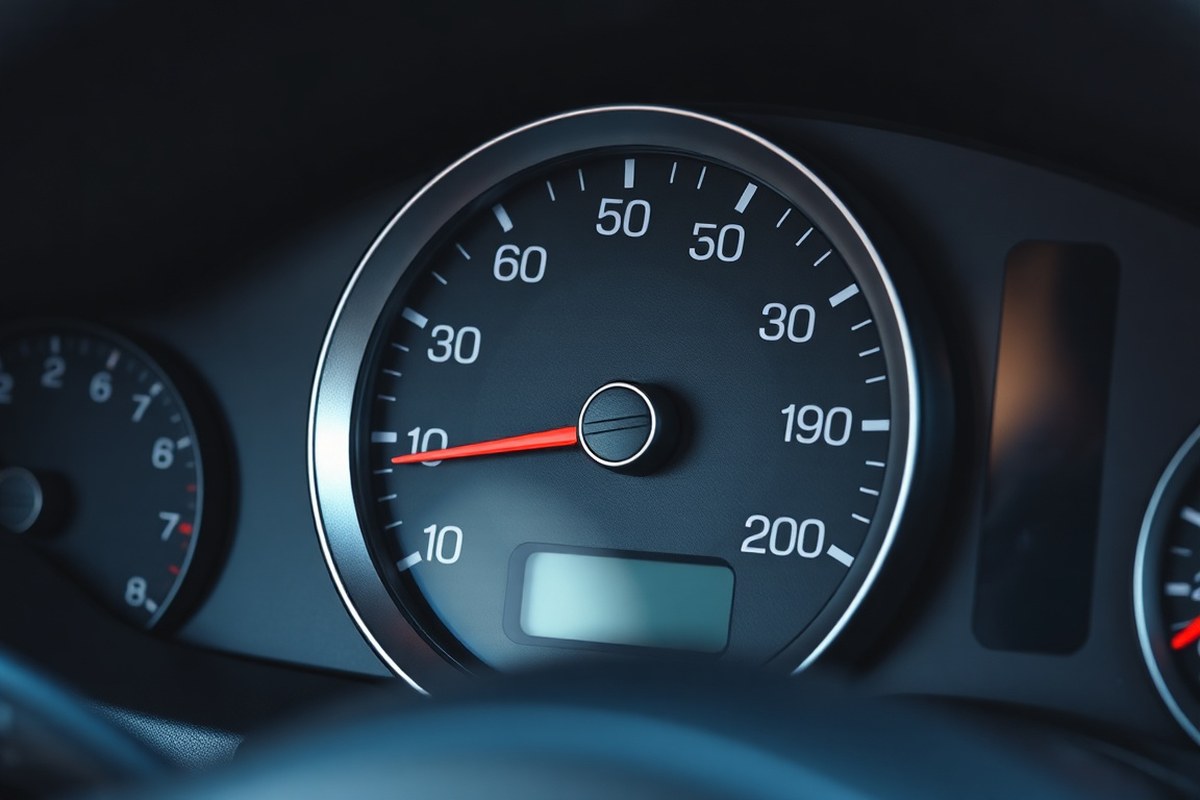
Your temperature gauge rising steadily past the middle or red zone means coolant is low. Steam or a sweet smell coming from under the hood also signals coolant leaks or overheating. Engine noises like knocking or a hissing sound may come from overheated parts or boiling coolant.
Problems with heating or air conditioning performance can hint at coolant issues. Your heater blowing cold air or weak A/C often means low coolant. That happens because coolant helps regulate cabin temperature through the heater core.
- Coolant temperature warning light on the dashboard
- Rising temperature gauge beyond normal range
- White steam or sweet antifreeze smell near engine
- Knocking or unusual engine sounds during running
- Poor heater output or sudden drop in A/C performance
- Visible coolant leaks or wet spots under the car
Spot these signs? Check your coolant level right away to be safe. Do so when the engine is cold and parked on a flat surface.
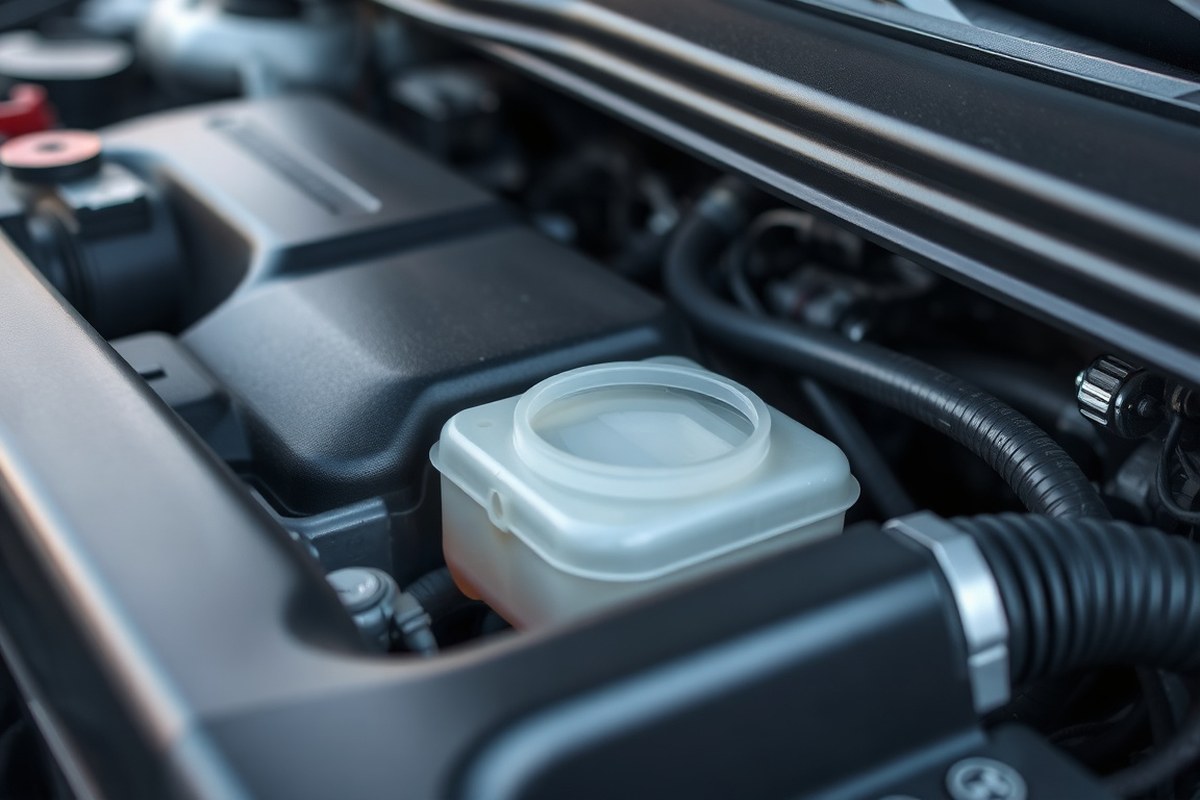
Open the hood. Find the coolant reservoir. Look for the fill marks.
Adding coolant or having a mechanic inspect your system can prevent major damage. Driving without enough coolant risks overheating and costly repairs. Early recognition of these signals helps you fix the issue before the engine suffers.
What Causes Coolant Loss and How to Identify Them
Coolant loss mainly happens through leaks in hoses, the radiator, or the water pump. These leaks often show as puddles of colored fluid under your parked car. Cracks or damage caused by engine heat can create holes where coolant escapes.
Sometimes coolant loss isn’t from a visible leak. Faulty radiator caps can let coolant evaporate or spill out if they don’t hold pressure properly. Sensors might also send wrong signals, making you think coolant levels are normal when they’re low.
Leaks can be outside or inside the engine, and both are serious. Internal leaks often let coolant mix with the engine oil. Sometimes, coolant burns inside the combustion chamber.
These leaks don’t usually cause visible puddles. This drops coolant levels silently but causes major engine damage.
- Check coolant level in the reservoir regularly, using the markings.
- Look under the car for colored puddles after parking.
- Inspect radiator hoses for cracks or soft spots by hand.
- Test radiator cap at a mechanic or with a pressure tester.
- Look for white smoke from the exhaust, a sign of internal leaks.
- Watch for engine overheating or a coolant warning light on the dash.
Cooling system pressure tests, done during service, can find leaks hidden from view. These tests help spot failing water pumps or small cracks inside the radiator.
Replacing a faulty radiator cap or hose is usually under $100. Water pump repair might cost more.
Without fixing leaks or faulty parts, coolant levels drop fast. The engine then overheats, which might warp or crack metal parts. Quick detection and repair are key to avoiding major repairs or engine failure.
Is Adding Water Instead of Coolant a Safe Emergency Fix?
You can add plain water temporarily if you run out of coolant. Use water only in an emergency and refill with the proper coolant mix soon after. Water helps keep the engine from overheating briefly but lacks some key protections.
Differences Between Water and Coolant
Coolant is a mix of antifreeze and water, usually a 50/50 ratio. Antifreeze stops the liquid from freezing by lowering its freezing point. It also raises the boiling point beyond what water alone can achieve.
This helps the engine coolant work better in extreme temperatures. Besides temperature control, coolant protects the engine from corrosion and lubricates the water pump.
Water alone can absorb heat but boils at 212°F, which is lower than coolant’s boiling point. It also doesn’t prevent rust inside the cooling system. Without those protections, your engine might overheat or corrode faster.
When and How to Add Water Safely
Only add water when the coolant tank is empty and the engine is cool. Pour the water slowly to prevent splashing and don’t overfill it. Using half coolant and half water is ideal, but plain water will do temporarily.
After adding water, drive carefully to the nearest service station or home. Swap out the water for the right coolant mix quickly. Aim to do it within one or two days.
This keeps your engine safe from damage. Keeping some premixed coolant or antifreeze in your car can save time and prevent risks.
Risks of Using Water Alone Long-Term
Using only water over time can cause the coolant system to rust and corrode. This damages metal parts like the radiator and engine block. Water may also lead to overheating because it boils and evaporates quicker than coolant.
Without antifreeze, you risk freezing the liquid in cold weather, which can crack the engine. Water also lacks additives that protect hoses and seals. Switching back to the full coolant mix is necessary to avoid costly repairs.
Never take off the radiator cap if the engine is still hot. Steam escaping can burn your skin badly. Always wait until the engine cools down completely first.
Potential Engine Damage from Driving Without Coolant
Without coolant, your engine overheats quickly, reaching temperatures over 230°F (110°C). This extreme heat causes metal parts inside the engine to expand and warp.
The cylinder head and engine block may not seal tightly anymore. This causes leaks and loss of compression.
One of the most common failures from overheating is a blown head gasket. The gasket sits between the engine block and cylinder head, sealing coolant, oil, and combustion gases. Excess heat can crack the gasket.
Coolant may mix with engine oil or combustion gases can escape. This mix turns the oil into a thick, milky sludge and reduces oil’s ability to lubricate.
A blown head gasket leads to serious engine damage and expensive repairs. Replacing it typically costs between $1,000 and $2,000, depending on the vehicle and labor rates. Unnoticed contaminated oil causes wear on bearings and cylinders.
This can lead to engine seizure. Engine seizure means moving parts grind and stop working.
It often needs a rebuild or replacement. This can cost $3,000 or more.
Driving without coolant can also warp the cylinder head or crack the engine block. These damages happen because metal warps unevenly under heat stress. Repairing a warped head means machining it flat or replacing it.
This adds hundreds to the repair bill. The block cracking usually means you need to replace the engine.
Signs of a head gasket failure include white smoke from the exhaust, overheating, and milky oil. Catching these signs early can prevent worse damage.
Always watch your temperature gauge. When it rises rapidly without coolant, stop driving immediately to avoid more harm.
Emergency Steps If You Run Out of Coolant While Driving
When your engine temperature rises fast or hits the red zone, stop safely and switch off the engine. Continuing to drive risks bad engine damage from overheating. Turn on hazard lights to warn other drivers you’re stopped.
Wait at least 30 minutes for the engine to cool down before opening the hood. Opening it too soon can expose you to steam or hot coolant, which can cause burns.
Use a thick cloth or gloves to touch the radiator cap. Release pressure slowly and safely.
After cooling, check the coolant level in the overflow tank or radiator. Check the coolant level.
Add the right coolant mix or water as a quick fix when low. Avoid adding only water long-term, since it won’t protect against corrosion or freezing.
- Park on a flat surface and turn off the engine immediately.
- Let the engine cool for 30 minutes or more before opening the hood.
- Use gloves to carefully loosen the radiator or coolant reservoir cap.
- Add coolant or water slowly to the recommended level.
- Replace the cap securely and check for leaks.
- Restart the engine and watch the temperature gauge closely.
- Drive very gently to the nearest service station for a permanent fix.
Keep the engine running only if temperatures start to drop and the coolant level looks stable. Avoid heavy acceleration or high speeds to reduce heat build-up.
Stop right away if the temperature rises again. This prevents expensive engine damage.
Costs for emergency coolant vary but usually run between $10 and $30 for a quart. Most vehicles need about 2 to 3 quarts to fill the system.
Carry a small bottle of coolant or distilled water in your car. It can help a lot in an emergency.
How Driving Conditions and Vehicle Types Affect Coolant Needs
Hot weather raises your engine’s temperature, making coolant important for safe driving. As temperatures climb, your coolant needs to work harder to prevent overheating. Driving uphill or towing pushes your engine to higher heat levels fast.
This raises the chance of losing coolant. Cooler loss risk grows the longer you stay in these conditions.
Larger engines, like V8s, heat up quicker than smaller four-cylinder engines. They can reach dangerous temperatures in 10 to 15 minutes without enough coolant. Smaller engines might tolerate low coolant a bit longer but still risk damage if ignored.
Some vehicle models are built to handle heat better. Modern cars have features that lower overheating risks. These often include better cooling system designs.
Some cars also automatically shut off when temperatures get too high. Older or basic models often lack these protections and suffer damage sooner when coolant runs low.
Cold weather adds a different challenge; without coolant, your engine risks freezing. Coolant protects against both freezing and overheating. So maintaining the right level is important year-round.
Check your owner’s manual to know when to change coolant. Usually, it is every 2 to 5 years or 30,000 to 100,000 miles. The exact time depends on your vehicle type.
Always watch for signs like no heat from cabin vents during a hot engine run. This can signal low coolant flow. Look at your engine size, local weather, and driving habits.
This mix helps you predict when to service your coolant. It also shows if you need extra coolant care.
Keep a good coolant level, especially before hot summer trips or heavy loads. Engines can overheat fast without it.
Preventing Coolant Loss: Best Practices and Maintenance Tips
Preventing coolant loss starts with regular checks and timely maintenance. Monitoring the system helps avoid overheating and costly repairs. You can keep your engine healthy by following simple inspection routines and replacing coolant on schedule.
Routine Coolant Inspection Steps
Check your coolant level monthly with the engine cold. Look under your car for leaks near the radiator, hoses, and water pump. Notice any drips or puddles that could mean escaping coolant.
Pay attention to the coolant’s color and clarity through the reservoir. Cloudy or rusty coolant may mean corrosion or dirt inside the system. Catching these issues early helps you avoid bigger problems.
- Inspect coolant reservoir and radiator for cracks or damage
- Feel hoses for softness, cracks, or swelling
- Check radiator cap for pressure seal and wear
- Look for signs of leaks or rust around fittings
- Listen for unusual engine overheating sounds
- Verify coolant is at recommended level on reservoir mark
- Observe engine temperature gauge regularly while driving
This routine takes about 10 minutes and costs nothing but your time. Early detection lowers risk of sudden coolant loss or sensor failure that leads to overheating.
When to Flush and Replace Coolant
Most makers advise flushing and changing coolant every 2 to 5 years. This usually happens between 30,000 and 60,000 miles. Follow your vehicle’s guide for the exact schedule.
Check your owner’s manual for exact intervals tailored to your vehicle. Regular changes keep the coolant’s corrosion inhibitors active.
Old coolant loses its ability to regulate temperature and prevent rust. Without this, engine parts can wear out faster or clog. Flushing removes debris and contaminants that build up over time.
Have a professional flush the system if coolant looks discolored or smells burnt. Also, replace coolant if you notice frequent low levels with no visible leaks. This may signal internal issues like a blown head gasket.
Avoiding Common Coolant Maintenance Mistakes
Never mix old and new coolant types or brands, as chemicals may react badly. Always use the type specified in your vehicle manual. Mixing can cause clogging or cooling failure.
Don’t ignore small coolant leaks or low levels just to save time. Pressure testing your cooling system helps find hidden leaks before damage occurs.
Addressing leaks early can cost as little as $100. Severe overheating repairs run into thousands.
Regularly replace worn radiator caps and faulty sensors that affect pressure and temperature readings. These parts prevent loss by keeping the system sealed and the engine cool. Skipping this causes inaccurate warnings and sudden coolant loss.
Step-by-Step Action Plan for Driving Without Coolant
Driving without coolant can cause serious engine damage fast. Follow these steps to protect your car if you run low or out of coolant.
- Before driving: Check the coolant level when the engine is cold. Fill it to the recommended mark if low, using coolant or water only for emergencies.
- While driving: Watch your temperature gauge closely. When the temperature gauge goes above normal, stop safely right away.
- Right after stopping: Turn off the engine to prevent overheating. Let it cool down for at least 30 minutes before checking inside under the hood.
- After cooling: Look for leaks, damaged hoses, or a broken radiator cap. Spot a problem? Stop driving and call for help immediately.
- Emergency refill: Use water if coolant isn’t available, but only as a short-term fix. Add coolant as soon as you can to avoid damage.
- Next day: Replace or top off with proper coolant. Monitor your temperature gauge during the first few drives after refill.
- Within a week: Get a mechanic to check for leaks or damage. Don’t wait if your car overheated or lost coolant before.
- Regularly: Check coolant levels each month. This helps spot issues early and avoid breakdowns.
Frequently Asked Questions
How Long Can You Drive Without Coolant Before the Engine Overheats?
You can only drive a very short distance without coolant before the engine overheats. Even a few minutes can cause serious damage if the engine temperature rises too high. Always stop and add coolant immediately if your level gets low.
What Should I Do If I Run Out of Coolant While Driving?
Stop your car safely and switch off the engine when coolant runs low. Let the engine cool down before adding coolant mixed 50/50 with water. In an emergency, use only water but refill with proper coolant soon.
Is It Safe to Use Plain Water Instead of Coolant Temporarily?
Using water can work in an emergency, but only short-term. Water does not have antifreeze to protect your engine in cold weather. It also misses corrosion fighters that coolant includes.
This can harm your cooling system over time. Replace it with the correct coolant mixture as soon as possible.
What Happens to Your Car Engine When There Is No Coolant at All?
Without coolant, your engine overheats rapidly, causing warped parts or a blown head gasket. This leads to costly repairs and possible engine failure. Coolant keeps the engine at a safe temperature and prevents damage.
Can Driving Without Coolant Cause Permanent Engine Damage?
Yes, driving without coolant can cause permanent damage like warped cylinder heads or cracked engine blocks. Even short drives are risky because overheating happens fast. Stopping early and topping off coolant can help avoid this costly damage.
Key Points to Remember
Driving without coolant risks severe engine damage quickly. Always check coolant levels before and after trips. Keep a bottle of coolant or water handy for emergencies to protect your engine.