Can You Ride Motorcycle in the Rain? 9 Essential Tips for Safe Wet Riding
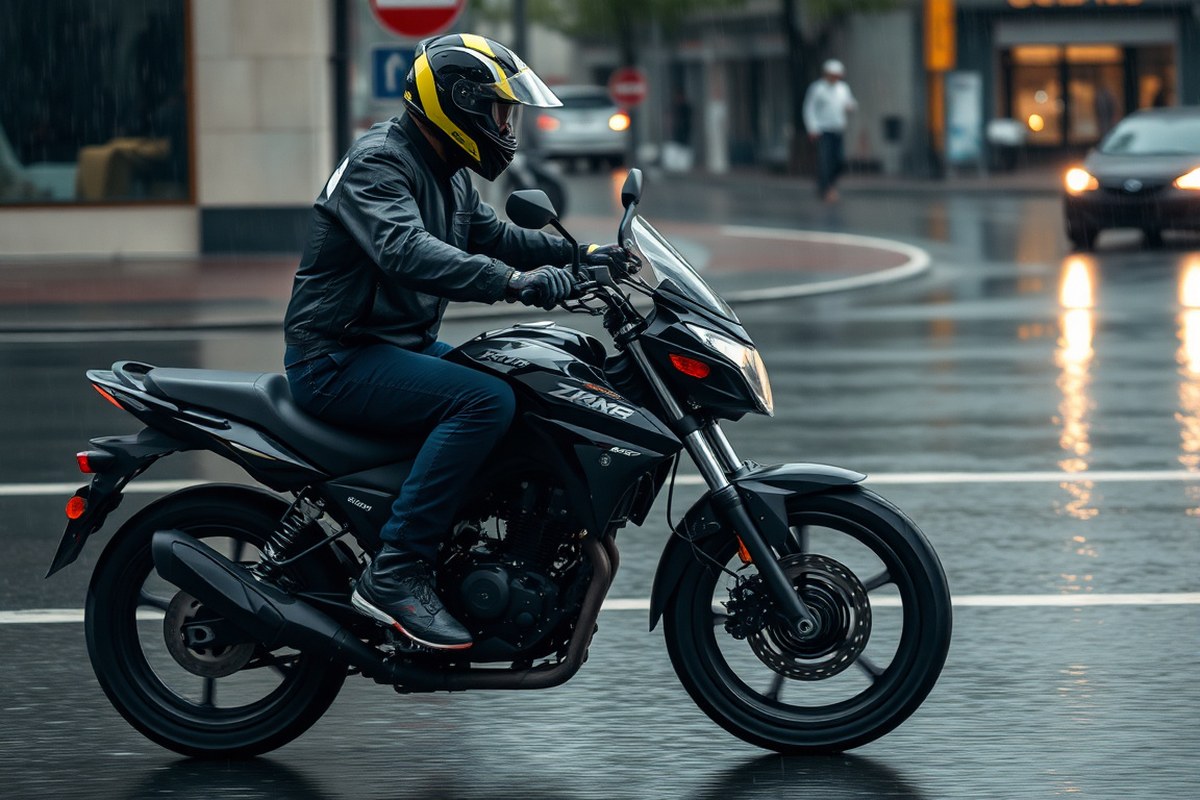
Can you ride motorcycle in the rain? Yes, but you need to be cautious.
Riding in wet conditions cuts your tire grip and road traction significantly. Your riding style must change to keep control and stay safe.
The first 15 minutes of rain are the riskiest. Oil and grime on the road make it slippery. Morning showers spread this slippery layer across the street.
This creates slippery patches that can cause accidents. Waiting out this period if you can gives you safer conditions.
Water reduces friction between tires and pavement. It also hides hazards like potholes and debris. You need to watch carefully and adjust your riding techniques to stay safe.
After rain settles, grip improves, but never reaches dry-road levels. Slow down, take corners gently, and increase braking distance. These steps help you manage the slick surface and keep traction longer.
Key Takeaways
- Do not ride immediately after rain starts; wait 15 minutes if possible.
- Reduce your speed to adjust for lower tire grip on wet roads.
- Use smooth, gentle steering inputs to avoid sudden wheel slip.
- Increase your following distance to allow extra stopping room.
- Avoid abrupt braking or acceleration to maintain traction.
- Stay alert for road oil and grime that causes slick spots.
1. Can You Safely Ride a Motorcycle in the Rain?
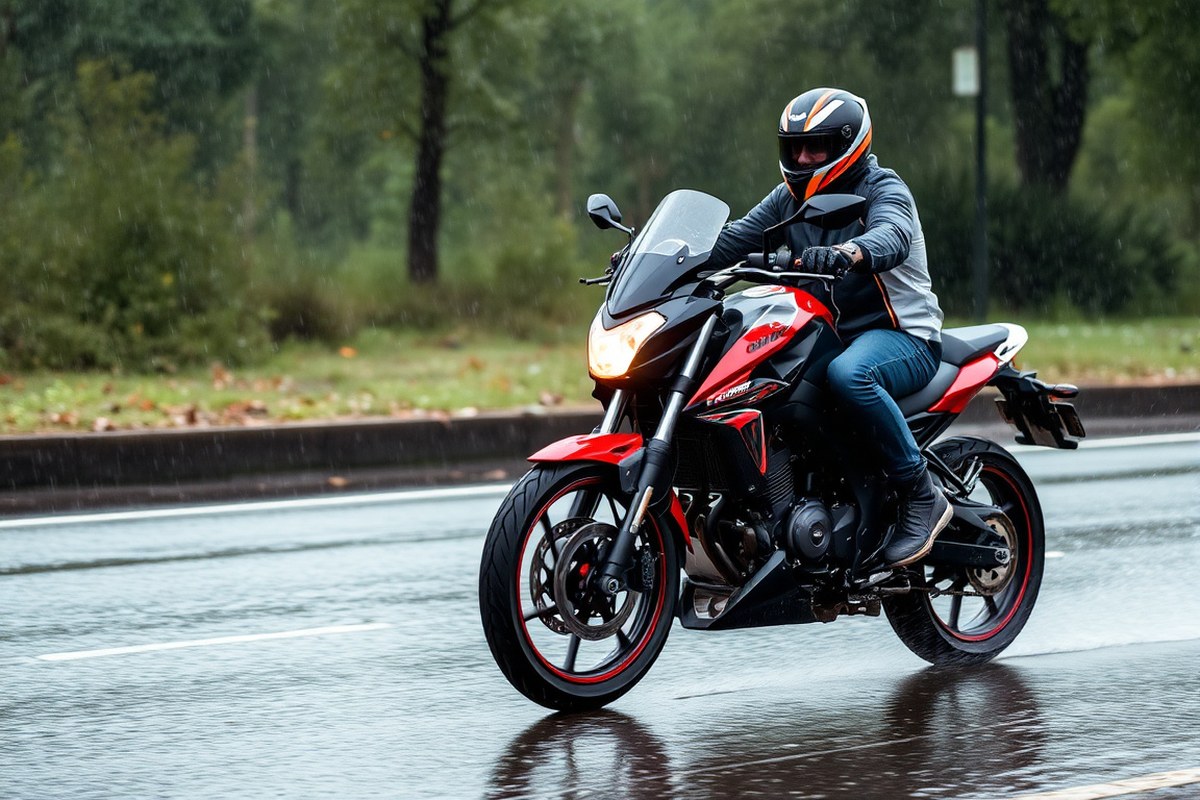
Yes, you can ride a motorcycle safely in the rain. But you must take extra care.
Rain reduces traction and visibility, which raises the risk of accidents. Riding slower than usual and avoiding sudden moves helps you stay balanced and in control.
One key to safe rain riding is anticipating slippery spots caused by oil mixed with water. This slippery mix often appears on roads just after rain starts. You need to ride smoothly, avoid harsh braking, and keep a bigger distance from other vehicles.
Visibility matters a lot. Rain and spray reduce what you see and how well others see you. Wearing bright, reflective gear makes you easier to see on the road.
Use your headlights during the day to boost your visibility. These steps help drivers notice you sooner.
Also, consider your bike’s condition and your skill level. New riders often find wet conditions more challenging. Taking your time and practicing in light rain can build confidence without pushing your limits.
Knowing weather conditions before heading out can make a big difference. Light rain with warm temperatures is easier to manage. Severe cold or freezing rain creates icy roads, which are extremely unsafe and should be avoided.
Lastly, check if your rain gear packs small and fits well. Bulky or uncomfortable clothing can distract you or limit movement. Having reliable gear ready lets you get wet without feeling weighed down or chilled.
2. How Rain Affects Motorcycle Tires and Road Traction
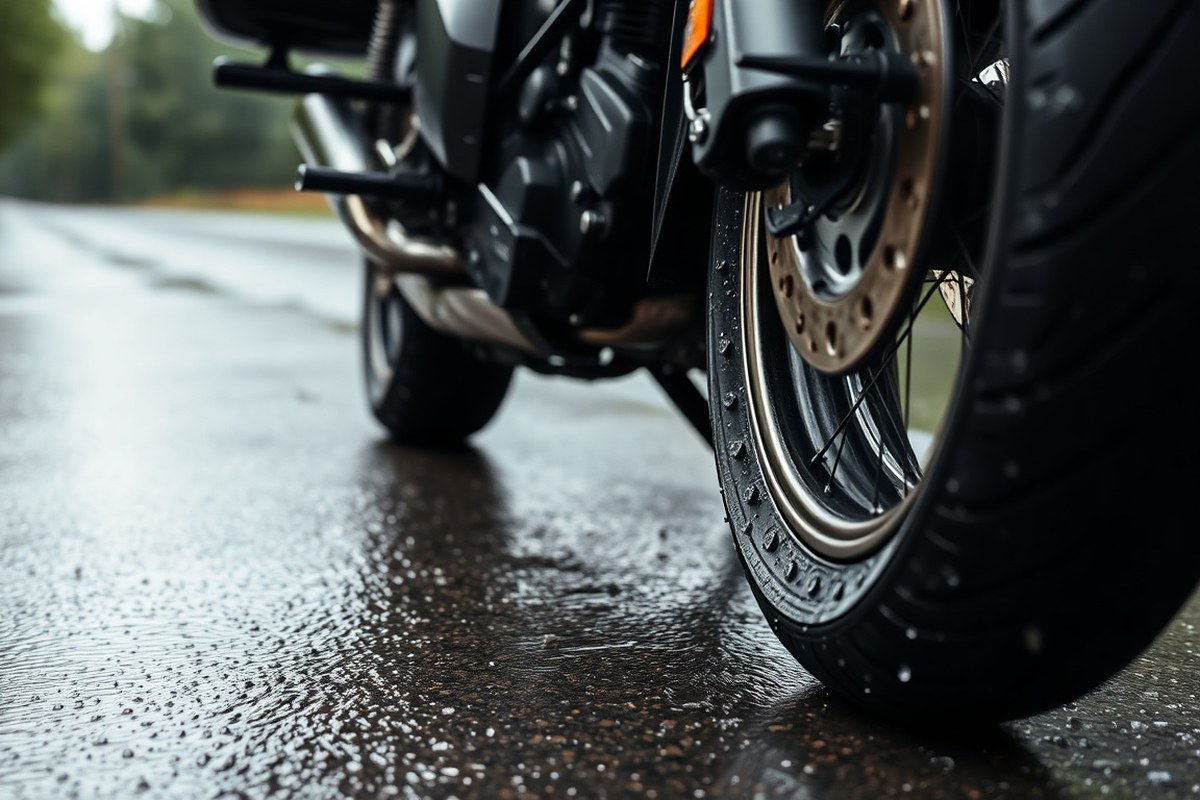
Rain changes how your tires grip the road. It mixes with oils and dust on the surface. That makes the road slicker for your bike.
When rain starts after dry weather, oils lift off the road. They form a slippery layer over the asphalt.
This layer can cause loss of traction. This oily water slick has far less traction than dry or fully wet roads.
Wet asphalt generally gives you about 60% of the grip compared to dry pavement. Modern motorcycle tires improve this to roughly 75%.
But you still need to reduce how hard you brake, accelerate, and lean. Abruptly pushing the bike can overwhelm traction and cause you to slide.
Right after rain begins, the first 10 to 20 minutes pose the highest risk. Oils freshly lifted spread across the road during early rain. This makes the surface very slick and risky.
Take extra care riding at this time. After rain settles, oil washes away or mixes with water.
This cleans the road a bit. Grip gets slightly better then.
Traction also affects how tightly you can corner. Wet roads lower your bike’s tire grip a lot. You need to lean less in turns.
Leaning too much risks sliding out. Braking distances grow longer too. So you should start slowing earlier and more gently than normal.
After rain starts, popular advice is to ride in the tire tracks of vehicles ahead. These tracks clear some water and oil, offering better traction under your tires. Stick to the cleaner tire tracks on wet roads.
This helps you keep control better. Watch out for debris pushed near the road edges.
Be extra cautious during the first 15 minutes of rain. That’s when roads are slickest because of oils lifted from the surface.
Wet tires can aquaplane if water builds up faster than the tread can push it away. This mostly happens at high speeds on deep puddles and leads to total loss of traction. To avoid this, keep speed steady and slow down when you spot standing water.
Grip changes mean you’ve got less margin for error when braking or cornering. On dry roads, your tires have about 30% more grip than needed in normal turns.
Wet surfaces erase that safety buffer, so smooth and steady inputs become important. Rough or new pavement adds even more risk in the rain.
3. What Gear Should You Wear to Stay Dry and Visible?
Wearing the right gear keeps you dry, warm, and seen in rainy rides. Focus on waterproof, breathable textiles and bright, reflective colors. Your jacket, pants, boots, gloves, and helmet visor all play key roles.
Waterproof Jacket and Pants Features
Choose jackets and pants with waterproof membranes like Gore-Tex for breathability. These keep rain out but let sweat escape, so you stay comfortable. Look for sealed seams and adjustable cuffs to block water and wind effectively.
Waterproof layers can be built-in or slip-on rain gear worn over your normal clothes. Built-in gear is less bulky but costs more.
Rain suits go over your gear and store compactly. Expect to pay $100 to $300 for solid waterproof riding jackets and pants.
Check for ventilation zippers to avoid overheating in warmer rains. Also, make sure the gear fits well without restricting movement. That helps keep control when wet roads demand your full focus.
Hi-Visibility and Reflective Gear Benefits
Bright colors like neon yellow or orange make you easier to see in low light. Reflective strips improve visibility when headlights hit you at night or in heavy rain. This lowers the risk of collisions by alerting other drivers sooner.
Wear a hi-vis vest or reflective bands over your black rain gear. Make sure they cover both your jacket and pants well. This helps other drivers see you better in rain.
This small addition can save your life on foggy, rainy days. Motorcyclists riding in rain should never skip high-visibility gear.
Simple ways to boost visibility:
- Wear a brightly colored rain jacket or rain suit
- Use reflective tape on helmets and gear
- Choose waterproof gloves with reflective panels
- Wear a reflective vest over dark gear
- Use blinking or strip LED lights on the bike
These steps improve your chance to be seen within the critical seconds drivers make decisions.
Helmet Visor and Anti-Fog Solutions
Fog on your visor cuts your sight far and fast. Anti-fog coatings and Pinlock inserts prevent fog buildup in rainy weather. Both options cost $30 to $80 and are worth the investment for clear vision.
Consider visors with a yellow tint too. They improve contrast and help you spot obstacles in rain or mist. Don’t crack your visor open; water on your eyes impairs vision more than fog.
Pick a helmet that easily swaps visors or inserts. So you can adapt quickly for weather changes. Proper helmet ventilation paired with these anti-fog measures keeps you safe.
Waterproof Gloves and Boots
Your hands and feet soak up cold faster if wet. Waterproof gloves with Gore-Tex or similar liners keep hands dry and warm. They also offer good grip and control despite rain and spray.
Waterproof boots protect feet from puddles and chilled road spray. Models with breathable membranes avoid soggy discomfort while riding. Expect to pay $150 to $300 for quality waterproof gloves and boots designed for rain.
Dress your legs for the weather. Cold, wet rides can make control and comfort slip fast. Proper gear keeps you safer and more comfortable.
Compact and Easy-to-Use Rain Suits
Rain suits that pack small are great for unpredictable weather. They slip on quickly over your gear and usually weigh under 2 pounds. These suits cost around $50 to $150 depending on features.
Look for suits with taped seams and a breathable lining. That way, water stays out, and sweat escapes. Easy access zippers and roomy cuts make putting them on simple, even with gloves on.
Keep a rain suit in your tank bag or backpack for sudden showers or long trips. They give basic waterproof protection when your regular gear isn’t enough.
4. How to Adjust Your Riding Technique for Wet Roads
Adjusting your riding technique on wet roads means going slower. Use smooth controls. Leave extra space around you.
These changes help you keep traction and react safely to slippery conditions. Focus on smooth speed changes and gradual braking.
Keep a longer following distance. Choose your lane carefully and stay balanced.
Reducing Speed and Smooth Throttle Control
Lower your speed significantly when riding in the rain. Slower speeds give you more time to react. They help reduce slipping on wet roads.
Use gentle, steady throttle inputs to avoid sudden shifts in power. Abrupt acceleration can quickly break traction and cause wheelspin. Smooth throttle control stabilizes your bike and preserves grip.
Progressive Braking and Avoiding Abrupt Inputs
Brake gradually using both front and rear brakes instead of jamming them suddenly. Progressive braking helps avoid wheel lockup and skidding.
Avoid sudden or harsh inputs in steering and braking. Smooth movements help tires grip better on wet pavement. This lets you keep control during turns and stops.
Increasing Following Distance and Defensive Riding
Double or even triple your usual following distance to increase your braking margin. Wet roads can nearly double stopping distances.
Watch vehicles ahead for sudden stops or hazards. Defensive riding means scanning far ahead and anticipating slippery patches or obstacles with more caution.
- Keep at least 4 seconds of following distance on wet roads
- Scan for brake lights earlier than usual
- Assume other drivers may struggle to stop quickly
- Avoid riding in vehicle blind spots
- Signal your moves well in advance
Choosing and Staying in the Safest Road Lines
Stick to the tire tracks where water drains and grip is better. Avoid center lane areas with road slime or painted lines that get slick in rain.
Look for dry patches and avoid puddles or standing water. These can hide hazards and cause hydroplaning if you hit them at speed.
Using Body Positioning to Improve Stability
Shift your body weight smoothly into turns to maintain balance without stressing tires. Make subtle lean adjustments instead of sharp movements.
Keep your upper body relaxed to absorb bumps and maintain control. Tension can cause jerky responses that reduce traction on wet roads.
5. Pre-Ride and Post-Ride Checks for Rain Preparation
Check your tire pressure before every rainy ride. Proper pressure helps maintain grip on wet roads. Use a reliable pressure gauge to check your tire pressure.
Follow your bike’s manual for the right pounds per square inch (psi). This keeps your tires safe and working well.
Inspect tires for uneven wear or cracks. Uneven wear reduces traction and can cause slipping on wet pavement. Replace worn tires even if they look fine at a glance.
Look over your brakes closely. Wet conditions make stopping slower, so your brakes must be sharp. Pump the brakes a few times to test their feel and responsiveness before heading out.
- Confirm tire pressure matches manufacturer recommendations (usually 30-35 psi).
- Scan tires for wear bars or bald patches.
- Check brake pads for thickness and responsiveness.
- Test lights and signals for visibility in poor weather.
- Inspect chain or belt for proper tension and lubrication.
- Examine the visor and mirrors for clear, fog-free vision.
After you ride in the rain, clean your bike as soon as you can. Dirt and grime build up faster during wet rides and can cause corrosion. Focus on your chain, brakes, and electrical connections for early signs of rust or damage.
Dry the bike thoroughly, especially metal parts and the chain. Then lubricate the chain to avoid rust. Check your tires quickly after each ride.
Look for damage from debris washed onto the road. This helps spot problems early and keeps you safe.
Keep your visor clear by wiping with anti-fog treatment before riding in the rain. Fogged or blurry vision is dangerous in wet conditions.
Correct tire pressure improves handling on slick roads. Too low pressure makes the tire squirm and lose grip.
Too high pressure reduces the tire’s contact area, also hurting traction. Consistently check pressure with a digital or analog gauge before rides.
6. Which Road Surfaces and Conditions Pose the Greatest Risks?
Painted road markings like stop lines, arrows, and crosswalks get dangerously slick when wet. Painted road surfaces stay slippery even after the rain has washed the asphalt.
This makes your tire grip weaker. Avoid riding directly on these markings to keep better control.
Manhole covers and metal plates on roads get slick when wet. They become as slippery as ice.
Their smooth texture doesn’t absorb water, so your tires can easily slip. Steer clear of these spots, especially in tight turns or braking zones.
Fresh roadwork or tar snakes can surprise you with uneven grip and slick patches. Rain lifts oil and grime off the road. This makes a thin, oily film.
It’s more slippery than dry or wet asphalt. Expect lower traction in areas under construction or recently sealed.
Loose gravel and dirt tend to wash into the road during rain, loosening under your tires. Even light rain can float fuel, oil, and other gunk to the surface, causing sudden slips. Slow down and avoid sudden moves on gravelly or dirty wet patches.
Puddles hide hazards like potholes and oil slicks and cause hydroplaning risks. Riding through puddles lifts water between your tires and the road, cutting traction. The first hour after heavy rain is the worst time to ride.
Oils and grime come up and cover the surface. Avoid puddles and slow down if you can’t avoid them.
Colder temperatures near or below 32°F (0°C) increase ice formation risks. Black ice often forms at these temperatures after rain or melting snow.
It looks like wet pavement but offers almost no grip. Watch the forecast and avoid riding if ice is likely.
Scan far ahead to spot slick surfaces and hazardous patches early. Planning your lines lets you avoid painted markings, manholes, and puddles safely. Riding smoothly and predictably reduces your slipping chances in slippery spots.
7. Best Motorcycles and Tires for Riding in Rainy Weather
The best motorcycles for rain riding offer better control and traction. Tires with deep tread and soft rubber grip wet roads well. Proper tire pressure also keeps your bike stable in the rain.
Motorcycle Types and Wet Performance
Adventure and touring bikes usually handle rain better. They have larger tires with deep treads that drain water well. Their weight and geometry also improve stability on slippery surfaces.
Scooters and standard street bikes can manage wet roads, but some have narrow tires. Narrow tires cut through water but may lack stability during sharp turns. Sportbikes with slick tires perform worse in rain due to less tread for water dispersal.
Tire Models and Wet Traction Ratings
Touring and all-weather tires have tread patterns designed for rain. Look for tires labeled “rain” or with directional grooves that channel water away. Tires made with softer rubber compounds stay sticky on wet surfaces.
Sport tires focus on dry grip and often use hard compounds that reduce wet traction. Dual-sport tires balance on and off-road performance, helping on wet dirt and paved roads. Rain-ready tires cost about $150 to $300 a set, depending on brand and size.
Tire Pressure Recommendations for Rain
Check your tire pressure before riding in rain, usually between 30 to 36 psi. Avoid overinflating, which reduces the tire’s contact with the road. Slightly lowering pressure can increase grip but don’t go below manufacturer guidelines.
Incorrect pressure makes brakes less effective on wet roads. Tires that are too hard slide more easily under braking or cornering. Use a pressure gauge and follow your bike’s owner manual for rainy conditions.
Trade-Offs Between Wet and Dry Road Performance
Tires designed for excellent wet grip often wear faster on dry roads. Softer compounds help grip in rain but degrade quickly under sun and heat. Deep treads move water but can reduce the contact patch, affecting dry traction slightly.
Some riders keep separate tire sets for dry and rainy seasons. This is expensive but improves safety and performance in both conditions. Riding the dry line on a wet road also helps balance control without switching tires.
Below is a comparison table summarizing motorcycles and tire types for rain riding:
| Type | Wet Handling | Tire Features | Typical Cost |
|---|---|---|---|
| Adventure Bikes | Stable, good traction | Deep tread, large diameter | $200 – $300/set |
| Touring Bikes | Comfortable, reliable grip | Soft rubber, directional grooves | $180 – $280/set |
| Scooters | Moderate, narrow tires | Simple grooves, smaller size | $100 – $200/set |
| Sportbikes | Poor in rain | Slick, hard compound tires | $200 – $350/set |
| Dual-Sport Tires | Good off- and on-road | Knobby treads, medium softness | $150 – $270/set |
Checking tire pressure regularly and selecting tires made for wet roads will improve safety. Remember, rain changes how you should ride your motorcycle. No tire can restore dry road grip completely.
Adjust your habits to stay safe in wet conditions. Some motorcycles come with “Rain Mode,” which tunes engine power and ABS to suit slippery surfaces.
8. Common Rain Riding Mistakes and How to Fix Them
One common mistake in rain is harsh braking. Wet roads lower traction, so sudden stops risk a skid. To fix this, slow down early and gently squeeze brakes.
Use both front and rear brakes. Spread the braking force evenly.
Over-leaning in turns also causes problems. The slick surface can’t grip well, making too much lean dangerous. Stay upright and take wider, slower turns to keep your tires firmly planted on the road.
Poor visibility leads to accidents more often than you think. Rain and fog on your visor reduce what you can see. Keep a visor cleaner or anti-fog spray handy.
Use your headlights during the day. This helps other drivers notice you better.
- Increase following distance to 4 or more seconds behind other vehicles
- Wear bright, reflective rain gear for improved visibility
- Use both brakes gently and progressively rather than hard, sudden applications
- Take turns slower and avoid abrupt lean angles
- Keep a clean, clear visor or goggles with anti-fog spray
- Practice smooth throttle control to prevent wheel spin
- Reduce speed by at least 10-15 mph compared to dry roads
Riding in wet weather demands focused adjustments right as you notice rain. Dialing back your speed and braking immediately helps you stay in control. Building wet riding habits comes from practicing these techniques on easy, safe roads first.
Always remember to brake smoothly. Jerky stops can easily cause a skid on wet pavement.
Learning to ride safely in rain takes patience and practice. Start by applying small corrections immediately when rain hits.
The more miles you ride in wet conditions, the better. You’ll feel less stress and be safer overall.
9. When You Should Avoid Riding in the Rain Completely
Don’t ride if you see heavy storms or freezing rain in the forecast. Thunderstorms cause poor visibility and slick roads that can lead to crashes. Freezing rain makes surfaces icy and deadly for motorcycles, which have less traction than cars.
Check weather updates before you ride. When rain gets heavy or visibility drops too low, wait before riding.
You shouldn’t ride if you can’t see clearly for 100 feet. Wait until the weather gets better.
Heavy downpours can flood your gear and pool water around your lap. Even the best rain suits might let water seep through after some time.
This can distract you and make riding dangerous. So it’s better to pause your trip.
Deciding to stop riding isn’t always about rain alone. Fatigue combined with wet roads causes many motorcycle crashes.
Feeling cold or tired in the rain is a sign to stop and rest. Your safety depends on alertness, not just weather.
Waiting indoors may cost time but protects you from costly injuries or bike damage. Once rain lightens and visibility clears, you can resume riding more safely. Rushing through storms often creates worse risks than waiting a short while.
Step-by-Step Action Plan for Riding Safely in the Rain
Use this plan to get ready and stay safe when riding your motorcycle in wet weather. Follow each step and check that you meet the goal before moving on.
- Before your ride: Check your tires for good tread depth and pressure. You should see deep grooves and have no bald spots.
- Before you start: Gear up with waterproof, brightly colored clothing and a clear visor. Confirm your gear stays dry and you’re visible to drivers.
- First 10 minutes: Ride slowly on familiar, straight roads. Get a feel for how your bike handles. Notice how it reacts on wet surfaces. Notice if your bike brakes and steers smoothly without slipping.
- During your ride: Keep a bigger distance from the bike in front. Use smooth and gentle throttle, brakes, and steering. Avoid sudden moves to stay safe. Check that you can stop safely sooner than usual.
- After riding: Dry your motorcycle and gear thoroughly to prevent rust and mildew. Confirm everything is clean and dry before storing.
Frequently Asked Questions
Can You Ride a Motorcycle in the Rain?
Yes, you can ride in the rain if you use the right precautions. Wearing proper rain gear and riding carefully improves safety and comfort.
How Do You Maintain Visibility While Riding in the Rain?
Use a clear, anti-fog visor or goggles to keep vision clear. Also, wear bright or reflective gear to help others see you.
What Is the Best Way to Handle Corners on Wet Roads?
Slow down more than usual and take wider turns slowly. This reduces the risk of slipping on wet surfaces and improves control.
Should You Increase Following Distance in the Rain?
Yes, keep extra space between you and the vehicle ahead. Wet roads increase stopping distances and reduce traction, needing more room for safety.
Is It Okay to Use Cruise Control During Rainy Rides?
No, avoid using cruise control in the rain for better control. You need to react quickly to slippery patches and changing road conditions.
Before You Go
You can ride safely in the rain by preparing well and adjusting how you ride. Start by checking your tires and putting on proper gear every time. Practice these steps today and build your confidence for wet rides ahead.