Is It Okay to Drive with Low Tire Pressure? Complete Safety and Distance Guide
Is it okay to drive with low tire pressure? You can drive briefly if the pressure isn’t dangerously low. Keep speeds below 50 mph.
Drive no more than 50 miles. Only do this if the tire still holds air.
Check your tire pressure as soon as the warning light comes on. The light comes on if your tire pressure drops a lot.
This means about 25% less than the recommended level. That usually happens around 24 to 26 psi.
Never drive on a tire below 20 psi except in emergencies. Below that, your tire risks damage and poor handling. Use a reliable pressure gauge to get exact readings before driving.
Key Takeaways
- Do not drive more than 10 miles if tire pressure is below 30 psi.
- For every 10°F drop in temperature, tire pressure falls by about 1 psi.
- Keep speed below 50 mph when driving on low pressure tires temporarily.
- Fill tires before pressure drops 25% below the recommended level.
- Stop driving immediately if the tire is visibly low or vehicle feels unstable.
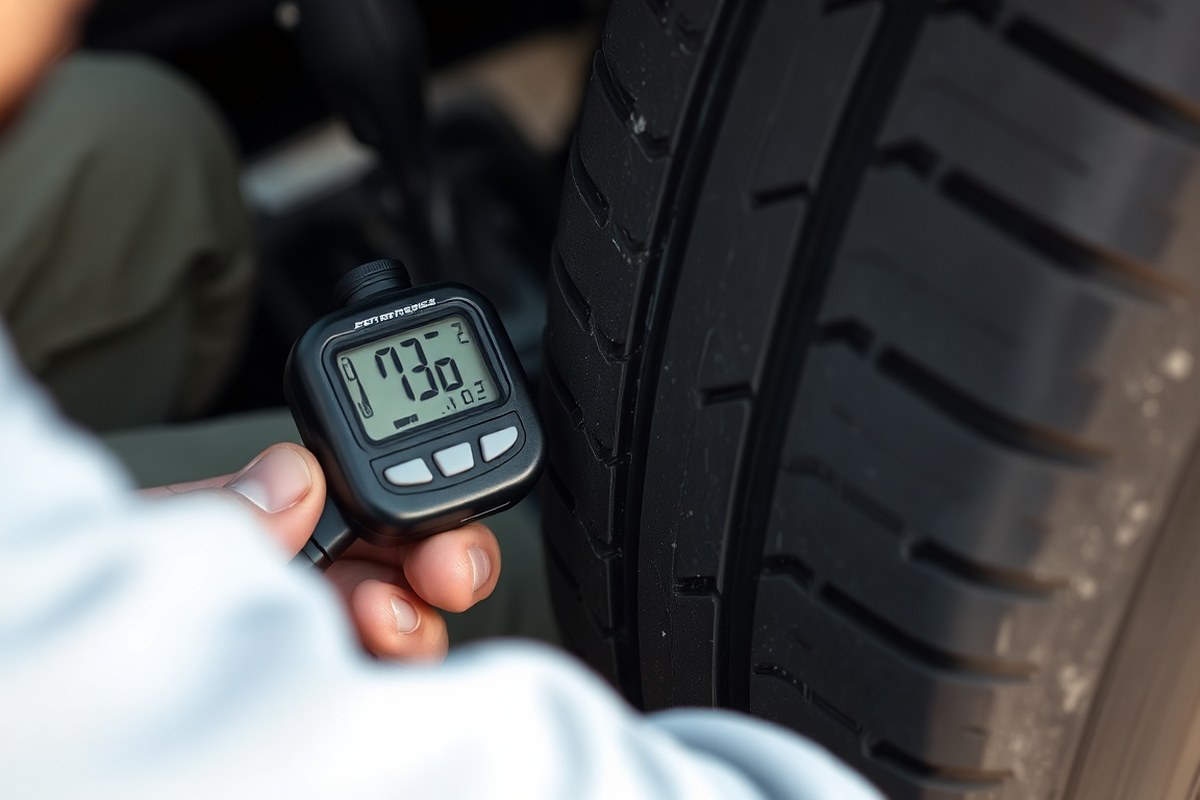
- Use a calibrated digital gauge for accurate tire pressure checks.
Is It Safe to Drive on Low Tire Pressure?
Driving on tires with low pressure is usually not safe for normal use. The recommended tire pressure for most cars is between 32 and 35 psi.
Driving with tires below 20 psi is risky. It hurts handling and raises tire failure chances.
When tire pressure is too low, the tire shape changes and heat builds up rapidly. This can lead to blowouts or loss of control, especially at highway speeds.
Tires about 5 or 6 psi under the recommended pressure may look fine outside. But inside they stress and wear out much faster.
You can drive on a low tire if the pressure stays above 20 psi. But only for a short distance. Keep speeds low and drive carefully to the nearest place where you can add air.
Do not use low-pressure tires for long trips or at highway speeds. Tires looking lower or feeling soft need fixing before driving. Don’t drive on them until repaired.
How Low of Tire Pressure Is Too Low to Drive On?
Defining Unsafe Tire Pressure Thresholds
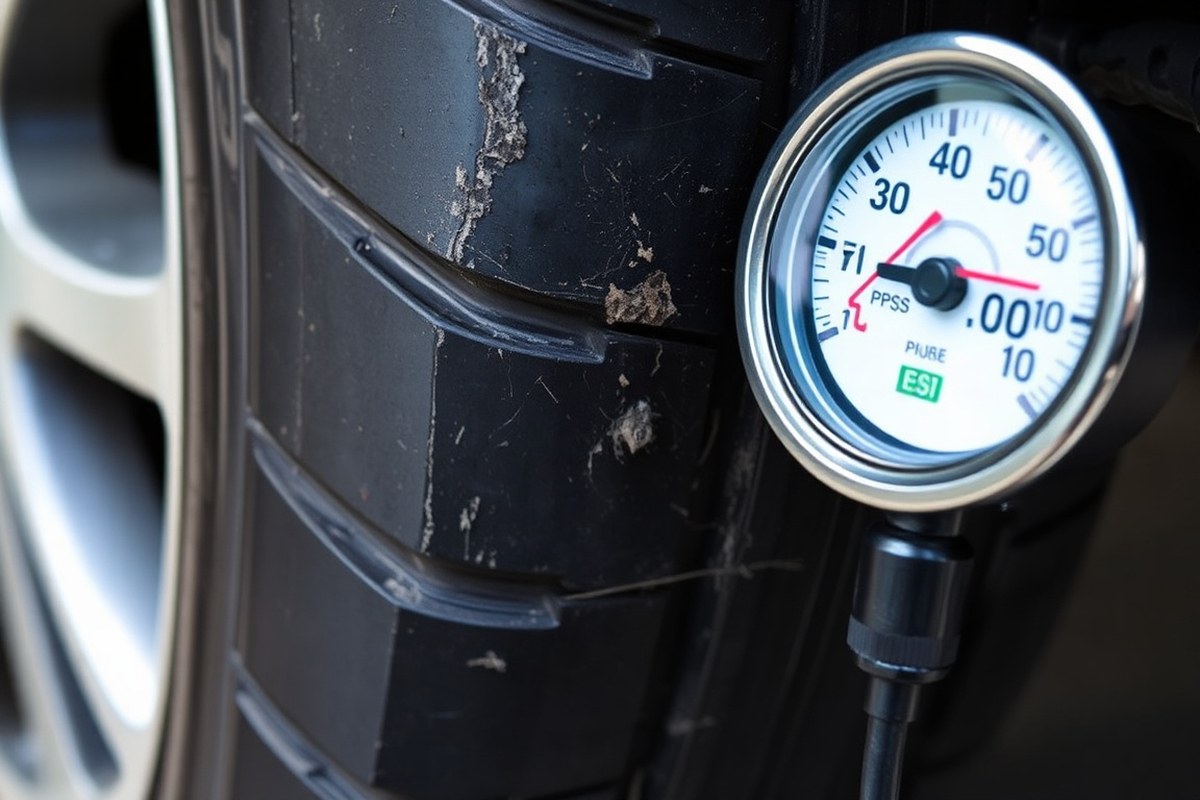
Tire pressure below 20 PSI is the clear unsafe limit for driving. At or under this level, tires risk damage and loss of control on the road. Driving even short distances with pressures this low can lead to tire failure or accidents.
When pressure gets close to 20 PSI, the tire can look visibly flat or bulging. You may also feel your car pull to one side or handle oddly. These signs mean it’s time to stop and check your tires immediately.
Why 20 PSI Is the Minimum Safe Pressure
Manufacturers generally recommend cold tire pressure around 30 to 35 PSI. Pressure below 30 PSI should be topped up quickly.
But you can still drive a short distance to a service station. Below 20 PSI, the tire can collapse or heat up quickly, risking a blowout.
Heavy-duty vehicles and some pickups require higher minimum tire pressure. Often, they need at least 25 to 40 PSI as a floor. These pressures keep the vehicle safe and stable on the road.
Check your vehicle’s placard inside the driver’s door for exact specs. For most passenger cars, 20 PSI is the absolute lower limit.
Visual Signs That Require Immediate Attention
A tire looking noticeably flat usually means its pressure is near or below 20 PSI. Look for bulges, sidewall cracks, or the tire rim touching the ground.
A crushed or damaged tire is unsafe to drive on. Stop driving right away to avoid more damage or danger.
Other warning signs include your car pulling hard, unusual vibrations, or smoke from a tire. These indicate severe under-inflation or damage, requiring immediate stopping and help from roadside or tire experts.
Checking Pressure and When to Stop Driving
Use a tire pressure gauge to measure PSI before you drive. Tire pressure below 30 PSI is too low for safe driving. Add air to the tire as soon as you can.
Driving a few miles at 25 to 29 PSI is usually fine. But keep speed and distance low.
Stop driving right away if you can’t measure pressure but see the tire visibly sagging. Also stop if your vehicle feels unstable or pulls to one side. Continuing can cause accidents or more tire damage.
Steps to Take When Pressure Is Too Low
Here’s what to do if your tire pressure is dangerously low:
- Pull over to a safe location off the road.
- Check the tire for visible flatness or damage.
- Use a gauge to confirm pressure if possible.
- Add air if pressure is just below 30 PSI and you have a pump.
- Replace the tire with a spare if pressure is below 20 PSI.
- Call roadside assistance if the tire looks damaged or you can’t add air safely.
These steps lower your risk of a blowout or loss of control due to under-inflation. Don’t delay checking your tires when you notice any pressure or handling changes.
Always stop driving if your tire is visibly flat, bulging, or below 20 PSI. It’s not safe to continue.
How Far and Fast Can You Drive with Low Tire Pressure?
You can drive a short distance on low tire pressure. But keep both distance and speed limited. A common rule is to drive no more than 50 miles.
Keep your speed below 50 mph if the tire still holds air. Don’t push it farther or faster than that. This helps avoid damage from excess heat and sidewall strain.
Following this reduces the risk of a blowout or rapid tire wear. Your tire pressure is much lower, like below 20 psi. Even a short highway drive can cause serious sidewall damage.
Change your speed and distance depending on how low pressure is. Watch for any strange or abnormal handling while driving. Adjust without pushing the tire too hard.
| Tire Pressure Level | Recommended Max Distance | Recommended Max Speed | Notes |
|---|---|---|---|
| Pressure is 25% below recommended | Up to 50 miles | Up to 50 mph | Standard low pressure warning limit |
| Pressure slightly low with no visible damage | Short trip to add air (few miles) | Cautious driving at moderate speed | Car handles normally, no risk signs |
| Pressure below 20 psi | Distance to next stop or less | City speed or lower (preferably under 20 mph) | Risk of sidewall damage rises quickly |
| Emergencies with very low pressure | 10 miles or less | 20 mph or lower | Only if absolutely necessary to reach help |
| Run-flat tires after pressure loss | Follow vehicle/tire manufacturer limits | Follow vehicle/tire manufacturer limits | Depends on your vehicle’s specification |
Driving long distances with low tire pressure is not safe. Low pressure creates extra heat and stress on the tire. This can cause a blowout or sidewall damage.
The risk is higher at highway speeds. Keep trips short enough to add air or get the tire fixed promptly.
After you fill your tires to the recommended pressure, drive a few miles over 20 mph. This resets most tire pressure sensors and turns off warning lights. Don’t drive beyond limits for low tire pressure.
Underinflation makes braking and handling worse. This puts your safety at risk.
What Immediate Steps Should You Take When the Low Tire Pressure Light Comes On?
When the low tire pressure light comes on, stop safely and check your tires right away. Make sure the tires have the right PSI before you keep driving. Adding air soon can prevent damage and unsafe driving conditions.
Check the Recommended PSI on the Vehicle Placard
Find the placard on the driver’s side door jamb or in the glove box. It shows the ideal tire pressure for your vehicle, usually between 32 and 40 PSI. This number is based on your vehicle’s weight and handling needs.
Avoid guessing or using the number on the tire sidewall. That number shows the maximum pressure, not what your car needs for safe driving. Use the placard PSI to check your tire pressure.
Low pressure means you need to fix it fast. Check it regularly to stay safe.
Use a Reliable Tire Pressure Gauge Properly
Get a simple, accurate tire pressure gauge for under $10 to $15 at any auto store. Digital or mechanical gauges both work fine. Check the pressure with cold tires for the best results.
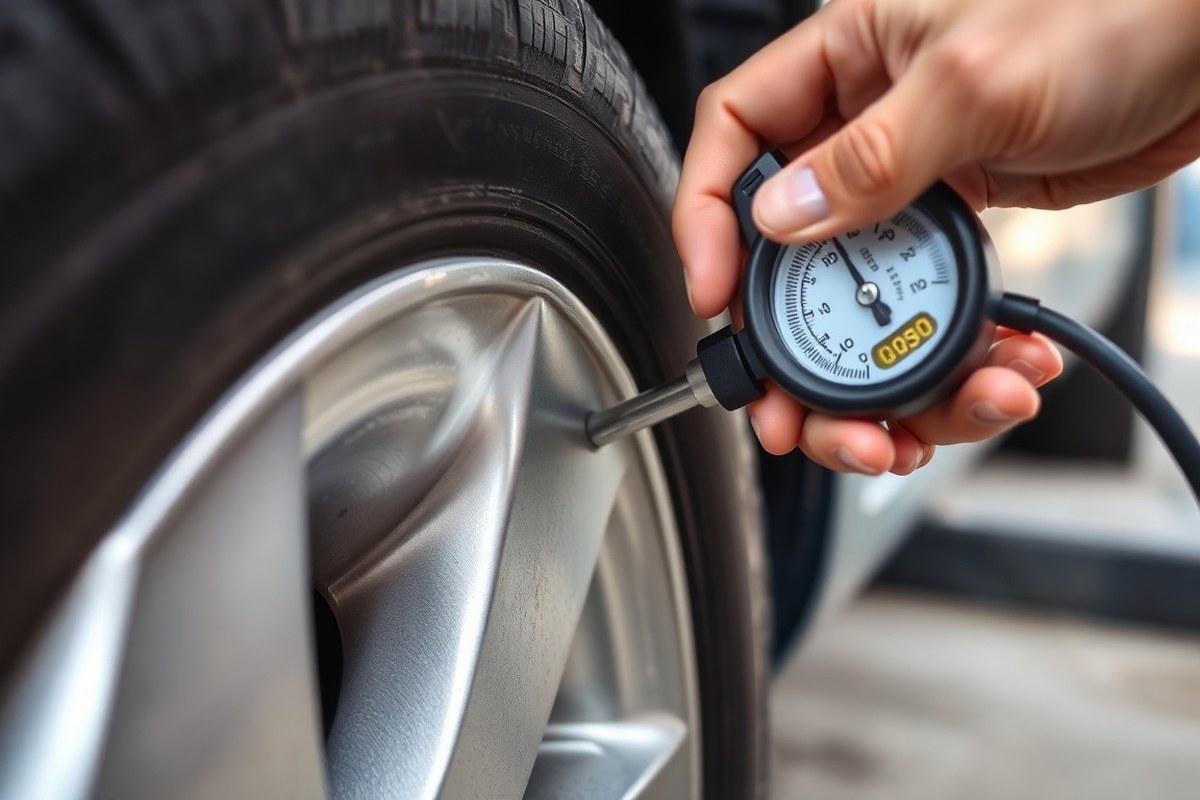
Press the gauge firmly onto the tire valve stem until the hiss of escaping air stops. Read the PSI number and compare it with your vehicle’s recommended pressure. Check all four tires to spot any that are underinflated.
You can also look for sidewall bulges or press the tire with your palm. A firm, round tire usually means good pressure. Squishy or visibly flat sides mean you need to add air immediately.
Add Air and Re-Inspect Before Driving Further
Drive slowly to a gas station if you need air. Use an air compressor there to add the right pressure. Take your time and stay safe.
Inflate tires to between 32 and 35 PSI or the placard’s recommended pressure. Avoid overinflating to prevent uneven wear or poor handling.
After adding air, recheck the pressure with your gauge to confirm it’s correct. Look over the tire for cuts, punctures, or bulges. Do this before driving far.
Don’t ignore any damage you see. Call for roadside help if the tire looks damaged.
Also call if the pressure keeps dropping. Don’t risk driving on a bad tire.
Here are the steps to follow immediately when the low tire pressure light appears:
- Find a safe place to pull over as soon as possible.
- Locate the vehicle’s tire pressure placard for the recommended PSI.
- Use your tire pressure gauge to check all four tires carefully.
- Look over each tire for visible damage or sidewall bulges.
- Drive to the nearest air station or use a portable compressor.
- Add air until the tires reach the proper PSI from the placard.
- Check tire pressure again with your gauge after inflating.
- Call a professional if the tire is damaged or leaks air. Don’t try to fix serious tire problems yourself. Getting help keeps you safe.
How Do Temperature Changes Affect Your Tire Pressure?
Cold weather causes the air inside your tires to contract, lowering pressure. For every 10°F drop in temperature, expect about a 1 PSI loss. That pressure drop can turn on your tire pressure light.
It also creates safety risks on the road. You should check tire pressure regularly.
This change happens because colder air takes up less space inside the tire. A tire set perfectly during warm weather may become underinflated overnight after a cold snap. Low tire pressure weakens your tire’s strength.
It makes handling worse on icy or slick roads. This is dangerous when driving.
You should check tire pressure every month at minimum. More often during big temperature swings. Check tire pressure only when tires are cold.
This means your car must sit still for at least three hours. Warm tires give wrong readings. Inflate your tires to the pressure in the owner’s manual.
You can also find this number on your car’s door frame. Use a good tire gauge.
Seasonal adjustments matter because winter pressure settings often need topping off more frequently than summer. Check your tire pressure every week during winter. This is important if your area often has freezing temperatures.
Proper tire pressure stops uneven tread wear. It also can improve fuel mileage by a small amount. This saves money over time.2% per PSI lost in all four tires.
Don’t ignore your low tire pressure warning in cold weather. Check and refill tires promptly to stay safe.
Load and driving speed can also change your tire pressure slightly. But temperature is the main factor in seasonal shifts. Sunlight can warm a tire and increase pressure.
So measure pressure in the shade or early morning before the sun hits the tires. These small steps help you maintain the right tire pressure all year.
Low pressure in cold weather cuts tire stiffness by almost 30%. This happens if the tire falls to 18 PSI when cold. It makes the tire less safe.
This puts you at higher risk for blowouts and emergency handling problems. Changing tire pressure as the weather shifts is easy.
It costs very little but keeps you safer. It also keeps your car running well.
What Are the Effects of Driving on Tires with Low Pressure?
Low tire pressure harms your tires and your car’s safety on the road. When tire pressure is too low, tires flex too much while driving. This causes uneven wear and builds up extra heat.
Both can reduce tire life and performance. Over time, this weakens the tire’s structure and shortens its lifespan.
You’ll notice your car handles and brakes worse with low pressure. Tires lose grip because the contact patch spreads unevenly, making steering less responsive. This effect gets worse during emergency stops or sharp turns.
- Uneven tread wear, especially on outer shoulders
- Increased risk of tire overheating and blowouts
- Deformed tire sidewalls or broken bead seals
- Poor fuel efficiency from higher rolling resistance
- Vibrations or pulling while driving
- Shortened overall tire life by up to 40%
- Reduced braking power and slower response times
Low pressure can lead to serious damage like sidewall bruising or a bead seal break. These issues sometimes cause sudden blowouts, risking loss of control. Preventing this damage means checking and adjusting tire pressure regularly, ideally before you feel any problems.
Uneven tire wear makes you replace tires more often than usual. New tires cost between $90 and $130 each or sometimes more. This adds up quickly for most drivers.
Fixing alignment after wear has begun adds more expense. Keeping pressure near manufacturer specs protects your tires and saves money over time.
When Should You Stop Driving Immediately Due to Low Tire Pressure?
Stop driving right away if your tire pressure falls below 20 PSI. A tire at this level is too low to support your vehicle safely. Keep an eye out for a tire that looks flat or visibly deflated.
You should not keep driving if the tire looks close to flat or visibly bulges. This is a sign the tire is failing and could blow out. Driving further risks rim damage and loss of control.
The car pulls to one side, wobbles, or thumps while driving; stop at once. These handling issues often mean uneven or very low tire pressure. Continuing to drive increases the chance of an accident.
Use this rule: a tire below 20 PSI is unsafe. Look for flat spots or pulling.
Stop safely right away if you see these signs. Air pressure below that level can cause heat buildup in the tire, risking sudden failure.
Always check tire pressure before driving or after the car rests for three hours. Measuring cold tires gives the best pressure reading. Don’t depend only on the tire pressure monitor warning, since it may miss fast leaks.
Smoke, thumping sounds, or a rim close to the road means stop now without delay. These are urgent signs of tire failure. Repairing tires damaged this badly often costs more than quick fixes.
What Are the Differences Between Tire Sidewall Pressure and Vehicle Recommended Pressure?
Look at the number on your tire sidewall. This number is the tire’s maximum pressure limit. It is not the pressure you should use when filling your tires.
The real recommended pressure is on a sticker inside your driver’s door frame. This number is the vehicle manufacturer’s cold tire pressure. For example, a Toyota Camry’s recommended pressure is 35 PSI front and rear.
The car’s systems, like TPMS, watch your tire pressure. They alert you if the pressure drops below 25% of the number. This helps keep your tires safe and working well.
Using the sidewall max number can cause overinflation. This leads to poor ride comfort, uneven tire wear, and possible handling problems.
Always follow the vehicle’s recommended pressure. It is set for your car’s weight, suspension, and tire type.
| Car Model | Recommended Cold Pressure (PSI) | Common Tire Sidewall Max Pressure (PSI) |
|---|---|---|
| Toyota Camry | 35 | 44 |
| Honda CR-V | 33 | 44 |
| Ford F-150 | 35, 45 (depends on trim) | 50 |
Your tire’s maximum pressure is often above 40 PSI. However, your car’s recommended pressure usually stays between 30 and 35 PSI for safe driving. This number is chosen to balance fuel efficiency, handling, and tire wear.
It’s best to check tire pressure when tires are cold. Driving heats tires and raises pressure, which can give a false read.
Only use the maximum sidewall pressure if the vehicle sticker matches it or directs higher pressure. For example, some trucks or sport trim levels require more PSI. You can’t find the sticker or it’s missing?
Look in the owner’s manual. It has the right tire pressure for your vehicle.
Don’t fill your tires up to the max PSI on the sidewall. Always check your vehicle’s pressure sticker first. This ensures you use the correct tire pressure.
Common Mistakes Drivers Make with Low Tire Pressure and How to Avoid Them
Driving with low tire pressure is risky. Many drivers make mistakes in handling it. You can avoid unsafe situations by checking and maintaining your tires properly.
Ignoring the Warning Light for Too Long
The low tire pressure warning light comes on when pressure falls low. It shows up when your tire pressure drops about 25% below recommendations. This helps you know when to add air right away.
For example, if your car needs 36 PSI, the light turns on near 27 PSI. Ignoring this light puts you at risk of a blowout and poor vehicle control.
When the light appears, check your tire pressure as soon as possible. Delaying can make the tire dangerously underinflated. This causes handling problems on the road.
Relying on Tire Sidewall Pressure Instead of Vehicle Recommended PSI
Many drivers check the number on the tire sidewall, thinking that’s the right pressure. That number is a maximum limit, not the recommended pressure for your car. Always use the PSI listed on the driver’s door jamb or owner’s manual.
Following the vehicle’s listed PSI ensures safe handling and tire wear. A sidewall number might be 44 PSI. But your car could need only 32 to 35 PSI.
- Check tire pressure when tires are cold for accurate readings
- Use a quality tire pressure gauge to avoid errors
- Inflate tires to the exact recommended PSI, not the maximum
- Check all tires, including the spare, regularly
- Inspect tires for damage or uneven tread wear
- Keep a portable air compressor in your car for quick refills
Maintaining the right pressure reduces tire damage and improves fuel efficiency.
Driving at Highway Speeds on Low PSI Tires
Low-pressure tires heat up faster at high speeds, which can cause tire failure. Driving on tires around 25 to 28 PSI is unsafe for highway speeds or heavy loads. Avoid sharp turns or sudden stops until pressure is fixed.
Choose roads with light traffic and moderate speeds when your tire pressure is low. This lowers the chance of losing control or causing an accident.
Not Checking Tire Pressure After Temperature Drops
Cold weather causes tire pressure to drop about 1 PSI for every 10°F decrease in temperature. Not checking tires after cold weather lets pressure drop unnoticed.
They may run dangerously low without you knowing. This makes driving unsafe, especially in winter.
Check tire pressure whenever temperatures fall sharply or at least once a month. Adjust pressure to the vehicle’s recommended PSI to keep handling and safety optimal.
Step-by-Step Action Plan for Handling Low Tire Pressure
Follow these steps to stay safe when your tire pressure is low. Check your tires regularly and fix any problems fast.
- As soon as the light comes on: Pull over in a safe spot. Check tire pressure with a gauge or a pump with a gauge. It should match the recommended pressure on the driver’s door jamb. Your tire pressure is too low. Don’t drive far with it.
- Within a few minutes: Inflate the tire to the recommended pressure. You can do this at most gas stations or with your own air pump. Check the gauge again to make sure the pressure is right.
- After inflating: Look over the tire for damage like cuts, bubbles, or nails. Spot damage on your tire? Let a pro check it first. Don’t drive more than one or two miles.
- Within the next day: Drive slowly if you added air. Check for damage if you saw any. Visit a tire repair shop soon. Professionals can make sure the tire is safe to use or replace it if needed.
- Weekly: Check all tire pressures when the tires are cold. This keeps you ahead of problems from slow leaks or temperature changes.
- Seasonally: Remember that cold weather can lower pressure and hot weather can raise it. Adjust tires accordingly before long trips or changes in seasons.
- Before long drives: Inspect tire pressure and condition. Inflate if needed. This helps avoid issues on the road.
- Anytime you feel a wobble or pull: Stop and check tire pressure right away. Strange car behavior can mean tire trouble.
Frequently Asked Questions
Can Low Tire Pressure Damage My Car’s Fuel Economy?
Yes, low tire pressure reduces fuel efficiency by increasing resistance. Underinflated tires cause your engine to work harder, using more gas during driving.
How Often Should I Check My Tire Pressure to Avoid Low Pressure Issues?
You should check tire pressure at least once a month. Doing it regularly helps catch leaks before tires become too low for safe driving.
Can Low Tire Pressure Cause Uneven Tire Wear Faster?
Yes, underinflated tires wear unevenly, especially on the edges. This shortens tire life and can lead to costly replacements sooner than expected.
Does Driving with Low Tire Pressure Affect Braking Distance?
Yes, it increases braking distance due to less tire contact with the road. This makes stopping slower and could raise crash risks in emergencies.
Can Low Tire Pressure Cause My Vehicle’s Alignment to Worsen?
Low pressure itself doesn’t directly misalign wheels but can cause uneven wear. That wear might feel like alignment problems needing a mechanic’s check.
Final Thoughts
Driving on low tire pressure is risky and can damage your tires or cause accidents. Always stop quickly to check and fix low pressure before continuing. Keep a tire pressure gauge in your car.
Check pressure as soon as the light comes on. Act quickly if pressure is low.