Is It Ok to Drive with Low Tire Pressure? Essential Safety Limits Explained
Is it ok to drive with low tire pressure? It’s not safe for long trips.
You can go a short distance if tire pressure stays above 20 psi. Keep your speed low to avoid further tire damage.
If pressure drops near or below 20 psi, you should stop quickly. Low tire pressure harms your tires and affects how your car handles. A warning light usually comes on if pressure is 25% below the recommended level.
Check your tires before every drive and keep pressure near the maker’s suggestion. Low pressure causes uneven tire wear and can shorten tire life by up to 25%. Drive under 50 mph and keep trips short to protect your tires and car.
Key Takeaways
- Your tire pressure warning light comes on at about 25% below recommended pressure.
- Driving below 20 psi is unsafe; stop and fill your tires immediately.
- You can drive slowly for a short distance if pressure is just below recommended.
- Keep any trip on low pressure under 50 miles and below 50 mph.
- Tire pressure drops about 1 psi for every 10°F temperature drop.
- Check tire pressure often, especially in cold weather or after long storage.
Is It Safe to Drive with Low Tire Pressure?
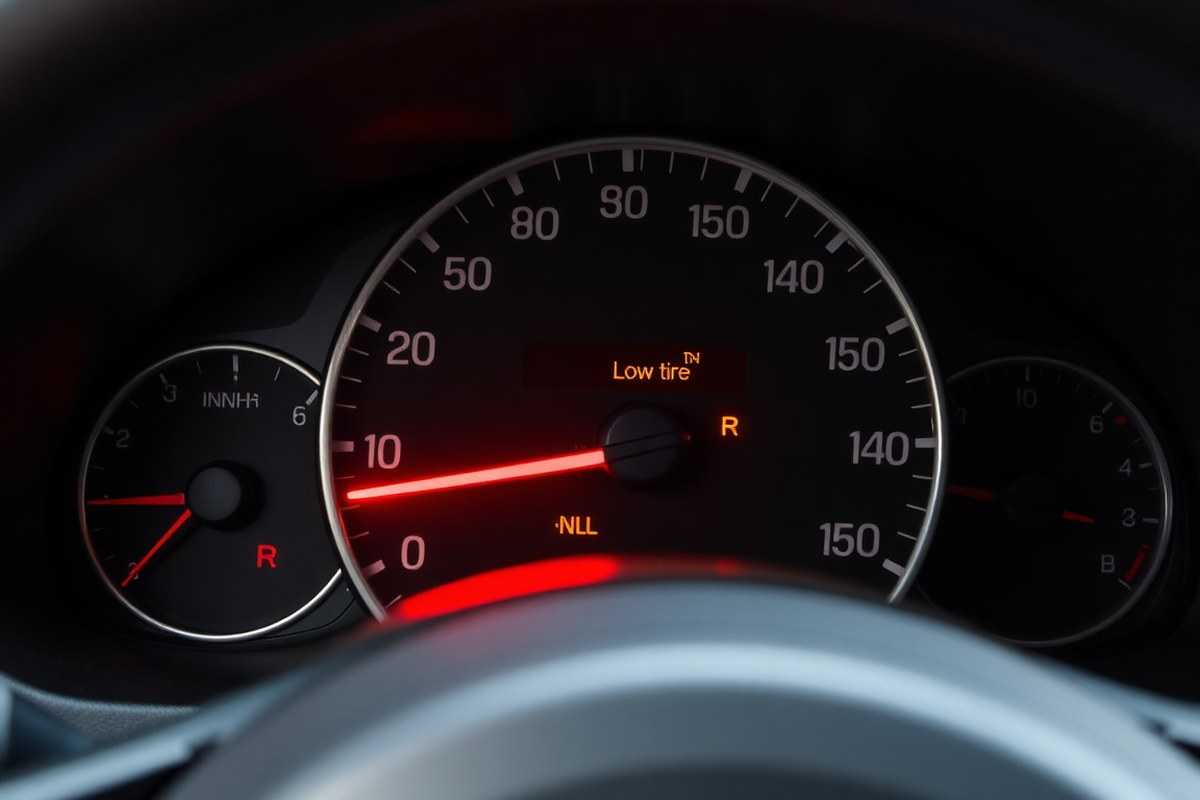
Driving with low tire pressure can be safe only under strict conditions. You should never go below 20 psi when driving on low pressure. This limit helps avoid heat buildup that leads to tire failure.
Your low tire pressure light is on? Check the air pressure right away.
Use a pressure gauge to confirm the level. Drive carefully and only as far as needed to reach a gas station or repair shop.
Do not drive if the tire is visibly damaged, nearly flat, or loses air fast. Find a safe spot to stop. Call roadside help.
Change the tire if you can. Driving on a tire below 20 psi or damaged increases blowout risk and unsafe handling.
Check your tire pressure. At or above 20 psi and no damage? Drive slowly to get air or service.
Below 20 psi or damaged? Don’t drive on it.
Watch out for symptoms like vehicle pulling, vibrations, or wobbly feels when you steer. These signs mean the tire pressure might be dangerously low. Stop and check all tires with a gauge before moving on.
Driving on low tire pressure harms your tires and your safety. It causes irregular wear, poor handling, and uses more fuel for the same drive. Avoid waiting too long to fill air after the warning light comes on.
In short, low tire pressure below 20 psi is unsafe. Always check your tires when the warning activates.
Driving slowly for a short distance is okay. Only do this if the pressure stays above 20 psi.
How Low Can Tire Pressure Go Before It’s Unsafe?
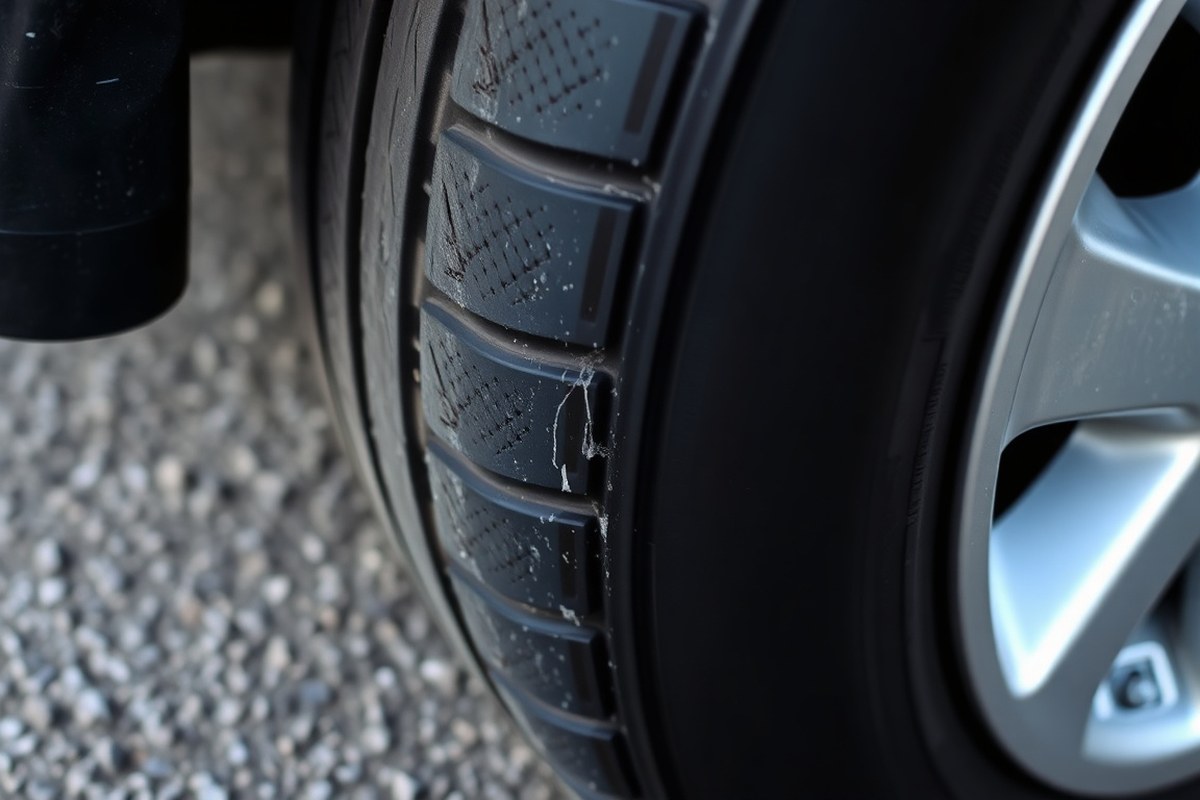
Most cars recommend tire pressures between 32 and 35 PSI. You can safely go down to about 20 PSI before the tire is close to flat. The tire pressure monitoring system (TPMS) turns on when pressure drops 25% below the recommended value.
Driving gets risky once your pressure is around 5 PSI below the recommended range. For example, if your car asks for 32 PSI, 27 PSI is starting to get unsafe. Below 25 PSI, handling, braking, and heat buildup problems increase sharply.
| Pressure Reading | What It Usually Means | What You Should Do |
|---|---|---|
| At placard PSI (32-35 PSI) |
Correct cold pressure | Drive normally, check monthly |
| 1 to 3 PSI low | Slightly low | Refill soon, especially before highway driving |
| Around 28 PSI | Low for many cars | Drive gently if needed, then refill |
| Around 25 PSI | Too low for normal driving | Avoid highway speeds and long trips; refill immediately |
| Below 20 PSI | Critical underinflation or near-flat | Stop driving and seek help |
You can spot low pressure if the tire looks visibly flat or feels soft when pressed. Uneven tire wear and poor handling also hint at dangerously low air. Always eyeball all tires, even if the TPMS flags only one.
- Check tire pressure when tires are cold (not driven recently).
- Use a reliable tire gauge for accurate readings.
- Look for visible tire deformation or uneven wear.
- Press tires with your thumb; softness means low air.
- Note the vehicle’s recommended PSI placard, often on the door frame.
- Refill tires that are 3 PSI or more below recommended levels.
- Avoid long, heavy-driving trips if pressure is below 25 PSI.
Pressure that’s a few PSI low won’t always feel dangerous. But it shortens tire life.
At 25 PSI or below, handling and tire heat problems make driving unsafe. Stop and inflate your tires promptly before these low readings become an issue.
Check your tire pressure monthly with a gauge. Don’t rely only on the warning light, by then, a tire is already dangerously low.
How Far and How Fast Can You Drive with Low Tire Pressure?
Driving with low tire pressure calls for strict limits on speed and distance. Going too fast on underinflated tires can cause blowouts. Driving far on them raises the risk of car damage.
Keep your speed and distance low to avoid problems. Drive short distances and go slow when tire pressure is low.
The risk is higher if the pressure is well below recommended. Take extra care until you fix the tires.
Here’s a quick guide for how far and how fast to drive. It depends on your tire’s current pressure. Use this to avoid damage and stay safe.
Stick to these limits and try to add air or get help as soon as possible. Avoid highways when your tires are low.
Higher speeds raise the risk of tire failure and heat buildup. Stick to slower roads to protect your tires.
| Pressure Level (PSI) | Can You Drive? | Distance Limit | Speed/Road Limit | Recommended Action |
|---|---|---|---|---|
| Above 28 PSI | Usually yes, with caution | Only enough to add air or reach near service | Keep it local, avoid highway | Check pressure, add air to door-sticker level |
| 25 to 28 PSI | Limited short drive only | Very short, direct trip only | Low-speed roads only, no unnecessary driving | Go straight to nearest air source |
| Below 20 PSI | Not recommended | As short as possible, ideally walk or call | Very low speed only, avoid highways | Stop driving and get professional help |
At pressures below 25 PSI, your car’s handling and braking can get worse fast. Tire heat builds up quickly, risking a blowout even on short drives. Sidewall damage can happen fast on highways if tire pressure is under 20 PSI.
It can occur before you reach the next stop. Keep your tire pressure above this level. City roads give a little more leeway but keep speeds low.
Low pressure stresses all-wheel drive systems too, possibly leading to drivetrain problems. Your best bet: stop driving once the low pressure is serious. Add air right at the first safe stop.
Low PSI reduces fuel efficiency and wears out tires faster. Don’t wait to fix low tire pressure because of these risks.
Take care of your tires promptly. The less you drive with low air, the cheaper and safer it is.
What to Do Immediately When the Low Tire Pressure Light Comes On
The low tire pressure warning is a sign you need to act fast. Stop your car safely and check your tires right away. Follow these steps to deal with it carefully and correctly.
Use a Reliable Tire Pressure Gauge
Not all pressure gauges give accurate readings. Use a digital gauge like the ETENWOLF T300 for the best results.
Check each tire’s pressure when the tires are cold. Cold means the car hasn’t been driven for at least three hours. It also applies if driven less than a mile at a low speed.
Check Recommended PSI on Driver Door Sticker
Look inside the driver’s door frame for the recommended tire pressure. This sticker shows the correct PSI for front and rear tires.
Ignore the number on the tire sidewall. Tires often list maximum pressure, not the right number for your car.
Add Air and Inspect Tire Condition
Use an air pump to add air to reach the recommended PSI. Many gas stations have air compressors that work well.
Check the tire for cuts, bulges, or nails. Look for leaks or bubbles on the tire sidewall or tread.
Decide Whether to Drive or Call for Help
Check the tire pressure. When it is only a little low and no damage shows, drive slowly to a nearby air station. Keep it short and gentle.
Call for roadside help when the tire pressure is under 20 PSI. Also call if the tire looks damaged or loses air quickly. Driving on a flat risks a blowout or wheel damage.
Here’s a simple checklist to follow once your low tire pressure light comes on:
- Stop the car safely and turn off the engine.
- Use a reliable, calibrated tire pressure gauge to check all tires.
- Find the correct tire pressure on the driver’s door sticker.
- Add air to each tire until it matches the recommended PSI.
- Inspect tires for visible damage like cuts or bulges.
- Decide if you can drive slowly to fix the problem or need help.
- Call roadside assistance or a tire shop to get repairs done. Use them when you cannot fix the tire on your own.
How Temperature Changes Affect Tire Pressure and Driving Safety
Air inside tires contracts as temperatures drop, causing pressure to fall. You lose about 1 PSI for every 10°F the temperature drops. For example, if your tires read 32 PSI at 70°F, the pressure drops when it gets colder.
At 30°F, pressure can fall to about 29 PSI. This shows how temperature affects tire pressure.
Low tire pressure is more common in winter because colder air shrinks inside tires. A small PSI drop can make your tires seem flat or soft. This happens even when the change is just a few PSI.
Your tires might feel different but aren’t badly damaged. Cold air makes tire volume smaller, so pressure goes down.
The tire shape might not change much at first. But pressure can fall to dangerous levels over time.
Adjust your maintenance routine when seasons shift. Check tire pressure with a reliable gauge monthly and after big temperature swings, especially before winter. Filling tires to the pressure recommended on the door jamb ensures enough cushion for those drops.
Add 2 to 4 PSI when checking tires in winter. This adjustment helps keep you safer on the road. It can also improve how your car uses fuel.
Ignoring these changes can wear tires unevenly or lower fuel efficiency. Keep a small pressure gauge in your car for easy checks. A tire pressure monitoring system works well too.
This helps you check tires quickly anytime. Address low readings immediately with a shop or air pump. Remember to adjust after temperatures rise again.
Check your tire pressure if temperatures change by 10°F. This helps stop slow leaks and keeps handling safe. Regular checks protect your tires and driving.
What Are the Risks and Effects of Driving on Low Tire Pressure?
Low tire pressure wears out tires unevenly, especially on the edges. This occurs because the tire doesn’t touch the road evenly. Parts of the tire wear faster, causing you to replace tires sooner.
Driving with low pressure also creates excess heat and friction on the tire’s sidewall. That heat can damage the tire’s structure, raising the chance of a blowout. Blowouts often happen suddenly and can lead to loss of control.
Low pressure changes the tire’s contact patch, reducing grip and traction. Poor grip means less control during braking and handling. You might find your car harder to steer or it may skid more easily in emergencies.
Reduced traction directly affects braking distance, making stops longer and less stable. This risk grows on wet or slippery roads, where good tire grip is essential. Delayed braking can cause accidents or near misses.
Besides tires, low pressure can stress other vehicle parts. The wheels and suspension work harder to compensate for the poor tire condition. This extra strain can cause premature wear or damage to these components.
Driving on underinflated tires can deform the tire. This damage may hurt the sidewall or break the bead seal. Both issues reduce tire safety and performance.
A broken seal lets air escape quickly, causing sudden deflation. Sudden deflation at speed is dangerous and can cause a crash.
Low tire pressure means you lose the safety margin your tires offer at the right PSI. Your vehicle won’t drive as it was designed to, affecting fuel economy and ride comfort too. Plus, insurers may raise premiums if low pressure led to an accident.
Common Causes of Low Tire Pressure and How to Prevent Them
Tires lose air for several reasons, both natural and avoidable. Slow leaks through tiny holes or faulty valves let air escape over time. Driving over sharp objects or rough roads can puncture tires or damage valves, causing pressure loss.
Temperature changes also cause tires to lose pressure naturally. Cold weather makes air contract, dropping tire pressure, sometimes by several PSI overnight. That’s why checking pressure more often during big weather shifts keeps you safe and avoids problems.
- Slow leaks from tiny punctures or nail holes
- Faulty or damaged tire valves leaking air
- Pushing tires against potholes or curbs, causing rim or bead leaks
- Normal air seepage and aging of tires over months
- Temperature drops causing air inside tires to contract
- Rim or bead area not sealing correctly to the tire
You can prevent many issues by checking tire pressure at least once a month. Check tire pressure when tires are cold. That means no driving for three hours.
Cold tires give the most accurate pressure readings. Use a good tire pressure gauge.
Add air to the PSI listed on your door jamb or owner’s manual. Check the number carefully to avoid over or under inflation.
Always check your tires after winter starts or during sudden temperature changes. Keep valve caps on to stop dirt and moisture from causing leaks. Fix any noticeable punctures or damage right away.
Don’t ignore a slow continuous air loss. Checking tire pressure takes 5 to 10 minutes.
Doing it often can save you money. It helps prevent early tire damage or accidents.
How to Choose and Use the Best Tire Pressure Gauge
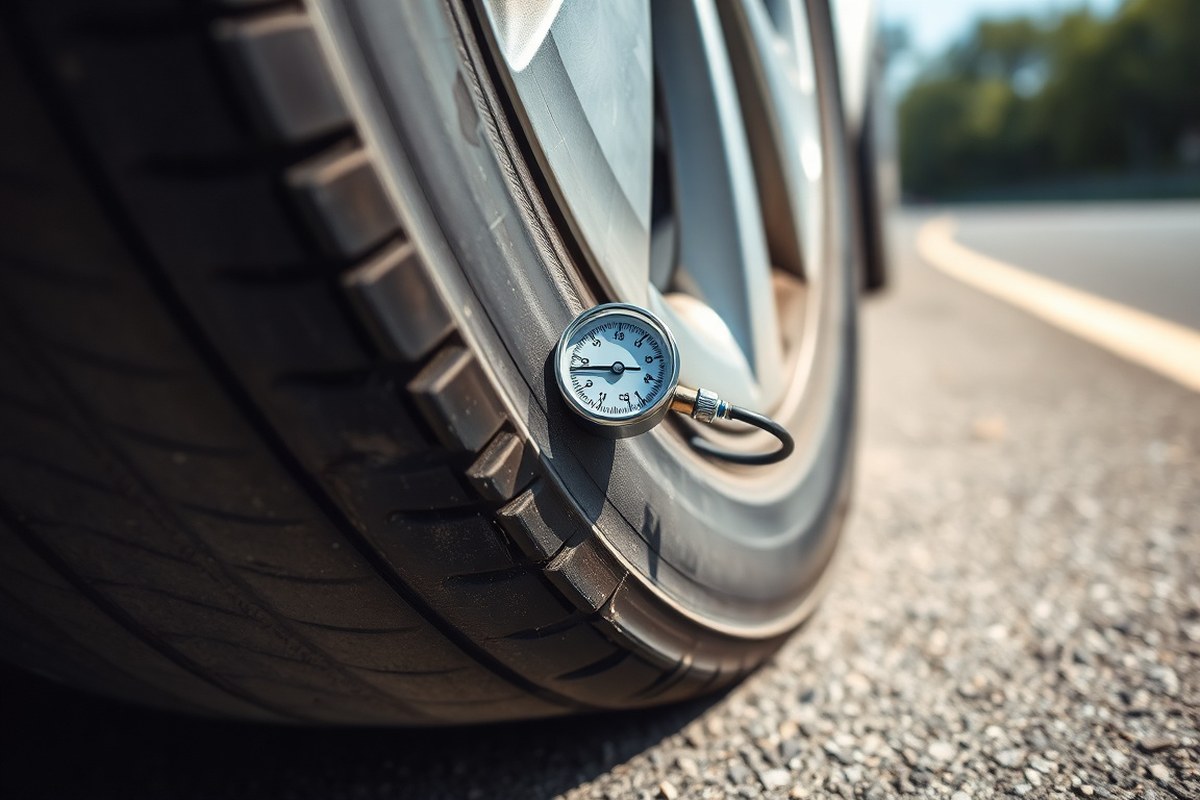
You can use digital, analog, or air chuck tire pressure gauges to check your tire pressure. Digital gauges are easier to read, while analog gauges need no batteries. Each type has pros and cons, but proper use is key for accurate readings.
Digital vs Analog Gauges
Digital gauges show pressure on a screen, usually in 0.2-psi increments. They make getting an exact number easy. Many have a backlight.
This helps use them in the dark. An example is the Longacre digital gauge, which claims accuracy to 0.8 percent.
Analog gauges use a dial and needle to show pressure. They don’t need batteries and tend to be durable. The VONDIOR analog gauge gives quick and easy readings.
Its large dial shows numbers clearly. You can see it well in low light.
Air chuck gauges attach to an air hose and read pressure through the chuck. They are handy when inflating tires but may be less accurate than standalone gauges.
Features to Look for in a Gauge
Look for a gauge with a clear display and easy-to-read numbers. A large glow dial improves visibility, especially in dim environments. Also, a 360° swivel chuck helps you reach valve stems at tricky angles.
Accuracy is important. Even a low-cost digital gauge can be more accurate than many analog ones.
Check if the gauge has small increments, such as 0.2 psi. So you get a precise reading.
Portability and ease of use matter. Analog gauges work anywhere without batteries. Digital ones may require occasional battery changes but offer faster readings.
| Gauge Type | Accuracy | Readability | Power Needed | Price Range | Example |
|---|---|---|---|---|---|
| Digital | Up to 0.8% (Longacre) | Easy, displays in 0.2-psi steps | Batteries | $10 to $30 | Longacre digital gauge |
| Analog | Good, depends on brand | Large dial, no batteries | None | $5 to $20 | VONDIOR analog gauge |
| Air Chuck | Variable, less precise | Depends on design | None | $5 to $15 | Standard air chuck gauge |
The choice depends on your needs for accuracy, convenience, and budget. Digital gauges suit those wanting quick, exact numbers.
Analog gauges are simple and affordable. Air chuck gauges integrate with air pumps but aren’t always the best for standalone checks.
Correct Measuring Procedure
Check tire pressure when tires are cold. Driving heats tires and raises pressure. Test in the morning or after parking three hours.
Remove the valve cap and press the gauge firmly onto the valve stem. Hold it straight and steady to avoid air leaks and get an accurate result. The reading should appear within seconds.
Release air by pressing the pin in the valve stem. Use a small tool or the gauge tip to do this. Add air if pressure is low.
Check pressure again after adding air. Keep doing this until you reach the recommended PSI.
Always check tire pressure monthly and before long trips, using your preferred gauge for reliable safety.
When to Stop Driving and Call a Professional
Stop driving immediately if your tire pressure is under 20 PSI or the tire looks flat. Also, pull over if the car pulls to one side, wobbles, or you hear thumping. Call a professional instead of risking more damage or an accident.
Recognize Critical PSI Thresholds
Tire pressure below 20 PSI is unsafe and needs immediate attention. Around 25 to 28 PSI may allow slow driving to a pump or repair shop. Your tire pressure warning light staying on after inflating means emergency.
Operating with tire pressure under 30 PSI can harm your tire and reduce control. Fill up as soon as possible but avoid driving long distances. Use a gauge to check pressure yourself for exact readings.
Check for Visual Tire Damage or Instability
Look for tires that appear visibly flat or bulging at the sidewalls. Bulges mean internal damage and require roadside help or a tire shop visit. Avoid driving on tires touching the rim or with punctures.
Notice if the car pulls, wobbles, or thumps while driving. These signs mean uneven tire pressure or damage. These unsafe conditions demand that you stop and check your tires immediately.
Call Roadside Assistance or Tire Professional
You need help if you cannot inflate the tire or see damage. Use your spare tire only if you know how to install it safely. Roadside assistance can provide towing or air compression tools on site.
Try not to drive on severely underinflated tires. This can cause rim damage or a blowout.
Professionals can check for leaks, repair or replace tires safely. It costs more to fix damage caused by neglect than to call early.
Follow these steps when you suspect critical tire pressure issues:
- Pull safely to the side of the road immediately.
- Check your tire pressure with a reliable gauge if you have one.
- Inspect tires for visible signs of flatness, bulges, or punctures.
- Notice if the car pulls sideways or feels unstable when driving.
- Try to inflate the tire only if pressure is slightly low (above 20 PSI).
- Replace the tire with a spare if available and you are confident doing it safely.
- Call roadside help if tire pressure stays low. Call a tire shop if damage shows. Get the tire fixed before driving more.
- Avoid driving far when tire pressure is near 25 PSI. Drive slowly and only a few miles if no damage is seen. Check the tire soon afterward.
Step-by-Step Action Plan for Handling Low Tire Pressure
Follow these steps to manage low tire pressure safely and keep your car on the road. Each phase helps you check and fix the pressure correctly.
- As soon as the light comes on: Pull over safely. Check tire pressure with a reliable gauge. Confirm the pressure is below the recommended range on your door sticker or manual.
- Within 5 minutes: Inflate tires to the recommended pressure if possible. Know it worked when the gauge reads within 1 psi of the recommended number.
- Next 10 minutes: Inspect tires for visible damage like cuts or bulges. Spot damage on the tire? Avoid driving and call a tire professional.
- Before driving off: Reset your car’s tire pressure monitoring system, if it doesn’t do this automatically. The light should turn off on the dashboard.
- After 1 mile: Stop and recheck the tire pressure. The pressure dropped again. You might have a slow leak. Get expert help before driving far.
- Within the next few hours: Visit a tire shop if pressure stays low. Also go if you felt unusual handling. The pros can find leaks you can’t see.
- Repeat monthly: Check all your tire pressures to keep them in good shape. This prevents surprises and makes your driving safer.
Frequently Asked Questions
Is It Okay to Drive with Low Tire Pressure If I Am in an Emergency?
Yes, you can drive on low tire pressure at low speeds for a short distance. Keep it under 20 psi only to reach a safe spot or add air.
Can Driving on Low Tire Pressure Damage My Car’s All-Wheel Drive System?
Yes, low tire pressure can stress the AWD drivetrain. This causes uneven wear and may lead to costly repairs.
Is It Better to Top Off Tires Immediately After Driving with Low Pressure?
Yes, adding air as soon as possible helps avoid heat buildup and uneven tread wear. It protects tire life and keeps driving safer.
Can Ignoring Low Tire Pressure Affect My Vehicle’s Fuel Efficiency?
Driving on underinflated tires reduces fuel efficiency because of extra rolling resistance. You’ll use more gas and buy fuel more often.
Does Low Tire Pressure Impact Tire Handling During Sudden Braking?
Yes, tires with low pressure handle poorly and increase stopping distances. This reduces control and can lead to accidents.
Key Points to Remember
Driving with low tire pressure is risky and should be fixed quickly. Use a good pressure gauge and inflate tires to the right level. This keeps you safer and your car running better.