Clicking Noise When Driving: How to Diagnose and Fix It Fast
Hearing a clicking noise while driving usually points to worn wheel parts. It often comes from your vehicle’s suspension or wheels. These parts wear out over time and cause noise.
Most often, bad CV joints cause this front-end tapping, especially when turning. Fixing these quickly can prevent costly damage or loss of control.
Checking tires and brakes can help find the clicking source. Worn brake pads may click under certain conditions. Loose tire parts can also cause a clicking sound.
Listen if the noise changes when you turn or hit bumps. This helps locate the problem. The clicking shifts depending on the part affected.
Start with a simple visual check for loose or dry parts. Look for obvious issues that could cause noise.
Dry joints and loose parts often make clicking sounds. Catching these early can save time and money before a mechanic visit is needed.
Key Takeaways
- Clicking noises mostly come from bad CV joints or worn suspension parts.
- Clicking that happens when turning usually indicates front-end joint issues.
- Loose or damaged brake pads can cause stiff clicking during sudden stops.
- Listen for changes in noise when hitting bumps or turning the wheel.
- Inspect tires and wheel areas for loose or dry parts first.
- Don’t ignore clicking noises; they could lead to costly repairs later.
What Causes a Clicking Noise When Driving?
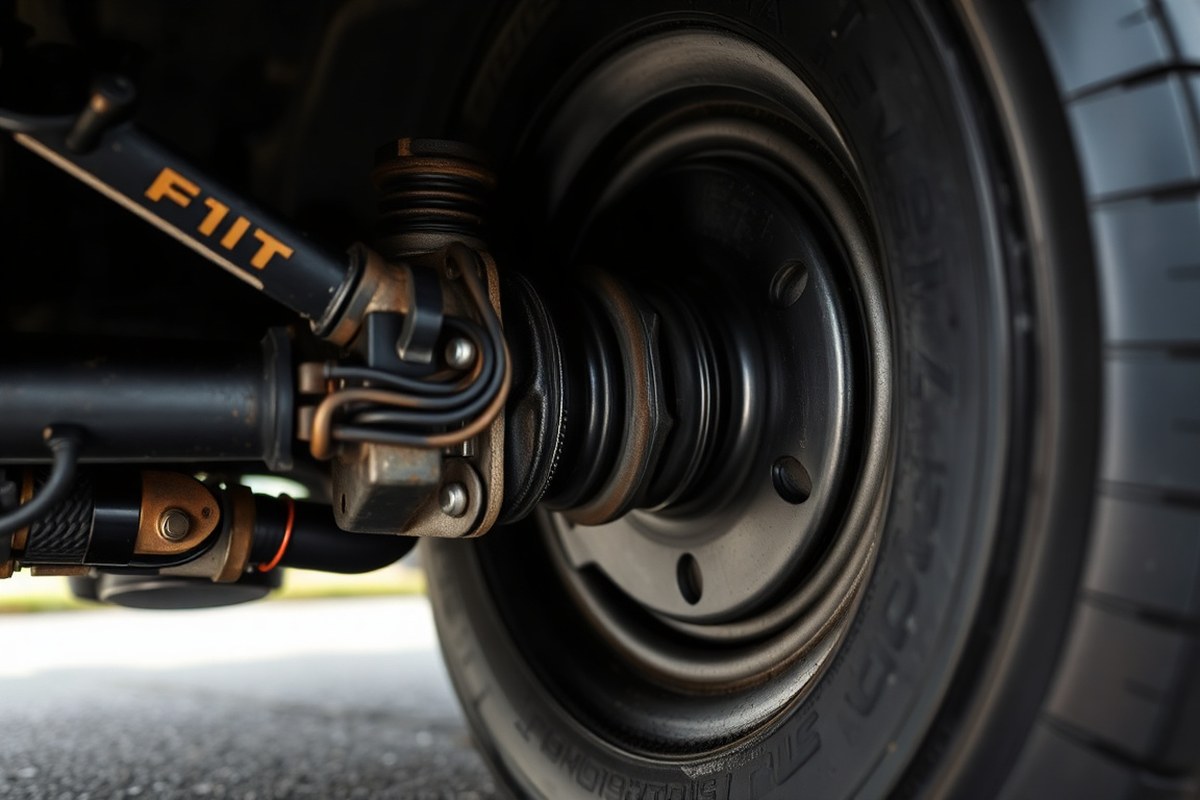
Clicking noises while driving usually come from parts that move or rotate repeatedly. Common culprits include constant velocity (CV) joints, bearings, brake components, and suspension parts. CV joints especially make a hollow clicking sound when they are worn, often noticeable during turns.
Not every clicking noise is urgent. Sometimes, worn brake pads or small foreign objects caught in the tire tread cause harmless clicking. These issues still need attention but rarely mean immediate danger.
Loud clicking that changes with speed usually signals serious trouble. It often happens while driving straight. Such noises mean you should check your car soon.
Quick action is key to avoiding bigger repairs. A cracked CV joint can fail without warning. Loose suspension parts cause unsafe driving.
Both need quick attention to stay safe. You should prioritize repairs if the clicking is loud, frequent, or affects handling and steering. Minor, occasional clicks while slowing down may wait a few days for inspection.
| Clicking Noise Characteristic | Urgency Level | Recommended Action |
|---|---|---|
| Loud, repetitive clicking during turns | High | Schedule mechanic visit within a day |
| Clicking noise while driving straight at any speed | High | Get inspected promptly, usually within 24 hours |
| Occasional clicking at low speeds | Medium | Monitor and book inspection soon |
| Clicking from brake area only during braking | Low | Plan brake check during next service |
| Clicking due to foreign object in tire tread | Low | Remove object when convenient |
CV joint damage tends to make clicking that gets faster with wheel speed. A bad CV joint may cost $300 to $800 to repair, depending on your car. Loose or worn suspension parts cause clicking sounds.
Sometimes, tightening or replacing bushings fixes the problem. These repairs might cost less than $200. Brake-related clicks usually indicate worn pads or hardware and can be fixed during a brake job.
Ignoring persistent clicking often turns minor fixes into expensive repairs. Mechanical parts like CV joints and bearings wear over time and need lubrication or replacement. Notice how noise changes with speed and road conditions.
This helps you know when to visit a mechanic. It can save you from bigger problems later.
How to Identify If the Clicking Noise Comes from the Wheels or Suspension
To find out if the clicking noise is from wheels or suspension, watch carefully. Notice exactly when the noise happens. Listen for how it sounds during driving.
Noises that grow louder when turning usually come from CV joints or wheel bearings. Bumps and rough roads can make worn suspension parts click or knock.
Checking CV Joints and Axles
CV joints create repeated clicking or snapping sounds when you turn sharply. This noise often grows louder during acceleration and tight turns. Look at the CV joints by checking rubber boots around them.
See if you spot cracks or grease leaking. These signs mean the joints may be damaged.
Here’s a simple way to check your CV joints:
- Park on a flat surface and turn off the engine.
- Look behind the front wheels for black grease or torn rubber boots.
- Grab the axle shaft near the wheel and try to wiggle it side to side.
- Listen for any clicking or popping as you move the joint.
- Jack up the front of the car safely and support it with stands.
- Spin the wheels by hand and listen closely for clicking noises.
- Turn the steering wheel while spinning the wheel to mimic tight turns.
- Check if the noise matches what you hear while driving.
Don’t rely only on looks. Worn CV joints may make noise even if boots look fine.
Testing Wheel Bearings for Noise
Wheel bearing problems create humming or rumbling sounds that sometimes include clicking. These noises get louder as your speed increases. They might change when you turn the steering wheel a bit.
Try turning left and right gently. Lift the car to check for bad wheel bearings.
Feel if the wheel moves too much or feels rough. This can mean the bearings need fixing.
- Safely jack up the wheel suspected of noise and support the car on stands.
- Grab the steering wheel at the top and bottom positions. Hold firmly to test for any loose movement or play.
- Try to rock the wheel back and forth to feel for looseness.
- Spin the wheel slowly to notice any grinding or rough sounds.
- Repeat the test while rotating the steering wheel to check for noise changes.
Loose or worn wheel bearings can cause loss of control. So avoid driving long with the noise.
Inspecting Suspension Components
Parts like struts, bushings, and tie rods can make knocks or clunks. This happens especially on bumpy roads or hitting potholes. These parts cushion your ride, so worn components let metal parts bang together.
Push down on each corner of your car to check suspension. Watch for uneven bouncing or strange noises during the test.
- Press down firmly on one corner of the car and release it.
- Watch for bouncing more than twice, which hints at a worn strut.
- Look under the car for cracked, broken, or loose bushings.
- Examine tie rods and ball joints for rust or play by moving them by hand.
- Drive slowly over bumps to listen for any clunks or knocks from the suspension.
Be cautious when inspecting suspension under the car; use proper supports and tools.
Why Does the Car Click When Turning but Not Driving Straight?
Clicking noises during turns often point to worn CV joints. These joints connect the engine to the wheels and flex as you steer. When turning, the CV joint angle changes sharply, causing damaged parts to click as they move.
Unlike straight driving, turning stresses CV joints more. This is why clicks appear only during steering. The outer CV joint, especially, wears faster because it moves more.
A common test is the lock-to-lock check. Turn the wheel all the way while moving slowly forward.
Watch or listen for any clicking noise carefully. Clicking during this test signals CV joint issues.
Other parts that click only when steering include ball joints and tie rods. Worn ball joints may cause clunks or clicks when turning.
Tie rods can also click if their ends loosen or wear out. These parts affect steering feel and safety, so any noise needs prompt attention.
| Cause | Clicking Behavior When Turning | Turning Speed Effect |
|---|---|---|
| Outer CV Joint Damage | Clicks grow louder during sharp or full turns | Slower turns make clicking easier to hear |
| Inner CV Joint Wear | Clicks may appear with acceleration in a turn | Higher speed can raise pitch or frequency of clicks |
| Ball Joint Wear | Clunks or clicks during turning or steering wheel movement | Often louder at low speeds or tight turns |
| Tie Rod End Looseness | Clicking or popping only when steering wheel turns | More audible at slow speeds or parking maneuvers |
Turning speed affects how you hear each noise. Slower, sharper turns usually make clicking louder and clearer. Turning faster could hide clicking noise under engine or road sounds.
It can also cause popping if parts are about to fail. Take care when trying faster turns.
Ignoring clicking during turns risks sudden CV joint failure. This failure causes grinding, loss of steering control, or a jolt in the wheel.
Fixing CV joints typically costs between $300 and $800, depending on your car and workshop rates. Getting this done soon prevents more costly damage.
Common Clicking Noises from the Engine Bay and What They Mean
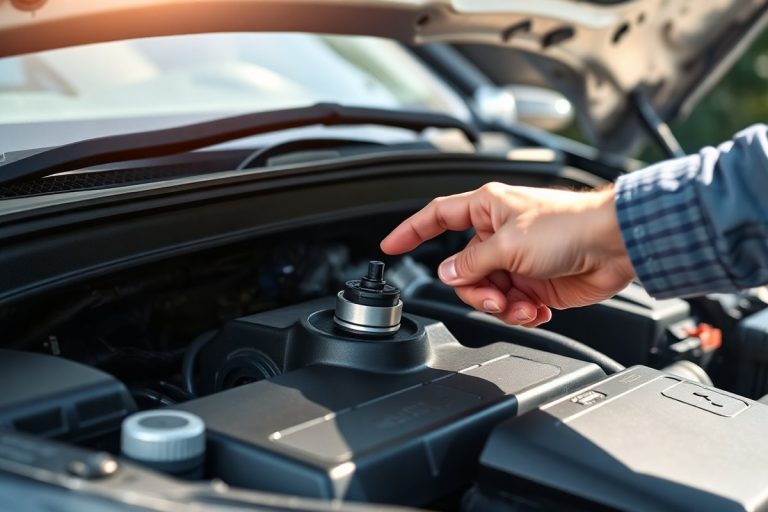
Clicking noises from the engine bay usually come from certain parts. Valves, spark plugs, or belts often cause these noises. You can tell engine clicks from wheel sounds by timing.
Also, notice how the clicking happens differently. Engine clicks often change as RPM changes.
They come from under the hood. Wheel noises match road speed or turning.
Valve Train Clicking
Valve train clicks sound like loud tapping or rhythmic ticking and vary with engine speed. This noise often starts once the engine is warm. It could mean worn lifters.
Loose rocker arms can also cause it. Ignoring these sounds risks bigger engine damage and costly repairs.
To check valve noise, listen with the engine idling. Open the hood and isolate noise by turning off ignition quickly.
The clicking increases with RPM and stops right away. This shows a valve train or lifter problem.
Ignition and Spark Plug Clicking
A clicking caused by spark plugs often comes from a loose or cracked plug. This noise mimics a ticking and matches engine RPM but can sound sharper or irregular. Faulty spark plugs lead to misfires, rough idling, or poor fuel economy.
Check spark plugs by visually inspecting their position and condition. Tighten loose spark plugs using the right torque.
It is usually 13 to 20 ft-lbs for most vehicles. Replacing damaged plugs costs roughly $10-$20 each plus labor.
Accessory Belt and Alternator Noise
Belts and pulleys often make a steady clicking or rattling noise, especially when worn or loose. This noise speeds up with engine RPM and comes from the front of the engine bay. Alternators or starter motors might also click if failing but often when starting the engine.
Listen for a constant clicking that matches engine speed but not the car’s movement. Check belts for cracks or glazing and ensure pulleys spin smoothly. Replacing belts or tensioners typically costs $50-$150, depending on parts and labor.
- Valve train noise: loud tapping after warm engine start
- Spark plug clicking: ticking linked to ignition and RPM
- Accessory belt noise: steady clicking or rattling with RPM
- Alternator/starter clicking: mostly while starting or electrical load
- Engine noise tied to RPM, not wheel speed or bumps
- Wheel or suspension noises change with road conditions or turns
- Inspect different areas by sound location and when noise occurs
Distinguishing these noises helps you find the right fix faster and avoid costly mistakes. A steady tool like a mechanic’s stethoscope can pinpoint exactly which part clicks. Always tighten or replace parts according to your vehicle’s specs to prevent damage or incomplete repairs.
How Brakes and Tires Can Create Clicking Noises While Driving
Brake parts like caliper bolts, brake pad clips, and anti-rattle hardware may loosen or wear out. This can let the pads shift slightly, causing a clicking sound while driving. The noise often changes with wheel speed or braking pressure.
Loose lug nuts let the wheel wiggle slightly on the hub. This causes a clicking sound every time you turn. You might hear the noise more when cornering.
Hubcaps can also make noise if not firmly attached. But they usually cause a lighter, more superficial click.
Checking these areas regularly helps you avoid dangerous situations. Loose or worn brake hardware not only makes noise but also reduces braking efficiency. Loose lug nuts risk wheel wobble or detachment, which is a serious safety hazard.
Here’s how to inspect your brakes and tires for clicking noises:
- Park your vehicle on a flat surface and engage the parking brake.
- Look behind each wheel to check for loose or missing brake hardware parts.
- Press the brake pedal and listen for any clicking or scraping noise from the brakes.
- Visually inspect brake pads for uneven wear or movement within the caliper.
- Use a torque wrench to ensure lug nuts are tightened to 80, 100 ft-lbs.
- Look at the tire pressure first to make sure it’s right. Then check the treads for stuck stones or other stuff. Also, glance inside the wheel well for anything caught there.
- Spin each wheel by hand and listen for abnormal noises like clicking or grinding.
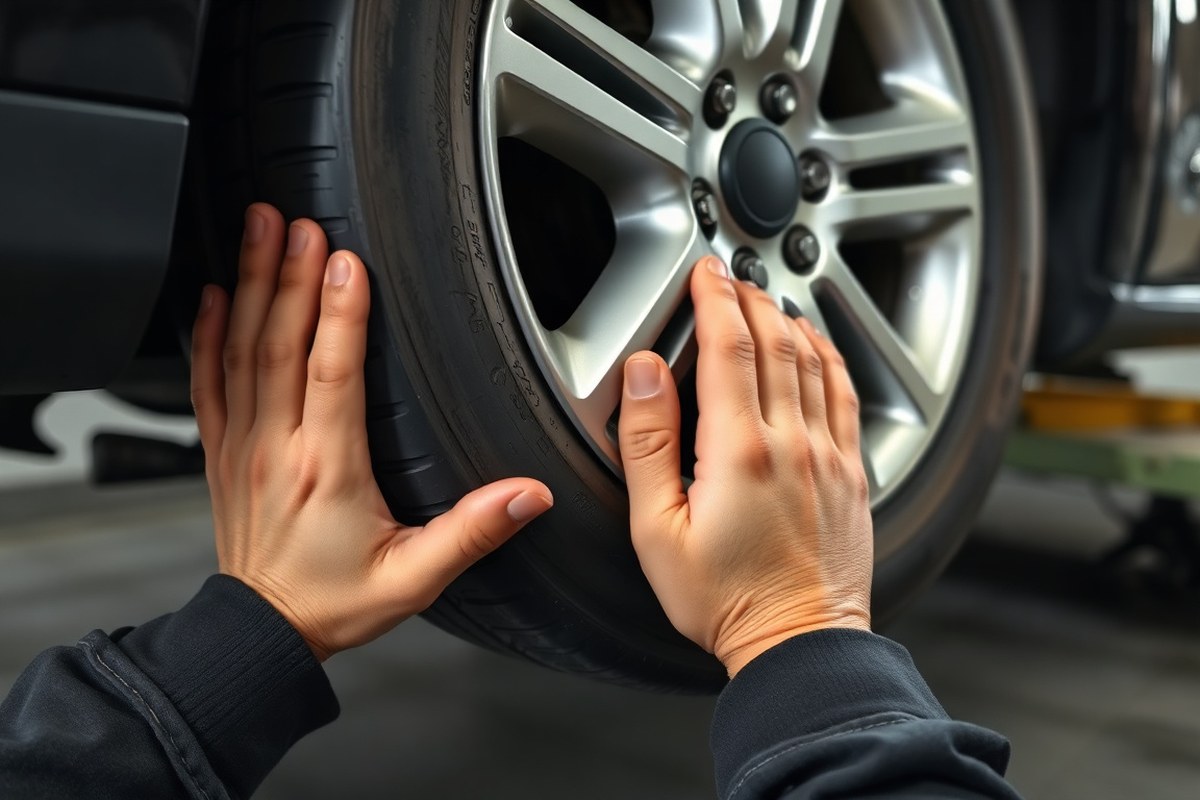
- Try moving the wheel at the top and bottom to test for looseness. Grab it firmly at 12 and 6 o’clock and rock it slightly. Feeling any wiggle means you might have loose parts.
Always retorque lug nuts after any tire service to prevent clicking and ensure safety.
How Weather and Driving Conditions Affect Clicking Noises
Temperature shifts can make clicking noises from your car worse. Cold weather stiffens rubber parts like CV joints and bushings.
This stiffness lets them click more over bumps or turns. Heat can expand metal parts, creating space for bits to rub or knock when driving.
Driving on rough roads or hitting potholes often triggers clicking sounds. Potholes slam your wheels and suspension hard, making worn parts click loudly. Loose trim inside the car also rattles over bumps, adding to the noise.
The faster you drive, the more frequent the clicks become. They get louder too, mostly from the front parts.
Low tire pressure can cause clicking by making your tires hit road surfaces unevenly. Underinflated tires flex more and may knock parts like wheel bearings or suspension components.
This uneven contact can create a rhythmic clicking or tapping noise as you drive. Keep your tires inflated to the car maker’s recommended pressure to prevent this.
Check your tires with a gauge before every trip. Use a tire pump if pressure is below the sticker on the driver’s doorframe. Driving over rough roads at lower speeds can help avoid damage or worsening sounds.
Clicks getting louder as you speed up means a problem. Have a mechanic check your CV joints and wheel bearings first.
Recording the clicking sound from inside and outside the car can help locate the problem. Note which corner is loudest and if the clicking changes with speed or turns.
This info lets a professional diagnose whether the noise comes from suspension, tires, or trim. Fixing it early saves you from expensive repairs and safety risks.
Step-by-Step Guide to Inspect and Diagnose Clicking Noises at Home
Start with some basic tools and safety first, then inspect the wheels and suspension carefully. Finally, learn how to describe the clicking noise in detail for your mechanic. This keeps things clear and helps find the right fix faster.
Essential Tools and Safety Tips
Wear gloves and safety glasses before you begin. Use wheel chocks to stop the car from rolling while parked. Have a flashlight ready to see tight spots clearly under the car.
Tools like a jack and jack stands will safely lift and hold the car. A lug wrench lets you remove wheels if needed. A smartphone or camera can help record the noise or suspicious parts.
Inspecting Wheels and Suspension
Check for loose parts and worn components that often make clicking noises. Look at the CV joints, brake pads, and wheel bearings closely. Spin each wheel by hand to feel for rough spots or clicking sounds.
Follow this step-by-step checklist to inspect your vehicle safely:
- Park on a flat surface and set the parking brake firmly.
- Place wheel chocks on the opposite end of the car to block the wheels.
- Use the lug wrench to slightly loosen the lug nuts on the wheel producing the noise.
- Raise the car with the jack at the recommended lift points, then secure with jack stands.
- Remove the wheel and inspect the brake pads, rotor, and CV joint boots for damage.
- Manually spin the hub or axle to detect clicking or roughness in bearings or joints.
- Shake the wheel rim side to side to check for looseness. Then, move it up and down to test suspension parts. Look carefully for any unusual movement or play.
- Lower the car safely onto the ground. Tighten the lug nuts in a star pattern. Use the right torque to avoid overtightening or loosening.
Describing the Noise Clearly to a Mechanic
Describe the clicking by sharing when and how often it happens. Note if it occurs during turns, acceleration, or braking. Use simple phrases such as:
“There’s a sharp clicking from the front right wheel only when turning left slowly.”
“The noise clicks in a steady rhythm while driving at 30-40 mph straight.”
Record a video if possible, so the mechanic hears exactly what you do. Adding details like changes in steering feel or vibrations can help diagnose the problem faster.
When to Stop Driving and Call a Professional Mechanic
| Warning Symptom | What It Means | Stop Driving? |
|---|---|---|
| Clicking noise while turning grows louder | Likely worn CV joint, risking joint failure | Yes, if noise worsens quickly |
| Clicking accompanied by wheel wobble or play | Possible wheel bearing failure | Stop immediately, unsafe to drive |
| Clicking noise with poor brake response | Brake pads or calipers failing | Stop immediately, high risk of accident |
| Clicking changes to grinding or scraping | Severe component damage | Stop immediately |
Clicking noises when braking or handling feels unstable are warning signs. You shouldn’t keep driving with these issues. Get your brakes checked right away.
Brake issues, especially if your car doesn’t stop quickly or feels soft, need urgent attention. You risk losing control or causing a crash.
CV joints wear out over time. They click when turning, pushing power to the wheels and letting the suspension move properly.
Small clicking sounds when turning are a warning that the CV joint is failing. You can drive short distances but plan a repair soon to avoid total joint failure.
- Stop driving if you hear clicking plus wheel wobble.
- Do not ignore clicking noises that grow louder or change tone.
- Poor braking or spongy pedal means stop the car immediately. Continuing to drive can be unsafe. Have a mechanic inspect your brakes soon.
- Watch for uneven tire wear or vibrations while driving.
- Get a professional check if the clicking persists after turning.
Wheel bearing damage often causes clicking and also makes the wheel feel loose. Bearings wear out slowly. But once they fail, the wheel can lock up or come off.
That’s dangerous. Repair cost can range from $150 to $400 per wheel. The job takes a few hours.
Ignoring clicking sounds risks bigger repairs and safety problems. For CV joints, if you wait too long, they break and can leave you stranded.
A typical CV joint replacement costs $300 to $800. Acting early avoids emergency towing and extra damage.
Never drive with poor brake response or wheel wobble; call a mechanic immediately.
How Much Does It Cost and How Long for Common Clicking Noise Repairs?
CV joint replacement or axle assembly repair tends to cost between $300 and $800. Time needed usually runs from 2 to 4 hours. Fixing worn ball joints or tie rods usually costs less than $200.
It generally takes 1 to 2 hours to do the job. This repair can save you money and prevent bigger issues.
Brake repairs creating clicking noises vary a lot. Replacing brake pads can cost $100 to $300 and take about 1 hour. Fixing suspension parts like sway bar links costs around $150 to $350.
The job takes about 1 to 3 hours depending on the damage. Time varies based on the part and car model.
Sometimes, a torn CV boot can be replaced without fully changing the joint. This holds if the internal parts aren’t badly damaged.
Replacing the boot and clamps often costs under $150 and takes 1 to 2 hours. However, full axle replacement often saves time and prevents future noise.
| Symptom | Possible Cause |
|---|---|
| Clicking while turning | Worn CV joint |
| Grease near wheel area | Torn CV boot |
| Vibration during acceleration | Axle wear |
| Clunking during gear changes | Drivetrain looseness |
| Repetitive popping noise | Internal CV damage |
Ball joints or tie rods often give simple, cheap repairs with good results. When a CV joint’s damaged badly, replacing the whole axle is more reliable. Suspension-related clicks usually fix quickly, but ignoring them raises future repair costs.
Step-by-Step Action Plan to Tackle Clicking Noises When Driving
Start with easy checks you can do at home. Follow these steps to find the cause and decide if you need a mechanic.
- Day 1: Listen carefully while driving at different speeds. Note when the clicking occurs and what conditions make it worse.
- Day 2: Check your tires for loose lug nuts or uneven wear. Tighten nuts if needed and see if the clicking stops.
- Day 3: Inspect the brakes for worn parts or debris. Test the brake pedal feel and noise when stopping gently.
- Day 4: Examine CV joints and axle boots for cracks or grease leaks. If damaged, the clicking may come from here.
- Day 5: Test turning the steering wheel while stationary to hear any clicking. Note if noise happens only while turning.
- Day 6: Take your car for a slow test drive in a safe place. Check if clicking matches any earlier findings.
- Day 7: Decide if the noise feels urgent or risky. Stop driving and call a mechanic if the clicking worsens or feels dangerous.
Frequently Asked Questions
What Does a Clicking Noise When Accelerating Mean?
A clicking noise when accelerating could signal a worn CV joint. This part helps transfer power to the wheels, and damage can worsen if ignored.
Can Worn Struts Cause Clicking Sounds on Bumpy Roads?
Yes, worn or damaged struts can cause clicking noises while driving over bumps. Struts help absorb shocks, so noises often show suspension problems.
Is It Safe to Drive If Clicking Noise Happens Only at Low Speeds?
Clicking noises at low speeds suggest early wear on parts like CV joints or brakes. Monitor the noise closely and avoid long trips until checked.
Could Low Engine Oil Cause Clicking Noises When Driving?
Low engine oil can cause clicking noises from the engine due to poor lubrication. Check and refill oil regularly to avoid engine damage.
How Does Weather Affect Clicking Noises in My Car?
Cold or wet weather can make parts contract or rust, raising clicking noises. Keep your car clean and dry to reduce weather-related sounds.
Key Points to Remember
Clicking noises when driving often mean something needs attention soon. Take notes and trust what your ears tell you. Schedule a professional check if the sound changes or comes with handling issues.