Why Is My Car Squeaking While Driving? 9 Clear Answers & Fixes That Work
Why is my car squeaking while driving? Usually, it’s a sign of worn or loose parts. Squeaks often come from brakes, belts, or suspension issues.
These noises mean something needs attention before it gets worse. Ignoring squeaks can lead to costly repairs or unsafe driving conditions.
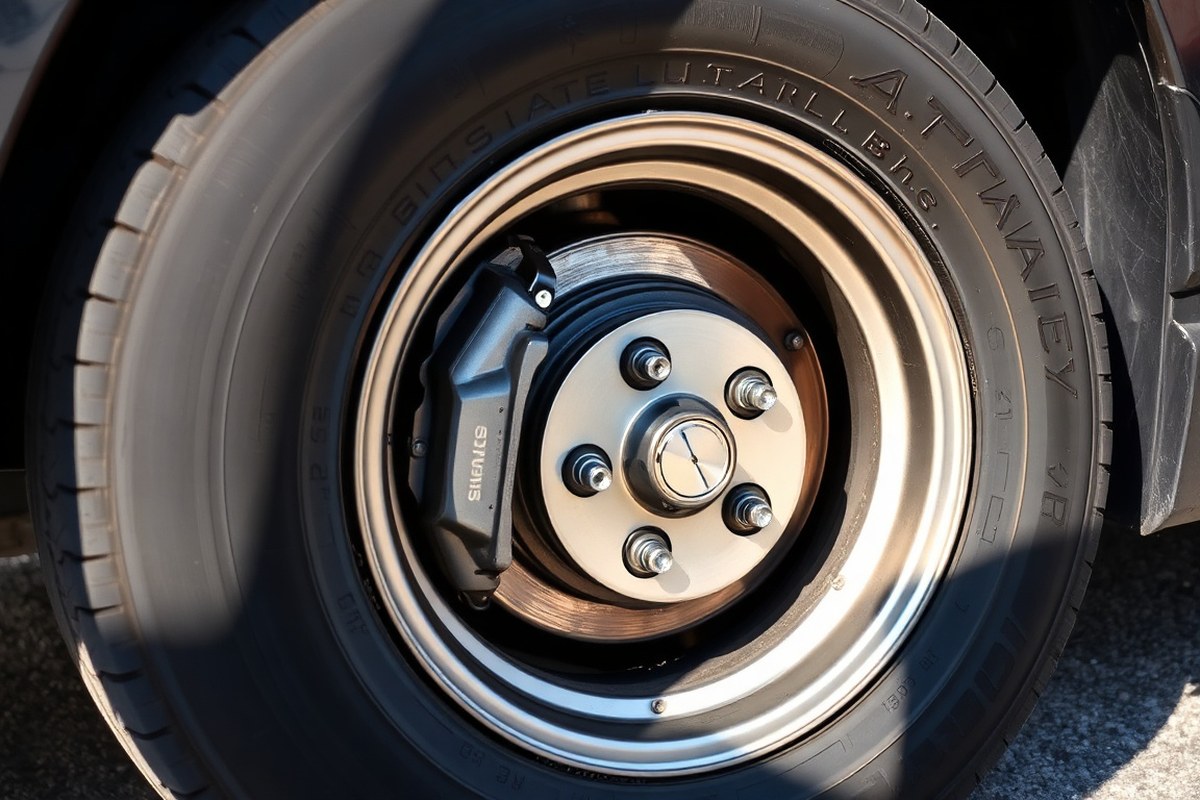
Start by checking your brake pads, as worn pads commonly cause squeaking sounds. Brake rotors might also develop grooves that create noise.
Next, inspect drive belts and pulleys for wear or looseness, which also make noise. Listening closely while driving helps pinpoint where the sound comes from.
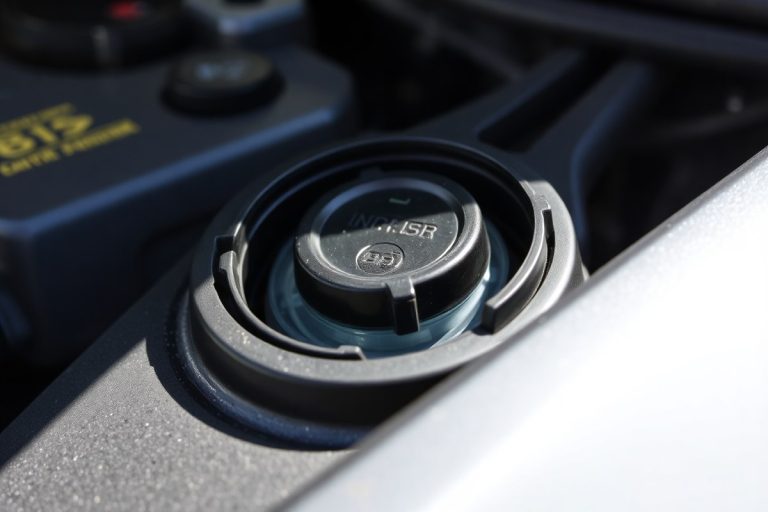
Low power steering fluid can cause squeaks when turning the wheel. Topping it up is easy and inexpensive, often fixing the noise immediately.
Steering components like tie rods and ball joints can also squeak if damaged or dry. Watch out for worsening sounds or changes while braking or steering, which may suggest bigger problems.
Key Takeaways
- Worn brake pads are a top cause of squeaking when driving.
- Inspect belts and pulleys regularly; they wear about every 50,000 miles.
- Low power steering fluid can cause squeaks; topping it up is simple.
- Suspension components may squeak if bushings or joints dry out.
- Wheel and tire problems also create noise, especially if loose or damaged.
- Listen closely to locate the squeak’s source while driving slowly.
What Causes a Car to Squeak While Driving?
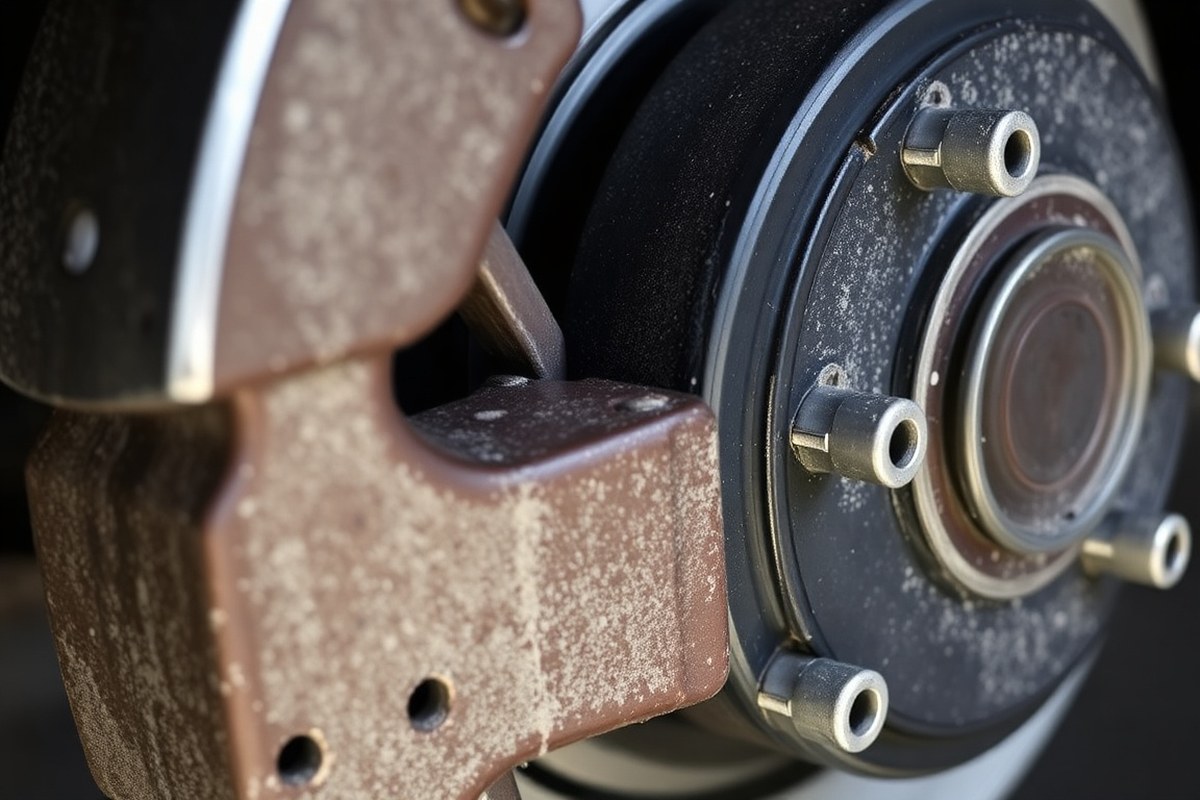
Brake pads often cause squeaking noises while driving. The pads wear down, exposing a small metal tab called a wear indicator. This tab rubs the rotor and makes a high-pitched screech.
It’s a warning that your brake pads need replacing. Ignoring this can glaze or damage the rotors. This makes the noise worse and leads to costly repairs.
Serpentine belts can also produce squeaks, especially during cold starts or rapid acceleration. Over time, the belt wears or stretches, slipping on pulleys and creating a distinct squeal. Loose or failing belt tensioners make this happen more.
Replacing the belt and tensioner usually stops the noise. This job costs $50 to $150, depending on your car.
Suspension parts, like bushings and shock absorbers, can make squeaking noises too. Bushings dry out and crack with age or lack of lubrication. This leads to creaking or squeaking sounds when you go over bumps or turn.
Changing worn bushings or shocks can fix this and restore smooth suspension performance. Expect a repair cost from $200 to $600 for parts and labor.
Tires or wheels may also cause squeaks when issues arise. Misaligned wheels cause uneven wear and can lead to squeaking while driving. Brake dust trapped between the rotor and shield sometimes rubs and sounds like a faint squeak.
Worn or dry wheel bearings usually make grinding sounds. But slight squeaking can happen in early failure stages. Checking alignment and cleaning brake components often solves these problems.
Friction, wear, or dryness in these parts causes your car’s squeaking while driving. Notice when the sound happens, like braking, turning, or over bumps. This helps you find the noise source.
Fixing worn brake pads prevents damage. Changing belts and suspension parts restores quiet rides. Don’t ignore these noises; they often signal parts nearing failure.
How to Diagnose Where Your Car’s Squeak Is Coming From
To find where your car’s squeak comes from, use careful listening and simple tests. Pinpoint if it’s from the front, back, left, or right side of your car. Notice if the noise changes with speed, braking, or steering.
Listening Tests While Driving
Drive slowly in a quiet area and listen closely to your car. Turn the wheel left and right to see if the noise changes or stops. Try braking gently to check if the squeak happens only when stopping or constantly while moving.
The location of the sound often points you to the problem. A squeak from the front during acceleration often means belts or pulleys. Squeaks during slow turns or bumps usually mean suspension or steering issues.
Make these checks while driving:
- Drive straight at a slow speed and listen carefully.
- Turn the steering wheel fully left, then right, and note changes in the noise.
- Apply light braking and see if the squeak appears or gets louder.
- Go over small bumps or uneven roads to detect suspension-related sounds.
- Accelerate gently; notice if squeaks increase with engine revs.
- Stop and try to identify which side or corner of the car the noise is loudest.
Always keep safety first. Perform listening checks in a safe, low-traffic area.
Visual Inspection Around Wheels and Engine Bay
Park your car and look closely around the wheels. Check for debris stuck in brakes or dust shields, which often cause squeaks. Watch for bent metal parts or worn brake pads if you’re comfortable handling these areas safely.
Open the hood to inspect belts and pulleys. A loose or worn serpentine belt often causes squeaking from the engine bay.
Check belts for cracks, fraying, or slack. Listen for high-pitched squeals when turning the key.
Simple visuals include:
- Look behind each wheel for objects caught between brakes or shields.
- Check brake pads through the wheel spokes for thin or worn areas.
- Inspect belt surfaces for cracks, glazing, or looseness.
- Run your fingers gently over pulleys to feel any wobble or roughness.
- Check for signs of grease or fluid leaks near suspension joints and steering parts.
Using Simple Tools for Noise Isolation
A mechanic’s stethoscope or a length of hose helps isolate noises when the engine runs. Place one end near suspected parts while listening through the other end. This can pinpoint squeaks in belts, pulleys, or bearings.
Jack up your car safely to test wheels individually. Spin the tires by hand to listen for rubbing or grinding sounds.
Press on suspension parts to check for play or creaks. Use a flashlight to spot damage or dry bushings.
Here’s how to isolate the noise step-by-step:
- Secure the car on a flat surface and engage the parking brake.
- Use a stethoscope or hose to listen under the hood while the engine runs.
- Lift one corner with a jack and spin the tire by hand gently.
- Push and pull on suspension arms and steering components for looseness.
- Look and listen for rubbing, grinding, or squeaking during these tests.
Are Worn Brake Pads Causing the Squeaking Noise?
How Worn Brake Pads Create Squeaking Noises
Worn brake pads develop thin friction material and expose metal backing. This metal metal-on-metal contact causes a high-pitched squeak while driving. Driving slowly often makes the noise more noticeable, especially if the pads have built-in wear indicators.
When friction surfaces glaze from heat, the pads get smooth and hard. This glazing also generates a repeating squeak at low speeds. Loose or damaged pad hardware can add rattling or squeaking sounds during pedal release or cruising.
Why Squeaks Sometimes Stop When Pressing the Brake
Brake squeaks often fade or stop when you apply the brakes. This happens because pressing the pedal pushes the pads firmly against the rotors. The stronger contact reduces vibration and muffles the noise.
However, sometimes the pads rattle slightly when not braking. You’ll hear this as a faint squeak or chirp while the car rolls at low speed. This persistent noise signals that pad hardware or rotors might need inspection.
When to Replace Brake Pads to Avoid Damage
Replace brake pads as soon as you hear consistent squeaking while driving. Most new pads last 30,000 to 70,000 miles depending on your braking style. Aggressive drivers might need changes much earlier, around 25,000 to 30,000 miles.
Ignoring the squeak risks damaging the rotors and raising repair costs. Brake pad wear indicators make noise to warn you. This noise means time to change pads.
They help prevent damage by giving an early alert. A visual inspection or a brake gauge can confirm remaining pad thickness.
Checking Pad Wear and Condition Yourself
Look through the wheel spokes to spot the brake pads on the rotor. The friction material should be at least a quarter of an inch thick. The pad is thin or has visible metal.
You need to replace the pads soon. Don’t wait to avoid brake problems.
Some pads also have small metal tabs called wear indicators. These make a squealing noise when the pad wears down. Hearing this noise means you should schedule a brake service soon.
Cost and Effort to Fix Worn Brake Pads
Replacing brake pads usually costs $100 to $300 per axle, depending on vehicle and pad type. The job takes about an hour for a mechanic to finish. Doing it yourself requires correct tools and some experience handling brake components safely.
A proper brake job includes cleaning the caliper hardware and checking rotor condition. Badly worn or glazed rotors may need resurfacing or replacement, which adds to cost. Keeping up with brake maintenance prevents sudden noise and unsafe driving conditions.
Could Belts or Pulleys Be Responsible for Squeaks?
The serpentine belt drives engine accessories like the alternator and power steering pump. A loose, worn, or damaged belt can slip on the pulleys. This slipping causes a squeaking noise.
The squeak usually starts right after you turn on the engine. It fades as the belt warms and tightens.
Belt tension is key because a loose belt can’t grip the pulleys well. Belt tensioners keep the serpentine belt tight. But if they wear out, the belt can slip and squeak.
You can check belt tension by pressing down on the belt. It should move about half an inch with firm pressure.
Swap belts that look cracked, shiny, or frayed. Belt tensioners not holding the belt tight should be replaced too.
Serpentine belts usually last between 60,000 and 100,000 miles. Sudden squeaking during acceleration often means you need a replacement soon.
Rapid acceleration stresses belts by causing sudden tension spikes. This can wear down the belt material faster and make slipping noises more common. Changing a worn belt usually doesn’t take long.
The belt costs between $30 and $75. Labor adds to the price.
Replacing worn belt tensioners can cost more than belt replacement. Fixing them stops damage to other engine parts.
You can see or hear problems clearly during startup or when you hit the gas hard. Waiting too long risks the belt snapping and leaving you stranded.
Check the belt for shiny or glazed spots. Listen for squeaks that match the engine speed.
Signs also include a vibration in the accessory drive or burning rubber smell. Fixing these early saves money and avoids breakdowns.
How Suspension or Steering Systems Can Cause Squeaking
Squeaking noises over bumps or turns usually come from your suspension. They also come from your steering systems. These parts often cause the sound you hear.
Dry or worn bushings can cause squeaking noises. Ball joints without enough lubrication also create noise. Low power steering fluid may be the cause too.
These parts work to cushion and control your ride. So when they fail, you hear it loud and clear.
Bushings are rubber or polyurethane pads that stop metal parts from rubbing. Over time, heat and road salt dry them out, causing cracking and loss of lubrication. When bushings become stiff or brittle, they start to squeak.
You mostly hear this at slow speeds. It happens when your wheels move over bumps.
Ball joints connect control arms and allow your wheels to pivot smoothly. They depend on grease to move quietly. Grease leaks or dries cause metal parts to rub together.
This rubbing creates squeaking sounds. It can damage your parts over time.
You’ll notice more noise when turning or driving on rough roads. Worn ball joints also affect steering feel and can be unsafe.
- Dry or cracked suspension bushings flex and squeak over bumps.
- Worn ball joints lose lubrication and create noise around turns.
- Failing shock absorbers cause metal contact and squealing sounds.
- Low power steering fluid leads to creaks when steering wheels turn.
- Leaks in power steering systems lower fluid and cause persistent noise.
- Contaminated steering fluid may need flushing to stop squeaks.
- Proper lubrication on suspension parts prevents wear and squeaks.
Power steering fluid is another common cause of squeaking, especially in older or hydraulic systems. When fluid runs low or gets dirty, the pump strains to keep pressure. You’ll hear squeaks or creaks while turning the wheel.
Checking your power steering fluid level is simple and cheap. A liter of fluid costs about $10 or less.
It only takes a few minutes to check. Just open the hood, find the reservoir, and top it up if low.
Sometimes, topping up fluid isn’t enough. Leaks can reduce fluid over time or contaminated fluid can hurt pump and part performance. Noise that doesn’t go away means you should flush the fluid.
Also, have a mechanic inspect the seals and ball joints. They can find hidden problems. Addressing these problems early keeps suspension smooth and steering quiet.
Check your power steering fluid monthly. Ignoring low levels can damage the pump and steering components.
Are Tire or Wheel Issues Making My Car Squeak?
Tire condition can definitely cause squeaking noises while you drive. Uneven tire wear or misalignment often leads to abnormal road contact, creating a squeaking sound. Check your tires for worn tread or unusual wear patterns, especially on the edges.
Wheel bearings play a big role in the noise your car makes. Bearings that are worn or dirty develop play. This causes a humming or squeaking noise.
The noise happens as the wheel turns. Damaged bearings must be replaced.
This can cost between $200 and $1,000. The price depends on your car and if you do it yourself.
Misalignment affects your car’s handling and tire wear, often resulting in squeaks or scrapes. A proper alignment costs $75 to $150 but helps your tires last longer. After suspension repairs, alignment becomes critical and shouldn’t be skipped.
Debris trapped in the wheel wells can also cause squeaking during driving. Dirt, sticks, or small stones can get stuck near tires. They rub against parts and make noise.
This often causes squeaking sounds. Cleaning out wheel wells only takes a few minutes.
It’s an easy check before visiting a mechanic. Regular cleaning helps avoid noise problems.
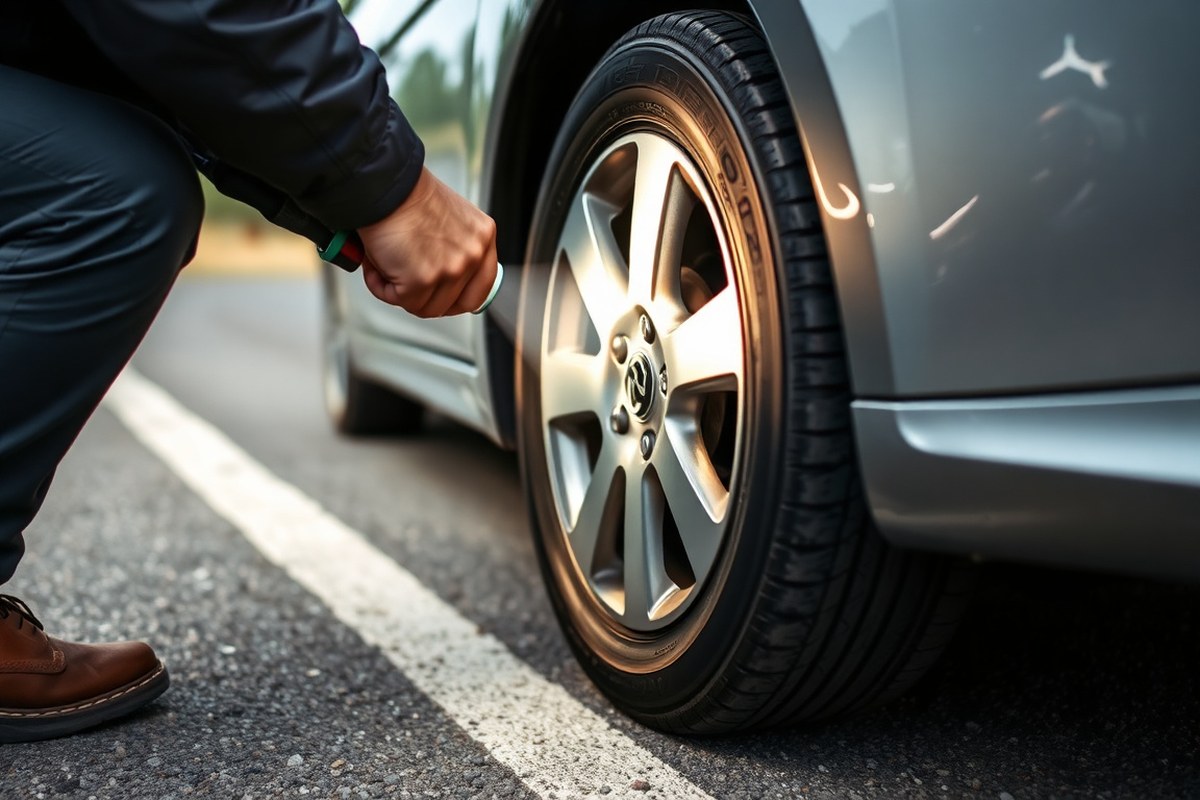
Make sure your tires are inflated properly. Incorrect pressure changes how tires contact the road. Low or uneven air pressure can cause tire squeaking and uneven wear.
Use a reliable tire pressure gauge monthly. Check and adjust pressure to your vehicle’s recommendations. Find these on the door jamb sticker.
Your car squeaks mostly at low speeds or turns. This could mean worn wheel bearings or debris is causing it. Bearings often fail slowly.
So early squeaks might turn into grinding or growling over time. Catching this early can prevent bigger repairs and keep your car rolling smoothly.
Is It Safe to Drive a Squeaking Car? Safety Signs to Watch
A faint, occasional squeak is usually not serious for short drives. It won’t likely cause damage if you keep trips brief.
This can happen when belts or suspension parts dry out or need light lubrication. Keep the drive brief, watch for changes, and plan for a mechanic visit soon.
More constant or louder squeaks mean you should be cautious. Avoid long trips if the noise doesn’t change performance but sticks around. Schedule a professional inspection as soon as possible.
Driving carefully for a short time is usually okay. But don’t ignore new symptoms or worsening noise.
Stop immediately if the squeaking happens with braking, steering, or accelerating. This can signal a failing part, like brakes or suspension, which impacts safety. Loose steering, lots of body lean, or a burning smell is serious.
Pull over safely right away in these cases. Reduced braking, grinding sounds, or a hot wheel are signs you shouldn’t drive at all.
Use a checklist to decide if you can keep driving. Check for burning smells first. Look for any dashboard warning lights too.
Next, check if the noise comes with changes in handling or braking feel. Also, look for any visible damage to tires or suspension underneath.
Stop driving when you see these signs. Call a tow or mobile mechanic to avoid bigger costs.
Ignoring squeaks also risks losing warranty coverage on major repairs. A quick professional look usually costs between $50 and $150 for diagnosis.
Fixes like lubricating or replacing worn pads seldom cost more than a few hundred dollars. These small costs avoid unexpected failures and unsafe driving situations later.
Quick DIY Fixes to Stop Your Car’s Squeaking Noise
Squeaks from your car often come from brakes, suspension, or steering parts. You can try simple cleaning, lubrication, and fluid checks at home. These steps can quiet noises and reveal if you need a professional’s help.
Cleaning Brake Components
Brake dust and dirt can cause squeaking noises. They rub on parts like the dust shield or pads, making the noise worse.
Cleaning these safely reduces noise and helps brakes work right. Use a brake cleaner spray designed for this purpose instead of water.
- Park on a level surface and wear gloves and eye protection.
- Remove the wheels carefully using a jack and lug wrench.
- Spray brake cleaner on the rotor, caliper, and dust shield to remove dust and dirt.
- Use a soft brush to gently scrub stubborn dirt without damaging parts.
- Wait a few minutes for the cleaner to evaporate completely before reassembling.
- Put the wheels back on and tighten lug nuts securely with a wrench.
- Test drive the car slowly to see if the squeak has reduced.
Use brake cleaner only, as other sprays can damage rubber seals or pad surfaces.
Lubricating Suspension Bushings and Joints
Dry suspension bushings cause squeaks when they rub during driving. Use a silicone-based lubricant or a white lithium grease made for rubber and metal. Avoid any oil or grease that can degrade rubber parts.
- Lift the car with a jack and secure it with stands for safety.
- Locate the suspension bushings and ball joints that might squeak.
- Apply a small amount of silicone lubricant or lithium grease directly on the bushings.
- Move the suspension slowly by hand or push the wheel to spread lubricant evenly.
- Wipe off excess lubricant to prevent attracting dirt and grime.
- Lower the car carefully and take it for a short drive to check for noise improvement.
Never use oil-based lubricants on bushings because they can crack rubber parts.
Checking and Refilling Power Steering Fluid
Low or dirty power steering fluid can cause squeaks or stiff steering. Check the level with your dipstick or reservoir markings. Use the fluid type recommended in your owner’s manual for refilling.
- Park on a level surface and open the hood.
- Locate the power steering fluid reservoir and clean around its cap.
- Remove the cap and check fluid level with a dipstick or sight glass.
- Add the recommended fluid gradually until it reaches the full mark.
- Replace the cap tightly and start the engine.
- Turn the wheel fully left and right several times to circulate the fluid.
- Check the fluid level one more time and adjust if needed.
Only use the specific power steering fluid listed for your car to avoid damage.
Typical Repair Costs for Common Squeaking Problems
Brake repairs often cost between $150 and $350 per axle at a shop. Replacing brake pads yourself can cost as little as $30 to $75 for each axle. The price difference comes from labor time and parts included.
These parts could be rotors or hardware with pad replacement. Labor and parts cause most of the cost change.
Belt replacements, such as the serpentine belt, generally run from $100 to $200 installed. The belt tensioner replacement can cost between $150 and $300. This is an extra expense added to your repair.
DIY belts are cheaper, typically $20 to $50. But tensioners can be $40 to $80 for parts alone.
| Repair | DIY Cost | Shop Labor + Parts |
|---|---|---|
| Brake pad replacement (per axle) | $30, $75 | $150, $350 |
| Serpentine belt | $20, $50 | $100, $200 |
| Belt tensioner | $40, $80 | $150, $300 |
| Suspension bushing (each) | $15, $40 | $150, $400 |
| Wheel bearing (each) | $50, $150 | $300, $600 |
| Power steering flush | N/A | $50, $150 |
Suspension repairs like bushings cost between $150 and $400 each in a shop. Wheel bearing replacement is a bigger job, ranging from $300 to $600 per wheel. Some cars have sealed bearing assemblies costing more due to complex installation.
A power steering flush, which can stop certain squeaks, usually costs between $50 and $150. Because suspension, brakes, and bearings affect safety, shops are best for these repairs. Missing early brake fixes can lead to costly rotor damage.
Step-by-Step Action Plan to Fix Your Squeaking Car
Follow these steps to pinpoint and fix the squeak safely and quickly. Each step includes how to check if the noise stops.
- Day 1: Check brake pads for wear. Look for thinning or metal contact. Drive slowly and brake to see if squeaking stops.
- Day 2: Inspect belts and pulleys with the engine off. Look for cracks or looseness. Restart engine; note if squeak vanishes.
- Day 3: Have someone turn the steering wheel while you listen near the suspension. Squeaks here mean worn joints or bushings. Test if noise reduces when lubricated.
- Day 4: Examine tires and wheels for damage or loose lug nuts. Tighten if needed. Take a short drive to hear any changes.
- Week 1: Apply silicone or lithium grease to suspected squeaky parts. Avoid overuse to prevent dirt buildup. Check if grease reduces the noise on your next drive.
- Week 2: If squeaking remains, schedule a mechanic inspection. Explain your findings to help target repairs quickly.
Frequently Asked Questions
Is It Safe to Drive a Car That’s Squeaking?
Driving a squeaking car can be safe or risky, depending on the cause. Avoid long trips if the squeak affects braking or steering. Get the car checked soon to prevent a serious failure.
Why Does My Car Squeak Only When I’m Turning or Accelerating?
Squeaking during turns or acceleration often comes from worn CV joints or suspension parts. These parts move a lot and wear down, causing noise through friction. Have a mechanic check these quickly, as failure can lead to loss of control.
What Causes a Squeak That Stops When I Brake?
If the squeak stops while braking, worn or glazed brake pads and rotors could be the issue. Brake dust buildup might also cause noise. Inspect or service the brake system to restore quiet and safe stopping.
Why Is There a High-Pitched Squealing Sound Coming from One Wheel?
A high-pitched squeal near one wheel usually means a stuck brake caliper or worn brake components. This causes constant rubbing between rotor and pad. Address this quickly to avoid brake failure and costly repairs.
Could My Tires or Wheels Be the Reason for Squeaking While Driving?
Yes, tire issues like misalignment or worn wheel bearings can cause squeaks. Noise often comes from the wheel area and varies with speed. Check tire condition and alignment to solve these problems and ensure safe driving.
Final Thoughts
That squeaking noise often signals a simple fix or a warning. Don’t ignore it, especially if it changes with braking or turning. Start by checking brake pads or belts, and act before it becomes unsafe.