Is Battery Acid Dangerous? A Complete Guide to Risks and Safety
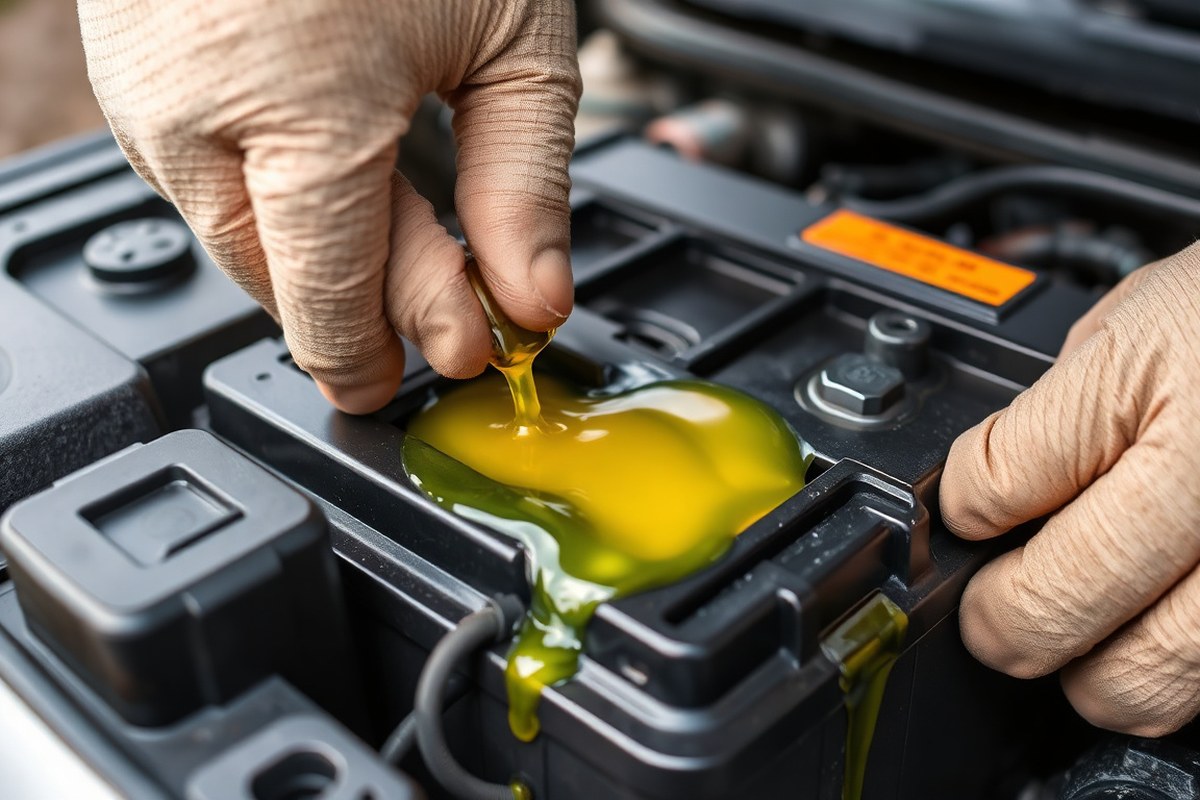
Yes, battery acid is dangerous because it is highly corrosive. It mainly contains sulfuric acid diluted with water, making it hazardous. Even a small leak can cause burns or irritation on contact.
Battery acid can quickly burn your skin and eyes, so avoid touching it. Rinse the spill immediately with plenty of water to reduce harm. Using soap afterward helps remove acid residue and lowers irritation.
Leaking battery acid can also harm the environment if not handled properly. Remove leaking batteries from devices and seal them in plastic bags. This prevents the acid from spreading and damaging surfaces or soil.
Always wear protective gloves and safety glasses when handling batteries. Keep baking soda nearby to neutralize acid spills safely. These steps help prevent injuries and environmental damage.
Key Takeaways
- Battery acid contains 30% to 50% sulfuric acid mixed with water.
- Contact with battery acid requires immediate rinsing with water for 15 minutes.
- Flush your eyes with cool water for 20 to 30 minutes after acid exposure.
- Battery acid’s pH is about 0.8, making it very acidic and corrosive.
- Leaking batteries should be removed from devices and stored in sealable plastic bags.
- Wear protective gloves and goggles to avoid exposure when handling batteries.
How Dangerous Is Battery Acid to Humans and Environment?
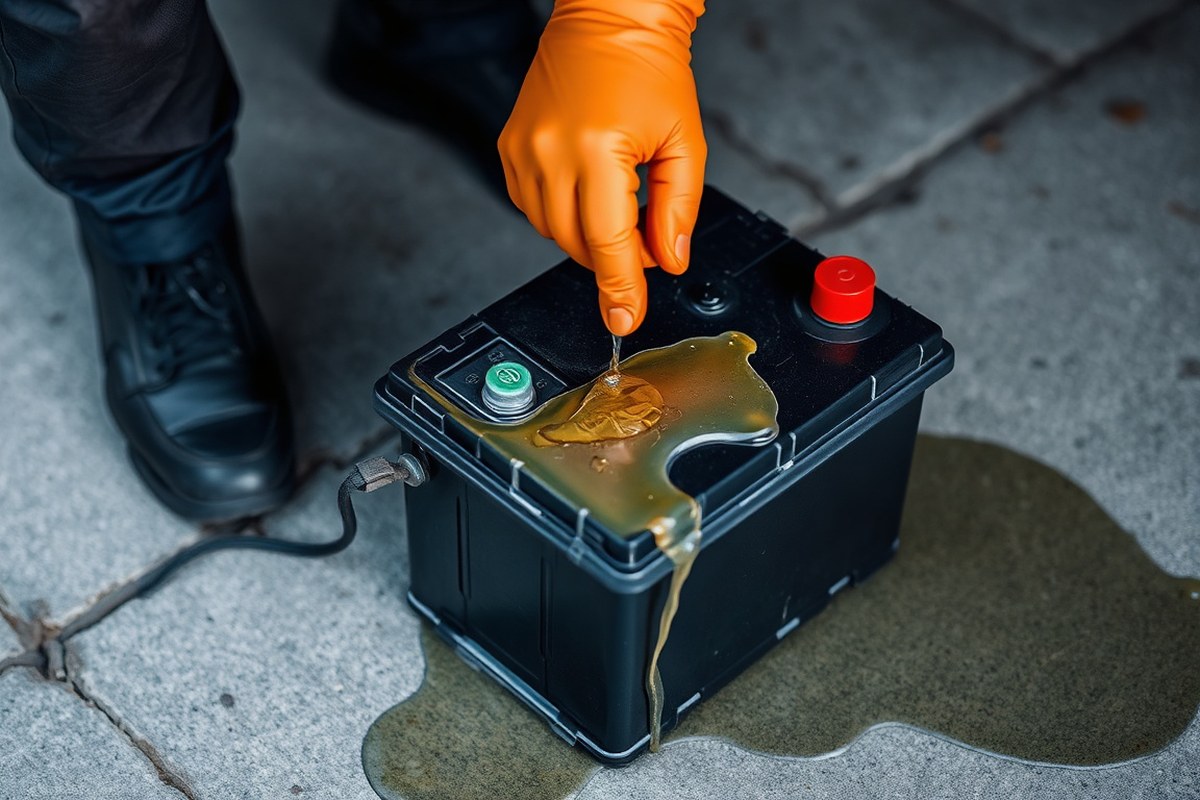
Battery acid is highly corrosive and dangerous to humans. It can cause severe skin burns, eye injuries, and breathing problems if you inhale its fumes.
Even touching a small amount of battery acid can damage your skin or eyes. So handling it requires caution and safety gear.
The risks of battery acid go beyond surface burns. Ingesting or inhaling battery acid can lead to serious internal injuries or toxic effects. A battery that seems dead still contains sulfuric acid, which remains harmful and corrosive.
Don’t ignore battery leaks or damage even if they look small. Battery acid can cause serious harm over time. Act quickly to limit the damage.
Battery acid also harms the environment if not disposed of properly. When battery acid leaks, it can contaminate soil and water, killing plants and animals. The acid’s corrosive nature breaks down natural materials and pollutes ecosystems.
Tossing batteries in trash or outdoors harms the environment. Acid can leak and cause costly damage. Proper disposal protects people and property.
Quickly take out any leaking battery from devices to lower risks. Use a plastic bag that seals tight to trap acid. Always wear gloves and goggles to avoid contact and fumes.
Taking battery acid hazards seriously protects your health and the environment. Safe handling includes storing batteries upright, away from heat and moisture.
Follow local regulations for recycling or disposing of batteries at designated centers. This prevents battery acid from entering landfills or water systems and causing harm.
What Exactly Is Battery Acid Made Of?
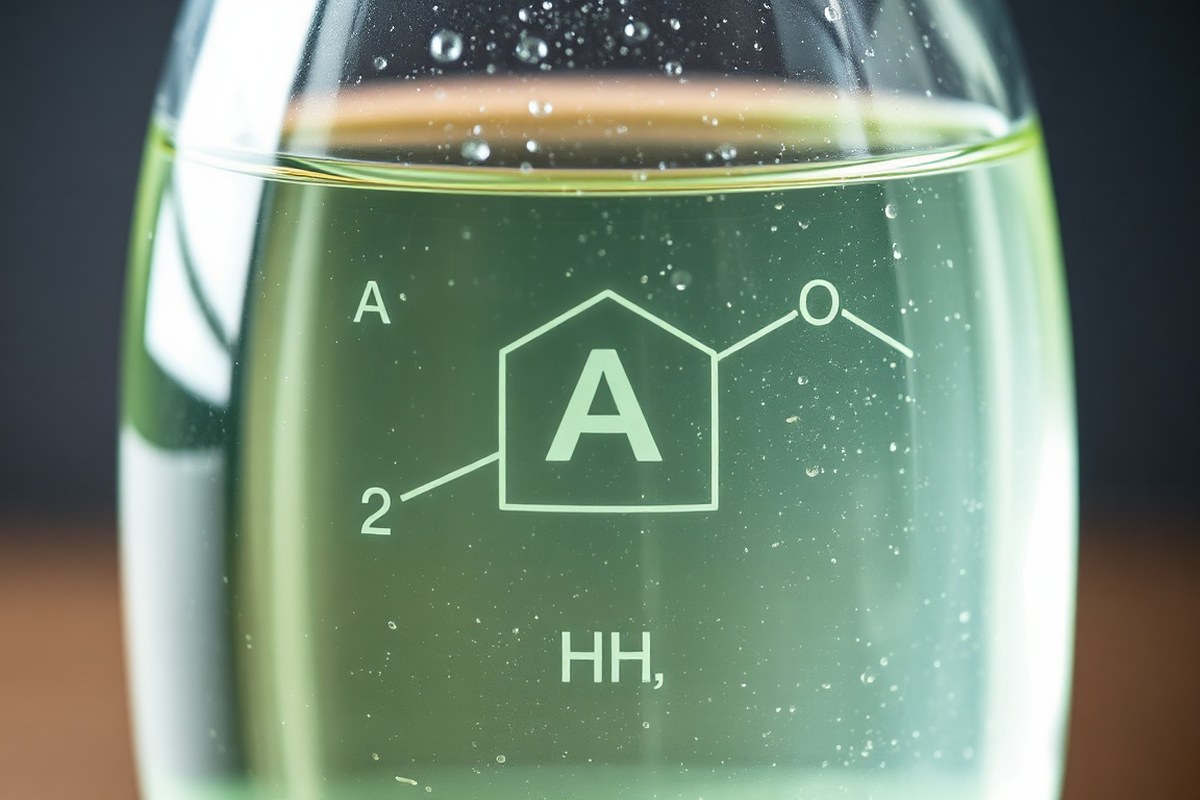
Battery acid mostly contains sulfuric acid, chemically known as H2SO4. This acid plays a key role in lead-acid batteries, like the ones in cars.
The sulfuric acid is mixed with distilled water. This solution usually contains 30% to 50% acid by weight.
The acid inside these batteries isn’t pure but diluted. This balance helps ensure the battery works properly and safely stores energy.
The concentration shift can hurt battery performance. It also raises risks of leaks or damage.
Not all battery acids are the same. Lead-acid batteries use sulfuric acid.
But alkaline batteries contain a different chemical, potassium hydroxide (KOH). This chemical is also caustic but has a much higher pH, about 13.5, making it strongly alkaline instead of acidic.
The mix of sulfuric acid and water helps a chemical reaction. This reaction happens between lead plates inside the battery.
This reaction produces electrical energy but also makes the acid highly corrosive. Even a small spill can cause serious burns or damage to materials.
Old or damaged batteries can leak sulfuric acid. This acid is harmful to your skin, eyes, and the environment.
Handling these batteries carefully and watching for cracks or corrosion helps prevent accidents. Manufacturers design the acid concentration to balance power and safety during use.
Always wear gloves and eye protection when working near batteries to avoid acid burns and injuries.
Types of Battery Acid and Their Specific Hazards
Battery acid comes in different types depending on the battery chemistry. Lead-acid batteries contain sulfuric acid, which is highly corrosive.
Alkaline batteries use potassium hydroxide, which is corrosive but less acidic. Lithium batteries use organic solvents, which are flammable but contain no liquid acid.
Lead-Acid Batteries and Sulfuric Acid Risks
Lead-acid batteries contain sulfuric acid, a very strong corrosive liquid. This acid can burn skin badly and irritate your breathing. Always wear gloves and goggles when handling these batteries to stay safe.
Spills from lead-acid batteries can damage metal, fabrics, and carpets quickly. Always clean up acid spills immediately using a baking soda solution to neutralize the sulfuric acid. Proper ventilation is also necessary when working with these batteries.
Alkaline Batteries and Potassium Hydroxide Hazards
Alkaline batteries contain potassium hydroxide, a caustic alkaline substance. It can still cause burns and irritation if it leaks and touches your skin or eyes. The leakage often looks like a white powdery deposit from AAA or AA batteries leaking.
This type of battery acid is less hazardous than sulfuric acid but still requires prompt cleaning. Wear gloves to avoid chemical burns. You should rinse any exposed skin with water immediately and remove contaminated clothes.
Lithium LiFePO4 Batteries: Safer Alternatives
Lithium iron phosphate (LiFePO4) batteries use organic solvents inside instead of liquid acid. These solvents are flammable but not highly corrosive like sulfuric acid. Many lithium batteries are sealed, requiring no maintenance and less risk of acid spills.
This type of battery is generally safer to handle and lighter than lead-acid batteries. They last longer and allow full discharge without damage, making them a reliable, less hazardous choice. Always avoid open flames when handling lithium batteries due to flammability risks.
Here’s a quick comparison of common battery types, their electrolytes, and hazard levels:
| Battery Type | Electrolyte | Hazard Level |
|---|---|---|
| Lead-Acid | Sulfuric Acid | High |
| Lithium-ion | Organic Solvents | Moderate (Flammable) |
| Nickel-Metal Hydride (NiMH) | Potassium Hydroxide | Moderate (Corrosive) |
Each battery type needs different handling precautions based on the acid or electrolyte inside. Expect higher risks and cleanup needs with lead-acid batteries. Lithium batteries offer safer handling but still need fire safety awareness.
How Battery Acid Causes Harm: Effects on Skin, Eyes, and Lungs
Battery acid, mainly sulfuric acid, causes serious harm when it touches your skin. The acid’s corrosive nature eats away cells, causing painful burns and blisters fast. Damage starts almost immediately and worsens as long as the acid stays on your skin.
Eye exposure to battery acid can cause severe irritation and injury within seconds. The acid can burn the cornea, leading to intense pain, redness, and possible vision loss. Flushing with cool water for 20 to 30 minutes is key.
This reduces damage. It also helps your recovery.
Inhaling battery acid fumes irritates your respiratory system quickly. The vapors inflame mucous membranes, causing coughing, wheezing, and difficulty breathing. How strong the fumes are matters.
So does how long you breathe them. Breathing them too long can hurt your lungs.
Skin burns from battery acid get worse if not cleaned right away. Wash the acid off with water for at least 15 minutes. This stops it from hurting more skin.
Rinsing quickly is important. Covering your skin when handling batteries can prevent accidental splashes and reduce injury risks.
Battery acid fumes build up fast in enclosed spaces. That’s why working near batteries needs good ventilation or a respirator to avoid breathing problems.
Even brief inhalation causes irritation. So quick fresh air access can limit symptoms and prevent long-term lung issues.
The damage timelines vary; skin and eyes react in seconds, lungs take minutes. Immediate washing and moving to fresh air are the best ways to prevent lasting harm. Failure to act quickly can lead to permanent injuries or complex medical treatments.
Recognizing Battery Acid Exposure and Its Symptoms
Battery acid on your skin causes a burning sensation and redness. You might see white or yellowish sores forming after contact. Severe exposure leads to deep burns that can scar or damage tissue permanently.
Acid in your eyes can cause sharp pain and redness quickly. Blurred vision or light sensitivity often follows quickly. Eye exposure can cause irritation, swelling, and in serious cases, partial or full vision loss.
Breathing in battery acid fumes causes coughing, wheezing, or difficulty breathing. Your nose and throat might feel sore or irritated. Chest tightness or cough after exposure means get medical help fast.
Signs of swallowing battery acid include severe mouth pain, throat swelling, and vomiting. You could have difficulty swallowing or notice white patches inside the mouth. Internal damage may cause abdominal pain and trouble breathing.
- Skin exposure: burning, redness, white spots, possible blisters
- Eye exposure: pain, redness, blurred vision, light sensitivity
- Inhalation: coughing, sore throat, wheezing, chest tightness
- Ingestion: mouth pain, throat swelling, vomiting, abdominal pain
- Any exposure: feeling weak or dizzy signals a serious issue
Watch closely for delayed symptoms appearing hours after contact. An acid burn may look minor at first but worsen quickly without treatment. Take action immediately to reduce harm.
Rinse battery acid off skin or eyes with plenty of clean water for 15 minutes.
How to Safely Handle and Protect Yourself from Battery Acid
Wearing the right gear and following safe handling steps protects you from battery acid. Gloves, goggles, and good ventilation lower exposure risks sharply. Treat every battery carefully to avoid accidents.
Essential Personal Protective Equipment (PPE)
Use acid-resistant gloves whenever you handle batteries with acid. These gloves stop burns and skin irritation from leaks or spills. Safety goggles shield your eyes from splashes and vapors that cause serious injuries.
Protective clothing, like long sleeves and aprons, also helps stop acid contact with your skin. These items cost about $10 to $25 each, depending on quality and style. Having this gear ready saves you from costly medical visits and downtime.
- Acid-resistant gloves (nitrile or rubber)
- Safety goggles or full-face shield
- Long-sleeve shirts or lab coats
- Closed-toe shoes
- Rubber aprons for heavy handling
Clean and inspect your PPE before each use. Torn gloves or scratched goggles let acid through. Replace or fix any damaged items immediately to keep protection effective.
Safe Handling Practices for Different Battery Types
Lead-acid batteries hold liquid acid that requires extra caution. Handle them upright and avoid shaking to prevent leaks. Always use a battery carrier or sturdy container when moving them.
For smaller batteries with sealed acid, do not open them. This includes some car and solar batteries. Avoid puncturing them to stay safe.
When changing or cleaning batteries, don’t force connections or use metal tools that cause sparks. Follow manufacturer instructions carefully.
Keep the battery terminals clean but use water only if acid hasn’t leaked. Dry the terminals fully before reconnecting. This helps prevent corrosion and acid buildup that make handling unsafe.
Working in Well-Ventilated and Controlled Areas
Work with battery acid outdoors or in a well-ventilated space to avoid breathing harmful fumes. Open windows or use fans to maintain fresh air flow. Avoid working in small, closed rooms without ventilation.
Place acid spill kits, neutralizing agents, and plenty of clean water nearby. These help treat spills fast and stop acid damage. Store batteries on non-porous surfaces to contain any leaks and make cleanup easier.
- Open doors or windows for fresh airflow
- Use fans to improve ventilation if indoors
- Keep spill cleanup kits and neutralizers nearby
- Work on concrete, metal, or plastic surfaces
- Avoid smoking or open flames near batteries
Check your work area regularly for acid residue or leaks. Cleaning early prevents bigger hazards. A clean workspace shows you respect battery acid dangers and lowers your risk.
First Aid and Emergency Steps After Battery Acid Exposure
Battery acid exposure needs fast, clear first aid. Rinse the area with cool water at once.
Keep rinsing for 15 minutes or longer. Calling medical help fast can stop serious damage or lasting problems.
Treating Skin Contact with Battery Acid
Battery acid on your skin requires quick action to stop burns. Flush the spot with plenty of water without delay.
Battery acid can cause deep chemical burns and lingering damage if not washed off right away. Removing any jewelry or contaminated clothing improves water’s access to your skin.
Rinse the affected skin under a steady stream of lukewarm water for at least 15 minutes. Keep flushing even if the burning sensation lessens.
You should keep rinsing if pain or redness lasts past 20 minutes. Then call your doctor or Poison Control for help.
- Remove all contaminated clothing and jewelry from the affected area.
- Flush the skin with lukewarm running water immediately.
- Keep rinsing the skin for 15 to 30 minutes without rubbing.
- Pat the area dry gently with a clean cloth after rinsing.
- Apply a clean, dry dressing if the skin blistered or burned.
- Call Poison Control or get medical help if burning continues.
Emergency Protocol for Eye Exposure
Battery acid in your eyes is a medical emergency that needs a quick rinse. Acid can cause blindness rapidly, so never delay flushing your eyes with water. Avoid rubbing or touching your eyes to prevent further damage.
Hold your eyelids open and rinse continuously with clean, lukewarm water for at least 15 minutes. Use a gentle but steady stream during this time. After flushing, head to the emergency room immediately for a thorough examination and treatment.
- Hold your eyes open wide with your fingers.
- Flush your eyes thoroughly with lukewarm, clean water for 15 minutes or more.
- Make sure to keep the water flowing steadily over the eyes.
- Avoid rubbing your eyes or applying any ointments or drops.
- Seek emergency medical care immediately after rinsing.
Responding to Inhalation and Ingestion Incidents
Breathing in battery acid fumes can irritate your lungs and airways. Move to fresh air right away and avoid further exposure. Call emergency services if you experience cough, chest pain, or difficulty breathing.
Swallowing battery acid is extremely dangerous. Do not try to vomit. It can make burns worse inside your mouth and throat.
Just keep rinsing and get medical help. Instead, call poison control immediately and go to the hospital for urgent care.
- Get to fresh air as quickly as possible if you inhale fumes.
- Call emergency medical services if breathing problems start or worsen.
- Do not induce vomiting if you swallow battery acid.
- Contact the poison control hotline right away for instructions.
- Seek immediate emergency care after exposure or ingestion.
Proper Storage, Disposal, and Spill Cleanup for Battery Acid
Store batteries in a cool, dry place to avoid leaks. Keep them upright and off direct sunlight. Avoid placing batteries near metal objects or heat sources.
When a battery acid spill happens, act quickly but with care. Wear protective gloves and eyewear to avoid contact. Use proper materials to neutralize and clean the acid safely.
Disposing of batteries properly stops acid from damaging people and the environment. Many places have special recycling programs for batteries containing acid. Never throw these batteries in regular trash or recycling bins.
Follow these steps to handle, clean, and dispose of battery acid safely:
- Wear acid-resistant gloves and eye protection to guard yourself.
- Move batteries carefully to a well-ventilated area without sparks or flames.
- Use baking soda or a commercial neutralizer to treat small acid spills.
- Wipe spill residues with a damp cloth after neutralizing the acid.
- Place leaking or damaged batteries in a plastic container to prevent further leaks.
- Take used batteries to a certified recycling or hazardous waste disposal site.
- Do not attempt to clean major spills without professional help.
Wear protective gear before cleaning battery acid, and never handle large spills alone.
Why Safer Battery Alternatives Matter for Health and Safety
Lithium batteries, especially lithium iron phosphate (LiFePO4), reduce acid hazards by eliminating corrosive electrolyte fluids. These batteries use a solid or gel electrolyte instead of liquid acid.
So leaks and spills don’t happen. You save time and effort because they’re fully sealed and require no acid refills or venting.
LiFePO4 batteries also weigh less than lead-acid batteries. For example, a lithium battery can be 30% to 50% lighter than a comparable lead-acid one. This makes them easier to handle and install, lowering the risk of injury during battery changes.
Their sealed design stops dangerous gases from escaping. This makes them safer for enclosed spaces like RVs. It helps keep air cleaner inside boats too.
The trade-offs are usually cost and charging compatibility. Lithium batteries cost about two to three times more upfront than lead-acid options. You may also need a charger designed for lithium batteries to avoid damage.
Lithium batteries last much longer than lead-acid ones. They can last 3 to 5 times more cycles. They also deliver steady power while you use them.
| Feature | Lead-Acid Battery | LiFePO4 Lithium Battery |
|---|---|---|
| Electrolyte Type | Liquid sulfuric acid | Solid or gel, no liquid acid |
| Weight | Heavier, often double lithium | Lighter by 30-50% |
| Maintenance | Requires acid checks and refills | Maintenance-free, sealed design |
| Gas Emission | Can emit hazardous gases | Minimal to no gas release |
| Cost | Lower upfront cost | 2-3 times higher initial cost |
| Cycle Life | Typically 300-500 cycles | 3-5 times longer, up to 2,000 cycles |
Lithium batteries don’t leak acid, so you avoid risks like burns or environmental damage. They also keep indoor and enclosed areas safer by not releasing toxic gases. You should check your device’s compatibility before switching; chargers and wiring may need upgrades.
Choosing lithium batteries suits users focused on safety and long-term value, even with the higher cost. Traditional lead-acid batteries may still be practical for short-term or budget projects.
But their acid hazards require careful handling. Switching to lithium helps cut down mishaps related to acid exposure and reduces maintenance time.
Step-by-Step Action Plan for Battery Acid Safety
Follow these steps to stay safe when handling battery acid. Each step helps reduce risks and manage accidents.
- Before you start: Wear acid-resistant gloves and goggles. Check the gear fits well and has no damage.
- At the workspace: Work in a well-ventilated area. Make sure you can smell air and avoid acid fumes.
- Handling acid: Use a container meant for battery acid. Avoid spilling by pouring slowly and carefully.
- After handling: Wash exposed skin immediately with water. Look for redness or pain.
- If exposure occurs: Rinse eyes or skin with water for at least 15 minutes. Seek medical help if pain lasts.
- Storage: Keep battery acid in a cool, dry place away from children and pets.
- Disposal: Follow local rules for hazardous waste. Never pour acid down drains or on soil.
- Regular check: Inspect stored batteries and acid containers monthly. Replace any that leak or rust.
Frequently Asked Questions
Is Battery Acid Dangerous to Touch?
Yes, battery acid can burn your skin and cause permanent damage. Always wear gloves to protect yourself when handling it.
Can Battery Acid Fumes Harm Your Lungs?
Yes, breathing in battery acid fumes can irritate your lungs and cause coughing. Avoid inhaling the fumes by working in a well-ventilated area.
What Should I Do If Battery Acid Gets in My Eyes?
Rinse your eyes with clean water immediately for 15 minutes. Seek medical help right away after flushing.
Is Swallowing Battery Acid Life-Threatening?
Yes, swallowing even a small amount of battery acid can be deadly. Call poison control or emergency services immediately.
Can Battery Acid Leak from Old Batteries?
Yes, old or damaged batteries can leak dangerous acid. Remove leaking batteries carefully and seal them in plastic bags.
Final Thoughts
Battery acid is dangerous but understanding risks helps you protect yourself. Always use proper gear and act fast if exposed. Check safety info regularly to stay prepared.