Can You Use Power Steering Fluid for Transmission Fluid? What Actually Works
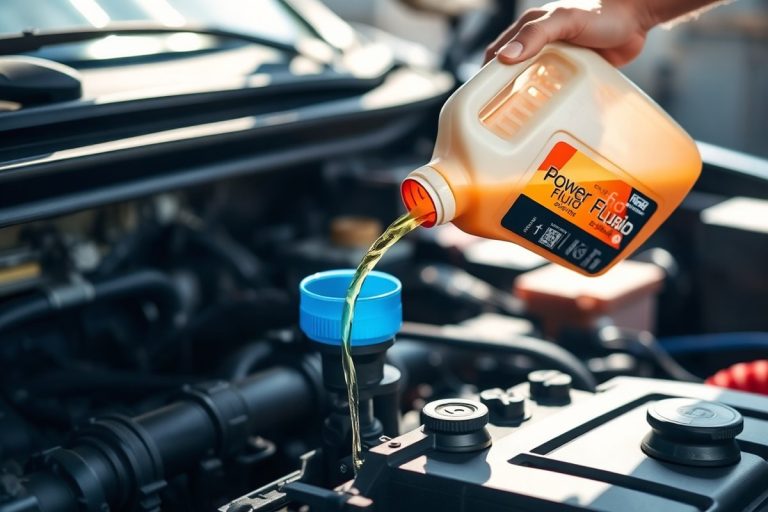
Power steering fluid is not suitable for transmission use. It doesn’t handle the heat and friction inside transmissions well. Putting it in the transmission might harm the system and cause shifting issues.
Some older vehicles made before 2000 allow using transmission fluid in power steering. But the reverse is rare.
Most modern cars specify different fluids for each system. Always check your owner’s manual first.
Mistaking these fluids can lead to costly repairs. Transmission fluid often needs changes every 30,000 to 60,000 miles. Power steering fluid usually lasts longer, about 75,000 miles or five years.
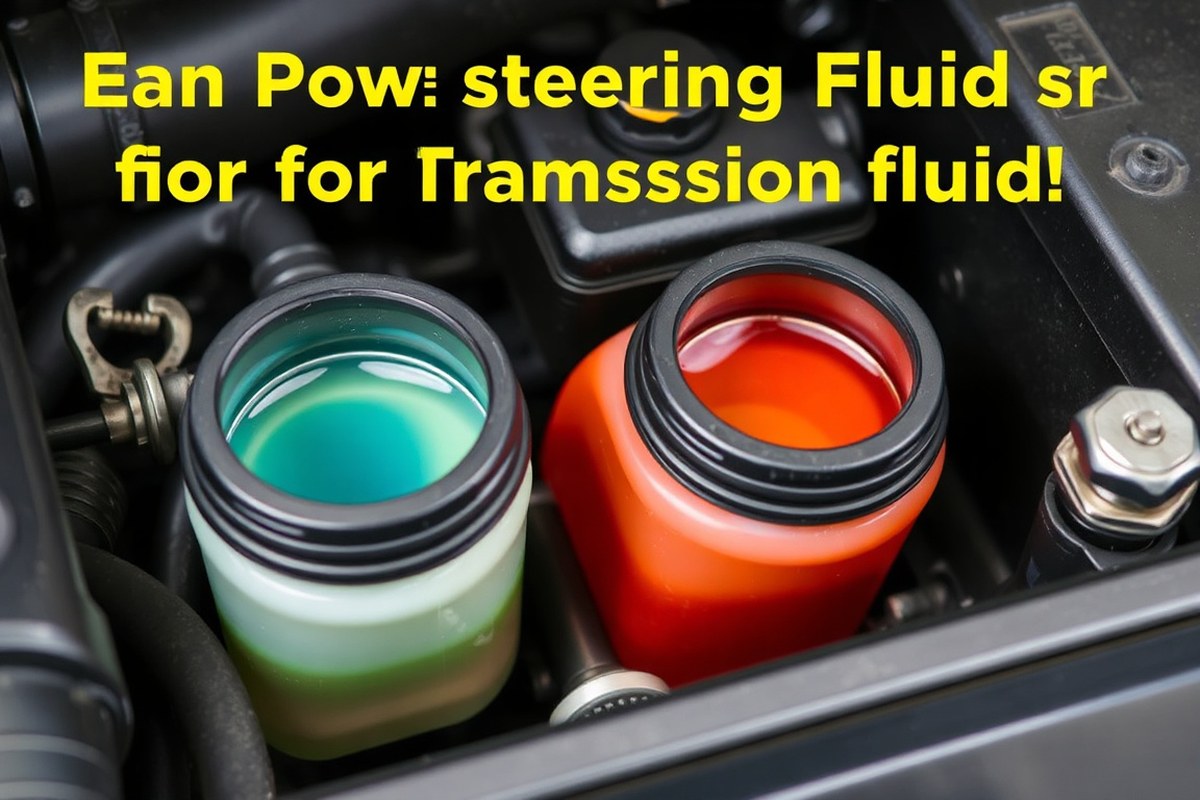
Start by identifying the right fluid type using color codes or manual specs. Red or pink fluid is typically transmission fluid. Clear or amber means power steering fluid.
Key Takeaways
- Never replace transmission fluid with power steering fluid; they have different purposes.
- Older vehicles may allow transmission fluid in power steering systems, but not vice versa.
- Power steering fluid lasts longer, typically changing every 75,000 miles or five years.
- Transmission fluids should be changed every 30,000 to 60,000 miles for best performance.
- Check your owner’s manual for the exact fluid type your vehicle needs.
- Use fluid color as a quick way to identify the correct type before topping off.
Can You Use Power Steering Fluid as Transmission Fluid?
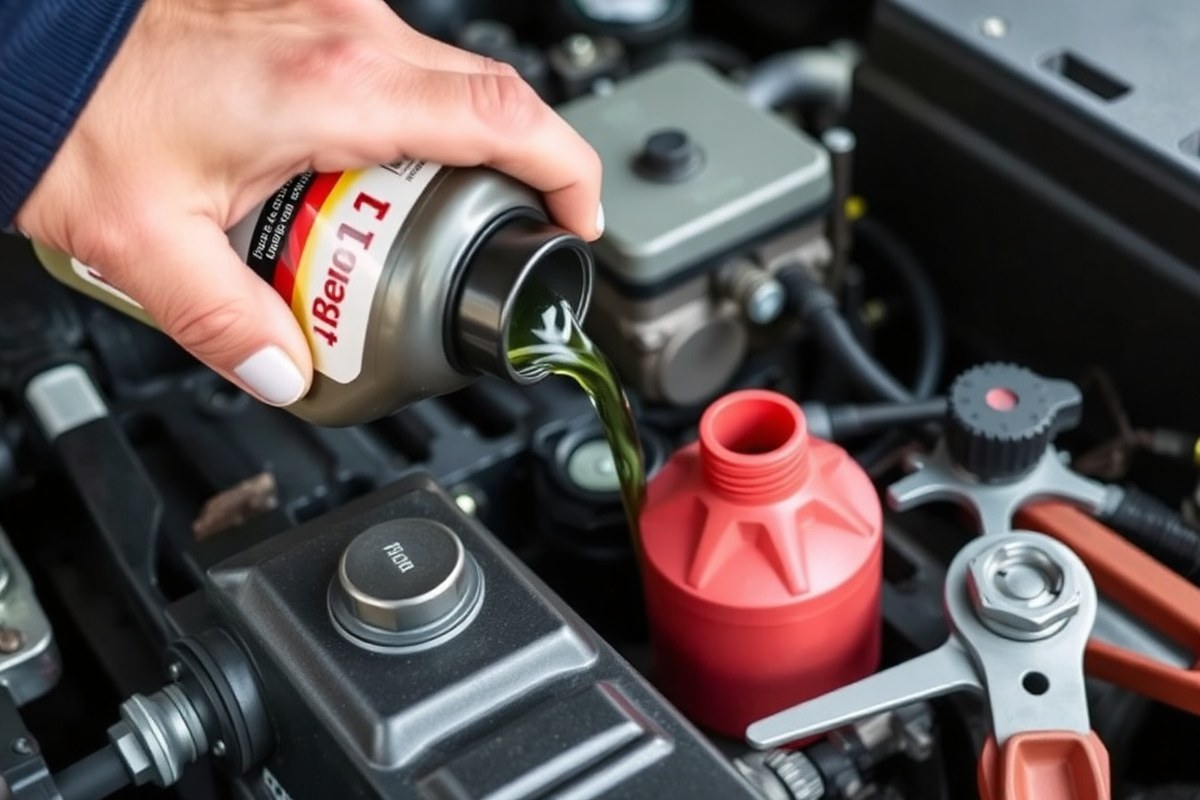
You should not use power steering fluid in a transmission system. Transmission fluid has specific friction modifiers and detergents essential for shifting and cooling gears. Power steering fluid lacks these, which can cause improper lubrication and overheating.
Using power steering fluid in a transmission risks damage to seals, clutches, and pumps. It can lead to slipping gears, erratic shifting, and eventually transmission failure. This damage may appear immediately or worsen over months, costing thousands in repairs.
Some vehicles let you use automatic transmission fluid (ATF) in power steering. However, you cannot use power steering fluid in the transmission. Few vehicles allow this one-way use.
Check your vehicle’s manual; it usually states the correct fluid type. Many older cars use ATF for steering. But few transmissions can run safely on power steering fluid.
Here’s a quick checklist before choosing fluids: first, check your owner’s manual. Next, confirm fluid type by system, never assume all red fluids are interchangeable. Finally, if you’re unsure, buy the exact fluid brand and type recommended to avoid costly damage.
Using power steering fluid instead of transmission fluid causes long-term problems. Immediate consequences include gear slipping and overheating.
Long-term effects are seal breakdown, internal corrosion, and total transmission failure. Repairs or replacements can cost $1,500 to $3,500 depending on the vehicle.
Always follow manufacturer guidelines to prevent fluid mix-ups. Transmission systems require fluid with high-temperature stability and anti-wear additives not found in power steering fluid. Sticking to these ensures smooth shifting and longer transmission life.
Key Differences Between Power Steering and Transmission Fluid
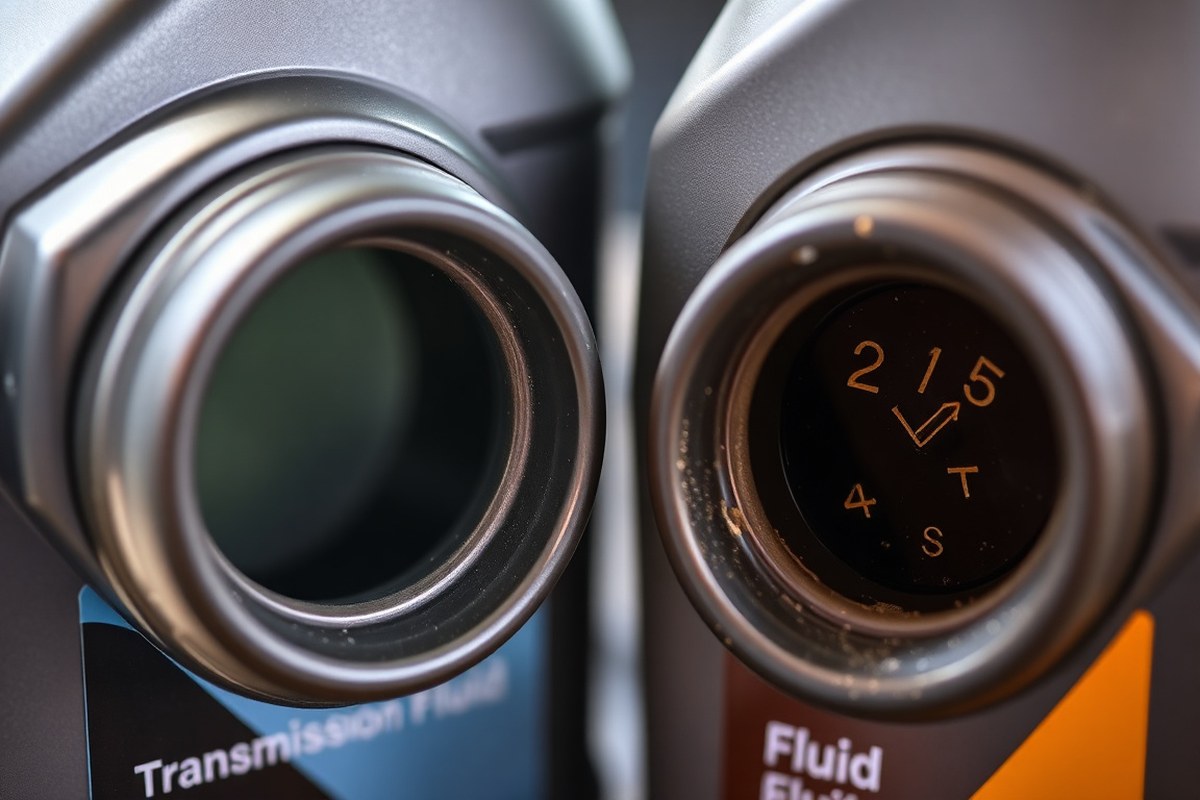
Power steering fluid and transmission fluid both serve hydraulic roles. But their chemical makeup differs significantly.
Power steering fluid has additives aimed at protecting seals and reducing noise in the steering system. Transmission fluid includes friction modifiers needed for smooth gear shifting and components’ protection.
Viscosity varies between the two fluids and impacts their performance. Transmission fluid usually has a higher viscosity index.
This helps it handle high temperatures and pressures inside the gearbox. Power steering fluid usually has a lower viscosity to enable quick, smooth steering response.
| Feature | Power Steering Fluid | Transmission Fluid (ATF) |
|---|---|---|
| Primary Function | Hydraulic pressure transfer, lubrication in steering | Lubrication, cooling, hydraulic function in transmission |
| Additives | Anti-wear agents, corrosion inhibitors, seal conditioners | Detergents, dispersants, friction modifiers, extreme pressure (EP) additives |
| Viscosity | Generally lower viscosity index for steering responsiveness | Higher viscosity index for durability under heat and pressure |
| Temperature Range | Moderate operating temperature range | Designed for high temperature range in transmissions |
Additives in transmission fluid keep parts clean. They also reduce wear during extreme conditions.
Meanwhile, power steering fluid focuses on seal compatibility to avoid leaks and provide quiet operation. These differences matter because using the wrong fluid risks damaging internal parts and causing leaks.
Viscosity affects how well the fluid moves under pressure and heat. A fluid too thick can cause sluggish steering or poor transmission performance.
Too thin, and the fluid won’t protect moving parts properly. Matching the fluid’s viscosity range to your vehicle’s specifications is essential.
Always use the fluid type specified in your vehicle’s manual to avoid damage and costly repairs.
Which Vehicles Allow Transmission Fluid in Power Steering Systems?
Some vehicles officially allow automatic transmission fluid (ATF) in their power steering systems. This mostly includes older cars and some Chrysler and Dodge models.
European cars often need special fluids rather than ATF. So you must check your owner’s manual carefully before using ATF in power steering.
Older American Cars Using ATF for Power Steering
Many older American cars use ATF in power steering. This is true especially for cars made before the 1990s. Automakers like Ford, GM, and Chrysler made these systems.
They designed them to work with Dexron II, III, or Mercon ATF. This helped standardize fluids across transmissions and steering systems for easier maintenance.
Cars from the 1970s and 1980s often list the use of ATF for power steering. It provides proper hydraulic pressure and lubrication for those older pump designs.
- Ford full-size trucks and cars before 1996
- GM models like Chevrolet C/K trucks and older Impalas
- Chrysler models using Mercon or ATF+4 fluid in steering
- Early Dodge Ram pickups with power steering pumps designed for ATF
- Older Jeep models with sealed power steering systems
This method isn’t as common today. But it still applies to older cars built before special power steering fluids.
European Vehicles and Specialized Fluids
Many recent European cars rarely use ATF for power steering. Some cars need special fluids like Pentosin CHF 11S.
It has unique additives for seals and metal parts. These fluids often appear green or blue, unlike red ATF or clear power steering fluids.
Using ATF in these cars can cause leaks or damage. Their seals don’t work with regular transmission fluids. Always verify exact fluid types for European vehicles such as Audi, BMW, or Mercedes-Benz.
- Audi, BMW, Mercedes-Benz typically need Pentosin or equivalent CHF fluid
- Volkswagen power steering uses manufacturer-specific hydraulic fluids
- Volvo uses specialized fluids similar to Pentosin CHF 11S
- Some European SUVs specify clear or green power steering fluids, not ATF
These fluids cost more, often $15 to $25 per quart. But protect the system better.
Modern Vehicles with Dedicated Power Steering Fluid
Newer cars mostly require specialized power steering fluids instead of ATF. These fluids have additives designed specifically for their power steering pumps and valves. Using ATF in modern steering systems risks seal damage, leaks, and voiding your warranty.
Honda and Toyota manuals clearly say “Power Steering Fluid Only.” They sometimes specify brand-specific fluid types too.
Chrysler and Dodge are exceptions. Some models use ATF+4 in both transmission and power steering.
- Honda and Toyota models typically require dedicated power steering fluids
- Most modern GM and Ford vehicles need specific power steering fluid, not ATF
- Chrysler and some Dodge models allow ATF+4 for power steering
- Hyundai and Kia usually specify power steering fluid, not transmission fluid
Check the owner’s manual or under-hood sticker for fluid specs before topping off.
| Manufacturer | Fluid Type Allowed in Power Steering |
|---|---|
| Ford (pre-1996) | Dexron II/III ATF |
| GM (older trucks, cars) | Dexron II/III ATF |
| Chrysler & Dodge | ATF+4 (modern), Dexron/Mercon (older) |
| Honda, Toyota, Hyundai, Kia | Dedicated power steering fluid only |
| Audi, BMW, Mercedes-Benz, VW, Volvo | Pentosin CHF 11S or manufacturer-specific CHF fluids |
Risks and Consequences of Using the Wrong Fluid
Using wrong fluids harms power steering pumps, seals, and hoses fast. Transmission fluid misses key additives that guard steering parts. This causes seals to change shape and leak, making steering stiff.
Seal damage often starts within a few hundred miles of using the wrong fluid. Shrinking seals pull away from surfaces, letting fluid escape. Swollen seals lose their shape, trapping dirt and wear particles that speed up failure.
Power steering pumps also suffer. Transmission fluid breaks down faster under steering system heat. Friction and wear go up and often cause pump failure fast.
Failures can happen before 42,000 miles, much sooner than usual. Proper fluid helps pumps last about 122,000 miles.
Hoses become hard and crack without the correct fluid inside. Cracks let leaks form, which lowers system pressure. This weakens steering over time.
Early signs include whining noises or inconsistent steering feel. Ignoring this can cause the rack-and-pinion to fail near 53,000 miles.
Normally it lasts about 145,000 miles. Repair or replacement can cost over $1,200 with labor.
Leaks and pump wear often develop gradually but worsen over a few months. At first, your steering might feel jerky or loud. After several thousand miles, fluid loss can cause complete steering failure, posing safety risks.
Flushing the system with the right fluid can avoid big damage. A full bleed removes old fluid completely. Catching issues early helps keep parts safe.
This service takes about two hours and costs under $250, including fluid and labor. Waiting too long can increase repair bills by thousands for pumps or rack replacements.
Mixing transmission fluid or water into power steering fluid worsens the problem. Water causes corrosion and seal swelling, while transmission fluid accelerates wear. Both lead to system failure faster than normal, reducing component life by more than half.
Can Mixing Power Steering and Transmission Fluid Work Safely?
Mixing power steering fluid and transmission fluid usually causes more harm than good. Each fluid has different chemical properties tailored for its specific system. Using them interchangeably can damage seals, pumps, and valves in both systems.
The chemistry between these fluids differs because power steering fluid is designed as a hydraulic medium. Transmission fluid has additives for clutch friction and gear lubrication.
Mixing leads to breakdown of additives, causing sludge and loss of lubrication. Over time, the contaminated fluids can cause leaks or pump failures.
Using transmission fluid instead of power steering fluid happens when the proper fluid isn’t handy. This quick fix might work for a short time. Still, you need to drain and refill with the right fluid quickly to prevent harm.
- Mixing fluids can erode seals and cause leaks
- The wrong additives lead to sludge and poor lubrication
- Chemical reactions may produce acid, harming metal parts
- Pump wear accelerates when fluids are contaminated
- Mixing confuses sensors calibrated for specific fluid properties
- Emergency mix is okay only as a very short-term fix
- Flush the system fully before refilling with correct fluid
Flush the power steering system carefully by draining the mixed fluid first. Use a manufacturer-recommended flush kit or a large syringe and tubes to remove old fluid.
Filling the system with the correct type after this prevents further damage. This process usually takes about 30 minutes but varies by vehicle.
Always avoid mixing fluids intentionally. A quick flush and refill with the correct fluid saves costly repairs.
Mixing fluids during an emergency should not be your long-term solution. Delaying fluid replacement too much can cause serious issues like pump or rack failure. To maintain your system, use the recommended fluid and replace power steering fluid about every 75,000 miles or five years.
How to Identify the Right Fluid for Your Vehicle
Consulting the Owner’s Manual and Manufacturer Specs
Your vehicle’s owner’s manual is the best place to find exact fluid specs. Look up power steering and transmission fluid requirements. This ensures you pick a fluid the manufacturer approved for your model.
Manufacturer specs may differ depending on year and make. Some older vehicles allow automatic transmission fluid (ATF) for power steering systems.
But newer ones usually need dedicated fluids. Avoid guessing; always confirm.
Try calling your dealer or checking the manufacturer’s website when the manual isn’t clear. They can verify which fluids meet the exact standards for your vehicle’s steering and transmission.
Inspecting Reservoir Caps and Labels
The power steering reservoir cap often shows the correct fluid type or a part number. This is a quick way to confirm what fluid to use before opening the system. Always clean the cap area before checking to avoid dirt contamination.
Look for clear, permanent labels near the reservoir or on the fluid bottle. They usually list the exact fluid type, like “Power Steering Fluid.”
They also show industry standards like Dexron or Mercon. This helps you pick the right one for your vehicle.
Check for aftermarket fluid warnings or substitutions on the bottle label. Some products say “compatible with multiple systems.” This doesn’t mean they replace the manufacturer’s fluid.
Always check your car’s manual first. Stick to what your vehicle specifies.
Identifying Fluids by Color and Smell
Transmission fluid typically is red, pink, or sometimes green. Power steering fluid can range from clear to amber. Keep in mind that color alone may not guarantee compatibility since some fluids share hues.
Smell can help, too. Transmission fluid often has a slightly sweet or petroleum scent.
Power steering fluid smells more neutral or oily. Avoid fluids that smell burnt or sour, as those indicate contamination or old fluid.
Use fluid color and smell only as quick checks after verifying specs and labels. Misreading colors can lead to using the wrong product, causing system damage or poor performance.
- Find your owner’s manual and locate fluid specifications for steering and transmission.
- Check the power steering reservoir cap for fluid type labels or part numbers.
- Look at the fluid bottle label for manufacturer approvals and suitability notes.
- Compare the fluid’s color and smell with what your vehicle normally uses.
- Call your dealer or manufacturer support if you find conflicting or unclear info.
- Never substitute fluids unless the manual or manufacturer explicitly allows it.
- Buy fluids that clearly state compatibility with your vehicle’s make and model.
Best Practices for Power Steering Fluid Maintenance
Power steering fluid usually needs a change every 50,000 miles or about every 3 years. Check your owner’s manual for exact intervals since it varies by vehicle. Dark, dirty fluid or strange noises when turning often mean the fluid needs replacing.
Flushing the system removes old fluid and contaminants. Start by locating the power steering reservoir. Use a turkey baster or fluid pump to remove most of the old fluid.
Then, refill with fresh fluid and start the engine to circulate it. Turn the wheel from lock to lock several times to help flush. Drain again and refill as needed to get clear fluid flowing.
- Top off fluid weekly or monthly to keep levels right
- Use the exact fluid type recommended in your manual
- Watch for leaks or unusual noises during drives
- Flush the system approximately every 50,000 miles or 3 years
- Avoid mixing fluids from different brands or types
- Dispose of old fluid at recycling centers, not down drains
A DIY flush usually costs $10 to $20 for two quarts. It takes about 30 to 45 minutes. Shops charge $80 to $150 but ensure full service.
Ignoring fluid maintenance leads to pump wear, leaks, and steering problems. Keeping power steering fluid fresh helps the pump lubricate and prevents overheating.
Regular checks catch early signs of trouble. Look for fluid discoloration, foaming, or a burning smell.
These signs mean the fluid can’t protect the system properly anymore. Changing the fluid only takes minutes but pays off with smoother steering and a longer-lasting pump.
Steps to Take After Using Incorrect Fluid
After using the wrong fluid in your vehicle, act quickly to limit damage. Drain the mistaken fluid, flush the system, and inspect parts for leaks or wear. Getting professional help is wise if you see any sign of damage or leaks.
Draining and Flushing the System
Removing the incorrect fluid is critical to avoid damage. Flushing the system clears out residues that could harm pumps and seals. Follow these steps to do it safely:
- Locate the power steering fluid reservoir and drain the fluid using a turkey baster or pump.
- Discard the fluid properly according to local hazardous waste guidelines.
- Refill the reservoir halfway with the correct power steering fluid.
- Start the engine. Turn the steering wheel fully left several times. Then turn it fully right several times to circulate the fluid.
- Drain the fluid again completely to remove loosened contaminants.
- Repeat flushing if the fluid still looks discolored or smells off.
- Refill with fresh power steering fluid to the proper level.
- Check for fluid leaks from the reservoir and lines after refilling.
Flushing costs vary, but doing it yourself avoids a $100 to $200 service fee. A flush typically takes 30 minutes to an hour, depending on access.
Do not skip turning the steering wheel during flushing. It helps remove fluid trapped in the system.
Inspecting for Leaks or Damage
After flushing, check hoses, the pump, and the steering gear for leaks or cracks. Fluid contamination can cause seals to swell or shrink, leading to leaks. Look under the vehicle for drops or wet spots on the ground.
Inspect the belt that drives the power steering pump for cracks or wear. Listen for whining noises from the pump while the engine runs.
This can signal internal damage. Fix or replace damaged parts before refilling and using the system again.
Professional Repair and Prevention
Notice leaks, noises, or poor steering feel? Have a mechanic check it.
Power steering repairs can get costly if internal parts fail. A pro can pressure-test the system, replace seals, and recommend parts replacements.
Keep your vehicle maintenance records up to date. Always use the fluid type listed in the owner’s manual.
Mixing fluids or using the wrong one risks pump failure and expensive repairs. When in doubt, call a certified mechanic to avoid costly mistakes down the road.
Why Transmission Fluid Isn’t a Substitute for Power Steering Fluid
Transmission fluid and power steering fluid serve different purposes and have unique chemical makeups. Power steering fluid has additives that protect seals and lubricate the steering pump under high pressure. Transmission fluid is designed for gearboxes and does not contain the same protective agents.
The power steering system needs fluid with the right thickness and anti-foam features. This keeps the system running smoothly without leaks. Using the proper fluid avoids damage.
Transmission fluid’s viscosity and additives differ, which can harm hoses and seals. Using the wrong fluid risks leaks, increased wear, and noisy pumps.
Common myths say transmission fluid is a quick fix or works interchangeably with power steering fluid. This isn’t true because mixing or substitution can cause premature system failure. Repairs and part replacements can cost hundreds to over a thousand dollars.
The amount depends on your car. Expect higher costs for some vehicles.
Here’s a simple breakdown of how transmission fluid’s use in power steering leads to problems. It lacks the right friction modifiers, causing steering stiffness or chatter.
The wrong chemical mix attacks rubber seals, leading to leaks that drain fluid fast. Its poor foaming resistance makes the system noisy and less responsive.
Long-term use of transmission fluid in a steering system rarely just causes minor issues. It may ruin the power steering pump, rack, or hose assembly. Fixing damage often requires replacing the whole system or costly parts.
This can take several hours to complete. Costs usually range from $300 to $1200 or more.
Steering systems require fluid designed for their pressure ranges, temperature fluctuations, and seal types. Transmission fluid operates under different conditions, like shifting gears and cooling clutches. This mismatch leads to breakdown and unsafe or poor steering feel over time.
Using transmission fluid as power steering fluid is more than a DIY shortcut. It risks costly repairs.
The right approach is to use the power steering fluid recommended in your owner’s manual. Even a small substitution can trigger seal swelling, leaks, and pump overload within weeks.
Step-by-Step Action Plan for Handling Fluid Mix-Ups
Follow these steps to fix or avoid using the wrong steering or transmission fluid. This plan helps protect your car from damage.
- Before you start: Check your owner’s manual for the correct fluid type. This ensures you don’t buy the wrong one.
- Day 1: If you suspect the wrong fluid was used, avoid driving. This lowers the risk of causing more damage.
- Day 2: Drain and flush the incorrect fluid fully from the system. Successful flush means old fluid runs clear and clean.
- Day 3: Refill with the correct fluid specified by your car’s manual. Double-check the fill level to avoid overfilling.
- Week 1: Monitor fluid levels and look for leaks. Stable levels and no leaks mean fluid is settling properly.
- Week 2: Test drive the car gently to listen for unusual noises or stiff steering. Smooth operation shows the problem is fixed.
- Monthly check: Regularly inspect fluid color and level. Clean fluid and steady levels signal good maintenance.
- Ongoing: Use only the recommended fluid type for each system to avoid future mix-ups. Follow this rule for long-term car health.
Frequently Asked Questions
Is It Safe to Mix Power Steering Fluid and Transmission Fluid?
It’s generally unsafe to mix them because they have different purposes. Mixing can harm your car’s seals and system performance over time.
Can Transmission Fluid Cause Damage If Put in a Power Steering System?
Yes, transmission fluid can damage seals and hoses in power steering systems. Its additives are not meant for power steering components.
Can I Use Transmission Fluid Temporarily If I Run Out of Power Steering Fluid?
In emergencies, using transmission fluid briefly might work. But replace it with the correct fluid as soon as possible.
Does Power Steering Fluid Type Affect Vehicle Handling?
Yes, the right power steering fluid ensures smooth steering and protects components. Wrong fluid can cause noise or stiffness.
Why Do Some Manufacturers Specify Special Power Steering Fluids?
Special fluids match unique system designs and temperature ranges. Using the wrong fluid risks leaks and pump wear.
The Bottom Line
Power steering fluid should never replace transmission fluid. Using the right fluid prevents costly repairs and ensures smooth vehicle operation. Start by checking your owner’s manual and fluid labels to keep your car running right.