Is It Illegal to Drive with High Beams? A Complete Guide with Legal Tips
Driving with high beams on is illegal in some cases. Many states say you must switch to low beams near other vehicles. This stops your lights from blinding drivers ahead or approaching you.
You can use high beams safely on empty roads and rural highways. Dim your high beams when a car is about 500 feet away toward you. Also, do it when you follow another vehicle closer than 300 feet.
This keeps road visibility safe for everyone. Watch for road signs and local rules, as distances vary by state.
Turning your high beams off at the right time makes night driving safer. It keeps everyone’s vision clear and reduces the risk of accidents. The key is knowing when and how close you are to other vehicles.
Key Takeaways
- Lower your high beams before an oncoming car comes within 500 feet. This rule helps avoid flashing or blinding the other driver. Use your low beams to be safe in these situations.
- Lower high beams when following another car closer than 300 feet.
- Use high beams on rural or empty roads without nearby traffic.
- Check your state’s laws, as distance requirements may differ.
- Don’t flash high beams within 500 feet of other vehicles.
- Proper high beam use increases night driving safety for all.
Is Driving with High Beams on Illegal?
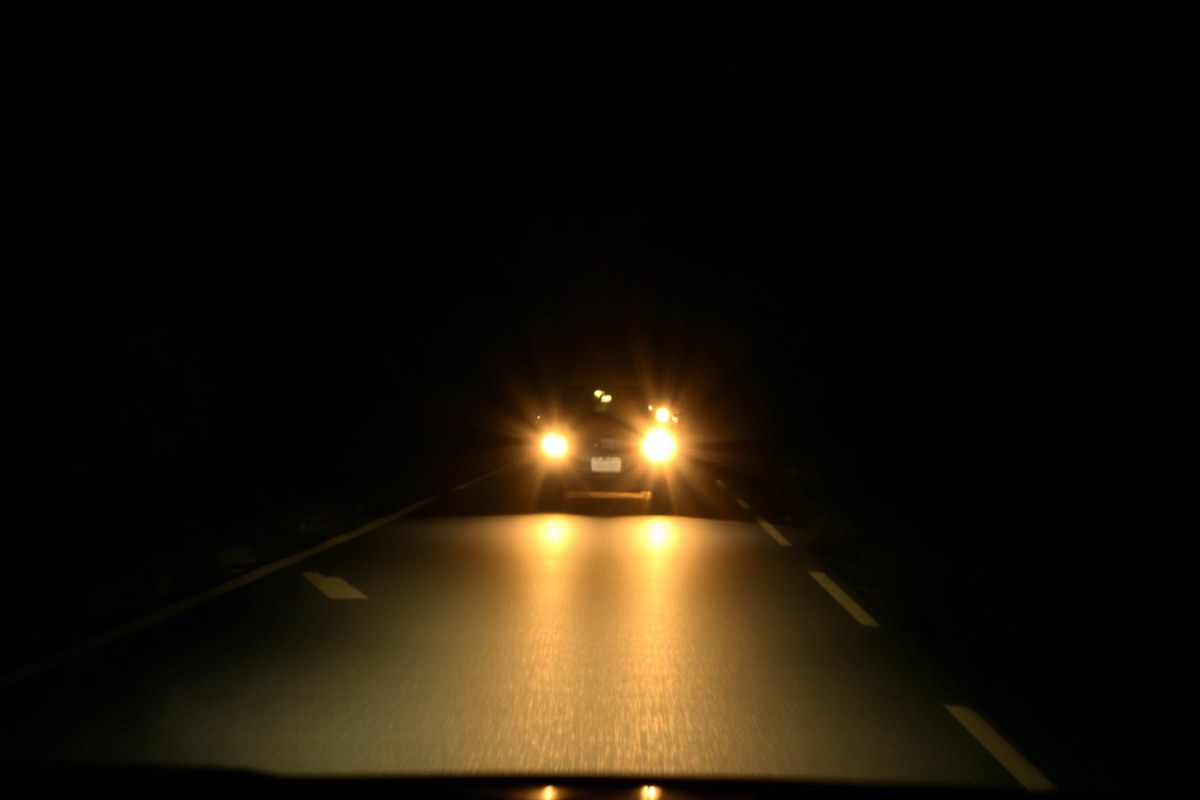
Driving with your high beams on is not illegal by itself. The law requires you to dim them when other cars are nearby. Pennsylvania law says you must dim high beams within 500 feet of oncoming cars.
You also must dim them within 300 feet when following another vehicle. These rules help avoid blinding other drivers.
All 50 states have rules about when to use high beams safely. You can use high beams on empty roads or highways at night. The problem begins when these lights blind other drivers by shining directly into their eyes.
Most states forbid using high beams within a certain distance to avoid glare. Typically, you must switch to low beams within 500 feet of oncoming traffic. You must dim your high beams when driving behind another car.
The distance is between 200 and 300 feet. This keeps the driver ahead from being blinded.
Some states have extra rules. In Florida, for instance, using high beams in fog, rain, or smoke is illegal. This is because bright lights can worsen visibility in those weather conditions.
Penalties come into play when you ignore these laws. You might get a ticket for not dimming your lights properly. Police often pull drivers over for high beams that blind other people on the road.
Keep in mind that high beams help you see up to 350 to 400 feet ahead. Use them on dark roads or rural highways where no other cars are nearby. Always watch for signs of oncoming traffic and dim your lights early to prevent glare.
How Far Should You Dim High Beams for Oncoming and Following Cars?
Typical Dimming Distances for Oncoming Traffic
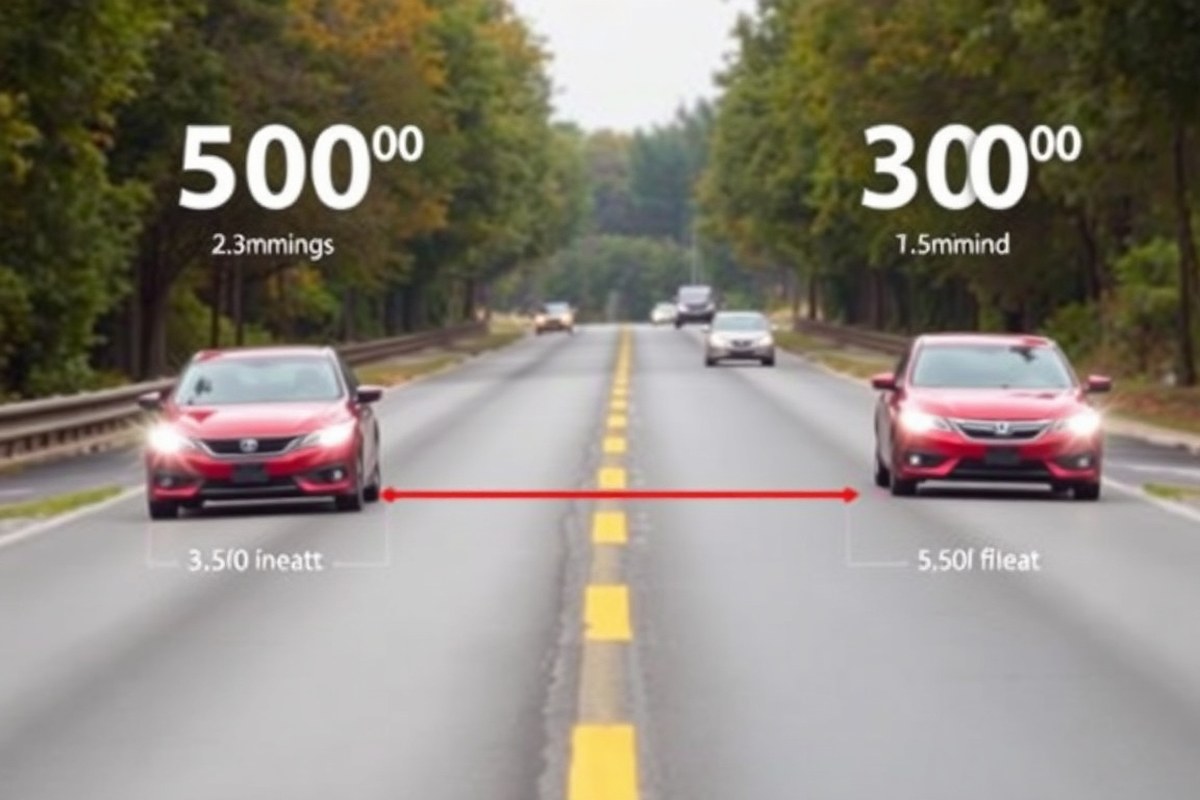
You must dim your high beams whenever an oncoming vehicle comes within the set distance. Most states require you to switch to low beams about 500 feet before meeting another car. This prevents blinding the other driver with bright light.
500 feet is about one and a half car lengths per second. That’s true when you drive at 55 mph. It helps you measure your stopping distance on the road.
When you see headlights coming closer, lower your high beams well ahead of them. This gives a safe margin on dark roads.
Dimming When Following Other Vehicles
You should dim your high beams earlier behind another car. This helps keep their view clear and safe.
When you meet oncoming traffic, dim your beams later. Typical laws call for switching to low beams within 200 to 300 feet behind the car.
High beams glare through back windows and mirrors, which can distract or blind drivers ahead. Keeping a proper dimming distance helps avoid complaints or tickets. It also shows respect to other drivers on the road.
Variations Across States and Situations
Exact distances differ slightly by state. But 500 feet oncoming and 200 to 300 feet following are common. Some states specify the rule by preventing glare rather than fixed feet.
Different conditions affect requirements. For example, in fog, rain, or snow, high beams often need dimming sooner or are prohibited. Urban areas with street lights may also require low beams regardless of distance.
Steps to Properly Dim Your High Beams
- Watch for headlights at or before 500 feet oncoming.
- Lower to low beams as soon as headlights get close.
- When following, check distance to car ahead.
- Dim high beams if you’re within 200-300 feet behind another vehicle.
- Adjust sooner if weather or lighting conditions reduce visibility.
- Use the shadows or roadside markers to estimate required distance.
- Maintain low beams until clear of all vehicles in the required distance.
Doing these allows you to drive legally and safely at night. It prevents glare and reduces the risk of crashes due to blinded drivers.
Common Mistakes and What to Watch For
Failing to dim in time or leaving high beams on too long is the leading error. Drivers often wait until the other car is very close before dimming. This causes instant glare and often results in a ticket.
Also, don’t forget to return to high beams once the other vehicle is far enough away. Staying on low beams too long can reduce your road visibility and reaction time.
Keep your eyes on approaching and passing vehicles so you can dim high beams early. Waiting too late risks traffic violations and other drivers’ safety.
State Laws and Distance Requirements for High Beams
High beam laws differ by state. Most focus on your distance to other cars. They tell you when to dim your lights.
States have rules about distances for dimming high beams. They address oncoming and preceding cars.
These laws keep everyone safer. Knowing these rules helps you avoid tickets and keeps the road safer for everyone.
High Beam Rules in California
California says you must dim high beams within 500 feet of oncoming cars. You also need to dim within 300 feet of cars ahead. This reduces glare for drivers and protects cyclists.
California also enforces penalties if you drive with high beams on but one headlight is out. This breaks two rules: unsafe lighting and improper high beam use. Keeping all your lights functional is part of meeting California’s lighting laws.
Distance Requirements in Texas and Florida
In Texas, you must switch to low beams when meeting other cars at 500 feet. Also, dim your lights if you are driving closer than 300 feet behind another car. Violations often carry fines between $25 and $100.
Florida sets similar rules: dim high beams within 500 feet of oncoming traffic. Also, dim within 300 feet of cars in front. These distances help avoid glare.
These distances give enough time for drivers to adjust without glare-caused blinding. Florida also enforces fines for failing to dim properly, aligning with common state laws.
Notable Differences in Other States
States differ mostly in the following distance for dimming. New York wants drivers to dim high beams at 500 feet when facing oncoming cars. But you must dim at 200 feet when following another car.
This difference matters on the road. Ohio and Michigan also use a 200-foot cutoff for following vehicles, shorter than most states.
Some states don’t give exact distances. They say to dim high beams when another vehicle is close. This general rule helps prevent glare accidents.
Pennsylvania and Illinois match the 500/300 feet model. Others may have stricter or looser wording. It’s important to know your state’s detailed laws.
Many states also prohibit using high beams if one headlight is out. You can get pulled over for not dimming your high beams. Keep your headlights working well.
This avoids tickets and keeps roads safer. Check your local DMV or state police website to confirm exact dimming rules.
Here is a table showing dimming distances in key states:
| State | Dimming Distance (Oncoming) | Dimming Distance (Following) |
|---|---|---|
| California | 500 feet | 300 feet |
| Texas | 500 feet | 300 feet |
| Florida | 500 feet | 300 feet |
| New York | 500 feet | 200 feet |
| Pennsylvania | 500 feet | 300 feet |
| Ohio | 500 feet | 200 feet |
| Illinois | 500 feet | 300 feet |
This table gives a clear look at when you must dim your lights on different roads. For oncoming traffic, states mostly require dimming by 500 feet. The distance for dimming behind other cars varies from 200 to 300 feet.
This affects how soon you switch to low beams. Knowing your state’s rules is key. Follow your state’s distances closely to avoid fines and keep others safe.
Legal Consequences of Driving with High Beams On
You can get a ticket for misusing high beams. Not dimming them when required is a common cause. Always check local laws about high beam use.
Common violations include not dimming when a car is within 500 feet. You must also dim when following another car 200 to 300 feet away.
These rules prevent blinding others on the road. These laws exist because high beams can blind other drivers and cause accidents.
Fines for high beam violations usually range from $25 to $150. Some states have maximum fines up to $250 depending on the offense severity. Repeat violations in a 12-month period often lead to higher fines and possible additional penalties.
Most states do not add license points for a high beam ticket. For example, Pennsylvania and Florida typically issue fines without points. Points on your license usually come from unsafe driving offenses.
Lighting violations rarely lead to points. Serious unsafe actions typically bring points.
Some states ban flashing high beams to warn others. Doing so can lead to charges like obstructing justice. Check your state’s rules before flashing your beams.
This varies, so don’t assume that flashing is always legal where you drive. Stick to dimming your headlights properly to avoid trouble.
High beam laws matter because blinding other drivers reduces road safety. Police focus on high beam misuse when glare can cause problems. This includes fog, rain, or driving near other cars.
Misuse during these times raises safety concerns. Following the rules protects you from fines and helps keep everyone safer.
Exceptions and Special Situations for High Beam Use
Using high beams in fog, heavy rain, or snow is not legal or safe. These conditions cause glare that reflects off particles, reducing your visibility. Switch to low beams instead to see clearly and avoid blinding other drivers.
Quick flashes of your high beams to warn drivers is legal in most states. Courts often protect this as a form of free speech if done right. A brief flash can warn about dangers without blinding others on the road.
Keep your high beams off within 500 feet of oncoming cars. Stay off your high beams when following another vehicle within 300 feet. This matches Pennsylvania’s rules for safe driving.
The flash must be brief and non-blinding. Don’t keep your high beams on for long periods.
Flashing them too long can blind other drivers briefly. This temporary blindness can last three to five seconds or more.
Emergency vehicles often use flashing lights instead of steady high beams. Never imitate flashing lights or use high beams to warn about police. Holding high beams on to signal speed traps is unsafe and illegal.
Avoid these actions to stay within the law. Some states prohibit using high beams to alert about police presence. So it’s safer to avoid this practice.
Use a quick flash to warn drivers, then switch back to low beams. This avoids glare and keeps everyone safer on the road. Quick flashes are clear without being distracting.
Short flashes of high beams for signaling right-of-way usually comply with laws. You can also flash briefly to warn about road debris safely. These flashes are considered reasonable in most cases.
Still, check local rules before flashing, since some states restrict this. The key is making sure your high beams don’t blind other drivers.
Managing high beam use carefully keeps you and others safe while following the law. Always switch to low beams in bad weather or when other cars are near. Use flashes only briefly and avoid imitating emergency signals to stay legal.
How High Beams Affect Safety and Other Drivers’ Vision
High beams help you see better on dark roads. But they can cause safety problems. Their bright light blinds oncoming drivers, making it hard for them to see the road.
This glare lasts longer than a quick glance. It can make drivers lose control or brake hard.
Driving with high beams on near other cars is risky. The bright lights reflect off mirrors and windows, hurting the vision of drivers ahead of you.
This can make them miss important signs or obstacles. You also risk blinding your own view if glare bounces back in rainy or foggy weather.
Many drivers forget to turn off high beams. This is common because the control often stays in the same spot as the turn signal. Not dimming your high beams raises accident risks.
You might also get a ticket. Laws say you must dim high beams within 500 feet of oncoming cars. You must do the same within 300 feet when following another vehicle.
Some states add specific rules for bad weather. For example, California and Washington say you must switch to low beams in rain or snow.
High beams make glare worse in these conditions, reducing visibility for everyone on the road. Ignoring these rules raises accident risks and legal penalties.
Driving at full speed while blinded by another driver’s high beams can be dangerous. You can be partly blamed if poor vision causes a crash. The court might decide this.
It’s safer to slow down when a high beam faces you. You can also move to the shoulder.
Using high beams sensibly means knowing when to switch to low beams. On rural roads without cars nearby, high beams are okay.
But once you see headlights or taillights within 300 to 500 feet, you must dim. This small action keeps everyone safer and avoids legal issues.
Automatic High Beam Systems and Modern Technology
Automatic high beam systems turn your bright headlights on and off by themselves. They sense darkness and detect other cars to avoid blinding drivers. These systems help you stay legal and safe without having to do it manually.
How Automatic High Beams Detect Traffic
Automatic high beams use sensors or cameras mounted near your rearview mirror. They scan the road ahead for car headlights, taillights, and streetlights. When they detect another vehicle within about 500 feet, they switch your high beams off.
These systems also judge ambient light levels. They’ll turn on high beams when it’s dark and no vehicles are around. Sensors adjust quickly as lighting changes, like when you enter a tunnel or a well-lit area.
Benefits of Automatic Dimming
Automatic high beams reduce the chance of accidentally blinding other drivers. You won’t need to remember to switch your lights, which makes nighttime driving easier and safer. They help you see farther on roads without lights.
They turn on bright beams when no cars are close. This makes driving safer at night.
Automatic high beams lower your chance of breaking the law. Most states say dim high beams at 500 feet near oncoming cars. These systems follow the rules automatically for you.
Limitations and When Drivers Should Override
Automatic systems are not perfect and can miss some cars, like motorcycles or cyclists. Weather conditions such as heavy rain or fog may reduce sensor accuracy. You must watch for these situations and manually dim your high beams when needed.
Some new cars let you turn off the automatic setting and control high beams yourself. You should do this if you need full control in complex driving conditions. On narrow rural roads with no streetlights, you might want to turn off the system.
This lets you see better. Sometimes manual control is safer.
Tips for Using High Beams Legally and Safely
Use high beams mainly on dark rural roads or highways. These areas usually have little to no street lighting. High beams improve your sightlines where low beams aren’t enough.
Switch your lights back to low beams when you see cars ahead or oncoming traffic. High beams can blind other drivers if used too close. Most states require dimming to low beams within 500 feet of an oncoming car.
In urban areas, use low beams almost all the time due to streetlamps and traffic. Bright city lights mean high beams won’t help and might annoy others. Instead, rely on low beams to avoid glare and distractions.
- Turn on high beams only when the road ahead is fully dark and empty.
- Dim your lights within 500 feet of oncoming vehicles or 300 feet behind another driver.
- In rural areas, use high beams to spot wildlife or pedestrians early.
- Don’t leave high beams on “set and forget” mode; control them actively.
- On mountain roads, high beams help identify curves and obstacles sooner.
- In cities, keep high beams off unless street lighting is very poor.
- Check your local laws for specific distance rules to avoid tickets.
Avoid turning on high beams when driving behind another car for long periods. The glare bounces off their mirrors, which blinds the driver ahead. This creates a dangerous situation, especially on narrow roads.
Switch to low beams as soon as you see another car’s light. This stops you from blinding the other driver. It’s safer for everyone on the road.
Modern cars may have automatic high beam controls, but you need to stay alert. Sometimes, sensors don’t detect all vehicles or conditions perfectly. Always manually check and adjust to keep everyone safe.
Common High Beam Misconceptions and How to Avoid Them
Driving with high beams on all night is not always better. High beams shine very bright, which helps you see far. But they can blind other drivers and cause accidents.
Many think flashing high beams warns cops or other drivers. This is not a safe or legal practice.
Flashing lights can confuse or distract people. It’s safer to use your regular signals and obey speed limits instead.
Using high beams incorrectly can create legal problems if you cause a crash. Courts may hold you partly responsible if your bright lights blinded another driver. Always dim your beams when you get close to other vehicles on the road.
Switch to low beams at least 500 feet before you meet another car at night. That’s about one and a half football fields in length. This action reduces glare and keeps everyone safer on the road.
Some drivers believe high beams improve safety all the time. They provide better seeing distance on dark, empty roads. Still, you need to turn them off near traffic or in town to avoid blinding others.
At toll booths or rest areas, always dim your lights before approaching. Too many accidents happen when drivers forget and dazzle workers or other drivers. It may only take two seconds to switch beams, but those seconds matter.
Do not use high beams during fog, heavy rain, or snowfall. Bright high beams reflect off moisture, making it harder to see. Low beams provide better visibility in these weather conditions.
Keeping your lights clean and properly aimed also matters. Dirty or misaligned lights scatter brightness and cause glare. Check your headlights during regular car maintenance for better night vision without hurting others.
Step-by-Step Action Plan for Using High Beams Legally and Safely
Follow these steps to learn how to use high beams properly. Know when to switch them on and off. Stay within the legal rules to avoid trouble.
- Before Driving: Check your vehicle’s manual for the high beam control and adjusting instructions.
- Day 1: Learn your state’s specific high beam laws and distance rules to avoid fines.
- Day 2: Practice switching to low beams when approaching oncoming vehicles within 500 feet.
- Week 1: Use high beams on dark, rural roads. Watch for reflections in other drivers’ windows. Adjust your lighting to prevent blinding others.
- Week 2: Check your automatic high beam system if you have one. Learn when it takes over from manual control. Test it during night driving for understanding.
- After 2 Weeks: Notice other drivers’ reactions. Dim your beams immediately if anyone signals or flashes their lights.
- Continuous: Avoid using high beams in fog, rain, or snow to prevent glare and reduced visibility.
Frequently Asked Questions
Can I Use High Beams on Empty Rural Roads with No Traffic?
Yes, you can use high beams on dark rural roads without nearby cars. They improve your visibility when no other drivers are around to be blinded by them.
Does Using High Beams in Rain or Fog Increase Accident Risks?
Using high beams in rain or fog can cause glare and reduce your vision. It’s better to use low beams in these conditions for safer driving.
Are Automatic High Beams Legal in All States?
Automatic high beams are legal in most states but check local laws. They adjust beam brightness to avoid blinding other drivers while improving visibility.
Can I Be Pulled over Just for Driving with High Beams On?
Yes, police can stop you for using high beams improperly near other vehicles. It’s considered a traffic violation in every state based on local distance rules.
Do High Beams Drain More Battery or Fuel Than Low Beams?
High beams use more power than low beams, slightly affecting fuel or battery. The difference is minor but keep it in mind for long drives or electric cars.
Wrapping Up
Driving with high beams on is legal only when you follow distance rules and common sense. Using them properly helps avoid accidents and keeps you out of trouble with the law. Start tonight by watching your high beam use on local streets.
Notice the difference it makes when used safely. Keep this habit for better night driving.