
How Much Does a Truck Driver Make per Mile? Detailed Insights and Real Calculations
How much does a truck driver make per mile depends on many factors. On average, drivers in the U.S. Earn about $0.65 per mile. This rate can vary widely based on experience, freight type, and truck specialization.
Some drivers make more by hauling specialized or heavier loads, which pay better. To get accurate pay, watch for costs like fuel and maintenance that cut into earnings. Knowing your expenses helps you see your real net pay per mile.
You’ll also want to consider whether miles driven empty, called deadhead, reduce your income. Pay per mile can differ by region because of local demand or fuel prices. Always compare offers carefully to find the best real income, not just the highest rate.
Key Takeaways
- Expect an average pay of roughly $0.65 per mile nationwide.
- Specialized freight like hazmat or oversize loads pays higher rates.
- Fuel costs can eat up more than half a dollar per mile.
- Deadhead miles lower your average earnings and should be minimized.
- Pay varies significantly by state and local market conditions.
- Calculate net pay by subtracting fuel, repairs, and insurance costs.
What Is the Average Truck Driver Pay per Mile Today?

In 2026, average pay per mile differs a lot among truck drivers. It depends on the freight and the type of driver. Different jobs pay at different rates.
Company drivers typically earn between $0.50 and $0.75 per mile. Owner-operators make significantly more, averaging $1.80 to over $3.00 per mile, reflecting their higher operating costs and business risks.
Team drivers share a split rate that totals $0.70 to $0.90 per mile. Each driver usually gets half of that, coming out to about $0.35 to $0.45 per mile each. This setup demands more non-stop driving and higher effort compared to solo driving.
Pay rates also change depending on the freight hauled. Dry van company drivers generally earn $0.50 to $0.65 per mile, benefiting from simpler logistics and lower risk.
Reefer drivers make slightly more, around $0.55 to $0.70, due to temperature control duties. Flatbed drivers top the company driver scale with $0.60 to over $0.75 per mile because their loads need tarping and careful securing.
| Driver / Freight Type | Average 2026 Pay Per Mile | Effort & Liability Level |
|---|---|---|
| CDL-A Company Driver (Dry Van) | $0.50 – $0.65 | Low (Drop & Hook) |
| CDL-A Company Driver (Reefer) | $0.55 – $0.70 | Medium (Temp Control) |
| Flatbed Company Driver | $0.60 – $0.75+ | High (Tarping/Securing) |
| Team Drivers (Split Rate) | $0.70 – $0.90 (Total) | High (Non-Stop Driving) |
| Owner-Operator (Gross) | $1.80 – $3.00+ | Very High (Business Overhead) |
Solo drivers usually earn about $0.60 to $0.75 per mile as company employees. Their annual pay averages around $81,000, depending on miles driven and routes. Owner-operators have much higher expenses than company drivers.
Still, they can earn over $100,000 if their business goes well. Managing costs is key for good profits.
Some freight types offer higher rates because of their complexity or danger. Tanker drivers hauling liquids and hazardous materials earn around $0.60 to $0.86 per mile. Oversize load haulers can make close to $0.96 per mile due to extra permits and handling requirements.
Your pay per mile depends on the job’s demands and how often you drive. Routes with more miles, higher risk, or special cargo push rates higher. To compare rates, you need to know the freight type you haul.
Also consider if you drive solo or with a team. Your status as company driver or owner-operator matters, too.
How Do Costs and Expenses Affect Trucker Pay per Mile?
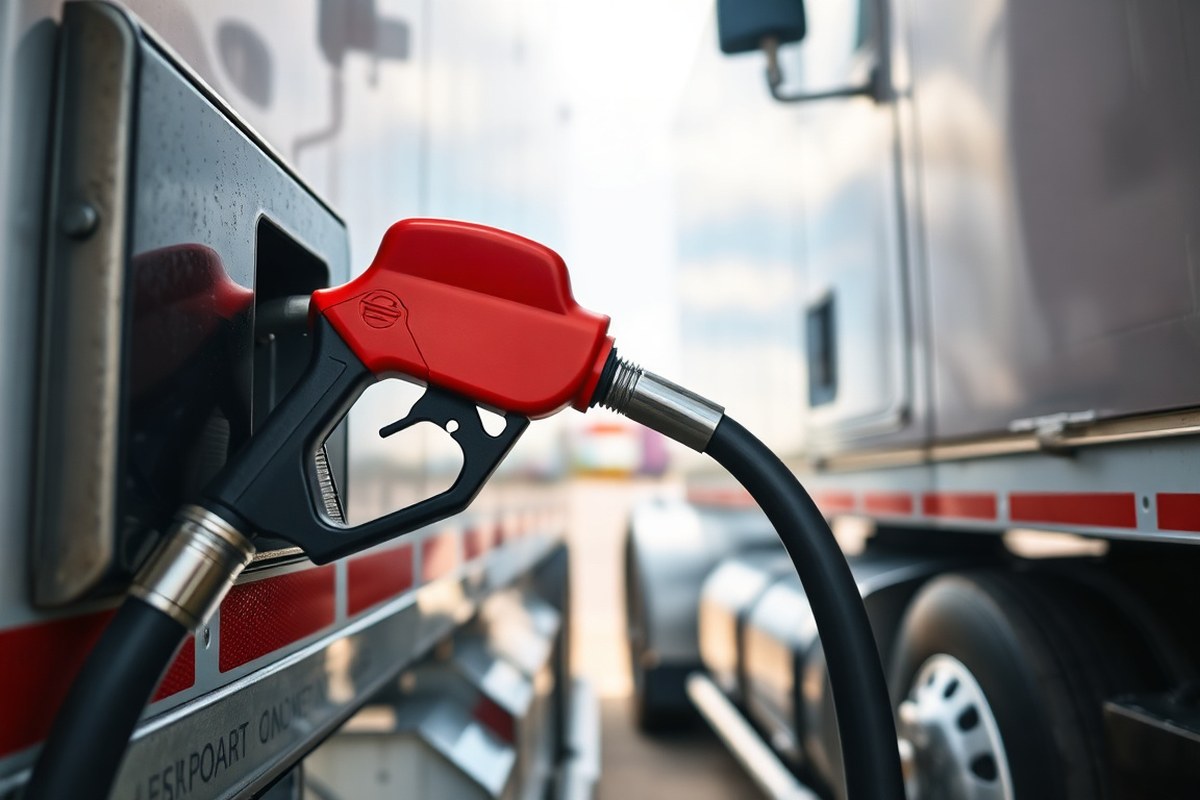
Costs and expenses reduce trucker pay per mile by cutting into gross earnings. Fuel, maintenance, insurance, and licensing often take a big chunk. Knowing these costs helps you understand your real income after expenses.
Major Expenses for Owner-Operators
Owner-operators face fuel costs around $0.65 per mile, according to 2026 national averages. Maintenance and repairs run roughly $0.15 to $0.20 per mile, depending on truck age and usage. Insurance premiums and truck payments easily add another $0.30 per mile or more.
You must also budget for tolls, permits, licenses, and subscription fees like ELD tracking. These can add up to $0.05 to $0.10 per mile. Altogether, expenses often reach $1.10 to $1.30 per mile, reducing gross pay from $1.50, $2.50 to around $0.40, $1.20 net per mile.
Company Drivers’ Cost Responsibilities
Company drivers usually see fuel, maintenance, insurance, and equipment costs covered by the carrier. Your main deductions come from taxes and sometimes uniform or meal costs. This leads to a lower gross pay rate, often near $0.60 to $0.75 per mile, but less out-of-pocket expenses.
Your net income depends more on hours, miles, and bonuses than fixed costs. This pay structure offers steady income without big surprises from fluctuating fuel prices or truck repairs.
How Fuel Prices Influence Take-Home Pay
Fuel is the largest and most volatile cost. A rise of $0.10 per gallon can cut owner-operator profits by several hundred dollars monthly. Long-haul drivers running 2,500 miles weekly might spend more than $800 on fuel at $0.65 per mile.
Tracking fuel efficiency and using fuel cards or loyalty programs helps control costs. Company drivers don’t usually worry about fuel price swings since carriers handle it.
Breaking Down Net Pay per Mile Example
Imagine you are an owner-operator earning $2.00 gross per mile and drive 100,000 miles yearly. Fuel costs at $0.65 per mile subtract $65,000. Maintenance and insurance at $0.50 per mile take another $50,000.
Your total expenses of $115,000 leave $85,000 net income before taxes. That equals $0.85 net per mile from $2.00 gross. Understanding these deductions helps you set realistic income goals and negotiate better contracts.
Tracking Costs to Improve Income
Drivers who track their cost per mile monthly perform better financially. You can spot high maintenance months, rising fuel costs, or changes in insurance premiums early. Adjusting routes, maintenance schedules, or fuel stops improves your net take-home pay.
Skipping this step risks underestimating expenses and losing money despite good gross pay rates.
Always track your actual expenses per mile. It uncovers hidden costs that lower take-home pay.
How Does Pay Vary by Freight Type and Driving Specialization?
Pay per mile changes a lot depending on the type of freight you haul. Dry van drivers earn about $2.00 to $2.40 per mile. Reefer drivers typically get $2.50 to $3.50 per mile because they handle temperature-sensitive loads.
Flatbed drivers make more than dry van drivers, often between $2.60 and $3.60 per mile. That’s because flatbed work requires securing loads and dealing with bulky or odd-shaped cargo. Hazmat and tanker drivers get even higher pay per mile.
These loads need special endorsements and careful handling due to safety risks. Typically, hazmat and tanker pay ranges from $3.00 to $6.00 or more per mile.
Endorsements boost pay rates by 10% to 20%. Getting hazmat, tanker, or doubles/triples endorsements unlocks higher-paying routes.
You need training and must pay fees for endorsements. These give you access to better-paying jobs that handle specialized freight.
| Freight Type | CPM Range | Average Annual Salary | Required Endorsements | Typical Pay Impact |
|---|---|---|---|---|
| Dry Van | $2.00, $2.40 | $52,000, $75,000 | None | Base pay |
| Reefer (Refrigerated) | $2.50, $3.50 | $55,000, $78,000 | Temperature control training | Higher due to load sensitivity |
| Flatbed | $2.60, $3.60 | $57,000, $80,000 | Often doubles/triples endorsement | Extra for load prep and skill |
| Hazmat | $3.00, $6.00+ | $60,000, $85,000+ | Hazmat endorsement | 10%, 20% pay increase |
| Tanker | $3.00, $6.00+ | $60,000, $85,000+ | Tanker endorsement | 10%, 20% pay increase |
Getting specialized endorsements takes time and costs money. For example, a hazmat endorsement costs about $90 plus training time and passing a test.
Tanker endorsements usually require extra training too. You’ll want those if you want to increase your pay per mile.
Owner-operators hauling specialized freight often earn the most. They can make $180,000 to $300,000 or more annually.
Specialized freight pays better but also comes with more responsibility. Handle your endorsements and freight type wisely to boost your earnings effectively.
What Role Do Empty Miles and Deadhead Play in Driver Earnings?
Empty miles or deadhead miles are the trips you drive without paying freight. These miles lower your pay per mile overall. You still spend fuel and time.
Your truck also wears down during these miles. You can lower this impact by tracking these miles.
Try to keep them as low as possible. Negotiate pay to cover some deadhead miles.
What Are Deadhead Miles?
Deadhead miles happen when you drive without a load. It could be going to pick up your next freight or returning empty after a delivery. These miles still cost you money but don’t pay you directly.
Fuel alone can cost over $0.57 per mile at $4.00 per gallon if your truck gets 7 miles per gallon. Add truck maintenance and time, and every empty mile chips away at your earnings.
Calculating Effective CPM Including Empty Miles
Including deadhead miles gives a true picture of your income per mile. Add total miles driven, paid and unpaid, then divide your total pay by that amount.
For example, you get $1,440 for 600 paid miles. But if you drive 100 more deadhead miles, total miles rise.
You actually drove 700 miles then. Divide $1,440 by 700 miles for an effective CPM of about $0.206.
Using the Formula to Calculate Effective CPM
Use this formula: Effective CPM = Total Pay ÷ (Paid + Deadhead Miles). This shows your actual dollar per mile after empty trips. Include any stop pay or bonuses in Total Pay to avoid underestimating.
Tracking these numbers weekly helps find patterns and make better route decisions that cut deadhead miles.
Negotiating Pay for Deadhead Miles
Many companies won’t pay for deadhead miles, but you can try negotiating partial pay. Ask for deadhead pay if you must drive long distances empty or wait for loads.
Also, discuss pay for waiting time or detention. Your hours on duty still cost you money. This reduces your net income overall.
Ways to Minimize Deadhead Miles
Reducing empty miles saves money and raises your effective pay per mile. Professional dispatchers help by planning routes to fill backhauls or find loads nearby.
Using load boards and backhaul apps is another good way to find freight for empty runs. This keeps your truck moving with paying loads almost all the time.
- Use load boards and apps to fill empty trips
- Work with dispatchers who plan backhaul routes
- Negotiate deadhead pay if you must run empty
- Combine stop pay and detention pay to cover wait times
- Track all miles regularly for better route planning
- Focus on local freight where deadhead is less
- Consider owner-operator options for more control
Small changes can cut hundreds of deadhead miles monthly. Every mile with freight is clear profit for you.
This matters most with high diesel prices. Running empty reduces your overall profit.
What Additional Pay Types Affect Total Truck Driver Income?
Besides pay per mile, several extra pay types can boost your total earnings. Detention pay covers waiting time when loading or unloading delays happen. Typically, you get about $25 per hour after two hours of waiting.
Layover pay usually kicks in if you can’t deliver or pick up your load on time. Drivers might get a flat rate like $175 for a 24-hour layover.
This payment covers expenses and lost delivery time. Some carriers require you to notify dispatch promptly to qualify.
Many trucking companies offer safety and performance bonuses. Rewards can include quarterly payments from $500 to $2,000. They depend on meeting safety goals or fuel targets.
Drivers usually need proof like clean inspection reports to get bonuses. They might also need to submit fuel logs.
- Detention pay: Extra hourly pay for waiting during loading/unloading delays
- Layover pay: Flat fees for forced overnight or longer delays outside your control
- Stop pay: Additional money for extra pickups or deliveries beyond the planned route
- Hazmat pay: Extra compensation for carrying hazardous materials
- Border crossing pay: Bonuses or per diem when crossing into Canada or Mexico
- Safety and fuel efficiency bonuses: Quarterly payments based on driver performance
To claim detention pay, carefully track your arrival and departure times at each stop. Notify dispatch right at the two-hour mark of your wait. Submit a detailed report or timesheet if your company requires one.
For bonuses, keep all safety logs and fuel receipts handy. Some bonuses need you to apply or opt in every quarter.
Always follow your carrier’s rules for documentation to avoid losing detention or bonus pay.
These pay extras add important income beyond your base miles. Some carriers automatically include detention or layover pay, while others require driver initiative. Knowing the rules and documenting carefully can mean hundreds or thousands more each quarter.
How Do Location and Market Demand Influence Truck Driver Mileage Pay?
Truck driver pay per mile varies a lot by where you work. Some states pay more because they have more freight and higher demand for drivers. Locations near big cities or ports often pay the highest rates for miles driven.
New Jersey tops the list with an average salary of $67,630, which translates to about $32.51 per hour. North Dakota, Illinois, and California also pay well, with salaries around $68,000 to $72,500 annually. Some states pay much less, so your earnings depend strongly on geography.
| State | Average Annual Salary | Approximate Pay Per Mile |
|---|---|---|
| New Jersey | $67,630 | Varies, approx. 55-75¢ |
| California | $72,500 | Variable, often higher for long haul |
| North Dakota | $68,000 | Around 60-70¢ |
| Illinois | $70,000 | Approx. 60-70¢ |
| Nationwide Median | $60,320 | About 60¢ per mile |
| Lowest 10% Nationwide | $40,140 | About 40¢ per mile |
Pay per mile also depends on how much freight moves in your region. Demand and supply shift rates a lot.
When freight is scarce, rates might drop because more drivers compete for fewer loads. Drivers working in busy areas like New York City can see higher rates.
Trips starting in NYC usually pay from $2.40 to $3.20 per mile. Extra payment comes from urgent or specialized shipments. Owner-operators earn between $1.80 and $3.20 per mile based on freight and demand.
Long-haul routes typically pay more than local or regional routes. They require more driving hours and time away from home, which companies compensate for. Specialized freight markets pay more per mile.
This includes hazardous materials or oversized loads. You also get better power to negotiate rates in these markets.
How to Calculate Your Net Earnings from Truck Driver Pay per Mile
You can figure out your actual take-home pay by starting with your gross mileage pay. Then add any extra earnings like detention or bonuses. Finally, subtract expenses and taxes to get your net earnings per mile.
Gather Mileage and Pay Rate Data
Start with the total miles you drove that count toward pay. Multiply those miles by your company’s pay rate per mile. This gives you your gross earnings from mileage.
The mileage rate usually ranges between $0.58 and $0.76 per mile nationwide. You need an accurate record of paid miles, not your odometer miles, to avoid errors.
Add Additional Earnings Like Detention or Bonuses
Include pay for any detention time and load-related bonuses. Detention pay covers hours spent waiting to load or unload beyond a certain time. Bonuses often come from tarping or fuel efficiency incentives.
Adding these extras can push your weekly gross pay from around $1,450 up to $1,950. Track each separately so you can add them precisely to your gross mileage pay.
Subtract Expenses and Taxes for Net Calculation
Next, subtract your operating costs, like fuel, truck maintenance, and insurance. Also account for taxes and any mandatory deductions such as union dues. This gives you the real pay left over, the net.
Most owner-operators end up with a net pay that ranges from $0.40 to $0.80 per mile. This depends on how efficient you are with expenses and your specific tax situation. Follow these steps to calculate net trucker pay per mile:
- Record your total paid miles for the timeframe you want to calculate.
- Identify your gross pay rate per mile from your trucking company or contract.
- Multiply miles by rate to get your gross mileage earnings.
- Add any detention, tarping, or other bonuses earned in the period.
- List your expenses, including fuel, repairs, insurance, and permits.
- Calculate your estimated taxes and any other deductions needed.
- Subtract total expenses and deductions from your total gross earnings.
- Divide the net earnings by total paid miles to find your net pay per mile.
For example, you drove 2,500 paid miles at $0.65 per mile. That equals $1,625 gross from mileage. Add $150 detention pay and $75 tarping bonus for gross total $1,850.
Your expenses include $450 fuel, $150 maintenance, and $100 insurance. Subtracting $700 in operating costs leaves $1,150 before taxes.
Assuming $350 taxes, your net pay is $800. Divide $800 by 2,500 miles for $0.32 net per mile.
What Should Truck Drivers Consider When Comparing Pay per Mile Offers?
Higher pay per mile can look good. But it might not tell the full story. Some offers pay per mile driven.
But you could spend hours on unpaid miles or waiting. This lowers your effective hourly rate. Consider how much time you work versus what you get paid.
Flat rate pay can include a set amount for a whole trip, not just miles. That might cover loading, delays, or extra work.
Comparing flat pay to per-mile pay means you must check what each includes. Flat pay might be better if you often face long wait times or stop-and-go work.
Benefits, such as health insurance, retirement plans, and paid time off, also add value. A higher pay rate without benefits might leave you paying a lot out of pocket.
Job reliability matters too. Consistent miles and steady work increase your total earnings because no pay gaps occur between loads.
- Check if pay includes or excludes empty or deadhead miles
- Ask about unpaid wait times and how they’re handled
- Compare health, retirement, and insurance benefits offered
- Look for companies that promise steady work and miles each week.
- Ask if there are any fees deducted, like dispatch or fuel
- Understand how bonuses and additional pay like per diem are paid
Every pay offer needs scrutiny beyond just the cents per mile. Calculate the total miles paid versus miles actually driven with pay.
Add in hours spent waiting, loading, or driving with an empty trailer. The less unpaid work, the higher your actual pay per hour.
Some companies deduct fees per mile, like a $0.05 dispatch fee, which cuts your gross pay. Watch for those because they reduce your earnings silently.
Reliable companies pay a flat rate or extra for tough jobs. They often balance lower base pay per mile with these bonuses.
Don’t trust a high CPM at face value. Always ask how unpaid miles and wait times are paid.
How to Increase Truck Driver Pay per Mile and Maximize Profits
To get better pay per mile, negotiate by knowing your worth and the market. Show your potential employer or broker your safety record and experience.
Explain how your efficiency can cut their costs, like fewer delays or damage claims. Use clear examples like completed hauls with no accidents.
Reducing deadhead miles saves money and improves earnings. Plan routes to avoid returning empty. For owner-operators, use freight matching apps to find loads that go your way.
Company drivers can talk to dispatchers about backhauls or load swaps. Every empty mile you cut adds to your net per mile income.
Incentives boost effective pay rates and reward good work. Ask about safety bonuses, fuel-efficiency programs, and on-time delivery rewards. Track your performance to qualify for these.
Negotiate bonuses if you are an owner-operator. Aim for rewards tied to beating delivery schedules or fuel targets.
- Keep a monthly profit checklist: total gross pay, bonuses, expenses, and net earnings
- Ask for at least $0.05 higher per mile if you maintain a 99% on-time delivery rate
- Track deadhead miles weekly and work to reduce them by 10% or more
- Use fuel cards to get discounts and monitor fuel spend closely
- Request load priority if your track record is strong for quicker turnarounds
- Owner-operators can negotiate fuel surcharges when fuel costs rise sharply
- Review carrier or broker contracts carefully before signing to avoid hidden fees
For negotiation, say: “I have five years of accident-free driving. I often beat delivery times.” I’d like to discuss $0.62 per mile plus performance bonuses.”
This shows value and openness to rewards. Prepare to back your claim with records and references.
Reducing expenses helps every driver. Check tire pressure often to improve fuel economy. Maintain your truck to avoid costly breakdowns.
Even small savings matter. A $50 monthly fuel card discount adds up. It matters versus gross pay of around $1,350 for 2,000 miles at $0.60 per mile plus bonuses (example calculation).
Your First 30 Days: A Quick-Start Plan to Boost Truck Driver Pay per Mile
Follow this plan to track your earnings and improve your pay per mile fast. Each step helps you see real changes in your net income.
- Before you start: Review your current pay structure and typical routes. Write down your base pay, bonuses, and average miles driven. This baseline helps spot improvement.
- Week 1: Track all expenses like fuel, repairs, and lodging daily. Calculate your net pay after costs. You’ll know better how much you really earn per mile.
- Week 2: Research pay rates for your freight type and location online or through driver groups. Check if local demand affects pay. Compare with your current pay per mile.
- Day 15: Talk to fellow drivers about their routes and pay rates. Ask what specialties or freight types pay best in your area. This helps you spot new opportunities.
- Week 3: Try negotiating better rates with your dispatcher. Focus on high-demand freight. Ask for shorter deadhead miles too. Track if your pay per mile improves. Adjust requests if needed.
- After 3 weeks: Calculate total net pay again, including bonuses and fuel surcharges. Compare to your baseline. Look for steady increases.
- Week 4: Plan routes and schedules to reduce empty miles. Use apps or dispatch info to find backhauls. Record how much you boost pay by cutting deadhead.
- Day 30: Set a personal goal to increase your net pay per mile. Use the strategies you learned so far. Keep improving steadily. Stay open to new freight types and markets for better earnings.
Frequently Asked Questions
How Does Experience Level Impact Truck Driver Pay per Mile?
More experience usually leads to higher pay per mile. Drivers with years of experience can negotiate better rates and access specialized routes that pay more.
Can Truck Drivers Deduct Expenses to Improve Their Net Pay per Mile?
Yes, deducting expenses like fuel and maintenance lowers taxable income. Keeping detailed records helps maximize your tax savings based on miles driven.
Does Driving Solo Versus with a Team Affect Pay per Mile Rates?
Team drivers often earn more per mile than solo drivers. They can cover more miles safely, boosting overall daily earnings despite split pay.
How Do Seasonal Trends Influence Truck Driver Pay per Mile?
Pay per mile can rise during peak shipping seasons due to higher demand. Drivers planning routes around busy times usually earn more overall.
Do Trucking Companies Offer Signing Bonuses That Impact Overall Earnings per Mile?
Signing bonuses can add substantial one-time income on top of per-mile pay. Some companies use bonuses to attract drivers for tough routes or shortages.
Wrapping Up
Your truck driver pay per mile depends on many factors, including costs and route choices. Tracking your net income lets you spot chances to increase take-home pay. Start by knowing your current rate and expenses today.