How Many Minutes Are in 5 Miles? Time Estimates for Walking, Running, and Driving
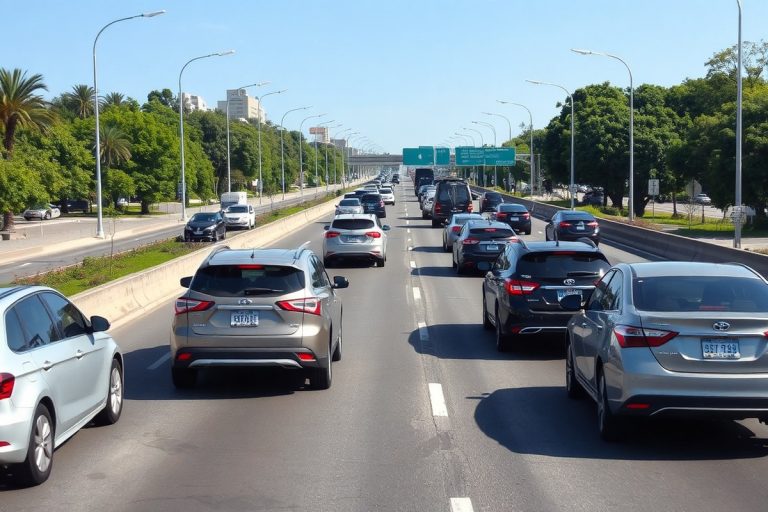
How many minutes it takes to cover 5 miles depends on your travel method. Driving in the city at about 25 mph takes around 12 minutes. On the highway at 65 mph, it only takes about 5 minutes.
Walking five miles usually takes between 50 and 60 minutes at a normal pace. Running the same distance can be done in 40 to 60 minutes depending on how fast you go.
To estimate your time, divide the distance by your speed or pace. For example, running at an 8-minute mile pace takes about 40 minutes for 5 miles.
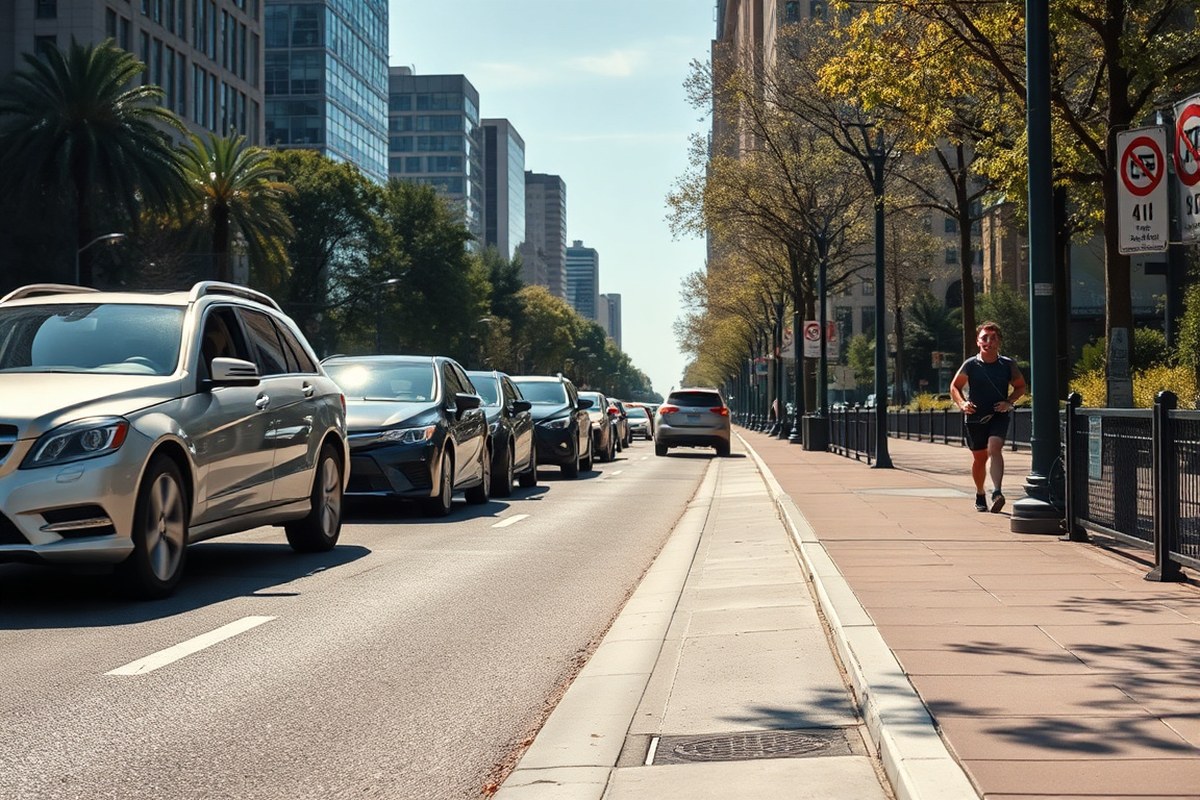
City driving often runs slower due to traffic and stops. Highways allow faster and smoother driving, cutting your travel time significantly.
Key Takeaways
- Driving 5 miles in city traffic roughly takes 12 minutes at 25 mph.
- Highway driving at 65 mph cuts 5-mile travel down to about 5 minutes.
- Walking 5 miles usually needs 50 to 60 minutes at a steady pace.
- Running 5 miles normally takes between 40 and 60 minutes based on speed.
- Calculate time by dividing 5 miles by your speed in miles per hour.
- Adjust your estimate if traffic or terrain slows you down significantly.
How Many Minutes Does It Take to Cover 5 Miles?
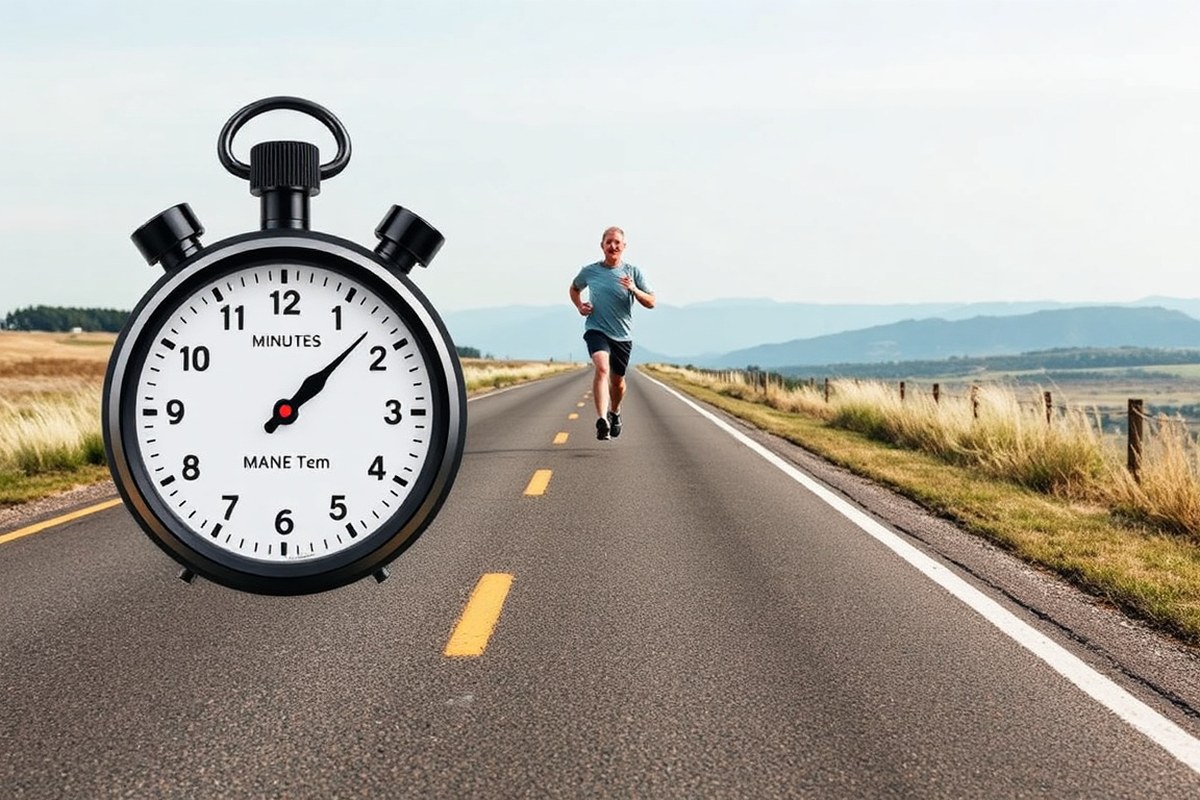
Covering 5 miles takes very different amounts of time depending on how you travel it. Walking at an easy, steady pace of 3 mph usually takes 1 hour and 40 minutes. This is without any breaks.
Running 5 miles typically takes between 45 and 60 minutes. Faster runners finish around 35 or 40 minutes.
Driving speeds change the timing even more. On highways, speeds are around 60 to 75 mph. It takes just 5 to 7 minutes to cover 5 miles.
In city traffic, speeds slow to about 20 to 30 mph. The time jumps to 10 to 15 minutes.
Residential streets usually have speeds of 15 to 25 mph. It takes 15 to 20 minutes to travel 5 miles.
Here’s a quick comparison table of average times for different methods and conditions covering 5 miles.
| Method | Average Speed | Estimated Time | Typical Condition |
|---|---|---|---|
| Walking | 3 mph | 1 hr 40 min | Steady, easy pace |
| Running (Average) | 5 – 7 mph | 45 – 60 min | Typical recreational pace |
| Driving (Highway) | 60 – 75 mph | 5 – 7 min | Open freeway |
| Driving (City) | 20 – 30 mph | 10 – 15 min | Moderate traffic |
| Driving (Residential) | 15 – 25 mph | 15 – 20 min | Slow streets, stops |
Time varies significantly with traffic, terrain, and individual fitness for walking or running. For instance, hills will add minutes when walking or running.
Stoplights and congestion slow city driving, making travel times longer. Knowing your typical speed will help you plan realistically.
Running 5 miles in 40 minutes means you’re running at about 7.5 mph or an 8-minute mile pace. Walking at 3 mph is a straightforward baseline used for general estimates.
A slow drive at 15 mph in residential zones can triple highway travel time. Planning your trip with these ranges avoids surprises and helps you choose your travel mode wisely.
Calculating Time from Speed and Distance

The Time-Distance-Speed Formula
To find how long it takes to cover 5 miles, use this formula. Time equals distance divided by speed. This helps you figure out travel time.
Divide the miles you want to travel by your speed in mph. This calculation gives your travel time in hours.
Use miles per hour as your speed unit. The result is in hours, which you can turn into minutes.
This formula works because distance, speed, and time are closely linked in movement. Knowing two of these lets you find the third. If you know your speed and the distance, you can find total travel time.
Just divide distance by speed. This makes planning your trip easier.
Converting MPH to Pace (Minutes per Mile)
Running or walking speeds are often measured in minutes per mile instead of miles per hour. You convert mph to pace by dividing 60 by your speed in mph. This tells you how many minutes it takes to cover one mile at that speed.
For example, if you move at 6 mph, divide 60 by 6. It equals a 10-minute mile pace. Faster speeds mean fewer minutes per mile.
Slower speeds mean more minutes per mile. This helps you understand your effort for running or walking.
Calculating Total Time for 5 Miles
Divide the distance by speed in mph to get time in hours. Multiply the hours by 60 to convert to minutes. This shows total travel time in minutes.
Then multiply the hours by 60 to convert to minutes. This two-step method is simple and gives you a clear travel time for any speed.
For example, if you travel 5 miles at 7.5 mph, divide 5 by 7.5 which is about 0.67 hours. Multiply 0.67 by 60 minutes to get roughly 40 minutes to cover 5 miles. Below is a step-by-step guide to follow.
- Identify your speed in miles per hour (mph).
- Divide the distance (5 miles) by your speed to get time in hours.
- Multiply the time in hours by 60 to change it to minutes.
- For pace, divide 60 by your speed to find minutes per mile.
- Multiply the pace (minutes per mile) by 5 to get total minutes.
- Compare both methods to check your numbers.
Always use consistent units, like miles and hours, to avoid mistakes in your calculations.
Average Driving Time for 5 Miles in Different Conditions
You can expect to drive 5 miles in about 15 to 30 minutes in the city. On highways, 5 miles usually take 4 to 6 minutes with no stops. Traffic lights and congestion raise city drive times significantly.
City Driving Speeds and Average Duration
City driving slows you to around 10 to 20 mph. That’s because of stoplights, pedestrians, and frequent stops. Driving 5 miles in this setting typically takes 15 to 30 minutes.
Stop-and-go traffic is a big factor. Traffic signals and crosswalks break up the flow. Expect more time during rush hours or in busy downtown districts.
Highway and Open Road Times
On highways, you can maintain speeds from 60 to 75 mph. This lets you cover 5 miles in about 4 to 6 minutes without interruptions. The flow is usually smooth unless there’s an accident or construction.
Open roads with no stops help maintain steady speed. This shortens your travel time compared to city driving. Keep in mind road work or slow vehicles can slow you down.
Factors Extending Drive Time (Stops, Traffic, Weather)
Traffic lights and congestion mainly extend city driving time. Each stop adds delay and interrupts your rhythm. For example, a red light may add one or two minutes per stop.
Weather also affects speed. Rain, snow, and fog reduce your average speed by 10% to 60%. Slippery roads or low visibility make drivers more cautious and slow down traffic.
Here’s a quick look at driving 5 miles in different conditions. The time you spend can vary based on these conditions. Let’s compare them now:
| Feature | Open Road (Highway) | Urban Center (City) |
|---|---|---|
| Average Speed | 60, 75 mph | 10, 20 mph |
| Flow State | Continuous / Fluid | Fragmented / Stuttering |
| Primary Delay | Rare accidents or construction | Traffic lights & Pedestrians |
| Estimated Time to Cover 5 Miles | 4, 6 minutes | 15, 30 minutes |
Keep the traffic conditions in mind before planning your trip. On highways, you expect faster times but watch out for accidents. City driving takes longer and can vary widely by time of day.
Typical Walking Times for 5 Miles at Different Paces
You can expect a 5-mile walk to take about 1 hour 15 minutes. It could also take up to 1 hour and 45 minutes. This depends on your pace and walking conditions.
Terrain affects how fast you can move, with hills or rough paths slowing you down. Most adults walk at speeds between 3 mph and 4 mph.
A slow pace is about 3 mph. A brisk pace is closer to 4 mph.
Slow Walking Pace (Around 3 Mph)
A slow pace is about 3 miles per hour. That means it takes roughly 20 minutes to walk one mile.
At this pace, a 5-mile walk will take about 1 hour 40 minutes. This speed is common on uneven trails or when walking with kids.
Slow walking requires less effort and is easier to maintain over long distances. However, rough terrain or carrying weight can push your pace below 3 mph. Plan for extra time if the path is hilly or the ground is soft.
Moderate Walking Pace (4 Mph)
Walking at a moderate pace around 4 mph means you cover each mile in 15 minutes. At this speed, a 5-mile walk takes about 1 hour 15 minutes. This is close to the average walking speed for most healthy adults on flat, paved paths.
Moderate pace hits a balance between comfort and efficiency. It feels brisk but not tiring for short to medium distances. Flat terrain and mild weather usually help keep this pace steady.
Brisk Walking Pace and Practical Considerations
A brisk walk is around 4 miles per hour or faster. This means about 15 minutes or less per mile. Walking faster than this gets close to a speed of 4 mph or beyond.
Some people might reach a pace of 8:30 minutes per mile (about 7 mph). But that level usually doubles as a power walk or light jog.
Brisk walking improves fitness but requires more energy and stamina. On smooth, level surfaces, you can sustain it for shorter 5-mile walks. Difficult terrain, hot weather, or heavy gear may slow your brisk pace significantly.
Here is a table with estimated walking times. It shows times for paces and distances near 5 miles.
| Miles | Kilometers | Fast Walk | Moderate Walk | Easy Walk |
|---|---|---|---|---|
| 3.2 | 5.1 | 35 min | 48 min | 1 hr 4 min |
| 3.5 | 5.6 | 39 min | 53 min | 1 hr 10 min |
| 3.8 | 6.1 | 42 min | 57 min | 1 hr 16 min |
| 4.0 | 6.4 | 44 min | 60 min | 1 hr 20 min |
| 4.2 | 6.8 | 46 min | 1 hr 3 min | 1 hr 24 min |
Use this table to pick a pace that fits your effort and terrain. Add time when walking uphill, on soft dirt, or when stopping often. Track your exact pace with a smartphone app or pedometer to better plan your walks.
Running 5 Miles: Time Estimates by Pace and Experience
Beginners often run 5 miles at a pace between 10 to 12 minutes per mile. This means it’ll take about 50 to 60 minutes to finish. It’s normal to take walk breaks or slow down as you build endurance.
Intermediate runners tend to keep a pace closer to 8 or 9 minutes per mile. That cuts the total time to 40 to 45 minutes for 5 miles. They usually have some running experience and train regularly to improve speed.
Advanced runners run 5 miles at faster paces, often below 7:30 per mile. These runners finish around 37 minutes or less. They focus on consistent pacing, strength, and endurance training.
Here’s a pace-to-time chart. It helps you estimate your time. Use it based on how fast you run each mile.
| Average Mile Pace | Estimated 5-Mile Time |
|---|---|
| 12:00 per mile | 60 minutes |
| 10:00 per mile | 50 minutes |
| 9:00 per mile | 45 minutes |
| 8:00 per mile | 40 minutes |
| 7:30 per mile | 37.5 minutes |
Breaking your run into splits helps keep your pace steady. For example, at an 8-minute pace, a 2-mile split is about 16 minutes. Keeping an eye on these splits lets you adjust effort during the run.
Training to improve speed means running regularly and including interval workouts. Mix easy runs with faster repeats on a track or flat terrain. Remember that rest days and proper hydration are also key.
Trying to run too fast too soon can cause injury or burnout. Keep your progress steady.
Factors That Affect How Long It Takes to Travel 5 Miles
Traffic greatly affects driving time over 5 miles. Stop-and-go traffic can double or triple your travel time. You spend more time idling than actually moving.
This slow pace hurts your overall speed. Planning trips outside rush hours can help avoid long delays.
Hills and rough terrain slow walking and running paces. Uphill stretches make you work harder, reducing speed and adding minutes.
Downhill might speed you up but can be tough on your joints. Trails with rocks or mud require slower, careful steps to avoid injury.
Weather impacts all travel modes differently. Rain or snow can make roads slick and slow your drive.
For walking and running, cold or hot weather lowers your efficiency and stamina. Strong winds push against you and raise effort levels, so expect longer times.
- Stop-and-go traffic can double driving times on 5 miles.
- Hilly terrain reduces walking or running speed by about 10, 20%.
- Rocky or muddy trails can increase walking times by up to 30%.
- Rain or snow slows all travel, especially driving and running.
- Extreme temperatures lower exercise pace and increase breaks.
- Wind against you can add minutes for all travel types.
- Frequent stops add extra time, especially for walkers.
To adjust your estimate, add about 5 to 10 minutes for stop-and-go traffic over 5 miles. Add extra minutes for hills based on their steepness. A 5% grade can add 2 to 4 minutes to walking or running time.
In bad weather, add 10 to 15% more time to your usual pace. Carry water in the heat and layer for cold to maintain good speed.
Knowing these factors helps you plan better. You can check traffic apps before driving or pick flatter routes when walking or running.
Watch the forecast and give yourself a cushion for bad weather. That way, your time estimate fits real conditions and you avoid surprises.
Common Mistakes When Estimating Time for 5 Miles
Estimating how long it takes to cover 5 miles often goes wrong by ignoring key details. People often forget to include stops like traffic lights or breaks. These stops can add several minutes to your total time.
Always plan extra time for these pauses. Overestimating your speed is another common issue, especially when guessing how fast you walk or run.
Map apps can give wrong times sometimes. They assume you drive at a steady speed. Apps often miss wait times and poor road conditions.
They also might use average speeds that don’t match your actual pace. Using wrong units or confusing pace with speed can skew your estimates as well.
Here’s a checklist to avoid common mistakes when timing 5 miles:
- Don’t forget to include pauses or stops during your trip
- Double-check your speed is realistic for walking, running, or driving
- Make sure your pace matches your speed units: minutes per mile or per kilometer
- Confirm if map apps consider traffic, terrain, or other delays
- Use a stopwatch or GPS device to get real-world timing
- Adjust speed estimates depending on weather or fitness level
Adjusting your calculations this way takes only a little more thought but avoids errors. Guessing a walking speed around 4 mph is common. You then spend about 75 minutes walking 5 miles.
This is a useful rule to follow. But add five to ten minutes if you stop for short rests or cross many streets.
Checking units helps prevent confusion. Speed is miles per hour; pace measures minutes per mile. Mixing these changes your results a lot.
Running 10 minutes per mile takes about 50 minutes total. This is not 10 minutes for the entire 5 miles. Pace per mile adds up over distance.
How to Improve Your Speed for Running or Walking 5 Miles
Getting faster at covering 5 miles often means improving both your speed and endurance. You must train regularly and vary your workouts to avoid hitting a plateau or getting injured.
Speed comes from short bursts of effort. Endurance grows with longer but steady efforts.
Mix these types of workouts during your week for steady improvement. Adding strength exercises for your legs and core helps you run or walk more efficiently. Stretch after each session to reduce soreness and keep your muscles flexible.
- Interval training means running or walking hard for 1-2 minutes. Then rest for the same amount of time. Repeat this 5-8 times.
- Tempo runs or walks: maintain a challenging but steady pace for 20-30 minutes
- Long slower sessions: increase distance gradually, add 10% per week, to build endurance
- Hill workouts: run or walk uphill to build strength and power
- Cross-training: cycling or swimming to boost cardio without extra joint strain
- Leg and core strength exercises: squats, lunges, planks 2-3 times weekly
- Scheduled rest days: fully rest or do light activity to recover
Pacing yourself can save energy and improve your overall time. Start the first mile slightly slower than your goal pace and build speed gradually.
This keeps you from burning out early and lets you finish strong. Using a watch or smartphone app that tracks your pace can help you stay on target.
Pay attention to how your body feels, pushing too hard can cause injury or burnout.
For example, if your goal is an 8-minute mile pace, begin the first mile at 8:30. Speed up by 5 to 10 seconds every mile you run. Try to finish close to 7:30 or 8:00 per mile.
To walk faster for 5 miles, practice 15-minute miles. Avoid a slow 20-minute mile pace.
Consistency is key. Train 3 to 5 times each week with speed and endurance. You’ll improve over several weeks.
Most people see noticeable improvements after about 6 to 8 weeks of steady training. Adapt your workouts if you feel extreme tiredness or pain to avoid setbacks.
Using Tables and Calculators to Estimate 5-Mile Travel Time
You can find reliable speed-to-time tables on fitness and running websites. These tables show speeds in miles per hour next to time. They list how long it takes to cover set distances.
For example, 5 miles or more. A table might show running at 6 mph takes about 50 minutes. This covers 5 miles at that speed.
Tables often show splits for every mile or 2 kilometers. You can track your progress while running or walking.
Using online calculators is a faster way to get your 5-mile time than looking up tables. You usually enter your speed or pace, and the calculator spits out the time. If you enter a walking speed of 3 mph, the calculator shows 100 minutes for 5 miles.
Some calculators ask for pace per mile like 15 minutes per mile. They calculate time from that number.
To get accurate estimates, enter speed or pace. Some calculators also ask for terrain or traffic. Make sure you use consistent units, miles per hour or minutes per mile.
Putting speed in kilometers per hour will cause wrong results. Unless the calculator converts units automatically, avoid this.
For example, at 4 mph, it takes 75 minutes to walk 5 miles. That shows the speed-to-time relation well. At 5 mph, they take 60 minutes; and at 7.5 mph, about 40 minutes.
This kind of table helps if you want an instant answer without typing. It also shows that the faster your speed, the fewer minutes you need.
For more tailored results, use a calculator where you enter your exact pace. Go to a running calculator site and find the time conversion section. Enter your pace in minutes per mile or speed in mph.
The calculator usually shows how long 5 miles will take to cover. It may also show mile splits. This helps you see the time for each mile you run or walk.
Calculators and tables are free to use online and require no special skills. Sometimes, poor results come from entering wrong units or speeds not matching mile-based distances.
For example, trying to calculate 5 miles using kilometers per hour without conversion causes errors. Stick to miles and miles per hour or minutes per mile for the most accurate estimates.
Some calculators let you add hill climbs or stoplights. This helps make the time prediction more accurate. On flat roads without stopping, your time matches the basic math of distance divided by speed.
Adding stops or inclines makes your real time longer than what simple tables show. You can find these advanced inputs on specialized fitness or running sites.
Your Step-by-Step Plan to Estimate Time for 5 Miles
This plan helps you find out how long 5 miles takes. You can use it for walking, running, or driving.
It’s easy to do and works for all three ways. Follow each step and check your timing for accuracy.
- Before You Start: Choose your travel method, walk, run, or drive. Make sure you have a way to time yourself, like a watch or a phone app.
- Start with an Average Pace: Use these speeds. Walk at 3 mph, run at 6 mph, or drive 30 mph in city traffic. Calculate time by dividing 5 miles by your speed.
- Day 1: Cover 5 miles once at your chosen pace. Record how long it actually takes you from start to finish.
- Day 2 to 3: Repeat the 5-mile trip to check for consistency. Note any factors that slowed or sped you up.
- After One Week: Adjust your estimated time based on your recorded times. Use your average time to plan future trips.
- After Two Weeks: Try a different pace or method to see how much your time changes. Update your estimates as needed.
- Anytime: Use online calculators or apps to compare your times and refine your estimates. Confirm if traffic or terrain affects your pace.
- After One Month: Review your logs. You now have a solid, personal time estimate for 5 miles under different conditions.
Frequently Asked Questions
How Do You Convert Miles per Hour into Minutes per Mile?
Divide 60 by your speed in miles per hour. For example, 12 mph means 5 minutes per mile because 60 ÷ 12 equals 5.
What Factors Can Make Your Walking Pace Slower or Faster for 5 Miles?
Terrain and weather affect walking speeds the most. Rough roads or hot days can increase your time.
Is a 10-minute Mile a Good Pace for a Casual 5-mile Run?
Yes, a 10-minute mile is a common moderate running pace. It totals about 50 minutes for 5 miles, making it realistic for many runners.
How Long Does It Typically Take to Bike 5 Miles Compared to Walking?
Biking is usually much faster, often 15 to 20 minutes for 5 miles. Walking may take 60 or more minutes depending on speed.
What’s the Difference in Time Between Driving 5 Miles on Highway vs City Roads?
Highway driving covers 5 miles in about 5 minutes at 65 mph. City driving takes around 12 minutes at 25 mph. Traffic and stoplights cause the big difference.
Final Thoughts
It usually takes between 10 minutes driving and up to 1.5 hours walking 5 miles, depending on your speed. Measure your pace and factors like traffic or terrain to plan accurately. Start timing your next 5-mile trip today to get a clear idea for your schedule.