Does the United States Export Oil? A Complete Guide with Key Data and Partners
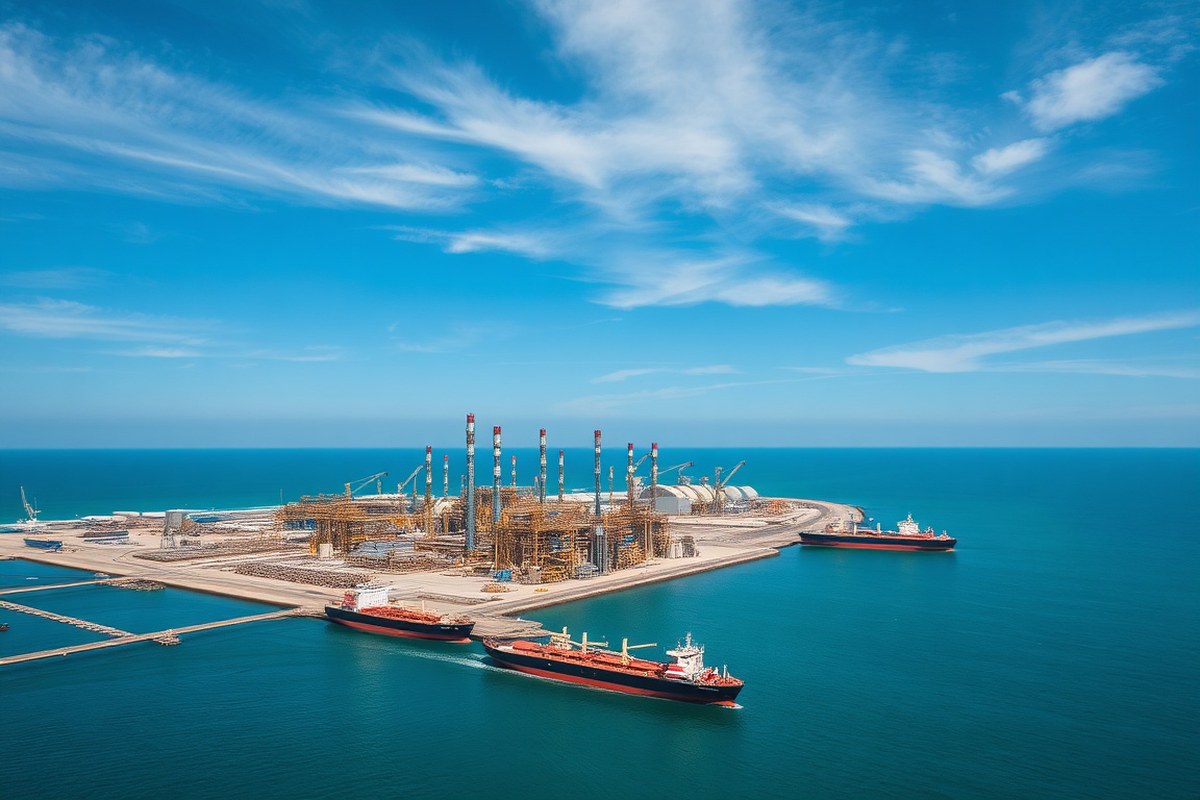
Does the United States export oil? Yes, it does, and in significant amounts.
The U.S. Not only exports crude oil but also a variety of petroleum products. These exports reached record highs recently, showing the country’s growing role in global oil markets.
U.S. Oil exports increased sharply after lifting the crude oil export ban. Export growth reflects higher domestic production, especially from shale oil fields. These exports help balance the world oil market and boost the U.S. Economy.
Check export trends regularly since global demand and policies can change quickly. Watch for shifts in trade partners and geopolitical events that affect oil flows. Understanding these factors helps you grasp how the U.S. Participates in energy trade today.
Key Takeaways
- The U.S. Exports both crude oil and refined petroleum products worldwide.
- Oil export growth followed the lifting of the U.S. Crude export ban.
- Higher domestic shale oil production enabled the U.S. To export more oil.
- Top destinations for U.S. Crude oil include the Netherlands and the United Kingdom.
- The U.S. Still imports some crude oil to meet domestic needs and market demands.
- U.S. Petroleum exports have increased over 300% from 2005 to 2015.
Does the United States Export Oil Today?
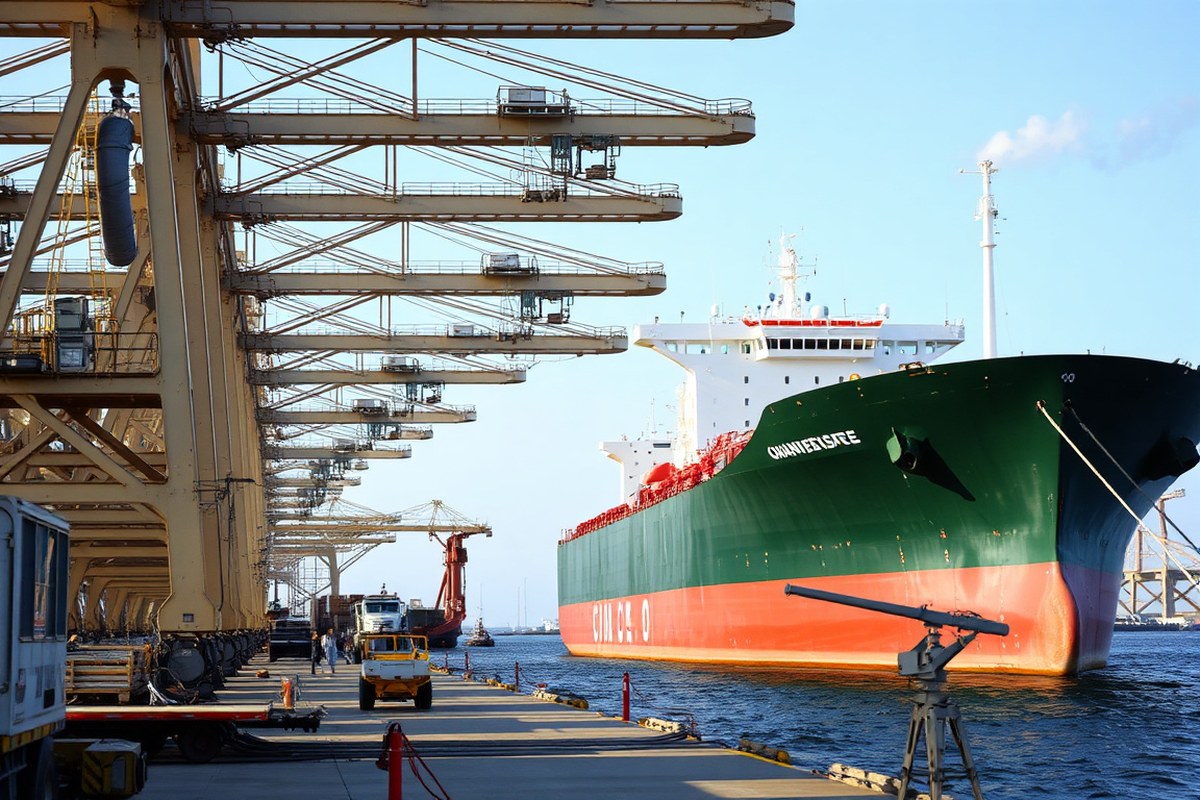
The United States currently exports a significant amount of crude oil. In December 2025, U.S. Crude oil exports reached about 3.99 million barrels per day. This steady export level shows the country’s major role in oil.
It is an important player in the global oil market. The exports stay consistent with that position.
The U.S. The country became a net petroleum exporter recently. It exports more petroleum than it imports overall. This shift happened in the last few years.
This status was achieved in 2020 and has continued through 2022. Net petroleum includes crude oil and refined products like gasoline, diesel, and jet fuel.
Despite being a net petroleum exporter, the U.S. Still imports crude oil. For example, in 2022, the U.S. Imported about 6.28 million barrels per day of crude oil while exporting about 3.58 million barrels per day of crude oil alone. This mix highlights the challenge of meeting domestic and global demand.
Serving both markets is complex and requires balance. It shows how supply needs careful management.
Types of Petroleum Products the US Exports
Crude Oil Versus Refined Petroleum Products
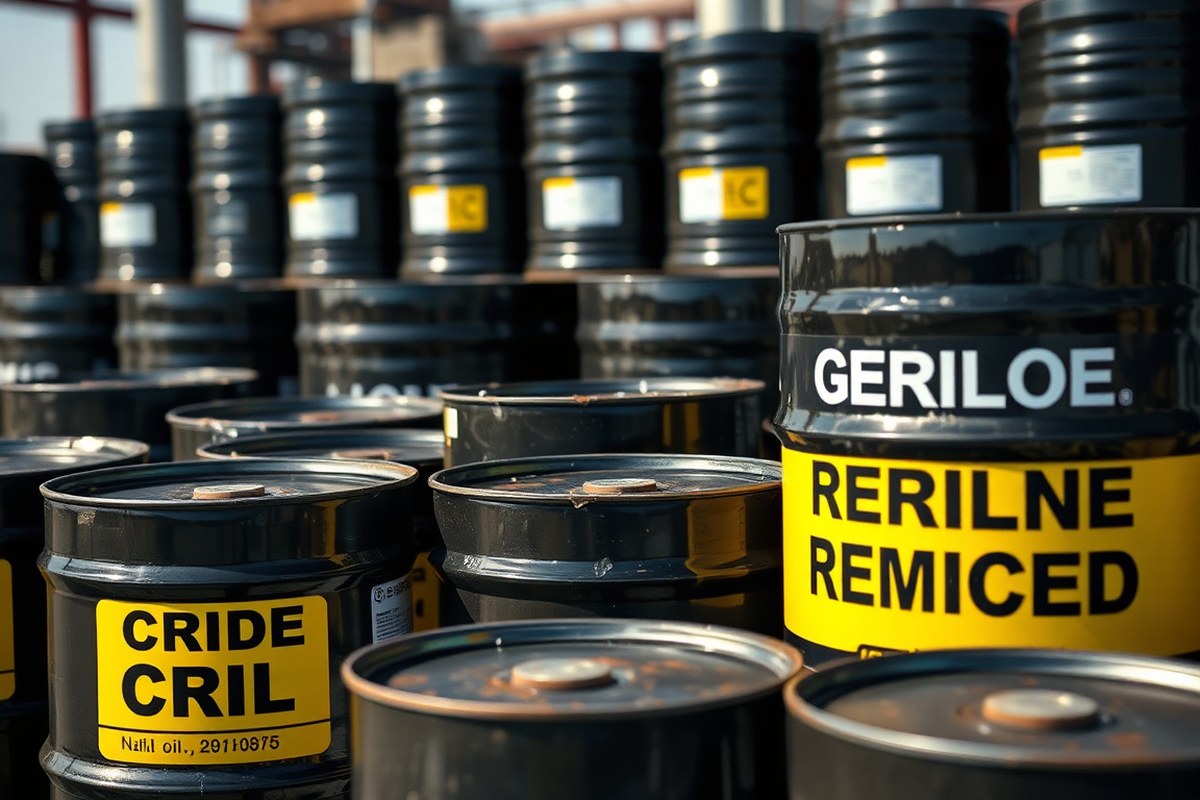
Crude oil is the raw, unprocessed liquid pumped from the ground. It contains many hydrocarbons and impurities. Refined petroleum products come from processing crude oil at refineries.
The refining process separates crude into products like gasoline, diesel, jet fuel, and heating oil. These products have specific uses and burn cleaner than crude oil. The refining also removes sulfur and other contaminants.
Types of Petroleum Products the US Exports
The US exports both crude oil and refined products. Crude oil exports mainly consist of light sweet crude from shale fields. Refined products include gasoline, diesel, hydrocarbon gas liquids, and biofuels.
Besides crude and standard fuels, the US ships liquefied petroleum gases, kerosene, and fuel ethanol. These find different markets globally depending on demand and climate conditions.
Export Shares of Crude Oil and Refined Products
Crude oil makes up about 78% of US petroleum exports by volume. Refined petroleum products represent the other 22%. This split varies based on refining capacity and global market needs.
In 2025, the US shipped roughly 4 million barrels per day of crude oil abroad. Most refined exports come from coastal refineries near major ports. Texas leads in the value of crude exports nationwide.
Why the US Exports Refined Petroleum Products
Refined petroleum products meet the demand of markets that lack refining capacity. The US can make more refined fuels than it consumes, creating surplus for export. This helps balance global supply and demand.
Refined products often sell at higher prices than crude oil. Refining adds value by turning generic crude into usable fuels. Exporting these products supports American refineries and fuels trade relationships.
How Product Quality Affects Export Choices
Light sweet crude oil is preferred for exports because refiners can process it easily. Heavy sour crude requires more complex refining and often stays domestic. The US exports both types depending on refinery needs abroad.
Refined product composition varies based on the crude origin and refinery process. Different countries need different blends, so US refineries adapt their output. This flexibility keeps US exports competitive worldwide.
Check shipping and storage conditions carefully to avoid product degradation during transport. Petroleum products can lose quality in warm or humid environments.
How US Oil Production Growth Enabled Exports
Shale Oil’s Role in US Production Growth
Shale oil unlocked a major boost in US oil output starting around 2010. This source uses hydraulic fracturing and horizontal drilling on shale rock formations to release oil. The surge from places like the Permian Basin quickly raised US production to new levels.
Before shale, the US relied heavily on imports and conventional wells. Shale oil’s rise meant the country could pump far more crude domestically. This growth laid the foundation for later exporting surplus oil abroad.
Timeline of US Oil Production Increase
US crude oil production was below 6 million barrels per day (b/d) around 2010. Thanks to shale, output rose sharply, reaching about 9.4 million b/d by 2015.
By late 2018, production surpassed 11 million b/d. That year marked a clear shift where US crude output topped imports.
The Energy Information Administration (EIA) reports rising production. It reached over 13 million b/d in 2019. This shows steady growth in output.
This rapid growth stemmed mainly from the tight oil fields unlocked by advances in drilling technology. The ability to produce more oil made exports possible.
US Production Versus Consumption
The US consumes around 20 million barrels of petroleum daily. Production growth from shale narrowed the gap with consumption.
By 2019, the US produced roughly 60% of what it consumed. Import needs shrank because domestic output increased dramatically.
Increasing production gave the US more crude than it needed domestically at times. The surplus could then be sent overseas. The US changed from an oil importer to an exporter.
It now ships crude oil and refined products. This shift changed its energy trade position.
Impact on Export Capability
The shale oil boom made the US a big player in global oil markets. With more oil pumped than used inside the country, export volumes rose. Export pipelines, ports, and refineries expanded to handle the increased volumes.
This growth reduced reliance on foreign oil and opened new trading opportunities. The US started shipping crude to countries across Europe, Asia, and the Americas. The infrastructure investments followed production gains to support steady exports.
Impact of Lifting the US Crude Oil Export Ban
Impact of Lifting the US Crude Oil Export Ban
The US crude oil export ban stopped almost all exports for decades. It was lifted in late 2015, allowing the US to send crude oil overseas legally. This change led to a sharp rise in export volumes and reshaped global oil markets.
History of the Crude Oil Export Ban
The ban started in 1975 after the 1973 oil crisis caused supply concerns. Its purpose was to keep US oil supplies cheap and secure for domestic use. The ban limited crude oil exports to a few exceptions for refined products.
This policy lasted 40 years, with restrictions making the US mostly a crude oil importer. It kept US oil off global markets, even while production grew. This created a domestic price disconnect compared to world markets.
Reasons and Timeline for Lifting the Ban
By the 2010s, US oil production increased sharply thanks to shale technology. This created a supply glut in the US, forcing down domestic prices. Lifting the ban promised better market balance and economic gains.
Congress passed the ban removal in December 2015. The rationale included boosting energy exports, supporting producers and jobs, and increasing US influence globally. The removal was unconditional for most crude, except for some types like Alaskan North Slope crude.
Export Growth After Policy Change
US crude oil exports rose quickly after the ban lifted. Export value was about $8.82 billion in 2015, before lifting. By 2017, exports jumped to $22.84 billion and reached $48.06 billion in 2018.
Exports kept rising with US production. By 2023, crude oil exports hit over $117 billion annually.
This export growth made the US a major crude supplier worldwide. It also helped the country become less vulnerable to global supply shocks.
Producers and companies took key steps to benefit from the lifted ban. They worked to enter export markets in an effective way.
- Increase domestic crude production using shale extraction.
- Develop export infrastructure like pipelines, ports, and shipping terminals.
- Comply with regulatory rules for crude oil exports and international trade.
- Establish contracts with foreign buyers and negotiate export deals.
- Monitor global oil prices to time shipments and maximize profits.
- Secure financing and investment for transportation and storage costs.
- Adapt logistics to changing trade relations like US-China tensions.
- Adjust marketing strategies to compete with other oil exporters.
Top Countries Importing US Oil Exports
The United States exports crude oil to a wide range of countries. Mexico and Canada lead as the largest importers, thanks to their proximity and trade agreements. The US sells oil to 180 countries worldwide.
This spread helps reduce risks tied to market changes. It keeps exports balanced across various nations.
Knowing where US crude oil goes helps understand trade patterns and economic ties. Export values differ by country, reflecting demand and existing infrastructure. For example, Mexico and Canada get lots of exports.
This is because of pipeline and port links. They hold a big share of US oil exports.
| Rank | Country | Approximate Export Value (2024, USD) | Share of Total US Crude Oil Exports (%) |
|---|---|---|---|
| 1 | Mexico | $15.3 billion | 22% |
| 2 | Canada | $13.9 billion | 20% |
| 3 | Netherlands | $6.8 billion | 10% |
| 4 | United Kingdom | $5.5 billion | 8% |
| 5 | South Korea | $3.9 billion | 6% |
| 6 | India | $3.0 billion | 4% |
| 7 | Singapore | $2.6 billion | 3% |
| 8 | Germany | $2.4 billion | 3% |
| 9 | Canada | $2.2 billion | 3% |
| 10 | Netherlands | $1.7 billion | 2% |
The US crude oil export market is quite spread out. Still, it focuses on a few neighbors and partners. Europe and Asia are key regions for exports.
Pipelines and shipping routes define much of this pattern. Export terminals like Corpus Christi, Texas, facilitate huge volumes to these places.
Oil companies like ExxonMobil, Chevron, and Valero export a lot. They ship to these main countries regularly. Their exports add billions in yearly value.
This spread helps US exporters handle risks from tariffs. For instance, China’s 2018 trade war tariffs caused disturbances. The wide export base reduces these impacts.
Check local regulations and port restrictions before planning oil exports to new countries.
How US Oil Imports and Exports Compare
In 2022, the US exported about 9.52 million barrels of oil daily. It imported roughly 8.33 million barrels each day during the same year.
This made the US a net petroleum exporter for the third year. It means exports were higher than imports overall.
Most US oil imports come from Canada, Mexico, and Saudi Arabia. Canada supplies the largest share, supporting a stable and secure oil supply.
This close trade relationship protects the US from global market swings. It helps during conflicts that disrupt other oil sources.
The US exports crude oil and refined products to Europe, Asia, and Latin America. Export destinations vary by product type and global demand.
The US sends millions of barrels out each day. The types may not always fit American refineries’ needs.
The US imports some heavier crude types it doesn’t produce in enough quantity. At the same time, it exports lighter crude and petroleum products made from well processing.
The US imports and exports oil at the same time. This balances different grades and refining needs.
Being a net exporter shows the US produces more oil than it consumes overall. But it still imports to get specific crude types and keep refineries running smoothly. This makes the US energy market more flexible but requires good coordination of imports and exports.
States Leading US Crude Oil Exports and Infrastructure
Texas tops the U.S. In crude oil exports, with over 93% of value. Louisiana and California export less oil. Texas has large production and strong export networks.
The Gulf Coast has the biggest export ports. Port of Houston is one. Port of Corpus Christi is another major port.
These ports handle large volumes of crude oil loaded onto tankers for overseas markets. Texas has many pipelines linking inland oil fields to ports.
These pipelines keep supply steady. They also help shipments move fast.
A large pipeline system carries crude from the Permian Basin in West Texas. It flows to Gulf Coast refineries. It also reaches export terminals.
This setup lets producers ship millions of barrels monthly. The infrastructure includes storage tanks, loading docks, and processing facilities to meet international standards.
Setting up export operations in Texas involves significant investment. Building or expanding pipelines and port facilities can cost billions of dollars and take several years. These investments pay off because Texas can quickly access global markets through its coastline.
Other states have some export activity but lack Texas’s concentrated infrastructure. Without large ports and pipelines, their crude oil must travel farther or be processed domestically. This reduces their role in export volumes.
How Global Markets and Geopolitics Affect US Oil Exports
Global demand shapes how much oil the US exports. When other countries need more oil, US exports usually rise. Russia’s oil faced sanctions.
Buyers worldwide turned to US oil supplies. American crude became a key global source.
Trade tensions can limit who buys US oil. Tariffs or political conflicts could make buyers shift suppliers.
A trade war with China can lower US oil sales there. China still is one of the top US trade partners.
International sanctions affect US oil exports, too. Sanctions on countries like Iran or Russia block their oil from markets.
It boosts demand for US crude. But also means exporters must avoid restricted buyers to stay legal and avoid penalties.
US crude oil exports serve like a swing supplier in the global market. When supply tightens elsewhere, American producers often increase exports to balance the market. This helps stabilize prices and keeps oil flowing despite geopolitical disruptions.
Fast-changing market conditions and new regulations mean US exporters must stay alert. A sudden embargo or renewed sanctions can quickly cut off export routes or target countries. Exporters adjust by redirecting shipments to different partners or altering product mixes.
Trade deals influence the volume and destination of US oil exports. In 2023, over half of US trade was with five countries.
Mexico, Canada, China, Germany, and Japan topped the export list. Good trade terms lower costs and boost trade flows.
Watch for shifting sanctions and trade rules, they can disrupt export contracts overnight and increase costs.
Common Misconceptions About US Oil Exports Explained
Many people think the US only imports oil, but that isn’t true. The US both imports and exports oil. But it does not export all of its crude oil production.
The US still imports some crude oil types. These are harder to refine or need special refinery qualities.
The US exports mainly light, sweet crude oil. Some heavier grades remain imported because US refineries use them differently.
Some believe the US is fully energy independent due to oil exports. Energy independence means meeting all domestic oil needs without imports. The US exports more oil, but still imports some.
Domestic production doesn’t meet all refinery needs. Refineries often require crude types not sufficiently produced in the US.
Exporting oil doesn’t mean the US has enough locally. It also can’t stop importing completely.
Stopping imports entirely isn’t feasible under current infrastructure and refinery setups. The US needs imports for heavy crude oils. American fields rarely produce enough heavy crude.
These heavier crudes cost less but are tougher to refine. The US exports crude when there’s extra supply.
Exports also happen if foreign markets want it more. So, imports and exports work together based on quality differences.
- US exports mostly light, sweet crude oil suited for foreign refineries
- Canada takes the largest share of US crude exports mainly because of proximity
- US refineries still import heavier crude oils needed for specific products
- Exporting all US crude oil production would disrupt domestic refining processes
- Energy independence requires production, refining, and consumption to balance
US crude oil exports often go to Canada because of its location, not market preference. According to the US Energy Information Administration, Canadian plants refine much imported light crude oil. US refineries need a mix of crude types.
This mix helps make gasoline and diesel fuels. The US does not export all crude produced.
Much crude is used inside the domestic market. Producing and exporting crude oil involve a delicate balance with refinery capabilities and market needs.
Your First 30 Days: A Quick-Start Plan to Understand US Oil Exports
Follow these simple steps to understand how the US exports oil. You’ll see how it impacts the market.
This helps you know the bigger picture. Each step builds your knowledge and helps spot key trends.
- Day 1: Read current US oil export data from the Energy Information Administration (EIA). Note export volumes to see if numbers are rising or falling.
- Days 2, 4: Identify the main petroleum products the US ships abroad. Check if crude oil or refined products dominate shipments.
- Week 1: Look up the major countries importing US oil. Spot trends like rising demand in Asia or Europe.
- Week 2: Explore how lifting the crude oil export ban in 2015 changed trade flows. Track shifts in US market share globally.
- Weeks 3, 4: Examine infrastructure developments in top oil-exporting states like Texas and Louisiana. Check pipeline and port capacity updates.
- After 30 days: Review global events affecting US oil exports, like geopolitical tensions or production changes. Understand how they affect prices and volumes.
Frequently Asked Questions
Does the United States Export Oil Today?
Yes, the United States exports significant amounts of crude oil and petroleum products. It has become a major player in global oil markets thanks to increased domestic production.
What Types of Petroleum Products Does the US Export?
The US exports crude oil, gasoline, diesel, jet fuels, and other refined products. These exports vary based on demand and regional production strengths.
How Did US Oil Production Growth Enable Exports?
Rising shale and tight oil production boosted crude supply for export. This growth helped meet global demand and reduced reliance on imports.
What Impact Did Lifting the US Crude Oil Export Ban Have?
Removing the ban in 2015 allowed more flexibility to sell US oil globally. It increased exports and helped US producers find higher prices abroad.
Which Countries Are Top Importers of US Oil Exports?
Major buyers include the Netherlands, South Korea, Canada, and India. These markets rely on steady shipments of US crude and refined products.
Key Points to Remember
The United States does export oil. The growth of its production made this possible.
Check recent export data to stay updated. Consider how global events might change US oil trade next.