How Long Driving Test Takes: Complete Timeline and Tips to Prepare
How long driving test takes is a common question for learners. The actual driving part lasts around 35 minutes. Including other steps, the total test takes about 38 to 40 minutes.
This time includes safety checks, instructions, and your result. If you need an extended test, driving lasts about 65 minutes. That’s usually required after a driving ban or major driving offenses.
Be prepared for the time it takes to park at the test centre. You might also spend a few minutes on paperwork before your test starts. Arrive early to avoid feeling rushed or stressed.
Knowing the test length helps you plan your transport and breaks. It can also give you a better idea of when you’ll get your result. Minor delays sometimes happen but usually don’t add much extra time.
Key Takeaways
- The driving part of the test lasts roughly 35 minutes for most drivers.
- Allow 5 to 10 minutes for vehicle safety checks before starting the test.
- Your examiner will take around 5 to 10 minutes after driving to give feedback.
- Extended tests last about 65 to 70 minutes for drivers with bans.
- Test length varies based on examiner, route, traffic, and weather conditions.
- Arrive early to avoid delays and complete paperwork on time.
How Long Does the UK Driving Test Take in Total?

The UK driving test usually takes about 40 minutes in total. This includes roughly 35 minutes of actual driving. The rest of the time covers checks and feedback from the examiner.
Before driving, you’ll arrive at the test centre and meet your examiner. You’ll also do an eyesight check and answer the “tell me” safety question. These steps take only a few minutes altogether.
After the driving part, the examiner will give feedback on your performance. The conversation after your test takes a few more minutes. Altogether, you should set aside about an hour for your driving test appointment.
The total time matters because it lets you plan your day properly. You’ll know when to arrive and how long to wait before driving home. You need about 65 minutes of driving for an extended test after a ban.
What Happens During the Driving Portion and Its Timing?
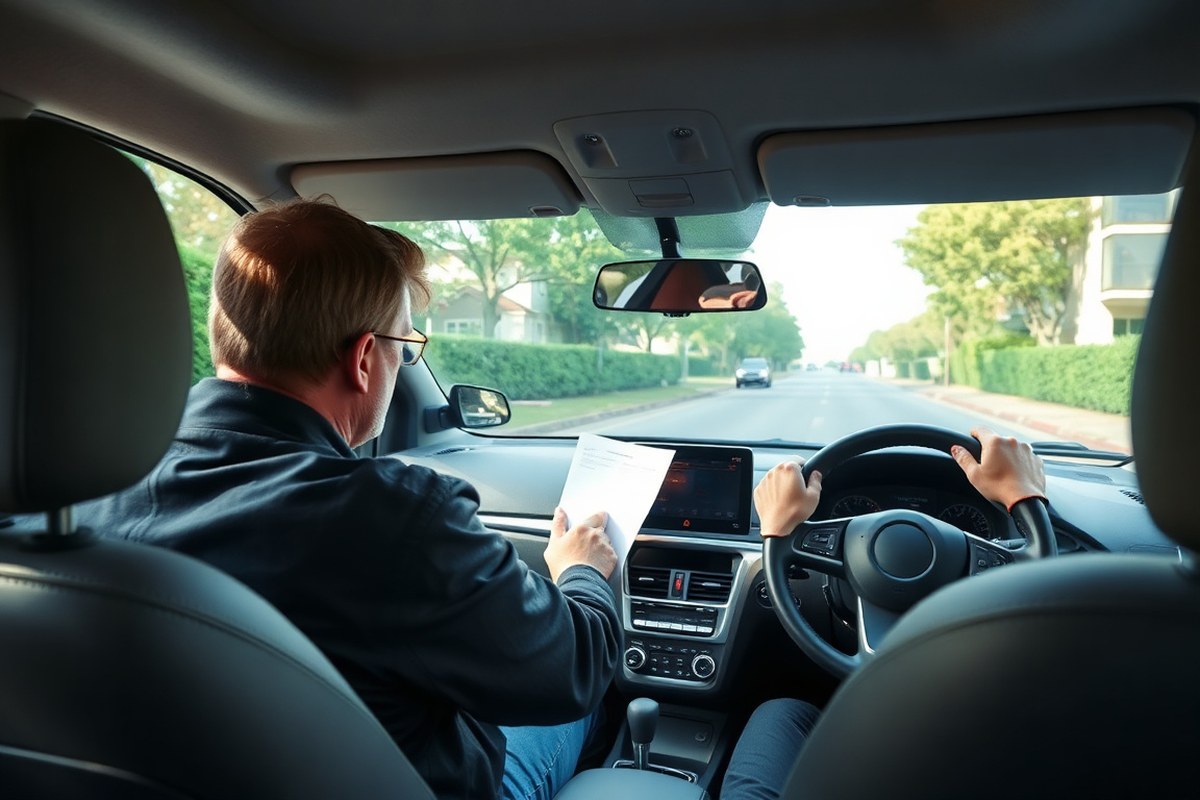
The driving section of your UK test takes about 35 to 40 minutes. During that time, you will drive on your own for about 20 minutes. The examiner will watch you doing manoeuvres and driving on different types of roads.
Independent Driving Explained
Independent driving means you follow directions on your own for about 20 minutes. The examiner will either give you a sat-nav or ask you to follow road signs. You drive without step-by-step instructions from them.
It shows you can handle normal driving tasks and make safe choices alone. This part lasts roughly half of the driving time. You must stay alert and watch for signs or sat-nav commands.
Typical Manoeuvres and Their Duration
You’ll do one reversing manoeuvre during the test. This takes about 5 to 10 minutes. The common manoeuvres include parallel parking, bay parking, or reversing around a corner.
The rest of the time involves general driving with the examiner giving you directions. You may need to pull up on the right side of the road. Then, reverse back two car lengths slowly and carefully.
After that, join the traffic again when it’s safe. This checks control and awareness.
- Drive to a safe spot on the right side of the road.
- Stop and check mirrors and blind spots.
- Reverse carefully for about two car lengths.
- Signal and check traffic behind you.
- Steer smoothly back into the lane.
- Accelerate safely to match traffic flow.
Dealing with Traffic and Varied Road Types
The test will have you driving on different roads. You could be on quiet residential streets or busy city roads. Sometimes, you might even drive on rural country roads.
You’ll encounter junctions, roundabouts, traffic lights, and pedestrian crossings. The examiner watches how well you manage all these safely.
You’ll also deal with traffic conditions like stop-and-go or flowing movement. This shows your ability to adjust speed, signal clearly, and keep a safe distance. Expect about 35 minutes to cover this varied driving safely.
Tip: Stay calm and take your time with any unfamiliar road type or traffic condition.
How Long Do Safety Checks and ‘Show Me, Tell Me’ Questions Take?
The eyesight test and the ‘show me, tell me’ questions take five minutes total. You do them during the driving test. They check your ability before other driving tasks start.
The eyesight test happens first, and failing it ends the test immediately. The two vehicle safety questions come next and last around 2 to 3 minutes total.
What Happens During the Eyesight Check?
At the start of your test, the examiner will ask you to read a number plate from 20 meters away. This check is done before you begin driving at the test centre. It usually takes just one or two minutes.
Reading the number plate clearly is essential. Failing the eyesight check means the test ends straight away. So, wear your glasses or contacts if you need them.
Types of ‘Show Me, Tell Me’ Questions
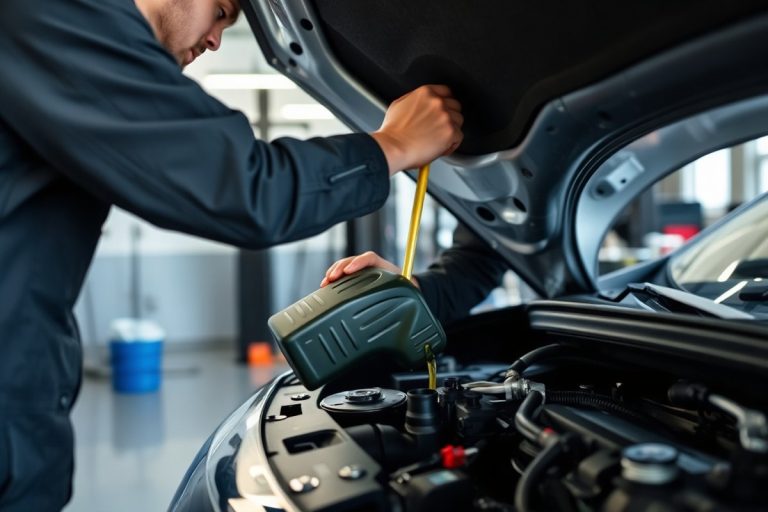
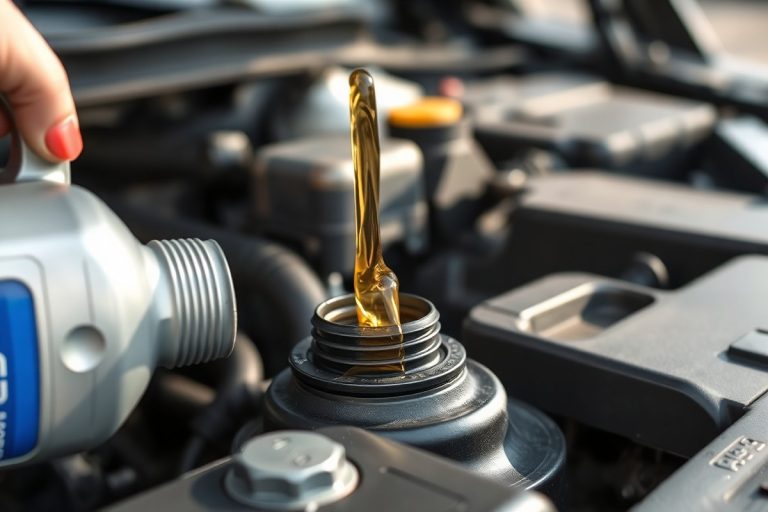
You answer two safety questions on the test. One ‘tell me’ question comes before driving starts. You explain how to check something like the oil level.
The ‘show me’ question happens while you’re driving. You’ll demonstrate a simple task, such as operating the windshield wipers safely. Both questions take around 2 to 3 minutes total.
How to Prepare for the Safety Questions
Practice common safety task explanations before your test. Examples include checking tyre pressure or the brake lights. Knowing these answers makes the process smooth and quick.
During the ‘show me’ task, keep calm and operate the controls correctly. This part only takes seconds, but fumbling may cause delays or doubts. Preparing can help avoid those issues.
How to Avoid Delays During These Checks
Arrive early to check your eyesight test won’t be rushed. Have your glasses or contacts ready if you usually use them. Make sure your vehicle’s controls work properly for the ‘show me’ tasks.
Clear communication with the examiner helps too. Listen carefully and answer directly. Stalling or misunderstanding questions can add a few more minutes unnecessarily.
When Do Extended Driving Tests Apply and How Long Are They?
Some drivers must take an extended driving test. This applies to anyone with a physical, mental, or vision condition. It also applies if you were referred due to skill concerns that affect safe driving.
The extended test usually lasts about 65 minutes. This is significantly longer than the standard test, which normally takes around 40 minutes. Extra time lets examiners assess more complex driving skills safely.
During the extended test, additional tasks may be included. These could be hill starts, parallel parking, or highway driving. The test might include driving in heavy traffic or tricky spots.
These parts take more time to check. The examiner needs to see how you handle them.
| Test Type | Approximate Duration | Additional Test Elements |
|---|---|---|
| Standard Driving Test | About 40 minutes | Basic driving skills and maneuvers |
| Extended Driving Test | About 65 minutes | Hill starts, parallel parking, highway driving, complex traffic |
You find out about an extended test when you book it. Or the examiner tells you during the test.
This depends on your health or skills. The added time and challenges show examiners how you handle harder driving situations.
Costs are generally the same, but ask your test centre. The longer test aims to ensure drivers are safe under all conditions. It’s important to prepare for those extra elements, or your test could take even more time.
What Factors Influence How Long the Test Actually Takes?
The actual time your driving test takes can change because of several factors. Weather, traffic, examiner’s approach, and your own nerves all play a part. Some test centres might also run a bit differently, which can affect the duration.
Weather and Road Conditions
Rain, fog, or snow can make the test take longer. Examiners might change the route or slow down to see how you handle bad weather. These delays ensure they assess your ability to drive safely in different conditions.
Clear weather usually means a normal test length. But if conditions worsen, expect more cautious driving and extra checks. This changes how long you’re behind the wheel.
Traffic and Route Differences
Traffic itself doesn’t add time to the test. But examiners watch how you handle busy roads.
Some centres may choose routes with more or less traffic. This can feel slower or faster to you but won’t officially change test length much.
Routes differ by centre. Some may have longer or more complex routes than others. That can stretch or shrink the time, depending on the area’s layout.
Examiner Style and Interaction
Examiners explain instructions and ask questions, which adds a bit of time. Some examiners speak slower or give more detailed directions. Others keep it brief and to the point.
You might notice that more talking during the test means a longer session. When examiners take time to clarify things, it adds minutes but helps reduce stress.
Your Nerves and Mistakes
Nerves can make you drive more slowly, stretching the real test time. Small mistakes won’t stop the clock. Big errors might cause the examiner to stop the test early.
Taking your time and staying calm usually keeps the test close to normal length. Rushing or panicking often makes things feel longer and harder.
Other Factors Affecting Test Duration
- Different test centres have small procedure variations.
- Tests with special vehicle equipment can require more time.
- Extra explanation about manoeuvres adds to test length.
- Delays in starting due to paperwork or signatures affect total time.
- Unexpected road works or detours might cause route changes.
- Examiner’s need for extra checks during bad weather.
- Candidate health issues or sudden emergencies.
These factors make each test a bit unique in length. Being prepared can help keep your test running on schedule.
Stay calm and listen carefully to your examiner’s instructions to avoid unnecessary delays.
How to Prepare to Ensure Your Driving Test Runs on Time
Arrive at the test centre 10 minutes early to avoid delays. Being on time helps you check in calmly and review any instructions. Late arrival could mean rescheduling, which costs extra and wastes time.
Bring your provisional driving licence, theory test pass certificate, and your appointment confirmation. Forgetting these can stop your test before it starts and is a common reason for delays. You should have valid insurance or a supervisor’s details ready.
This applies if the vehicle isn’t yours. These prove you’re covered while driving someone else’s car.
- Provisional driving licence (original, not a photocopy)
- Theory test pass certificate (if your licence doesn’t show it)
- Test appointment letter or email confirmation
- Some photo ID for identity checks
- Bring glasses or contacts needed for clear vision while driving. They help ensure you meet the legal eyesight standards during your test.
- Details of the vehicle you’ll use for the test
- Arrive 10 minutes before your scheduled time
Prepare your vehicle the night before the test. Check fuel, indicators, brakes, lights, and tyre pressure to pass safety checks without stress. Being able to focus on driving, not last-minute fixes, saves time.
Practise your ‘show me, tell me’ vehicle safety answers with a friend or instructor. Answering these questions smoothly avoids holding up the test or feeling flustered. The less you worry, the quicker the test moves along for everyone.
Bring water and dress for the weather. Tests usually take about 40 minutes of driving and an hour in total at the centre. Staying comfortable keeps you calm and focused throughout the testing process.
What Happens After the Driving Test and How Much Time Does It Take?
After you finish the driving part, the examiner will tell you your result. This usually happens straight away or within a few minutes. You will then receive some brief feedback on how you did.
The examiner’s feedback lasts about 5 to 10 minutes. They highlight what you did well and any mistakes that cost marks. This helps you understand your driving strengths and what needs work, especially if you don’t pass.
Once the result is clear, the examiner handles paperwork. Usually, this takes only a few minutes. The paperwork includes your pass certificate if you passed, or a report if you didn’t.
When you pass, you keep your pass certificate and apply for a full license. You must still send the pass certificate to the DVLA within seven days or it expires.
When you fail, you can book a retest online or by phone. The examiner can explain how to do this quickly.
Here’s a simple breakdown of the final steps after your test ends:
- Listen as the examiner shares your driving test result right after you stop.
- Receive examiner feedback explaining your performance and any faults.
- Sign any necessary forms or papers the examiner gives you.
- Collect your pass certificate if you passed, or a report with exam notes if not.
- Ask about how to book a retest if you did not pass.
- Confirm you understand what happens next, including sending your pass certificate to the DVLA.
How Does the UK Theory Test Duration Compare with the Practical Test?
The UK driving theory test takes about 90 minutes in total. It has two main parts: multiple-choice questions and the hazard perception video section. The practical driving test usually lasts close to 40 minutes.
The theory test’s length affects how you book both tests. Since it takes longer, plan enough time for it before scheduling your practical test. You don’t want the theory test timing to clash with other appointments on test day.
| Test Part | Duration | Cost (2026) |
|---|---|---|
| Theory Test | Approx. 90 minutes | £23 |
| Practical Driving Test | Around 40 minutes | £62 (weekday), £75 (evening/weekend) |
| Total Visit Time (Practical) | Close to 1 hour | Included in practical test fee |
The theory test involves answering 50 multiple-choice questions within 57 minutes. After that, you watch 14 hazard perception clips, lasting about 20 minutes. Passing both parts is necessary before you can take the practical exam.
Remember, the practical test has safety checks. You also do ‘show me, tell me’ questions. These happen at the start of the test.
These parts are short but part of the overall timing. Booking them separately isn’t possible since they’re integrated in the practical test slot.
Book your theory test early. Pass it first. This helps avoid delays with the practical test.
Common Mistakes That Increase Driving Test Length and How to Avoid Them
Minor faults often make your test last longer. The examiner watches how you fix them carefully. They want to see you correct mistakes properly.
Steering too tightly or stopping too far from the curb adds extra time. Practise smooth control to avoid taking longer on your test.
Park within a car’s length from the curb. This helps you avoid faults during the exam.
A serious or dangerous fault can stop the test early to keep both of you safe. For example, failing to check mirrors before changing lanes is serious.
It helps to build a habit of scanning mirrors regularly before any move. That way, you don’t miss simple steps and avoid abrupt stops.
- Not using mirrors properly – look ahead and behind before turning or stopping
- Pulling out into moving traffic without enough gap – wait and judge distance carefully
- Speeding or driving too slowly – keep to speed limits and flow of traffic
- Not signalling or signalling too late – always signal early and clearly
- Incorrect use of the controls – get familiar with clutch, gears, and indicators
- Inadequate observation at junctions or roundabouts – take a full view before moving
Delays also happen when you hesitate or seem unsure of maneuvers. Practice common maneuvers until they feel natural.
Being confident helps you drive fluidly within test time limits. Your examiner expects you to adjust speed and steering with care and confidence.
Sometimes, nerves make people roll through stop signs or brake harshly. Work on keeping calm and breathing steadily.
Approaching stops smoothly keeps the test moving at an even pace. Do a few practice runs on quiet roads to build this calm habit.
Step-by-Step Action Plan to Manage Your UK Driving Test Time
Follow this plan to know how long your test will likely take and stay on track. This helps reduce stress and keeps your day running smoothly.
- Before your test day: Schedule your test knowing it takes about 1 hour total. Check your appointment time and location to avoid surprises.
- One week before: Practice safety checks and ‘show me, tell me’ questions. Time yourself to finish them in around 5 minutes.
- Three days before: Take a mock driving practice that lasts close to 40 minutes. Notice where you slow down and improve those spots.
- Day before: Rest well and prepare your documents. Pack your licence and theory test pass confirmation to save time at the test center.
- Test day arrival: Arrive 10 minutes early. Use waiting time to calm your nerves and review notes briefly.
- During the test: Listen carefully to the examiner and manage your pace. Avoid common mistakes to keep tests within the usual time.
- After driving test: Allow 10, 15 minutes for results and paperwork. Stay patient and use this time to ask questions if needed.
Frequently Asked Questions
How Long Does the Practical Part of a UK Driving Test Last?
The practical driving test usually lasts around 35 minutes. This is when you drive with the examiner and show your skills on the road.
How Much Time Should I Expect for the ‘Show Me, Tell Me’ Questions During the Test?
The safety questions take only a few minutes at the start of your test. Be ready with simple answers to keep things moving smoothly.
How Long Is an Extended Driving Test Compared to a Standard One?
Extended tests run about 65 minutes, nearly double the time of standard tests. They’re for certain cases like retaking after a ban.
What Factors Can Change How Long My Driving Test Takes?
Test length can vary if traffic is busy or if you make several minor mistakes. Stay calm and focused to avoid adding time.
When Do I Receive My Test Result and How Much Time Does That Part Take?
You’ll get your result right after driving, usually within 5 minutes. The examiner explains what you did well and what needs work.
Final Thoughts
Your UK driving test takes about an hour. It includes time for checks and questions.
Knowing this helps you prepare without guessing or panic. Check your test date and start practicing the key parts today.