Car Squealing When Driving: 9 Key Causes and Reliable Fixes
Car squealing when driving usually means worn or loose parts need attention. Brake pads, belts, or pulleys often cause these noises.
Fixing the right part stops the squeal and avoids bigger repairs. Squealing may also point to issues with wheel bearings or suspension components that need checking.
Start by listening carefully to where the noise comes from. Front brakes, engine belts, or suspension parts often squeal. Noticing when the noise happens, like during braking or acceleration, helps narrow down the cause.
For example, squealing while braking often means worn pads. Noise during acceleration may signal loose belts.
Ignoring squealing can lead to more damage and costly repairs. Checking belts and brakes early can save time and money.
Keep an eye on changes in noise or driving feel to catch problems faster. Regular maintenance can also prevent squealing by keeping parts tight and clean.
Key Takeaways
- Check brake pads first if squealing occurs mostly during braking.
- Listen to the engine area for belt or pulley wear noises.
- Notice if squealing happens when turning to check steering components.
- Look for worn or loose belts if the squeal happens on acceleration.
- Inspect suspension parts if noise changes over bumps or rough roads.
- Keep track of noise timing to help pinpoint the squeal source accurately.
1. Why Is My Car Squealing When Driving?
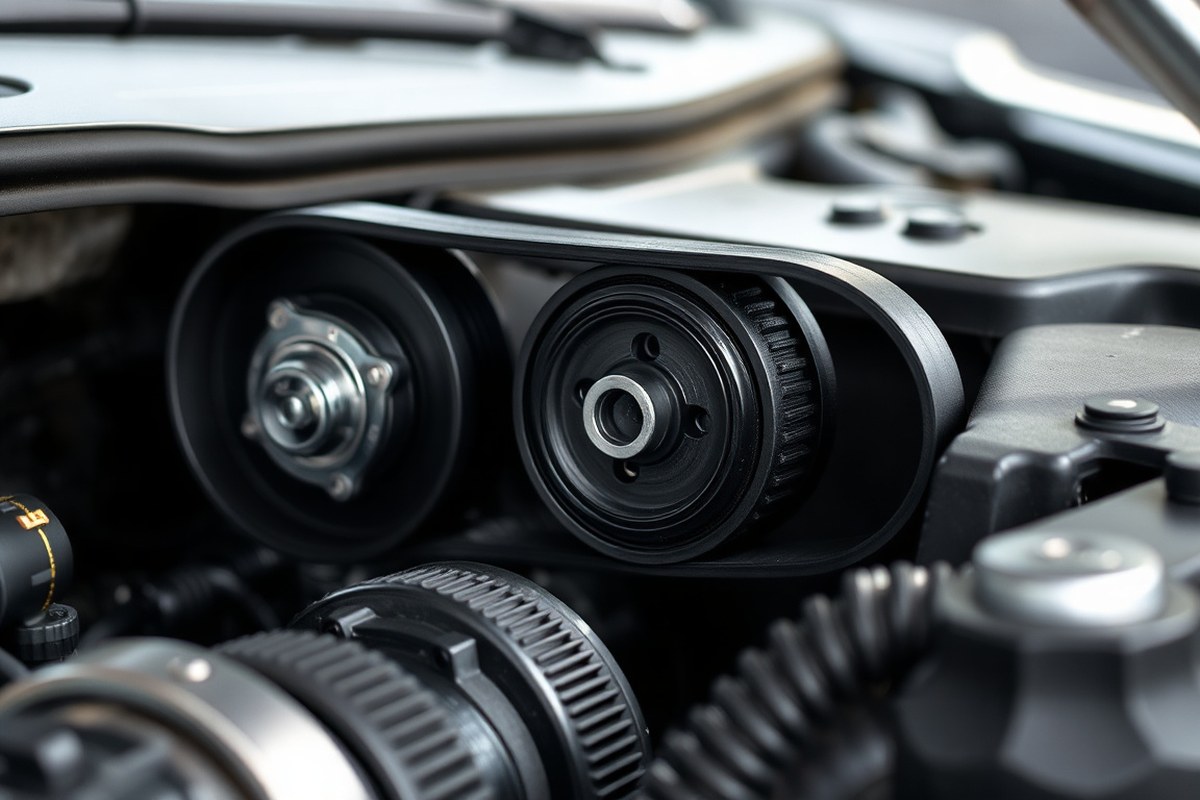
Squealing noises while driving come from several car parts that wear or fail. The most common cause is worn brake pads. They have sensors that squeal.
This noise means it’s time to replace the pads. This sound usually lasts as you drive and stops once you apply the brakes.
The engine belt system is another frequent source. A high-pitched squeal often happens when the engine is cold. It fades after warming up.
This usually means the serpentine belt is slipping or loose. This noise gets louder when you speed up or accelerate. Loose belt tensioners or worn pulleys also cause this squealing under the hood.
Suspension parts and the steering system make squeaking noises. This happens mostly at low speeds. You may notice it more driving over bumps.
Bushings and ball joints can dry out or wear over time. This causes the car to creak or squeak.
The noises happen when the car moves. You’ll hear this sound more on uneven roads or when turning the wheel.
Wheel bearings may seem to cause squeaks. But they mostly produce grinding or humming noises that grow louder with speed.
Tire issues can add to this noise if the rubber is worn or misaligned. Brake dust buildup can also cause a minor squeaking that disappears with cleaning.
The way the squeal changes with speed or actions gives clues about its cause. Check wheel bearings or tires if the noise matches wheel rotation.
A squeal linked to steering movements often points to power steering problems. Squealing right after starting the car but fading quickly usually signals belt wear.
Listen closely to when the squeal happens. Notice if it’s during acceleration, braking, turning, or bump driving. This helps identify the cause.
This helps tell if the problem is small, like worn brake pads. Or if it’s bigger, like failing suspension parts. Early detection keeps repairs easier and less costly.
2. How to Locate the Source of a Squealing Noise
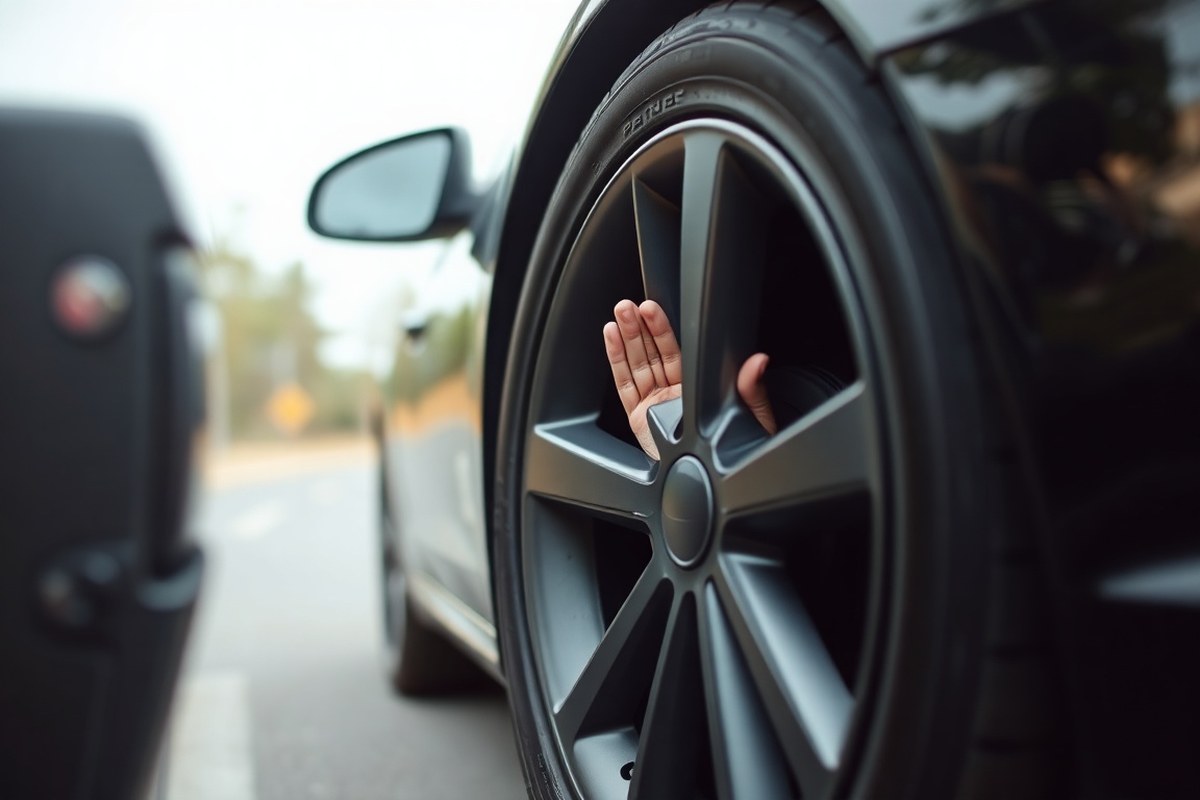
Finding out where the squealing noise comes from is key. Notice when the squeal happens. Listen for where it sounds loudest.
Check front, back, or under the hood. This helps you find the cause sooner.
It also helps get the right fix. It keeps things safer.
Step 1: Initial Observation Without Driving
Before hitting the road, get out and listen carefully around the car. Walk around your car once. Tap suspension parts lightly.
Listen for creaks or loose bits. Look at belts and pulleys under the hood.
Make sure the engine is off first. Watch for wear or damage.
Then, open the hood and look over components like belts, pulleys, and fluid levels. This helps rule in or out engine-related sources such as a slipping serpentine belt. Look for cracks, frays, or shiny spots.
You can do this in five minutes. It won’t cost you anything.
- Walk around the car and crouch down near each wheel.
- Lightly bounce the front and rear suspension to listen for creaks.
- Pop the hood and inspect belts and pulleys for wear or looseness.
- Look for signs of fluid leaks or damaged rubber bushings.
- Check tire condition and pressure for any rubbing or uneven wear.
- Close the hood and make a note of any noises or suspicious parts.
Never work under the hood when the engine is hot or running. Let it cool to avoid burns.
Step 2: Listening While Driving at Different Speeds
Drive the car on a quiet street and pay close attention. Note changes in the squeal as you go slower or faster. This points to whether the noise relates to wheel rotation, engine speed, or both.
Try rolling at steady speeds, accelerating, and decelerating. The squeal rises and falls with your speed. This means wheel bearings or tires might cause it.
The noise changes as engine RPM changes. It stays the same with vehicle speed. Belts or pulleys are likely the issue.
- Find a safe, quiet area to drive without traffic.
- Drive slowly under 15 mph and listen for the squeal.
- Increase your speed gradually while listening for pitch changes.
- Note if the noise worsens on acceleration or deceleration.
- Check if the squeal fades or gets louder at each speed.
- Park and listen again for engine or belt noises at idle.
Always keep windows up and radio off when diagnosing noise while driving. Clear ears catch details better.
Step 3: Testing During Braking or Turning
Try slowing down using the brakes lightly and heavily. The squeal starts or changes when you brake. Brake parts are likely causing the noise.
Also, turn the steering wheel slowly left and right while moving. Listen for noise shifts tied to steering or suspension parts.
Soak up bumps driving over gentle speed humps or uneven pavement at low speed. Squeals happening only on bumps often indicate worn suspension bushings or shocks. Testing these conditions narrows down which system needs more attention or repair.
- Drive at 10, 15 mph and apply the brakes gently and then harder.
- Note any squeal that starts or changes during braking.
- While moving slowly, turn steering wheel fully one way.
- Repeat turning the wheel fully the other way and listen carefully.
- Drive over a few slight bumps or rough spots at low speed.
- Notice if squealing happens or changes only when bumping.
Don’t test brakes or turning on busy roads. Use a safe, open area to avoid accidents.
3. Brake System Problems Causing Squealing
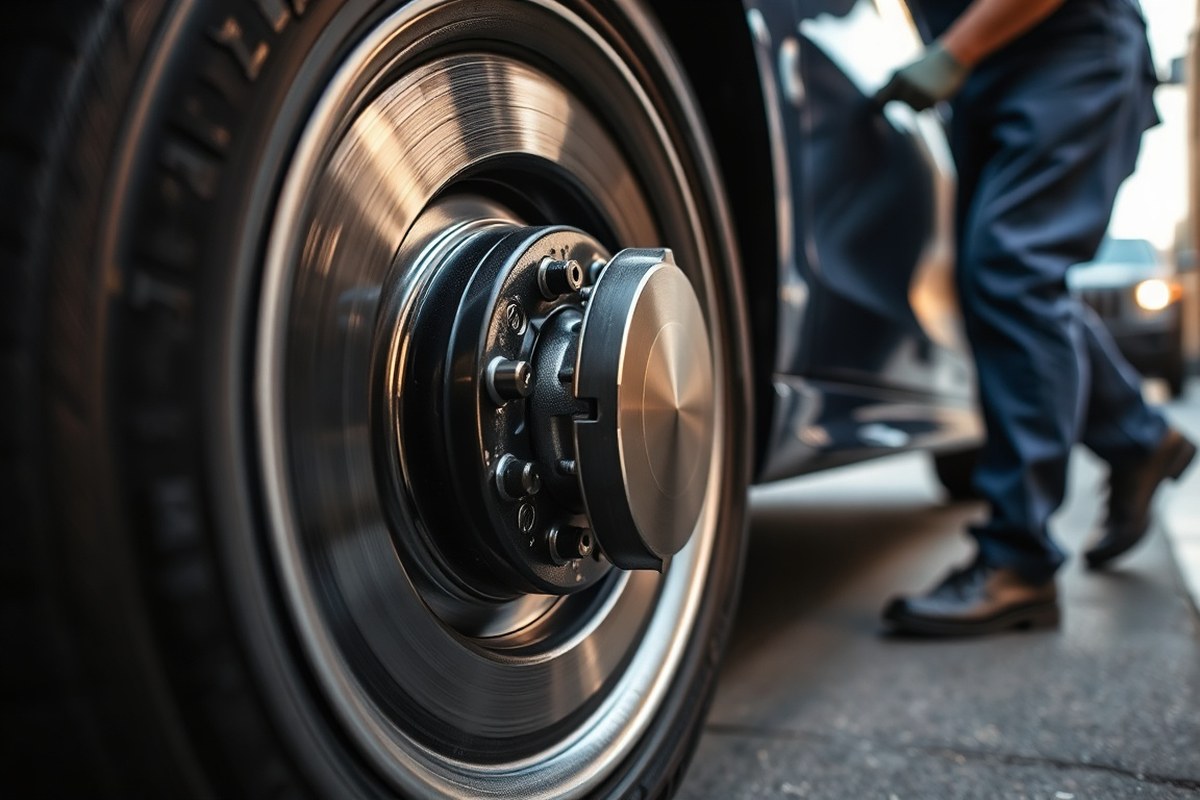
Worn brake pads often cause squealing because they have metal wear indicators. These thin strips touch the brake rotor when the pads get too thin. This contact creates a clear squealing sound to warn you of pad wear.
Besides pads, brake rotors can also cause squealing. Rotors can become glazed. This means they get shiny and hard.
Overheating causes this and they lose their grip. This leads to vibrations and squeaks when braking or even coasting.
Another common cause of brake squealing is brake dust buildup. Dust and small debris can get stuck on the brake. This happens between the pad and rotor.
It can cause scratching or squealing sounds. Sometimes cleaning the brake components stops the noise without parts replacement.
- Look through the wheel spokes to see the brake pads and rotors.
- Check pad thickness; less than 3 mm usually means replacement is needed.
- Inspect the rotor surface for glazing or grooves.
- Remove visible brake dust with a brake cleaner spray and a brush.
- Check if metal wear indicators on pads are touching the rotor.
- Listen for squeals during gentle braking tests after cleaning or inspection.
- Ensure caliper hardware is tight and not causing unnecessary noise.
Replacing worn brake pads costs between $100 and $300 per axle, including parts and labor. Delay replacing worn pads and you risk damaging rotors, which adds hundreds to repair bills. Clean and check brake parts every 12,000 miles.
Do this during regular service. It keeps brakes quiet and stops safer.
Squealing while pressing the brakes usually means the pads are worn or glazed. Squealing that happens while just driving may come from dust or loose caliper parts. Watch for pedal pulsation or reduced stopping power, which signals critical brake problems needing immediate attention.
4. Belt and Pulley Wear as a Squealing Cause
Belts and pulleys can cause squealing noises both when your car is idling and driving. Worn, loose, or misaligned belts slip on pulleys, creating a high-pitched sound. Checking the belts’ condition and tension helps catch problems before they lead to bigger repairs.
Types of Belts That May Squeal
The serpentine belt is the most common belt to make squealing noises. It powers key accessories like the alternator, power steering pump, and air conditioning compressors. Older cars often use separate v-belts for each accessory.
These belts can wear out and start to slip. When that happens, they may make a squealing noise.
Belts are looped around pulleys, which spin accessories using engine power. Springs inside belt tensioners keep proper tension on the serpentine belt to avoid slipping. The belt can lose grip and squeal if the tensioner or pulley bearing fails.
Signs of Belt Wear and Damage
Check belts for cracks or shiny, glazed spots. Look also for edges that are frayed. These signs mean the belt may slip and squeal.
A loose belt will feel slack if you press down firmly between pulleys. Squealing often happens during cold starts or sudden acceleration.
Misaligned pulleys bend the belt slightly and make it rub against edges, creating noise. Testing pulleys is easy: remove the belt and spin each pulley by hand. Rough or noisy pulleys mean worn bearings, which demand pulley or accessory replacement.
Recommended Replacement Intervals
Serpentine belts typically need replacing between 50,000 and 100,000 miles. Your vehicle manual will tell you the right interval. Inspect belts often and replace sooner if you notice damage or hear squealing.
Because tensioners last 100,000 to 150,000 miles, inspect them when you replace the belt. Signs like excessive arm movement or failed pulley bearings mean it’s time to replace the tensioner. Replacing belts and tensioners together saves time and prevents repeated squealing or belt failure.
5. Suspension and Steering Components That Squeak
Worn suspension parts often cause squeaking when driving over bumps. Rubber bushings dry out and crack, letting metal parts rub against each other. Ball joints can lose lubrication and wear, causing noise during steering or uneven roads.
Shocks that fail let the suspension bounce more, which creates metal contact and squeaks. Steering components like tie rod ends may squeak if their joints wear out or lack grease. Low power steering fluid also makes the steering pump cavitate, causing squeals when turning the wheel.
- Dry or cracked bushings on control arms and sway bar links
- Worn ball joints with looseness or dry lubrication
- Failing shock absorbers letting metal parts contact
- Tie rod ends and other steering joints needing grease
- Low or contaminated power steering fluid causing pump noise
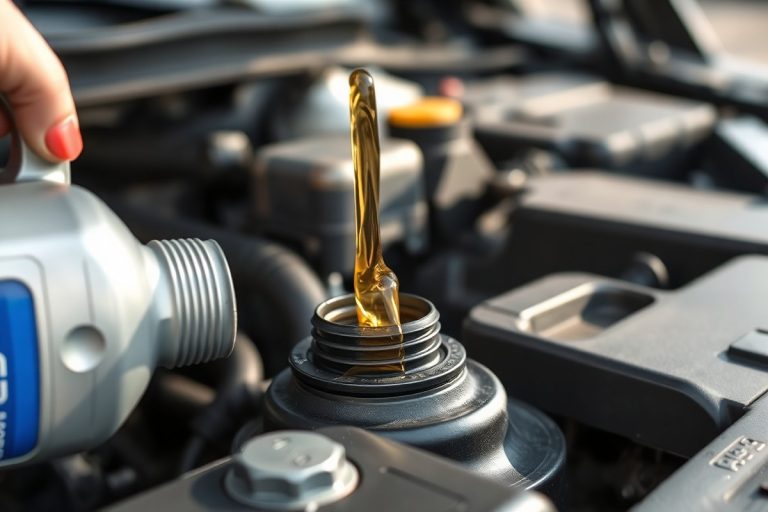
Adding power steering fluid is a simple fix if levels are low. One litre usually costs under $15 and lasts for several top-ups.
Check the fluid level on a warm engine using the dipstick or reservoir mark. Overfilling can cause issues, so add slowly and recheck.
Topping up may not stop the noise. The fluid might be dirty or the pump could be worn out. Have a mechanic drain and replace the fluid to protect the system.
Replacement parts like bushings or ball joints usually cost $50 to $200 each. The exact price depends on your vehicle and the shop’s hourly rates.
Regularly lubricate suspension joints and check power steering fluid to reduce squeaks and extend part life.
Ignoring these sounds can lead to poor handling and unsafe driving. You might hear squeaks when turning or driving on bumpy roads. These signs mean you should check worn suspension and steering parts.
Replacement may be needed. Fixing them improves ride quality and safety.
6. Wheel Bearings and Tire Issues Linked to Squealing
Worn wheel bearings create squealing by losing their smooth rotation. These bearings let your wheels spin freely. So dry or damaged bearings cause friction noises.
The squeal changes pitch as your speed changes. It gets louder during turns. This happens because the car’s weight shifts to one side.
Check for wheel bearing issues by listening carefully while driving. Accelerate gradually and note if the squeal rises with speed. Next, try gentle turns both ways.
A louder noise on one side likely points to worn bearings there. Also, watch for ABS or traction control lights, since many modern wheel bearings hold speed sensors.
Inspect the bearings by raising the car safely and spinning each wheel by hand. Feel for roughness, grinding, or excessive play. There shouldn’t be any wobble or noise.
You should have a mechanic inspect it when you detect rough rotation or looseness. Replacing wheel bearings can cost between $150 and $450 per wheel, depending on design and labor.
Tire problems can also cause squealing noises. Low or uneven tire pressure makes tires scrub the road and wear unevenly.
This creates more noise and can damage the tire over time. Check your tire pressure monthly with a gauge, aiming for the manufacturer’s recommended PSI.
Wheel misalignment leads tires to scrub sideways, especially during turns. This causes a distinct squeal and speeds up uneven tire wear. Misalignment often results from hitting curbs or potholes or suspension damage.
A proper wheel alignment costs about $75 to $150 per axle. It makes your car handle better. It also helps your tires last longer.
Look for uneven tread wear or pulling to one side. Also, watch for vibration that grows with speed. These symptoms suggest tire or alignment trouble.
Regularly inspect tires for bulges, cracks, or foreign objects that could cause rubbing sounds as well. Addressing these early prevents costly repairs and unsafe driving conditions.
7. DIY Fixes to Stop Car Squealing Quickly
To fix car squealing quickly and safely, try simple DIY steps first. Lubricate parts that move, clean brake dust, and check fluid levels. These easy fixes can stop many common squeaks without special tools or costs over about $10.
Cleaning Brake Dust and Rotors
Brake dust buildup often causes squealing when braking or driving slowly. Cleaning off dust and grime can restore smooth contact between pads and rotors. This fix usually costs under $10 for cleaner spray and takes about 10 minutes.
Use brake cleaner spray to dissolve dust and avoid harming brake parts. Avoid getting lubricants on the rotors or pads, since it reduces braking power.
- Park your car on a level surface and engage the parking brake.
- Remove the wheel using a tire iron or socket wrench for better access.
- Spray brake cleaner generously onto the brake rotor and caliper.
- Let the cleaner sit for 30 seconds to break down dust and grime.
- Wipe the surfaces with a clean rag or paper towel.
- Reinstall the wheel and tighten lug nuts securely.
- Repeat on all wheels if necessary.
Lubricating Suspension Bushings and Joints
Dry suspension bushings and joints often cause creaks or squeals over bumps. Silicone spray or white lithium grease suits most suspension parts without damaging rubber. Avoid oil-based lubricants, which can degrade bushings or attract dirt.
Spraying lubricant into pivot points and rubber bushings can restore quiet movement. Avoid using too much spray since excess attracts grime. Test by bouncing the car on a firm surface after application.
- Lift the car with a jack and secure it on stands if needed.
- Locate bushings and joints that squeak while driving or bouncing.
- Shake the lubricant spray can well before use.
- Apply a light coat directly on bushings, control arm joints, and ball joints.
- Wipe off any dripping liquid to prevent dirt buildup.
- Lower the car and test drive to check if squeals stop.
- Repeat if noise persists after a few days of normal driving.
Topping Up Power Steering Fluid
Low power steering fluid often causes squealing when turning the wheel. Checking and topping up fluid can fix it quickly, usually under $10 for fluid. Use the recommended type in your owner’s manual for best results.
Check the fluid level with the engine cold or warm per your manual. Overfilling can also cause leaks or noises, so fill only to the marked level.
- Open the hood and locate the power steering fluid reservoir.
- Clean around the cap to avoid contamination before opening.
- Remove the cap and check the fluid level on the dipstick or side markings.
- Add recommended power steering fluid slowly, watching the level rise.
- Close the cap securely after filling.
- Start the car and turn the wheel from lock to lock to circulate fluid.
- Listen for reduced squealing, and check fluid again after driving.
8. When to Stop Driving and See a Professional
Driving a car that squeals is often safe for short trips. But only if the noise stays steady and doesn’t get worse. Notice if the sound changes pitch, frequency, or volume.
Also, watch for shaking or less braking power. These signs matter. These changes usually mean the problem is serious enough to need an expert’s attention immediately.
Here’s a quick way to decide when to stop driving and see a professional. Stop your car safely right away if you hear a loud or high-pitched squeal. Check for a soft brake pedal or burning smell, too.
The car pulling to one side during braking is a warning. These symptoms could mean your brakes are failing. Brake failure risks a crash.
You need to act fast. Stop if you hear grinding while braking.
Grinding means your brake pads might be worn down. This can damage rotors and cost more to fix.
You can keep driving slowly if the squeal happens only when idling or at low speeds. Make sure the brakes work fine. Drive carefully and plan to check it soon.
Still, schedule a mechanic visit within a few days. Early wear on brake pads, loose belts, or minor suspension issues can cause squealing. Fixing these early usually costs less and stops bigger problems later.
Regular maintenance can reduce breakdown risks by over one-third. So don’t wait too long before checking.
At the mechanic, they will check brake pad thickness. They’ll also inspect belts, pulleys, and suspension parts for hidden damage. This helps find problems early.
Brake pads usually last between 25,000 and 70,000 miles depending on driving habits. Aggressive drivers burn through pads faster. So squealing after 25,000 miles or less needs urgent checks.
Quiet squeaks that appear only at very slow speeds might be minor. But don’t ignore persistent noises that last beyond a day or two.
Stop safely and get help right away if you smell burning or have a soft brake pedal. These happen while your car squeals are serious warning signs.
9. Cost and Time Estimates for Common Squealing Repairs
Brake repairs often cost more than belt fixes, mainly due to parts and labor. Worn brake pads usually run $100 to $150 for parts and labor. Rotors that need replacement cost between $250 and $400 per axle.
Serpentine belts cost less in parts, around $25 to $60. Labor costs depend on how easy it is to reach the belt. The job takes longer if the tensioner also needs replacement.
Suspension repairs vary widely by which parts wear out. Dry bushings or shocks can squeal and might require replacement. Suspension work usually takes more time.
Mechanics often remove wheels and other parts first. Wheel bearing replacements are often similar in price to brakes and usually take about an hour.
| Repair Type | Parts Cost | Labor Time | Typical Total Cost |
|---|---|---|---|
| Brake Pads Replacement | $50, $100 | 1 to 2 hours | $100, $150 |
| Brake Rotors Replacement (per axle) | $100, $200 | 1 to 2 hours | $250, $400 |
| Serpentine Belt Replacement | $25, $60 | 0.5 to 1.5 hours | $75, $200 |
| Suspension Bushings or Shocks | Varies widely | 1 to 3 hours | $150+ (depending on parts) |
| Wheel Bearing Replacement | $50, $150 | 1 to 2 hours | $150, $300 |
Early repairs often save money. Letting brake pads wear too much risks rotor damage and costly repairs. Some belts cost $10 to $20 more.
But last longer and cut down future labor use. Scheduling a system diagnostic helps find all squeal sources early. Safety matters: brakes, belts, suspension, and wheel bearings need pros for safe, proper repairs.
Step-by-Step Action Plan to Stop Your Car Squealing
Follow these steps to quickly find and fix the squealing noise in your car. Check if each step stops the noise before moving on.
- Day 1: Inspect visible belts for cracks and wear. Replace if cracked or frayed and test drive to hear if squealing stops.
- Day 2: Check brake pads and rotors for wear or buildup. Clean or replace pads, then listen for squealing when braking.
- Day 3: Lift the car and manually spin each wheel. Listen for grinding or squeals to spot wheel bearing or tire issues.
- Day 4: Check suspension and steering parts for loose or dry joints. Add lubricant or tighten bolts and see if noise decreases while driving.
- Day 5: Apply belt dressing spray if belts look dry but not cracked. Test if noise fades after this treatment.
- Week 1: After these checks and fixes, note any remaining squealing during a varied drive. When the noise persists, arrange for a professional to inspect it.
- After 2 Weeks: Monitor the car regularly for new squealing sounds. Early attention helps avoid costly damage.
Frequently Asked Questions
Can I Still Drive If My Car Is Squeaking?
You can drive a short distance, but get it checked soon. Squeaking can signal brake or belt issues that may worsen quickly.
What Could Be Causing a High-Pitched Squeal from My Car When I Move It?
A high-pitched squeal when moving often points to worn belts. It’s common if the noise starts when you accelerate or start the engine.
How Do I Get My Car to Stop Squealing?
Fixing squealing requires finding the noise source first, then repairing it. This might mean replacing brake pads, tightening belts, or servicing suspension parts.
What Does a Squeaking Ball Joint Sound Like?
A squeaking ball joint sounds like a creak or chirp over bumps. It usually happens when the suspension compresses on uneven roads or turns.
Why Does My Car Squeal Louder When I Accelerate?
It’s usually a slipping or worn serpentine belt under the hood. The noise grows louder with engine speed and often fades when warm.
Final Thoughts
Your car’s squealing noise is usually a sign to act soon. Use this guide to find easy fixes and avoid bigger problems. When the noise returns, book an appointment with a reliable mechanic.