Does the DMV Provide a Car for the Driving Test? Complete Vehicle Guide
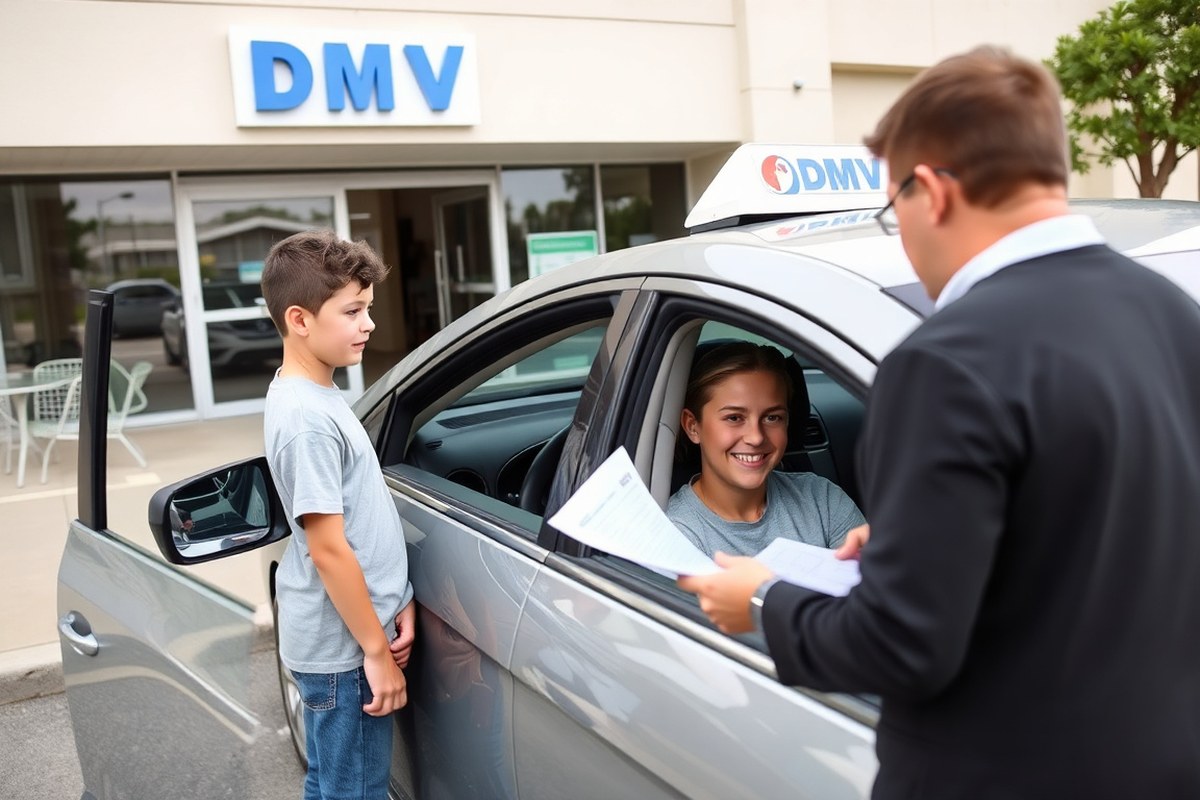
The DMV usually doesn’t supply a car for your driving exam. You’re expected to bring your own vehicle or find one ahead of time. Certain states or centers might offer cars to rent, but that’s rare.
Using your own car or borrowing from family or friends is common and often cheaper. You need to check your local DMV rules to avoid surprises. The car you use must meet safety and registration requirements before the test starts.
In some states, the DMV offers cars at extra cost, around $20 to $30 or more. This can ease worries about your car failing the inspection.
But renting a DMV car adds to your total test fees. So weigh your options first.
Key Takeaways
- The DMV usually expects you to bring a car for your driving test.
- Check your state DMV website for specific rules about test vehicles.
- Borrow or rent a car that meets all safety and registration rules.
- Some DMVs charge extra fees if you use their car for the test.
- Inspect your test vehicle before the exam to avoid last-minute issues.
- Consider renting a car from private providers licensed by the DMV.
Does the DMV Provide a Car for the Driving Test?
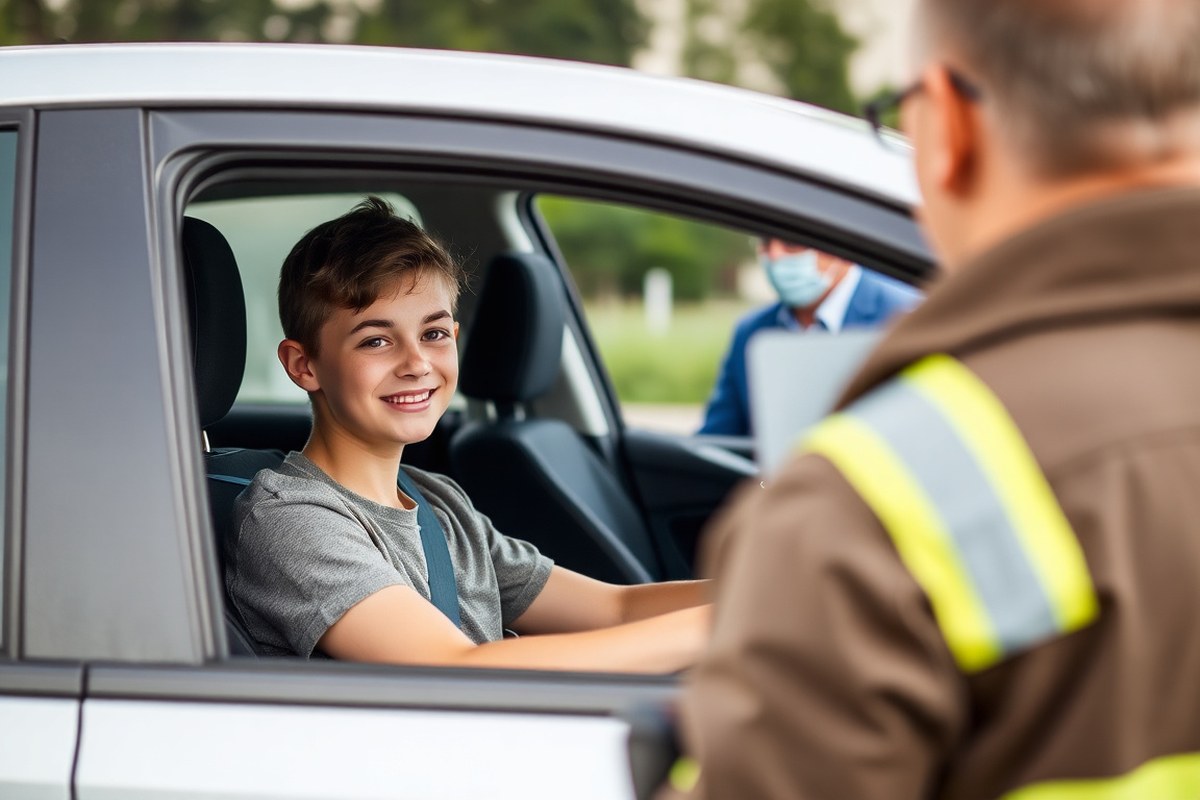
The DMV usually does not provide a car for your driving test. In most states, you must bring your own vehicle that meets state requirements. This is because the DMV focuses on testing your driving skills, not supplying cars.
Some states have rare exceptions. For example, California provides DMV vehicles only for commercial driver license (CDL) tests. New York sometimes allows the DMV to arrange a vehicle for tests.
These cases are rare and specific. Most drivers must provide their own vehicle. Most people need to find another way to get a car.
Driving schools often step in to fill the gap. Many schools offer rental vehicles for your road test at an extra cost. This helps learners without a suitable car of their own.
It’s useful if you can’t borrow from family or friends. This option can make your test possible. Private or third-party testing centers licensed by the DMV may offer a vehicle.
This happens sometimes, not always. Check with the center before your test.
The DMV avoids providing cars mainly due to liability and logistical challenges. Managing, maintaining, and cleaning vehicles for thousands of test-takers would require significant resources. It’s simpler to bring a registered and insured car.
Your vehicle should also pass state inspections. This makes the test safer for you.
Official DMV Vehicle Requirements for the Driving Test
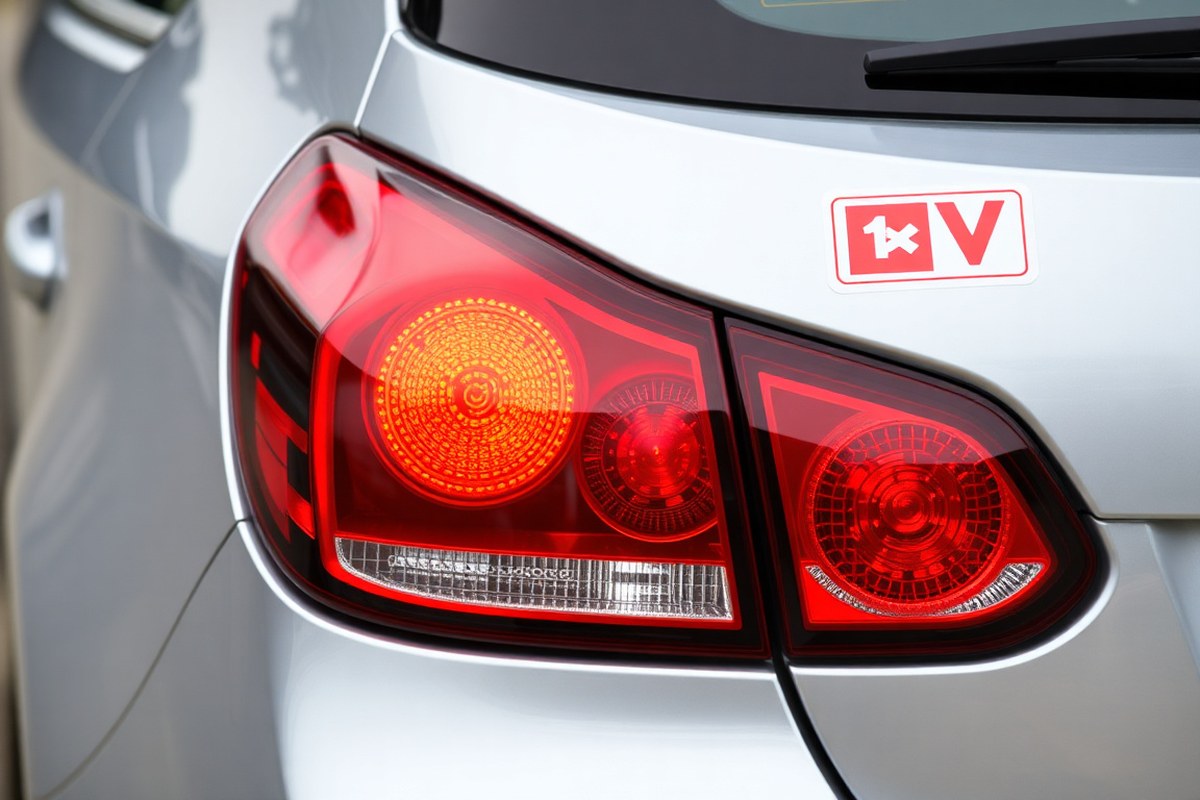
Your vehicle must meet specific safety and paperwork rules to be allowed for the driving test. The car should have working brakes, signals, brake lights, and horn.
The DMV examiner will check these on test day. You also need to have current registration and valid insurance in the vehicle owner’s name.
Safety rules are identical for manual and automatic vehicles. Testing in a semi-automatic car limits you to driving those cars afterward. Similarly, passing in an automatic means you cannot drive manual vehicles later.
Your test vehicle must meet safety standards and be street legal. This applies specifically in the location where you take your test.
- Valid registration sticker visible on the windshield
- Proof of insurance in the vehicle owner’s name
- All lights and signals working correctly
- Properly inflated tires with no major damage
- Operable horn and windshield wipers
- Seatbelts for the driver and examiner
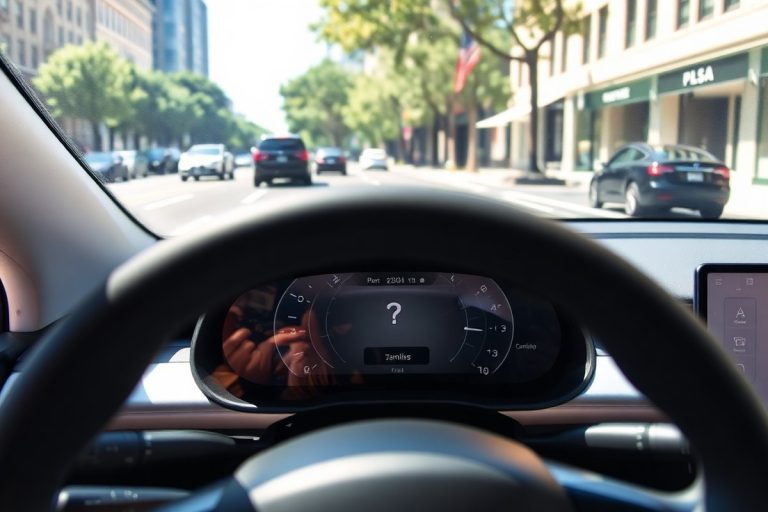
- No significant dashboard warning lights on
By law, your vehicle can’t have mechanical issues that affect safe driving. The examiner checks the car for five to ten minutes before you start. Any problem like broken lights or expired registration stops your test.
Your test will not start until issues are fixed. You will need to reschedule for another day.
Confirm your insurance and registration documents are inside the car before test day. Missing paperwork often cancels the appointment.
In some cities with low car ownership, the DMV might provide test vehicles. Still, most places require you to bring an eligible car.
Make sure you have permission from the owner if borrowing a car from family or friends. Driving school cars usually come insured and registered, but double-check before booking a test.
Using Family or Friends’ Cars for Your Road Test
You can take the driving test in a car owned by a friend or family. The car must follow DMV rules, like having insurance and registration. You need the owner’s okay and must get ready before test day.
Confirming Vehicle Eligibility and Paperwork
The car must be insured. It should be registered to the owner. Or, you must be listed as an allowed driver.
You need to bring the current registration card and proof of insurance to the test. Check if the car has any unpaid tickets or recalls that could cause issues.
Get a signed note from the car’s owner. The note must say you can use their car for the test. Keep the note with you on test day.
Some DMVs want this note, so it’s good to have on hand. Check if the owner’s insurance covers driving tests.
Make sure you have proper insurance as a driver. This avoids problems during your exam.
Ensuring the Car Passes Safety Inspections
The car you borrow must meet all DMV safety requirements on test day. Tires must have good tread, and brakes should work smoothly. Lights, horn, mirrors, and turn signals all need to function correctly.
Check the car’s windshield for cracks or chips that could block your view. Confirm the windshield wipers work well in case of rain. Before leaving, test the car’s lights and signals quickly.
Make sure every light works properly. This small check saves trouble at the DMV.
- Valid and current vehicle registration and insurance papers
- Working brakes, lights, signals, horn, and mirrors
- No major dents or broken windows obstructing view
- Tires with good tread and proper inflation
- No active recalls listed on the manufacturer’s website
- Owners’ written permission for you to use the car
Running through this list helps avoid a fail for vehicle problems. Sort out any problems with the car before test day.
Fix issues with the owner early to avoid last-minute stress. Don’t wait to handle this.
Coordinating Logistics and Test-Day Arrangements
Show up at the DMV 30 minutes early for your test. Use a clean and tidy family car for a good impression. Bring the car’s owner if you need help with papers.
Confirm the owner’s availability to drive with you to the DMV if needed. Have a backup plan ready in case the car fails. Prepare for car trouble or safety check failures.
This way, you’re not left without a vehicle. Keep the owner’s phone number handy during your test day.
Renting a Car for the DMV Driving Test: Pros and Cons
You can use a rental car for your DMV driving test. Each rental company has rules on who can rent and which cars qualify. Age limits and extra insurance might apply depending on the company and car model.
Rental car companies often require you to be at least 21 years old. Some set a higher limit, like 25, if the model is premium or special.
You also must tell the rental agent that the car is for a driving test. This helps ensure the car meets DMV rules.
| Rental Company | Allows for Road Tests? | Age Requirements | Special Notes |
|---|---|---|---|
| Enterprise | Yes, with restrictions | 21+ (25+ for some models) | May require additional insurance |
| Hertz | Yes | 20+ (25+ for premium) | Must specify test use when booking |
| Budget | Case by case | 21+ | Call location directly to confirm |
| Avis | Yes | 21+ | May have specific vehicles for tests |
Make sure the rental car meets DMV inspection rules before your test. The vehicle must have valid registration, insurance, and license plates.
In New York, out-of-state registration is okay if it matches state rules. Your car also needs a current state inspection sticker or your test will be canceled.
Some DMV offices do not accept rental cars or have location rules. Call the DMV in advance to check if rentals are allowed at your testing site.
Also, some driving schools provide rental cars for tests. They may charge a fee but handle inspection and insurance paperwork for you.
Use a rental car only if you can pass the DMV’s inspection on test day. Check brakes, lights, mirrors, tires, horn, and seat belts.
The examiner will cancel your test if the car fails any part of the inspection. This means wasted time and extra fees for another test appointment.
Before your test day, confirm insurance covers a rental vehicle for a driving test. Many personal auto policies exclude coverage for rental cars. You might need to buy extra coverage from the rental company.
Clarify these details when you book to avoid surprises. Also, only you and your examiner may be inside the car during the test. No friends or family can ride along.
How Driving Schools Can Provide Test Vehicles and Services
Many driving schools offer cars for your driving test. You can rent them or get one with a package. This gives you a ready car on test day.
These vehicles are usually fully insured and inspected to meet DMV standards. Renting a test car might include a pre-test lesson.
This helps you get used to the car before your exam. It can ease test day nerves.
Types of Driving School Vehicle Services
Driving schools commonly offer several options for test vehicles. You could rent a car just for the test day. Or pick a package that adds extra lessons.
Choose what fits your preparation needs. Some schools allow non-students to rent test cars. But they give priority to their own students.
These services usually come with a licensed instructor. They can drive the car to the DMV. They may stay with you during the test.
The vehicles meet all safety and equipment rules. So the DMV accepts them for the exam.
- Test car rental for the exam only
- Packages combining lessons and use of a test-ready vehicle
- Instructor accompaniment on test day
- Insurance and vehicle inspection included
- Priority access for current students
- Options for non-student rentals where available
Schools usually maintain the test cars to DMV standards. So you avoid common vehicle problems that could cancel your test.
Typical Fees and What They Cover
Renting a driving school car usually costs $50 to $150. The price depends on where you are and what’s included. Expect to pay more for extra services.
Many packages include a pre-test driving lesson and car use. Sometimes, they also provide an instructor during the exam.
It’s a convenient all-in-one deal. These all help improve your confidence and meet DMV rules.
You might pay extra if you reschedule your test. Multiple practice sessions with the car can also cost more. Plan your tests and lessons carefully.
Some schools charge separately for insurance or mileage. So ask for a detailed breakdown upfront.
Compare these fees to taking the test in a DMV car. This helps you pick what fits your budget and needs. Make an informed choice.
DMV cars usually cost over $100 in fees. They don’t come with preparation or instructor support. That can make your test harder.
How to Book a School Car for the Test
Start by contacting local driving schools and asking about “car for the test” services. Many schools require advance booking.
So call at least two weeks before your scheduled test date. Confirm the car meets your DMV’s vehicle rules and that an instructor will be available.
Be clear about your test location, date, and time to avoid scheduling conflicts. Some schools offer online booking or a phone reservation system for convenience. Ask what paperwork and documents you must bring, like proof of insurance or lesson records.
Always confirm your reservation a day before your test to avoid last-minute problems.
Preparing for the Test Day: Vehicle Inspection and Paperwork
You must pass a vehicle inspection before starting your DMV driving test. The examiner checks key safety features on the car. You also need to bring specific papers for both you and the vehicle.
Pre-Test Vehicle Safety Checks by Examiner
The examiner inspects the car to make sure it meets safety rules. They check lights, brakes, signals, tires, and horn for proper function. Windshield wipers, mirrors, and seatbelts also get tested to ensure they’re working.
The inspection includes: brake response, horn sound, signal lights, tire tread, and dashboard warning lights. The test won’t start when any part fails. A smooth brake pedal press and clear signals impress the examiner.
Required Documents for Test and Vehicle
You must bring your learner’s permit and official ID to the test. For the car, bring the vehicle registration and proof of insurance. The examiner must see these papers before you can drive.
Without valid registration or insurance, the DMV won’t let you take the test. Make sure the registration is current and the insurance covers you for driving tests. Paperwork must be original or official electronic copies.
Steps to Take If Your Vehicle Fails Inspection
The test won’t start when the examiner spots a problem. You can’t use the same car until it passes a new inspection. Fixing the issue quickly means you can reschedule soon.
Use the following steps if your vehicle fails the inspection:
- Ask the examiner which item caused the failure.
- Check your car using the examiner’s checklist or a maintenance guide.
- Make repairs or arrange for a mechanic’s help right away.
- Confirm repairs address all safety issues noted by the examiner.
- Gather all required documents for your next test appointment.
- Reschedule your driving test after the vehicle is fixed.
Common Reasons Vehicle Issues Cancel or Delay Driving Tests
Vehicle problems cause about 8% of driving test cancellations in New York. Many could be avoided with a simple inspection the day before. Common issues include faulty lights, expired registration, and flat tires.
You can prevent last-minute cancellations by checking your vehicle carefully. Test every light, signal, and the horn. Confirm your registration and insurance are current and in the car.
Make sure the tires have good tread and proper air pressure. Don’t forget to check the brakes and mirrors for proper function.
- Check all lights and signals the day before the test
- Ensure registration and insurance documents are in the vehicle
- Inspect tires for tread depth and tire pressure
- Verify the horn and brakes work properly
- Clean windshield and mirrors for clear visibility
- Bring proof of vehicle inspection if required in your state
Stay calm and act quickly if an issue shows up on test day. For small problems like a blown fuse or dead light, ask to reschedule. It’s okay to suggest taking the test later.
Some simple electrical or tire problems get fixed fast nearby. Auto parts stores often fix these in under an hour.
Have a backup plan. Use a reliable friend’s car or a rental if your vehicle won’t pass inspection.
Arrive early so you have time for a quick fix or to arrange a switch. Being ready shows responsibility and may save your test slot without losing fees.
How to Secure a Vehicle If You Can’t Provide One Yourself
You can still take your DMV driving test without owning a car. Some third-party driving schools or test centers rent out cars designed for the road test.
These cars usually meet DMV safety rules and come with insurance. Renting this way can cost extra, so ask about fees before booking.
Rental car companies sometimes offer vehicles for driving tests. But many DMVs don’t accept rental cars for the test. It’s important to call your DMV ahead to confirm if rental cars are allowed.
They must have insurance and pass the DMV’s safety check first. This step can save you from a test day cancellation.
Another simple way is borrowing a car from family or friends. Most DMVs accept personal vehicles if they meet all requirements.
Check that the car has valid registration and insurance. Make sure it passes safety inspection on the test day.
- Ask local driving schools if they rent test-ready vehicles.
- Check with the DMV for approved third-party centers offering test cars.
- Call rental agencies to confirm if their vehicles meet DMV policies.
- Verify the car’s insurance and safety inspection status before the test.
- Book your test once you secure a confirmed vehicle option.
- Prepare paperwork for the vehicle to bring to your appointment.
Always confirm with your DMV before your test that your vehicle is allowed.
Using a driving school car means the vehicle is ready and you get professional support. The cost can run from $50 to $150 extra, depending on your area.
Renting on your own might cost less but risks not passing vehicle rules. Borrowing a car usually costs nothing but requires trust and proper documentation.
Secure your vehicle a week before the test to avoid last-minute issues. Make sure the wheels turn smoothly, brakes work, and lights are fully operational.
The car needs to pass the DMV safety check on test day. You have to reschedule and bring a different car if it fails.
Tips to Avoid Common Vehicle Mistakes Before Your Driving Test
Tips to Avoid Common Vehicle Mistakes Before Your Driving Test
One frequent mistake is arriving with an unroadworthy vehicle. Test centers won’t allow vehicles with broken lights or faulty brakes.
Check these thoroughly well before the test day. So you have time to fix them.
Besides mechanical issues, missing paperwork often delays or cancels tests. You should bring the vehicle registration and proof of insurance. Without these, the examiner might not let you take the test.
Give the car a quick safety check on test day. This includes lights, turn signals, horn, and brakes. Make sure the seatbelt works and the tires have enough tread and air.
- Test all lights: headlights, brake lights, and turn signals
- Check tire pressure and tread depth using a gauge or penny test
- Make sure mirrors are clean and properly adjusted
- Verify the horn sounds clearly and brakes respond smoothly
- Confirm seatbelts latch and release easily
- Confirm you have the vehicle’s registration and insurance documents
- Arrive at least 15 minutes early to finish paperwork calmly
Not handling these checks can lead to automatic test failure or delays. For example, a burned-out brake light may cause rejection. Arriving late after rushing to fix these issues may stress you out.
Arriving early gives you time to address unexpected issues calmly. Even a simple fix like wiping dirty mirrors takes just a minute but helps your visibility. These small steps keep you from losing points over avoidable things.
Your vehicle’s tire pressure often costs nothing or a few dollars at service stations. Most lighting problems take minutes with a new bulb from local stores. Paperwork should be ready the night before.
Step-by-Step Action Plan for Your Driving Test Vehicle
Get your vehicle ready and know your options before test day. Follow these steps to secure a suitable car to pass your DMV driving test.
- Two weeks before: Check your car or the one you’ll use meets DMV rules. Make sure it has a working horn, signals, and seat belts.
- One week before: Schedule a quick safety inspection at a trusted mechanic. Fix any problems like brake issues or burned-out lights before the test.
- Three days before: Review the DMV’s vehicle requirements online to confirm no changes. Print or save the list for easy reference on test day.
- Two days before: If borrowing a car, confirm the owner allows its use for your test. Double-check insurance and registration documents are up to date.
- One day before: Pack your vehicle paperwork, your learner’s permit, and any required forms. Double-check that the car is clean and ready to drive.
- Test day: Arrive early to inspect the car with the examiner. Let them know you brought all paperwork and confirm the vehicle’s condition.
- After the test: Regardless of the result, review any feedback about your vehicle. Correct any issues before retaking the test if needed.
Frequently Asked Questions
Does the DMV Provide a Car for the Driving Test?
The DMV requires you to bring a vehicle for your driving test. You can use your own car or get one from a driving school or rental.
Can I Use a Rental Car for My DMV Driving Test?
Yes, you can use a rental car but check if the rental company allows it. Also, ensure it meets the DMV’s test vehicle requirements.
Are Third-Party Testing Centers Able to Provide a Car?
Some third-party testing centers licensed by the DMV may offer a car. Contact them to confirm their policies and availability.
Do All DMV Locations Allow Driving Schools to Provide Test Vehicles?
Not all DMV offices accept test vehicles from driving schools. Confirm with your local office before booking your test.
What Paperwork Do I Need If I Bring My Own Car to the Test?
You must bring the car’s registration, proof of insurance, and a valid inspection sticker. These documents prove the car is legal to drive.
Before You Go
The DMV usually does not provide a car for your driving test. You need a safe, legal vehicle that meets their rules to take the test.
Call a trusted family member or local driving school next. Book a suitable test car.