Can I Use Power Steering Fluid for Brake Fluid? What Actually Works and Risks
Can I use power steering fluid for brake fluid? No, they are not interchangeable.
Power steering fluid lacks the chemical properties necessary for brake systems. Using it can seriously damage brake components and reduce stopping power.
Power steering fluid is made mostly of lubricants. Brake fluid resists heat and absorbs moisture. Add power steering fluid into your brake system?
Flush it right away. Contaminated fluid can cause brake failure or corrosion.
Always check your vehicle manual for the right fluid type. Brake fluids like DOT 3 or DOT 4 have specific specs. Power steering fluid does not match these specs.
Don’t use power steering fluid when brake fluid runs out. Wait or find the correct replacement instead.
Key Takeaways
- Power steering fluid is not safe to use as brake fluid.
- Brake fluid resists heat and moisture better than power steering fluid.
- Flush the brake system immediately if power steering fluid is added.
- Always follow your vehicle’s manufacturer fluid recommendations.
- Power steering fluid mainly lubricates, brake fluid stops your vehicle safely.
- Using the wrong fluid can cause brake failure or power steering damage.
Can You Use Power Steering Fluid for Brake Fluid Safely?
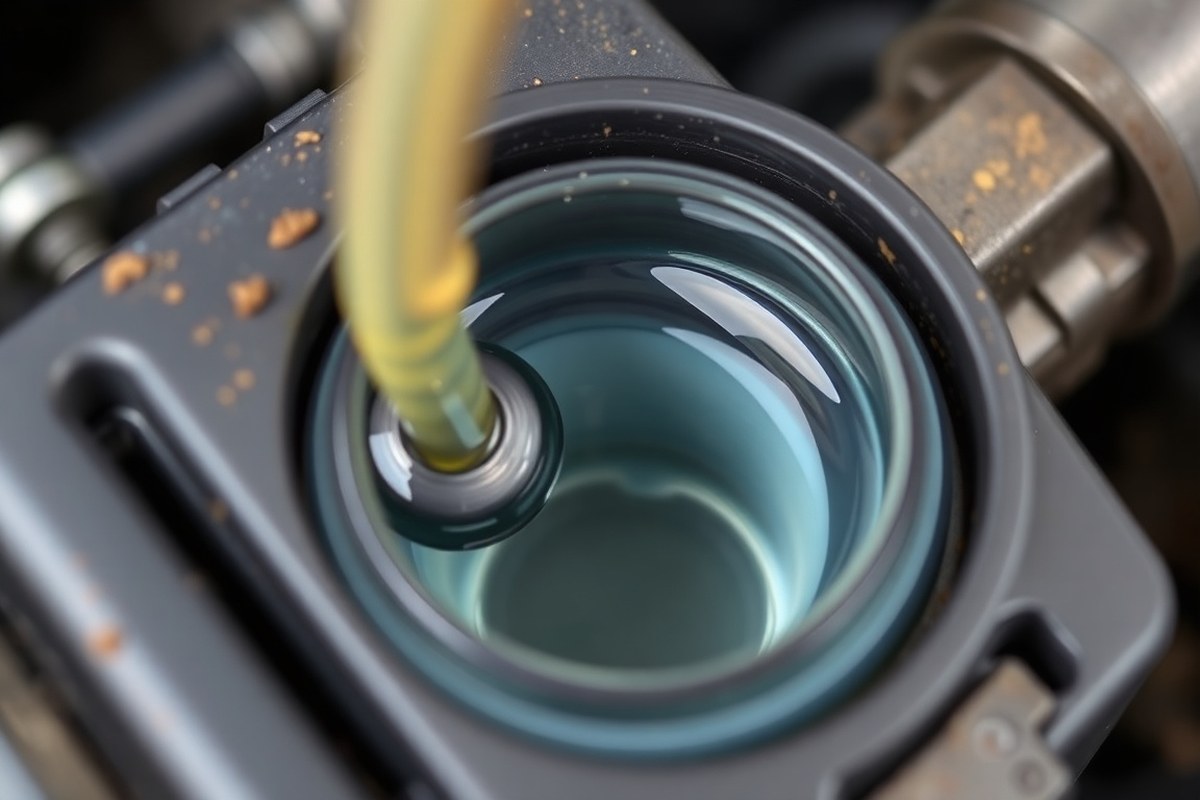
You must not put power steering fluid into your brake system. These fluids have distinct compositions and serve different functions in your vehicle. Using power steering fluid for brakes might lead to total brake failure.
Brake fluid is glycol-based or silicone-based, designed to handle high heat and pressure in braking. Power steering fluid is made from petroleum or synthetic oil. It helps grease the steering parts.
This fluid keeps steering smooth and easy. Mixing them puts your safety at serious risk because power steering fluid can’t handle braking demands.
Don’t replace missing brake fluid with power steering fluid for any reason. Use the brake fluid grade your car needs. It could be DOT 3, DOT 4, or DOT 5.
Check your car’s manual to know which one. Using the wrong fluid can cause leaks, corrosion, and complete system failure within days.
Using power steering fluid instead of brake fluid may seem easier. But this choice usually costs more later. Repairs become necessary after that.
You’ll need a full brake system flush and possibly new components if damage occurs. Fixing damage caused by wrong fluid takes more time and money. Buying the right brake fluid upfront is cheaper and faster.
Keep power steering and brake fluid separate and use only what your vehicle’s manual recommends. Doing so avoids the risk of system failure, expensive repairs, and most importantly, dangerous driving conditions. When in doubt, get the right brake fluid before you drive again.
Chemical and Functional Differences Between Brake and Power Steering Fluid
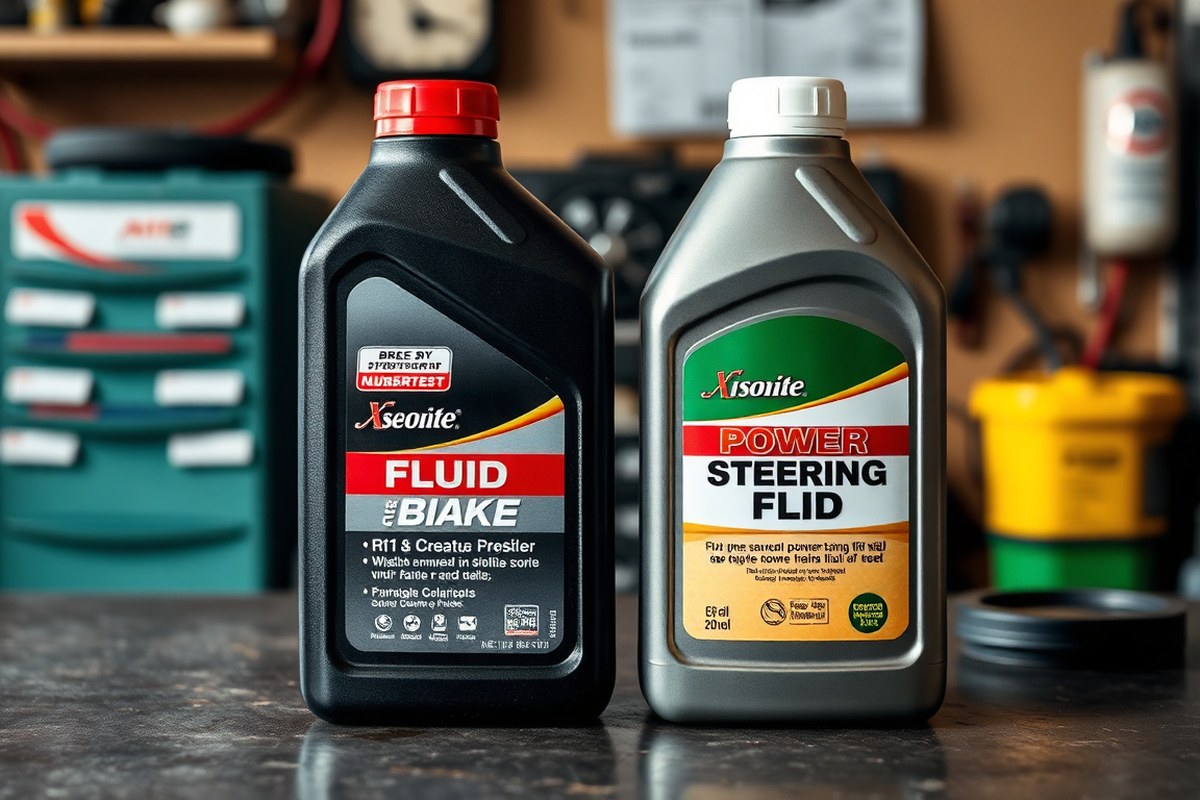
Brake fluid and power steering fluid differ chemically because they serve distinct jobs. Brake fluid is usually glycol-based, designed not to compress and to resist very high heat. Power steering fluid can be mineral oil or synthetic blends.
It lubricates moving parts. It helps you steer with less effort.
Boiling points show why the fluids aren’t interchangeable. Brake fluid’s boiling point hits around 300°C (572°F). This high number helps it handle the intense heat brakes produce without vaporizing.
Power steering fluid boils at a lower temperature. The steering system doesn’t heat up as much. This is why it has a lower boiling point.
Lubrication also varies greatly. Brake fluid doesn’t lubricate; it transfers force precisely through hydraulic pressure.
Power steering fluid needs to lubricate gears and seals to reduce wear and noise. Using the wrong fluid can cause part swelling, failure, and safety problems.
| Feature | Brake Fluid | Power Steering Fluid |
|---|---|---|
| Primary Purpose | Hydraulic braking | Hydraulic steering and lubrication |
| Chemical Composition | Glycol-based (glycol-ether, silicone) | Mineral oil-based, synthetic, or blends |
| Boiling Point | High, ~300°C (572°F) | Lower, varies (not specified) |
| Compressibility | Non-compressible for pressure | Compressible to reduce steering effort |
| Seal Compatibility | Compatible with brake system seals | Compatible with steering system seals |
| Lubrication | None; force transmission only | Important for protecting steering parts |
This table makes clear why swapping these fluids causes problems. Brake fluid’s formula absorbs moisture to avoid vapor lock. Power steering fluid doesn’t need this.
Also, brake fluid maintains firm, consistent pressure. Power steering fluid allows some compression to ease steering effort.
Never mix power steering fluid with brake fluid. It can damage seals quickly. Mixing fluids also creates serious safety risks.
How Brake and Power Steering Fluids Affect Vehicle Components Differently
Brake fluid and power steering fluid affect your vehicle’s parts in very different ways. Using the wrong fluid can ruin seals, hoses, and pumps.
These parts are made for specific fluids and chemicals. So a mismatch causes damage that often needs costly repairs.
Seals and Gaskets: Vulnerable to Fluid Type
Rubber seals and gaskets in the brake system only work well with brake fluid. Power steering fluid is thicker and has different chemicals. Putting power steering fluid in the brake system causes seal swelling or cracking.
Power steering seals fit fluids like power steering or automatic transmission fluid. Brake fluid damages these seals, causing them to fail fast. This failure results in leaks and pump issues.
Hoses and Lines: Fluid Compatibility Matters
Brake hoses are designed to handle brake fluid’s chemical makeup and boiling point. Using power steering fluid here can cause the hoses to soften and deteriorate. This raises the risk of leaks or hose bursts during braking.
On the other hand, power steering hoses are not built for brake fluid. Brake fluid swells and weakens these rubber hoses.
Over time, this swelling causes cracks and leaks. Hoses are important for system pressure, so damage can lead to steering failure.
How Mismatch Damages Pumps and Cylinders
The brake master cylinder relies on brake fluid to maintain pressure. Power steering fluid is incompatible and leads to seal swelling or corrosion. This causes hydraulic pressure loss and brake failure.
Power steering pumps can also fail if brake fluid enters their system. Brake fluid breaks down the seals and damages pump internals. This damage is usually permanent, requiring full pump replacement.
Damage Signs and Costs for Repairs
Swollen or cracked seals often cause fluid leaks. You might notice a soft brake pedal or steering that feels loose.
These are warnings of internal damage. A mechanic typically flushes the entire system and replaces all affected hoses and seals.
Costs vary depending on the parts replaced. Replacing seals and hoses might cost $150 to $300.
Pump or master cylinder repairs can push repair bills past $500. Ignoring damage risks system failure and even unsafe driving conditions.
Key Components Harmed by Fluid Mixing
- Master cylinder seals swell and leak
- Brake hoses soften and deteriorate
- Caliper seals fail, causing brake fluid loss
- Power steering rack seals crack and leak
- Power steering pump internals are damaged
- ABS system components can corrode internally
- Rubber hoses in both systems weaken and burst
Each part depends on the right fluid to maintain pressure and sealing. Using the wrong fluid starts a chain reaction of seal damage and leaks. Repairs require flushing, part replacement, and careful inspection to avoid hidden damage.
Visual and Physical Ways to Identify Power Steering Fluid vs Brake Fluid
Brake fluid usually looks light amber and flows thinly. It has a kinematic viscosity around 1,500 cSt at minus 40 degrees Celsius. Power steering fluid is often a deeper amber or reddish color and feels a bit thicker.
Both fluids can be amber or clear, depending on the brand. So color alone may not be enough to tell them apart.
You can also spot them by viscosity. Brake fluid is thinner to work well under high pressure but doesn’t lubricate. Power steering fluid is thicker because it also lubricates the system’s pumps and seals.
Feel a small drop between your fingers to check: brake fluid spreads quickly and feels slippery. Power steering fluid feels slick but holds its shape slightly longer.
Container markings help the most. Check the label carefully. Brake fluid containers usually list DOT ratings like DOT 3, 4, or 5.1.
These ratings tell you the fluid meets safety standards for brakes. Power steering fluid labels show what steering systems they fit. They usually say “power steering fluid” or “PSF.”
This helps you pick the right fluid.” The caps may have clear brake or steering symbols, too.
- Check the color to help identify the fluid type. Brake fluid is light amber or clear. Power steering fluid looks darker amber or red.
- Feel a drop of the fluid between your fingers. Brake fluid feels thin and runny. Power steering fluid is thicker to the touch.
- Read container labels for DOT ratings or power steering fluid markings.
- Brake fluid containers often mention “DOT 3,” “DOT 4,” or “DOT 5.1.”
- Power steering fluid bottles may say “PSF” or show steering wheel icons.
- Avoid guessing based on color if fluids have faded or mixed.
- Use clean containers and tools to avoid cross-contamination.
When checking your fluid, work in a well-lit space. Use a clean, dry cloth to dab a small amount on it. Avoid mixing fluids accidentally by using dedicated funnels and measuring tools for each system.
Knowing the right fluid stops damage in brake lines. Brake lines can’t take petroleum-based power steering fluid. It may swell or start leaking.
Knowing these visual and physical clues helps you avoid costly repairs. Misidentifying fluids often leads to brake failure or power steering pump issues. Taking time to check which fluid you have costs little.
It can save you hundreds of dollars later. This small step protects your car.
What to Do Immediately If Power Steering Fluid Is Added to the Brake System
The moment you spot power steering fluid in the brake system, stop driving. Immediate flushing is essential to prevent brake failure and costly damage. Follow clear steps right away to limit the risk.
Stop Driving and Inspect
Do not drive the car after power steering fluid contaminates the brake system. Driving can cause brake failure and risk your safety. Arrange for the car to be towed to avoid worsening damage.
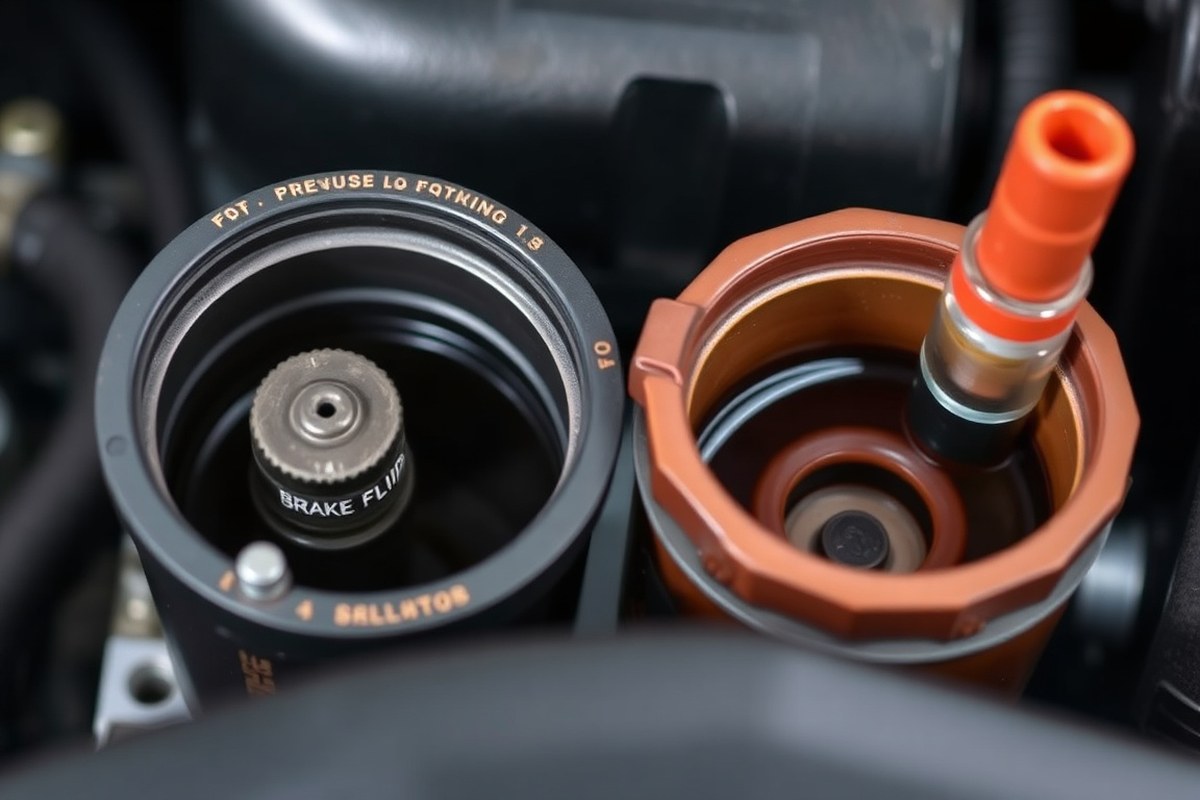
Open the hood and check the brake fluid reservoir for any signs of contamination. The fluid may be contaminated if it looks dark or feels different. Also inspect the power steering fluid reservoir to see if any cross-contamination occurred.
Drain and Flush Brake System
Remove all contaminated fluid from the brake system immediately. Flushing it out stops further damage to seals and brake parts.
Flush with clean brake fluid several times. Keep flushing until all power steering fluid is gone.
Many recommend a professional brake flush since the brake system needs special tools and careful handling. Choose to do it yourself?
You need to drain brake lines, calipers, and master cylinder. Refill the system several times.
- Lift the car and remove the wheels to access brake components.
- Use a brake bleeder kit to drain the contaminated brake fluid.
- Open bleed screws on each brake caliper or wheel cylinder.
- Continuously add brake fluid to the reservoir while bleeding brakes.
- Repeat the bleeding until the fluid runs clear and free of power steering fluid.
- Check the master cylinder for any residual contamination and flush if needed.
- Dispose of contaminated fluid per local regulations.
Do not skip bleeding any wheel; trapped contaminant can cause failure later.
Refill with Correct Brake Fluid
Only refill the brake system with the fluid type your vehicle requires. Read the owner’s manual for the recommended brake fluid type and specifications. Manufacturer guidelines ensure proper performance and safety.
Use fresh, unopened brake fluid from a sealed container to avoid moisture contamination. Improper fluid or old fluid will cause brake issues and corrosion. Avoid mixing different brake fluid types during refill.
Test Brake System Function Carefully
After flushing and refilling, test the brake pedal feel before driving. The pedal should feel firm, not spongy or soft, which indicates air or contamination remains. Pump the brakes slowly several times to check for consistent pressure.
Brake pedal feels odd or warning lights are on? Do not drive.
Return the vehicle to a mechanic for further inspection and possible repairs. Safe braking means avoiding the risk of failure on the road.
Effects and Dangers of Using Power Steering Fluid in Brake Systems
Using power steering fluid in the brake system causes immediate and serious problems. You might notice a spongy or soft brake pedal right away. The brake pedal may feel less firm when you press it, signaling fluid contamination.
Over time, power steering fluid damages rubber seals inside the brake system. These seals swell and break down from thicker power steering fluid. This fluid is less heat-resistant and does not match brake fluid.
The different formula causes damage over time. As the seals fail, leaks start, which reduces braking pressure.
This can quickly lead to brake failure. The brake warning light might come on your dashboard. You could also feel a noticeable loss of stopping power, which increases the risk of accidents.
Power steering fluid is designed for different conditions. It can’t handle the high heat and pressure in brakes like brake fluid does. The mismatch causes inconsistent braking performance that is unsafe for driving.
For electric power steering systems, fluid contamination causes other issues like torque sensor errors. These errors trigger warning lights and can even lock the power steering. This adds another layer of safety risk beyond braking problems.
Because of these dangers, avoid using power steering fluid in brakes. Contamination means you must flush the fluid system completely.
You also need to replace the seals. Repairs can cost several hundred dollars depending on your vehicle’s make and model.
Ignoring this can put you on the road with unreliable brakes. A soft pedal or sudden loss of braking power is serious. Warning lights also mean stop driving right away.
Get help to fix the problem immediately. Using the correct brake fluid ensures safe, predictable stopping performance in every situation.
Safe Alternatives and Emergency Options When Brake Fluid Is Unavailable
Brake fluid and power steering fluid serve different purposes and can’t be swapped. Brake fluid must meet strict standards to work safely under brake system conditions. Power steering fluid doesn’t handle the heat and pressure brakes generate.
Approved Brake Fluid Types (DOT 3, 4, 5.1)
Only certain brake fluids meet strict standards for safety and performance. These include DOT 3, DOT 4, and DOT 5.1 fluids. They are glycol-based and work properly under high heat and pressure without damaging components.
Always check the vehicle’s manual for the exact DOT specification. Using anything else risks brake failure or damage. These fluids absorb moisture but maintain consistent boiling points, important for braking reliability.
Power Steering Fluid as Emergency Option? Risks
Power steering fluid should not be used in brake systems, even in an emergency. It lacks the proper boiling point and chemical makeup required. This increases the risk of brake fade or system damage.
Some power steering fluids are mineral oil-based or synthetic but none meet brake fluid standards. Using them leads to seal swelling, corrosion, or brake failure.
When brake fluid is low, use the correct DOT fluid to refill it. Don’t drive the car without enough brake fluid, or safety risks increase.
Transmission Fluid and Synthetic Fluids: When to Avoid
Automatic transmission fluid (ATF) is sometimes recommended for some power steering systems. However, it does not work as brake fluid. ATF and synthetic fluids have different additives and viscosities.
Using transmission or synthetic fluids in brakes may cause seal damage and system failure. Avoid these fluids unless specifically listed as safe on your brake system label. Never risk safety by substituting them for brake fluid.
Here is a quick reference table to identify fluid reservoirs and their labels:
| Reservoir | Typical Label Information |
|---|---|
| Brake Fluid Reservoir | DOT Specification (e.g., DOT 3, 4, 5.1) |
| Power Steering Reservoir | Steering Fluid Requirement (Mineral, Synthetic, ATF) |
| Coolant Reservoir | Coolant Type |
| Engine Oil Fill Cap | Oil Grade |
| Transmission Fill Location | Transmission Fluid Specification |
Matching the correct fluid to the label avoids costly damage and safety risks. Always keep the proper brake fluid on hand for emergencies. Power steering fluid or other hydraulic oils do not replace it safely.
Maintenance Schedules and Manufacturer Fluid Recommendations
Brake fluid should be changed every 2 years or 20,000 to 45,000 miles. The exact timing depends on your vehicle manufacturer’s recommendation. Power steering fluid usually changes around 50,000 miles or as the manual suggests.
Using the right fluid type saves your vehicle from costly repairs and unsafe conditions. Your owner’s manual or the sticker under the hood lists the exact fluid needed. Brake fluid types include DOT 3, DOT 4, and DOT 5.
Using the wrong type can damage seals and hoses. Make sure to use the right fluid for your brake system.
- Check the owner’s manual for the recommended brake and power steering fluid types.
- Plan fluid changes around manufacturer time or mileage intervals.
- Inspect fluid color and level every few months for signs of contamination.
- Never substitute power steering fluid for brake fluid or vice versa.
- Keep a proper DOT-rated brake fluid in your trunk for emergencies.
Following these guidelines helps keep your braking and steering responsive. Using the wrong fluid, or delaying changes, leads to system failure or expensive repairs. Signs of old brake fluid include dark color and a spongy brake pedal feel.
Always replace brake fluid with the exact DOT type your vehicle requires for safety.
Repair Costs and Timeline After Fluid Misapplication Mistakes
Fixing damage from using the wrong fluid can get expensive fast. The longer you wait to address it, the more parts may wear out or fail. Brake and power steering systems rely on special fluids that protect seals and components.
For small fluid mix-ups caught early, a flush and refill might be enough. That usually takes 1 to 3 hours at a shop.
If parts like pumps, hoses, or valves get damaged, repair costs and time jump sharply. You might face a few hundred to over a thousand dollars.
Ignoring warning signs like leaks, noise, or poor steering feel can multiply repair bills. A damaged power steering pump can cost $400 to $700 to replace.
Brake system repairs often cost $200 to $600. But master cylinders or ABS parts push it higher.
| Repair Type | Typical Cost Range | Estimated Time | Notes |
|---|---|---|---|
| Fluid flush and refill | $50, $150 | 1, 3 hours | Best for early detection, no part damage |
| Power steering pump replacement | $400, $700 | 2, 4 hours | Needed if seals or pump fail from corrosion |
| Brake component repairs | $200, $600+ | 1, 3 hours | Includes hoses, calipers, or master cylinder issues |
| ABS system repair | $600, $1,200 | 3, 6 hours | Complex and costly if electronic units are damaged |
Replacing fluids right away reduces corrosion and wear. Flushing removes leftover wrong fluid and restores proper function. Use recommended brake or power steering fluid to prevent future issues.
Delaying repairs lets contaminants eat away seals and valves. This causes leaks and loss of steering or braking power. Shops need more time and parts to fix bigger problems, increasing costs.
Step-by-Step Action Plan for Handling Power Steering Fluid in Your Brake System
Fixing power steering fluid in your brake system needs quick action. Follow these steps to prevent damage and stay safe.
- Immediately: Stop driving and avoid pressing the brake pedal hard. This prevents fluid spread and possible brake failure.
- Within 1 hour: Check and note the type and amount of fluid added. This helps the mechanic know what cleanup is needed.
- Same day: Have a professional flush the brake system. They remove the wrong fluid to protect brake parts and restore performance.
- After flushing: Replace brake fluid with the manufacturer’s recommended type. This ensures your brakes work correctly and safely.
- Next day: Test your brakes at low speed in a safe area. Firm brake feel means the system is back to normal.
- Within one week: Watch for brake warning lights or soft pedal feel. These signs mean you should see a mechanic again immediately.
- Ongoing: Follow your car’s maintenance schedule for brake fluid changes. This avoids future mix-ups and costly repairs.
Frequently Asked Questions
Can Power Steering Fluid Damage My Brake System If Added Accidentally?
Yes, power steering fluid can damage brake lines and seals fast. You must flush the brake system quickly to avoid costly repairs.
Is It Safe to Mix Brake Fluid Types, Like DOT 3 and DOT 4?
Mixing DOT 3 and DOT 4 brake fluid is generally safe as they are compatible. Still, follow your car maker’s recommendation to avoid performance issues.
Can I Top Off My Car’s Power Steering Fluid with Any Automatic Transmission Fluid?
No, automatic transmission fluid is not the same and can harm your steering pump. Always use the fluid type listed in your owner’s manual.
How Often Should I Replace Brake Fluid to Keep My Brakes Working Right?
Replace brake fluid every 2 years or as your car’s manual says. Old fluid absorbs moisture and lowers braking performance.
What Causes a Spongy Brake Pedal, and Can Fluid Mix-Ups Be the Culprit?
A spongy brake pedal often means air or wrong fluid in the system. Power steering fluid in brakes can cause this issue quickly.
Key Points to Remember
You shouldn’t use power steering fluid as brake fluid. It harms brake parts and risks your safety. Get your brake system checked by a pro right away if this mix-up happens.