Can Low Oil Cause Overheating? What Actually Happens Inside Your Engine
Can low oil cause overheating in your engine? Yes, it can.
Low oil means less lubrication, so engine parts rub harder. That rubbing creates more heat that oil usually helps carry away.
Oil takes about 40% of the engine’s heat when it flows through moving parts. When oil drops below the minimum mark, heat builds up fast. The cooling system cannot cool it down quickly enough.
This causes the engine to overheat more easily. Your engine can get dangerously hot even if coolant and other parts work fine.
The best first step is to check your engine oil level. Top it up if it’s low, but only after the engine cools down.
Adding oil helps your engine cool off. But driving while oil is low can cause serious damage.
Key Takeaways
- Low engine oil reduces lubrication, causing parts to heat up quickly.
- Oil carries about 40% of the heat away from engine friction points.
- Overheating from low oil happens even if the coolant and radiator work well.
- Always check oil when your temperature gauge rises suddenly while driving.
- Never add oil to a hot engine; wait 15-30 minutes for it to cool.
- Regular oil changes prevent low oil levels that can cause overheating.
Can Low Engine Oil Really Cause Overheating?
Low oil alone can cause engine overheating because oil removes heat while lubricating moving parts. When oil falls below the minimum level, friction rises, making the engine hotter. This heat buildup can overwhelm the cooling system, even if coolant and radiator work fine.
Overheating can happen with full coolant if the oil is too low. Coolant moves heat away from the engine.
But oil handles about 40% of heat inside. Without enough oil, metal parts rub harder, adding heat faster than coolant can carry away.
Oil level is critical to temperature control because it affects lubrication and heat transfer. Less oil means less cooling and more wear on parts, raising the risk of damage. Check oil with the dipstick after the engine cools down.
This helps catch low levels early. It prevents overheating before it starts.
An oil warning light signals oil pressure is too low, which often means overheating is likely. Oil is slightly low and the engine isn’t hot? Add the right oil type.
Then, check for leaks around the engine. Temperature rises while oil is low.
Stop driving immediately. Let the engine cool before you continue.
How Engine Oil Helps Keep Your Engine Cool
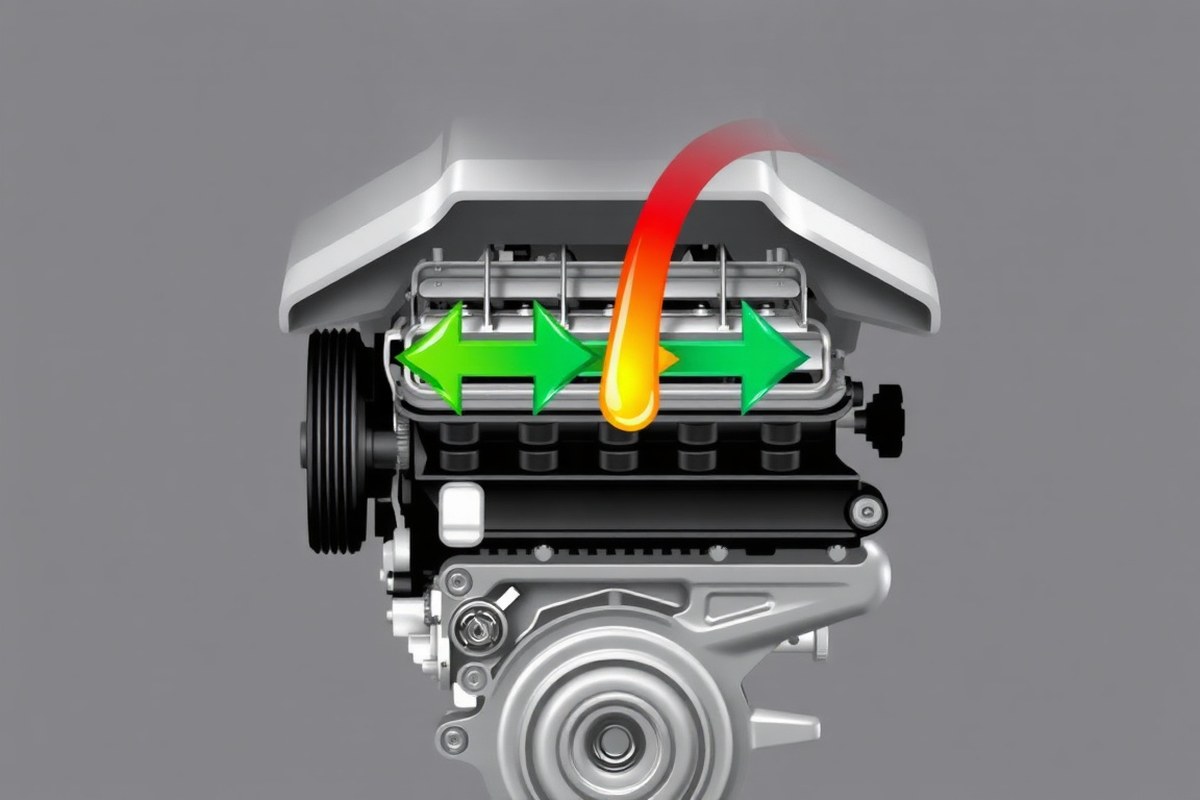
Engine oil helps cool your engine by absorbing and carrying away heat from moving parts. It works alongside coolant to keep your engine temperature within a safe range. Though coolant removes most heat, oil plays a key role inside the engine.
How Oil Absorbs Heat from Internal Parts
Oil coats metal surfaces and carries heat away from friction points like pistons and bearings. These parts generate a lot of heat when they rub together. The oil absorbs this heat and moves it to cooler areas of the engine.
This process helps prevent hot spots that cause damage. Without enough oil, heat builds up where metal parts contact, raising engine temperature quickly. Proper oil flow ensures heat spreads out instead of concentrating.
Heat Dissipation by Oil Compared to Coolant
Coolant removes about 70% to 80% of engine heat by circulating through the radiator. Oil handles the remaining 20% to 30%, mainly inside the engine block. Though it’s less, this oil cooling is important for parts that coolant can’t reach directly.
Coolant flows through passages around the engine, while oil travels through galleries inside. Oil absorbs heat from engine parts. Then it moves to the oil pan.
In the pan, it cools down before circulating again. This internal heat removal supports the coolant’s work outside the engine.
Why Coolant Can’t Replace Oil’s Cooling Role
Coolant stays in separate channels and never touches moving metal parts directly. It can’t absorb heat from friction or lubricate core engine components. Oil lubricates, cools, and cleans parts simultaneously, tasks coolant can’t do.
Without enough oil, friction increases and metal parts run hotter. Coolant alone can’t fix this because it doesn’t reduce internal friction. That’s why low oil raises heat even if the coolant system works fine.
The Impact of Low Oil on Engine Heat Control
When oil is low, less heat is removed from metal surfaces. Friction heat rises, and the primary cooling system works harder. The radiator and coolant can become overloaded, causing overall overheating.
This overload raises engine temperature quickly and can lead to severe damage. Adding oil lowers heat after the engine cools. But neglecting oil levels stresses the entire cooling system.
Maintaining Oil Levels for Proper Cooling
Check your dipstick regularly to keep oil at the right level. Using the correct oil type helps maintain proper flow and heat removal. High-performance engines may need synthetic oils that handle heat better, especially in hot climates.
Regular oil changes prevent sludge, which blocks heat transfer inside the engine. Clean oil carries heat more efficiently. Skipping oil checks or changes risks overheating and costly repairs.
Always check oil when the engine is cold for an accurate reading and to avoid burns.
What Happens Inside the Engine When Oil Is Too Low
When engine oil runs too low, friction between moving parts rises sharply. Oil acts as a lubricant, keeping these parts from grinding against each other. Without enough oil, pistons and bearings rub together directly.
This rubbing creates intense heat. The cooling system can’t handle all that heat.
As friction increases, the engine’s temperature climbs quickly. Oil also helps carry heat away from key components.
When there’s less oil, heat builds up inside the engine block, leading to higher overall temperatures. This extra heat can cause serious damage in a short time.
Parts that suffer first include piston rings, cylinder walls, and bearings. These surfaces rely heavily on oil to keep them cool and smooth.
Overheating caused by low oil can cause pistons to seize or cylinder heads to warp. This kind of damage often happens before the temperature gauge shows a clear warning.
Oil pressure falls when oil levels drop. There is less oil to circulate. Low oil means lower pressure in the system.
Low oil pressure reduces the oil’s ability to reach all critical engine parts. Low oil pressure causes some parts to get no oil.
Those parts experience more friction and heat. This condition worsens engine wear.
The oil pump struggles to maintain pressure when the level is below safe limits. That means less cooling and lubrication at key points.
Even a short drive with very low oil pressure can start causing irreversible damage. Stopping promptly after noticing low oil or overheating signs helps reduce this risk.
Running an engine with low oil is risky. Just a few minutes can cause sad damage. Pistons may seize and parts warp easily.
The temperature gauge may not immediately show these problems because heat builds internally first. This hidden heat stresses the engine and can lead to costly repairs.
Signs Your Car Is Overheating Because of Low Oil
Early signs of overheating due to low oil often include the oil-pressure warning light turning on. This light means oil isn’t reaching the engine parts fast enough or at the correct pressure. You might see the temperature gauge rise faster than usual.
The coolant level may still look fine. That can confuse you at first.
Later signs are louder engine noises caused by poor lubrication. The engine might sound like knocking or ticking because metal parts are rubbing without enough oil. You might smell burning, which means oil is overheating.
It could also mean oil is leaking onto hot parts. This smell is a warning sign.
- Red oil-pressure warning light glowing on the dashboard
- Unusual knocking, ticking, or grinding noises from the engine
- Rising engine temperature gauge despite good coolant levels
- Burning or oily smell near the engine compartment
- Visible oil leaks under the car or around engine seals
- Low reading on the dipstick when checking engine oil
- Engine hesitation or stalling in severe cases
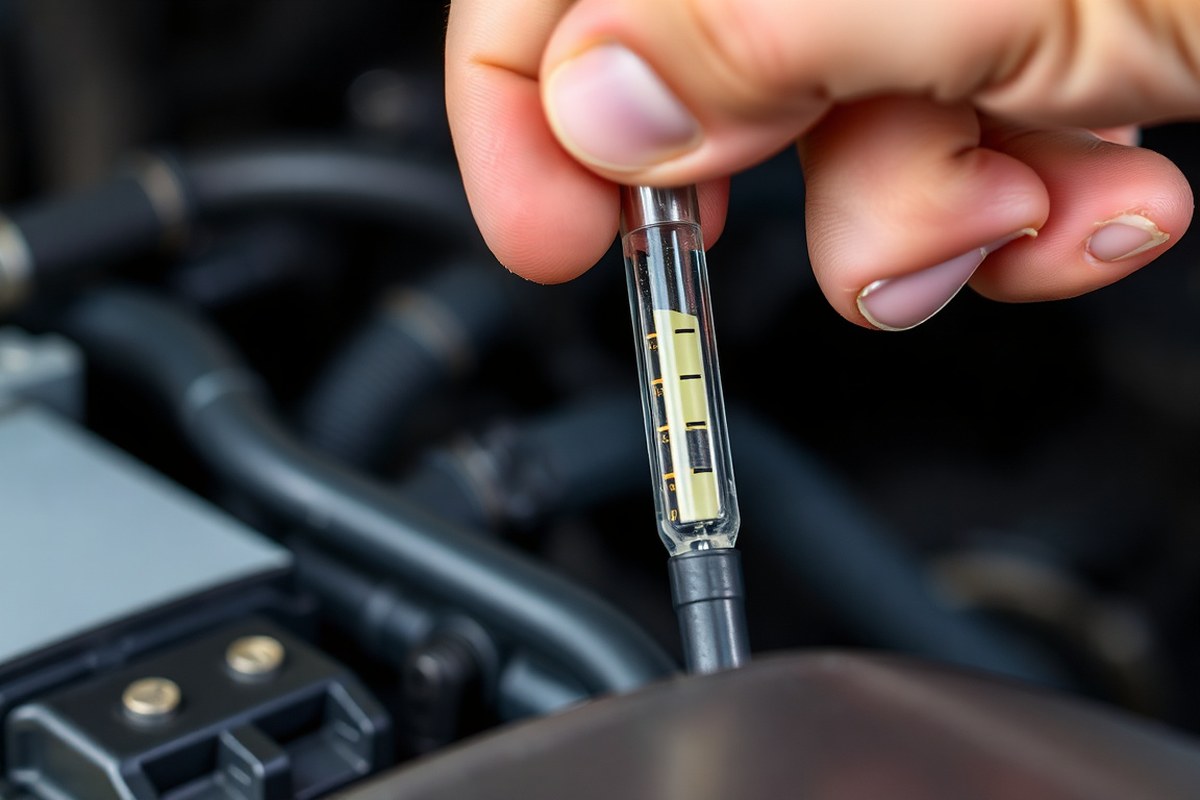
To spot these signs, check the oil dipstick regularly. Pull it out with the engine off and on level ground. Wipe it clean, reinsert fully, then pull it out again.
The oil level should be between the minimum and maximum marks. Anything below means your engine lacks sufficient lubrication and could overheat faster.
Inspect the engine for oil leaks too. Look under the car and around the valve cover gasket.
Oil spots on the ground or wet, dark stains on engine parts often point to leaks. They let oil escape, causing levels to drop without you realizing it immediately.
Listening closely when the engine is running helps. Low oil causes rougher sounds since metal parts lose their smooth motion.
Overheating oils can also emit a sharp burning smell that’s hard to miss. Ignoring these hints risks engine damage that may cost thousands to repair.
How to Check and Correct Low Oil Safely
Always check your oil level right to stop engine overheating. Add oil carefully to keep levels right. Use the dipstick only when the engine is cool.
Park your car on a flat spot before checking. Add the right oil type steadily after the engine cools to avoid damage.
Checking Oil Level with Dipstick
Wait at least 15 minutes after driving before measuring oil. The engine should be fully cooled to get a good reading.
Make sure your car is parked on level ground to get an accurate reading. Pull the dipstick out, wipe it clean, then reinsert it fully before checking again.
Check the oil level lines on the dipstick marked “Min” and “Max.” Your oil level should stay between these marks. Check oil at least monthly to avoid problems.
- Turn off the engine and let it cool for 15-20 minutes.
- Park the car on a flat surface to ensure accurate level reading.
- Open the hood and find the oil dipstick, usually marked with a bright handle.
- Pull out the dipstick and wipe it clean with a cloth or paper towel.
- Reinsert the dipstick all the way back into its tube.
- Pull the dipstick out again and check where the oil level sits between “Min” and “Max.”
- Note the oil color and consistency. It should be clear or light brown, not gritty or dark.
Never check oil right after driving; heat can cause inaccurate readings and burn you.
Adding Oil Without Damaging Engine
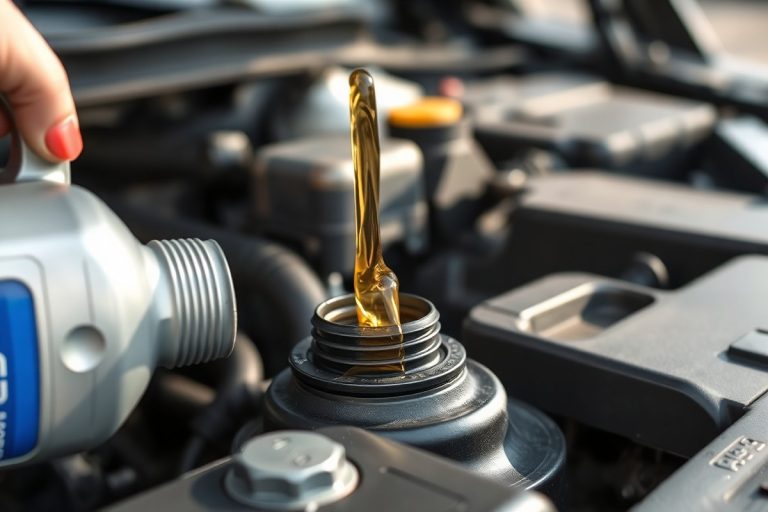
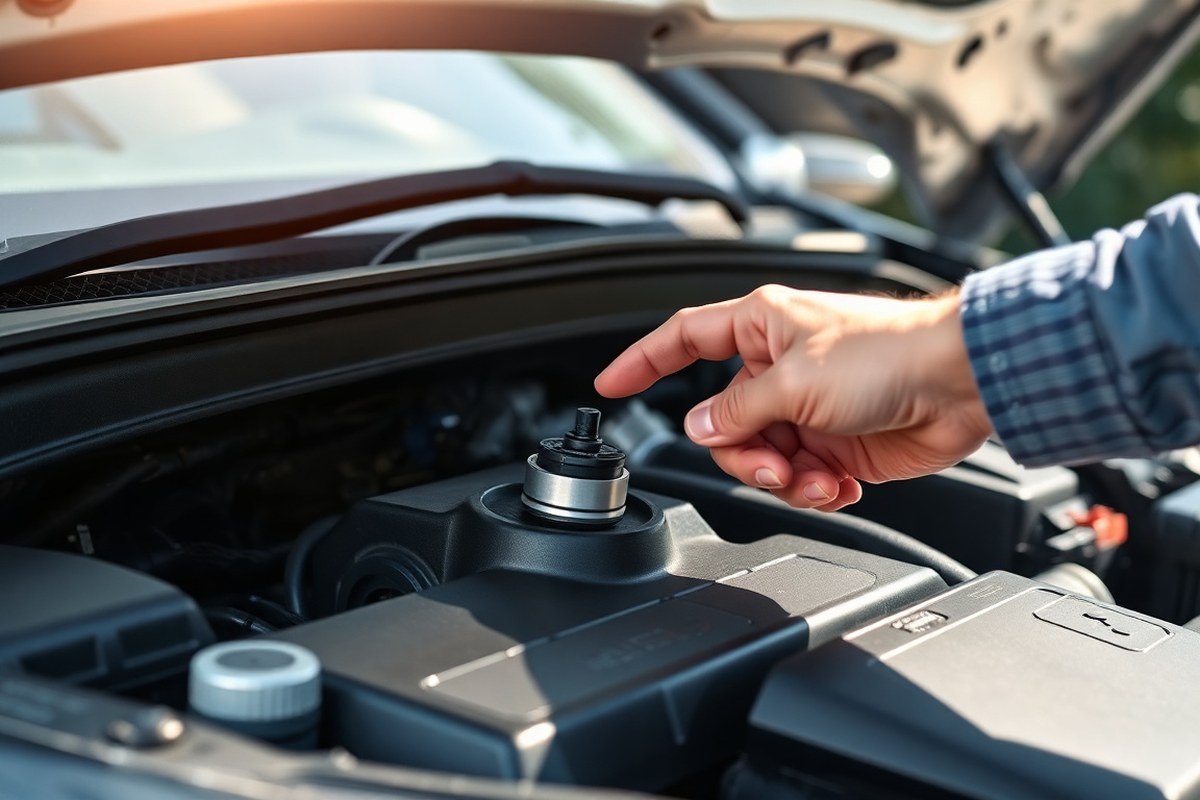
Only add oil when the engine is cool to avoid burns and prevent air pockets inside. Open the oil filler cap and pour slowly using a funnel to prevent spills. Add small amounts, then recheck the dipstick to avoid overfilling.
Add oil slowly and stop as soon as it hits the “Max” line. Overfilling can cause engine pressure problems. Overfilling can cause leaks and damage, so patience is key.
Topping up oil helps but doesn’t fix all damage if oil was very low. Always check often to avoid trouble.
- Make sure the engine is cool to the touch before adding oil.
- Remove the oil filler cap, usually marked with an oil can icon.
- Place a funnel in the opening to avoid spills.
- Add a small amount of oil (about half a quart or 0.5 liters).
- Wait a minute, then check the dipstick again for the new level.
- Repeat adding oil slowly until the dipstick reads near the “Max” mark.
- Replace the oil filler cap securely after finishing.
Adding oil to a hot engine risks burns and rapid oil breakdown.
Choosing the Right Oil Viscosity
Use the oil type and viscosity recommended in your vehicle’s owner manual. Common options for most cars are 5W-30 or 10W-30, which work well in various temperatures. Using the right oil helps the engine run cool and prevents wear.
Heavier oils like 15W-40 suit older or high-mileage engines but can thicken in cold weather. Synthetic oils cost more but offer better protection and last longer under heat stress. Avoid mixing oil types without professional advice.
Check the label and pick oil certified by the American Petroleum Institute (API) for best results. Stick to brands you trust to reduce the risk of overheating caused by poor lubrication.
Don’t guess oil type. Always pick what your car manual specifies to protect your engine.
How Low Oil Causes Overheating Compared to Cooling System Issues
Oil and coolant both manage engine temperature, but they do it differently. Low oil reduces lubrication and heat transfer inside engine parts. Cooling system faults limit coolant flow or cause leaks.
Looking closely at how each problem shows up helps you spot the cause. Temperature patterns, engine sounds, and warning signs vary between oil and cooling issues. The table below compares these key points.
| Aspect | Low Oil Overheating | Cooling System Overheating |
|---|---|---|
| Temperature Pattern | Slow, steady rise; often high idle heat; stable at highway speed | Rapid rise; fluctuates with speed and traffic; may spike quickly |
| Engine Sounds | Increased knocking or ticking from poor lubrication | Normal sounds unless engine suffers damage |
| Visible Leakage | No external leak, oil level drops over days or weeks | Steam or coolant puddles visible; sweet smell or residue |
| Dashboard Warning | Oil pressure warning light or low oil level indicator | Temperature gauge spikes; sometimes warning beeps or lights |
| When to Suspect This | Difficult starting, rough idle, or knocking before heat rises | Steam from radiator area, fluctuating temp, loss of coolant |
Low oil overheating often builds slowly. You might hear engine knocking at idle first.
When oil is low, watch temperature spikes carefully for more signs. Check your oil level every week to spot drops early.
Coolant problems usually show with steam or smelling coolant. You may notice the temperature jumps fast when stuck in traffic. When that happens, pull over safely and check for leaks or coolant.
Common Mistakes When Diagnosing Overheating and Fixes
Adding oil to fix overheating doesn’t always help. Oil is only one part of the cooling system. Other parts matter too.
Overheating can happen even with the right oil levels. Low coolant or a stuck thermostat are common causes. Check those too.
A blocked radiator or bad water pump can raise engine heat. This happens even if the oil level is fine. Watch for these issues.
Low oil and coolant issues often appear together when engine damage causes leaks. Overheating may damage seals or gaskets. You might notice oil and coolant leaks around the engine.
That can make both fluids drop quickly and worsen overheating. Look for puddles under your car.
Check for wet spots around the engine. Catch leaks early this way.
Don’t pour in oil and hit the road if your engine keeps overheating. Continuing to drive risks serious damage like warped cylinder heads or a blown gasket.
Pull over as soon as it’s safe, turn off the engine, and let it cool down. Opening the hood carefully might help you spot leaks or steam.
Testing the coolant level is just as important as checking oil. Check the radiator cap or translucent coolant reservoir. Do this when the engine is cold.
It shows if the fluid is full. Adding coolant is usually an affordable fix, running from $10 to $20 for a bottle. But a mechanic may charge more if a leak needs repair.
Another mistake is ignoring the engine temperature gauge until it hits red. Sometimes the needle climbs slowly, so catching it early helps avoid damage.
Stop the car if the gauge climbs above 210°F to 230°F. Then check fluids and look for leaks. Don’t keep driving hot.
Suspect a bad thermostat or water pump? Don’t fix it yourself without know-how. Call a professional if unsure.
These parts require tools and knowledge. Replacing them usually costs from $200 to $600 including labor. A licensed mechanic can diagnose and safely repair these issues to protect your engine.
After fixing any fluid or part problem, watch your car closely for a few days. Proper cooling lowers engine temperature to about 195°F to 220°F. This range keeps your engine running well. The engine still overheats?
Don’t guess the problem. Get a pro to check it out.
Preventing Engine Overheating by Maintaining Proper Oil Levels
Check your engine oil regularly to keep your engine from overheating. Many car makers suggest checking it at least once a month or every 1,000 miles. Use the dipstick to check oil level when engine is cold.
Park your car on level ground before checking. This gives the most accurate reading.
Changing your oil on time matters a lot, too. Fresh oil holds heat better and protects all engine parts from wear. Follow the oil change schedule in your owner’s manual.
It usually ranges between 3,000 and 7,500 miles. This depends on your car and oil type.
Good oil quality impacts your engine’s temperature control. Old, dirty oil loses viscosity and can’t absorb or carry heat well. Using the right oil weight and type recommended for your vehicle keeps your engine running cooler.
- Use the dipstick to check oil level monthly or before long trips.
- Change oil and oil filter based on your vehicle’s schedule or sooner if heavy driving.
- Choose oil with viscosity grades recommended in your owner’s manual.
- Avoid mixing oil types; topping up with the same brand and weight is best.
- Watch for oil leaks or smoky exhaust that can signal oil issues.
- Keep your engine clean to prevent oil breakdown and overheating risks.
Low oil reduces lubrication and cooling, causing the engine temperature to jump. You can prevent this by keeping regular oil checks part of your routine. Adding synthetic or conventional oil is quick and easy.
Use basic tools and spend just a few minutes. This saves you from expensive repairs later.
Never open your oil cap when the engine is hot to avoid burns or splashes.
Checking and changing oil is a cheap way to avoid overheating problems. Neglect can lead to serious engine damage, which costs hundreds or thousands to fix. Follow your maintenance schedule closely to protect your engine.
Watch your oil quality to keep the cooling system safe. This helps your engine run smoothly.
When to Stop Driving and Call a Mechanic for Overheating Issues
Stop driving when the temperature gauge hits the hot zone. Also, shut down the engine if the oil pressure light comes on. These signs show your engine is overheating.
Continuing to drive risks severe engine damage. Call a mechanic if you cannot safely address these issues on site.
Critical Temperature Signs to Stop Driving
The temperature gauge is your direct warning. It’s safe up to about midway on the dial.
But if it moves into the red or hot zone, shut the engine off right away. That heat level means the engine is too hot and could seize or warp parts quickly.
How hard you drive and outside temperature also affect this. Hot days or towing put more strain on your engine.
So the gauge can rise faster. Don’t push through high temperatures expecting the gauge to drop by itself.
Oil Pressure Warning Light Actions
The oil pressure warning light is a critical alarm and often comes on late. When the temperature turns red or the warning light comes on, pull over safely.
Turn off the engine right away to avoid damage. Running without oil pressure causes metal parts to grind, which leads to serious engine damage.
Check your oil level after stopping. When oil is very low or empty, adding some might help briefly. Do not keep driving long without fixing the oil level properly.
Call a mechanic if you find no leaks yet your oil is low. The problem could be internal and dangerous to ignore.
Safe Procedures While Waiting for Help
Park your car away from traffic on stable ground. Leave the engine off and open the hood to help cool the engine faster.
Don’t try to remove the radiator cap while the engine is hot. Hot steam or coolant can cause burns.
Use a cell phone to call roadside assistance or a mechanic. Avoid restarting the engine until a professional inspects it. Running it again could cause permanent damage if overheating or low oil pressure continue.
Step-by-Step Action Plan for Handling Low Oil and Overheating
Follow these steps to check and fix low oil causing your engine to overheat safely. This will help you cool down your engine quickly and avoid damage.
- Before you start: Park your car on level ground. Wait 15 minutes for the engine to cool.
- Day 1: Open the hood and use the dipstick to check the oil level. Add oil if below the minimum mark and check if the level rises properly.
- Day 1: Start the engine and watch the temperature gauge for 10 minutes. It should stay in the normal range without rising quickly.
- Day 2: Drive 10 to 15 miles and check the oil level again. Fix any leaks or unusual drops before continuing.
- After 1 week: Inspect the radiator and coolant for leaks or low levels. Top off coolant only if the engine is cool to avoid burns.
- After 2 weeks: Look for signs of overheating like steam, smells, or warning lights while driving. Note if these happen after oil checks.
- After 1 month: If overheating continues, arrange a mechanic check. Do this even after oil fixes.
Frequently Asked Questions
How Quickly Does Low Oil Level Cause Engine Overheating?
Low oil can cause overheating within minutes if the engine runs hard. It depends on how low the oil is and engine workload. Check oil often to catch low levels before the engine heats up.
Can Old or Degraded Oil Contribute to Engine Overheating?
Yes, old or dirty oil loses its cooling ability and can cause overheating. Changing oil regularly keeps the engine lubricated and cooler. Avoid skipping oil changes to prevent heat issues.
Does Oil Type Affect Engine Cooling and Overheating Risk?
Using the wrong oil viscosity can reduce lubrication and raise engine temperature. Always use oil grade recommended in your owner’s manual. Proper oil helps maintain engine temperature under normal driving.
Can Low Oil Pressure Trigger the Engine’s Temperature Warning Light?
Low oil pressure can cause the temperature light to come on due to less cooling. Oil pressure sensors detect poor flow that impacts engine cooling. Don’t ignore the warning; check oil level and pressure immediately.
Is Engine Overheating from Low Oil Reversible If Fixed Quickly?
Overheating from low oil can sometimes be reversed by adding oil promptly. If damage like warped metal occurs, the fix won’t undo it. Stop driving immediately when overheating happens to limit engine harm.
Key Points to Remember
Low oil can definitely cause your engine to overheat by reducing cooling and lubrication. Keeping your oil at the right level helps your engine run cooler and longer. Check your oil regularly and don’t wait to fix leaks or dropping levels.