At What Percent Should You Change Your Oil: A Complete Guide with Smart Scheduling Tips
At what percent should you change your oil is a common question. The easy answer is to plan your oil change around 15 to 20 percent oil life. Avoid waiting until it hits zero to prevent engine damage or poor performance.
Many vehicles show a “Change Oil Soon” alert near 15 percent. That’s your best signal to schedule the change soon.
But don’t panic if you miss it by a few percent. Most drivers get good results swapping oil before it drops below 5 percent.
Make sure to check your owner’s manual for specific recommendations. Keep the manual’s 7,500 miles or 12 months guideline as a backup plan. The oil life percentage works best as a flexible guide that adapts to your driving habits.
Key Takeaways
- Change your oil when the oil life drops between 15 and 20 percent.
- Don’t wait past 5 percent oil life to avoid engine wear risks.
- Use the “Change Oil Soon” alert as a prompt to schedule your service.
- Follow your owner’s manual interval if it differs from the oil life percentage.
- Plan oil changes at about 20 to 30 percent for extra engine protection.
- Remember, oil life percentage adjusts to your driving conditions automatically.
When Should You Change Your Oil Based on Percentage?
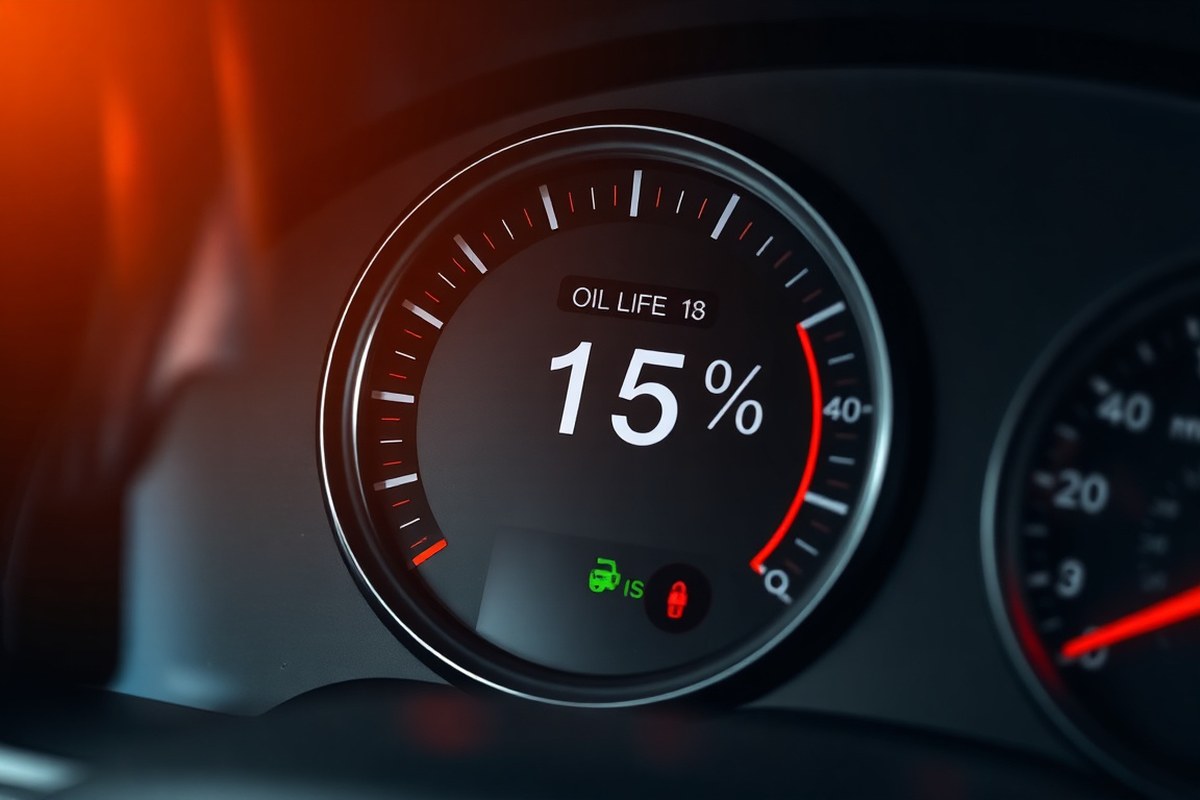
Change your oil when the oil life percentage drops to about 15-20%. This range signals it’s time to plan an oil change soon.
At 20%, your oil usually lasts about 1,000 miles. It also lasts for a few weeks before a change is needed.
Don’t wait until the oil life hits 0%. Running your engine on used oil risks damage, especially under heavy load or extreme weather. At 0%, the oil is overdue, and changing it immediately prevents engine wear and costly repairs.
Most car makers recommend following the oil life monitor’s alert, typically set at 15-20%. Schedule your oil change once oil drops below 20%. Finish it before or right at 0%.
Synthetic oils stretch miles longer and may let you wait closer to the lower end. But sticking with the monitor’s guidance is safer.
Driving mostly short trips, towing heavy loads, or stop-and-go traffic? Change oil earlier than 15-20%. These conditions wear your oil faster.
Plan your service as soon as oil life hits this range. This helps keep your engine safe.
Treat the oil life percent as a guide to plan a change. Your owner’s manual lists limits like 7,500 miles or 12 months for synthetic oils. Changing oil near 15% avoids last-minute rushes and bad oil.
In practice, note your oil life every few weeks. Once it drops to 20%, start looking for service appointments. At 15%, confirm your plan and be ready to change it soon.
Change your oil when the oil life hits 5% or lower. Do it as soon as possible, no matter what.
What Does the Oil Life Percentage Actually Measure?
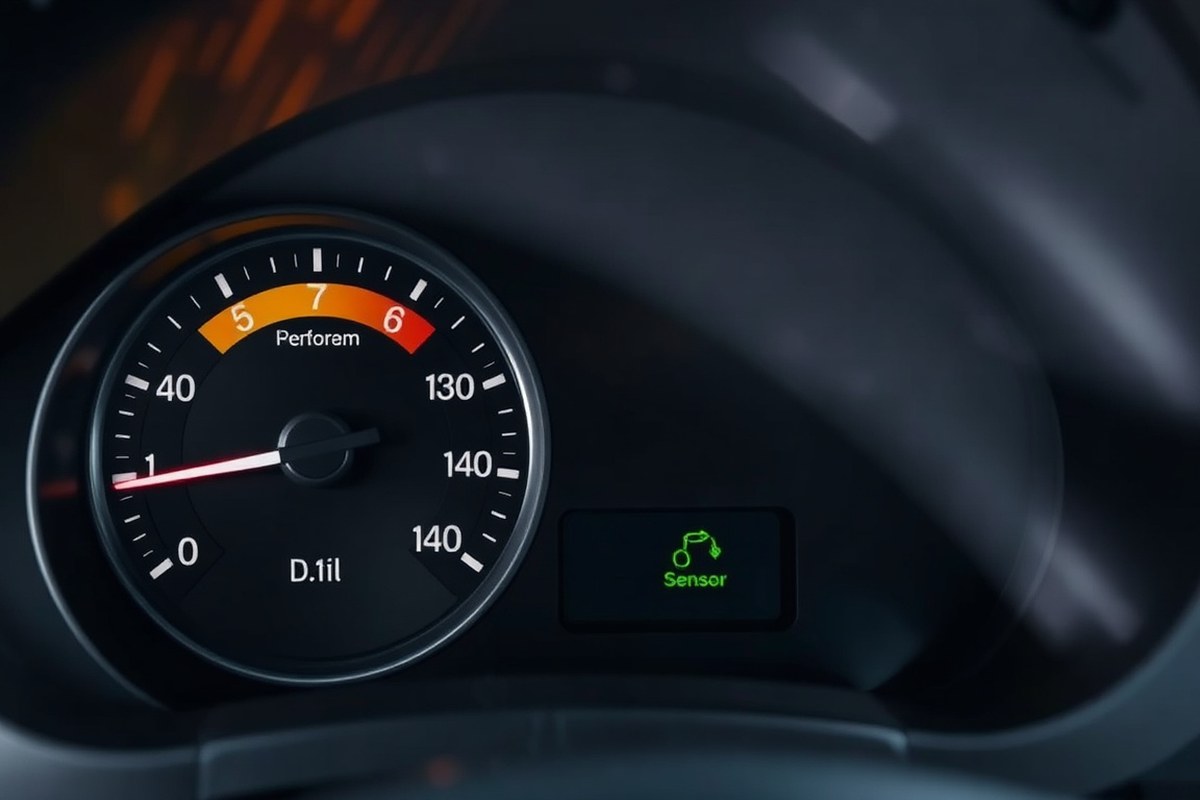
The oil life percentage is an estimate calculated by your vehicle’s computer. It factors in engine cycles, temperature, mileage, and driving patterns to guess when oil performance drops. This percentage doesn’t directly test your oil quality.
It guesses based on how you use your car. It helps predict when to change your oil.
How Oil Life Monitors Use Engine Data
Oil life monitors track many details like engine run time, start-ups, and temperature changes. The computer measures engine load and RPM to understand stress on the oil. This data feeds into an algorithm that estimates how much useful life the oil has left.
These monitors don’t analyze the oil’s chemical makeup. Instead, they rely on patterns known to degrade oil over time. It means the percentage changes with how you drive and engine conditions, not just miles driven.
Why Oil Life Percentages Vary from Mileage or Time
Time or mileage alone can’t tell you exactly how your oil is holding up. Oil life percentages differ because they include real-world factors like temperature swings and stop-and-go traffic. This makes the monitor more responsive than rigid mileage limits.
For example, short trips that keep your engine cold stress oil differently than long highway drives. Your car can show 27% oil life without reaching the usual mileage. The system calculates based on driving conditions, not just miles.
That explains why you see this percentage. The monitor adjusts for your actual driving habits.
Limitations of Oil Life Percentage Estimates
Since these monitors don’t test oil chemistry, they might miss problems like leaks or oil burns. Your oil level could be low while the percentage still looks good. It’s important to check oil level regularly alongside the monitor’s reading.
The system uses average data for oil formulation and engine design. It might not perfectly match your oil type or driving style. That’s why manufacturers set limits based on time and mileage alongside the oil life percentage alert.
Steps to Understand and Use Oil Life Percentages
Keep an eye on the oil life percentage as it falls. Below 15% usually signals you need an oil change soon. This is a common alert for drivers.
Check your oil level and look for leaks or discoloration during those times. Plan your oil change before the meter reads 0%.
Also, change the oil if you reach the set mileage. This helps keep your engine safe.
Use your vehicle’s owner’s manual to confirm recommended intervals for your specific oil type. A full synthetic might allow longer intervals.
But the monitor still gives a good estimate. Keep in mind some driving patterns can shorten the oil’s effective life.
Don’t rely solely on the oil life percentage. Always check oil level and oil color regularly to catch early issues.
How Driving Conditions Affect Oil Life and Change Intervals
Severe driving conditions speed up oil degradation compared to normal driving. Regular short trips, heavy stop-and-go traffic, and towing put extra strain on the oil. These habits cause the oil life percentage to drop faster and need earlier changes.
Extreme temperatures also affect how oil holds up. Hot weather can thin oil, reducing its ability to lubricate well.
Cold weather thickens oil, which can increase engine wear at startup. Both extremes lower oil life and force more frequent oil changes.
Short trips under 5 miles don’t let the engine fully warm up. This causes condensation and fuel to mix with the oil, making it break down sooner. Towing heavy loads adds contaminants to your engine oil.
Driving on rough or dusty roads causes heat stress and dirt buildup. Both reduce your oil’s life.
- Limit idling and short trips to keep oil life longer.
- Change oil every 3,000 to 5,000 miles when towing or in stop-and-go traffic.
- In mild weather, rely on your oil life monitor for updates. Alternatively, replace your oil every 5,000 to 7,500 miles. This helps maintain engine performance.
- Use synthetic oil in severe conditions for better protection and longer oil life.
- Reset your oil life monitor after each change to keep accurate tracking.
Older cars may require stricter mileage-based schedules with separate intervals for severe service. Watching your oil life percentage helps you adjust intervals based on your driving.
Your oil life below 5% means you should schedule an oil change soon. This is especially true after heavy use or tough conditions.
Severe driving pushes the oil life meter down faster. So don’t wait until it hits zero.
Planning oil changes earlier protects your engine and prevents costly repairs from degraded oil. Adjust your habits and oil change timing to match the conditions you drive in.
Differences Between Synthetic and Conventional Oil in Percentage-Based Changes
Synthetic oil lasts significantly longer than conventional oil under similar conditions. After about 4,000 miles, synthetic oil still retains good quality at 40% oil usage. Conventional oil breaks down faster.
Synthetic oil lets you extend your oil change intervals. You can go up to 10,000 to 15,000 miles before changing it. This is longer than with regular oil.
Many oil life monitors don’t distinguish oil types, so knowing synthetic oil’s benefits matters. It usually offers about 47-50% better stability and performance. You can wait longer before changing synthetic oil safely.
Conventional oil needs to change about every 5,000 miles. So synthetic oil cuts down the number of changes.
| Factor | Synthetic Oil | Conventional Oil |
|---|---|---|
| Oil Life at 4,000 miles | 40% used, still good quality | Breaks down faster, needs earlier change |
| Recommended Change Interval | 10,000 to 15,000 miles | About 5,000 miles |
| Typical Cost for Oil (5 qt) | $22.95 to $48.50 | Lower, $20 to $25 |
| Performance Stability | Consistent molecular size and longer lasting | Variable molecular size, shorter life |
| Labor Cost (Oil Change) | About $80.50 | About $80.50 |
| Filter Cost | $9 to $25, depends on brand | Lower to mid-range |
The decision to pay more for synthetic oil depends on your driving habits. Driving long distances often means synthetic oil saves you money.
It also reduces engine wear with fewer oil changes. For short trips and lower annual mileage, conventional oil is usually enough.
Changing oil at 20 to 30% oil life is smart, especially for synthetic oils. Start scheduling service then and complete it by 0, 5% to protect your engine. For conventional oil, stick closer to recommended miles or percent because it degrades quicker.
Risks of Ignoring Oil Life Alerts Below 15% and At 0%
Driving with oil life below 15% starts to push your engine closer to trouble. At this stage, the oil no longer protects your engine as well as it did. It loses its power to reduce friction.
This makes parts wear out faster. Your engine’s fuel efficiency might drop too.
Many car owners wait a few miles past 15%. They feel okay if they just checked the oil. But the risk begins to rise the longer you wait.
Driving 500 miles past 15% can cause tiny scratches inside cylinders. These scratches grow four times more, cutting engine life over time.
When oil life hits 0%, your engine’s risk jumps sharply. At this point, the oil loses most of its ability to lubricate surfaces. As metal parts rub harder against each other, heat and wear increase quickly.
This leads to engine knocking and overheating. The engine can seize, which means it stops working completely.
Lubrication failure is the root cause of these problems. Without good oil, metal surfaces grind together, causing damage that’s often irreversible.
It hurts engine performance and causes costly repairs. Fixing pistons or bearings can cost thousands.
Modern engines and oil formulas have extended oil change intervals, sometimes reaching up to 7,500 miles. However, ignoring oil life below 5% greatly heightens the chance of costly damage.
Some drivers mistakenly think oil at 0% still works enough to drive safely. But by then, oil breakdown is severe, and it has lost its protective qualities almost completely.
A daily driver ignoring 0% oil life risks engine failure fast. Even a short drive at this point is risky.
The engine might overheat during busy traffic or hill climbs. This can cause shutdowns or repairs costing over $2,500.
Consider how tough driving conditions affect this risk. Easy highway miles use oil more gently.
But stop-and-go city driving or towing heavy loads breaks down oil faster. Ignoring oil life alerts in these tougher situations increases how quickly wear accelerates and damage begins.
Don’t wait to change oil after it hits 15%, especially below 5%. This helps avoid costly repairs and sudden failure.
How to Monitor and Manage Oil Life Percentages Effectively
Check the oil life percentage at least once a month. Schedule an oil change when it reaches 15% or less. Reset the oil life monitor only after a full oil change to keep the readings accurate.
Step 1: Understanding Your Oil Life Monitor Display
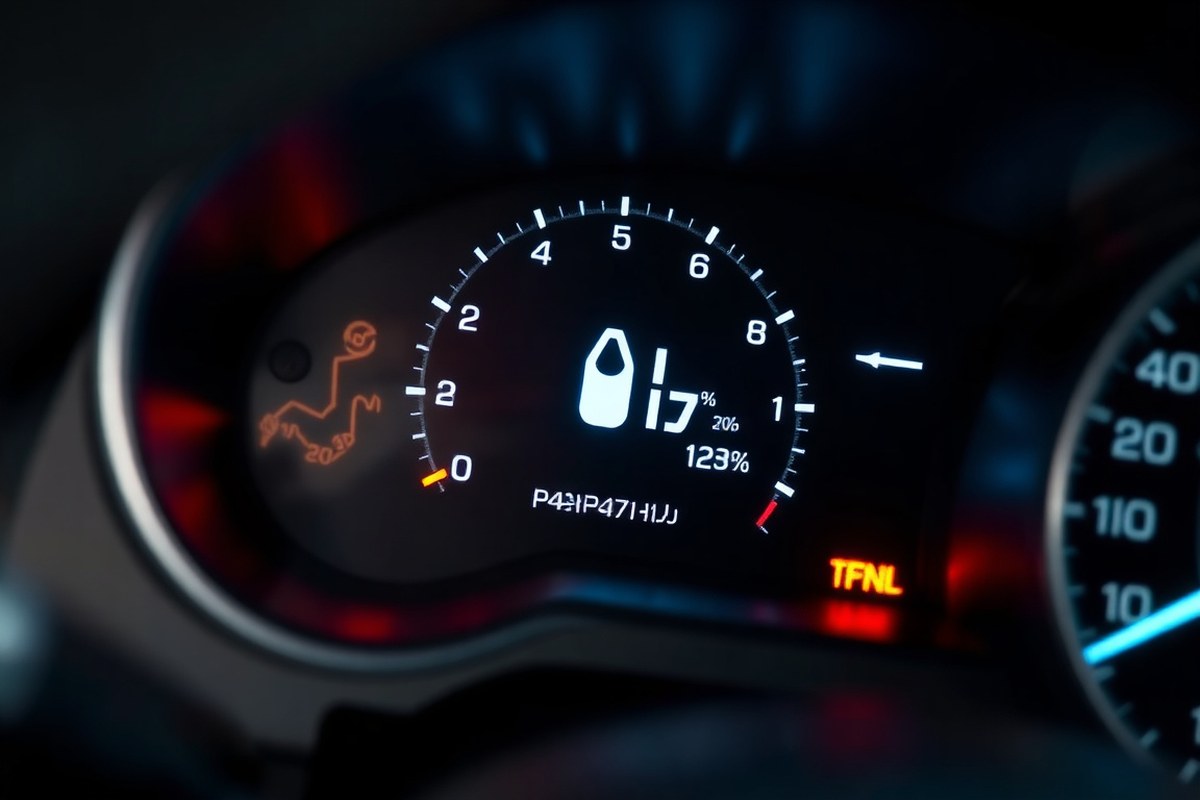
Your oil life monitor shows a percentage based on your car’s oil condition and usage. When it reads 100%, it means the oil was just changed and the monitor reset properly. As you drive, the percentage counts down towards zero.
Keep an eye on messages like “Change Oil Soon,” which often appear around 10%. These alerts tell you the oil needs attention without waiting for the gauge to hit zero. Watch for your vehicle’s specific warnings to avoid engine wear.
Step 2: Checking Oil Levels and Condition Regularly
Oil life percentage does not measure your oil level. So check your oil at least monthly.
Use the dipstick to measure the level and look for a clear amber color. Low or dirty oil can hurt engine parts, even if the percentage looks fine.
Top off oil if it’s below the minimum mark. Running your engine dry or with old, dirty oil leads to costly repairs. Driving in harsh conditions might require you to check oil more often than usual.
Step 3: Scheduling Oil Changes Before 10-15%
Plan your oil change when the oil life hits 15%. This buffer gives you time to book an appointment without rushing. When you spot warnings near 10%, book a service soon to avoid urgent needs.
Frequent short trips or heavy city driving can wear oil faster. In such cases, consider changing oil closer to 10%. Staying ahead avoids engine damage and higher repair costs down the road.
Step 4: Resetting the Oil Life Monitor Properly
Only reset your oil life monitor after replacing oil and filter during the change. This updates the system to 100%, letting it track the new oil carefully. Missing this step leads to wrong readings.
Use your owner’s manual for the reset method. It usually involves pressing buttons on your dashboard display or using the car’s infotainment system. Don’t reset without changing the oil, or the monitor will give false data.
- Check the oil life percentage on your dashboard at least once a month.
- Inspect the oil level using the dipstick and add oil if low.
- Watch for oil change alerts around 10-15% oil life remaining.
- Book your oil change appointment before the oil life drops below 15%.
- Change the oil and oil filter according to your car manufacturer’s specs.
- Reset the oil life monitor after completing the oil change.
- Repeat this process regularly to keep your engine protected.
What to Do When Oil Life Drops Faster Than Expected
Oil life drops faster during tough driving like stop-and-go traffic. It also lowers in extreme heat or when towing heavy loads. These conditions wear down oil quicker.
Using cheaper oil or missing previous changes can also cause a quicker drop. Engine problems like leaks or burning oil may not show in oil life.
The oil life percentage might not reflect these issues clearly. Watch for signs beyond the monitor.
Leaks and engine problems definitely affect oil quality and quantity. Don’t wait for oil life to reach 15% if oil is low or smells like fuel.
Also, act quickly if you see any oil leaks in your vehicle. Pressure warnings or unusual engine sounds mean get checked as soon as possible.
It’s smart to change oil sooner than the monitor suggests during issues. Harsh driving also calls for earlier oil changes. Don’t rely only on the monitor.
Sticking strictly to the percentage without physical checks can risk damage. It can cost between $30 and $100 at a shop. But costs rise if your engine suffers damage from bad oil.
- Check oil level with the dipstick weekly to catch leaks early.
- Look for oil stains under your car after it rests overnight.
- Verify the oil smell isn’t strong like gasoline.
- Watch for dashboard warnings about oil pressure or engine performance.
- Note if oil changes have been delayed beyond 7,500 miles or six months.
- Inspect the oil color, dark and gritty oil signals trouble.
Follow this checklist anytime your oil life drops much faster than normal. Acting quickly helps avoid costly engine repairs. Unsure about oil life drops?
Have a licensed mechanic check for leaks or faults. They can find hidden problems affecting oil condition.
How Manufacturer Guidelines Compare with Oil Life Monitor Recommendations
Your owner’s manual and your oil life monitor both guide oil changes. But they serve different roles. The manual sets intervals based on miles or time.
For example, every 5,000 miles or six months. This helps you plan oil changes properly. The oil life monitor changes based on how you drive and engine wear.
It shows a percentage that goes down with use. This tells you when to change oil.
Usually, these methods match if you use the right oil. Reset the monitor after every oil change. Then both ways will guide you well.
Problems arise when driving habits or conditions differ from those assumed by the manufacturer. Then, the monitor’s percentage becomes a suggestion, not a rule.
| Oil Change Interval Type | Common Mileage/Time Interval | Oil Life Monitor Alert | Key Considerations |
|---|---|---|---|
| Manufacturer’s Time-Based | Every 6 months | Not applicable | Works well if driving conditions are typical |
| Manufacturer’s Mileage-Based | Every 5,000 to 7,500 miles | Not applicable | Depends on assumed average driving patterns |
| Oil Life Monitor | Varies with use | Typically alerts near 15% oil life remaining | Only accurate if correct oil is used and monitor reset |
| Forced Oil Change Warning | After 0-5% oil life | Mandatory service alert | Oil must be changed before reaching this to avoid damage |
Follow the owner’s manual for oil changes, especially if your driving keeps to normal conditions. The oil life monitor works as a backup check if it’s reset after changing oil. It should track your oil’s condition correctly.
This helps you avoid missing a change. Use the oil life monitor alerts to adjust when you change oil.
Don’t replace the manual’s schedule with it. The manual’s guide is still the base plan.
Car brands and models may have different oil life system behaviors and alert thresholds. Some cars advise oil changes at 15% oil life; others might warn later. This variance depends on how manufacturers calibrate their systems based on engine design and oil specifications.
Always change your oil before the monitor hits 5% to prevent engine damage.
DIY Oil Change: Tools, Steps, and When to Call a Professional
Changing your oil yourself saves money and gives you control over maintenance. You’ll need a few tools and clear steps to do it safely. Know when to stop and call a professional to avoid costly mistakes.
Essential Tools for Changing Oil
You need basic tools that are easy to find in auto stores or online. These tools help you drain old oil, replace the filter, and refill fresh oil cleanly.
Make sure you have an oil filter wrench and a drain pan. Get a funnel, the right oil, and a new filter.
Also, wear gloves and have rags ready. A jack or ramps help access your car’s underside safely.
Step-by-Step Oil Change Process
Follow these steps carefully to avoid spills or damage. This takes about 30 minutes for most cars, and costs around $40 for supplies.
- Warm up the engine for five minutes to thin the oil, then turn it off.
- Lift the car with a jack or ramps and secure it with stands.
- Place the drain pan below the oil drain plug.
- Use a wrench to unscrew the drain plug and let old oil drain out completely.
- Remove the old oil filter with the oil filter wrench, letting it drain into the pan.
- Put a bit of new oil on the oil filter’s rubber seal. Screw the new filter in by hand. Avoid using a wrench at first.
- Put the drain plug back in place. Tighten it to 25-30 ft-lbs torque. Check your car manual for the exact number.
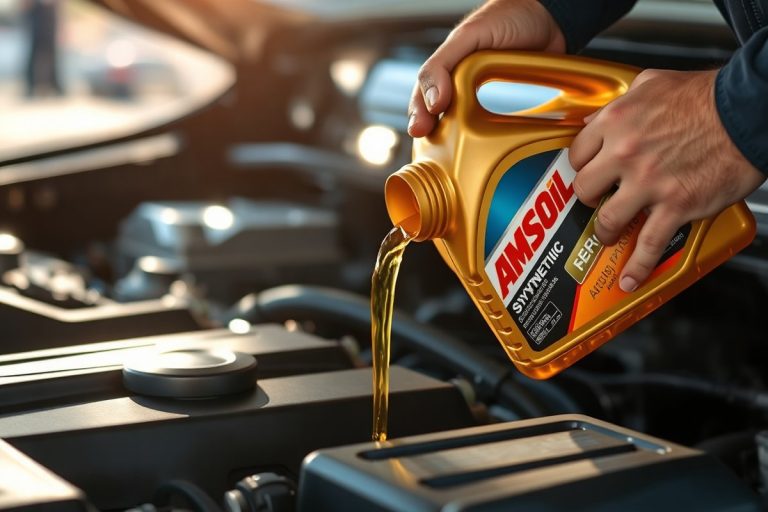
- Lower your car carefully after replacing the drain plug. Use a funnel to refill with the correct oil type. Add the right amount of oil.
After filling, start the engine and check for leaks around the drain plug and filter. Check the oil level with the dipstick and add more if needed.
Signs You Should See a Professional
Walk away if your car leaks oil heavily or the drain plug won’t loosen. These problems may need special tools or repairs.
Call a mechanic if strange sounds happen after the oil change. Also, get help if the oil light does not turn off. It can mean serious engine issues.
Get professional help if you’re unsure about the oil or filter. A pro can also dispose of old oil safely for you. Errors can damage your engine or the environment.
Step-by-Step Action Plan to Manage Your Oil Life Percentage
Follow these steps to keep your engine oil healthy and change it at the right time.
- Before You Drive: Check your vehicle’s oil life monitor display. If it’s under 30%, prepare for an oil change soon.
- Every Month: Inspect the oil level using the dipstick. Add oil only if the level is below the recommended mark.
- Every 500 Miles: Reset your oil life monitor if you’ve done a full oil change. Confirm it shows 100% to track correctly.
- When Oil Life Hits 20%: Schedule an oil change appointment or gather your DIY tools. Monitor any faster drops.
- At 15% or Lower: Change your oil without delay, especially if your driving conditions are tough.
- After Driving in Harsh Conditions: Check oil life percentage more often, maybe weekly. Adjust your oil change timing accordingly.
- Post Oil Change: Record the date and mileage. This helps you keep track when your next oil change is due.
Frequently Asked Questions
At What Percent Should You Change Your Oil?
Change your oil when the oil life reaches about 15%. Some manufacturers suggest scheduling an oil change between 20 and 30 percent to protect your engine.
Can I Wait Until the Oil Life Is at 0% to Change Oil?
It’s best not to wait that long because 0% means oil needs immediate changing. Waiting risks engine damage as oil degrades significantly by then.
Why Does My Car Show Different Oil Life Percentages Than My Manual Suggests?
Your car’s computer adjusts oil life based on actual driving conditions. Manuals give general intervals; the monitor changes depending on stops, starts, and engine load.
How Often Should I Check My Oil If I Don’t Drive Much?
Check oil at least every six months if driving little. Oil still degrades over time even when the car sits unused for a long period.
Is Synthetic Oil’s Change Interval Really Longer Than Conventional Oil’s?
Synthetic oil generally lets you go farther between changes, about 7,500 miles. Conventional oil usually needs changing every 5,000 miles or less.
Before You Go
Changing your oil around 15% oil life remaining is a safe rule for most drivers. Watch how your driving habits affect oil life and adjust when necessary. Start by checking your oil life monitor after your next drive to see where you stand.