Can Low Oil Cause Check Engine Light? What Actually Triggers It and How to Fix
Your check engine light might turn on if your oil level is low or the oil quality is poor. Proper oil levels and good oil quality are essential for smooth engine performance. Keep an eye on your oil to avoid low pressure or engine overheating that can activate this warning.
Low oil often affects components like variable valve timing, which your engine control unit monitors closely. Trouble codes like P0011 or P0521 may appear and cause the check engine light to illuminate. You want to check your oil before assuming the worst or heading to a mechanic.
When the low oil light stops but the check engine light remains, keep driving 10 to 15 miles. Check the oil level as you drive during this time.
Sometimes the engine control unit resets if the oil level stabilizes. But don’t ignore this warning because it points to engine trouble linked to oil issues.
Key Takeaways
- Check engine light can come on from low oil pressure or overheating.
- Low quality or quantity of oil can disrupt variable valve timing.
- Common trouble codes linked to low oil include P0011 and P0521.
- Always check oil level first when the check engine light appears.
- Drive short distances after topping oil to see if the light resets.
- Low oil can cause engine misfires, triggering fault codes like P0300.
Can Low Oil Cause the Check Engine Light to Come On?
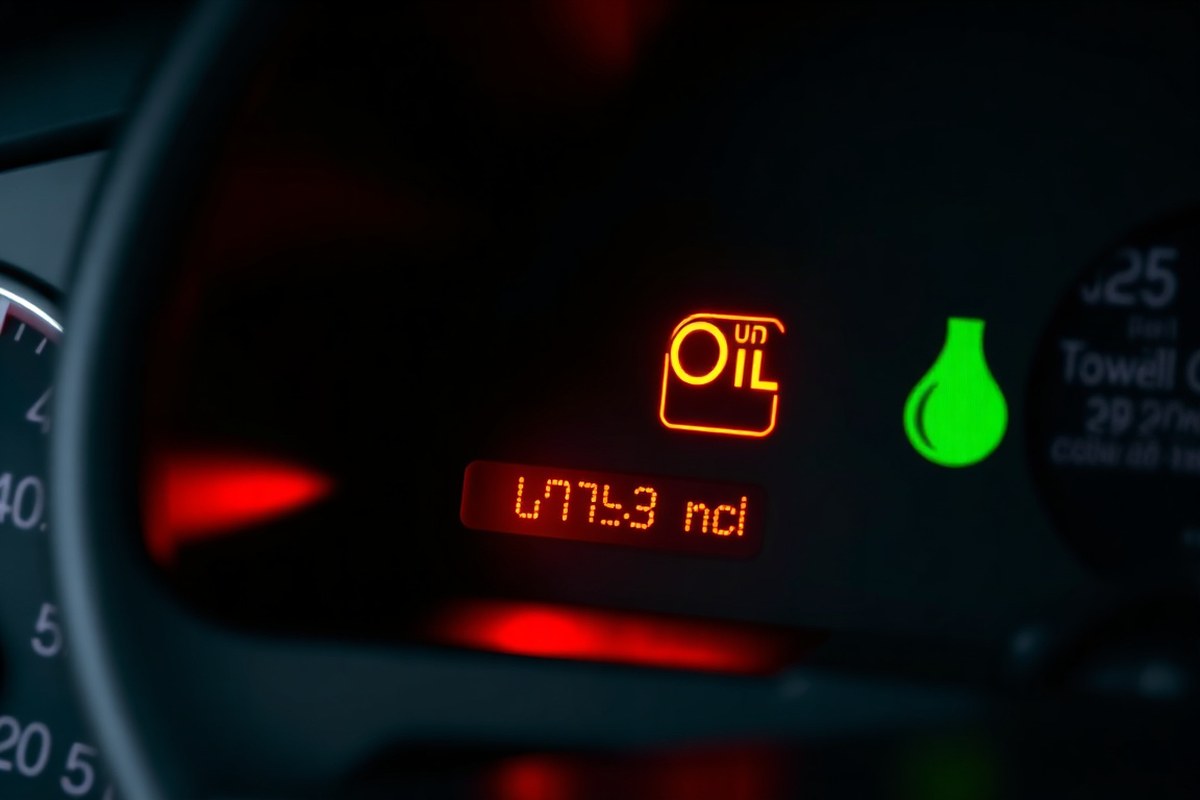
Low oil can make the check engine light come on. It lowers oil pressure, which can damage engine parts. Sensors detect this and tell the engine control unit to light up the warning.
Low oil pressure is not the same as low oil level, though the two are connected. Your car usually has an oil pressure warning light. It comes on before the check engine light.
This helps warn you early about oil pressure problems. This light means the oil pressure is too low.
Low pressure can cause the engine’s lubrication to fail. It warns you to check the oil soon.
Sometimes, low oil causes only the oil pressure light, not the check engine light. Oil level can drop enough to lower pressure without causing damage. Misfires or engine harm have not happened yet.
That stage triggers the oil pressure warning first. The oil pressure light is a more direct warning. The check engine light often signals secondary problems caused by low oil.
Check your oil using the dipstick regularly to avoid these warnings. Spotting the oil pressure light, a burning oil smell, or leaks means check your oil level now. Don’t wait to see if the check engine light comes on.
Fixing low oil early stops the engine light or damage from starting. Repair costs from damage often run into the hundreds. You can save money by acting fast.
When low oil causes the check engine light, it usually means the engine already faces strain. Promptly topping off the oil and scanning for trouble codes prevents bigger issues.
A scan tool shows if the check engine light is from oil troubles or other faults. It helps you know what needs fixing next.
How Low Oil Levels Lead to Engine Problems That Trigger the Check Engine Light
Engine Misfires from Insufficient Oil
Low oil reduces lubrication, causing friction between engine parts. Friction can cause engine misfires.
This means the air-fuel mix doesn’t ignite right. Misfires harm your engine’s performance and efficiency.
Misfires disrupt engine performance and prompt the ECU to turn on the check engine light. The ECU senses misfires through sensors monitoring combustion efficiency and airflow.
Impact on Variable Valve Timing (VVT) Systems
VVT relies on oil pressure to adjust the timing of valves precisely. Low oil or dirty oil disrupts this process, causing the camshaft timing to shift incorrectly.
The engine control unit detects these timing problems and triggers fault codes like P0011. This activates the check engine light to warn you about the timing malfunction.
Engine Overheating and Sensor Errors
Oil helps control engine temperature by reducing friction and carrying heat away. Low oil levels can let the engine overheat, which stresses sensors like the coolant temperature sensor.
Overheating can confuse engine sensors. They might send wrong data to the control unit. This wrong info can turn on your check engine light.
Oil Pressure Drops Trigger Warning Codes
Low oil levels cause oil pressure to drop below safe ranges, curbing engine parts’ lubrication. The ECU constantly monitors oil pressure levels with sensors.
Pressure dropping too low sets off engine warning codes. These codes turn on the check engine light.
This alerts you about engine protection problems. This alerts you to fix oil levels before damage worsens.
Consequences of Sensor Faults from Poor Oil Quality
Degraded or low oil affects sensors tied to engine timing and combustion. These sensors report inconsistent data due to poor lubrication.
The ECU perceives this as faults and activates the check engine light. Repairing the symptoms often requires replacing or cleaning affected sensors after restoring oil quality.
Always check your oil level. Stay within the recommended limits to prevent problems. This helps you avoid misfires and sensor errors that cause warnings.
Distinguishing Check Engine Light from Oil Pressure and Other Warning Lights
The check engine light, oil pressure light, and maintenance required light each signal different issues. Your check engine light warns of general engine problems or sensor faults. The oil pressure light means your engine oil pressure is low.
It can also mean your engine has low oil level. Both can harm the engine if ignored. Meanwhile, the maintenance required light usually reminds you of scheduled upkeep like oil changes.
Low oil can trigger the oil pressure light because low oil reduces pressure in the engine. That light often appears before the check engine light.
But the check engine light may come on for many other reasons unrelated to oil. Sometimes both lights illuminate together, hinting at a serious problem you shouldn’t ignore.
You should carefully read your dashboard if multiple lights appear. Start by checking your oil level with the dipstick to spot low oil.
Avoid driving if the oil pressure light stays on. The maintenance required light alone isn’t an urgent warning but still needs follow-up soon.
| Symptom | Description | Severity / Potential Engine Damage |
|---|---|---|
| Engine knocking or ticking | Low engine oil may cause your engine to produce knocking sounds. These noises happen because parts don’t get proper lubrication. You should check oil levels soon. | High |
| Low oil pressure warning light | This light turns on when oil pressure drops too low in the engine | High |
| Engine overheating | Engine oil helps cool engine parts while it lubricates. When oil is low, the engine can start to overheat. This overheating can damage engine components. | High |
| Reduced engine performance | Low engine oil can cause a drop in engine power and efficiency | Medium |
| Burning oil smell | A burning oil odor might mean oil is leaking or burning in the engine | Medium |
The oil pressure light warns about oil pressure problems. The check engine light shows other engine or system issues. Both lights can indicate oil-related problems.
Ignoring the oil pressure warning can lead to engine knocking, overheating, and costly damage. The check engine light could mean problems with sensors or components beyond oil.
Properly identifying these dashboard lights protects your engine’s health. Check your owner’s manual to confirm each light’s meaning and priority. Act fast if your oil is low to prevent engine harm.
A lit oil pressure light means immediate attention is needed. Delaying oil fixes can cause serious damage.
Recognizing Symptoms That Indicate Low Oil Might Be Causing the Check Engine Light
Low oil levels often show signs before the check engine light comes on. You might smell burning oil that means overheating. It could be oil leaking on hot engine parts.
This smell warns you of trouble. This smell usually gets stronger during or after driving.
Another sign is rough idling or misfires, which happen when the engine doesn’t get enough lubrication. Overheating is another symptom when low oil prevents proper cooling.
Here are common symptoms that often appear with a low oil-triggered check engine light:
- Burning oil smell from the engine or exhaust area
- Visible oil leaks or low oil level on the dipstick
- Rough idle or engine misfiring during acceleration
- Overheating gauge rising above normal range
- Unusual engine noises like knocking or ticking
- Oil pressure warning light turning on alongside CEL
Distinguishing symptoms of low oil from other problems means checking these signs together. A burning oil smell means oil is leaking or burning. It usually happens on a hot engine part.
This smell warns about low oil or leaks. Rough idling and misfires might also happen from ignition issues. But if paired with oil-related symptoms, low oil is likely the cause.
You can check your oil level quickly with a dipstick under the hood. Check the oil when the engine is cold. Wait at least five minutes after turning it off.
This gives a clearer reading. The dipstick showing oil below the minimum means oil is too low. Low oil can cause the check engine light.
Add oil as soon as you can. Missing or delaying oil changes lowers oil quality.
Poor oil quality triggers warning lights and symptoms. Keeping up with changes helps avoid problems.
Costs to fix low oil problems vary. Sometimes, topping off oil solves the issue for around $20 to $50. More severe cases with leaks or engine damage can cost hundreds or thousands.
Driving with low oil risks engine failure, which is far more expensive. Look for leaks and strange smells or noises in your car.
Watch the dashboard for warning signs. Acting early avoids costly repairs.
Common OBD-II Codes Related to Low Oil and How to Interpret Them
Low oil or oil pressure problems often show up as specific OBD-II codes. P0521 points to an issue with the oil pressure sensor circuit.
This might mean low oil pressure caused by low oil level or a clogged filter. It’s a warning not to delay checking your oil system.
Misfire codes like P0300 indicate multiple cylinder misfires. Low or dirty oil can cause this by affecting engine lubrication and spark plug function. These codes don’t come from oil level alone.
They show engine problems. Low oil may cause these engine issues.
VVT codes, like P0011, involve timing problems. These often connect to oil flow. They affect how the engine runs.
Low oil or old oil can cause VVT systems to malfunction. That can trigger a check engine light. So look at oil quality whenever these codes appear.
- P0521: Oil Pressure Sensor Circuit Range/Performance
- P0300: Random/Multiple Cylinder Misfire Detected
- P0011: Camshaft Position Timing Over-Advanced
- Low oil pressure can start from a clogged oil filter
- Misfires may follow if oil lubrication is poor
- VVT error codes often tie back to oil flow issues
OBD-II scanners mainly spot sensor signals, not the exact oil level. A faulty sensor can mimic low oil pressure codes.
Use the scanner results to guide a physical check of oil level, filter and pressure. Test drives can confirm if the light turns off after topping oil.
Checking these codes helps you decide urgency. P0521 needs quick oil inspection to avoid engine damage.
P0300 and P0011 suggest oil may already affect engine function. Act within a day or two to check oil and clear codes after fixing the problem.
Don’t ignore oil-related OBD-II codes. A quick oil check can save you big repair bills.
How to Check and Maintain Proper Oil Levels and Pressure Safely
Check your oil level regularly and watch for pressure warning signs. Doing this safely needs the right timing, tools, and knowing what to look for. This helps prevent engine trouble and avoids false alarms.
Step 1: Prepare Your Vehicle
Park your car on a level surface to get an accurate oil reading. Turn off the engine and wait five to ten minutes for oil to settle. Let the engine rest to let oil flow back into the sump.
This pause gives you a true oil level reading. Always check oil after this resting period.
Keep the engine cool or just warm, not hot, when checking. Hot oil can stick to the dipstick and cause errors in reading. Also, open the hood safely and secure it so you have free hands to work.
Step 2: Remove and Clean the Dipstick
Grab a clean rag or paper towel before pulling the dipstick out. Wipe all oil off the metal rod to get a clear view of current oil level. Don’t forget this step, it’s easy to skip but important for accuracy.
After cleaning, reinsert the dipstick fully back into its tube. Push it all the way in to the correct depth. Only then should you pull it out again to check the oil level.
Step 3: Check and Interpret Oil Level Markings
Look at the dipstick’s oil marks immediately after removal. Identify the “full” and “low” marks or crosshatch areas on the stick. Your oil level should be between these two marks.
Check your oil level. When it’s near or below low, add oil. Use your car’s recommended type.
Pour in half a quart. Then recheck the level. Avoid adding too much, since overfilling can damage the engine.
Step 4: Understand Oil Pressure Warning Signs
Low oil pressure means your engine might not be getting enough lubrication. Watch for a red oil can symbol or “oil pressure” light on your dashboard. These warn you to check oil immediately.
You can notice low pressure by engine noises like ticking or knocking, especially at idle. A rough or uneven engine sound often means low oil flow. Spotting these signs means you should check your oil level soon.
- Park on level ground and switch off the engine for 5 to 10 minutes.
- Open the hood and secure it so you have both hands free.
- Find the dipstick, pull it out, and wipe it clean with a rag.
- Reinsert the dipstick fully, then pull it out again to read the oil level.
- Check if the oil mark is between the “low” and “full” indicators.
- Add oil in small amounts if the level is too low, checking after each pour.
- Listen for unusual engine noises that suggest low oil pressure.
What to Do When the Check Engine Light Comes on Due to Low Oil
The check engine light due to low oil means you need quick action. Stop driving right away to prevent damage. Check the oil and add more if needed before continuing.
Step 1: Safely Stop and Check Oil Level
Pull over to a safe place as soon as you notice the check engine light. Turn the engine off and wait at least five minutes to let the oil settle. Open the hood carefully and locate the dipstick.
Remove the dipstick, wipe it clean with a rag, then reinsert it fully. Pull it out again and look at the oil level mark. The oil should sit between the minimum and maximum marks.
Step 2: Add Oil If Necessary and Observe Changes
When the oil level is below the minimum mark, add the correct oil type for your car. Pour in small amounts, about half a quart at a time, then check the level again. Avoid overfilling, which can cause engine problems.
After topping off, start the engine and watch the check engine light. It may turn off if low oil was the cause. Avoid driving long distances until the oil level is stable and the light goes off.
Step 3: Scan for Error Codes to Confirm Cause
Use an OBD-II scanner to read the error codes stored by your car’s computer. This helps confirm if low oil triggered the check engine light. Many auto parts stores offer free code scanning services.
Look for codes related to oil pressure, engine lubrication, or sensor faults. These codes point to specific problems that need attention. Knowing the codes saves time and money at the mechanic.
Step 4: Schedule a Professional Inspection If Light Persists
When the light stays on after adding oil, contact a trusted mechanic immediately. Continued warning signs can indicate damage like worn engine components or faulty sensors. Early repair prevents expensive breakdowns.
Tell the mechanic about your oil level check and any codes you scanned. They can run a full diagnostic and fix the root cause. Expect a typical inspection to cost between $100 and $150 depending on your region.
- Pull over safely and turn off your engine.
- Wait five minutes for oil to settle inside the engine.
- Check oil level with the dipstick and clean it first.
- Add oil gradually if level is low, avoiding overfilling.
- Restart engine and watch if check engine light turns off.
- Scan or have the error codes scanned with an OBD-II tool.
- Call and visit a professional mechanic if the light stays on.
Risks and Consequences of Ignoring Low Oil and the Check Engine Light
Ignoring low oil warnings can seriously damage your engine. Oil lubricates and cools moving parts, so without enough oil, metal parts rub together. This friction causes parts to wear out faster and can lead to engine overheating.
Engine parts like pistons and bearings can fail within few miles. That failure happens fast with low oil. You need oil to keep these parts safe.
Sometimes severe damage happens in less than 10 miles if the oil level is very low. Lack of lubrication can cause misfires and poor engine performance, which triggers the check engine light.
Delaying oil maintenance often leads to expensive repairs. Fixing a damaged engine can cost $1,000 to $4,000 or more depending on the damage.
Engine seizure might require a full replacement. That repair can cost $4,500 or more at a shop.
Overheating caused by low oil can warp the cylinder head or damage the gasket. A blown head gasket repair alone usually costs around $1,000 to $2,000. Repair costs grow quickly when the problem continues because more parts sustain damage over time.
Low oil pressure can cause sensors to fail. Faulty sensor readings confuse your car’s computer. This can lead to engine misfires.
This condition triggers the check engine light and reduces fuel efficiency. Ignoring low oil issues might force you to replace spark plugs, coils, or catalytic converter. Repair costs can range from hundreds to thousands of dollars.
Check your oil level regularly to prevent damage. This is especially important if the check engine light turns on. It helps you avoid expensive repairs.
How to Prevent Low Oil Problems That Lead to Check Engine Light Alerts
Keeping your oil at the right level is a big deal for your engine’s health. You should check your oil every month. Do it before long trips too.
This is especially true if your car is old or high mileage. Skipping this can lead to engine damage and the check engine light coming on.
Changing your oil is just as key. Most cars need an oil change every 3,000 to 7,500 miles. Your owner’s manual gives the exact number for your model.
Newer cars with synthetic oil might stretch this to 10,000 miles. But older ones need more frequent changes. Fresh oil keeps engine parts running smoothly and reduces wear.
Besides oil changes, watching out for leaks is smart. Small leaks can drain oil quickly.
You might not notice until it’s too late. Regularly inspecting the ground where you park for fresh oil spots helps catch leaks early.
- Check oil level with the dipstick on a cold engine, parked on level ground
- Change oil and filter according to your owner’s manual schedule
- Look under your car regularly for oil puddles or spots
- Use reminders on your phone or car app for oil checks and changes
- Choose the right oil type and grade recommended for your vehicle
- Have a mechanic inspect for leaks if the oil level drops unexpectedly
- Keep a small bottle of oil in your car for emergencies
Use an oil dipstick to check your oil level. A phone reminder app helps too. These tools keep oil care easy and on time.
You won’t spend much, oil changes usually cost $30 to $70 depending on where you go. But the cost of ignoring oil can be much higher, with engine repairs running into thousands.
Good oil maintenance means your engine ticks quietly and the check engine light stays off. Low or dirty oil wears engine parts quickly. This can trigger error codes on your dash.
It often causes the check engine light to come on. Catching oil issues early saves money and keeps your ride reliable longer.
Step-by-Step Action Plan for Low Oil Check Engine Light
Follow these steps to handle your check engine light linked to low oil safely. You’ll know your engine is protected and back to normal.
- Right Now: Pull over and turn off your engine. Check your oil level with the dipstick. Low oil means you must add the right type.
- Within 1 Hour: Add oil if needed up to the recommended level. Watch for the oil pressure light or engine noise to fade.
- Same Day: Use an OBD-II scanner to read the check engine codes. You can also visit an auto shop for help. They can quickly find the problem for you. Confirm if low oil caused the warning.
- Next Day: Replace the oil and oil filter if the oil looks dirty. Change it if you missed the regular schedule. Fresh oil helps your engine run better. Clean oil keeps sensors accurate.
- Within One Week: Monitor any new oil leaks or drops in oil level. Check under your car and on the dipstick regularly.
- Every Month: Check oil level and color, even if no lights come on. This stops problems before they start.
- When Needed: If the check engine light stays on, take action right away. A rough-sounding car needs a licensed mechanic to check it soon. Don’t wait to get your engine inspected.
Frequently Asked Questions
Can Low Oil Cause the Check Engine Light to Come on Immediately?
Low oil may not instantly trigger the check engine light. It usually causes engine issues first, leading to the light after damage or overheating develops.
What Does Low Oil Pressure Have to Do with the Check Engine Light?
Low oil pressure is a key reason the check engine light turns on. It affects engine parts and sends signals that the car’s computer detects.
Can Refilling Oil Alone Turn Off the Check Engine Light?
Refilling oil might not turn the light off by itself. The computer may need time or a reset after fixing the oil level.
How Can You Tell If the Check Engine Light Is from Low Oil or Another Issue?
Check for low oil symptoms like noise or overheating first. A diagnostic scan helps pinpoint if low oil is the real cause.
Is It Safe to Drive with a Check Engine Light Caused by Low Oil?
Driving with low oil warning isn’t safe. It can lead to serious engine damage or failure if ignored.
Key Points to Remember
Low oil can trigger the check engine light and harm your engine. Keep your oil at the right level to avoid emergencies. Start by checking your oil before driving again.