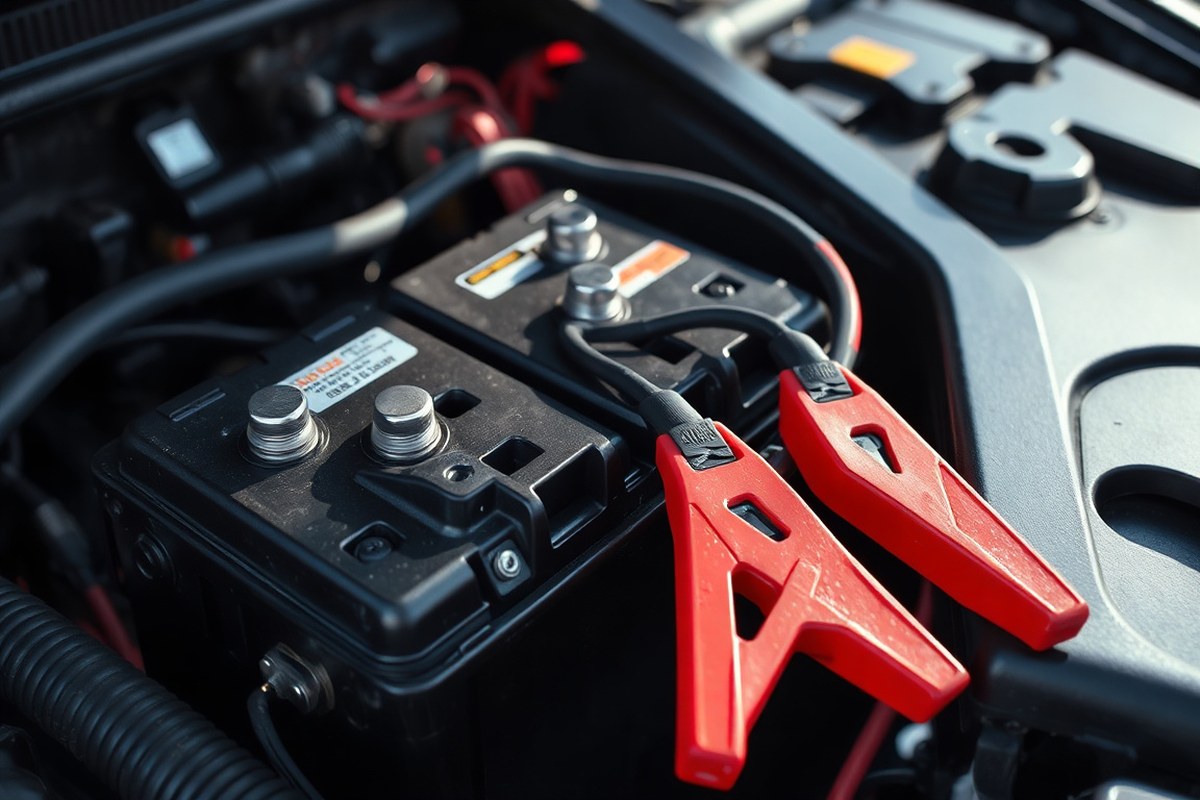
How Do You Know When Your Car Battery Is Dead: 9 Clear Signs and Actions
How do you know when your car battery is dead? The easiest sign is when your car won’t start at all. Sometimes, it cranks slowly or clicks but doesn’t turn over, showing the battery is too weak.
Check if the headlights or dashboard lights are dimmer than usual. When the lights flicker or go dark at start, the battery may fail. It means the battery doesn’t have enough charge to power the electronics and start the engine.
Try jump-starting the car if it won’t start. The battery can’t hold charge if it dies again in just days. That’s your signal to replace it before you get stuck somewhere.
Also, watch for a swollen battery case or a rotten egg smell. These signs mean the battery is damaged and unsafe to use. Keep in mind, extreme cold or heat can weaken your battery faster too.
Key Takeaways
- Slow engine cranking during warm weather often means a weak battery.
- Dimming headlights or dashboard lights indicate low battery power.
- Replace the battery if the car won’t start and jump-start fails often.
- A battery older than 5 years likely needs to be replaced soon.
- Check the battery date code on top of the battery case.
- Batteries below 5 volts while running should be replaced immediately.
1. How to Tell If Your Car Battery Is Dead
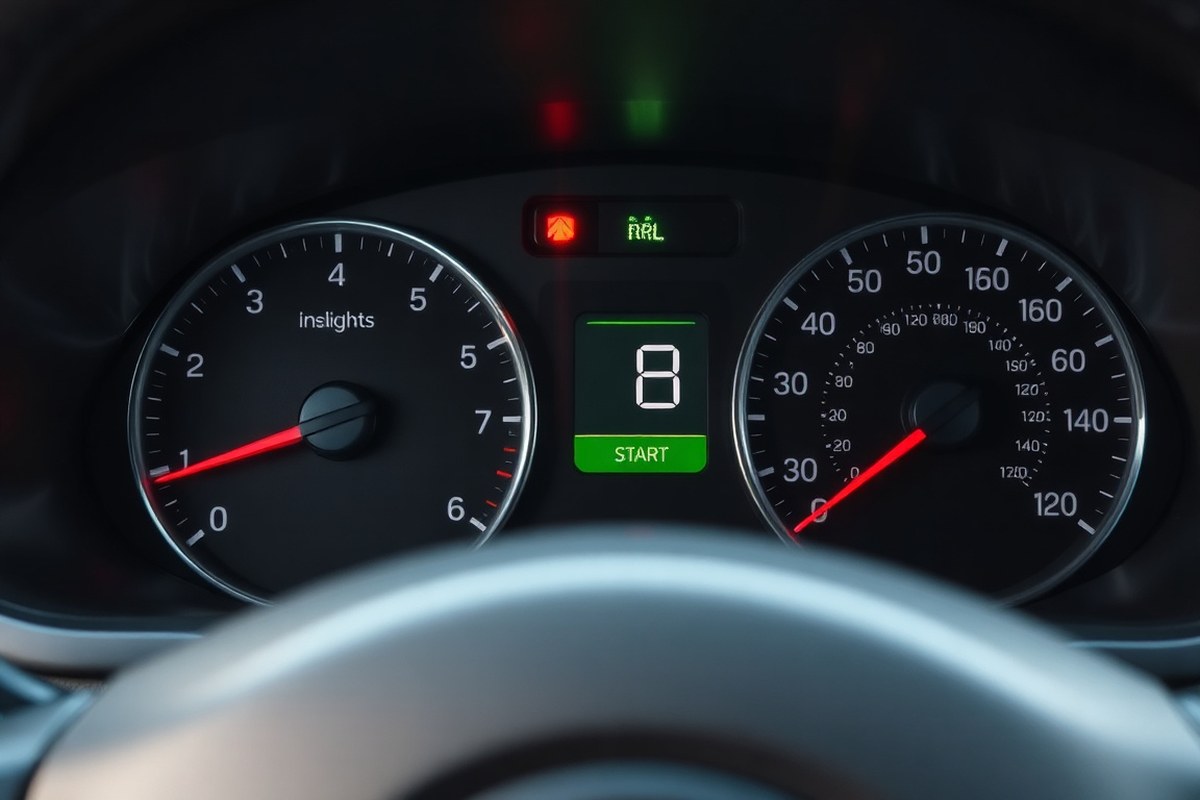
Knowing when your car battery is dead begins with noticing how your car starts. A slow crank, where the engine turns over sluggishly, often signals a weak battery. The engine not turning at all often means the battery is dead.
Listen carefully for rapid clicking sounds when you try to start. This usually means the battery can’t supply enough power.
At the same time, check the dashboard and interior lights. Dim or non-lit lights show the battery struggles to give power.
- Slow engine cranking instead of a quick start
- Rapid clicking noise when turning the key
- Dashboard battery warning light illuminated
- Dim or flickering headlights and interior lights
- Electrical accessories like radio or power windows not working properly
- Car engine won’t crank or start at all
- Battery shows visible signs like corrosion, swelling, or leaks
Try turning on the headlights. Dimmer-than-usual lights strongly suggest the battery’s charge is low. You can also test the interior lights.
Flickering or fading lights when turning the key warn battery issues. Sometimes the normal start fails and electrical systems hesitate.
A dead battery often shows as no engine crank or weak power. It also causes poor electrical responses like dimming lights. Repeated problems after jump-starts mean the battery likely won’t hold charge.
Regular battery age is another clue. Batteries older than 3-5 years typically show these symptoms more.
2. Interpreting Voltage and Load Test Results
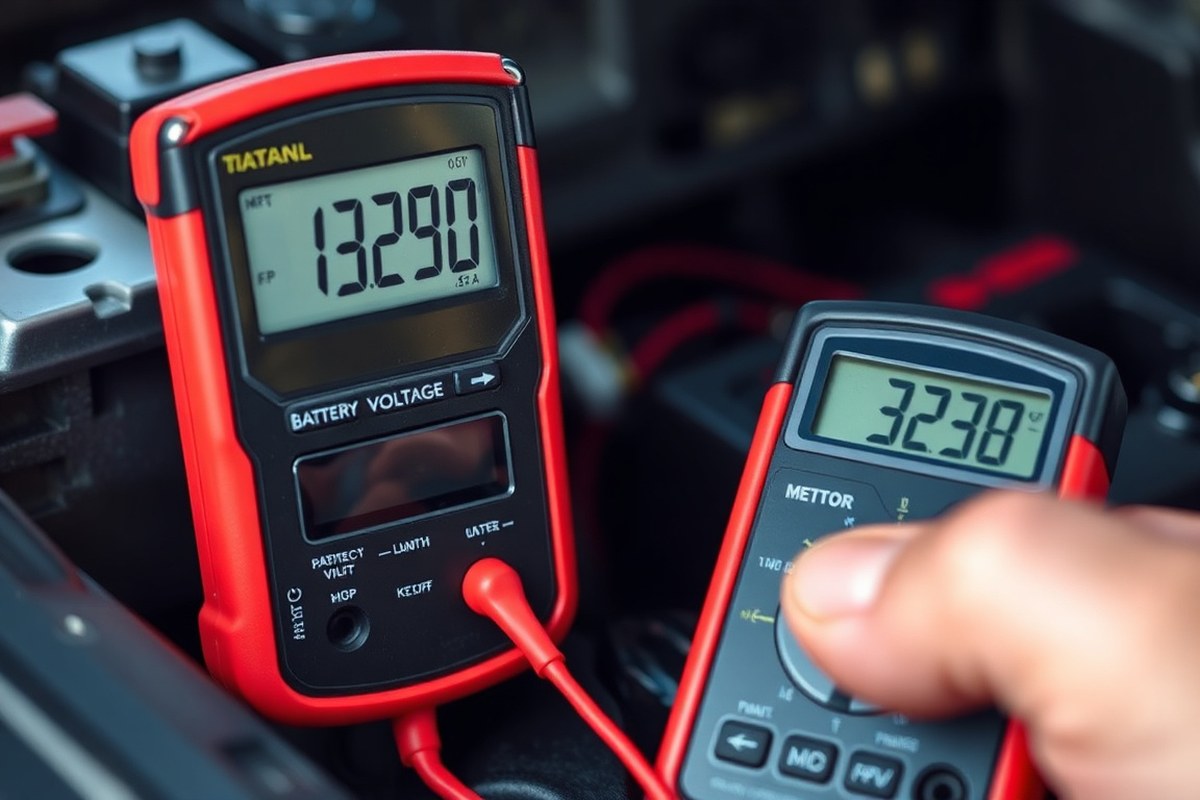
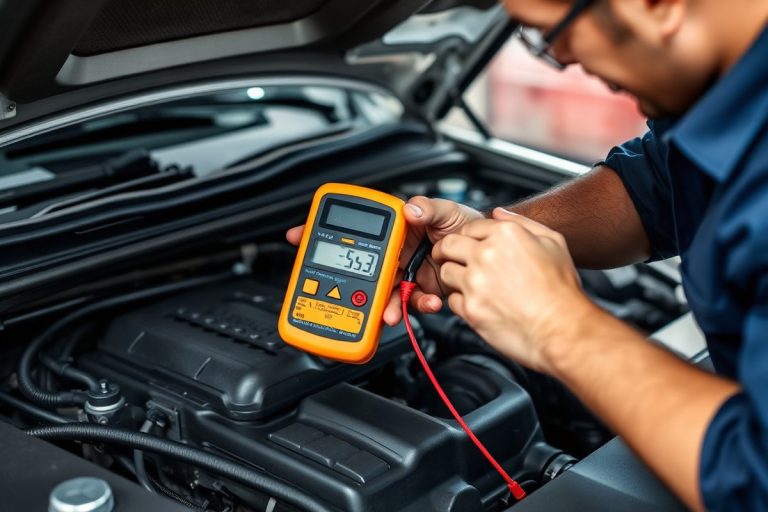
You can check a car battery’s health by measuring its resting voltage. Testing how it holds up under load also helps tell its condition. Both tests give a good idea of your battery’s state.
Resting voltage shows its charge level with the engine off. Load testing simulates starting conditions to see if the battery can handle the demand.
Resting Voltage Test Procedure
Start by making sure the car has been off for at least an hour. This wait lets the battery settle to its true resting voltage without engine or accessory influence. Follow these steps to check resting voltage:
- Turn off the car and all accessories like lights and radio.
- Set a digital multimeter to DC voltage, 20V range or higher.
- Attach the red probe to the positive battery terminal.
- Attach the black probe to the negative terminal.
- Read the voltage displayed on the meter.
- Note the voltage value and compare it to thresholds.
Use caution when handling battery terminals to avoid sparks or contact with corrosive acid.
Performing a Load Test Safely
A load test measures voltage drop caused by the current draw of a starter motor. It checks if the battery can produce enough voltage under stress. To perform a load test:
- Connect a load tester or use a professional-grade conductance tester.
- Secure the tester clamps on the battery terminals.
- Apply load equal to half the battery’s cold cranking amps (CCA) for 10 to 15 seconds.
- Watch the voltage on the tester as the load is applied.
- Record the voltage during the load and compare it to the battery rating.
A fully healthy battery shouldn’t drop below 9.6 volts during this test at room temperature. Larger drops indicate weakness.
Understanding Battery Test Voltage Thresholds
| Resting Voltage (Engine Off) | Battery Condition | Recommended Action |
|---|---|---|
| 12.6 volts or higher | Fully charged, healthy battery | Battery is in good condition |
| 12.4 to 12.6 volts | Moderately charged | Charge battery and retest |
| Below 12.4 volts | Weak or discharged battery | Charge fully; consider replacement if load test also fails |
| Below 9.6 volts (under load) | Battery likely failing | Replace battery soon |
Keep in mind cold weather can reduce voltage readings. Repeat tests after fully charging the battery for best results. Poor battery test results mean taking your car to a mechanic is smart.
3. Common Causes of Dead or Dying Car Batteries
Why Car Batteries Fail
Car batteries usually die because of age, corrosion, parasitic drains, and temperature effects. Each cause wears down battery performance in different ways. Knowing these signs helps you prevent sudden failures and costly replacements.
Age and Wear-Out over Time
Most car batteries last between four and six years. Cold climates can shorten this lifespan even further.
As the battery gets older, it holds less charge. This makes starting your car harder.
Older batteries may cause slow cranking or warning lights on the dashboard. Your battery may struggle when temperatures drop below 20°F (-6°C).7°C), it might be dying. Regular checks after three years keep you ahead of problems.
Corrosion and Loose Terminals
Corrosion on battery terminals looks like a white or bluish powder around the cable clamps. It blocks proper electrical contact and reduces battery output. Loose terminals cause the same issue by interrupting power flow.
You can clean corrosion with a baking soda and water mixture. Disconnect the battery cables first, then scrub with a wire brush. Tighten clamps securely but not too tight to avoid damage.
Parasitic Drain Draining Power Overnight
Parasitic drain happens when electrical parts keep drawing power after you turn off the car. Things like interior lights, alarms, or faulty relays can drain more than 50 milliamps. This can kill your battery by morning.
You may see this if the car won’t start after short parking. A professional can measure this drain using an ammeter. Fixing or replacing the faulty parts stops unnecessary power loss.
Extreme Temperatures and Battery Damage
Hot and cold temperatures hurt battery life in two ways. Cold makes your battery produce less power, so the engine cranks slowly. Heat causes the battery case to swell, which leads to permanent damage inside.
Swollen battery cases mean the battery is electrically dead, even if it looks intact. Avoid parking in direct sun for long periods or outside in freezing weather when possible. Use a battery heater in very cold climates or shade in hot weather.
Preventing Battery Failure
Keeping your battery healthy takes simple, regular care. Here’s what helps:
- Drive your car regularly to recharge the battery fully.
- Clean battery terminals yearly or when you spot corrosion.
- Check for interior lights or electronics left on overnight.
- Replace batteries older than five years, especially in cold areas.
- Avoid using incorrect battery types that don’t match your car.
- Use a smart charger if you leave your car unused for weeks.
These tips save you time and money by avoiding unexpected breakdowns. Proper maintenance also extends your battery’s overall lifespan.
4. How Weather Affects Car Battery Performance and Lifespan
Batteries slow down more in cold weather because the chemical reaction inside them weakens. When temperatures drop below 32°F, the battery may provide less than half its normal starting power. Engines also need more energy to turn in the cold, making it harder for the battery.
Heat damages batteries too by speeding up chemical wear inside. High temperatures over 90°F can cause the battery fluid to evaporate faster. This dries out the battery plates.
It shortens the battery’s overall life. Batteries often fail earlier than the usual 5 to 7 years.
To protect your battery in winter, keep your car in a garage if possible. Park outside? Clean battery terminals often.
Check the charge in cold months. You can buy a battery with at least 150 minutes of reserve capacity. It helps with freezing starts.
During hot seasons, make sure your battery is secure and the terminals are tight. Avoid leaving your car in direct sun for long periods if you can. Your area stays very hot?
Test your battery each year. Do this around the 3- to 4-year mark.
Removing corrosion from terminals is something people often miss. Yet it’s a simple way to keep battery power steady. Use a mix of baking soda and water on a brush to clean corrosion.
Testing usually costs a few dollars. It takes about 10 minutes. This can save a battery’s life during harsh weather.
Battery failure rates skyrocket in extreme conditions. Batteries get weaker with age and strain. A weak battery might start fine in mild weather.
It can fail suddenly in hot or cold weather. Your battery struggles in extreme weather?
Test or replace it sooner. That is smarter than waiting for a full breakdown.
5. Step-by-Step Guide to Jump-Starting a Dead Battery Safely
Jump-starting a dead car battery safely needs the right steps to avoid damage. Use jumper cables with a good battery or a portable jump starter correctly. Follow safety rules closely to prevent sparks, shorts, or harm to either car.
Preparing Both Vehicles
Park the working car close to the dead battery vehicle. But don’t let the cars touch. Turn off both engines, and remove keys to avoid electrical surges.
Check both batteries for damage or leaks. Never jump-start if you see cracks or leaking acid.
Wear protective gloves and glasses if you have them. Ensure all electronics like radios and lights are off in both cars. Open both hoods and locate the positive (red) and negative (black) battery terminals on each battery.
Correct Jumper Cable Connections
Connect the jumper cables in the right order to prevent sparks. The metal parts should not touch anything else while connecting or disconnecting. Always attach cables firmly for a good electrical connection.
- Connect one red (positive) clamp to the dead battery’s positive terminal.
- Attach the other red clamp to the good battery’s positive terminal.
- Connect one black (negative) clamp to the good battery’s negative terminal.
- Attach the black clamp to an unpainted metal spot on the dead car. Make sure it is away from the battery. This helps avoid sparks or damage.
Never connect the last negative clamp directly to the dead battery terminal to avoid sparks.
Starting and Running the Engine After Jump-Start
Start the engine of the working car first, letting it run for a few minutes. Then try starting your car with the dead battery. Start the car that needs the charge.
Keep both cars running for 10 to 15 minutes. This lets the alternator recharge the dead battery.
The car may not start after several tries. Turn off both engines. Then check the jumper cables are connected tightly.
Try not to repeat the jump-start process too many times. Doing so can drain the good car’s battery.
It may also harm the electronics. Disconnect cables in the reverse order once your car is running.
Remove the jumper cables carefully to avoid contact between clamps, which could cause sparks and damage.
6. How to Check for Alternator and Electrical System Issues
Use a multimeter to check the alternator voltage output. Start your car. Connect the meter’s red lead to the positive terminal.
Attach the black lead to the negative terminal of the battery. A healthy alternator should show about 13.8 to 14.4 volts with the engine running.
The reading under 13 volts means the alternator might not charge the battery. This problem causes signs like dead battery issues. You might see dim headlights or slow engine cranking.
You could also see a battery warning light steady on the dash. Sometimes it won’t light up at all when starting.
Here’s how to tell a bad alternator from a dead battery using symptoms and tests.
| Symptom or Test | Dead Battery | Failing Alternator |
|---|---|---|
| Voltage with engine off | Below 12.4 volts | Usually normal |
| Voltage with engine running | Below 12 volts | Below 13 volts |
| Dashboard battery light | May glow when starting | Glowing solid while engine runs |
| Headlights brightness | Dim on start, improves after jump | Dim and fading when engine runs |
| Engine starting | Slow or no start without jump | May start but battery drains quickly |
| Parasitic drain presence | Unlikely related | Common with electrical faults causing battery drain |
A parasitic drain means something is using battery power when the car is off. That drain often points to wiring or electrical system faults, not the battery itself.
Check current flow using a clamp meter or multimeter set to amps. Do this in the fuse box with everything off.
Addressing alternator or wiring issues quickly helps you avoid a fully dead battery. Mechanics can fix wiring problems or clean corrosion caused by battery leaks, improving electrical flow.
A bad alternator that won’t charge properly slowly drains the battery. This creates common battery trouble symptoms.
7. When and How to Replace Your Car Battery
Car batteries usually last about 3 to 5 years. Your battery needs replacing after 5 years, even when it seems fine.
Batteries between 2 and 5 years old can fail suddenly. So watch for signs like slow engine crank or dim lights.
When picking a new battery, focus on Cold Cranking Amps (CCA) and Reserve Capacity (RC). CCA measures how well the battery starts your car in cold weather.
RC shows how long the battery can run your car’s electrical system if the alternator fails. Both specs should meet or exceed what your car needs.
| Vehicle | Group Size | CCA (SAE) | Reserve Capacity (min) | Terminal Type |
|---|---|---|---|---|
| Toyota Camry (2018, 2023) | 24F | 650 | 110 | Top-post, L/R reversed |
| Honda Civic (2020, 2024) | 51R | 500 | 80 | Side-terminal (GM-style) |
| Ford F-150 (2021, 2023, 3.5L EcoBoost) | 65-AGM | 750 | 130 | Top-post, dual vent |
| BMW X3 xDrive30i (2022, 2024) | H6-AGM | 760 | 140 | Top-post, integrated sensor port |
| Subaru Outback (2019, ) | Group size varies | Check OEM specs | Check OEM specs | Varies |
Follow these steps when installing a new battery to avoid early failure and safety issues:
- Wear gloves and eye protection before handling the battery.
- Turn off the engine and all electrical loads fully.
- Disconnect the negative (-) terminal first, then the positive (+).
- Remove the old battery carefully; it can weigh 40 pounds or more.
- Clean corrosion from the terminals and tray using a baking soda solution.
- Place the new battery in the tray, securing it firmly to prevent movement.
- Connect the positive (+) terminal first, then the negative (-), tightening clamps well.
Installation mistakes like loose terminals or incorrect polarity cause starting problems and shorten battery life. You should hire a professional if the battery replacement feels too hard.
A good replacement battery generally costs between $100 and $250. Prices depend on your vehicle and battery type.
8. Common Mistakes When Diagnosing Dead Car Batteries
Many problems feel like dead batteries but are not. For example, corroded battery terminals or a bad alternator can stop your car from starting. These issues lead people to replace working batteries, wasting money and time.
A battery might seem dead after sitting unused for days. It could just be deeply discharged, not broken. Using a multimeter to check the battery’s voltage before jumping or replacing helps avoid mistakes.
Here are common errors to watch for when checking a dead battery:
- Ignoring battery cable corrosion or loose connections.
- Assuming a no-start means the battery is dead without voltage testing.
- Not testing for alternator problems draining the battery.
- Jump-starting repeatedly without addressing underlying issues.
- Replacing the battery without a proper load or voltage test.
- Confusing weak battery signs with faulty starter motor symptoms.
- Skipping inspection of interior and exterior lights that show battery state.
Testing voltage with a multimeter costs under $20 and takes minutes. A healthy battery reads about 12.6 volts at rest.
Anything below 12.4 volts means it might need charging but isn’t always dead. Load testing reveals if the battery fails under starting strain.
Check battery ends first. Clean any white, green, or blue corrosion with baking soda and water. Tighten loose clamps using a wrench.
This can fix starting problems instantly. Also, watch your dash on startup. Dim headlights or flickering power usually point to battery or alternator troubles.
Always test battery voltage before deciding on replacement to save time and money.
9. Safety Tips for Handling and Testing Car Batteries
Always wear safety gloves and goggles before touching a car battery. Batteries contain acid that can cause painful burns or eye injuries. Avoid loose clothing and remove metal jewelry to prevent accidental shocks.
To avoid acid burns or shocks, never touch a leaking battery. Battery smoke is also dangerous. Stay clear if you see any damage or smell fumes.
These leaks can release harmful chemicals and catch fire. Keep children and pets away during any battery work for extra safety.
Use insulated tools and test equipment designed for automotive batteries. When testing battery voltage, attach the meter leads with care. Connect them directly to the battery terminals.
Avoid touching other parts or surfaces. The same careful connection applies when attaching jumper cables.
- Check the battery case for cracks or leaks before handling
- Wear chemical-resistant gloves and eye protection
- Keep metal objects away from battery terminals
- Turn off the car and all accessories before testing or jump-starting
- Follow the jumper cable color codes: red for positive, black for negative
- Connect cables in the correct order: positive first, negative last
- Avoid smoking or open flames near the battery
When replacing your battery, disconnect the negative terminal first, then the positive. This avoids sparks that can ignite gas around the battery. After installing the new battery, connect the positive cable first, then the negative.
These steps usually take about 15 to 30 minutes, depending on your car’s setup. Proper safety gear costs around $10 to $20.
But it’s a small price to avoid injury. Being careful protects you and your vehicle from damage or accidents during battery checks and swaps.
Step-by-Step Action Plan for a Dead Battery
Check if your battery is dead with these quick steps. Start by trying to turn on your car. If it won’t start, you’ll need to follow the steps below.
- Before you start: Make sure your car and keys are ready. Turn off all electrical accessories first.
- Immediately: Try to start your car. The car won’t start or the headlights are very dim? Go to step 3.
- Within 5 minutes: Use a multimeter to check battery voltage. Below 12.4 volts means the battery is weak or dead.
- Within 10 minutes: Attempt a jump-start following safety tips. The car starts running. This means your battery may need charging or replacement.
- After the jump-start, keep driving for 20 minutes minimum. This lets the alternator charge the battery properly. Check if it holds the charge.
- The next day, test the battery under load again. See a mechanic to check the alternator and cables if needed.
- Within a week: Replace the battery if voltage stays low or the car struggles to start.
- As soon as possible: Dispose of your old battery at a recycling center. Use proper battery recycling to protect the environment.
Frequently Asked Questions
What Sound Does a Car Make If Its Battery Is Dying?
A dying battery often causes a slow crank sound when starting. This means the engine turns over slowly or struggles to start the car. It usually gets worse before the battery dies completely.
Can a Completely Dead Battery Power Electrical Accessories?
No, a dead battery cannot power accessories like lights or radio. You might notice these stop working or are very weak. This is a clear sign that the battery lacks charge.
How Do You Know If Corrosion Is Killing Your Battery?
Look for white or green crust on battery terminals; it hinders flow. Corrosion can stop your car from starting or cause weak starts. Cleaning terminals can sometimes restore charging capability.
Is a Battery Fully Dead If the Voltage Reads Below 5 Volts?
Yes, a battery reading below 5 volts while running is considered dead. This means it’s no longer providing enough power for the car. Immediate replacement is necessary to avoid breakdowns.
Does a Car Cranking Slowly at Warm Temperatures Indicate a Battery Problem?
Yes, slow cranking above 20°F (-6.7°C) suggests the battery may be weakening. Batteries usually perform better in warmth, so slow starts signal aging or damage. Test the battery soon to avoid getting stranded.
The Bottom Line
A dead car battery usually shows clear signs, like a no-start or dim lights. Checking voltage and trying a jump-start are quick ways to confirm.
Test your battery today, or visit a mechanic if you feel unsure. Taking action early avoids getting stranded later.