How to Drive a Truck: Essential Steps and Safety Tips for Beginners
Knowing how to drive a truck starts with mastering basic controls and safety rules. First, get comfortable adjusting your seat and mirrors for clear views. This setup helps you handle the vehicle smoothly and spot hazards early.
Next, learn the difference between manual and automatic transmissions in trucks. Shift gears before the engine hits 3,000 RPM to avoid overworking it and save fuel. Release the brake gently to start moving once the engine is running.
Keep a safe distance while driving, at least one truck length for every 10 mph speed. Use your turn signals at least 100 feet before making turns or lane changes. These habits keep you and others safe on the road.
Key Takeaways
- Adjust your seat and mirrors before starting to drive for better control.
- Shift up when the engine reaches 3,000 RPM to avoid engine strain.
- Release the brake smoothly when starting to drive to avoid jerky movements.
- Keep one truck length distance for each 10 mph to stay safe.
- Signal turns and lane changes 100 feet early to alert other drivers.
- Complete mandatory behind-the-wheel hours before taking the road test.
- Stop the truck 2 to 3 minutes before your destination to park safely.
- Keep one truck length distance for each 10 mph to stay safe.
- Signal turns and lane changes 100 feet early to alert other drivers.
- Complete mandatory behind-the-wheel hours before taking the road test.
- Stop the truck 2 to 3 minutes before your destination to park safely.
- Signal turns and lane changes 100 feet early to alert other drivers.
- Complete mandatory behind-the-wheel hours before taking the road test.
- Stop the truck 2 to 3 minutes before your destination to park safely.
- Complete mandatory behind-the-wheel hours before taking the road test.
- Stop the truck 2 to 3 minutes before your destination to park safely.
Basic Steps to Drive a Truck for Beginners
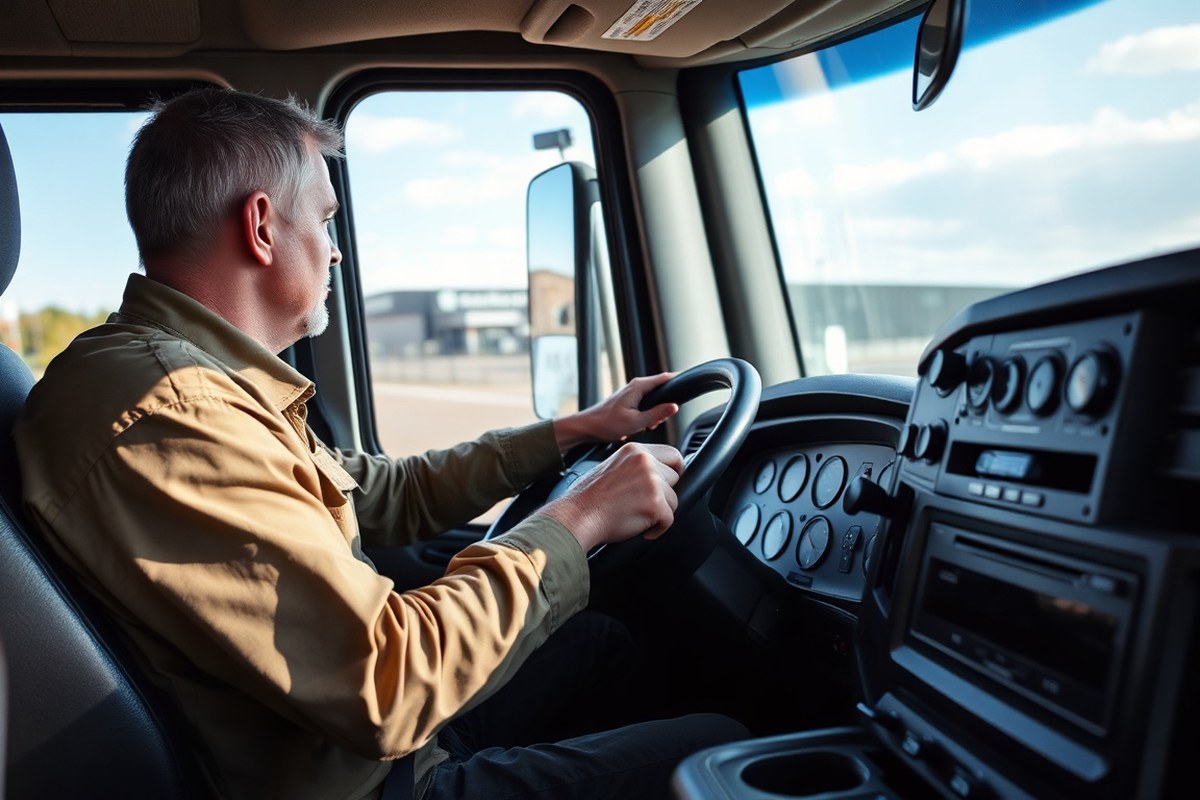
Starting and driving a truck smoothly takes practice and focus. First, you need to start the engine and work the clutch to get the truck moving. Shifting gears happens as the engine reaches about 3,000 RPM.
So you avoid overworking it. Moving off safely means controlling the clutch and accelerator carefully to prevent stalling or jerky starts.
Learning the clutch and gear shifting well keeps your truck running better and saves you fuel. Pressing the clutch disconnects the engine from the wheels, letting you change gears without damage. Release the clutch slowly as you press the gas to move forward.
Shifting too fast or slow can cause wear or stall the engine. Practice this when the truck is still to get a feel for the pedal’s biting point.
- Press the clutch pedal fully and shift to neutral. Then start the engine and check the RPM gauge.
- Press the clutch again and move the gear stick into first gear. Keep the clutch down while you prepare to move.
- Slowly release the clutch pedal until you feel the truck begin to move. At the same time, gently press the accelerator to increase RPM.
- Once the engine hits about 3,000 RPM, press the clutch again. Shift to the next gear. Shift progressively through gears as speed increases.
- Accelerate smoothly and avoid sudden changes in speed. Gradual acceleration helps prevent load shift and keeps control.
- To stop, press the clutch and brake pedals gradually to avoid stalling. Shift down through gears if you plan to keep moving.
- Practice these steps in a safe, empty area before taking the truck on busy roads. This builds confidence and limits risks.
Shifting gears smoothly takes timing and attention. You can’t move the gear shift without pressing the clutch fully. Releasing the clutch slowly while giving gas helps the truck roll forward without jerks.
Hear the engine revving too much? Shift up to the next gear quickly. Stalling usually means the clutch was released too fast or the accelerator not pressed enough.
Pre-Driving Checklist and Safety Inspections
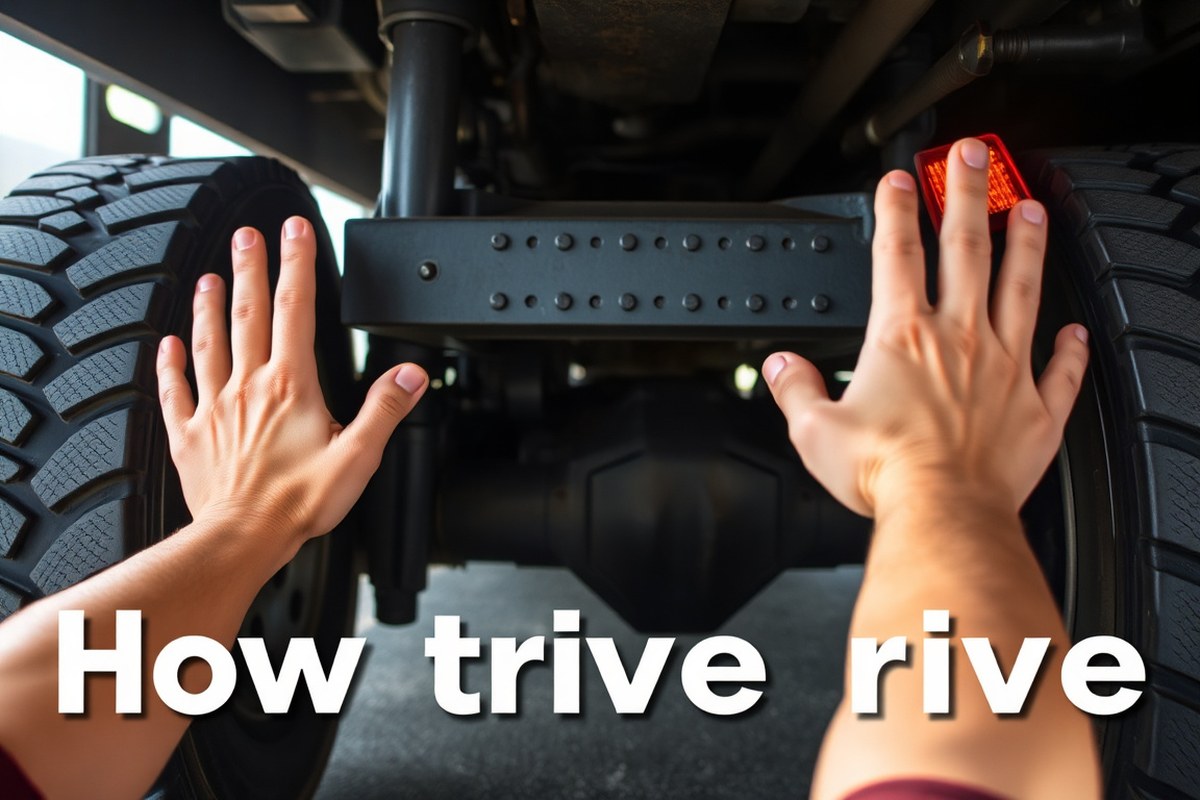
Checking your truck before driving keeps you safe and avoids costly breakdowns. A full pre-trip inspection takes about 20 to 30 minutes but can save lives and money. You want to find worn brakes before driving.
You also check for low tire pressure. Loose cargo needs inspecting too.
Start by walking around your truck looking for obvious damage or leaks under the vehicle. Tires should be firm with no bald spots or cuts.
Press the sidewall by hand to check tire pressure roughly. Later, use a gauge for exact numbers, most truck tires need 100 psi or more.
- Inspect brake pads and drum for wear or damage
- Test all lights, including headlights, brake lights, and turn signals
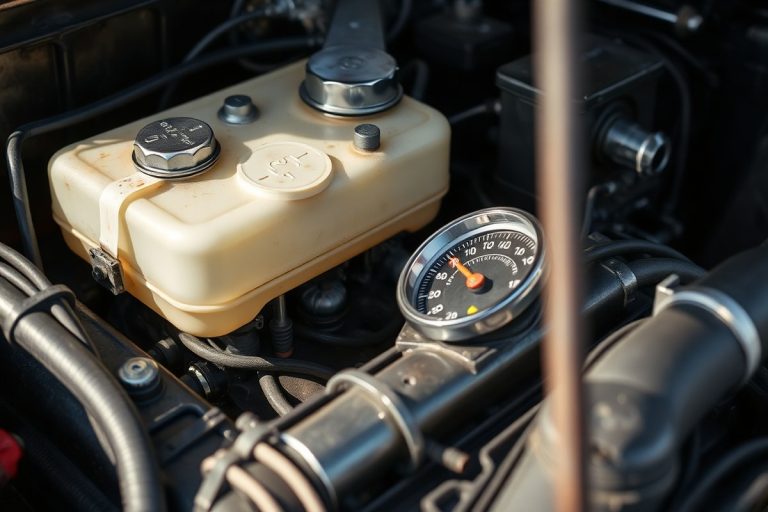
- Check fluid levels: oil, coolant, brake fluid, and windshield washer
- Look over mirrors and windshield for cracks or dirt
- Verify your cargo is tied down securely with no shifting
- Make sure the horn works clearly and loudly
- Confirm suspension and steering parts are free from damage
Checking brakes means applying the pedal and listening for delay or spongy feel. Also, look for cracked hoses or air leaks near the brake chambers.
Lights need to be bright and all work at once, replace any burned-out bulbs before leaving. Cargo should not move or wiggle; unsecured loads cause accidents and fines.
Pre-trip inspections protect you and others on the road. Most truck drivers follow a set script to avoid missing any point.
Inspections cost just time but protect your trucking career and stop unexpected repairs. Scan for wet spots from fluid leaks and confirm the trailer connection if hauling.
Always finish your inspection by walking around one last time, looking for anything missed. Even small problems add up fast on long hauls.
Adjusting Seat and Mirrors for Optimal Truck Control
Getting your seat set up right is the first step to safe driving. Adjust your mirrors after you fix your seat position. This helps you drive comfortably and see clearly.
You need to see clearly all around, including those big blind spots trucks have. Your seat should let you reach the pedals and controls without stretching or cramping.
The steering wheel should feel firm in your hands. It must keep you in control. Avoid positions that strain your arms while driving.
Checking and adjusting mirrors often keeps you aware of other vehicles and obstacles. Here’s a simple way to get everything just right:
- Slide your seat forward or back so your feet easily reach the pedals. Your knees should bend slightly.
- Raise or lower your seat height to see the road clearly over the dashboard without leaning.
- Adjust the seatback angle to sit upright but relaxed. Avoid reclining too far.
- Set the steering wheel height and tilt for comfort. Your hands usually rest at 9 and 3 o’clock. Adjust until it feels natural and easy to hold.
- Position the left side mirror to show the truck’s side and the lane beside you.
- Move the right side mirror so you see the truck’s side and the adjacent lane clearly.
- Move the interior rearview mirror to see the back window fully. This gives a clear view behind you. Adjust it to avoid blind spots.
- Double-check each mirror by glancing at them quickly before driving. Adjust them if blind spots remain.
Adjust your mirrors and seat anytime you change loads or trucks. Mirror checks should become second nature, done every few minutes while driving. This helps you catch other vehicles in your large blind spots.
Your hands stay firm on the wheel at about the 9 and 3 o’clock positions. This grip improves control and reduces fatigue, especially with trucks’ larger turning radius. Remember, slow and steady with adjustments keeps you in control before hitting the road.
Manual vs Automatic Truck Transmissions Explained
Manual and automatic truck transmissions each have pros and cons for drivers. Manuals need more skill and control because you shift gears yourself.
Automatics handle gear changes on their own, making them easier to use. Your choice affects how you drive and learn.
Characteristics of Manual Transmissions
Manual trucks often have 10 or more gears. You press the clutch pedal fully to shift gears smoothly and avoid stalling. The driver decides when to shift based on truck speed and engine sound.
This transmission gives you more control over power and braking. It’s useful for towing heavy loads or driving on steep hills. But learning to shift correctly takes practice to coordinate clutch and gas pedals.
Features of Automatic Transmissions
Automatic trucks shift gears using sensors and hydraulics without driver input. This lets you focus more on steering and traffic, which reduces stress during long drives. The system adjusts to different speeds and loads efficiently.
These trucks are easier for beginners since no clutch or gear shifting is needed. You just use the accelerator and brakes. The shift happens smoothly, saving time during city driving or stop-and-go traffic.
Choosing the Right Transmission Type
If you’re new to truck driving or often drive in urban areas, automatic transmissions are better. They reduce the learning curve and make driving less tiring. For jobs needing precision and control, like hauling heavy trailers, manuals work well.
Your preference for control or ease matters. Training schools sometimes offer manuals to teach skill.
But automatics can speed up your license process. Cost and maintenance also differ, with automatics sometimes being pricier to fix.
Here’s a comparison table to help you decide. It summarizes the main points about manual versus automatic transmissions in trucks.
| Feature | Manual Transmission | Automatic Transmission |
|---|---|---|
| Gear Range | 10 or more gears | Varies, fewer gears |
| Clutch Use | Required for shifting | None, shifts automatically |
| Driver Skill Needed | High, must learn shifting | Low, no shifting required |
| Control Over Truck | More control for tough terrain | Less control, more convenience |
| Learner Friendly | Challenging, but teach skills | Easy to learn, less intimidating |
| Maintenance Costs | Generally lower | Can be higher and complex |
Knowing these points helps you figure out what fits your early truck driving style. Practice makes shifting easier for manuals. Automatics help reduce distractions on the road, which can build confidence faster.
Safe Driving Techniques and Following Distances
Keep a safe following distance of one second per 10 feet. This rule applies when driving at 40 mph. It helps you react in time to hazards.
For example, a 50-foot truck needs a 5-second gap from the vehicle ahead. This distance gives you enough time to brake smoothly and avoid collisions.
Adjust your following distance for weather, road, and traffic conditions. In rain or fog, double that gap to reduce hydroplaning risk. Heavy traffic requires even more space to avoid sudden stops or distractions from drivers cutting in.
Smooth steering is key when changing lanes or turning. Signal at least 4 seconds before you move. You can also signal 100 feet ahead.
This way, others know what you plan to do. Check mirrors and blind spots thoroughly before making any moves. Avoid sudden jerks; keep your hands firm and movements slow for better control.
Scanning ahead helps you spot hazards early, like brake lights or road debris. Look 12 to 15 seconds ahead on highways for a clear view of traffic flow. Slowing down gently helps you avoid hard braking.
Hard stops can cause jackknifing or loss of control. This habit keeps you and others safer.
Avoid tailgating by focusing on proper gaps and steering. Tailgating is common in tight traffic or when drivers misjudge stopping times.
Keep distractions out of reach and maintain full attention to maintain safe spacing. This reduces stress and prevents crashes.
Always give yourself extra space when driving downhill or towing a heavy load to stop safely.
Backing Up, Parking, and Maneuvering Large Trucks
Backing up a large truck needs focus on your mirrors. Move slowly and precisely. Plan each step carefully before you start.
Use mirrors and cameras to keep track of your entire truck. Adjust angles and steering early to avoid needing last-minute corrections.
Using Mirrors and Cameras for Visibility
Mirrors give you the best view around your truck’s large blind spots. Adjust your side and convex mirrors to cover the sides and rear. Check them often when you move in tight spaces or reverse slowly.
Backup cameras show helpful views behind your truck. They help you when cab views are unclear. Use them often when backing up.
Always scan blind spots with your head before turning or shifting into reverse. Don’t trust mirrors alone.
Steps to Back Up Safely
Backing up a truck takes slow, steady control and constant visual checks. Use mirrors and cameras to track your path. Avoid rushing or sharp turns to prevent jackknifing or hitting obstacles.
Follow these steps to reverse safely:
- Stop and check your mirrors and cameras for clear surroundings.
- Put the truck in reverse and release the brake slowly.
- Turn your head to look through the rear window if possible.
- Steer gradually to guide the trailer or truck toward your target.
- Use small steering corrections to avoid oversteering.
- Keep checking all mirrors every few seconds for obstacles.
- Stop and reset if you feel off-track or see a hazard.
- Proceed slowly until fully backed into your spot.
Maneuvering for Parallel Parking and Docking
Position your truck parallel to the parking spot. Leave about 3 to 5 feet from other vehicles. This space helps you avoid accidents.
Give yourself room to swing the trailer during turns. Move slowly and control your steering wheel carefully.
When docking, align your truck so the trailer lines up squarely with the dock space. Use mirrors and guidance from a spotter if available. Take long, smooth turns to avoid clipping curbs or other trucks.
Handling Difficult Conditions and Preventing Accidents
Drive slower in rain, snow, or icy roads to keep control. Increase your following distance to at least five seconds. This gives you more time to stop without skidding.
Use gentle acceleration and braking on slippery roads. Avoid sharp turns and sudden steering changes. This prevents loss of traction and keeps the truck stable.
On uphill climbs, use a low gear to maintain steady power. Don’t rush; slow and steady keeps the truck from losing momentum. When you stall, safely shift into neutral and try again.
Going downhill, shift to a low gear for engine braking instead of riding the brakes. This stops brakes from overheating and losing effectiveness. Keep your speed controlled to avoid rollovers.
Avoid jackknifing by not hitting the brakes too hard, especially with trailers. Apply brakes gently in a straight line. When the trailer swings, release brakes and counter-steer carefully.
Rollovers often happen if you take curves too fast or brake suddenly downhill. Slow down before curves and use low gear on descents. Keep your truck balanced by loading cargo evenly and securing it well.
When skidding starts, stay calm and avoid slamming on brakes. Steer in the direction you want the front wheels to go. This helps the truck regain traction and prevents spinouts.
Jackknife prevention comes down to smooth actions. Don’t accelerate or brake quickly, and keep your speed in check with trailers. Being gentle on controls reduces sudden trailer swings.
Maintaining focus helps you spot changing road conditions early. Watch for ice patches, wet leaves, or gravel spots that affect traction. Adjust your driving right away to stay safe in tricky conditions.
Controlling a loaded truck uphill or downhill takes practice but always means using the right gear. Low gears keep the engine in control, reducing brake use. This method prevents overheating brakes or stalling on slopes.
Recognizing Truck Blind Spots and Staying Visible
Large trucks have several blind spots around the vehicle, often called “no-zones.These spots include directly behind the trailer and along its sides. Also, check near the front of the truck.
Keep an eye on these areas. You should always position your mirrors to cover these areas as best as possible before driving.
Check your rearview and side mirrors regularly, about every 5 to 8 seconds while driving. This helps you stay aware of vehicles in your blind spots and surrounding traffic. Always glance at your mirrors before you change lanes, even for quick moves.
Adjust your mirrors to see the road beside and behind you. Make sure each mirror overlaps in what it shows. This helps reduce blind spots.
Side mirrors should show the trailer’s edge and a good portion of the adjacent lanes. This setup narrows blind spots and lets you spot cars trying to pass.
Signaling your intentions clearly is important to staying visible. Use turn signals well before lane changes or turns, at least 5 seconds ahead on highways. Maintain steady, predictable moves so other drivers can react early and avoid your blind spots.
Signal early when merging or passing on the road. Check all your mirrors, including the right side. Many drivers forget to watch that area.
You can also use your horn briefly to alert drivers speeding up in blind spots. Slow, deliberate actions reduce surprise and accidents.
Be mindful of weather or lighting conditions affecting mirror visibility. Rain or fog can blur mirrors.
So increase mirror checks, especially when exiting highways or busy intersections. In darkness, use your vehicle’s lights and signals to boost your truck’s presence on the road.
Always double-check your blind spots before changing lanes. Do this even if you just looked in the mirrors seconds ago. Don’t skip this safety step.
Emergency Maneuvers and What to Do When Things Go Wrong
When something goes wrong while driving your truck, staying calm and acting smoothly is key. Sharp movements or panic make situations worse. Knowing how to brake steadily keeps you safer.
Use gentle steering too. Make the right calls in emergencies.
Reacting to Sudden Obstacles
You might face a stalled vehicle, debris, or an animal on the road. Slamming the brakes or jerking the wheel risks losing control. Instead, try to slow down gradually and steer in a controlled way around the obstacle.
Follow these steps to handle sudden obstacles safely:
- Look for the obstacle early and begin easing off the accelerator.
- Apply the brakes smoothly, using progressive braking to avoid skid.
- Slightly steer around the obstacle without sharp or fast movements.
- Keep your eyes focused further down the road to manage the path.
- Use truck safety systems if equipped, like collision warnings or lane assist.
- After clearing, gradually regain your normal speed and stay alert.
Managing Brake or Engine Failures
Brake failure or engine trouble needs quick, calm reaction. You want to slow down safely without causing an accident or overheating your brakes. Use engine braking and stay off the brakes as much as possible.
Here’s what to do in case of failure:
- Shift to a lower gear to slow your truck using engine braking.
- Pump the brake pedal gently to build hydraulic pressure if brakes feel weak.
- Use the emergency brake cautiously to avoid skidding or jackknifing.
- Look for a safe place to pull over, like a wide shoulder or exit ramp.
- Turn on hazard lights to warn other drivers as you slow down.
- Call for help once you’re safely off the road and stopped.
When and How to Get Professional Assistance
Getting help is key if you can’t fix the problem yourself. The truck might be unsafe to drive. Call for assistance immediately.
Emergency services, roadside assistance, or towing may be needed depending on the situation. Know when to call to avoid worsening hazards.
Call for professional help if you:
- Experience brake failure or engine trouble you can’t control safely.
- Are involved in a collision or your truck is stuck and immobile.
- Feel unsure about driving the truck safely after an emergency.
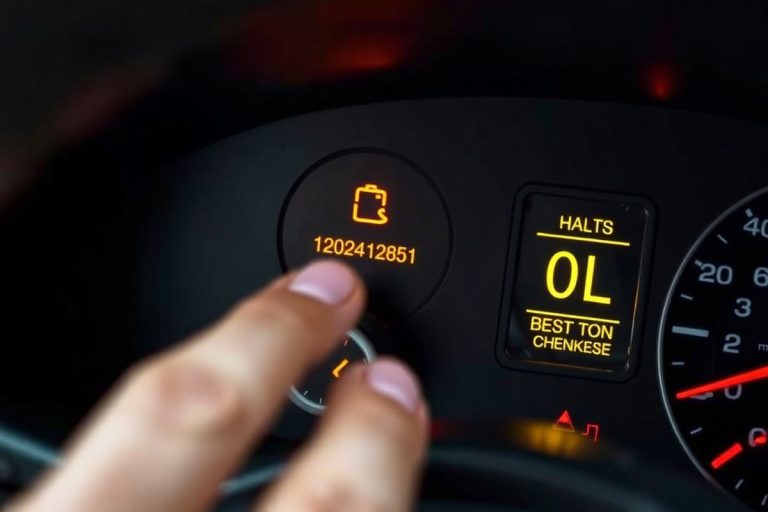
- Notice warning lights or systems signaling serious mechanical issues.
- Use roadside assistance numbers or emergency services depending on severity.
Your First Steps to Mastering Truck Driving
Follow this plan to build your truck driving skills quickly and safely. Each step helps you gain confidence and checks your progress.
- Before your first drive: Complete your pre-driving checklist and safety inspection. Know your truck’s condition and surroundings before you move.
- Day 1: Adjust your seat and mirrors for clear views. Test your controls to feel comfortable and confident.
- Week 1: Practice basic driving techniques in a quiet area. Check you maintain proper following distances and steady control.
- Week 2: Learn backing up and parking with cones or markers. Measure your accuracy by hitting the target spots safely.
- Week 3: Drive in varied weather and traffic conditions. Notice how you adjust speed and handling without stress.
- Week 4: Study your truck’s blind spots on different routes. Ensure other drivers see you and you spot them early.
- After 1 month: Practice emergency maneuvers like sudden stops and swerves. Stay calm and check your reaction time.
Frequently Asked Questions
What Gear Should You Shift into When the RPM Hits 3,000?
You should shift to the next highest gear once the RPM meter hits 3,000. This prevents engine overwork and helps keep the truck running smoothly.
How Do You Know If the Truck Is Ready to Drive Before Starting?
Perform thorough safety and mechanical checks on the truck before driving. This includes checking lights, brakes, tires, and fluid levels to avoid problems on the road.
What’s the Difference Between Being Paid by the Mile or by the Hour as a Truck Driver?
Getting paid by the mile means you earn money for each mile. Hourly pay means you get a fixed wage every hour you work.
You earn based on hours instead of distance driven. Mile pay may encourage longer drives, while hourly pay offers steady income.
How Does Shifting Differ Between Driving Automatic and Manual Trucks?
On automatics, just press the brake to shift from Park to Drive and go. Manuals require using a clutch and shifting gears manually with the RPM meter in mind.
What’s the Best Way to Handle a Long Truck’s Tail When Turning?
Long trucks have a wider tail swing that can hit curbs or objects. Always allow extra space and check mirrors carefully when making turns or backing up.
Wrapping Up
Driving a truck safely takes steady practice and awareness. Start by mastering small skills today, not everything at once.
Focus on each step. You’ll build solid habits for your license and real driving.