400 Miles How Many Hours: Accurate Travel Time Estimates and Practical Tips
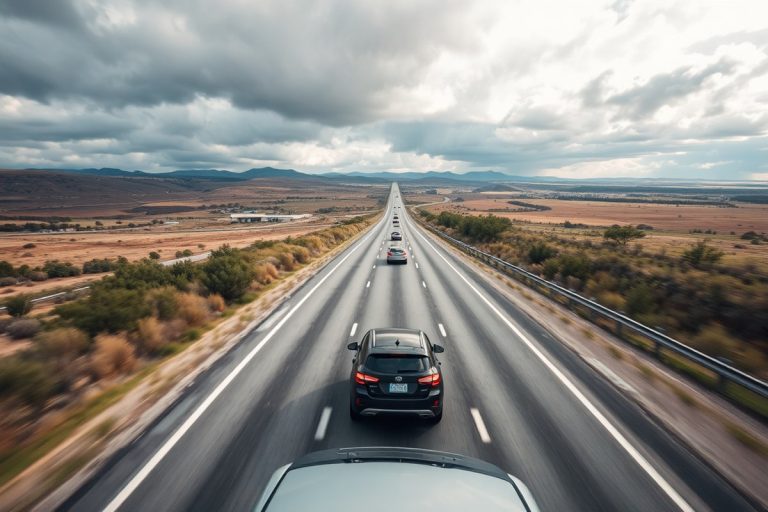
400 miles how many hours is a common question for trip planning. Driving at 60 miles per hour takes roughly 6 hours and 40 minutes. The exact time changes if your speed differs or you face traffic delays.
Calculating travel time is simple: divide distance by speed. For example, 400 miles divided by 50 mph equals 8 hours on the road. You should expect your total trip to take longer with stops for gas and food.
Traffic and weather can slow you down quite a bit on a 400-mile drive. Add some buffer time to your estimate so you don’t arrive stressed. Planning ahead helps you stay safe and comfortable for a long day behind the wheel.
Key Takeaways
- To calculate travel time, divide 400 miles by your average speed in mph.
- Driving at 60 mph, expect about 6 hours and 40 minutes without stops.
- Stop time for fuel and food can add one to two hours or more.
- Heavy traffic or bad weather can increase your travel time significantly.
- Slower speeds like 40 mph increase travel time to around 10 hours.
- Higher speeds near 80 mph can cut the drive to about 5 hours.
How Many Hours Does It Take to Travel 400 Miles by Car?
The basic formula to find driving time is distance divided by speed. For 400 miles, you divide 400 by your average speed in miles per hour. This tells you how many hours your trip will take without any stops.
For example, if you drive at 60 mph, it takes about 6.67 hours to cover 400 miles. At 40 mph, the same distance needs 10 hours. These numbers show how your speed changes the time significantly.
Speeds vary a lot on highways versus towns. On highways, you might keep between 55 to 75 mph.
Through towns or on slower roads, speeds might drop to 25 to 40 mph. These differences change your overall driving time a lot.
| Average Speed (mph) | Time for 400 miles |
|---|---|
| 25 | 16 hours |
| 40 | 10 hours |
| 55 | 7 hours 16 minutes |
| 60 | 6 hours 40 minutes |
| 70 | 5 hours 43 minutes |
| 80 | 5 hours |
Use the table for quick estimates at common speeds. Driving faster cuts your trip time but might raise safety risks. Driving slower increases your trip time but can feel safer or be necessary in traffic.
To figure out your travel time, use this formula. Take 400 miles and divide it by your speed. This gives you the hours your trip will take.
You can use this formula for any speed you plan to drive. It works even if your speed is above or below normal highway limits. Just plug in your speed to get your time.
How to Calculate Travel Time Using Distance and Speed
The basic way to find out travel time is by dividing miles by speed. This formula gives hours as a decimal number. Then, you can change that decimal into hours and minutes for easier reading.
Understanding the Formula Components
The travel time formula is: Hours = Miles ÷ Average Speed. The distance is how far you plan to travel. Speed is your average speed during the trip, usually in miles per hour.
Using this formula helps you estimate how long a trip will take. Knowing the expected time can improve your planning and reduce surprises. It works for driving, biking, walking, or any travel mode.
If you drive 400 miles at 60 mph, divide 400 by 60. This gives you the number of hours your trip will take.
It’s a simple way to calculate driving time. This shows 6.67 hours, which means 6 hours and some extra minutes.
Converting Decimal Hours into Hours and Minutes
After calculating time in decimal hours, you can convert the decimal part into minutes. Multiply the decimal by 60 because 1 hour equals 60 minutes. This step makes the number easier to understand.
For example, 0.67 hours times 60 equals about 40 minutes. So 6.67 hours becomes 6 hours and 40 minutes. This makes telling time faster and clearer for your trip plans.
This conversion helps you communicate your schedule better. It also helps when comparing driving times at different speeds since minutes matter in travel planning.
Applying the Formula to 400 Miles at Different Speeds
Try this simple process to calculate time for a 400-mile trip at any speed. Follow these practical steps to apply the formula quickly and correctly.
- Pick the distance you plan to travel (400 miles).
- Estimate or find your average speed in miles per hour.
- Divide the distance (400) by the speed to get time in decimal hours.
- Take the decimal part of the answer and multiply by 60 to get minutes.
- Combine whole hours and minutes for your total travel time.
- Adjust the speed and recalculate if you want different travel time estimates.
For instance, driving 400 miles at 50 mph means 400 ÷ 50 = 8 decimal hours. Multiply 0 by 60 to get 0 minutes. Your total trip time is 8 hours flat.
At 70 mph, divide 400 by 70 equals about 5.71 hours. Then, 0.71 × 60 = 43 minutes.
Your trip lasts about 5 hours and 43 minutes. Faster speeds mean shorter travel times but higher fuel use.
Tip: Always round minutes to the nearest whole number for simpler planning.
How Do Traffic and Road Conditions Impact Your 400-mile Drive?
The route you take can greatly affect your 400-mile drive time. Junctions, roundabouts, and town sections lower your average speed well below posted limits. Roads signed for 70 mph often average just 55 to 60 mph in real conditions.
Traffic congestion is a big factor that slows you down. Heavy traffic around cities can slow you to 40 mph or less. It’s common during rush hour.
Expect slower speeds and delays. This can add hours to your trip, especially on highways that run through urban areas.
Urban areas and junctions usually mean stop-and-go driving. Traffic lights, merging lanes, and slower zones force you to brake or idle often. This stops you from keeping a steady pace and increases your overall driving time.
Road conditions matter, too. Construction zones and accidents narrow lanes or close them temporarily.
This causes bottlenecks where traffic backs up. You should expect delays and slower speeds when these appear along your route.
Posted speed limits rarely match your average speed. Safety, weather, and traffic make it necessary to drive below the limit. Rain, snow, fog, or strong winds can cut your speed by 10 to 20 mph.
These conditions make driving slower and less safe. Plan for longer trip times.
A good way to handle slowdowns is checking real-time traffic on apps. Use these apps before and while driving. They show current road and traffic conditions.
These tools consider closures, jams, and slowdowns, helping you plan better. Adjust your departure or route if heavy traffic or roadwork shows up.
Count on your average speed being 50 mph or less without stops or traffic. With congestion or urban stretches, expect speeds closer to 40 to 45 mph. The speed difference means a 400-mile trip can take 7 to 10 hours.
It depends on traffic, weather, and road conditions. Expect some variation in your drive time.
Keep your schedule flexible to handle unexpected slowdowns. Allow extra time for cities, junctions, and traffic jams. Planning ahead helps you avoid feeling rushed while driving.
You can drive safer this way. It cuts stress from trying to catch up time.
What Additional Time Should You Add for Stops and Breaks?
Stops for fuel, food, and comfort usually add at least an hour to a 400-mile trip. You’ll want to plan breaks every two to three hours to stay alert and refreshed. These stops are quick but add up, especially on long drives.
The best way to include breaks is to add 30 minutes per stop. Add this extra time on top of your driving time. This helps you plan your trip better.
For example, if your drive takes 6 hours, add at least an hour for two stops. This approach helps keep your schedule realistic without underestimating total travel time.
- Plan to stop every 2 to 3 hours for a break
- Allocate 15 to 20 minutes for fuel and restroom stops
- Set aside 30 to 45 minutes if you want to eat a meal
- Use rest stops with food and fuel to combine breaks
- Keep snacks and water in the car to shorten stops
Use a simple rule to decide breaks: take a 15-minute pause before you get tired. When driving solo, take breaks to stay focused. Breaks prevent fatigue and keep you alert.
When traveling with others, plan meal or rest stops. Use these to stretch legs and relax.
Unexpected issues like traffic or roadwork will add time too. By planning regular breaks into your schedule, those delays feel less stressful. Stick to your planned stop times during your trip.
Keep some extra time for emergencies. Slower service at stops can happen, so plan for that.
How Long Does It Take to Travel 400 Miles by Walking or Biking?
Walking 400 miles usually takes about 130 to 160 hours. Most people walk around 3 miles per hour on flat ground. If you walk 8 hours a day, it could take 16 to 20 days to finish.
Biking covers that distance faster. Casual cycling averages about 10 to 12 miles per hour. Riding 6 hours daily means it takes roughly 3.5 to 4 days to bike 400 miles.
Terrain plays a big role. Hills and rough paths slow walking and biking speeds.
Steep climbs can cut your pace by half or more. Flat roads let you keep steady speeds and cover more miles daily.
Weather conditions also change how fast you go. Hot sun can tire you quickly while wind slows biking more than walking. Wet or icy paths may force rest or slower travel.
Daily distance depends on your fitness and goals. Walking 10 to 15 miles per day is a common long-distance pace. Cyclists with good stamina often ride 60 miles or more in a day.
| Travel Mode | Average Speed (mph) | Hours to Cover 400 Miles | Days Needed (Daily Travel Time) |
|---|---|---|---|
| Walking (flat terrain) | 3 | 130 to 160 | 16 to 20 (8 hrs/day) |
| Walking (hilly terrain) | 1.5 to 2 | 200 to 266 | 25 to 33 (8 hrs/day) |
| Biking (casual) | 10 to 12 | 33 to 40 | 3.5 to 4 (6 hrs/day) |
| Biking (hilly) | 5 to 7 | 57 to 80 | 8 to 13 (6 hrs/day) |
Rest days and unexpected delays add more time. Planning shorter daily rides or walks reduce fatigue. Carrying heavy gear slows you down, so pack light when possible.
Start your trip well-rested, and keep your daily pace consistent to avoid burnout.
Adjust your schedule based on terrain and weather. Hydrate and fuel properly to keep going strong. Watching your pace helps you hit realistic daily targets and avoid injuries.
How Long Does a 400-mile Flight or Train Journey Usually Take?
Flying 400 miles usually takes about 1 to 1.5 hours in the air. The exact flight time depends on the plane type and route. Budget airlines and small planes might take longer, while larger jets fly more quickly.
You need to add at least an hour before the flight for check-in, security, and boarding. Airports often require passengers to arrive 90 minutes ahead for domestic flights. Delays with security lines or boarding can add extra waiting time.
A 400-mile train trip generally takes between 5 and 7 hours. This depends on the train’s speed and number of stops along the route.
High-speed trains can make the trip faster. But local trains with many stops take longer.
Train stations require waiting time to book tickets and board. This usually takes 15 to 30 minutes. Plan for this in your schedule.
Trains can get delayed by track work, bad weather, or rail traffic. These delays might extend your travel time. Check for updates before you depart.
Getting through airports or train stations often takes extra time. This can make short flights less efficient overall. Factor this in if your trip is short.
Comparing total door-to-door time is important when choosing your travel mode. This helps decide between flying or taking a train for 400 miles.
Calculate all parts of your trip. For example, a 1.5-hour flight with 2 hours of airport procedures can be longer than a direct train trip.
How to Use Travel Time Calculators and Tables Effectively
You can use travel time calculators to convert miles and speed into hours easily. Just enter the distance and your average speed.
The tool gives you the total drive time. For example, driving 400 miles at 60 mph takes about 6 hours according to the calculator.
Inputting Distance and Speed Correctly
Always input the exact distance you plan to travel, like 400 miles in this case. The speed should reflect your expected average, not your top speed, especially on highways. For example, traffic slows you down to 50 mph.
Use that speed for a better time estimate. That gives you a more accurate trip length.
Don’t forget to use consistent units. Enter 400 miles.
Make sure speeds are in miles per hour, not kilometers. This ensures the calculator’s result matches what you’ll experience on the road.
Interpreting Decimal vs Hours and Minutes Results
Many calculators show time in decimals, like 6.5 hours, which means 6 hours and 30 minutes. You can convert this by multiplying the decimal part by 60. For example, 0.5 times 60 equals 30 minutes.
Some tools directly give hours and minutes like 6h 30m. This format helps you plan better since it’s easier to understand the exact time. Use this format when you want quick reference without extra math.
Choosing the Right Table for Your Travel Mode
Time tables vary because they assume different speeds for cars, bikes, or walking. Pick a table that matches your travel method. For a 400-mile car trip, pick a table with highway speeds.
Don’t use walking pace. That speed fits your trip better.
Tables assume you keep a constant speed without stopping. Plan to stop for gas or food.
Add extra time for these breaks separately. Using the right table gives a solid estimate to plan your trip better.
Common Mistakes When Estimating 400-mile Travel Time
Many people make the mistake of assuming they’ll drive at top speed without stopping. They guess travel time using speed limits or cruise control settings. They don’t think about real-world driving conditions that slow you down.
These things make trips last longer than expected. This leads to underestimating how long a 400-mile trip truly takes.
Not counting breaks is another common error. You need to rest, eat, fill up gas, and stretch your legs. Even short stops add up and extend your total time on the road.
Traffic delays and weather conditions also affect your drive. Heavy traffic or rain can slow you down a lot. Ignoring these factors results in unrealistic travel time guesses.
- Use navigation apps with live traffic updates for accurate driving speeds
- Check weather forecasts and avoid driving in storms or heavy rain
- Plan stops every 2 to 3 hours to rest and refuel
- Expect slower speeds on winding or busy roads than on highways
- Add at least 15 to 30 minutes beyond your basic time for unexpected delays
- Drive during off-peak hours to avoid rush hour slowdowns
Use an average speed of 55 to 65 mph for timing. This reflects a more realistic pace than your car’s max speed. It helps you plan trips without underestimating drive times.
Highway driving might hit 65 mph, but traffic or roadwork can drop that quickly. Keep your estimates flexible based on the route and day.
Always build extra time into your plan. Even perfect conditions rarely last the whole trip.
Check your route’s specifics before you leave. Highways allow faster travel, but city sections or narrow roads slow you down. Use apps to track conditions on your actual day of travel, not just general estimates.
Being realistic means thinking of travel time as a range, not a single number. For 400 miles, expect around 6 to 8 hours including breaks and minor delays. That helps you avoid stress and keeps your trip safe.
How to Plan a 400-mile Trip Safely and Realistically
Plan your 400-mile trip by checking weather, road conditions, and traffic. Schedule rest stops every 2 hours to stay alert and comfortable. Adjust your driving speed for time of day, traffic, and season variations.
Checking Weather and Road Conditions Before Travel
Look up the weather forecast along your route the day before and the morning of travel. Rain, snow, fog, or ice can slow you down and create hazards. Use online maps or apps that provide real-time traffic updates and road closures.
Check for construction zones or accident reports that might change your route. Avoid heavy rain or snow periods if possible. Weather can greatly affect your travel time and safety.
Planning Rest Stops for Safety and Comfort
Take breaks every 2 hours or about every 100 miles. This helps prevent driver fatigue, which causes slower reaction times and higher accidents risk. Use rest areas, gas stations, or restaurants where you can stretch and refresh.
Pack snacks, water, and a phone charger to stay comfortable during stops. Limit your driving sessions to 8, 10 hours in a day to avoid exhaustion. Track your stops on a route planner or app so you don’t miss them.
- Schedule breaks every 2 hours or 100 miles
- Stop at safe, well-lit rest areas or gas stations
- Bring snacks, water, and a phone charger for breaks
- Keep total driving time to under 10 hours daily
- Use apps to remind you about planned stops
Proper breaks boost alertness and reduce stress on your body. Skipping rest can increase risk of errors and crashes. Regular stops help you arrive safely and more relaxed.
Adjusting Speed Expectations by Time of Day or Season
Drive slower during early mornings, evenings, or at night when visibility drops. Dense traffic during rush hours can halve your average speed on some stretches. In winter, lower speeds by 10 to 20 mph to handle slick roads safely.
During summer, heat can cause road damage or construction delays. So plan for extra time.
Avoid peak holiday travel times when highways often back up. Expect variations of 15 to 30 minutes in a 400-mile drive depending on conditions.
Step-by-Step Action Plan for Planning a 400-Mile Trip
Use this plan to estimate your travel time accurately and prepare for your 400-mile journey.
- Before you start: Check your mode of travel and average speed. Confirm the base travel time using distance divided by speed.
- Day 1: Use an online travel time calculator or table. Compare its estimate with your calculation to spot differences.
- Day 2: Research traffic patterns and road conditions for your route. Adjust your expected time accordingly.
- Day 3: Plan rest stops, meals, or fuel breaks. Add 20 to 30 minutes per stop to your total time.
- Day 4: Check weather forecasts for the travel day. Prepare to adjust timing for rain, snow, or wind.
- Day 5: Pack essentials and map out your stops on a GPS or app. Confirm your route to avoid detours.
- Day 6 (Travel day): Leave a bit earlier than planned to accommodate unexpected delays. Keep an eye on traffic updates while driving.
Frequently Asked Questions
How Long Does It Take to Drive 400 Miles at 50 Mph?
Driving 400 miles at 50 mph usually takes about 8 hours. Add time for breaks since these stop times extend your total travel duration.
Can I Safely Drive 400 Miles in One Day?
Yes, many can drive 400 miles in a day, but it’s tiring. Plan rest stops every two hours to avoid fatigue.
How Much Extra Time Should I Add for Fuel Stops on a 400-mile Trip?
Fuel stops add about 10 to 20 minutes depending on your car’s tank size. Schedule these stops near highways for quick refueling.
What’s the Average Fuel Cost for a 400-mile Drive?
Fuel cost varies by car and gas prices but expect around $40 to $60. Check your vehicle’s miles per gallon to estimate better.
How Does Driving Speed Affect the Total Time for 400 Miles?
Driving faster cuts time, for example, 80 mph means 5 hours. But watch speed limits and safety first to avoid tickets or accidents.
Before You Go
Traveling 400 miles by car usually takes 6 to 7 hours. The time depends on your speed and how many stops you make.
Use this plan to get a real-time estimate for your journey. Check traffic and weather before you start driving.