When Driving in Fog It Is Best to Drive: 9 Safety Tips That Work
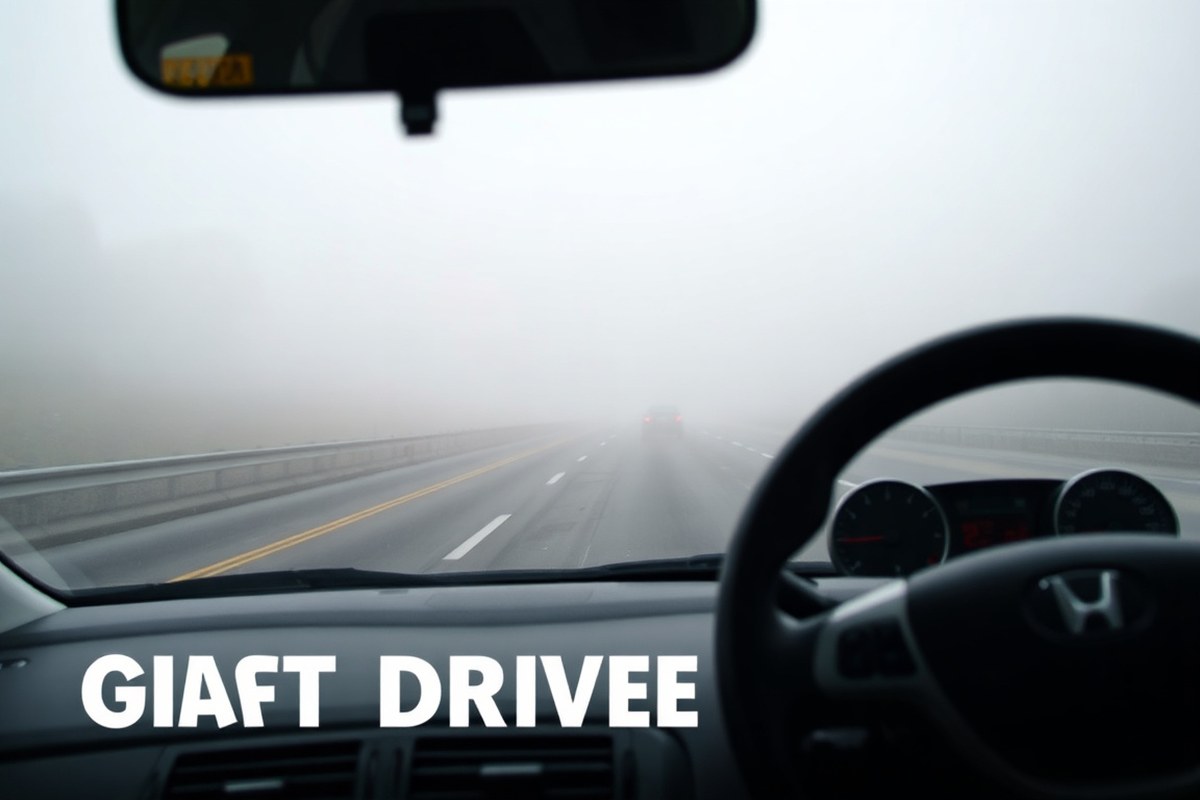
When driving in fog it is best to drive slower than usual. Fog cuts visibility, so reducing your speed gives you more time to react. You want to adjust your speed to what’s safe for how much you can actually see.
Keep your eyes fully on the road ahead and avoid distractions. Use low beam headlights or fog lights to see better without blinding other drivers. Your goal is to stay visible to others and spot hazards early.
Always increase your following distance because stopping quickly in fog is harder. Remember, fog makes it tough to judge distances and slows down your reaction time. Driving cautiously and focused can prevent crashes as fog hides many dangers.
Key Takeaways
- Slow down to match your visibility in fog, even below the speed limit.
- Use low beams or fog lights to improve your view safely.
- Increase your following distance to a minimum of five seconds behind others.
- Stay fully focused on the road; avoid phones and distractions entirely.
- Watch for animals that become bolder and harder to see in fog.
- Turn off fog lights within 500 feet of oncoming traffic. Also, switch them off when you are 350 feet behind another vehicle.
1. How Fast Should You Drive When Driving in Fog?
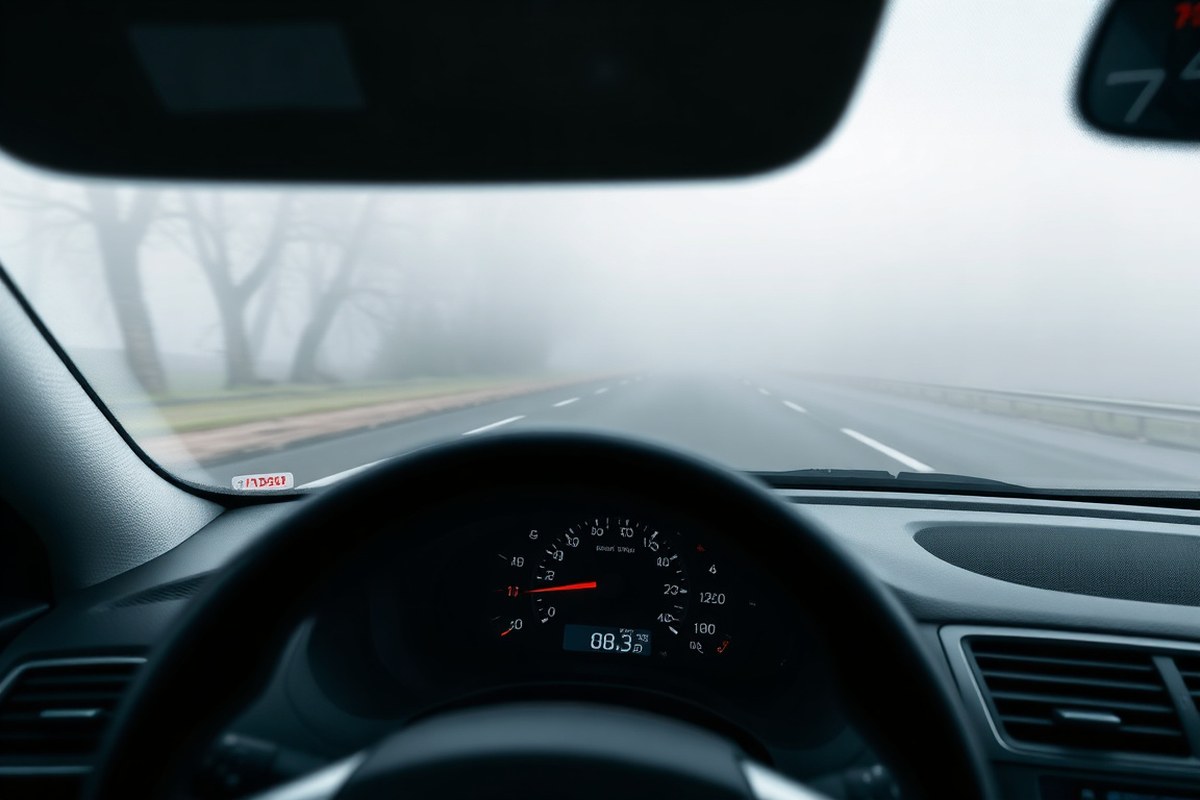
When driving in fog, slow down significantly to keep control and stay safe. Typical speeds drop to 30 to 40 mph in fog. You may go slower if visibility is very low.
Drive carefully to match conditions. Driving cautiously gives you more time to react to hazards hidden by the fog.
Never use cruise control in fog. You need full control of your brakes and accelerator at all times.
Cruise control might keep your speed steady. But it won’t help you adjust quickly to changes in visibility or road conditions.
Accelerate and brake smoothly when entering or driving through fog. Sudden moves can cause skids or loss of control on slippery road surfaces. Accelerate gradually to avoid sudden moves.
Brake gently so your car stays steady. This helps keep control and warns other drivers.
2. Which Lights to Use While Driving in Fog and Why?
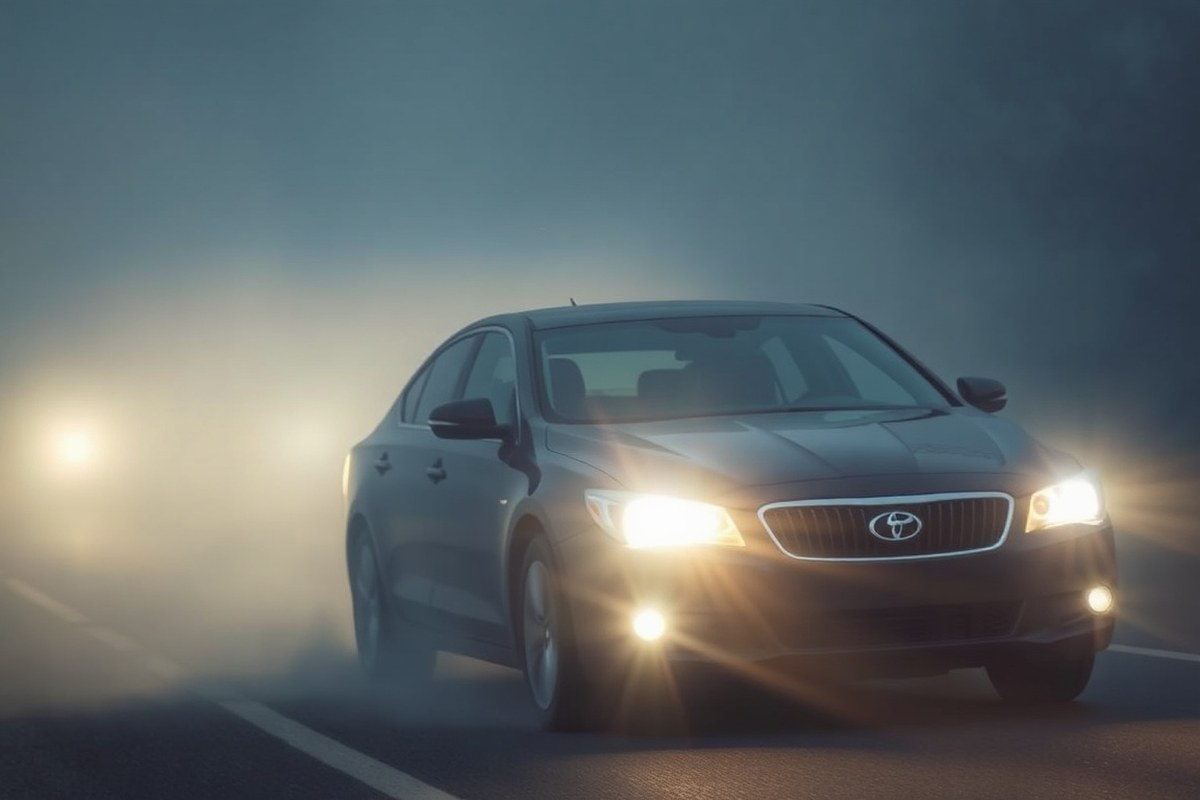
Use your low-beam headlights when driving in fog. High beams shine brighter but cause light to bounce back from the fog.
This creates a glare that lowers your ability to see ahead. Low beams aim light down and forward, cutting through fog better without reflecting off water droplets.
Use your fog lights alongside low beams to improve visibility. Fog lights are positioned low and cast light broadly.
This setup helps you spot lane markers and road edges. Never use high beams, as they reduce visibility and dazzle others.
Some states have rules for fog light use. Usually, you can use two fog lights with a low, wide-angle beam.
They should be off when visibility is good. Check your local laws to avoid fines.
| Light Type | When to Use | Light Pattern | Effect in Fog |
|---|---|---|---|
| Low-beam headlights | Always in fog | Downward and forward | Better visibility, less glare |
| Fog lights | When fog is present | Low and wide-angle | Improves road edge visibility |
| High-beam headlights | Never in fog | Strong, broad beam | Reflects off fog causing glare |
Try using different light combos if your car has fog and driving lights. See which one shows the road best with the least glare. Turn off any bright or unnecessary lights that bounce off fog droplets and create haze.
Never flash your high beams in fog. It blinds others and reduces your own visibility.
Fog is dense with water droplets that reflect bright light. High beams hit these droplets directly and send glare back to you.
Using low beams plus fog lights keeps your vision clearer and helps others see your vehicle. This approach takes a bit of testing but makes fog driving safer.
3. How to Maintain Safe Following and Stopping Distances in Fog?
Why You Need More Space
Fog cuts your visibility down a lot. This makes spotting slow traffic or stops much harder.
Because you see less, your brain gets less time to react. That means your stopping distance increases. Keeping extra space gives you more time to brake safely without slamming or rear-ending someone.
How Much Distance to Keep
The Ohio Department of Public Safety suggests a four-second gap under normal conditions. In fog, you want even more.
Try doubling that to about eight seconds if you can. That means passing a fixed point, then counting to eight before your car passes it. Eight seconds gives you plenty of time to spot an issue and slow down smoothly.
Using Lane Markings over Taillights
Fog makes it easy to fix your eyes too close on the car ahead’s taillights. That can cause tailgating.
Look at the white lane lines or the right edge line to keep your place. These help you judge your distance better. This way, you won’t accidentally creep closer when visibility suddenly worsens.
Adjusting Distance by Speed and Conditions
Drive slower if you need more distance. Fog often makes roads slicked with moisture too.
Slow speeds need less braking, but even then increase your following distance. More time still helps if the surface is slippery.
More space is also needed during heavier fog. If you can’t see more than a few car lengths, pull over instead of trusting distance alone.
What Happens Without Enough Space
Following too close makes crashes likely if traffic slows fast or stops. Fog reduces your ability to stop quickly.
Sudden braking can cause rear-end collisions or skidding. You might also panic and steer off road.
Safe distance means smoother driving. It keeps everyone safer and reduces stress behind the wheel.
4. Best Lane Position and Road Guidance for Driving in Fog
When fog thickens, stay close to the right edge of your lane. The white fog line or roadside reflectors serve as your best guide. Focus on road markers to keep your car centered.
They help prevent drifting into other lanes or shoulders. Watch them carefully while driving.
Road lines are especially important when visibility drops suddenly in fog patches. They show you the lane boundaries clearly. So your eyes don’t have to guess where to go.
Highways use special pavement markers, like California’s 3-2-1 countdown. Follow these patterns closely. This helps you avoid missing your exit safely.
Use the right-hand edge line rather than the center line. This helps you stay in your lane while avoiding confusion from oncoming traffic.
Keep your eyes softly scanning these lines, not staring hard, to prevent eye strain. This steady focus lets you adjust smoothly if the fog suddenly thickens and visibility shrinks.
In rural or less-marked roads, look for reflective studs or painted lines on the pavement edges. Even in thick fog, small markers reflect your headlights. They help you see the road’s curves better.
Use them to judge turns. Stay just inside the road lines.
This gives you extra space for sudden direction changes. It’s the safest way to drive.
Remember, fog can hide hazards like slick spots or animals. So drive as close to the right as safely possible.
Losing track of lane lines might lead you into other lanes or off-road. Regularly checking your position with road markings can alert you early and prevent surprise accidents.
For thick fog especially, slow down enough to follow the lane lines comfortably without rushing. When you lose sight of lines or markers, it’s a warning. You should think about pulling over soon.
Pennsylvania’s DOT says these markers show your visibility limits. Use them to decide when to exit the road safely.
5. How to Use Windshield Wipers, Defrosters, and Windows to Improve Visibility
Fog often leaves moisture on your windshield that cuts visibility sharply. Running your windshield wipers regularly clears away this moisture from outside the glass. At the same time, use your front defroster to warm and dry the windshield’s inside surface.
Turning on your defrosters also helps prevent fog buildup inside your car’s windows. The rear defroster is just as important if your car has one. Both help keep your windows clear without opening them.
That stops fog from coming inside the car. You can see better without fresh air letting in moisture.
Start your wipers and defrosters when you see moisture. Set the defroster to medium or high for quick drying. Use a low wiper speed if rain is light to prevent streaks.
Switch on the rear defroster to keep the back window clear. Keep a microfiber cloth handy for quick wipes inside.
Carry extra windshield washer fluid made for cold weather. Change worn or cracked wiper blades before foggy seasons start.
Opening windows slightly can clear interior fog quickly but may bring in cold, damp air. Use this only briefly and combined with defrosters.
Moisture on your windshield may also come from wet clothes or warm breath. So keep cabin air cooler and fresh.
Never turn on your high beams in fog, they reflect light back and lower visibility.
Make sure you have windshield washer fluid rated for freezing temperatures. This helps if fog turns to light frost or if dirt sticks to wet glass. New blades spread liquid evenly and avoid streaking, which can blur your view.
6. When and How to Pull over Safely If Fog Becomes Too Dense
Stop driving right away when the fog gets too thick to see. Find a safe spot away from traffic and wait until the fog lifts. Turning on your hazard lights alerts others you are stopped safely.
Signs Fog Density Is Unsafe for Driving
You can’t see more than a few car lengths ahead. That means fog is too thick for safe driving.
Your headlights don’t show road edges or signs until very close. That means visibility is dangerously low.
Feeling disoriented or anxious while driving in fog means the conditions are overwhelming. Slower reaction times and difficulty judging distances increase the risk of collisions in dense fog.
How to Choose a Safe Pulling-Over Spot
Select a place far off the road, avoiding curves, hills, and busy traffic spots. Ideally, pull off on a wide shoulder or into a designated emergency area. This keeps your vehicle clear of moving traffic.
Pull fully off the paved road if no emergency lane is there. Use grass or gravel areas. Make sure your vehicle’s full width is away from traffic lanes.
Steps to Safely Stop, Park, and Alert Others
Follow these steps to safely stop and alert other drivers when fog is too dense:
- Slow down gradually and use your right turn signal.
- Steer carefully to a wide shoulder or emergency stopping area.
- Bring the vehicle to a full stop well off the road.
- Shift into park and set the parking brake securely.
- Turn on your hazard lights to warn other drivers.
- Switch off your headlights only if stopped for a long time to avoid glare.
- Stay inside your car with doors locked, especially on busy roads.
- Wait patiently until visibility improves before driving again.
7. Special Considerations for Driving in Fog at Night
Fog at night makes driving much harder because darkness and fog cut your visibility even more. Your eyes take longer to adjust. Headlights can cause glare or reflections that confuse you.
Keep your speed low in fog. Avoid using high beams. They scatter light and reduce visibility.
Use low beam headlights or fog lights if your car has them. Fog lights sit low on the bumper. They shine beneath the fog.
This helps you see the road. Switch off inside lights at night.
This stops reflections on the windshield. It helps your eyes focus.
Stay alert and reduce distractions like phones, music, or eating. Keep your hands on the wheel. Watch road edges closely.
Spot lane markings early. Slow down if your eyes feel tired.
Pull over safely to rest. Only drive when ready.
Clear all windows and mirrors of frost or moisture before you start driving. A clean windshield reduces light glare and helps you see better. Use defrosters to clear fog on your windshield.
Run wipers regularly at night. They keep your vision clear.
Keep at least three or four seconds behind the car ahead. Stay even farther back if fog is thick.
This gives you extra time to react if traffic suddenly slows or stops. Remember that stopping distances increase on wet or slick roads, which often occur overnight.
Find a safe place to pull over. Do this when fog blocks your view. Wait until it clears.
Turn on your hazard lights. Park your car off the road.
This lets other drivers see you. It’s better to wait a few minutes than risk an accident in dense nighttime fog.
8. Common Mistakes Drivers Make When Driving in Fog and How to Avoid Them
Speeding in fog remains one of the top mistakes drivers make. You need to slow down to a moderate speed and maintain it steady. Sudden acceleration or braking can confuse other drivers and increase crash risk.
Another common error is using high beams, which seem helpful but actually reduce visibility. High beams reflect off fog droplets and blind both you and other drivers. Use low beams or fog lights if your car has them.
Tailgating is especially dangerous in fog. Reduced visibility means you need extra space to stop safely. Increase your following distance to at least three to four times the usual gap.
- Check weather and traffic before you drive and plan extra travel time
- Keep your headlights and fog lights clean and working properly
- Stick to low beams; never use high beams in foggy conditions
- Slow to a steady, moderate speed without sudden moves
- Increase following distance dramatically to allow more reaction time
- Use windshield wipers and defrosters to keep your view clear
- Avoid sudden lane changes or stops that can surprise other drivers
Unlike rain or snow, fog can appear suddenly without much warning. Fog cuts visibility evenly and stays near the ground. It differs from rain, which clouds your view with water on the windshield.
2 | Hold the wheel with both hands. Stay focused on the road ahead.
Avoid sudden moves when driving in fog. Fog doesn’t affect braking directly but makes spotting hazards much harder.
Keep both hands on the wheel and your full attention on the road ahead to avoid surprises in fog.
Many accidents happen when someone misjudges distances or speeds in fog. That’s why you must be patient and drive cautiously, even if others seem impatient. Waiting a few extra seconds reduces big risks.
9. How Weather Forecasts and Seasonal Factors Affect Driving in Fog
To drive safely in fog, check the weather forecast and local alerts first. Knowing when fog forms helps you prepare for lower visibility and slower travel. Follow legal fog light rules.
Plan your route to dodge dense fog. Watch weather forecasts for fog warnings.
Typical Fog Times and Weather Conditions
Fog often appears near dawn and after sunset when air cools quickly. Fog happens when humidity is high and wind is low. This makes a thick layer near the ground.
It can be hard to see through. Knowing these times helps you expect fog and drive cautiously during these hours.
Dense fog can reduce visibility to a quarter mile or less, making driving risky. The National Weather Service defines dense fog by this low visibility standard. Expect slower traffic and possible delays during these dense fog periods.
Using Weather Forecasts for Safe Travel Planning
Check local weather before you leave to see if fog is predicted along your route. Forecasts include fog risk and density levels, letting you adjust your timing or route. Avoid driving in dense fog when forecasts warn of it, or delay your trip if possible.
Many weather apps and websites include fog advisories, sometimes with maps showing fog hotspots. Use these tools to spot dangerous patches ahead of time. Planning your trip around safer conditions lowers your chances of trouble in fog.
The law varies by state. But fog light use is usually required only in limited visibility.
Read your state’s rules to know when to turn on fog lights or headlights. Using fog lights legally helps other drivers see you better in poor visibility.
Seasonal Hazards That Affect Fog Safety
Fog is more common in fall and winter when cooler nights cause moist air to condense. Seasonal rain or frost may freeze fog droplets, forming slippery ice on roads. These weather changes increase the risks when driving in fog during colder months.
Fog combined with early darkness in winter means you face more challenges seeing hazards. Plan to drive slower and turn on your lights well before vision drops. Adjusting for these seasonal factors reduces risks of crashes or sliding off the road.
Special Risks from Animals and Hazards in Fog
Animals like deer become harder to spot in fog, increasing collision risk. Watch for sudden movements or reflective eyes near road edges, especially at dawn and dusk. Slowing down gives you more time to react to unexpected hazards nearby.
Fog can hide road signs, pedestrians, and stopped cars, causing multi-vehicle pileups in dense patches. Keep extra distance and avoid fast lane changes when visibility drops unexpectedly. Using weather forecasts helps you avoid dense fog spots that cause these accidents.
Step-by-Step Action Plan for Driving Safely in Fog
Follow this simple plan to stay safe every time you drive in fog. Each step helps you keep control and improve your visibility.
- Before you start: Check the weather forecast for fog alerts. Confirm you have clean windshield wipers and working defrosters.
- As soon as you enter fog: Slow down below the speed limit. Turn on your low-beam headlights right away. Signal and adjust your speed as visibility changes.
- During your drive: Use lane markings to guide you. Stay near the right edge, not on the shoulder. Keep your following distance three to four seconds or more.
- When visibility worsens: Turn on your fog lights if your car has them. Use windshield wipers and defrosters to prevent fog on glass.
- At night: Avoid high beams as they reflect off fog and reduce your vision. Consider adding extra caution by driving slower than you would in daylight fog.
- When fog gets too dense: Find a safe place off the road. Pull over completely and wait. Turn on your hazard lights and wait for conditions to improve.
- After you finish driving: Clean your windshield inside to keep it clear for next time. Review your route and consider leaving earlier on foggy days.
Frequently Asked Questions
How Should You Adjust Your Steering in Foggy Conditions?
You should steer smoothly and avoid sudden turns. Gentle steering helps keep control since fog cuts your reaction time.
Is It Safer to Use Cruise Control When Driving in Fog?
No, you should keep cruise control off. Driving slowly and attentively lets you react better to surprises in fog.
Should You Follow Street Signs or Road Markings More Closely in Fog?
Focus more on road markings because fog can hide street signs. Lane lines guide your path better when visibility is low.
Can You Rely on GPS or Navigation Apps When Driving in Fog?
Yes, GPS helps but don’t rely on it alone. It’s important to watch the road closely as fog can block landmarks.
What’s the Best Way to Communicate with Other Drivers in Fog?
Use your lights and signals clearly and early. This helps other drivers know where you’re going when sight is poor.
Wrapping Up
Driving safely in fog means slowing down and using your lights right. Keep your distance and stay close to the lane edge. Pull over safely and wait if fog becomes too thick to see.