How Long Is Truck Driving School? A Complete Guide to Training Time & Options
Wondering how long is truck driving school? Most programs take about four weeks to finish. That includes all the classroom lessons, practice driving, and road time with an instructor.
Some schools pack training into just three weeks of full-time classes. You attend every day to finish fast. This schedule is intense but quick.
The length can stretch out if you choose part-time classes or add endorsements. Full-time programs often run 8 to 9 hours daily, five days a week. Expect a mix of classroom time, practice on a driving range, and road driving.
Start by checking the schedule and training hours before you sign up. Watch for how schools balance classroom learning versus behind-the-wheel time. That balance affects how ready you’ll be to pass the CDL test and start trucking.
Key Takeaways
- Truck driving school usually lasts about four weeks full time.
- Programs include around 160 hours of combined classroom and driving.
- Part-time schedules can stretch your training over several months.
- Expect about 29 hours on practice ranges and 85 hours on roads.
- Class A CDL training is the most common and can be as short as three weeks.
- Verify how many hours of behind-the-wheel practice your school offers.
How Long Does Truck Driving School Typically Take?
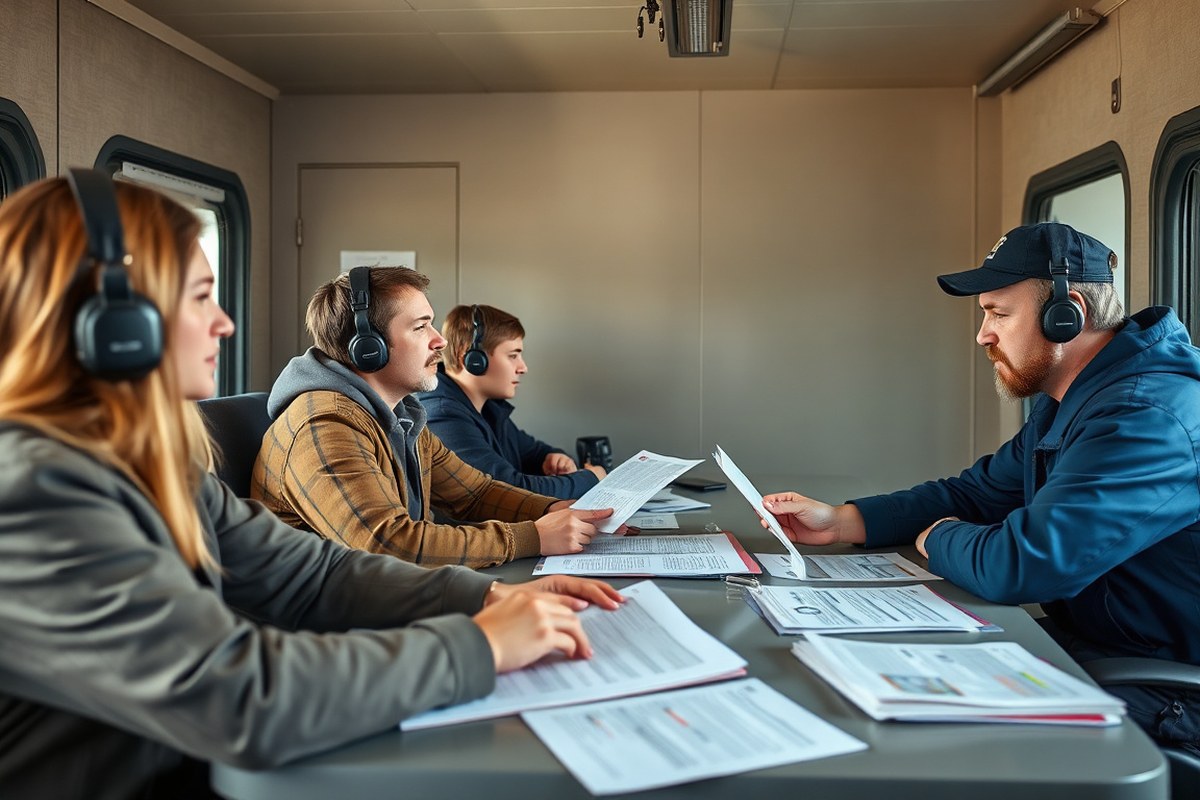
Truck driving school typically takes about 3 to 4 weeks for full-time students. Most programs run daily, with around eight hours of training each day.
Completing the course means you finish classroom lessons and practice driving. You also drive on a real road as part of the course.
Part-time programs stretch over several months since you attend fewer hours weekly. The total length depends on your school, state rules, and truck type. It changes if you learn manual or automatic driving.
The full process usually takes 1 to 2 months with full-time training. This includes your Learner’s Permit and licensing test.
Your day usually starts with classroom instruction on safety and rules, followed by vehicle inspection practice. After lunch, you spend time behind the wheel, first in practice zones, then on actual roads.
Daily practice helps prepare you for the final skills test and CDL. This test usually happens near the end of school.
Differences in Duration Between Class a, B, and C CDL Training
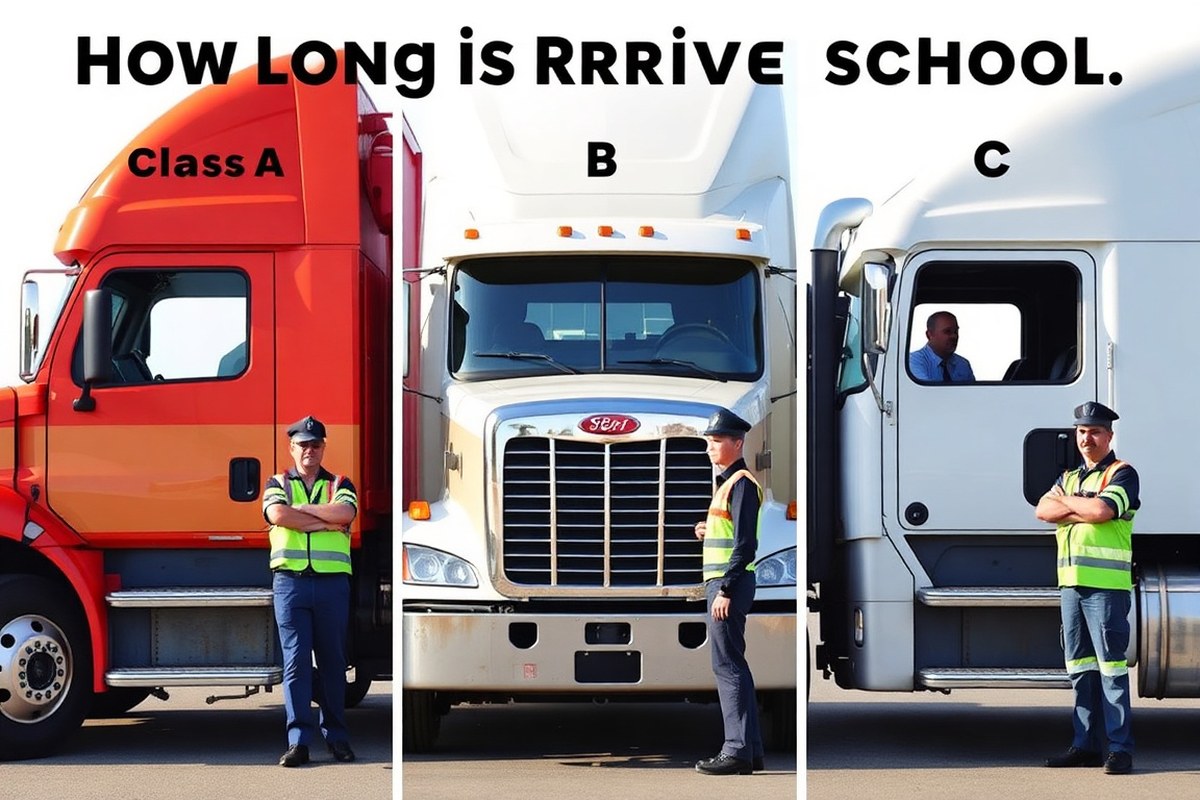
The length of truck driving school varies by the CDL class you aim for. Class A training typically takes longer and covers more skills.
Class B and C programs are often shorter than Class A. They require training based on the vehicle and endorsements. The training matches the specific vehicle you’ll drive.
Class a CDL Training Duration and Requirements
Class A CDL is the most complete license for heavy tractor-trailers. Full-time Class A training usually takes 3 to 4 weeks to complete. This includes at least 160 hours of classroom, simulator, and road training.
Programs like Truck Driver Institute offer about 3 weeks of instruction. This training prepares you for the Class A CDL test. You get focused, hands-on learning during those weeks.
You spend 29 hours practicing basic vehicle handling in a driving range. Then, you get 85 hours driving on public roads with an instructor. This mix builds your skills step by step.
Adding endorsements like passenger or hazardous materials will extend your training time. For example, a Class A with a passenger endorsement can take around 4.5 weeks total.
Class B CDL Training Duration and Requirements
Class B training is shorter because it targets smaller heavy vehicles like buses and dump trucks. Training length depends on the state and type of vehicle you plan to drive. Usually, Class B programs last between 2 to 4 weeks.
The focus is on vehicles over 26,001 pounds with trailers under 10,000 pounds. You’ll cover yard driving and road skills but fewer hours than Class A programs. Training may be less intensive but still requires completing the state’s required hours.
Endorsements like passenger or school bus add to the training time. Choose a program approved for your state’s requirements to avoid retakes or delays.
Class C CDL Training Duration and Requirements
Class C is for vehicles designed to transport 16 or more passengers or hazardous materials. It is the shortest CDL training but varies widely by state and purpose.
Some Class C programs can be as brief as a few days. Others take a few weeks.
The training targets skills like passenger safety or hazardous cargo handling. It doesn’t focus on heavy vehicle operation.
You learn about the specific challenges of your role. Your program length depends on endorsements and state rules more than total driving hours.
School selection matters here; pick one with strong practical training and ELDT compliance. This ensures you meet all standards and pass your CDL test smoothly. Here’s a quick comparison based on typical full-time programs and endorsements:
| CDL Class | Typical Duration | Driving Hours Required | Training Focus | Effect of Endorsements |
|---|---|---|---|---|
| Class A | 3-4 weeks (up to 4.5 with endorsements) | 114+ hours (29 yard, 85 road) | Tractor-trailer operation, long haul skills | Adds days to weeks, e.g., passenger endorsement |
| Class B | 2-4 weeks | Varies by state, fewer than Class A | Heavy vehicles over 26,001 lbs, buses | More time with passenger or school bus endorsements |
| Class C | Days to a few weeks | State-dependent, focused on special cargo or passengers | Passenger vans, small buses, hazardous materials | Endorsements can significantly extend training |
Class A programs demand more time due to the complexity of equipment and skills. Class B and C training focuses on vehicle types and job roles.
They have less driving time than Class A but more targeted lessons. This helps you get ready for your exact role.
Check your state’s requirements and school curriculum before enrolling to avoid extra training or delays.
What Does Truck Driving School Training Include?
Truck driving school training includes classroom lessons, simulator practice, and hands-on road driving. These parts combine to prepare you for earning your CDL. Each section has a clear set of skills and knowledge you must master.
Classroom Instruction Topics and Hours
Students usually spend over 100 hours in classroom instruction. This time covers federal regulations, safety rules, and vehicle maintenance. The goal is to give you a strong foundation.
You’ll learn how trucks work. You also learn the rules you must follow.
Classroom topics often include:
- Vehicle inspection and maintenance basics
- Understanding commercial driving laws and regulations
- Safety protocols for highway and city driving
- Logbooks and hours-of-service rules
- Basic cargo handling and load securement
- Emergency procedures and defensive driving techniques
- Health and wellness tips for long-haul drivers
This theory work prepares you for both written tests and safe driving habits. You’ll learn how to spot truck problems and handle common emergencies.
Simulator Training Benefits and Duration
Some schools use driving simulators to build skills safely before you hit the road. Simulator training usually lasts a few hours to a day. It helps with learning controls and reaction times in a controlled setup.
Simulators let you practice:
- Shifting gears and handling the truck
- Backing up and parking in tight spots
- Responding to hazards like bad weather
- Managing different road conditions
This practice reduces stress once you move to real truck driving. Not all schools offer simulators, so check availability before enrolling.
Behind-the-Wheel and Road Training Hours
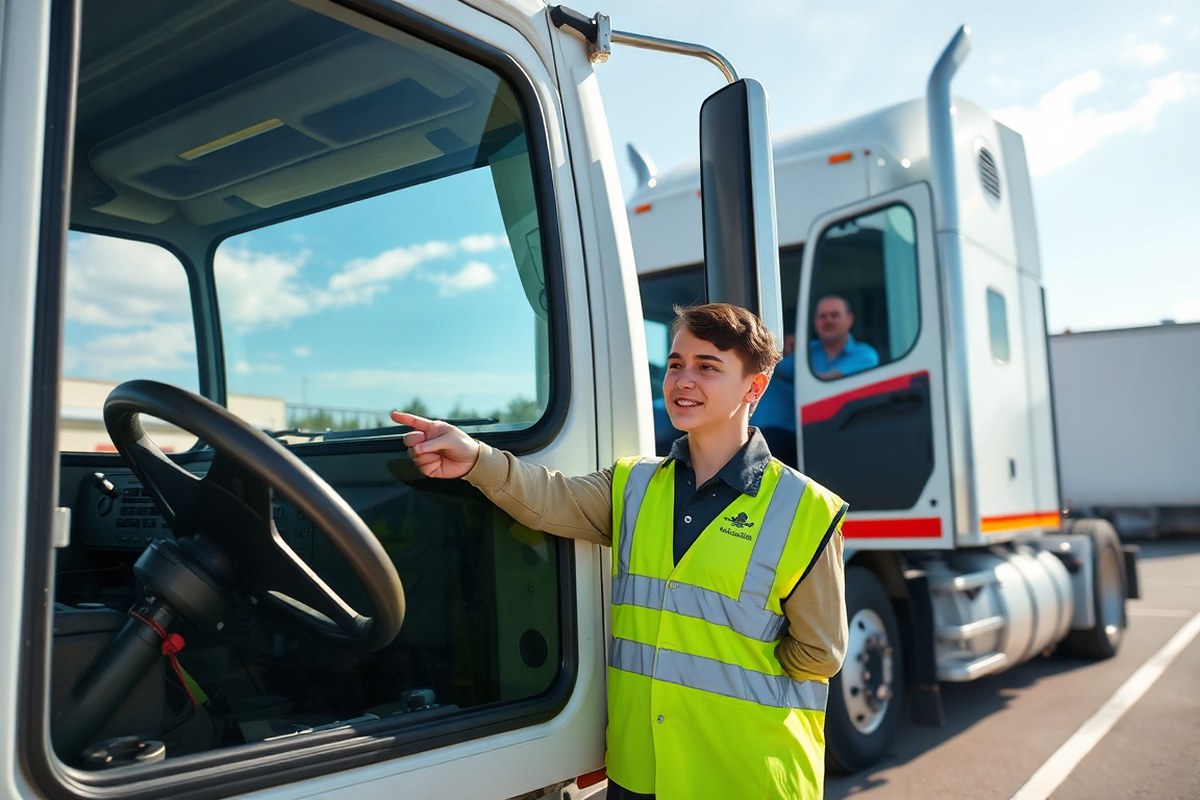
The hands-on driving portion includes practice in a yard and on public roads. This normally lasts about three weeks if you train full time. You’ll drive under the supervision of a certified instructor who guides you step-by-step.
Driving lessons focus on:
- Performing pre-trip inspections
- Backing up and parking maneuvers
- City and highway driving skills
- Navigating turns and lane changes safely
- Logging hours and handling paperwork
Daily sessions last around 8 to 9 hours, split between classrooms and driving practice. The goal is to build your confidence and skill. This helps you pass the CDL road test.
Full-Time vs. Part-Time Truck Driving School: What to Expect
Full-time truck driving school usually lasts about four to eight weeks. You attend classes and driving practice every weekday for several hours. This schedule helps you finish your training quickly and get on the road sooner.
Part-time programs stretch the training over a few months. They often run nights, weekends, or just a few days each week. You learn the same stuff but move slower through it.
The program lets you work or care for family while studying. This way, school fits better into your busy schedule.
The curriculum and certification requirements for both schedules remain the same. Both follow state rules on driving hours. They also require skills training before your CDL test.
These rules keep the training safe and thorough. This means you get the same quality training no matter what schedule you choose.
- Decide how much daily time you can commit to class and practice.
- Consider your current job or family responsibilities when choosing.
- Check your state’s required driving hours for CDL licensing.
- Look at each school’s part-time and full-time program lengths.
- Think about how soon you want to start working as a driver.
- Ask if the school offers endorsements in part-time programs.
- Calculate total cost, as part-time programs may cost more per month.
Full-time training is best if you can pause work and focus on driving. It’s a shorter path and keeps the skills fresh. Part-time fits those who can’t stop working or prefer spreading costs over time.
Many schools customize your training to state regulations and personal needs. They may mix classroom lessons with behind-the-wheel practice to meet the required hours. You pick a program by weighing time and money.
Think about how soon you want to start driving. Each program fits different needs and goals.
Key Factors That Affect Truck Driving School Length
The length of truck driving school depends on several key factors. Your prior experience with driving commercial vehicles can shorten the time you need. Students who already know how to handle big rigs or learn quickly often finish faster.
Holding a Commercial Learner’s Permit (CLP) before starting school may save some time. You can skip some pre-training steps. This lets you focus on driving practice.
Behind-the-wheel time becomes your main focus. Federal rules set a minimum CLP period.
It lasts at least 14 days. You must wait this long before the CDL test.
Endorsements add valuable skills but increase training time. For example, adding hazmat or passenger endorsements usually means extra classroom hours and practice. Training can take a few extra days.
Sometimes it lasts up to a week. It depends on school and endorsement.
- Prior commercial driving experience cuts training days by several.
- Adding hazmat, passenger, or tanker endorsements extends time by 3 to 7 days.
- Having a CLP before school can shorten in-class prep but not the mandatory 14-day wait.
- Weather delays and road conditions may pause driving lessons and tests.
- Part-time schedules spread training over weeks or months instead of days.
- Some schools offer accelerated or extended programs to fit different needs.
Your learning speed plays a big role. Some trainees master driving faster, while others need extra practice.
Bad weather can stop driving tests, causing unexpected waits. Being flexible with your schedule helps manage these delays without stretching training too long.
Check the school’s policy on weather delays before enrolling to avoid surprises.
Choosing the right school and understanding endorsement requirements upfront saves time. Plan for the added days endorsements bring.
Don’t expect holding a CLP to fully cut your training time. Your pace and local conditions often decide the final length of your truck driving school.
How to Accelerate Your CDL Training Timeline
Some schools offer accelerated CDL training programs. These programs pack full-time learning into about 3 to 4 weeks. You must hold the Commercial Learner’s Permit (CLP) for 14 days.
Then you can take your skills test. This wait is required by law. That federal rule means even fast courses can’t cut this waiting time.
Getting ready before classes start helps you fly through the classroom part. Study the CDL manual and practice the written tests online. Learning the rules and signs ahead helps in class.
It makes lessons easier to follow. This speeds up your learning process.
The CLP holding period can slow you down if you get your permit late. Apply for your CLP as soon as you meet age and residency rules. Doing this lets you start training earlier.
You don’t want to wait. Some schools help schedule your permit test early to minimize delays.
- Choose full-time, accelerated CDL training if you want to finish fast
- Start studying the CDL manual and practice tests weeks before school
- Apply for and schedule the CLP test early to avoid waiting
- Ask schools about classes starting dates and CLP-requirement strategies
- Pick schools with strong hands-on training to avoid repeating skills
- Stay focused and avoid skipping lessons to keep pace
- Check for any state-specific rules that may affect your timeline
Hands-on driving practice usually takes the most time. You can speed this by practicing outside school hours if allowed. Some schools offer simulator practice or extra driving sessions for motivated students.
Keep busy and organized. Take notes, ask questions, and schedule tests soon.
That way, you keep the process moving and avoid unknown delays. The faster you learn, the sooner you’re ready to hit the road for work.
What Happens After Truck Driving School Ends?
After finishing truck driving school, your next step is to schedule the CDL skills test. Passing this test earns you the official license. Once licensed, you can look for trucking jobs and start driving professionally soon after.
Scheduling the CDL Skills Test
Once you complete your training, book the CDL skills test right away. Some states let you schedule it during your last week in school. The test has three parts:
- Pre-trip vehicle inspection
- Basic control skills
- On-road driving
Testing dates fill up quickly, so call your local DMV or testing center early. Fees usually range from $100 to $150, depending on your state. Being ready means you can pass the test on your first try.
Waiting Periods and CDL Issuance
After you pass, your official CDL can take some time to arrive. It usually takes a few days or up to a few weeks. Keep an eye on mail during this period.
Some states issue a temporary license immediately, letting you drive legally while you wait. Processing speed varies by location, so check your state’s DMV site.
Make sure all your documents are in order to avoid delays. The total cost for a full CDL is generally around $200. This amount includes all testing and licensing fees.
Costs can vary a bit by location. The sooner you follow up, the faster you get your license.
Job Placement and Starting Your Trucking Career
Many trucking schools offer job placement help. You can start applying for positions before your CDL arrives if you have a temporary permit. Employers often require a clean driving record and physical exam clearance.
Once you have your CDL in hand, you can begin working right away. The best routes for new drivers include local deliveries or training with a company trainer. The first job usually requires a few days of orientation or extra training.
Here is a step-by-step timeline for what happens after truck driving school:
- Finish all hands-on and classroom training.
- Schedule your CDL skills test with the local testing station.
- Pay the testing fee and confirm your test date.
- Pass all three parts of the CDL skills test.
- Receive your official or temporary CDL license.
- Arrange or accept a trucking job offer.
- Complete any employer-required onboarding or training.
- Start your career as a professional truck driver.
Common Mistakes That Extend Truck Driving School Length
Many students rush the pre-trip inspection. This causes failing the skills test. Also, missing backing moves leads to failure.
The test covers specific truck checks and driving techniques. Spend extra time practicing these parts to avoid repeating the exam and extending your school time.
Missing prerequisites like a valid learner’s permit or medical certificate can pause your training. Schools usually require these before starting the course. Check your documents before you sign up.
This keeps your schedule on track. It helps avoid extra fees or rescheduling.
Administrative errors also slow things down. Late submission of paperwork or incorrect forms can delay licensing. Organize your ID, permits, and school paperwork early, and double-check all details before handing them in.
- Failing pre-trip inspections by skipping item checks, fix by practicing with a checklist
- Backing maneuvers mistakes, get extra practice in tight spaces and reverse driving
- Starting school without a learner’s permit or DOT medical card, get these first
- Submitting forms late or with errors, prepare and review paperwork in advance
- Not understanding manual or automatic transmission options, decide early and train accordingly
Always have your learner’s permit and medical card ready before your first day of school.
Choosing automatic over manual trucks affects your learning curve. Pick manual? Spend more time learning clutch control and shifting smoothly.
This choice can add a week or more to your training if you struggle. So consider your comfort with shifting before signing up.
Some delays happen when students don’t pay attention to the paperwork timeline. CDL testing offices need 2 to 3 weeks to process results and paperwork. Handing in everything quickly keeps the process smooth and finishes the school faster.
How Endorsements and Additional Training Affect School Time
Endorsements add extra time to your truck driving training. Each endorsement requires learning specific skills and taking tests. You study these during or after your CDL course.
This training helps prepare you well for each endorsement. How much time depends on which endorsements you choose and your school’s schedule.
Most trainees handle endorsements during their main school time. Some schools let you add endorsements later, which saves money upfront but delays full certification.
Common endorsements include HazMat, Doubles/Triples, Tanker, and Airbrakes. These require extra classroom hours, practice, and knowledge tests.
HazMat endorsement needs a TSA background check, which can add days beyond training. Doubles/Triples and Tanker endorsements involve learning to haul special loads safely, often adding several days. Airbrakes training covers systems unique to trucks, typically taking a shorter time but still adding hours.
| Endorsement | Extra Training Time | Notes |
|---|---|---|
| HazMat | 5 to 7 days | Includes TSA background check and special test |
| Doubles/Triples | 3 to 5 days | Focuses on handling longer trailer combinations |
| Tanker | 3 to 5 days | Teaches driving liquid cargo safely |
| Airbrakes | 1 to 2 days | Covers airbrake system operation and inspection |
The more endorsements you add, the longer school takes. You may have to wait weeks or months to add endorsements later.
Make sure you plan for extra training time after your initial course. Costs can also rise, especially for exams and background checks.
Getting endorsements during initial school helps you finish faster and start working sooner. Preparing for them means extra hours studying and practicing maneuvers. Skipping endorsements costs time later and limits what jobs you can take.
Your Quick-Start Plan for Truck Driving School
Follow this simple plan to start your truck driving training on the right foot. It shows you what to do and how to check your progress.
- Before You Enroll: Research local schools and CDL requirements. Make sure they offer the class and endorsements you need.
- Day 1: Attend orientation and ask about the school’s schedule. Confirm you understand the time commitments.
- Week 1: Focus on classroom learning and passing the written tests. Track your scores and note any difficult areas.
- Week 2 to 3: Practice behind-the-wheel skills daily with your instructor. Ask for feedback after each session.
- Midway: Schedule your CDL permit test as soon as you feel ready. Passing this moves you closer to the road test.
- Final Week: Complete all hands-on driving hours and review safety rules. Check if you meet your school’s minimum training hours.
- End of Training: Take the CDL road test. Use a checklist to confirm you covered every test skill.
- After Passing: Apply for your CDL license and endorsements promptly. Keep documents handy to avoid delays.
Frequently Asked Questions
How Long Does Truck Driving School Take to Get a CDL License?
Truck driving school usually takes about 4 weeks to complete. With full-time training, you can realistically start earning within a month after finishing school.
Can You Finish Truck Driving School Faster with Prior Driving Experience?
Yes, prior experience can shorten your training time. You might skip some basics and complete the program in less than 4 weeks.
What Is the Minimum Age to Attend Truck Driving School?
Most truck driving schools require you to be at least 18 years old. However, to drive interstate professionally, you must be 21 or older.
Do Truck Driving Schools Offer Job Placement After Graduation?
Many schools help with job placement or offer partnerships with trucking companies. Check with your chosen school for their specific programs.
How Much Classroom Time Is Included in Truck Driving School?
Classroom instruction usually makes up about a third of the training time. It covers safety, regulations, and driving techniques.
Before You Go
Truck driving school usually takes about a month or two, depending on your schedule. You can trim this time by focusing on learning and testing quickly. Start by choosing a school and signing up now to get on the road sooner.