Why Is Transmission Fluid Red? A Complete Guide to Color and Care
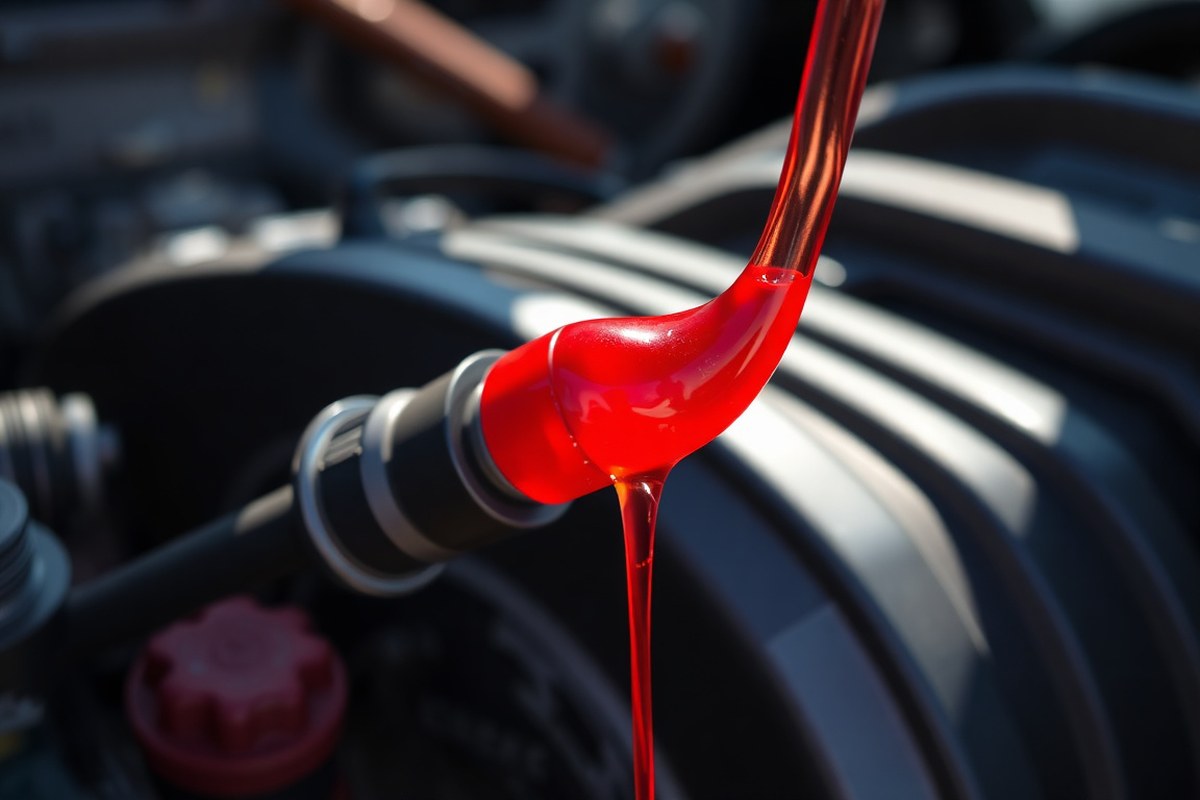
Why is transmission fluid red? It’s mostly colored that way to help you spot leaks or problems easily.
Bright red fluid means your transmission fluid is clean and working well. The color comes from specific additives that protect the transmission and keep it running smoothly.
Transmission fluid turns red because it has special dye added. This dye helps you tell it apart from other car fluids. That’s why transmission fluid color stands out under the hood.
It’s usually bright red or light pink when fresh but changes color as it wears out. Look at your transmission fluid color regularly.
It tells you if something might be wrong. This quick check can save you time and money later.
Since transmission fluid protects your gears and keeps things cool, its condition matters a lot. Dirty or dark fluid can cause damage and lead to expensive repairs. Keep an eye on the color to catch issues early before they get costly.
Key Takeaways
- Fresh transmission fluid is bright red or light pink in color.
- Red color comes from dye added to help identify leaks or problems.
- Dark or brown fluid usually signals worn or contaminated transmission fluid.
- Check transmission fluid color regularly through the dipstick or reservoir.
- Do not top off manual or CVT transmissions with just any red fluid.
- Use the manufacturer’s recommended type and change intervals for fluid.
Why Is Transmission Fluid Red and What Does It Mean?
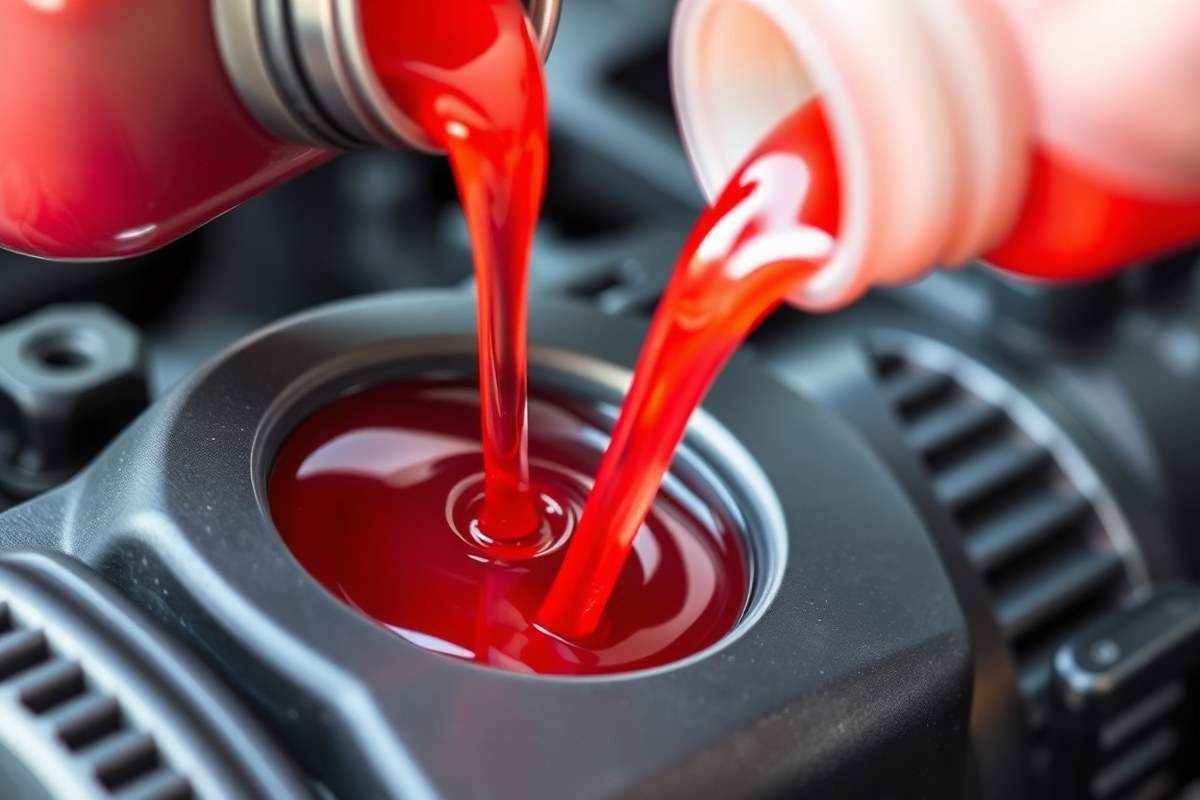
Transmission fluid is not naturally red. Manufacturers add the red dye to make it easier to identify. This bright red color helps you spot it quickly if it leaks under your car.
Besides leak spotting, the red dye acts like a name tag for the fluid. Kia says plants add dye to mark it as transmission fluid.
It’s easy to spot from engine oil or coolant this way. You can check or repair without confusion.
New transmission fluid looks bright red and semi-clear. This color shows it’s fresh and healthy.
Over time, the red dye fades to amber or brown. This means you should plan to change it soon.
Checking the red color helps you spot dirty or burnt fluid too. Old fluid turns dark brown or black and smells burnt. That usually means it’s breaking down and might hurt your transmission.
Some driveline fluids, like manual transmission fluid, lack red dye. They look more like engine oil instead. The red dye makes automatic transmission fluid stand out.
A red puddle under your car shows a transmission fluid leak. This is a clear warning sign.
The red dye doesn’t affect the fluid’s performance. It simply improves safety and maintenance by making the fluid easy to watch. Staying on top of this can save you costly repairs down the road.
Common Transmission Fluid Colors and What They Indicate
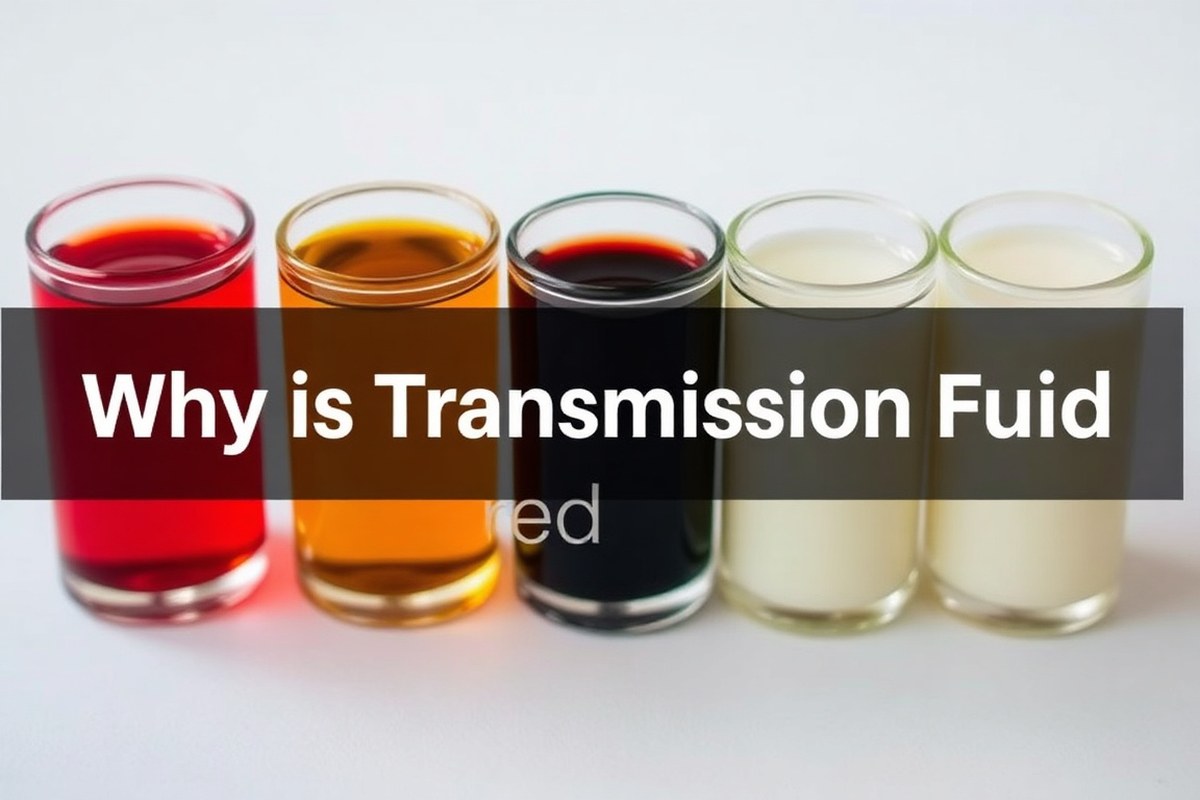
Transmission fluid normally has a bright red or pink color. This color shows the fluid is fresh and working well as a lubricant and coolant.
Over time, heat and oxidation cause the fluid’s color to change. This change shows how the fluid or transmission is doing.
Here’s a quick guide on what transmission fluid colors mean. It also tells you what action to take for each color. Checking the color is a basic way to watch your transmission health before problems show up.
| Appearance | Likely Cause | What to Do | Urgency |
|---|---|---|---|
| Bright red or pink | Fresh fluid, recent service | None; normal | None |
| Reddish-brown | Aged fluid, normal oxidation from heat | Schedule service within 1, 2 months | Routine |
| Dark brown or black | Heavy oxidation, heat damage, or overdue change | Check for burnt smell; service within weeks | Schedule soon |
| Black + burnt smell | Internal wear, failing seals, overheating | Stop driving; tow to shop | Urgent |
| Milky or cloudy | Coolant leak into transmission fluid | Get inspected by a professional immediately | Urgent |
Dark red fluid still means your transmission fluid is good. But over time, it can turn brown as it oxidizes from heat.
Brown or black fluid usually means your fluid is old or overheated. This can damage your transmission and needs a change soon.
A milky, cloudy, or pinkish hue means coolant has mixed in. This usually happens because of a leak in the transmission cooler inside the radiator.
You should not drive the vehicle with milky fluid. Have a mechanic check it right away as it can cause serious damage.
Never ignore dark fluid or a burnt smell; those are signs of serious trouble.
How to Safely Check Transmission Fluid Color Yourself
Check transmission fluid color only when the engine is warm and running. Use the transmission dipstick, not the engine oil dipstick, to avoid confusion. This helps you get an accurate reading of the fluid’s condition and level.
Preparing Your Car for Fluid Check
Park your car on a level surface and start the engine. Let it run for about 10 minutes to warm up the transmission fluid. Warm fluid expands, so checking it cold gives a false low level reading.
Keep the parking brake engaged before opening the hood. Locate the transmission fluid dipstick, usually farther back than the engine oil dipstick. Be careful not to confuse it with the engine oil or coolant reservoir caps.
Reading the Dipstick Color and Texture
Once warmed, remove the dipstick and wipe it clean with a lint-free cloth. Reinsert it fully, then pull it back out to check the fluid’s color and level. The fluid should be mostly transparent red with a slight oily texture.
Look for signs of discoloration or cloudiness. Bright red or pink fluid means healthy transmission fluid. Brown or burnt-smelling fluid indicates contamination or overheating and needs attention.
Avoiding False Color Interpretation
Do not check transmission fluid right after turning off the engine. The fluid cools quickly and contracts, showing a misleading low level. Wait until the engine reaches normal operating temperature before testing.
Make sure you’re not mistaking transmission fluid for engine oil or coolant. Transmission fluid is thinner and usually red.
Engine oil is amber or brown and coolant is green or orange. Using the correct dipstick ensures you check the right fluid.
- Park your car on a flat surface and turn on the engine.
- Let the engine run for about 10 minutes to warm the fluid.
- Engage the parking brake and open the hood carefully.
- Find the transmission fluid dipstick, typically at the back of the engine bay.
- Pull the dipstick out and wipe it clean with a cloth.
- Insert the dipstick fully, then pull it out again to read the color and level.
- Check for red color and oily texture; avoid brown or burnt fluid.
- Reinsert the dipstick securely after checking.
Differences Between Automatic, Manual, and CVT Transmission Fluids
Transmission fluid color varies among automatic, manual, and CVT systems due to different compositions. Automatic fluids are usually red or pink.
Manual fluids tend to be amber or brown. CVT fluid colors differ widely, showing red, green, blue, or orange depending on the brand.
Automatic Transmission Fluid Colors and Composition
Automatic transmission fluid (ATF) is commonly bright red or light pink when fresh. This color helps you spot leaks or contamination quickly. Most automatic transmissions use fluids like Dexron III or Mercon.
These fluids start red. They darken as they age.
These automatic fluids carry special additives for smooth gear shifts and heat protection. They break down faster than manual fluids due to higher operating temperatures. Check the fluid regularly.
Bright red or pink color means it is good. Dark fluid means it may be old.
Manual Transmission Fluid: Color and Characteristics
Manual transmission fluid usually looks amber or golden instead of red. It’s designed to protect gears and bearings under different pressure than automatics. It should never look black or burnt, which signals worn fluid that may harm your transmission.
Because manual transmissions don’t run as hot, their fluid lasts longer. To check the fluid, compare it to a new bottle of the same type. A matching amber or golden tone shows it’s still effective for lubrication and wear protection.
CVT Transmission Fluids: Wide Color and Formula Range
Continuously variable transmission (CVT) fluids have no single standard color. Some CVT fluids are light red or amber.
But others come in green, blue, or orange shades. This color variation reflects different chemical formulas tailored to CVT designs.
Manufacturers like Castrol note this lack of color standard. Brands such as ZF offer both green and blue fluids, and others prefer red. Always use the exact fluid type your vehicle’s manual recommends to avoid damage.
Why Color Differences Matter for Maintenance
Each transmission type needs the correct fluid type to avoid wear and overheating. Using wrong fluid color or type reduces performance and could void your warranty. Always check your owner’s manual for the approved fluid specifications.
Changing the transmission fluid with the right formula helps keep your gearbox running longer. Bad fluid colors like dark brown or black show oxidation and heat damage. Fresh, clear fluid signals your transmission stays protected well.
How to Match Fluid Color for Your Transmission
Start by identifying your transmission type: automatic, manual, or CVT. Look at the fluid color carefully on the dipstick or sample it in a clean container. You can compare this with new fluid purchased in-store to spot changes or contamination.
Buying the labeled fluid from a trusted brand ensures the right additives and color. Automatic transmission fluid usually costs $10 to $30 per quart.
Manual fluid costs about the same or a bit less. Avoid mixing fluids of different colors or specifications to prevent transmission damage.
What Transmission Fluid Color Changes Indicate About Vehicle Health
Transmission Fluid Turning Dark: Signs of Wear and Heat Damage
Transmission fluid loses its bright red color mainly due to heat and wear inside the transmission. Over time, exposure to high temperatures breaks down the fluid, causing it to darken. Dark red or brown fluid means it no longer lubricates or cools well.
Heat damages the additives that keep the fluid stable and slippery. Without these additives, friction rises, and parts wear faster. Driving with dark fluid stresses the transmission, risking costly damage.
Sudden Color Changes: Causes and What They Mean
Transmission fluid color usually changes slowly but can sometimes shift quickly. Sudden changes often mean contamination or leaks mixing dirt or moisture into the fluid. This contaminates the fluid and reduces its performance.
A quick color shift might also happen if the fluid overheats during heavy driving or towing. This heat spike breaks down the fluid faster than usual, harming its protective properties early.
Effects of Driving with Bad Transmission Fluid
Keeping a car on the road with degraded transmission fluid can cause serious problems. The fluid can no longer protect parts from heat and friction.
This causes clutch plates and gears to wear out too soon. You could notice slipping gears or harsh shifts.
This damage often means a rebuild or costly replacement down the line. Regular checks catch bad fluid before it causes long-term harm. You can avoid these headaches by noticing and fixing fluid problems early.
Heat’s Role in Changing Fluid Color and Condition
Heat speeds up fluid breakdown by evaporating key ingredients and thickening the oil. As the fluid ages, it darkens from red to brown or even black. This signals that the fluid is old and overheated.
Hot conditions, like stop-and-go city driving or towing, hit the transmission hard. Keeping fluid cool and fresh prevents this damage. Using the right fluid type helps it resist heat longer.
Checking and Responding to Fluid Color Changes
Use the dipstick to check your transmission fluid color at home. Wipe it on a clean white cloth for a clear look. Bright red fluid means the transmission is healthy, while darker colors call for action.
Some manufacturers say dark red fluid can be okay. But if it’s brown or black, replace it.
Changing fluid usually costs between $100 and $250, depending on your car and location. Replacing fluid on schedule keeps your transmission running smoothly and extends its life. Don’t wait for major problems before acting.
Let the engine warm up first before checking the transmission fluid color. This helps you get a correct reading.
Signs of Transmission Fluid Leaks and How to Identify Them
Transmission fluid leaks often appear as bright red or pink spots under your car. This red color is a dye added to the fluid so you can spot leaks easily.
Other car fluids like engine oil or brake fluid have different colors and textures. So color helps you tell them apart.
You can find transmission fluid leaks near the front or middle of your vehicle. Common places include under the transmission pan or near the gaskets and seals. Check these areas regularly, especially after long drives or warm weather when leaks happen more often.
To tell transmission fluid leaks from others, look at the color, feel, and location. Transmission fluid is usually smooth and slippery, not sticky or thick. It smells slightly sweet or like petroleum.
This differs from the bitter smell of brake fluid. Engine oil has a burnt odor instead.
- Bright red or pink spots on the ground indicate fresh transmission fluid leaks.
- Look under the car near the transmission pan or seals for puddles or drips.
- Transmission fluid feels slick and oily, unlike thicker fluids like gear oil.
- Check fluid smell; transmission fluid has a light petroleum or sweet scent.
- Engine oil is darker brown or black, and brake fluid is clear to yellowish.
- Automatic transmission fluid is often red, but CVT fluids may be amber or green.
- Use a white cardboard or paper under the car to see leak color clearly.
Spotting transmission fluid leaks quickly helps prevent major damage to your vehicle. A slow leak keeps the gears from getting enough lubrication, which can lead to overheating. Watch for transmission fluid levels dropping when you check the dipstick every few thousand miles.
You notice red fluid but aren’t sure what it is. Wipe the leak clean and watch where fresh fluid appears next. This helps confirm the type of fluid.
Avoid mixing it up with power steering fluid. That fluid can sometimes be red. But it usually smells and feels different.
Fixing a leak early usually costs less than repairing transmission damage later. Keep an eye out, especially if your car is older or has high mileage.
How Often to Change Transmission Fluid and Why It Matters
Transmission fluid usually needs changing around 100,000 miles. That’s when the fluid often darkens from its normal red to a brownish shade. You should schedule a service soon if you haven’t changed your fluid yet.
Ignoring transmission fluid changes can cause bigger problems like poor shifting or costly transmission damage. Sometimes rough shifting is a sign you need a mechanic.
Leaks can mean the same. You might need more than just topping off the fluid.
The table below shows typical intervals and actions based on mileage and fluid condition.
| Mileage | Transmission Fluid Condition | Recommended Action |
|---|---|---|
| Below 100,000 miles | Red or pink, clear fluid | No change needed, check periodically |
| Approaching 100,000 miles | Starting to darken, less clear | Schedule transmission fluid change |
| Over 100,000 miles | Dark brown or burnt smell | Change fluid, inspect for damage |
| Any mileage | Fluid leaking, rough shifting | See a professional mechanic immediately |
Changing transmission fluid involves draining the old fluid and adding fresh fluid with the correct type. It usually takes about an hour and costs between $100 and $200 at most shops. Replacing the fluid helps protect your transmission and keeps shifts smooth.
A mechanic should inspect your transmission if you notice leaks or rough shifting. These signs could mean deeper issues beyond just fluid changes. Regular checks keep your car performing well and avoid expensive repairs.
Practical Tips for Maintaining Healthy Transmission Fluid
Top off transmission fluid only if your car manual confirms it’s safe. Use the right type of fluid specified for your transmission. Putting in the wrong fluid can cause damage and void warranties.
Tools like a transmission fluid dipstick help check fluid level and color yourself. Look for a bright, translucent red color, which signals healthy fluid. Dark or burnt-smelling fluid means it may need a change.
Keep an eye on leaks under the car. Low fluid causes slipping and overheating, which can lead to costly repairs. Fix leaks early to protect your transmission and keep your car running smoothly.
- Check fluid levels monthly when the engine is warm and running.
- Wipe the dipstick clean before reinserting it to get an accurate reading.
- Inspect fluid color and smell during every check for early problem signs.
- Use only manufacturer-recommended fluids; avoid mixing types.
- Watch for transmission slipping, delays in shifting, or noise.
- Clean area around dipstick to avoid dirt contaminating the fluid.
- Schedule regular fluid changes as your vehicle’s manual suggests.
Avoid topping off if the fluid is dirty. Get a full flush or change instead.
Don’t rely solely on fluid color; age and driving conditions also affect transmission health. Aggressive driving raises fluid temperature, so drive gently to extend transmission life.
Always double-check your owner’s manual before adding transmission fluid yourself.
When to Get Professional Help for Transmission Fluid Problems
Watch for delayed or rough gear shifting, slipping gears, or strange noises. These signs show your transmission fluid might be low or old.
Also, pay attention if your vehicle overheats or you smell burning. These symptoms need a mechanic’s attention promptly.
Stop driving if shifting feels jerky or the transmission slips out of gear. Continuing to drive risks serious damage that costs thousands to fix.
Call a qualified mechanic to diagnose and repair transmission fluid troubles. They have tools to check fluid condition, levels, and pressure.
Delaying service leads to overheated, worn transmission parts and early failure. Repairs can then include rebuilding or replacing the entire transmission.
Transmission fluid service often costs $150 to $300. Fixing damage caused by low or bad fluid runs much higher.
Follow a simple rule: seek professional help whenever fluid smells burnt or looks dark and dirty. Also, don’t ignore persistent shifting issues even if fluid looks okay. Proper fluid levels and quality keep transmissions running smoothly for years.
Step-by-Step Action Plan to Keep Your Transmission Fluid in Check
Follow these steps to keep your transmission fluid healthy. This helps your car shift smoothly and last longer.
- Before you start: Find your vehicle’s manual and locate the transmission fluid section. Knowing the right fluid type prevents costly mistakes.
- Every month: Check your transmission fluid color and level when the engine is warm. Clear red fluid means all is well.
- Every 30,000 to 60,000 miles: Change the transmission fluid, following your manual’s recommendation. Fresh fluid keeps the transmission from overheating or wearing out.
- After a fluid change: Take a short drive and check for leaks under the car. No leaks means the job’s solid.
- Notice dark or burnt fluid? Schedule a professional transmission inspection right away. Dark fluid signals damage or overheating.
- Whenever you spot leaks or shifting problems: Get your car to a licensed mechanic right away. Early fixes prevent bigger repairs.
- Every service visit: Ask the mechanic to check your transmission fluid condition. It’s an easy check that saves money down the road.
Frequently Asked Questions
Why Is Transmission Fluid Dyed Red?
Transmission fluid is dyed red so you can spot leaks easily. This bright color stands out against other car fluids.
Can Red Transmission Fluid Change Color over Time?
Yes, red transmission fluid darkens to brown as it ages and breaks down. This color change signals it might be time for a fluid change.
Is Red Transmission Fluid Safe for All Transmission Types?
No, red fluid is usually for automatic transmissions only. Using it in manual or CVT transmissions can cause damage.
Why Does Transmission Fluid Turn Dark Red or Brown?
Fluid darkens because heat and contaminants wear it out. Dark color often means reduced lubricating and cooling power.
Can the Red Color Fade with Extended Use?
Yes, the red dye can fade as the fluid gets old. Faded color makes it harder to see leaks or fluid condition.
Final Thoughts
Transmission fluid is red to help you spot issues easily and keep your car running well. Watch your fluid’s color and level regularly to avoid costly repairs.
Check your fluid this week. Make it part of your routine car care.