What Is Right of Way Driving: A Complete Guide with Practical Rules & Tips
What is right of way driving? It means knowing who must go first in traffic.
Right of way helps avoid crashes by giving clear rules about priority. Following these rules keeps traffic flowing smoothly and safely on all roads.
Right of way depends on where you are and the traffic situation. At intersections, traffic signs and signals tell drivers who must yield. When turning, going straight, or crossing with pedestrians, you adjust your priority accordingly.
Always watch for other road users like cyclists, emergency vehicles, or school buses. They often have priority even when other drivers don’t expect it. Being alert and ready to yield helps you avoid accidents and stay safe.
Understanding right of way rules lets you predict other drivers’ actions. This helps reduce confusion at busy spots like roundabouts and four-way stops. Keeping these rules in mind makes you a more confident and responsible driver.
Key Takeaways
- Yield to drivers on your right at a 4-way stop if you arrived first later.
- Stop at least 15 feet from railroad crossings when signals indicate a train is coming.
- Give cyclists at least 3 feet of space when passing them on the road.
- Yield to pedestrians in crosswalks, even if you have a green light.
- When turning left, always yield to oncoming traffic going straight or right.
- Emergency vehicles with flashing lights and sirens always have the right of way.
What Does Right of Way Mean in Driving?
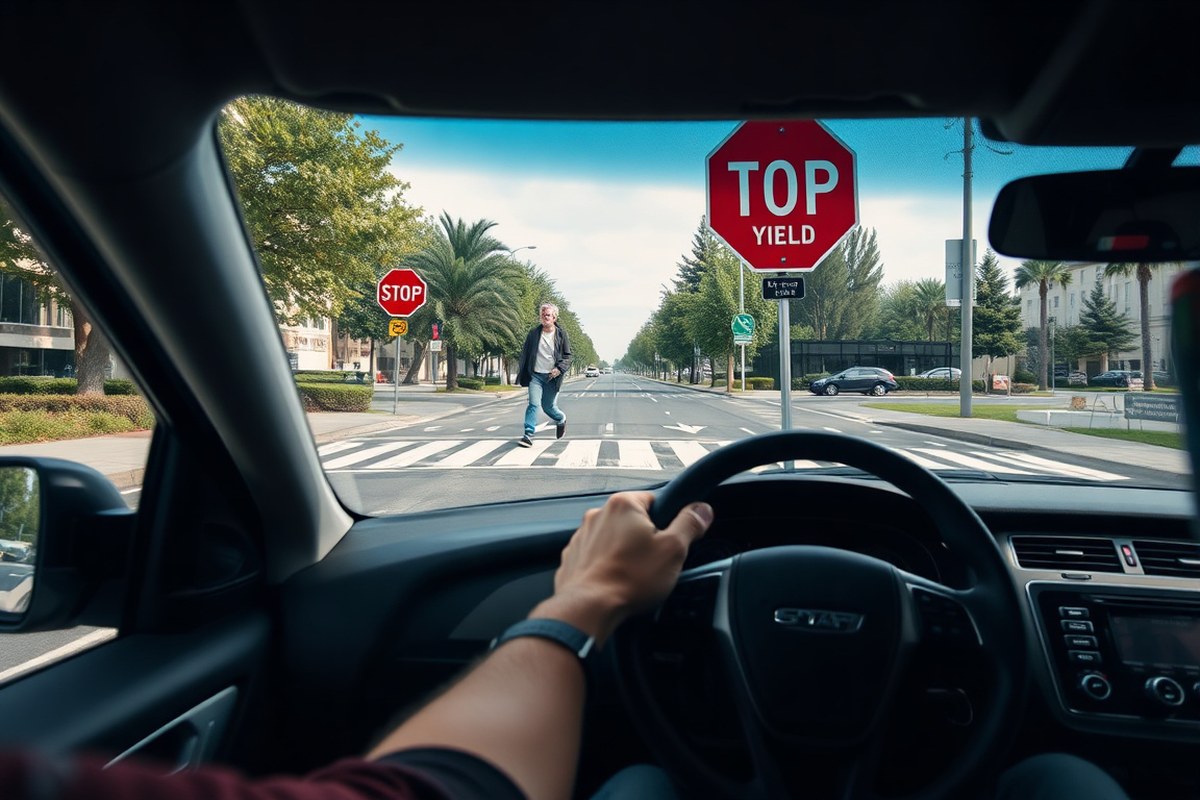
The right of way in driving means knowing who should go first in traffic. It tells you when to stop and when to move to avoid crashes. The law helps decide who must yield or go first.
It guides drivers and pedestrians in various situations. This keeps traffic moving safely and fairly.
It’s not a right you always have no matter what. You only have right of way if others let you go first. For example, at an intersection, you may need to stop.
You might wait for other cars, even if you could go. This avoids crashes and confusion.
Following right of way rules helps keep traffic orderly and reduces accidents. It prevents confusion about who moves next in tight spots like intersections or roundabouts. Knowing these rules means you can drive safely while respecting others on the road.
You don’t just rush ahead because you think you have the right. Instead, you watch others and yield when the situation calls for it. For instance, when turning left, you almost always yield to oncoming traffic.
Right of way is about understanding when to yield and when to proceed carefully. When a pedestrian steps in front of you, wait.
Give them time to cross safely, no matter what. They need cars to stop to cross safely.
Emergency vehicles add more rules to the mix. You must pull over and stop when they approach with sirens or flashing lights. This yields the right of way to allow them to pass quickly and safely.
Learning and following right of way rules takes attention and practice. You look around, judge who goes first, and drive patiently. This practice cost is time and focus but helps you avoid crashes and road rage.
How to Determine Right of Way at Different Intersections
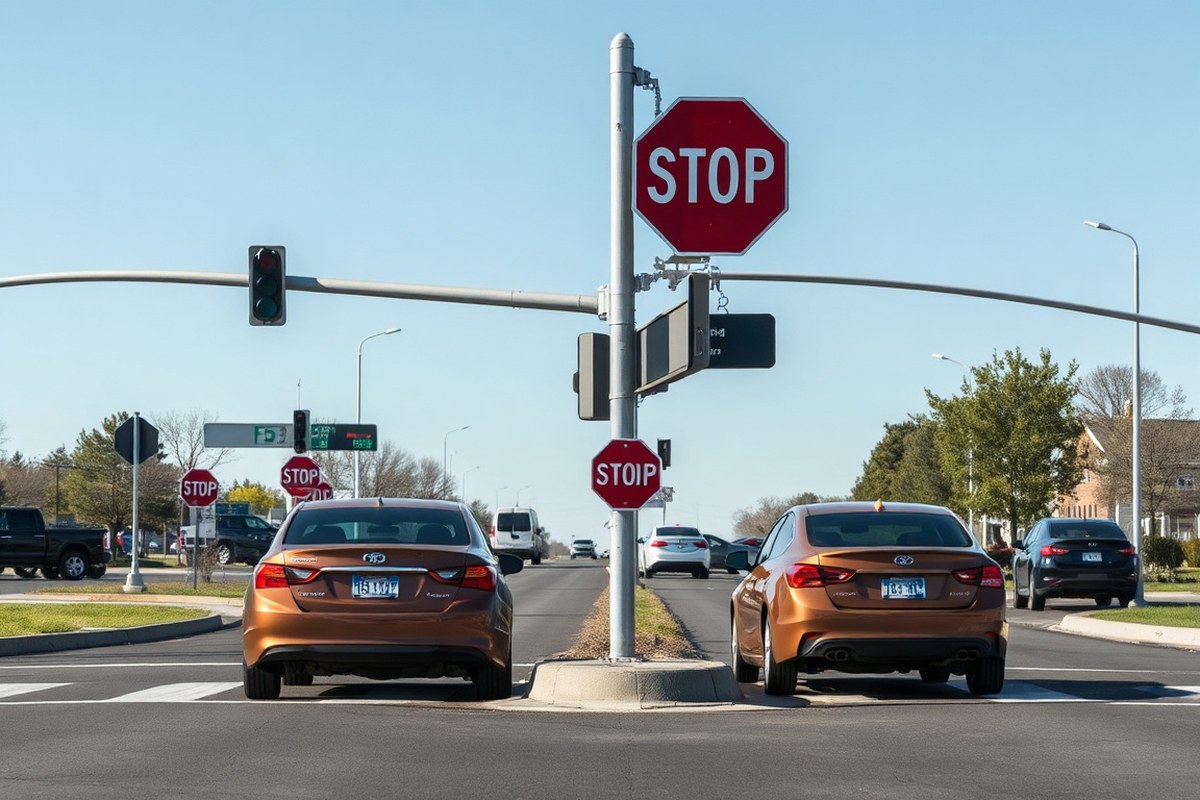
Right of way rules depend on the type of intersection and signs present. You need to know who stops, who yields, and who goes first. Here’s how these rules apply at common intersections.
Right of Way at 4-Way Stops
At a 4-way stop, the car that comes to a stop first goes first. If two cars arrive simultaneously, the one on the right has priority. This rule reduces confusion and helps traffic flow better.
When you stop at a 4-way stop, look around for other vehicles. Arriving after another car stopped means you should let that car go first.
Right of Way at T-Intersections
At a T-intersection, the road that ends must yield to traffic on the through street. Drivers on the terminating road stop and wait for a safe gap. The vehicles on the main road have priority unless there is a stop or yield sign.
Look both ways and yield to any oncoming traffic before turning or crossing. This rule helps prevent crashes when roads meet unevenly.
Right of Way at Uncontrolled and Yield Sign Intersections
At uncontrolled intersections with no signs or lights, the general rule is “first come, first served.” If two drivers arrive at the same time, yield to the car on your right. This simple rule avoids uncertainty in low-traffic areas.
When you reach a yield sign, slow down and watch for traffic. You don’t have to stop if the way is clear.
But you must give up the right of way to others. Being cautious at yields prevents dangerous merges.
| Intersection Type | Who Has Right of Way | Action Required |
|---|---|---|
| 4-Way Stop | First vehicle to stop, or driver on right if tied | Stop fully, then proceed when it’s your turn |
| T-Intersection | Traffic on the through road | Stop or yield if on the terminating road |
| Uncontrolled Intersection | First vehicle to arrive, or driver on right if tied | Proceed carefully, yield if another vehicle has priority |
| Yield Sign | Other vehicles and pedestrians | Slow down, yield, stop if needed |
Use these rules every time you approach these intersections. Treat others as you want to be treated and avoid rushing. That keeps everyone safer and traffic moving.
Who Yields When Signals Are Present
At intersections with traffic lights, follow the signals first. Stop on red and go on green unless turning with specific arrows. Pedestrians and emergency vehicles often override signals, so stay alert.
Yield to pedestrians in crosswalks even if you have a green light. Emergency vehicles always have the highest priority; pull over and stop until they pass. Ignoring signals or these rules can cause serious accidents.
Always stop completely at a 4-way stop and look both ways before moving. This habit saves lives.
Who Has Priority When Turning or Going Straight?
Drivers going straight usually have priority over those turning left or right. Cars turning left must yield to oncoming traffic and pedestrians. Meanwhile, drivers turning right yield to pedestrians and left-turning vehicles.
Yielding When Turning Left
You must yield to oncoming vehicles going straight or turning right when making a left turn. This means waiting until the roadway is clear before moving. When the light is green without a left-turn arrow, oncoming traffic has the right of way.
Also, watch for pedestrians crossing where you turn left. Yielding involves waiting for all oncoming vehicles and pedestrians to safely pass. When you stop with a car going straight, yield to that car first.
Rules for Right Turns
Right-turning drivers must yield to pedestrians crossing the street they want to enter. Also, watch for oncoming vehicles turning left across your path. These left-turners have priority over your right turn.
Before turning right, look both ways, especially to your right. Always check for cyclists and pedestrians near the curb. Yield until the way is clear, then signal and move carefully.
- Yield to all pedestrians crossing your turn path
- Watch for oncoming left turners crossing your lane
- Check both left and right before turning
- Use your turn signal before moving
- Wait patiently for vehicles or people to clear
After these steps, you can complete your turn safely and legally. Ignoring these rules risks collisions with pedestrians or other drivers.
Going Straight Through Intersections
Vehicles going straight have the right of way over all turning cars. When you approach an intersection with cars turning left, you go first. Drivers turning left or right must wait for you to pass.
Also watch for cyclists going straight through intersections. They have priority over vehicles turning left or right. Yielding to cyclists helps prevent accidents in crosswalks and bike lanes.
How Do Pedestrians, Cyclists, and Emergency Vehicles Affect Right of Way?
Pedestrians always get the right of way at crosswalks and intersections. You must stop to let them cross safely. Even if you have a green light, watch for pedestrians stepping onto the street.
Bicycles are treated like vehicles on the road. They must follow the same rules you do.
But you still need to watch for them carefully. Yield to cyclists when they are already in the intersection or crosswalk, especially at turns.
Emergency vehicles like ambulances, fire trucks, and police cars get top priority. Hearing sirens or seeing flashing lights means you must pull over to the road’s right edge and stop.
Change lanes if the emergency vehicle is parked on the side. Stay put until they go by or give a signal to move.
Funeral processions usually have special rules that depend on state laws. Sometimes, drivers are required to yield or not interrupt the procession.
Other times, no special yielding is necessary. Check your state’s traffic laws to be sure.
Always stay alert for pedestrians crossing streets, especially near schools or busy intersections. Prioritize their safety by stopping fully and not edging forward. This adherence helps prevent accidents and legal trouble.
Yielding to emergency vehicles is not just polite, it’s the law. Failing to do so can lead to hefty fines and puts lives at risk. Pulling over quickly and safely lets them reach emergencies faster and protects everyone on the road.
Cyclists aren’t automatically given the right of way, but they do have legal protections. Watch for them in bike lanes or shared traffic spaces. Giving them enough space when passing is both safe and a legal duty.
When approaching a roundabout, yield to pedestrians on crosswalks you enter or exit. Both you and other vehicles must wait until the pedestrian completes crossing. This rule keeps vulnerable users safe in complex traffic spots.
Right of Way Rules for Railroads, School Buses, and Special Situations
Stop at least 15 feet from railroad crossings. This distance lets you see trains and keeps you clear if they pass.
Trains can take a long time to stop. So don’t try to beat one across the tracks.
Vehicles going both ways must stop for a school bus. The bus shows a stop sign or flashing lights. You must stop until the bus moves or signals are off.
You need to stop until the bus resumes motion or the driver signals it’s safe. This keeps children safe while they get on or off the bus.
Special vehicles like buses carrying hazardous materials must stop at railroad crossings. They must stop even if no train is in sight. This rule is for extra safety.
Watch for signs and signals in these areas. They often have extra rules for safety because of what they carry.
Some unique right-of-way rules apply in places like school zones and pedestrian crossings. You should always obey crossing guards and slow down for children nearby. Reducing speed helps prevent accidents in these busy walking areas.
- Stop 15 feet from railroad tracks when a train approaches
- All lanes stop for school buses with flashing stop signals
- Hazardous material buses always stop at railroad crossings
- Obey school crossing guards and reduce speed in school zones
- Watch for special road signs indicating right of way rules
Never drive around a stopped school bus. It’s illegal and dangerous.
Not yielding right of way at railroad crossings or for school buses leads to serious crashes. It also results in fines. These rules keep you and others safe.
Study your state’s driving handbook to know exact rules where you live. Following safety distances and signals protects you and others on the road.
What to Do When Right of Way Isn’t Clear or Another Driver Ignores It
When two drivers get there at the same time, both might think they go first. The rule is simple: you yield to the car on your right. This helps avoid confusion and crashes.
This means if you are to the left of the other vehicle, you wait. Staying calm and patient helps prevent confusion and accidents in these moments.
When another driver insists on going first or won’t yield, it’s safer to let them go. Avoid arguing or trying to outdrive them. You reduce the chance of an accident.
Never try to force your way or insist on your right. Yielding is not losing; it’s avoiding crashes and staying safe on the road.
Handling aggressive or distracted drivers requires caution. Avoid eye contact or gestures that might provoke them. You can gently flash your brakes or signal your intentions clearly.
When things feel unsafe, slow down and give yourself room. Let the other driver pass to avoid any trouble. This keeps everyone safer on the road.
You might want to say something polite if communication is needed. For example, “Go ahead, you have the right of way.”
This often diffuses tension and shows you are being cooperative. It’s better than arguing or showing frustration.
In uncertain situations without clear right of way, slow down and prepare to stop. Watch for signals like hand waves, lights, or horn honks.
Assume the other drivers may not see you, so be ready to give way. This keeps you and others protected.
Remember, safety outweighs being “right” in these conflicts. Yielding costs you only a few seconds but can prevent crashes and injuries. Driving courteously and cautiously means less stress and fewer risks for everyone on the road.
Common Right of Way Myths and Mistakes to Avoid
People often think the car on the right always goes first, but that’s not true. Some states require you to yield to a vehicle coming from your right. But many places also consider who arrived first.
Right of way isn’t an absolute claim. It means you have the legal right to go first. But you must stay alert and ready to yield to avoid crashes.
Many drivers make mistakes assuming the rules always protect them. Giving up your right of way can stop crashes. This helps when other drivers seem confused.
It also helps if they act aggressive. A lot of drivers don’t yield at stop signs.
Some misjudge when it’s safe to cross with pedestrians. Others rush through intersections without looking carefully.
- Don’t assume others will yield, even if you have the right.
- Always watch for pedestrians and cyclists, and keep at least 3 feet from cyclists.
- Make eye contact with other drivers to confirm intentions before proceeding.
- Yield if another driver signals you to go first to avoid deadlocks.
- Stop fully at stop signs, then proceed based on right of way rules.
- Slow down at complex intersections to allow time to react.
- Be prepared to stop if someone else ignores the rules to avoid crashes.
Drivers who assume they always have the right often cause crashes. For example, rushing through an intersection without checking can lead to side collisions.
Slowing down and being polite takes just a few seconds. This small effort cuts your crash risk a lot.
Even if you have the right of way, safe driving means watching for mistakes from others. Slow down and let other drivers go first if they don’t yield.
That’s smarter than forcing your way and causing a crash. Right of way helps traffic flow, but staying cautious and cooperative keeps everyone safer.
How Right of Way Rules Differ by State and What Drivers Should Know
Right of way rules do vary by state, affecting how you drive in different places. Some rules about stopping or yielding change depending on where you are. Keep a state driver handbook handy when you cross state lines for up-to-date info.
Variations in Stop Sign Rules
Most states require you to stop fully at stop signs. But not all handle multiple stops the same way. For example, at a two-way stop, you usually yield to vehicles on the main road.
States also vary on who goes first when two cars arrive simultaneously at a four-way stop. Some let the car on the right proceed first; others follow different local rules.
Differences in Pedestrian Priority
Pedestrians generally have the right of way in crosswalks everywhere. However, the timing of signals like “Walk” can differ, influencing when drivers must stop completely.
Some states give pedestrians priority beyond crosswalks. This includes corners and mid-block areas.
These areas have signs showing pedestrian priority. This changes how you watch for foot traffic.
State-Specific Emergency Vehicle Laws
In every state, you must move to the right. Always stop for emergency vehicles with active warning signals. Yet, specifics about distance to stop or when to move can vary.
Without active sirens or lights, emergency vehicles follow the same rules as regular traffic. Knowing how your state handles this avoids fines or unsafe moves. Here is a table summarizing some common right of way variations by state:
| Right of Way Situation | Common Rule | Example Variation |
|---|---|---|
| Stop Sign Handling | Yield to traffic on main road | Some states give right of way to the first car stopped |
| Four-Way Stop Priority | Car on the right goes first | Other states may defer to straight-going vehicles |
| Pedestrian Crosswalks | Drivers must stop for crossing pedestrians | Extended crossing zones in some states |
| Emergency Vehicles | Pull right and stop | Distance and timing to stop vary by state |
You can find official state driver handbooks online by searching “[State Name] driver handbook.” Many states provide free PDF downloads.
Always check for local signs and traffic signals. They can override general right of way rules.
Defensive Driving Tips Related to Right of Way for Safer Roads
Even when you have the right of way, yielding can prevent crashes. It’s safer to slow down or stop if another driver looks confused or impatient. You should also yield to pedestrians crossing or about to cross, especially when turning right.
Confusion over right of way often causes accidents at intersections. Watch for cars waiting to enter or pedestrians stepping off the curb. Staying alert helps you spot these moments and react early.
Keep a safe distance to give room for unexpected moves. When near cyclists, maintain at least 3 feet between you and them. For pedestrians, slow down when they come near.
Be ready to stop. This is important especially on narrow roads and near schools.
- Look left and right twice before moving at a four-way stop.
- Wave other drivers ahead when you’re unsure who goes first.
- Slow down on slippery roads to stay in control when yielding.
- Don’t assume the other driver sees you; make eye contact if possible.
- Always scan sidewalks and crosswalks for pedestrians before turning.
- Give extra space to bicycles traveling straight through intersections.
- Be patient and avoid aggressive moves even if you have the legal right of way.
These steps take only seconds but greatly reduce crash chances. A polite wave at confusing stops helps guide other drivers. Slowing down early before turns or merging lets you react to people who step out unexpectedly.
By watching closely and yielding even when you can go first, you help keep roads safer. Being courteous promotes others to do the same. This cautious attitude costs a bit of time but prevents injuries, fines, and insurance claims.
Your Quick-Start Action Plan for Right of Way Driving
Follow these simple steps to apply right of way rules safely and confidently while driving. Check your progress by how smoothly you handle traffic situations without hesitation.
- Day 1: Review your state’s right of way laws online or in your driver handbook. Know the local rules before you hit the road.
- Day 2: Practice at quiet intersections. Identify who should go first and wait for other drivers as needed.
- Week 1: Drive in moderate traffic and watch for pedestrians and cyclists. Yield when required and note how others react.
- Week 2: Practice yielding to emergency vehicles and school buses. Confirm you stop or pull over safely each time they approach.
- After 3 weeks: Test your judgment on unclear right of way situations. Use defensive driving to avoid conflicts and observe results.
- After 1 month: Reflect on any mistakes you made. Focus on avoiding common myths like “I always have the right of way.”
- Ongoing: Stay alert and drive with patience. Notice when others ignore right of way and adjust your driving to stay safe.
Frequently Asked Questions
What Is Right of Way in Driving?
Right of way means who must yield and who can go first in traffic. It helps keep driving safe and traffic flowing smoothly.
How Do You Decide Who Has Right of Way at an Intersection?
You look for signs, signals, or road rules to know who yields. For example, cars on a main road usually go before those on a side street.
Who Has Priority When Turning Left or Right?
Drivers turning left generally must yield to oncoming cars going straight or turning right. This rule avoids crashes in busy intersections.
How Do Pedestrians, Cyclists, and Emergency Vehicles Affect Right of Way?
Pedestrians usually have priority at crosswalks, and drivers must yield to them. Emergency vehicles generally get the right of way and drivers must pull over.
What Should You Do If Two Drivers Claim to Have Right of Way?
Stay calm and let the other driver go first to avoid danger. Safety is more important than proving who is right.
The Bottom Line
Right of way rules keep traffic moving safely and reduce crashes. Knowing when to stop or go helps you avoid costly mistakes. Start watching for these rules every time you drive and build safer habits.